REVIEW · CUSCO
From Cusco: Maras and Moray and Ollantaytambo Tour
Book on GetYourGuide →Operated by PVTravel · Bookable on GetYourGuide
In the Sacred Valley, the weirdest Inca ideas are the most impressive. This private 6-hour tour strings together three real standouts: Moray’s circular farming terraces, Maras and its hillside village, and Ollantaytambo’s major Inca construction. I especially like how you get to see science-grade agriculture in Moray and then switch to the still-working Salineras salt ponds just outside Maras.
Two things I’ll remember: Moray’s irrigation and terrace layout (it makes the site feel like a working lab, not just ruins) and the scale of 3,000+ salt evaporation pools at Salineras, which are still used today. One drawback to know up front: you’ll likely pay an extra entrance fee for the Ollantaytambo ruins, since ruin entry isn’t included in the tour price.
The timing is fast but not frantic: short guided stops plus a private vehicle mean you can ask questions and move on without waiting around. The ground can be uneven, and the tour isn’t suitable for people with mobility impairments, so plan accordingly.
In This Review
- Key Points at a Glance
- A 6-hour Sacred Valley sampler with real variety
- Moray: circular terraces and the irrigation story you’ll want to ask about
- Maras and Salineras: salt pools, color, and a working tradition
- Ollantaytambo: Inca construction you can still feel
- The pacing and private guide experience (what it feels like)
- Price and value: $144 for a guided Sacred Valley mini-route
- What to bring and the one day-fee to plan for
- Drop-off options: where your afternoon ends
- Who should book this tour (and who might want something else)
- Should you book the Cusco Maras, Moray and Ollantaytambo tour?
- FAQ
- How long is the Maras, Moray, and Ollantaytambo tour from Cusco?
- Is this tour private?
- What languages are available for the guide?
- What’s included in the price?
- Do I need to pay extra for the ruins?
- Where do I get dropped off at the end?
- What should I bring for the tour?
Key Points at a Glance
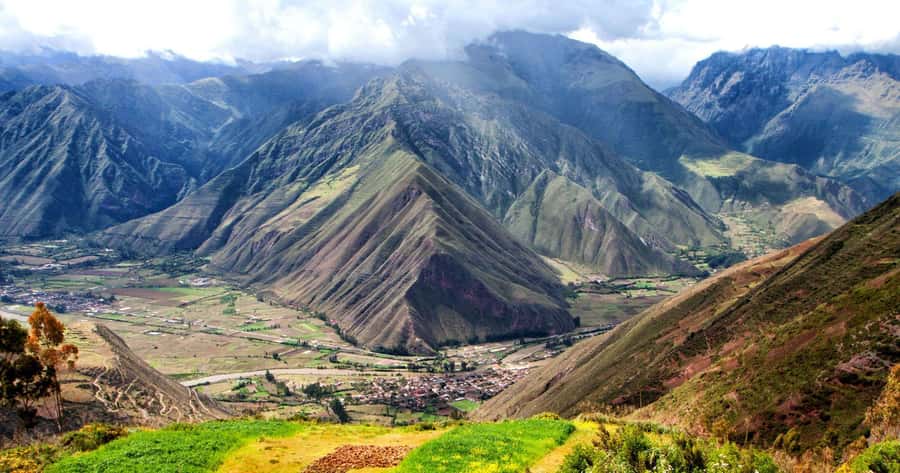
- Moray’s circular terraces: learn how the Inca likely used irrigation and microclimates for experimental farming
- Salineras Salt Mine scale: see 3,000+ evaporation pools that are still active
- Private guide in English or Spanish: you get targeted explanations without joining a large group
- Ollantaytambo ruins focus: guided visit to an important Inca-built area before your afternoon drop-off
- Value in what’s included: hotel pickup, private transport, salt mine entry, and guide time are included
A 6-hour Sacred Valley sampler with real variety
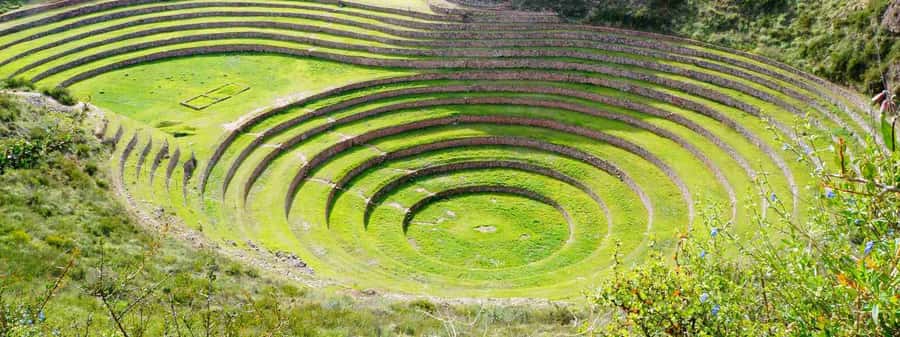
This is the kind of trip I like when you want three Sacred Valley highlights without spending an entire day on the road. You start with hotel pickup in Cusco in the morning, then head out toward the archaeological sites of Moray first, followed by Maras and Salineras, and finishing with Ollantaytambo in the afternoon.
What makes the route feel smart is the contrast. Moray is about the Inca’s engineering and agriculture experiments. Maras is about a living tradition tied to salt. Ollantaytambo shifts back to major Inca architecture and the history of this region. If you’re short on time (or you don’t want a long multi-stop day), this mix gives you a lot of meaning per hour.
Also, the private format matters. It’s not just transportation. With a guide you can spend your time on the parts you care about: terraces, irrigation ideas, salt production, or the ruins’ layout. The tour is designed around guided time blocks—about 40 minutes for Moray and 40 minutes for Maras, then about 1 hour at Ollantaytambo.
You can also read our reviews of more tours and experiences in Cusco.


Moray: circular terraces and the irrigation story you’ll want to ask about
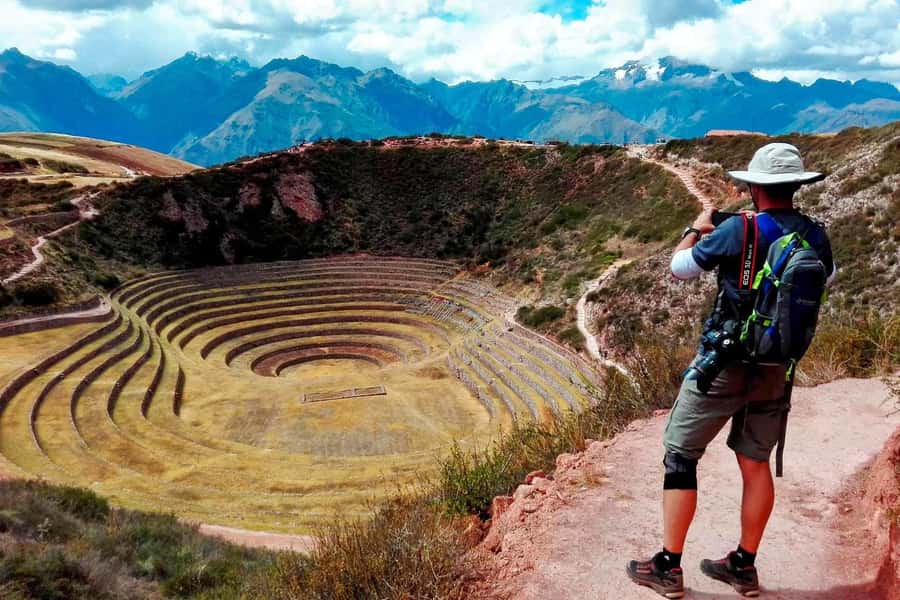
Moray is one of those Inca sites that rewards attention. The structures are unusual: multiple circular terraces, stepped down like an amphitheater made for agriculture. During your guided visit, you’ll learn what the terraces were for and how a complex irrigation system likely worked to support crops.
The big idea to take away is this: Moray doesn’t feel like a temple stop. It feels like a system. Even in a short visit, the guide’s explanation helps you connect dots between the circular geometry and water control. When irrigation is described clearly, those terraces stop looking random. They become part of an engineered approach to growing food in controlled conditions.
A practical note: because this is an archaeological setting, wear hiking shoes. The ground may be uneven and you’ll want sure footing while you look around at different terrace levels. If you’re sensitive to altitude, go slow with photos and questions—Moray is high enough that your body will remind you to take breaks.
Maras and Salineras: salt pools, color, and a working tradition
After Moray, the trip moves to Maras for a guided visit of about 40 minutes. Maras itself is a colonial village area, and the point of that stop is mainly context—how the town sits near the salt zone and how the salt economy ties into daily life in the Sacred Valley.
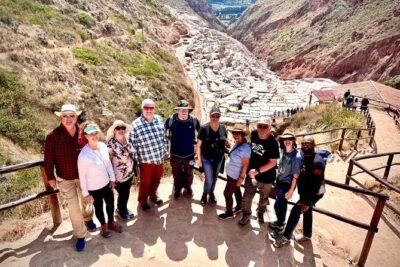
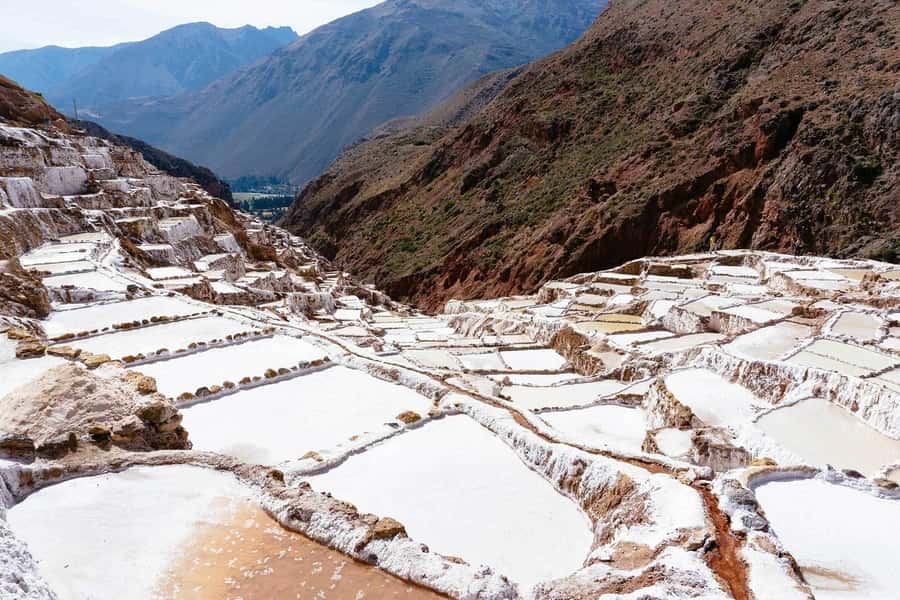
Then you head to the Salineras Salt Mine (the salt evaporation ponds). This is where the scale hits you. You’ll see more than 3,000 evaporation pools, spread out in a way that’s hard to grasp until you’re standing at the site. And unlike many ruins, this one is still in use today, which makes the visit feel grounded. You’re not just looking at a story from long ago—you’re seeing a process that continues.
One thing I appreciate about this stop is the included entrance fee to the salt mines. It’s a small detail, but it reduces the hassle of budgeting and ticket searching on the day. You just show up, follow the guide’s route, and focus on the view and the production layout.
If you’re taking photos, aim for multiple angles. From different viewpoints, the pool pattern changes, and you’ll notice that it’s not just a flat field of ponds. The area is shaped by the terrain, and that makes the whole salt system look more complex than people expect.
Ollantaytambo: Inca construction you can still feel

The drive along the Urubamba River adds a nice transition. You’re changing from agriculture and salt production to one of the Sacred Valley’s most important Inca sites.
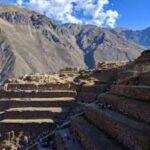
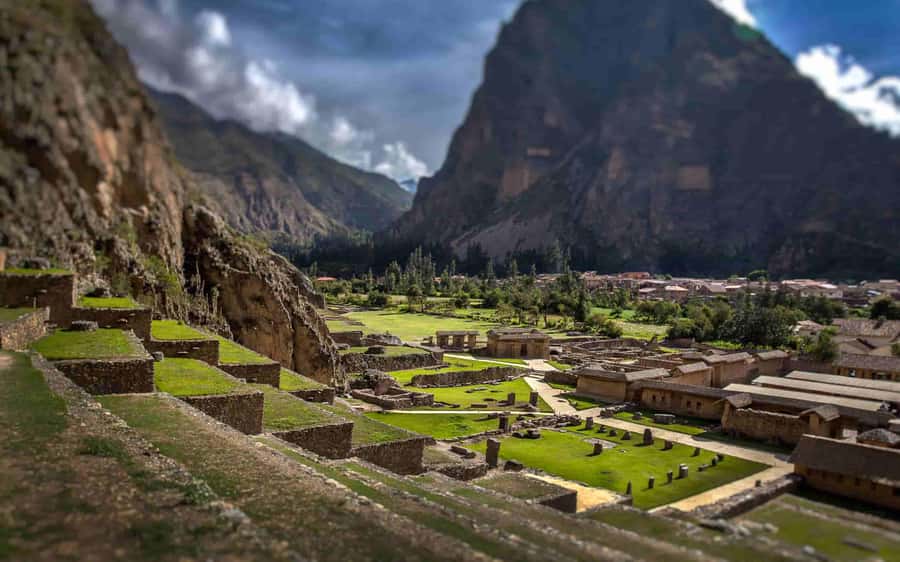
In Ollantaytambo, you’ll get a guided visit to the ruins, described as an important Incan construction area built during the Inca’s heydays. The practical benefit of having a guide here is context. Inca sites can look like beautiful stonework—until someone explains what you should pay attention to: how the complex is laid out, what the ruins suggest about how people lived and moved through the space, and what makes this location strategically important.
Your guided time here is about 1 hour, which is enough for a strong overview if you stay focused. It’s also long enough to ask questions that go beyond the first visual impressions—like what parts feel more defensive versus ceremonial, or why certain structures were built where they are.
Budget consideration: the entrance to the ruins isn’t included in the tour price. The additional information says ruins entry costs S/70.00 per person. There’s also a note that ruin entry can be included with a Tourist Ticket, so if you already have one, it may change what you pay. Either way, don’t assume the ruins are covered—you’ll want cash ready.
The pacing and private guide experience (what it feels like)
This tour is built around guided blocks rather than a long, wandering schedule. That’s not a bad thing. It means you spend most of your time being guided at the places you actually came for.
Typical guided timing looks like this:
- Moray: about 40 minutes
- Maras: about 40 minutes
- Ollantaytambo: about 1 hour
Between stops, you’re in the private vehicle. That helps, because the Sacred Valley involves real driving time and altitude effects. With private transport, you avoid the stress of waiting for others and you can keep the day flowing.
The guide quality is a major selling point here. The feedback score is a perfect 5, and the clearest praise is about a guide who pays attention to what you want and adjusts the visit accordingly. In plain terms: you don’t just get a script. You get explanations that match your questions—terraces, irrigation, salt pools, or ruin details.
Languages are practical too: the guide is available in English or Spanish. If you’re choosing between languages based on comfort, pick the one you’ll speak your questions in—because that’s where the tour becomes more than sightseeing.


Price and value: $144 for a guided Sacred Valley mini-route

At $144 per person for a 6-hour private tour, you’re paying for three things that are hard to DIY smoothly: hotel pickup in Cusco, private transportation, and a private guide. Plus, the salt mine entrance fee is included.
What’s not included is also clear:
- Meals
- The Ollantaytambo ruins entrance fee (S/70.00 per person, with a note that Tourist Ticket might cover ruin entry)
So the value equation looks like this: you’re not paying extra for the salt mine part, but you should expect an additional cost at Ollantaytambo unless you use a Tourist Ticket. Even with that, the price feels reasonable because the tour gives you structured, guided time in three separate areas without the logistics headache.
One more value detail: you can book with flexibility. The experience includes free cancellation up to 24 hours and a reserve now, pay later option. That’s helpful if your Cusco plan might shift with altitude, weather, or train timing.
What to bring and the one day-fee to plan for

You’ll have a smoother day with just a few prep items. The tour instructions recommend:
- Warm clothing
- Hiking shoes
- Cash
Warm clothing isn’t just a nice-to-have in the Andes. Morning starts and open-air walking can get chilly fast, even if the sun is out. Hiking shoes help with the stone, stairs, and uneven ground you’ll encounter around terraces and ruins.
Cash matters because the ruins entrance fee is not included, and the additional information specifically says S/70.00 per person. You don’t want to be hunting for an ATM while your group waits at an entrance.
Drop-off options: where your afternoon ends
You’ll be dropped off in either Cusco or Ollantaytambo—specifically at a hotel or the train station in Ollantaytambo. That’s a big practical difference.
If you’re continuing your trip toward Machu Picchu, an Ollantaytambo drop-off can line up better with train schedules. If you want to keep things simple, a Cusco drop-off keeps you close to your evening plans.
Either way, plan for an afternoon arrival. The tour is 6 hours, so it’s usually enough time to still enjoy your next steps without feeling stuck in another long day.
Who should book this tour (and who might want something else)

This tour is a strong fit if you:
- Want a focused look at Moray + Salineras + Ollantaytambo without committing to a full multi-day itinerary
- Like guided explanations where the details matter—especially irrigation and how the terraces were used
- Prefer a private format so the pace stays comfortable
It’s not a great fit if you have mobility issues. The experience notes it’s not suitable for people with mobility impairments, which likely ties to uneven terrain and steps at archaeological areas.
If you hate rushed days, this might also feel a little quick—because the guided times are short at each site. But if you think of it as a highlights-and-context sampler, it works well.
Should you book the Cusco Maras, Moray and Ollantaytambo tour?
I’d book it if your goal is to pack meaningful Sacred Valley stops into one efficient afternoon window. Moray and Salineras are the kind of places where a good guide changes how you see what’s in front of you, and the private format helps you get answers instead of just collecting photos.
I would pause and plan carefully if you’re hoping for a long, slow stroll through ruins. This tour is structured and time-boxed, and you’ll want to budget for the Ollantaytambo ruins entrance fee (S/70.00 per person) unless your Tourist Ticket covers it.
If you’re on the fence, the best deciding factor is your priorities: engineering in Moray, working salt production at Salineras, and a solid overview of Ollantaytambo’s Inca construction. If those three are on your list, this route is a very practical way to get them in one day.
FAQ
How long is the Maras, Moray, and Ollantaytambo tour from Cusco?
It lasts about 6 hours, starting with pickup from your Cusco hotel in the morning and ending with drop-off in Cusco or Ollantaytambo in the afternoon.
Is this tour private?
Yes. It’s a private group experience with a private guide.
What languages are available for the guide?
The live tour guide is available in English or Spanish.
What’s included in the price?
Included are hotel pickup in Cusco, private transportation, a private English or Spanish guide, the salt mines entrance fee, and drop-off at your Cusco hotel or at the Ollantaytambo hotel/train station.
Do I need to pay extra for the ruins?
Yes. Entrance to ruins is not included in the tour price, and the additional information states it costs S/70.00 per person. There’s also a note that ruin entry may be included with a Tourist Ticket.
Where do I get dropped off at the end?
You can be dropped off in Cusco or Ollantaytambo, either at a hotel or at the train station in Ollantaytambo.
What should I bring for the tour?
Bring warm clothing, hiking shoes, and cash.