REVIEW · AREQUIPA
From Arequipa: Colca Canyon Day Trip with Transfer to Puno
Book on GetYourGuide →Operated by BABY LAMA · Bookable on GetYourGuide
Condors start before the sun. This Colca Canyon-to-Puno trip is built around Mirador Cruz del Cóndor and includes stops that show you the terraces, llamas, and alpacas people still work today. The main trade-off is the punishing start time (pickup around 3:00–3:30 am) plus a 1-hour hike.
I like that the day mixes big scenery with human-scale culture: village photo stops, a Chivay dance moment, and time in local markets. The other consideration: it’s a long day in a bus, and it’s not a fit if you have high blood pressure or struggle with heights or enclosed spaces.
In This Review
- Key things to know before you go
- From Arequipa at 3am: the rhythm of this Colca-to-Puno day
- A quick reality check on the ending
- Morning drive + breakfast: how you get altitude and light
- Chivay: breakfast break plus a traditional dance moment
- Cruz del Cóndor: your best condor-viewing shot and the hike
- Colca River photo stop + the cultural detour in Caylloma
- Chacapi Hot Springs: volcanic soak time (with an extra entrance fee)
- Salinas and Aguada Blanca National Reservation: short wildlife time at altitude
- Alto Lagunillas: markets, tea/coffee, and a final scenic push
- Timing, pace, and what to pack so the day feels doable
- Who should consider skipping this one
- Price and value: what $65 covers (and what costs extra)
- A note on the people side: local culture and care for the environment
- Should you book this Colca Canyon and Puno day trip?
- FAQ
- What time do you get picked up in Arequipa?
- How long is the tour?
- Is there hiking involved?
- Is breakfast included?
- Are entrance fees included for the national park and hot springs?
- Is lunch included?
- What languages are the guide and tour available in?
- What should I bring for hot springs and viewpoints?
- Who is the tour not suitable for?
Key things to know before you go
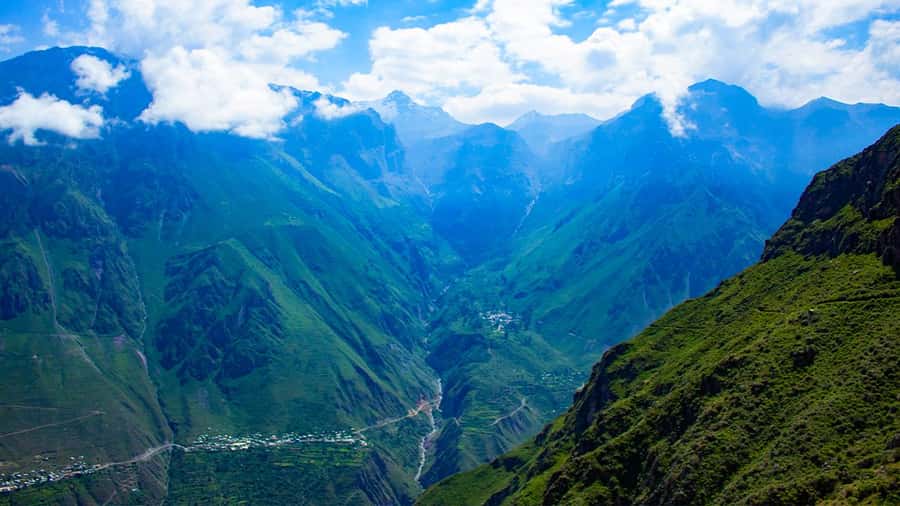
- Condor chances at Cruz del Cóndor: You’re there when visibility is best, and the viewing area is made for spotting them.
- A real rhythm of the Andes: Sunrise drive, terrace country, and small village stops instead of only one viewpoint.
- Hot springs break at Chacapi: Volcanic-origin soak time breaks up the day, then you keep moving toward Puno.
- Local food culture, with market time: You get a chance to snack, taste, and browse in the Caylloma area.
- You’ll need cash: The trip price doesn’t include the national park entrance or hot spring entrance, so plan ahead.
- Comfort matters for the early start: Bring layers and stick to the guide’s timing so you’re not rushing later.
From Arequipa at 3am: the rhythm of this Colca-to-Puno day
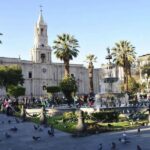
This tour is scheduled like the Andes: early, steady, and very intentional. You’re picked up in the central historic area of Arequipa (or along the way) and you need to be ready from 3:00 to 3:30 am in your accommodation reception. If you hate waking up before breakfast, know that this is the whole point—getting to the canyon views and condor area with light and timing on your side.
The day is long and broken into focused blocks. You’ll start with a coach ride, then move through short guided and self-guided stops, then finish with another transfer toward Puno. By the time you’re done, you should feel like you saw more than just one canyon viewpoint—you saw how people live and farm along the route.
You can also read our reviews of more tours and experiences in Arequipa

A quick reality check on the ending
The tour description says you’ll end in Puno around about 7 pm. Separately, it also lists a finish point at Av La Marina, Arequipa. Because those two don’t match perfectly, it’s worth confirming the exact drop-off with the operator when you book your date.
Morning drive + breakfast: how you get altitude and light
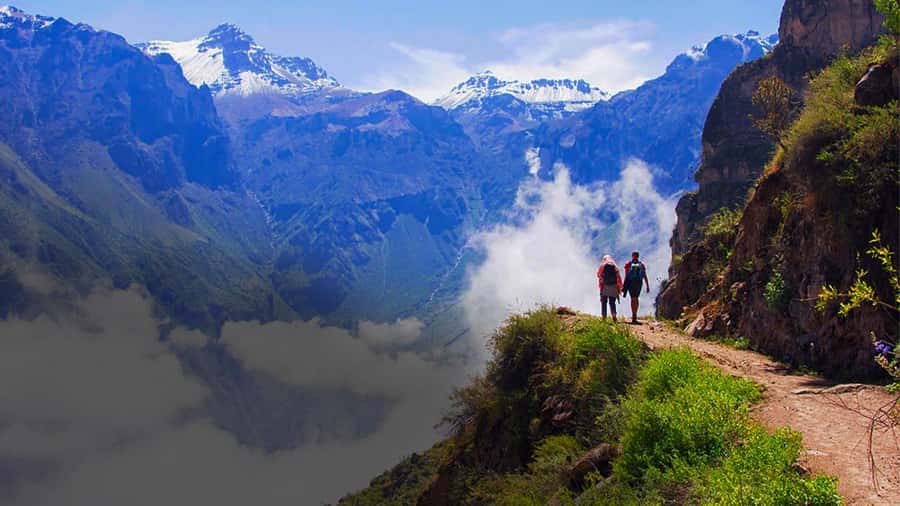
After pickup, you’ll drive for about three hours toward the high Andes. There’s a breakfast at the beginning of the excursion, which matters because you’re eating early and then staying busy for hours. Once you’re higher, you get a short scenic stretch in the Andes with sunrise and a brief stop for photos.
This is a nice part of the tour because it sets you up for the condor viewing later. When you watch light change on the canyon rim and surrounding slopes, it’s easier to understand why people come early. It also makes the first hours of the bus ride feel useful instead of just painful.
Practical tip: treat the early hours like a hike day. Dress in layers even if Arequipa feels warm at night—morning conditions can feel colder as you climb.
Chivay: breakfast break plus a traditional dance moment
Around Chivay, you get a concentrated cultural stop. The plan includes coffee and breakfast, plus a traditional dance show (about an hour). This is one of those stops that helps the day feel less like a checklist and more like a living place.
What I like about this kind of stop is that it gives you context. You’re not just photographing mountains; you’re learning that nearby communities have their own rhythm, celebrations, and performance style. Even if you don’t catch every explanation, the timing and the setting make it easier to understand.
If you’re sensitive to crowds, go with the flow. Dance shows and quick breakfasts can be a busy moment, especially early in the morning while everyone is still waking up.
Cruz del Cóndor: your best condor-viewing shot and the hike
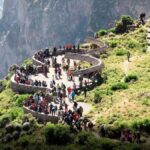
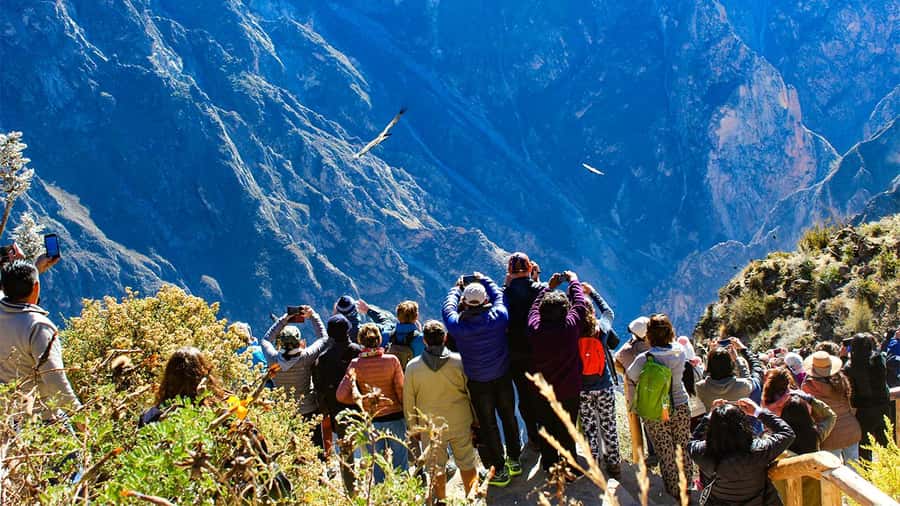
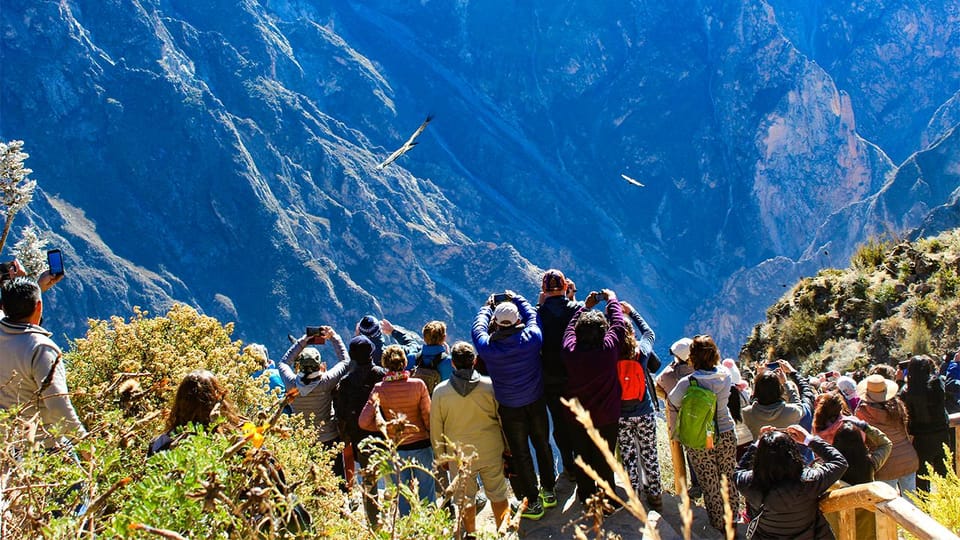
The tour’s signature moment is the Mirador Cruz del Cóndor, and it’s scheduled so you have time to look. You’ll arrive and spend about one hour here, with a mix of guided info and self-guided wandering in the viewpoint area.
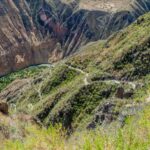
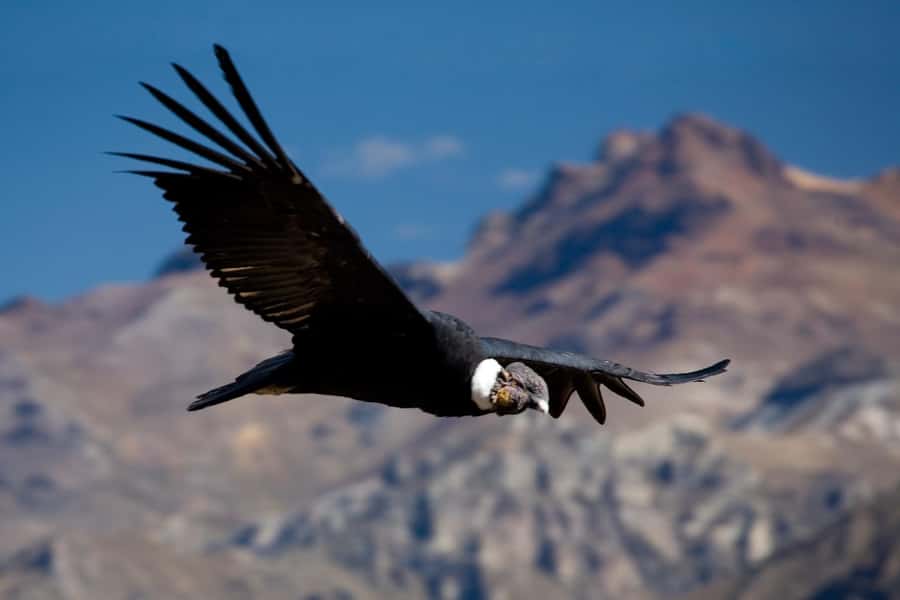
The big reason people love this stop is simple: it’s one of the most famous places in the region to spot Andean condors at eye level, gliding along the canyon. Your odds improve when you’re patient and when you don’t rush to the first spot. The hour is generous, so you can wait for the wind to do its job.
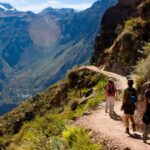
Also: you get an hour of hiking on this tour. Even though not every exact path is described, you should assume you’ll walk on uneven ground and potentially steep-ish stretches. I’d treat it as a real hike day. Hiking shoes are a must, and binoculars can be very helpful if you don’t want to guess at distance.
What to watch for: condors often don’t show up instantly. When you see one, take a second to check the sky again—sometimes the first sighting is just the beginning.
You can also read our reviews of more tours and experiences in Arequipa
Colca River photo stop + the cultural detour in Caylloma
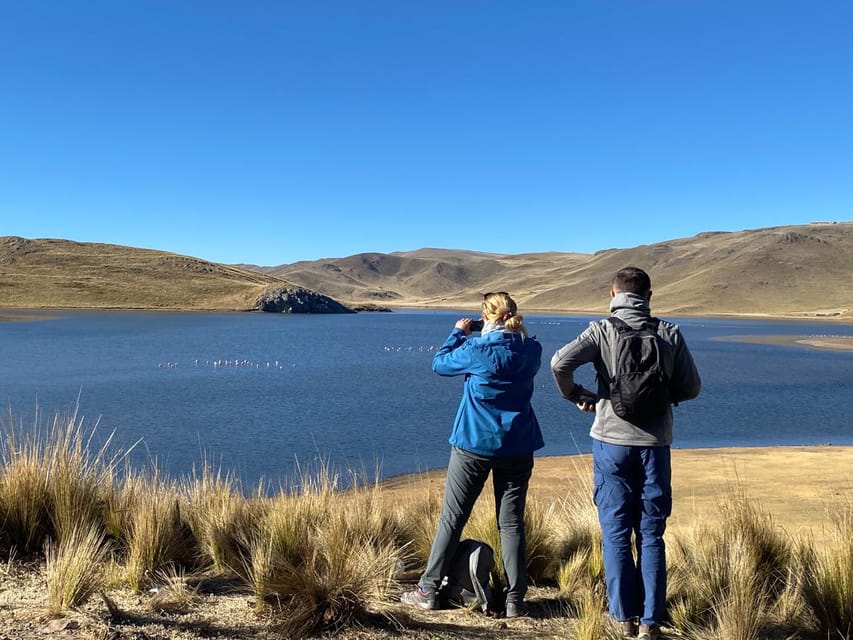
After the condor area, the day shifts to variety. You’ll have time for a Colca River photo stop with short viewing and guided elements, roughly 15 minutes. It’s not meant to be long—it’s more about giving your brain a different angle after canyon-rim intensity.
Then you head into Maca, Caylloma. This is a better “culture and everyday life” stop than you might expect from a canyon day trip. You’ll do a photo stop, and there’s time that can include a cocktail, free time, shopping, local snacks, and a food market visit (around 30 minutes).
I like this because it puts you alongside the kinds of small businesses and food moments that keep the route alive. It’s also a chance to pick up practical souvenirs rather than only generic trinkets. Bring a little cash here—this part of the schedule is exactly where small purchases happen.
A small note: the tour instructions say no food in the vehicle and no alcohol/drugs. That doesn’t mean you can’t buy things on the market, but it does mean your guide is likely strict about what’s allowed during transfers.
Chacapi Hot Springs: volcanic soak time (with an extra entrance fee)
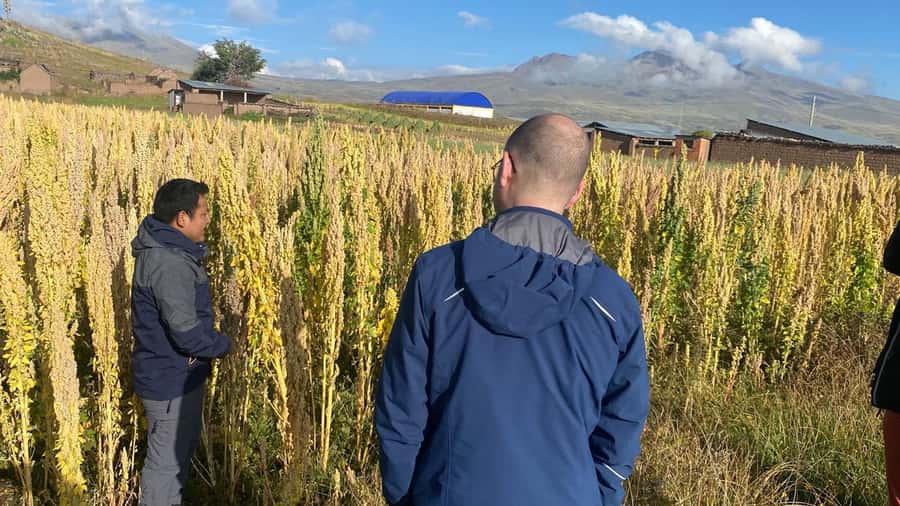
Sometime mid-day, you get a break at Chacapi Hot Springs. You’ll have break time and then about one hour of swimming. These are the kinds of places that make a long route feel human: your body gets tired, and then you’re allowed to reset.
Two things to know for planning:
- The hot spring entrance is not included (listed as 15 soles).
- You should bring beachwear, since the plan includes swimming time.
Even if you’re not a huge hot-springs person, I’d still treat this stop as a recovery moment. You’ve been up early, likely walking, and the bus ride isn’t short. A warm soak can make the afternoon feel totally different.
If you’re traveling with cameras, keep in mind you may get splashes and steam. Bring a simple way to protect electronics.
Salinas and Aguada Blanca National Reservation: short wildlife time at altitude
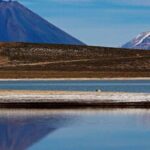
On the way toward Puno, the schedule includes Salinas and Aguada Blanca National Reservation. You’ll have a short break and a self-guided portion, plus wildlife viewing that lasts about 15 minutes.
This stop is short by design. It’s more about giving you a taste of the area’s high-altitude environment than guaranteeing a specific animal encounter. If you love nature photos, use the time to scan patiently—high places can be tricky, and wildlife can be distant.
Again, cash helps. The tour encourages cash in your packing list, and this kind of reservation stop often means small vendors or paid viewpoints (even though the specific amounts here aren’t listed for you).
Alto Lagunillas: markets, tea/coffee, and a final scenic push
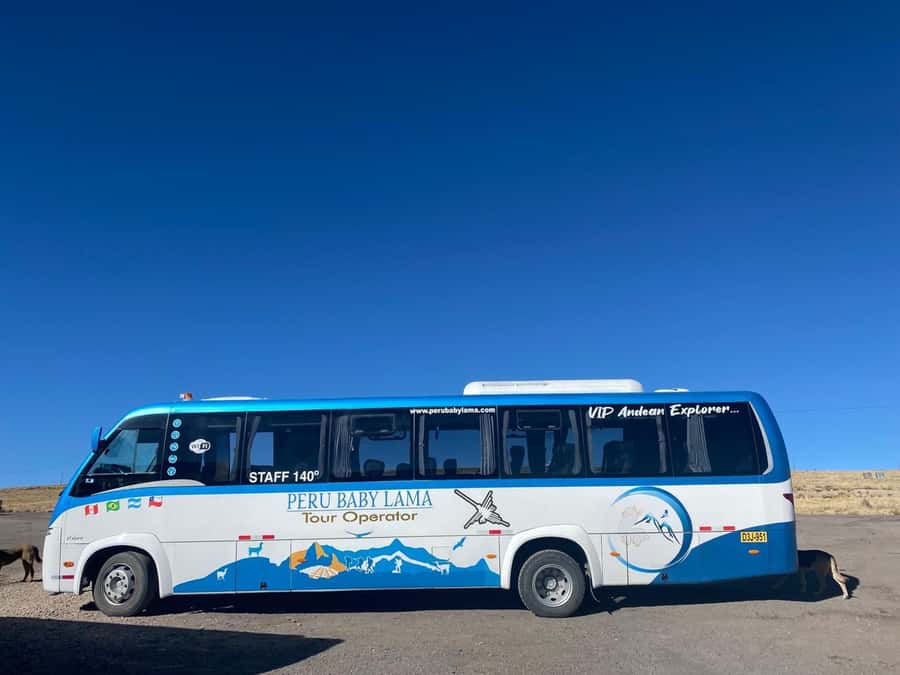
Before Puno, you’ll stop at Mirador Alto Lagunillas. The itinerary notes a break, coffee or tea, local snacks, a quick self-guided period, and an arts & crafts market visit that takes around 15 minutes, plus scenic time.
I like this because it’s a low-effort way to transition from canyon focus to Puno arrival. Also, this kind of market stop can be a good place to grab a small woven item if you want something you can actually use rather than only photo souvenirs.
The schedule moves quickly here. Use the market time efficiently: go for items you genuinely like, check quality, and don’t wait until the last minute for a purchase.
Timing, pace, and what to pack so the day feels doable
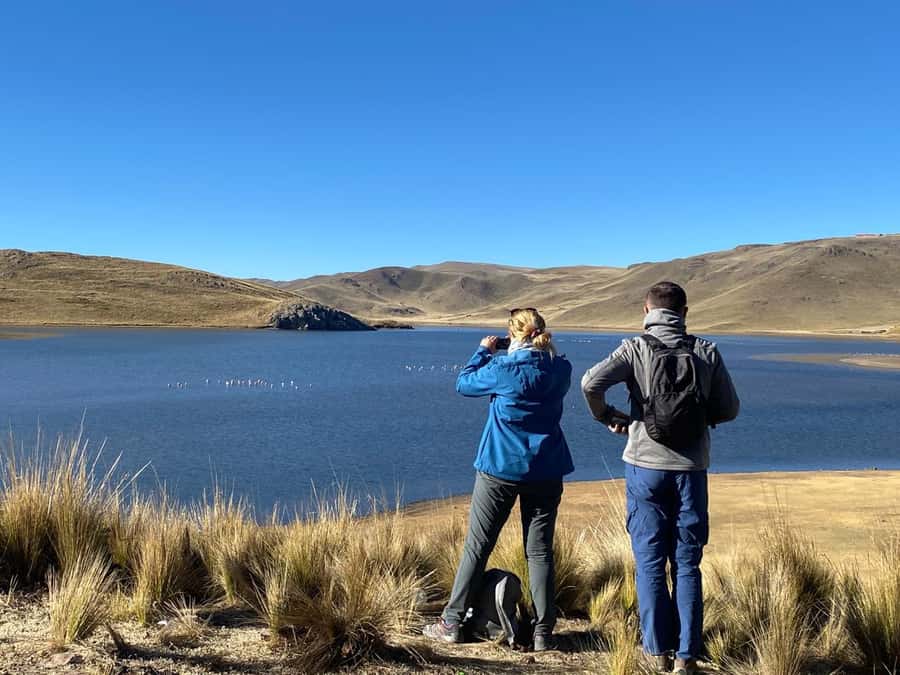
This tour is physically straightforward, but the timing is not gentle. Between early pickup, long drives, the 1-hour hike, and multiple viewpoint stops, you should treat it as an all-day activity with real walking.
Here’s what you should pack based on the tour instructions and what the schedule asks from you:
- Hiking shoes (for the hike and uneven ground)
- Camera (you’ll use it a lot)
- Binoculars (condors and distant views)
- Biodegradable sunscreen and biodegradable insect repellent
- Cash (for park/hot spring entrances and market purchases)
- Passport or a copy accepted (carried for identification)
- Beachwear (for Chacapi hot springs)
- A simple layer system (mornings can be cool)
Also remember what isn’t allowed: no alcohol/drugs, and no food in the vehicle. Chewing gum is also listed as not allowed.
Who should consider skipping this one
The tour is not suitable for people with high blood pressure, people with claustrophobia, babies under 1 year, and people over 70. If you fit any of those categories, choose a different format that matches your comfort level.
Price and value: what $65 covers (and what costs extra)
At $65 per person, this can feel like a bargain for what you’re getting: early transport out of Arequipa, an English-speaking guide, breakfast, entry through a separate entrance (skip-the-line style), and the main canyon viewing stops plus the hot springs swimming block.
But the real value depends on what you’ll pay separately:
- National park entrance: 70 soles (not included)
- Hot spring entrance: 15 soles (not included)
- Lunch: not included, even though the schedule includes time for regional food and dessert later
That “not included” lunch line matters. You might find there’s an opportunity to eat during the Chivay break and the regional food block, but you should assume you’ll pay for your meal there unless the operator confirms it’s included for your date.
The upside: your money isn’t going only to a bus and a view. You’re buying guided interpretation, transport, and structured stops that hit major highlights—especially the condor mirador and the hot springs break.
A note on the people side: local culture and care for the environment
Two claims are emphasized in the tour description: environmental care and preserving local culture, plus a local operator handled directly by native people. Even without seeing those values in every single moment, you can feel it in the way the itinerary is built around villages, terraces, and markets rather than just fast photo stops.
When a day trip includes time in places where communities still farm and sell food, it’s easier to understand the canyon beyond scenery. And that usually leads to better photos, too. You’re not only shooting cliffs; you’re capturing a way of life.
Should you book this Colca Canyon and Puno day trip?
Book it if you:
- Want one efficient day that hits condors, hot springs, and Andean village culture
- Are comfortable with an early 3am start and a 1-hour hike
- Like structured touring with an English-speaking guide, but still want time to look on your own at viewpoints and markets
Skip it if you:
- Don’t handle early mornings well, or you’re hoping for a relaxed pace
- Have high blood pressure, claustrophobia, or you fall outside the listed age guidance
- Hate long bus days—this is mostly a full-day transport experience, with several short stops
If you’re aiming for classic Colca highlights with the bonus of continuing toward Puno, this is a strong fit—as long as you’re ready for the early wake-up and you budget for the extra entrances.
FAQ
What time do you get picked up in Arequipa?
Pickup is between 3:00 and 3:30 am. You need to be ready from 3am at the reception of your accommodation.
How long is the tour?
It’s listed as a 1-day trip. The exact starting times depend on availability.
Is there hiking involved?
Yes. The tour includes 1 hour of hike.
Is breakfast included?
Yes. You get breakfast at the beginning of the excursion.
Are entrance fees included for the national park and hot springs?
No. The national park entrance is 70 soles, and hot spring entrance is 15 soles. These are listed as not included.
Is lunch included?
No. Lunch is not included, though the schedule includes time for regional food later in the day.
What languages are the guide and tour available in?
The tour guide is listed as English and Spanish.
What should I bring for hot springs and viewpoints?
Bring beachwear for the hot springs, plus hiking shoes, camera, binoculars, biodegradable sunscreen, and biodegradable insect repellent. Cash and passport (copy accepted) are also listed.
Who is the tour not suitable for?
It’s listed as not suitable for people with high blood pressure, claustrophobia, babies under 1 year, and people over 70 years.