REVIEW · URUBAMBA
Super Sacred Valley
Book on GetYourGuide →Operated by Exploor Trip E.R.L · Bookable on GetYourGuide
One day in the Sacred Valley can feel like a magic trick. You’ll move through Inca ruins and working Andean places, with views that change every stop, plus real time with local life at markets and craft centers. What I like most is the way the sites stay the center of the day, not just a photo stop circuit, and how a good guide can turn stones and terraces into a clear story. One thing to consider: the schedule also includes brief stops connected to crafts or demonstrations, so if you hate shopping detours, you’ll want to keep your expectations realistic.
I also appreciate that this tour packs the big hits—Moray for those circular farming terraces, the salt pools at Maras, and the famous ruins at Ollantaytambo—into a single, organized day. You’ll get a professional English/Spanish guide, round-trip hotel transport, and a buffet lunch in Urubamba to keep you fueled between viewpoints. The main drawback is simple: the day is full, and some vehicles can feel tight for legroom, so bring comfortable clothes and a bit of patience for the drive.
In This Review
- Quick Takeaways
- Sacred Valley in One Day: What This Route Delivers
- Pickup and Timing from Cusco: The 7:00 am Reality Check
- Chinchero: Inca Walls, a Colonial Church, and a Textile Stop
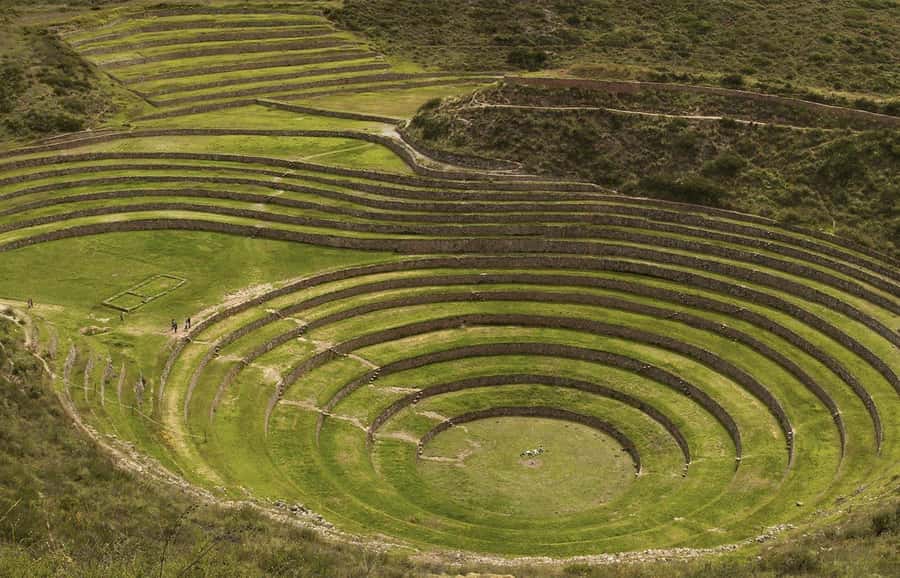
- Moray’s Circular Terraces: Understanding Inca Agriculture
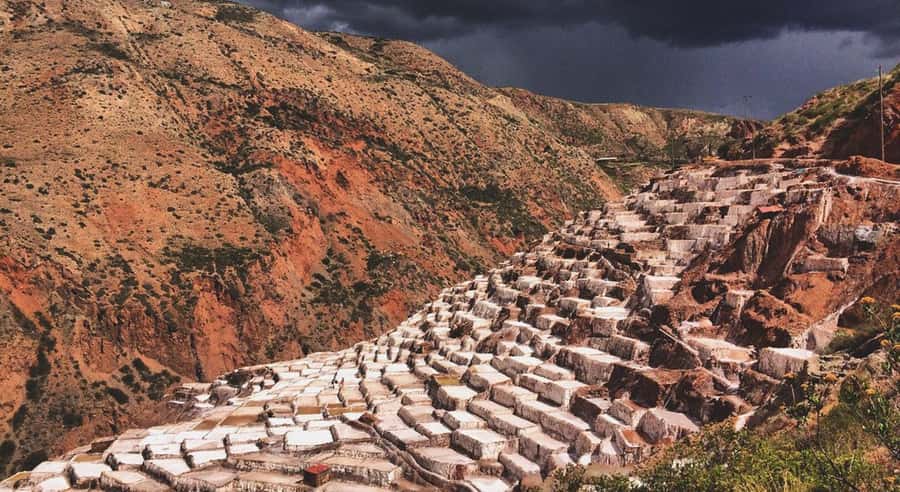
- Maras Salt Mines: Over 3,000 Salt Wells in Motion
- Urubamba Buffet Lunch: A Real Break Before Ollantaytambo
- Ollantaytambo: The Last Living Inca City Feel
- Pisac: Market Crafts and the Archaeological Park on Intihuatana Hill
- Price and Logistics: Is $50 Good Value?
- Who Should Book This Sacred Valley Day Tour
- Should You Book Super Sacred Valley?
- FAQ
- Is hotel pickup included?
- What time does the tour start and when do you return to Cusco?
- What major stops are included in the day?
- Is lunch included?
- Are entrance tickets included in the price?
- What languages will the guide use?
- Is there emergency equipment provided?
- What is the cancellation policy?
- Can I reserve and pay later?
Quick Takeaways
- A tight loop of 5 major places (Chinchero, Moray, Maras, Ollantaytambo, Pisac) in one day
- Bilingual guidance with the information repeated in both English and Spanish so you don’t miss key ideas
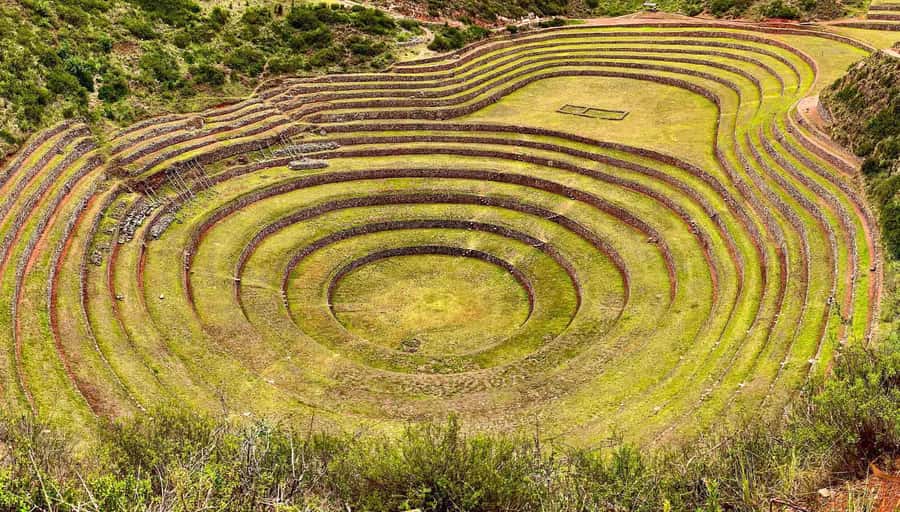
- Moray’s circular terraces explained as an Inca agricultural site, not just a cool shape
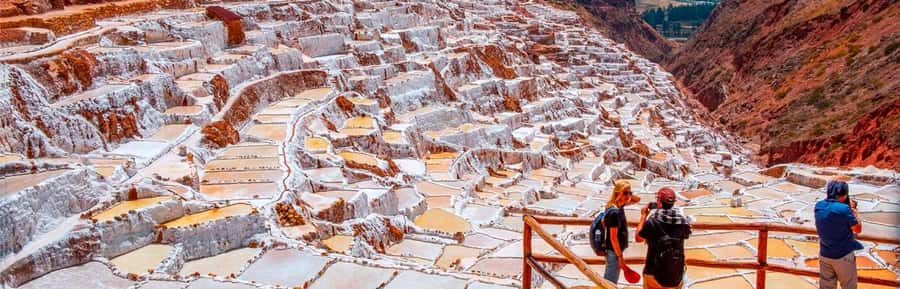
- Maras Salt Mines with 3,000+ salt wells—an easy place to understand how people live here
- Ollantaytambo’s Last Living Inca City vibe after lunch, when the day starts to slow down
Sacred Valley in One Day: What This Route Delivers
The Sacred Valley is huge in spirit and big in distance, so the real value of this tour is how efficiently it threads the needle. In one day, you’ll connect several distinct worlds: the Chinchero textiles and church, the experimental terraces of Moray, the working salt mines at Maras, and then the dense stone-and-stone feeling of Ollantaytambo and Pisac.
I like how the itinerary isn’t just “ruins, then more ruins.” You also get moments that feel like you’re in the daily rhythm of the region: a textile center participation in Chinchero, and an indigenous market stop in Pisac where crafts are the point. That balance matters, because it makes the history more human. Instead of reading about the Inca from a distance, you see how community life still shapes what’s around you.
The tradeoff is that you’ll keep moving. You won’t have the luxury of lingering for hours at each stop. If your idea of a great day is long, quiet ruin-walking time, you may wish you had two days. But if you want the highlights done right, this one-day loop can work very well.
You can also read our reviews of more tours and experiences in Urubamba.

Pickup and Timing from Cusco: The 7:00 am Reality Check
The day begins early. You’ll have hotel pickup and head out around 7:00 am. That timing is not random—it helps you get to popular sites before the day crowds build and gives you daylight for driving and walking.
You should plan on a long travel day with a steady rhythm:
- Morning sightseeing begins with Chinchero
- Midday includes Moray and the Maras Salt Mines
- Lunch happens in Urubamba
- The afternoon continues with Ollantaytambo and finishes at Pisac
- You’ll return to Cusco around 7:00 pm (approximately)
One practical consideration: some groups report a fairly small bus with tight seating (around a 17-seat style vehicle). I’d pack light and dress for comfort, because your best comfort strategy is to start the day with easy layers and shoes that work for uneven paths.
Chinchero: Inca Walls, a Colonial Church, and a Textile Stop
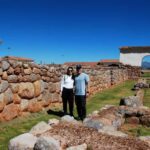
Chinchero kicks off the day with two time periods in one view. You’ll visit Inca wall constructions and also a colonial church that holds a lot of history for the town. That mix is one reason Chinchero is a strong opening stop: you can see how layers of power and culture shaped this region.
Then there’s the textile center participation. The idea isn’t just to watch from a distance. It’s there so you can connect the craft tradition to local life, and you’ll likely get a quick look at how textiles fit into community identity.
The value for you is that Chinchero sets a theme for the whole day: agriculture, materials, and community organization. Even if you’re not a textile expert, the stop helps you understand why Andean crafts remain so meaningful.
Possible drawback: the same craft-center time can feel short if you’re hoping for a deeper hands-on workshop. If you prefer to spend your limited hours strictly on archaeological parks, you may want to mentally treat this as a brief orientation stop—not the main event.
Moray’s Circular Terraces: Understanding Inca Agriculture
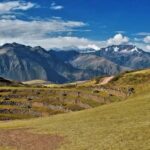
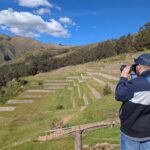
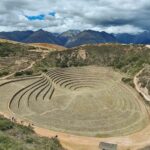
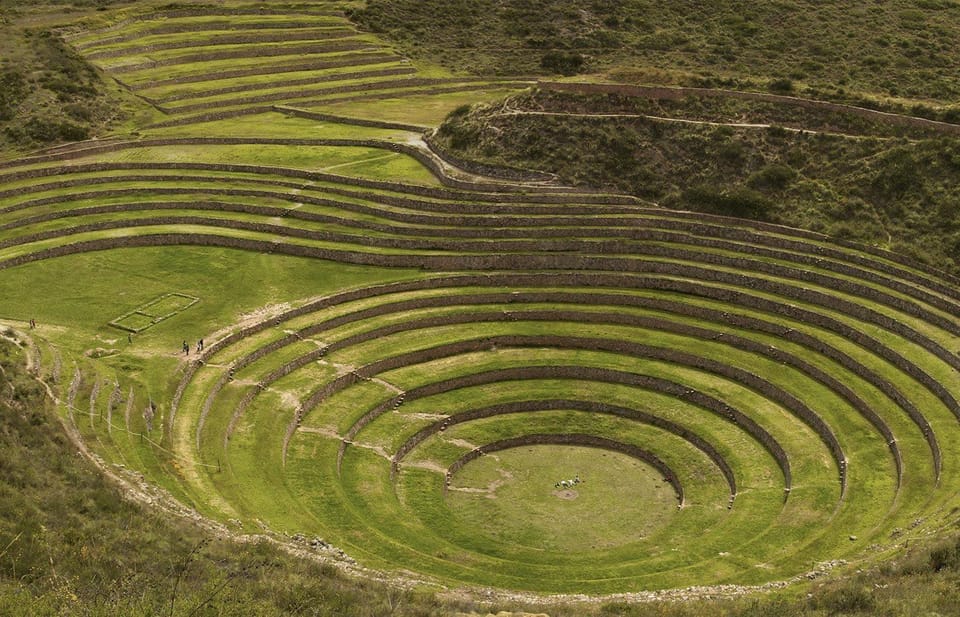
Next comes Moray, famous for its circular farming terraces. This site matters because it’s not just scenery. It was important in the Inca era, especially for agriculture, and the guide time here helps you connect the shape of the terraces to how the Incas experimented with growing conditions.
Here’s what I’d pay attention to as you walk: the terraces aren’t arranged randomly. In your head, try to picture how elevation and microclimates would have changed growing potential. Moray gives you a concrete way to think about Inca science as practical land management.
This stop is one of the best places on the tour to slow down mentally, even if you can’t slow down physically. The circular design naturally draws you to the center and back out again, and the guide explanation makes that movement feel purposeful rather than like sightseeing.
If you only had time for one agriculture-related Inca site in the region, Moray is usually the one people remember—because it teaches you something, not just looks impressive.
Maras Salt Mines: Over 3,000 Salt Wells in Motion
Then you’ll descend into the Maras Salt Mines. This part is genuinely memorable because the setting is dramatic and the activity is specific: you’ll visit more than 3,000 salt wells. The tour frames it as salt that was used by the Incas for consumption—so you get a clear connection between today’s salt collection and the region’s older food systems.
What makes Maras work on a day trip is how easy it is to understand what you’re seeing. The “3,000+ wells” detail isn’t just trivia. It helps you realize that this is a landscape built from repeated human labor, not a single monument.
For you, that means photos will look good, yes—but more importantly, you’ll come away with an intuition for how natural resources shaped daily life. People still collect salt here, and you can feel that continuity.
One practical note: Maras can involve walking along uneven ground and viewpoints. Wear shoes with grip and keep an eye on your footing, especially if the day turns damp.

Urubamba Buffet Lunch: A Real Break Before Ollantaytambo
Between the major stops, you’ll reach Urubamba for a buffet lunch. This matters more than you might think, because Sacred Valley days can burn through energy faster than expected. A sit-down meal helps you reset before the afternoon’s archaeological focus.
In at least one group, the lunch was described as excellent, which tells me this is not just a rushed box-meal moment. Still, the tour keeps moving, so don’t expect a long lingering lunch. You’re eating to fuel the next section, not to turn the day into a slow festival.
If you want the smoothest experience, eat what you can, drink some water, and then get back to the bus with enough time to regroup before the next walking-heavy stop.
Ollantaytambo: The Last Living Inca City Feel
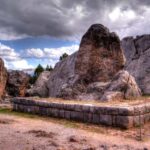
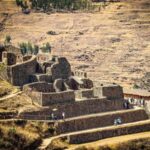
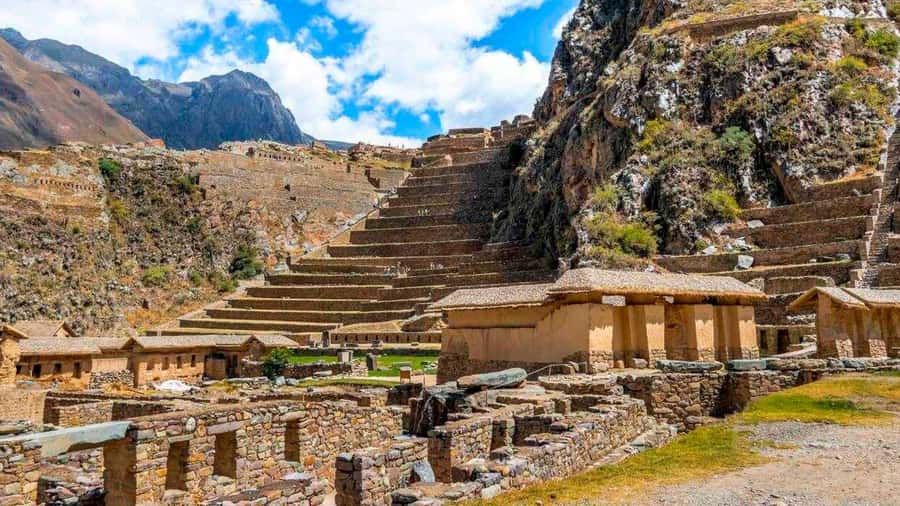
After lunch, you’ll go to Ollantaytambo, widely known as the Last Living Inca City. This is the point where the day’s stonework energy ramps up. The town’s ruins feel more integrated than isolated: you’re surrounded by architecture that tells you how tightly built life used to be.
What’s valuable here is not only the site itself, but the sequencing. You’ve already seen agriculture (Moray) and resource use (Maras). So when Ollantaytambo shows you Inca urban life, the “why” of the civilization clicks more easily.
Go slow through the main areas. Even if you’re not a history buff, you’ll notice how the stone looks engineered for permanence. The guide explanation helps connect the site to the Inca story in a way that feels practical, not like memorizing facts.
If you want a quick strategy: stop for a minute at a viewpoint, listen to the guide explanation, then resume walking. That rhythm makes the place feel like a story rather than a checklist.
Pisac: Market Crafts and the Archaeological Park on Intihuatana Hill
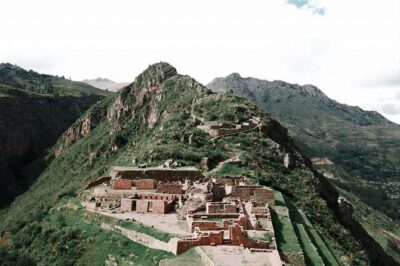
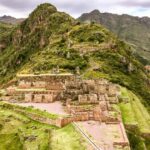
In the afternoon, you’ll head to Pisac, described as being on the slopes of Intihuatana hill, the Place where the Sun is moored. That phrasing matters because it signals that this area isn’t just stone piles. It’s also tied to how people related to the sky and seasons.
The tour includes two Pisac elements:
- The indigenous market, where you’ll find it’s a strong place for buying crafts
- The Archaeological Park of Pisac, with Inca sites and polished stone buildings
For shopping, Pisac is usually the best moment to look for textiles, small crafts, and souvenirs tied to local workmanship. Keep your time focused: if you spread shopping across multiple stops, it can dilute the experience. Here, you get a dedicated window.
For the archaeological park, take advantage of the guide’s explanations and walk with intention. Polished stone buildings can look similar until you’re shown what to look for. When you understand the construction style and the site layout, you start seeing the engineering behind the aesthetics.
Price and Logistics: Is $50 Good Value?
At about $50 per person for a full day, this tour is mostly a value play on time and organization. You’re paying for:
- Hotel pickup and round-trip transport
- A professional English/Spanish speaking guide
- Buffet lunch
- Emergency gear on the vehicle (first aid kit and oxygen bottle)
- Access to several key stops without needing to coordinate buses yourself
Then you have the extra cost of entrance tickets. You’ll need a tourist ticket (PEN 70.00) for Chinchero, Moray, Ollantaytambo, and Pisac, plus a PEN 10.00 ticket for the Maras Salt Mines. Since those fees are not included, it’s smart to budget for them early so you’re not surprised at the entrances.
So is it worth it? For many people, yes—especially if you want all the major names in one day and you value the guide explanations. But here’s the balanced truth: if you’re very price-sensitive or you dislike any craft-center stops, you might prefer a cheaper route or a more self-guided day where you control the pace. The tour’s strength is convenience plus interpretation. Its weakness is that the schedule doesn’t slow down for people who want every stop at a leisurely pace.
Who Should Book This Sacred Valley Day Tour
I think this tour is a strong fit for you if:
- You want a one-day highlights plan that hits multiple Sacred Valley icons
- You appreciate guided context in English and Spanish
- You want a mix of ruins plus human-scale places like markets and craft centers
- You’d rather pay for structure than spend your day figuring out transit
I’d be more cautious if:
- You hate shopping detours and short craft demonstrations
- You’re very sensitive to legroom on a small bus and want more space for a long ride
- You want two-day pacing where each ruin gets deeper time
Should You Book Super Sacred Valley?
If your priority is seeing Chinchero, Moray, Maras, Ollantaytambo, and Pisac in one organized day, I’d book this. It’s the kind of itinerary that works when you have limited time in Cusco and want your money to buy direction, not just transportation.
But if you know you’ll get irritated by brief craft-related stops, go in with a clear plan: focus on the archaeological parts where you can. Also budget for the separate site tickets (PEN 70 and PEN 10 as listed) so the price feels transparent.
FAQ
Is hotel pickup included?
Yes. The tour includes pick up at your hotel in Cusco and round trip transportation.
What time does the tour start and when do you return to Cusco?
Pickup is at approximately 7:00 am, and you return to Cusco at about 7:00 pm.
What major stops are included in the day?
You’ll visit Chinchero, Moray, the Maras Salt Mines, Ollantaytambo, and Pisac (market and archaeological park).
Is lunch included?
Yes. A buffet lunch in Urubamba is included.
Are entrance tickets included in the price?
No. Tourist tickets are not included. The listing specifies PEN 70.00 for Chinchero, Moray, Ollantaytambo and Pisac, and PEN 10.00 for the Maras Salt Mines.
What languages will the guide use?
The tour includes a professional English/Spanish speaking tour guide.
Is there emergency equipment provided?
Yes. A first aid kit and an oxygen bottle are included for emergencies.
What is the cancellation policy?
You can cancel up to 24 hours in advance for a full refund.
Can I reserve and pay later?
Yes. The offer includes reserve now & pay later.