REVIEW · CUSCO
6 day Rainbow Mountain x Ausangate Trek – FlashpackerConnect
Book on Viator →Operated by FlashpackerConnect LLC · Bookable on Viator
The sunrise is the alarm clock here. This 6-day Rainbow Mountain x Ausangate trek from Cusco is interesting because it gets you hiking into high Andean country over multiple passes, not just sprinting to a single viewpoint with a crowd. I love the small group feel and the all-in logistics (guide, food, tents, sleeping gear). One caution: you’ll spend plenty of time above 4,200m, including high passes over 5,000m, so you should be ready for a serious fitness test.
I also like how the trip removes the headache of arranging the hard parts yourself—private transport from your Cusco hotel, access fees, and a guide who speaks English/Spanish. With a maximum group size of 8 and a start time early enough to feel almost rude, you’ll spend less time waiting around and more time earning those views.
In This Review
- Key things that make this trek work
- Why Rainbow Mountain feels bigger when it’s paired with Ausangate
- Price and Logistics: What the $1,050 actually buys you
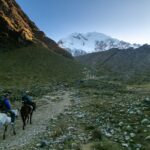
- Day 1: Tinqui to Upis, with Nevado Ausangate as the opening scene
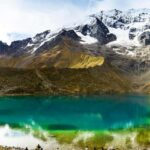
- Day 2: Sunrise hikes toward the 7 lagoons (and wildlife in the high air)
- Day 3: Qampa Pass (5,051m) and the long descent through glacier country
- Day 4: Palomani pass at 5,130m, plus Puca Cocha’s altitude camp feel
- Day 5: Warmi Saya pass and the Rainbow Mountain reveal
- Day 6: Rainbow Mountain at 4:45am, then Red Valley and back to Cusco
- Who should book this trek, and who should think twice
- Practical tips that make a difference at 4,200m and up
- The booking decision: should you do this trek?
- I’d book it if…
- I’d reconsider if…
- FAQ
- Where does this trek start and where do you end it?
- How long is the trek?
- What time does the trek start each day?
- Is pickup from my Cusco hotel included?
- What camping and sleeping gear is included?
- Are meals included?
- Do I need to bring all my hiking gear and a backpack?
- Are trekking permits or private land access handled?
- Is there a vegetarian option?
- Is this trek suitable for people with walking disabilities?
- Does the tour run in bad weather?
Key things that make this trek work
- Small group (max 8 people) keeps the pace human and the vibe calmer on narrow trails and passes.
- All camping gear included: you get a camping tent and sleeping bag, plus a portable toilet.
- High-altitude support includes a first aid kit with oxygen tank on hand.
- Real trekking day structure with big moments: Qampa Pass (5,051m), Palomani (5,130m), and multiple valley descents.
- Early Rainbow Mountain timing: you’ll reach Rainbow Mountain after a 4:45am wake-up and get time to explore before the rush peaks.
- Gear handled for you: pack horses carry everything inside a duffel (up to 6kg per person), so your hiking pack can stay focused.
Why Rainbow Mountain feels bigger when it’s paired with Ausangate
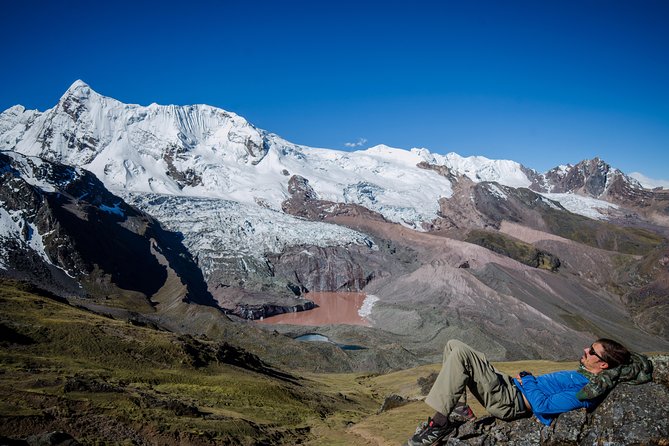
Rainbow Mountain gets all the headlines, but this trek wins because it treats it like the ending scene—not the whole movie. You’ll spend several days walking around Nevado Ausangate’s region, moving through lagoons, valleys, and passes where the air feels thinner and the views feel wider.
What that means for you: you’re not just chasing a photo. You’re earning a sense of place. One day you’re soaking in hot springs nearby, the next you’re scanning for condors or vicuñas, and later you’re cresting passes with glaciers and lagoons in the same line of sight.
Also, the early starts aren’t random. They fit the rhythm of high-altitude hiking: get moving while conditions are stable, and give yourself time to enjoy stops rather than just pass through them.
You can also read our reviews of more hiking tours in Cusco
Price and Logistics: What the $1,050 actually buys you
At $1,050 per person for about 6 days, the big question is value: are you paying for scenery only, or for real support? Here, a lot is included up front, and that matters in Peru’s mountains where logistics can eat your energy.
Included items you’re effectively paying for:
- Private transportation to and from your Cusco hotel
- English/Spanish speaking guide
- Fees to access private land
- First aid kit with oxygen tank
- Camping tent and sleeping bag
- Portable toilet
- Pack horses / horseman to carry gear
- Meals: 5 breakfasts, 5 dinners, and 5 lunches (plus snacks, coffee and/or tea)
Not included:
- Personal trekking gear and your own backpack
- Riding horse (horses carry your gear; you hike)
For me, the strongest value here is stress reduction. You won’t be figuring out schedules, where to sleep, how to transport heavy items, or how the day-to-day flow works at altitude. You’re hiking with an organized team, and you get the basic camping setup so you don’t show up having to improvise.
Day 1: Tinqui to Upis, with Nevado Ausangate as the opening scene
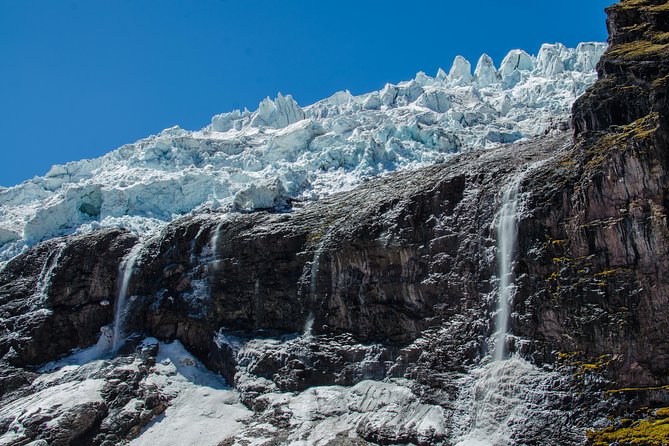
You start early with your guide meeting you in Cusco and then riding by private transportation to Tinqui, the trek’s starting point. Before you hike, you’ll eat a local lunch while your gear gets loaded onto pack horses. That small pause is practical—it keeps you from rushing the first day while you still have energy.
Then you begin walking to your first camp at around 4,200m. The hiking time is only 2–3 hours, and the goal feels like acclimatization plus comfort: reach the village of Upis, settle in, and recover.
Your reward on Day 1 is the hot springs soak in Upis. After the soak, you’ll have coca tea and a chance to relax muscles before dinner. That’s not just a fun extra; it’s a smart way to reduce the soreness that often shows up when your body is adjusting to altitude.
Day 2: Sunrise hikes toward the 7 lagoons (and wildlife in the high air)
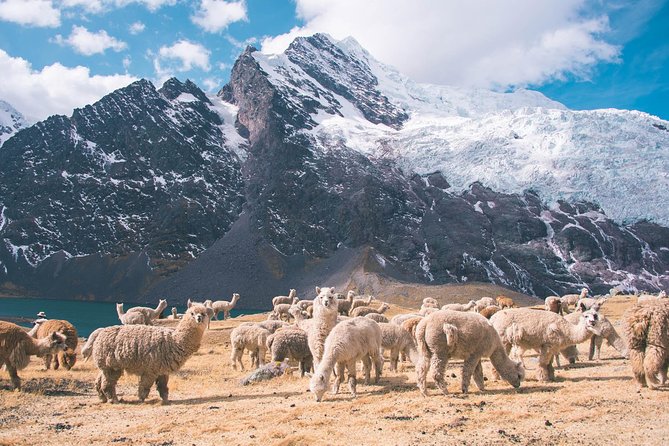
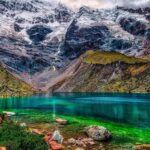
Day 2 starts with a very early wake-up—5:00am—with coca tea or coffee delivered to your tent, followed by breakfast. Then you hike toward the 7 lagoons of Ausangate, around 10km and about 5 hours of walking.
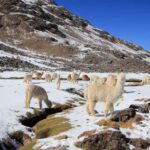
This is the day where you get that feeling that you’re in a working mountain ecosystem, not just a tourist corridor. Along the way you’ll pass local farmers and alpacas, and your guide explains what makes this region special.
With luck, you’ll spot high-altitude wildlife like condors, chinchillas, and vicuñas. I like that the tour doesn’t promise sightings, but it encourages you to look for them—because on long hikes, attention is part of the fun.
You’ll sleep at Ninaparayuc campsite, and after lunch and dinner you’ll have time to explore nearby lakes. Even if you don’t see animals, the views and the stillness tend to do the heavy lifting here.
Day 3: Qampa Pass (5,051m) and the long descent through glacier country
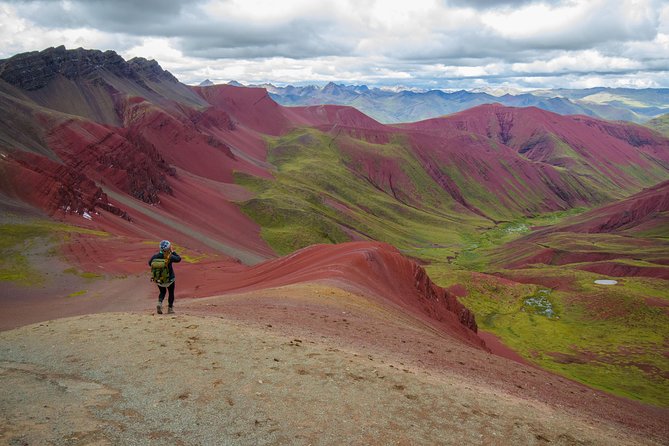
Day 3 is where the trek starts feeling like a real challenge. You begin with Qampa Pass at 5,051m, with about 7–8 hours of hiking and roughly 14km.
Yes, that pass is steep and high. But it’s also the moment when the scenery opens up in a way that makes early pain worth it. You’ll keep getting sweeping views of Ausangate as you climb.
After the pass, you descend into the Qampa Valley. The tour’s described terrain includes glaciers in the surrounding scene and grazing llamas on the trail’s lower edges. You stop for lunch around Surapampa, then continue through an area described as an ancient moraine.
And here’s one detail worth noting: you’re encouraged to watch for mountain chinchillas during the descent because you’ve entered their habitat. If you like wildlife photography, this is a day to go slow with your eyes, not just your feet.
You finish at the Huchuy Phinaya campsite. The dinner there feels earned after a long day.
You can also read our reviews of more tours and experiences in Cusco
Day 4: Palomani pass at 5,130m, plus Puca Cocha’s altitude camp feel
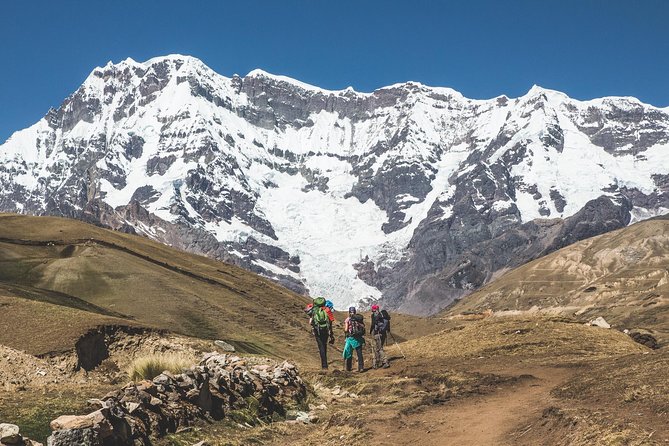
Day 4 ups the altitude stakes again with Palomani pass at 5,130m, described as the highest pass on the trail. Hiking time is another 7–8 hours and about 14km.
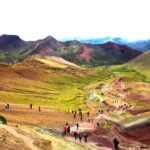
On this day, you’ll be walking through the multi-colored hills near Ausangate and visiting glacial lagoons along the way. It’s the kind of day where your camera battery might start plotting against you, but your legs will keep moving even if you don’t want them to.
After reaching the pass, you descend to a lunch spot in the valley. Then, in the afternoon, you walk up for about 2 more hours to Puca Cocha at roughly 4,600m. That uphill switch after lunch is a good reminder: high-altitude hiking is as much about rhythm as it is about speed.
You’ll have tea time and dinner at camp, and the pacing makes sense. You’re giving your body time to settle at altitude before the final push to Rainbow Mountain.
Day 5: Warmi Saya pass and the Rainbow Mountain reveal
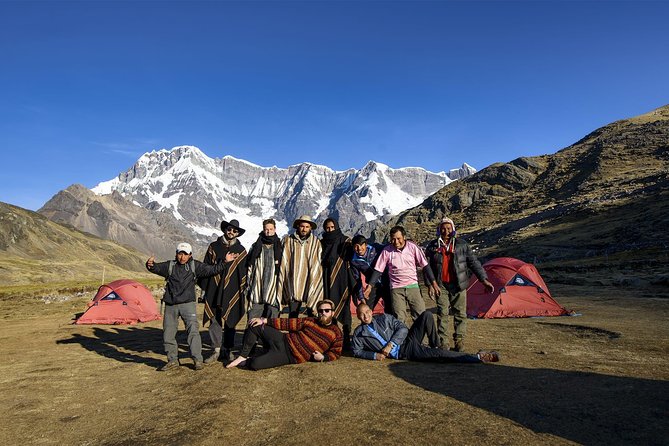
Day 5 begins with breakfast at the high camp area and continues with another challenging section: about 6–7 hours of hiking and around 13km.
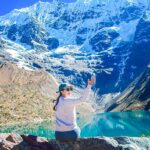
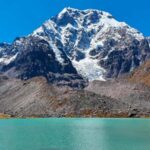
You start by going over Puca Cocha pass (5,051m) again, then enter the Red Mountain Valley. Here’s the payoff moment: you get a spectacular view of Mount Ausangate along with colorful glacier lakes in your path.
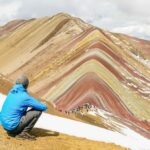
Then comes the second pass of the day, Warmi Saya pass. As you climb, you’ll be treated to views of Rainbow Mountain in the distance. Even from far away, this changes the mood of the trek. Suddenly, the work you’ve done for days turns into a clear target.
You descend and reach the next campsite for lunch and rest. The big idea for this day is mental prep. You’re getting one more taste of the end scene so your final morning doesn’t feel like it arrives out of nowhere.
Day 6: Rainbow Mountain at 4:45am, then Red Valley and back to Cusco
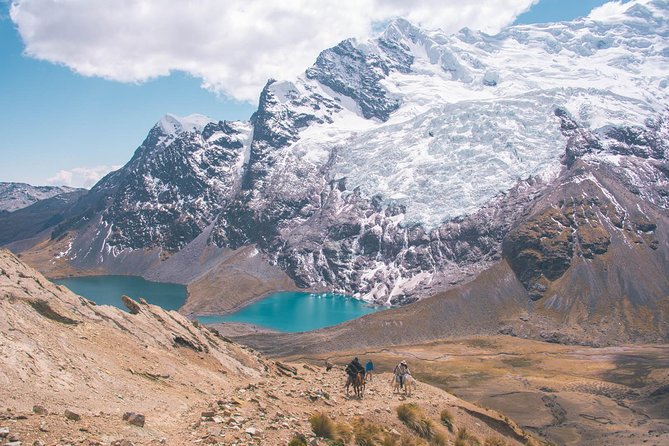
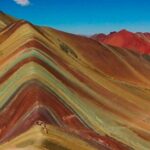
Day 6 is the moment most people book for. You wake up at 4:45am with coca tea delivered to your tent. Then it’s a short hike—about 45 minutes to 1 hour—to reach Rainbow Mountain (around 1km total walking).
Once you arrive, you get time to explore and take photos. The tour allows about 30 minutes to 1 hour, depending on trekking speed and weather. That’s crucial because Rainbow Mountain conditions can change fast—light, wind, and cloud cover all matter.
After that, you visit the Red Valley for another 30 minutes, then head to the bus station to catch your van back. You’ll have a farewell dinner, and you’re dropped off at your Cusco hotel around 3:00pm.
So you’re not stuck in an endless day after the big sunrise moment. You get closure, food, and an early-ish return to real beds.
Who should book this trek, and who should think twice
This trek fits best if:
- You have strong physical fitness and you’re comfortable with long hike days.
- You enjoy mountains where the goal is the walk, not only the destination.
- You want small-group guidance and the convenience of included camping gear and meals.
It’s not for everyone. The tour notes that due to uneven surfaces, it’s not recommended for people with walking disabilities. Also, expect serious altitude: camps are around 4,200m and 4,600m, and passes go above 5,000m.
If you’re the type who wants guaranteed comfort or flat terrain, this won’t be your style. But if you like being outdoors with a plan, and you want Rainbow Mountain with real context, it’s a strong choice.
Practical tips that make a difference at 4,200m and up
Here’s how to set yourself up for a smoother trek using what the tour provides and what you’ll need to bring:
- Pack light but correctly. Your duffel bag limit is up to 6kg per person carried by horses, but you still need a personal trekking setup for your own carry. Bring the gear you normally use for multi-day hikes, especially for cold mornings.
- Plan for early mornings. Starts at 5:00am and 4:45am aren’t optional. If you’re slow to wake up, practice going to bed early before your trip.
- Trust the team on pace. Multi-day passes at high altitude are as much about steady effort as they are about pushing. Your guide is managing timing, stops, and camp setup.
- Use the included recovery time. Upis hot springs on Day 1 is there for a reason. Take advantage of it instead of skipping straight to rest.
Also, the tour operates in all weather conditions. In the Andes, that means you should dress for wind and temperature swings, not just sunshine.
The booking decision: should you do this trek?
If you want a Rainbow Mountain experience that feels connected to the larger Ausangate region, this is a good match. You get strong support: small group size, fluent English/Spanish guide, camping gear, meals, and even a first aid kit with oxygen tank. At 4.9 out of 5 and 97% recommending it based on 30 ratings, the overall track record is a positive one.
But decide carefully if your plans are fragile. This experience is non-refundable and cannot be changed, so only book if your dates are solid and you’re prepared for a commitment.
I’d book it if…
You can hike several hours a day, you’re comfortable at altitude, and you want the payoff of sunrise at Rainbow Mountain plus a multi-day Ausangate walking route.
I’d reconsider if…
You’re unsure about altitude fitness, you need lots of flat walking, or your schedule might change. The trek demands consistency.
FAQ
Where does this trek start and where do you end it?
You start from Cusco, then ride by private transportation to the trek starting point near Tinqui. You finish back in Cusco, with drop-off at your hotel around 3:00pm.
How long is the trek?
It’s a 6-day trek to Rainbow Mountain from the Cusco area, with hiking times varying by day.
What time does the trek start each day?
The meeting time is listed as 6:00am. On the trek itself, there are early wake-ups at 5:00am (Day 2) and 4:45am (Day 6).
Is pickup from my Cusco hotel included?
Yes. Private transportation to and from your Cusco hotel is included.
What camping and sleeping gear is included?
A camping tent and a sleeping bag are included, along with a portable toilet.
Are meals included?
Yes. The tour includes 5 breakfasts, 5 lunches, and 5 dinners, plus snacks and coffee and/or tea.
Do I need to bring all my hiking gear and a backpack?
The tour does not include personal trekking gear and your own backpack. Pack horses carry your duffel bag (up to 6kg per person), but you still need your own hiking setup.
Are trekking permits or private land access handled?
Fees to access private land are included, and the tour is set up so you don’t have to arrange those items yourself.
Is there a vegetarian option?
Yes. A vegetarian option is available if you advise at the time of booking.
Is this trek suitable for people with walking disabilities?
The tour is not recommended for those with walking disabilities due to uneven surfaces.
Does the tour run in bad weather?
It operates in all weather conditions, so you should dress appropriately.