REVIEW · LIMA
Lima: Tour to Huaca Pucllana and Huaca Mateo Salado
Book on GetYourGuide →Operated by Tangol · Bookable on GetYourGuide
Two Lima huacas, one smart guided plan.
I love the way this tour gives real interpretation at both sites, not just a quick look around. I also love the story-thread you’ll notice between cultures, from Lima society to how Inca rulers repurposed earlier places. One possible drawback: the pacing is tight, so if you want to linger for long stretches at each complex, you may feel a bit rushed.
You’ll start with the dramatic Huaca Pucllana in Miraflores and then head to Huaca Mateo Salado in Pueblo Libre, with a professional guide leading you through courtyards, plazas, and exhibits. It’s built for people who want to see major Lima-era archaeological landmarks in a single half-day, but it’s also worth planning ahead since food and drinks aren’t included.
In This Review
- Key Highlights You’ll Actually Feel
- Huaca Pucllana in Miraflores: The 25-Meter Adobe Pyramid You Can See From Far Away
- Huaca Mateo Salado in Pueblo Libre: A Ychsma Center Reused by the Incas
- The 4-Hour Private Format: Pickup, Van Transfers, and a Comfortable Pace
- What You’re Paying For: Value Behind the $217 Price
- How the Stops Fit Together: From Lima Culture to Inca Reuse
- What to Bring (And What to Wear) for Huacas in Lima
- Who This Tour Suits Best
- Should You Book This Huaca Pucllana and Huaca Mateo Salado Tour?
- FAQ
- What’s the duration of the Lima: Huaca Pucllana and Huaca Mateo Salado tour?
- Where do pickups happen, and where are you dropped off?
- What languages is the official guide available in?
- How long do you spend at each archaeological site?
- Are tickets included for both Huaca Pucllana and Mateo Salado?
- Is food or drinks included in the tour price?
- Can I cancel for a full refund?
Key Highlights You’ll Actually Feel
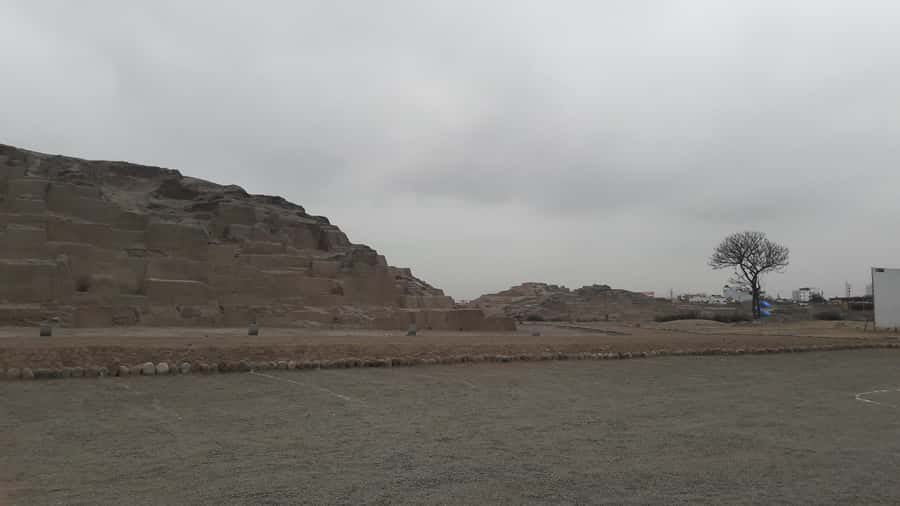
- Huaca Pucllana’s 25-meter adobe pyramid and the courtyards/squares you walk through with context
- A guided visit in English, Spanish, or Portuguese so you can ask questions clearly
- Huaca Mateo Salado’s 600–900 A.D. Lima-area origins, later reused by the Incas
- Ceremonial plazas and adobe structures, plus an exhibition hall at Pucllana
- Pickup in Barranco, San Isidro, or Miraflores with van transfers that keep your day simple
Huaca Pucllana in Miraflores: The 25-Meter Adobe Pyramid You Can See From Far Away
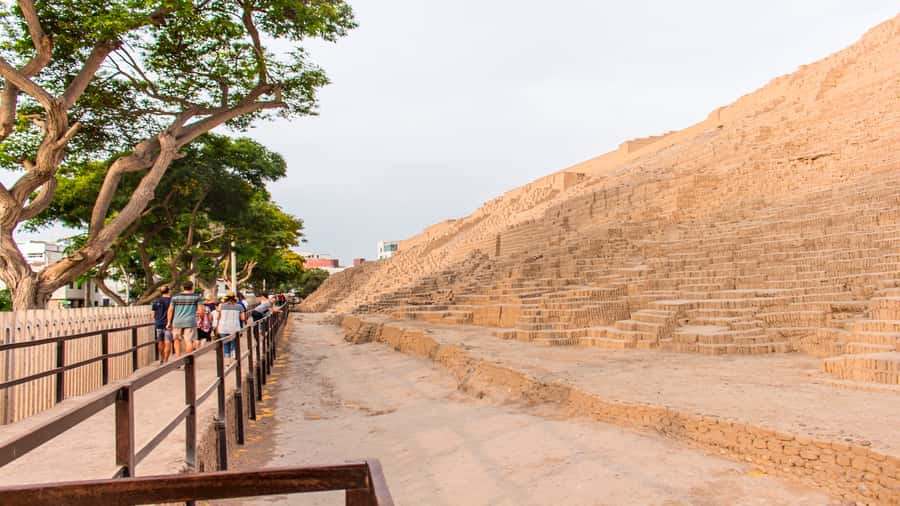
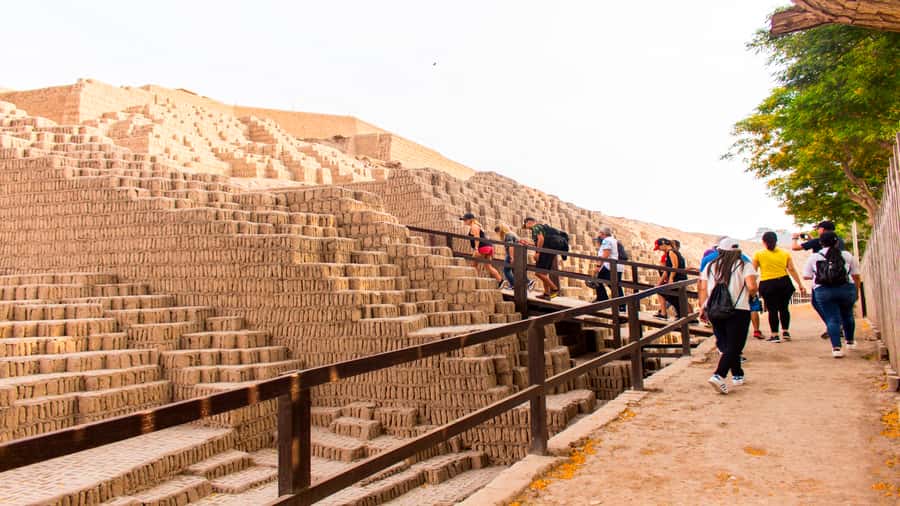
Huaca Pucllana is the Lima landmark that looks like it was dropped into the city on purpose. The site is centered in Miraflores, and the main pyramid is a truncated adobe structure that rises about 25 meters tall. Even before the guide starts talking, it’s the kind of ruin that makes you slow down, because your brain wants to place it in a normal city map—and it just doesn’t fit.
What makes this stop especially valuable is the mix of physical scale and guided explanation. You’ll walk through the complex’s courtyards and squares, and you’ll be guided to look beyond the brick-and-dirt look. The Pucllana site traces back to the Lima culture (about 200 to 700 A.D.), where it functioned as a ceremonial and administrative center. That matters because it changes how you read the space. Instead of thinking of it as a random pyramid, you start thinking about how people gathered, managed ritual life, and used the site as a civic-religious hub.
The tour also includes time at an exhibition hall, which you’ll likely appreciate if you’re trying to connect what you see outdoors with what archaeologists have reconstructed indoors. There’s a real logic to this: Pucllana was discovered during urbanization works in the 1980s, and since then excavation and restoration have been underway to preserve it. So the exhibition hall helps you understand what’s known, what’s been restored, and why the site exists the way it does today.
Practical note: this is a guided stop that runs about 80 minutes, so you’ll have enough time to get your questions answered, but not so much time that you can wander into every corner without direction. If you like walking and learning in short bursts, that’s a good match.
You can also read our reviews of more tours and experiences in Lima.



Huaca Mateo Salado in Pueblo Libre: A Ychsma Center Reused by the Incas
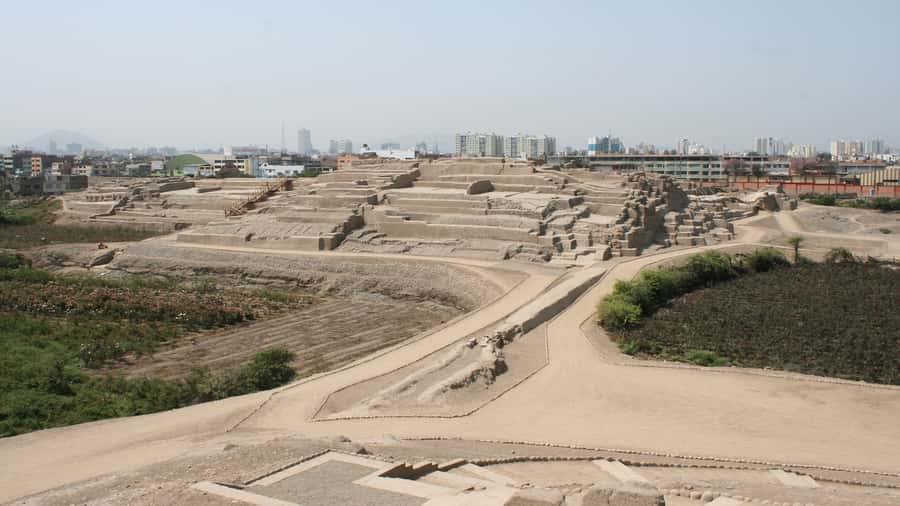
After Pucllana, you head to Huaca Mateo Salado in Pueblo Libre, and the vibe shifts from Miraflores’ skyline feel to something a touch more residential. The site is linked to the Lima-area past in a different way, and that’s why it’s a great pairing.
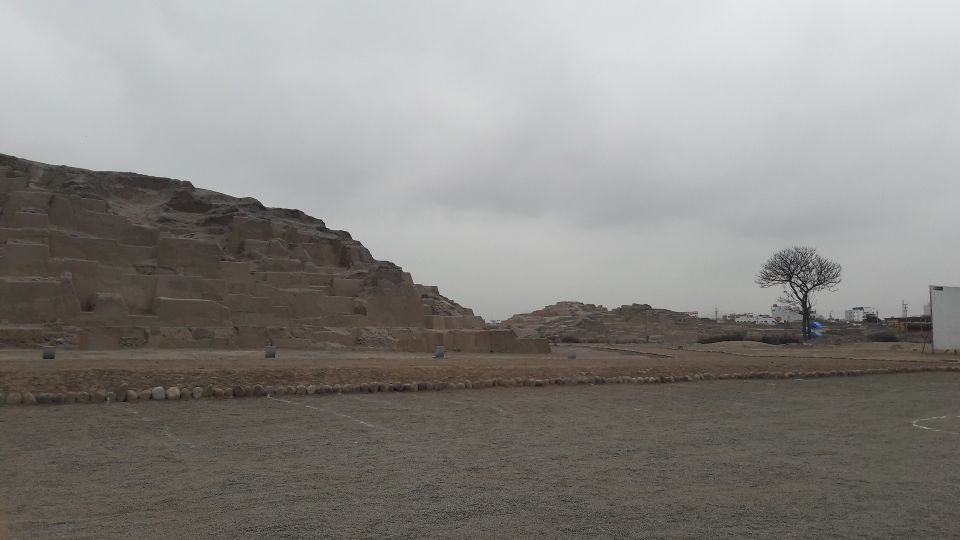
You’ll learn that Mateo Salado is about 1,400 years old and was built by the ancient Lima people during the Middle Horizon period, roughly 600 to 900 A.D. But it doesn’t stop there. The complex connects to the legendary Qhapaq Ñan, also known as the Inca Trail network. The Incas reused earlier spaces cleverly, and in this case they helped connect this huaca with Pachacamac, south of Lima.
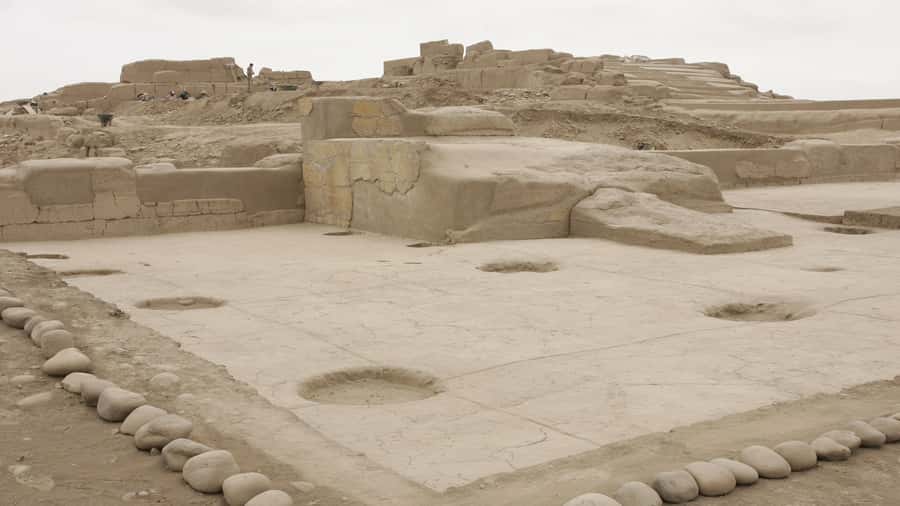
On the ground, the complex includes a truncated pyramid and a ceremonial plaza, plus auxiliary structures around it. The guide can help you understand what those elements likely meant for ceremonies and public gathering. You’ll also hear about the decorative layer archaeologists found clues for: the main pyramid was covered in adobe and adorned with reliefs and mural paintings. The imagery referenced includes human figures, animals, and deities tied to Lima mythology.
That combination—older origins plus later Inca reuse—is what I find most compelling. It gives you a clear sense of continuity and change. The Incas weren’t just building new things everywhere; they were smart about absorbing, adapting, and linking existing sites into their broader world.
This stop is about 1.5 hours with a guided visit, which gives you enough time to process the visuals without the mental fatigue of too many stops. You’ll come away with a stronger understanding of how places in Lima can carry multiple eras at once.
The 4-Hour Private Format: Pickup, Van Transfers, and a Comfortable Pace
This experience runs about 4 hours, and the schedule is designed to keep things smooth. You’ll get picked up from hotels in Miraflores, San Isidro, or Barranco. Then a van takes you to the first site, and you’ll have short transfer windows between locations before being dropped back off at the end in the same three areas.
Why I like this setup for first-time Lima visitors: it removes the daily logistics stress. You don’t have to figure out transport between two archaeological complexes located in different districts. You also don’t waste time at the start guessing schedules or trying to coordinate entry windows on your own.
It’s also a private group format. The practical benefit is simple: you can ask the guide follow-up questions without feeling like you’re shouting over a large crowd. And since the guide works in English, Spanish, and Portuguese, you’ll get explanations in the language that fits you best.
Timing matters here. The stops are paced so you get real learning at each site—Pucllana first, then Mateo Salado—without turning the day into a long endurance walk. It’s a solid choice if your Lima plan already includes beaches, markets, or a museum visit later.
What You’re Paying For: Value Behind the $217 Price
At $217 per person, the price can look like a lot until you see what’s bundled. You’re not just buying access to two archaeological sites. You’re paying for:
- Hotel pickup and drop-off in three central districts
- A professional official guide in your chosen language
- Tickets to both Huaca Pucllana and Huaca Mateo Salado
That’s where the value sits. Archaeological sites can be priced like standard admission, but what makes a tour worth it is interpretation—helping you understand what you’re looking at and why it matters. Since you’re covering two complexes in one half-day, your guide time is focused, and your transfers are handled.
What isn’t included is also important. Food and drinks aren’t part of the tour, so plan to eat before or after. If you skip that mental step, you’ll notice the tour ends and you still have to find dinner. Build that into your timing.
If you’re traveling with friends or family and can keep the group private, this becomes a more cost-effective choice than piecing together separate site visits and multiple guide services.
How the Stops Fit Together: From Lima Culture to Inca Reuse
The best part about this combo is that it builds a story you can carry in your head. You’ll start with Pucllana, tied to the Lima culture’s ceremonial and administrative role. Then you move to Mateo Salado, where the narrative expands: you get Middle Horizon origins and then the later Inca layer via reuse and connections through the Qhapaq Ñan.
That chronological jump is not just academic. It helps you understand why Lima looks the way it does today. Many ancient sites in cities are partly preserved by accident and partly preserved by deliberate restoration. In this tour, the story is practical: Pucllana was found during urbanization in the 1980s, and restoration work has followed. Mateo Salado carries earlier construction and later adaptation into a single complex.
So your brain stops thinking of huacas as isolated ruins. You start seeing them as nodes in a changing network of political and ritual power across centuries.



What to Bring (And What to Wear) for Huacas in Lima
You’ll want to keep it simple and comfortable. The essentials provided for the tour are:
- Passport
- Sunglasses
- Sunscreen
- Comfortable clothes
That list is there for a reason. Lima’s sun can be strong, and you’ll be outside during both guided visits. Comfortable clothes matter more than people expect because you’ll walk through uneven historic areas and stand to listen while your guide explains what you’re seeing.
Also, don’t plan on buying food inside the tour. Since food and drinks aren’t included, you’ll feel better if you eat beforehand and keep some time buffer in your evening.
Who This Tour Suits Best
This is a good fit if you:
- Want two major Lima archaeological sites without spending your day on transportation
- Like guided explanations and want help reading what you see (courtyards, plazas, pyramids, and murals)
- Prefer a private group pace where questions are easy to ask
- Are short on time but still want a meaningful cultural stop in Lima
It’s also suitable for all ages, which makes it reasonable for families who want a structured outing rather than an unplanned walk.
If you’re the kind of person who hates feeling rushed, then keep your expectations aligned with the schedule: it’s a 4-hour plan. You’ll learn a lot, but you won’t have unlimited wandering time at every corner.
Should You Book This Huaca Pucllana and Huaca Mateo Salado Tour?
I’d book it if you want a clean, guided way to understand Lima’s ancient layer in half a day. The pairing is smart: Pucllana’s 25-meter adobe pyramid gives you one strong anchor, and Mateo Salado’s Ychsma/Lima-era origins plus Inca reuse gives you a broader, more connected storyline.
One more vote of confidence: the overall rating is 5, including a verified booking that called it excellent in every respect. With only a few reviews listed, that still points to consistent satisfaction, especially on the experience quality side.
If you have the time and you care about interpretation—not just photo stops—this tour is likely to feel like good value.
FAQ
What’s the duration of the Lima: Huaca Pucllana and Huaca Mateo Salado tour?
The tour lasts 4 hours.
Where do pickups happen, and where are you dropped off?
Pickup and drop-off options include hotels in Miraflores, San Isidro, and Barranco.
What languages is the official guide available in?
The live guide is available in English, Spanish, and Portuguese.
How long do you spend at each archaeological site?
Huaca Pucllana is guided for 80 minutes, and Huaca Mateo Salado is guided for about 1.5 hours.
Are tickets included for both Huaca Pucllana and Mateo Salado?
Yes. Tickets for both sites are included.
Is food or drinks included in the tour price?
No. Food and drinks are not included.
Can I cancel for a full refund?
Yes. You can cancel up to 24 hours in advance for a full refund.