REVIEW · TRUJILLO
Trujillo: El Brujo Complex Archaeological Tour with Tickets
Book on GetYourGuide →Operated by Tangol · Bookable on GetYourGuide
Ancient power is on display here. This tour brings you to Huaca Cao Viejo and the Museum of Cao to see the famous Lady of Cao mummy, with a professional guide connecting the dots of Mochica culture. I like how you’re not just looking at ruins; you’re learning what the murals, reliefs, and discoveries mean. One catch: at $109, it’s not the cheapest way to get a taste of archaeology, and the schedule is tight if you prefer long, slow wandering.
The upside is smart structure. You get roundtrip transportation from Trujillo, entry fees included, and a live guide in either English or Spanish. And the drive to the Chicama Valley isn’t treated like a throwaway segment—safe, careful transport matters when you’re traveling north by van.
In This Review
- Key points to know before you go
- Trujillo to the Chicama Valley: the van ride that sets the pace
- El Brujo Archaeological Complex: Huaca Cao Viejo and the three monuments
- Reading Mochica murals: geometric figures, reliefs, and wall scenes
- Museum of Cao: seeing the Lady of Cao mummy in context
- Magdalena de Cao stop: chicha de jora and a taste of living tradition
- Timing and transportation: how the 4 hours really feel
- What’s included (and what to budget for)
- Price and value: is $109 fair for El Brujo?
- Who should book this tour?
- What to bring for comfort at El Brujo and in the museum
- Should you book the Trujillo El Brujo Complex tour with tickets?
- FAQ
- How long is the El Brujo Complex tour from Trujillo?
- What does the tour cost?
- Where is the tour located?
- What’s included in the price?
- Are food and drinks included?
- What language is the tour guide?
- How long do you spend at the archaeological complex and the museum?
- What is chicha de jora, and why is it included as a stop?
- When is the archaeological complex closed?
- Is free cancellation available?
Key points to know before you go
- Huaca Cao Viejo rises 46 meters and you get time to walk and look closely
- The Lady of Cao: a well-preserved mummy from the 4th century, about 1,700 years old
- Colorful friezes, reliefs, and geometric figures help explain Mochica visual language
- Three major monuments at El Brujo: Huaca Prieta, Huaca Cao Viejo, and Huaca Cortada
- A short break in Magdalena de Cao with chicha de jora made via 1-year fermentation
- Tickets and entry fees are included, so you’re not juggling extra costs at the gate
Trujillo to the Chicama Valley: the van ride that sets the pace
This tour is built around one main idea: you don’t want to spend your day figuring out logistics. After pickup in Trujillo, you’ll ride north to the Chicama Valley, about 33 kilometers away. The drive takes around 80 minutes each way, so you’ll feel the “day-trip rhythm” right away—head out, do the archaeology, then head back before your energy fades.
That timing actually works in your favor. El Brujo is a real archaeological complex, not a quick viewpoint. You’ll be dropped into the right mindset when your guide starts framing what you’re about to see: the Mochica world, the purpose of these pyramids, and why the walls matter. If you’re short on time in Trujillo, this structure is useful. It turns the day into a focused archaeology block rather than a half-remembered self-guided scramble.
Practical note: plan for sun. Even if the museum portion is indoors, you’ll spend enough time outdoors that hat, sunscreen, and sunglasses aren’t just accessories.
You can also read our reviews of more tours and experiences in Trujillo.

El Brujo Archaeological Complex: Huaca Cao Viejo and the three monuments
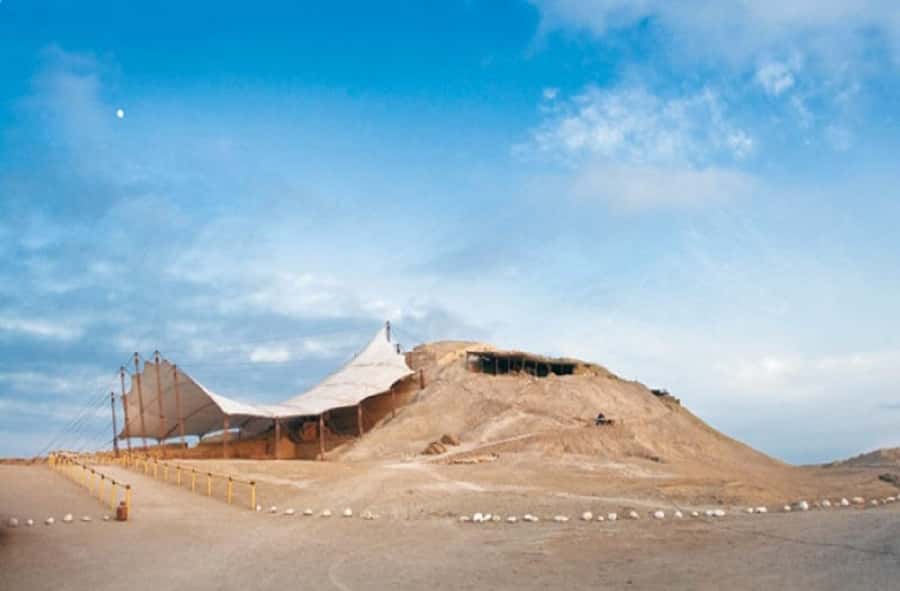
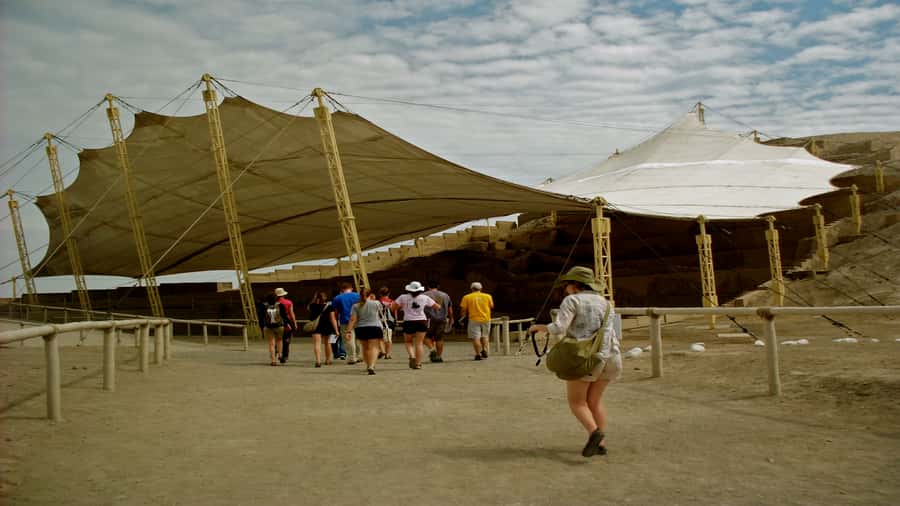
Your main field time happens at the El Brujo Archaeological Complex, where the highlights are grouped for an efficient visit. You’re guided through the site’s main monuments: Huaca Prieta, Huaca Cao Viejo, and Huaca Cortada.
At the center of it all is Huaca Cao Viejo, the pyramid with a reported height of 46 meters. Even if you don’t climb to the top, the scale hits fast. The guide helps you read the site as more than a mound of stone. You learn how people in this region organized sacred space with large architectural forms, then reinforced meaning through wall art and carved details.
The visit is guided for about 45 minutes. That’s not a lot of time to fully map every corner, but it’s enough if your goal is understanding. If you like archaeology, you’ll appreciate that the guide doesn’t just point. The tour is set up to explain the relationships between the monuments and the types of imagery you’ll encounter on walls.
A possible limitation: the site time is fixed, so you’ll be happiest if you enjoy a structured tour rather than drifting slowly at your own pace. With guided interpretation, you get clarity—but you don’t get hours of solo wandering.
Reading Mochica murals: geometric figures, reliefs, and wall scenes
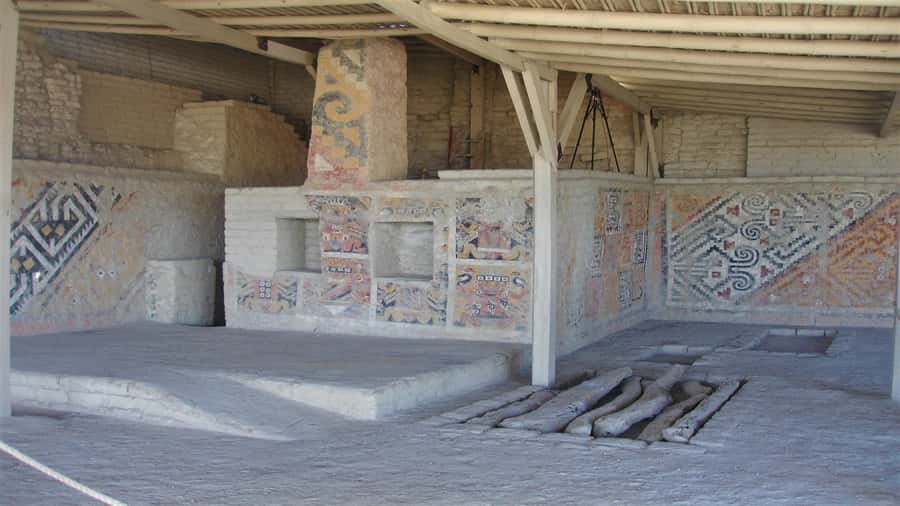
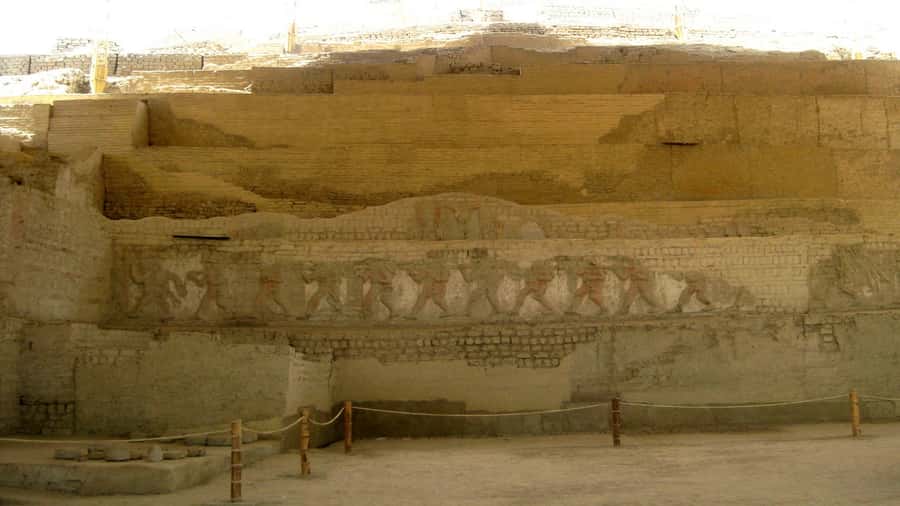
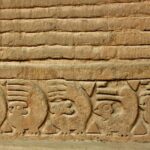
Here’s where the tour earns its ticket price: the guide brings the wall art to life. You’ll study geometric figures and see areas decorated with friezes and reliefs, including colored elements that help show complex scenes and patterns.
Those details matter because Mochica culture expressed ideas visually. It’s not just decoration. The same shapes and motifs can signal status, ritual life, and identity. When someone explains how to look—what to notice, how to connect form to meaning—the ruins stop being “pretty old stone” and become information.
You’ll also hear about what happened during modern excavations. Work began in 1990, when researchers uncovered Huaca Cao Viejo and later made one of the most important discoveries associated with the complex: a tomb belonging to a pre-Columbian woman and leader in the 4th century. The Wiese Foundation has been involved, along with National Geographic, in bringing attention to the find and the broader historical interpretation.
If you’re the type who enjoys learning how art and ritual connect, this part will feel satisfying. You walk through the visual language at the scale of a pyramid wall, not on a museum label.
Museum of Cao: seeing the Lady of Cao mummy in context
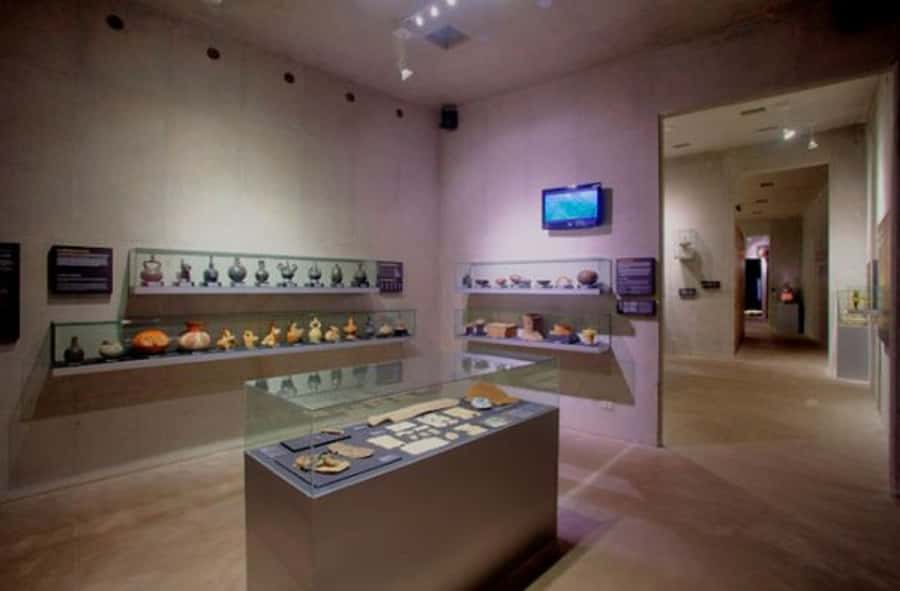
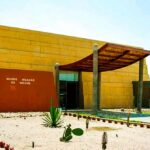
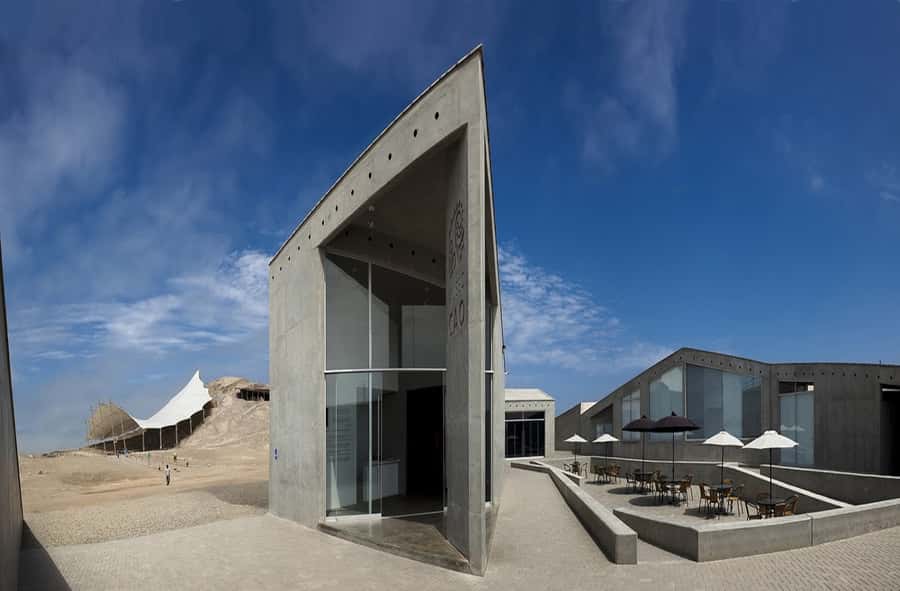
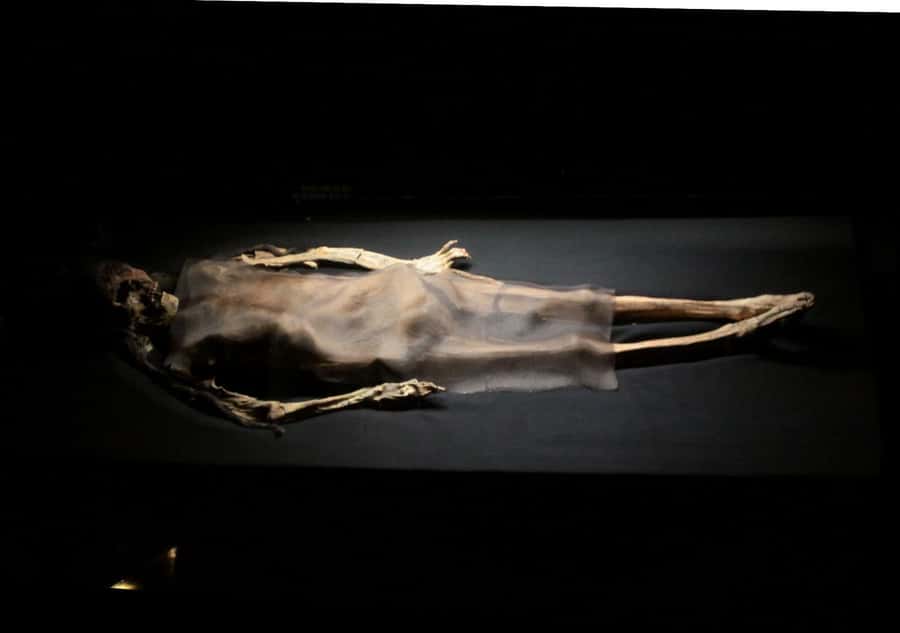
After the outdoor portion, you’ll shift indoors to the Museum of Cao for about 30 minutes of guided time. This is the part many people remember most because the museum centers on one object: the mummy known as the Lady of Cao.
The Lady of Cao is dated to roughly the 4th century and is about 1,700 years old. The mummy is described as well-preserved, linked to an ancestral ritual that supported preservation after death. Even if you’ve seen mummies before, this one tends to land differently because the museum presentation is tied to the archaeology around Huaca Cao Viejo, not just displayed for spectacle.
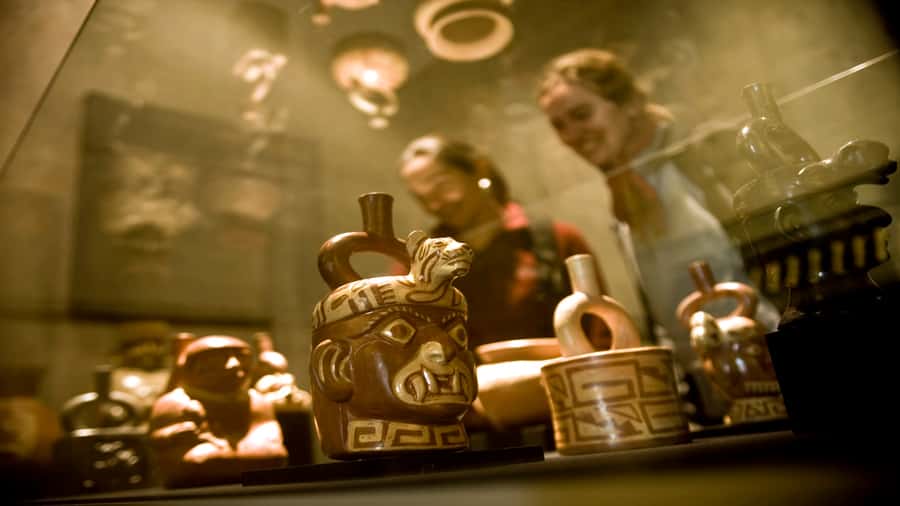
You’ll also see ancient objects associated with the discovery, and the guide helps explain what that collection means for understanding the people behind the site. That’s the quiet value of the museum stop: it turns one dramatic find into a fuller story of how power, ritual, and identity played out in Mochica society.
One more detail worth keeping in mind: the museum visit is short. If you tend to linger in museums, you’ll want to bring your attention game. Read what you can quickly, listen closely to the guide, and prioritize the Lady of Cao presentation.
Magdalena de Cao stop: chicha de jora and a taste of living tradition
On the way back, you’ll make a final stop in the small town of Magdalena de Cao, about 5 kilometers from the El Brujo complex. Here, you can taste a traditional drink called chicha de jora.
What makes this stop interesting is the timing and process behind the drink. The fermentation uses ancestral methods and takes about 1 year. That detail changes the flavor story: you’re not only trying a local beverage; you’re seeing how traditional timekeeping and craft still matter.
Food and drinks aren’t included on the tour, so expect to pay for whatever you choose to drink or eat during this stop. Bring cash just in case. Even a simple taste can turn into the most “Peru” moment of the day—part cultural education, part refresh before the long van ride back.


Timing and transportation: how the 4 hours really feel
This experience is scheduled for about 4 hours total, and the structure explains why. You spend roughly 80 minutes in the van on the way out, then around 45 minutes at El Brujo, about 30 minutes in the Museum of Cao, and then you have some time for the Magdalena de Cao stop before the return van ride of around 80 minutes.
So yes, it’s compact. You’re not getting a relaxed full-day exploration. Instead, you’re getting the key elements:
- the major pyramid complex you came for
- the mummy-focused museum visit
- a small-town cultural taste
This is ideal if you want a clear, guided experience and you’re comfortable with a set timeline. It’s less ideal if you want to slow down, take lots of photos without movement, or explore on your own after the guided portion ends.
What’s included (and what to budget for)
Included in the tour:
- hotel pickup in Trujillo
- a live tour guide
- entry fees
Not included:
- food and drinks
- hotel drop-off in Trujillo
That last point matters. You’ll be taken back to Trujillo, but you shouldn’t plan on a direct hotel drop. If your pickup was from a specific place, decide where you’ll meet again or how you’ll get the rest of the way back inside town.
In terms of money value, you’re paying for three things that add up if you do them separately: the guide (which you can’t easily DIY at this level), the transport between Trujillo and the Chicama Valley, and entry fees. At $109, it’s a mid-range price for Peru day tours—on the higher side compared to DIY options—but the guided interpretation is what turns the ruins and museum into a coherent learning experience.
Price and value: is $109 fair for El Brujo?
Let’s talk value straight. You’re paying $109 per person for:
- roundtrip van time from Trujillo
- guided time at El Brujo
- guided time at the Museum of Cao
- tickets/entry fees included
If you love archaeology and you want someone to explain what you’re seeing—why the walls are decorated the way they are, what the discoveries mean, how Mochica culture fits together—this price starts to look reasonable. You’re not only paying for access. You’re paying for interpretation.
There’s also an efficiency factor. The drive eats time, so having transportation arranged saves effort and reduces decision fatigue. And at least one solo participant noted that the price felt like private-tour value when there’s only one traveler.
The potential drawback is simple: if your goal is just to see the pyramid from the outside and you don’t care about the guided story, $109 can feel steep for the limited hours on-site.
Who should book this tour?
This tour is a good fit if you:
- want a guided introduction to Mochica culture
- care about the meaning of murals, geometric designs, and relief scenes
- prefer structured pacing more than free-form exploration
- have a short window in Trujillo and don’t want to organize transport
It’s also a solid choice for anyone who appreciates careful driving. The transport is described as safe, which is a practical comfort on coastal routes.
If you’re traveling with kids, note that children 1 and younger are complimentary. For older kids, this depends on their attention span and comfort with guided walking in sun and museum viewing time.
What to bring for comfort at El Brujo and in the museum
Bring the practical stuff, because the day involves both outdoor viewing and an indoor museum stop. Helpful items:
- Passport (requested)
- Sunglasses, sunscreen
- Comfortable clothes
- Hat
- Cash
A quick strategy: keep sunscreen accessible. The van-to-site-to-walk rhythm means you’ll want to reapply without hunting for your bag.
Also, the complex closes on December 25th and January 1st. If your trip lands near those dates, double-check timing before you book.
Should you book the Trujillo El Brujo Complex tour with tickets?
I’d book it if you want a guided, coherent archaeology experience with the Lady of Cao as the centerpiece. The biggest win is that the tour doesn’t treat the site as a static photo stop. You get explanations tied to the pyramids and the museum discovery, plus a cultural add-on in Magdalena de Cao with chicha de jora and its long fermentation process.
Skip it only if you’re on a strict budget, or if you personally don’t value guided interpretation. With just 45 minutes at the complex and 30 minutes in the museum, the experience rewards people who like clarity and context more than wandering.
FAQ
How long is the El Brujo Complex tour from Trujillo?
The total duration is 4 hours.
What does the tour cost?
It costs $109 per person.
Where is the tour located?
It takes place in the Chicama Valley region of Ancash, Peru, visiting the El Brujo Archaeological Complex and the Museum of Cao.
What’s included in the price?
Hotel pickup in Trujillo, a tour guide, and entry fees are included.
Are food and drinks included?
No. Food and drinks are not included.
What language is the tour guide?
The tour offers a live guide in Spanish and English.
How long do you spend at the archaeological complex and the museum?
You spend about 45 minutes at El Brujo and about 30 minutes at the Museum of Cao.
What is chicha de jora, and why is it included as a stop?
Chicha de jora is a traditional drink. The fermentation process is described as lasting 1 year using ancestral methods, and you get a taste during the stop in Magdalena de Cao.
When is the archaeological complex closed?
The complex closes on December 25th and January 1st.
Is free cancellation available?
Yes. You can cancel up to 24 hours in advance for a full refund.