REVIEW · CUSCO
Inca Trail to Machu Picchu 4 Days – Small Group / Reservations 2026
Book on Viator →Operated by Incredible Peru Tours · Bookable on Viator
The trail starts before sunrise, and it never really stops. This 4-day Inca Trail to Machu Picchu mixes small-group pacing with classic Inca viewpoints and a final morning arrival that sets you up for the early light on Machu Picchu.
Two things I’d put on top of your must-do list: the food and tea stops (breakfasts, lunches, dinners, plus hot drinks) and the way the team handles the hard logistics for you. Even on the tough day with the big pass, you’re not left figuring things out alone.
Second big win: the comfort and safety touches, from the tent setup to the personal porter service, add up fast. The main drawback is simple: the route includes high passes and Day 2 can feel like a grind, especially around altitude and cool, fast-changing temperatures at the top.
In This Review
- Key things to know before you go
- Cusco to the Inca Trail: what this small-group trip gets right
- Day 1: Cusco, Piscacucho (km 82), the first bridge, and Patallacta terraces
- Day 2: Dead Woman’s Pass (Warmiwañusca) and the long descent to Pacaymayo
- Day 3: Runkuracay, Sayacmarca, orchid cloud forest, and Winay Wayna
- Day 4: the 4:00 am start, Puerta del Sol, and Machu Picchu’s guided circuit
- Price and logistics: why $860 can feel fair (or not)
- What to pack (and what the tour handles)
- Who this tour suits best
- Should you book this 2026 Inca Trail to Machu Picchu tour?
- FAQ
- Where do you start, and what time is pickup?
- How large is the group, and what are the tents like?
- What meals are included?
- Do I need to bring a sleeping bag or walking sticks?
- Is Huayna Picchu included?
- What time does the Machu Picchu visit happen on Day 4?
Key things to know before you go
- Max 8 people means you get more attention from the guide and less crowd pressure on the trail
- Hot meals all day (3 dinners, 4 lunches, 3 tea times, 3 breakfasts) keep energy steady
- Porter system carries camping gear, plus a personal porter carries up to 7 kilos of your stuff
- Day 4 early gate timing starts with a 4:00 am wake-up for a sunrise Machu Picchu moment
- Winay Wayna campsite puts you right by the Machu Picchu approach routes
- Huayna Picchu is optional and costs extra ($70) if you request it in advance
Cusco to the Inca Trail: what this small-group trip gets right
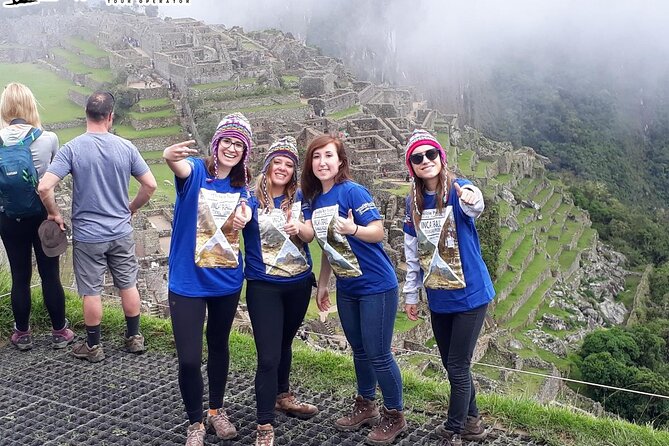
You’ll start in Cusco early, with pickup around 6:00 am from your hotel in the city (or from the Sacred Valley if you’re staying there). That matters because the Inca Trail days reward a calm start more than a dramatic one.
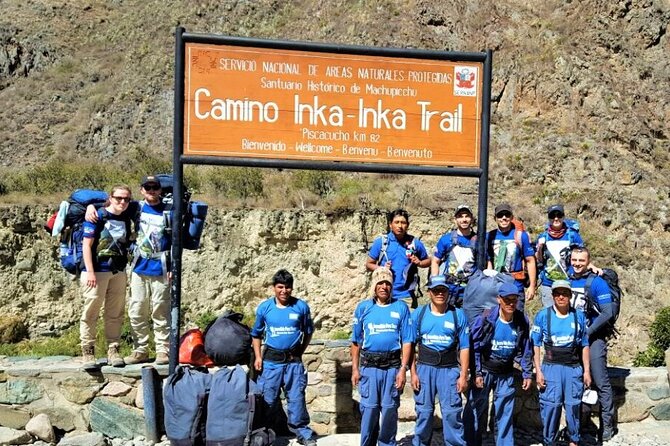
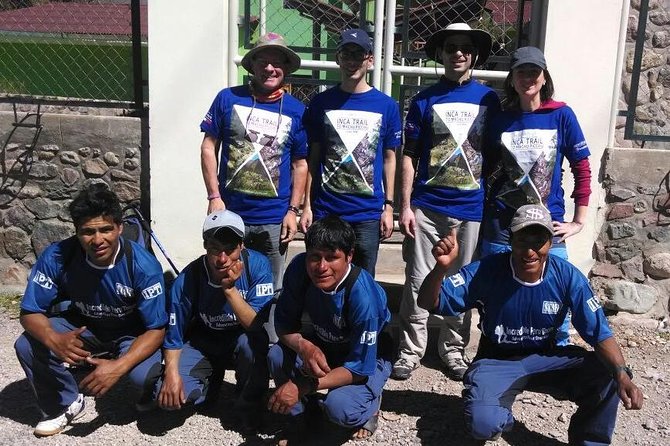
This is a small group trek with a maximum of 8 people, led by a bilingual guide. The human touch is real here; the guide and team names come up often—Paul is the one I keep hearing about, along with porters like Timoteo, Julián, Nicolás, Pedro, and José Luis.
Value-wise, what you’re really buying is not just the trek. You’re buying a system: permits and entry tickets handled, meals handled, cooking handled, tents handled, and a schedule built around how the trail actually moves.
You can also read our reviews of more tours and experiences in Cusco

Day 1: Cusco, Piscacucho (km 82), the first bridge, and Patallacta terraces
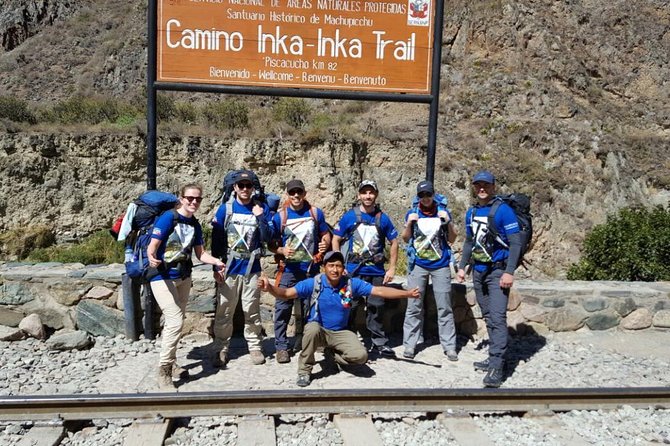
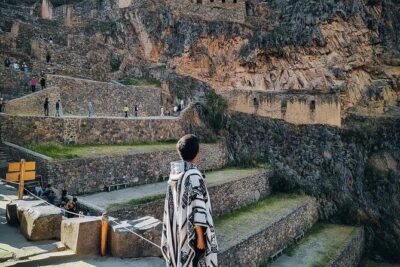
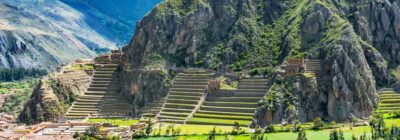
Day 1 begins with a bus ride of about 3.5 hours from Cusco toward Piscacucho (km 82), the start of the Inca Trail. You’ll travel through the Sacred Valley with views of the Urubamba River, Andean towns, and the Inca fortress at Ollantaytambo.
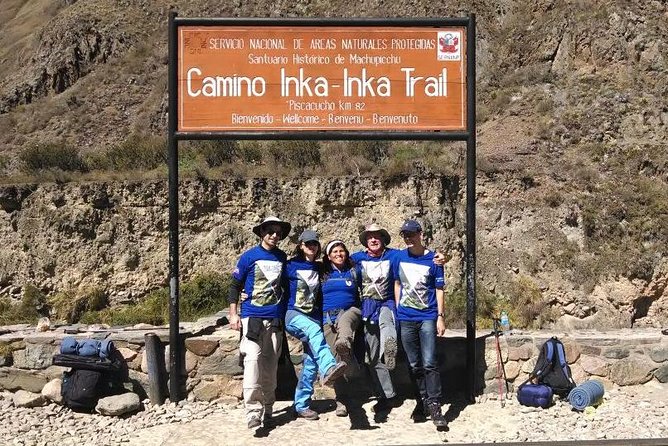
Before you walk, there’s the practical stuff that keeps the day smooth: you’ll check in around Piscacucho where the official control post process includes permits, entrance tickets, and passports. Then the trek starts with a suspension bridge over the Urubamba River—your first taste of why this trail is famous.
After that, the walking tone is intentionally forgiving. You’ll move for about 2 hours along relatively flat terrain following the river toward Miskay, arriving around 1:00 pm for your first lunch cooked by the team.
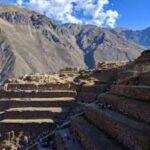
Then comes Patallacta, an ancient Inca settlement with agricultural terraces. This section is a nice reminder that the Inca Trail isn’t only scenic hiking—it’s also archaeology you can read with your eyes: terrace walls, engineered farmland shapes, and a sense of how people lived here.
You’ll keep walking after lunch to Wayllabamba, arriving around 5:00 pm for your first camp. The evening pattern is simple and helpful: settle in, tea and snacks, dinner, then an early night in your tent.
One detail worth your attention: the tour provides comfort gear you’ll notice at camp—Thermarest inflatable mats and a travel pillow delivered at the start. It won’t turn the Andes into a hotel, but it prevents the usual “I can’t sleep” spiral.
Day 2: Dead Woman’s Pass (Warmiwañusca) and the long descent to Pacaymayo
Day 2 is the day most people feel in their legs. You’ll wake up with coca tea brought to your tent, then breakfast before starting around 7:00 am from Wayllabamba.
This day is described as the most difficult because it includes the trek’s high point: Dead Woman’s Pass (Warmiwañusca) at around 4,200 meters. The hike climbs for about 2 hours before you cross into cloud forest, with native trees like queñuas and straw meadow areas you can spot as you change altitude.
From there you’ll reach Llulluchapampa, a quieter spot around 3,600 meters with a stream for cooling off and refilling bottles. Then it’s time for another climb toward the pass—expect it to feel longer than the time on paper.
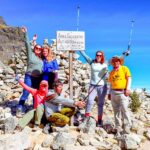
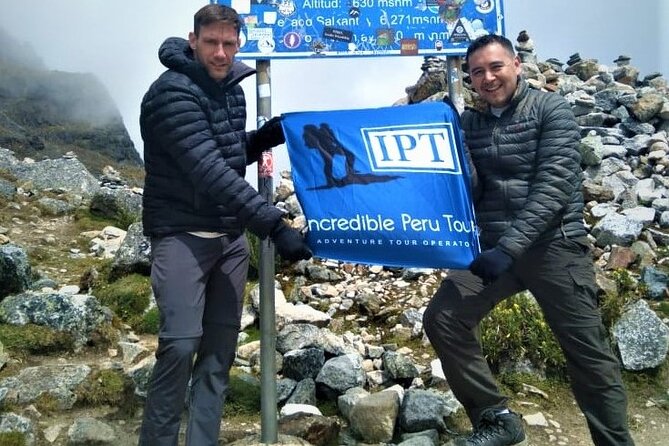
When you arrive at the pass, it’s all about views and photos, but also weather. Temperatures can drop quickly at altitude, so having a coat and hat on hand matters. You’ll stop for photos and a breather, then begin the descent toward the Pacaymayo Valley.
The second half shifts into “descend mode.” You’ll walk for about 2 hours of descent to reach the Pacaymayo River area around 2:00 pm, where lunch and camp happen (at roughly 3,600 meters). After that, you get a long rest time, plus tea in the late afternoon and dinner at night.
This day’s biggest payoff is mental. When you crest the pass, you don’t just see Machu Picchu later—you feel like you earned the whole corridor of the Andes that leads to it.
Day 3: Runkuracay, Sayacmarca, orchid cloud forest, and Winay Wayna
On Day 3 you’ll start again around 6:00 am with hot tea in your tent. Then breakfast with the group around 7:00 am, followed by an ascent to Runkuracay Pass.
Along the way, you’ll visit Runkuracay, a circular Inca archaeological site at about 3,800 meters. You’ll get guide explanations here, then continue past features like lagoons before reaching the pass area.
After Runkuracay, the route drops toward Sayacmarca, also called Inaccessible Town, sitting around 3,497 meters. The location is dramatic—surrounded by rocky cliffs—and it makes sense why the guide calls the placement out: you can feel how it would have been defended and watched.
Next is a move toward Chaquicocha for lunch at around 3,600 meters. After lunch, this day shifts into the cloud-forest section with details you’ll actually notice: hanging mosses, orchids, bromeliads, and ferns.
There’s also a tunnel carved into the mountain, followed by a gentle climb to a third pass around 3,700 meters. This is the part where the trail starts feeling less like a single uphill line and more like an engineered route through climates.
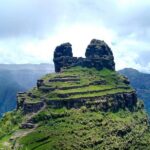
Then you’ll reach Phuyupatamarca (Village above the clouds), where the trail includes a stone staircase descent. Your last archaeological stop before the final camp is Inti Pata (Terraces del Sol), with terraces and water channels that highlight Inca agricultural planning.
By late afternoon, around 5:00 pm, you’ll arrive at Wiñay Wayna (Winay Wayna), the last official camping spot around 2,680 meters. This is one of the most meaningful places on the trip because it’s close to Machu Picchu and it sets up your final morning.
At camp, you get tea and snacks, and your guide gives important info for the next day. There’s also a tradition of a small ceremony during the last dinner, where the porters are recognized—an honest moment that makes the work behind the scenes feel real.
Day 4: the 4:00 am start, Puerta del Sol, and Machu Picchu’s guided circuit
Day 4 starts early: wake-up at 4:00 am, breakfast around 4:30 am, then you say goodbye to the cook and porter team. You’ll move to the control post and wait for the gates to open at 5:30 am so you can arrive early to Machu Picchu.
The approach from Wiñay Wayna to Inti Punku (Puerta del Sol) is described as about 1 hour 20 minutes on mostly flat ground, then a near-vertical climb of roughly 50 steps. As you walk, you’ll cross leafy cloud forest with giant ferns, which helps make the early start feel like a real experience rather than just a schedule.
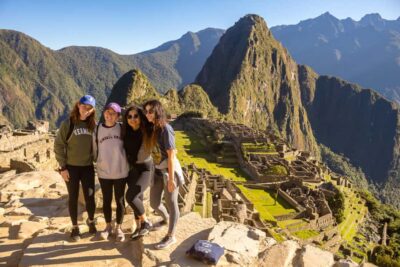
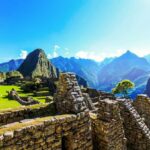
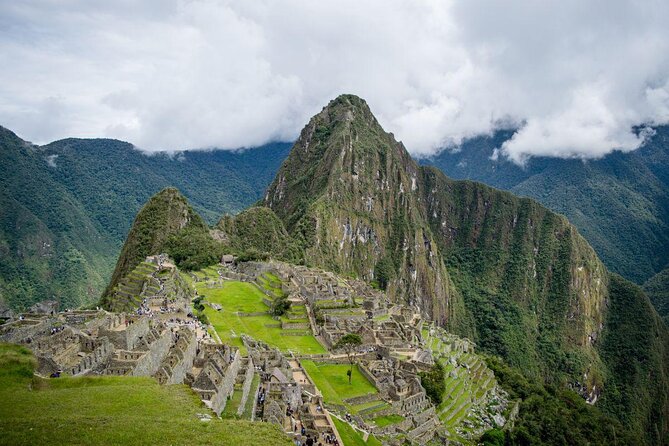
You’ll arrive at Inti Punku around 7:00 am, at about 2,700 meters, for panoramic views and your first full Machu Picchu look. From Puerta del Sol, it’s around 40 minutes downhill to Machu Picchu, and the views sharpen as you get closer.
Once you reach Machu Picchu, you’ll register at the last control post and then start a guided tour for about 2 hours. The tour covers Circuit 1 and Circuit 3, which is a solid way to see both the main focal points and key viewpoints without feeling rushed.
After the guided portion, you’ll have free time for photos and exploring on your own. This free window is important because Machu Picchu looks different in different light, and sometimes your best photo comes when you pause without a guide voice directing you.
Optional add-on: Huayna Picchu. Your itinerary includes the climb with a guide starting around 10:30 am and taking about 1 hour walking each way. But the ticket is not included—it costs $70 per person and must be requested in advance. If you want it, plan early so you’re not stuck deciding at the last minute.
Then you’ll move to Aguas Calientes for lunch included in a restaurant, and optional thermal baths if you want them. In the evening, around 6:00 pm, you take the return train to Ollantaytambo, arriving around 7:50 pm, then travel back to Cusco by bus for arrival around 10:00 pm.
Price and logistics: why $860 can feel fair (or not)
At $860 per person, this trek is not a budget hack. You’re paying for a whole operation: small group size, guide time, porter team, camp kitchen staff, and tickets to both the Inca Trail and the Machu Picchu citadel.
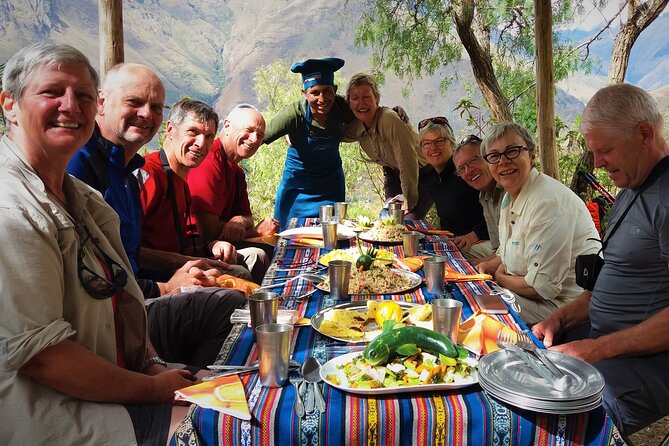
Here’s where the value really comes in. The trip includes 3 breakfasts, 4 lunches, 3 dinners, and 3 tea times, plus boiled water every morning for refilling your bottle. The camp setup includes dining tent seating, a field-style kitchen setup, plus comfort items like the Thermarest mat and pillow.
Also, the equipment planning is part of what you’re paying for. You get a high-quality tent that’s meant for 4 people but used by 2 for more comfort, and you have a personal porter service that carries part of your luggage (up to 7 kilos).
The trade-off is that this is a guided trek with a set route and set timings. If you want total freedom to stop or go slower whenever you want, this structure can feel limiting, especially on the hardest pass day.
What to pack (and what the tour handles)
You’ll want to focus on personal comfort and altitude readiness. The tour does not include your personal items like your backpack, clothes, and shoes, and you should plan for cold air at the high points.
Two items you might forget: a sleeping bag and walking sticks. The good news is you can rent them in the office up to 1 day before the tour. If you hate the rental idea, bringing your own is an option, but the tour clearly expects most people will rent.
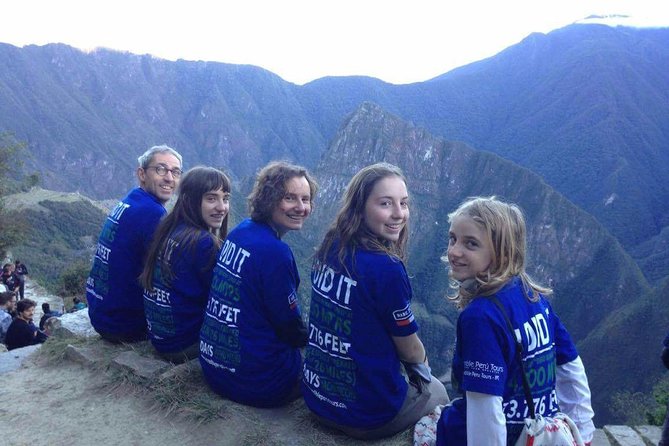
At the start, the tour gives you an Inca Trail polo shirt and rain poncho. That rain poncho is not a fashion statement; it’s the kind of practical layer you’ll use if weather turns.
On the trail, your biggest gear job is staying hydrated and dressing for temperature swings. The itinerary calls out that you should have a coat and hat ready at Dead Woman’s Pass, since it can get cold fast.
Who this tour suits best
This is a good fit if you want the classic Inca Trail experience with a small-group feel and support that removes most logistical stress. The route expects moderate physical fitness, and Day 2’s climb over Dead Woman’s Pass is the main challenge you should prepare for.
You’ll also appreciate this trip if you’re the type who values structure. The guide and porters handle camp load-in, meals, and equipment while you focus on walking, photos, and enjoying stops like Patallacta terraces and the cloud forest around Chaquicocha.
If you’re traveling as a couple or solo and want a group that stays under 8 people, that’s a big plus. You get social energy without feeling packed into a big herd.
Should you book this 2026 Inca Trail to Machu Picchu tour?
If you like the idea of early access to Machu Picchu, a guided walkthrough that covers key circuits, and a trek that runs on a tight but well-fed schedule, this tour is a strong choice. The price feels more reasonable when you remember you’re not only buying a hike—you’re buying a full camp operation plus transport and entry tickets.
One more reality check: you should be ready for high-altitude effort. The itinerary clearly signals the hardest day is Day 2, and it also warns that temperatures can drop quickly at the pass.
If your plans might change, you can cancel up to 3 days in advance for a full refund. And given how often this itinerary sells out, it’s smart to reserve early; it’s commonly booked about 57 days in advance.
FAQ
Where do you start, and what time is pickup?
Pickup is at 6:00 am from your hotel in Cusco. They can also pick you up from hotels in the Sacred Valley, and the group then heads to the trail start around km 82.
How large is the group, and what are the tents like?
This is a small group with a maximum of 8 travelers. You sleep in a high-quality 4-person bedroom tent that is used by 2 people for more comfort, and you receive a Thermarest inflatable mat and a travel pillow.
What meals are included?
Meals include 3 breakfasts, 4 lunches, 3 dinners, and 3 tea hours, plus boiled water every morning for refilling your bottle. Vegetarian, vegan, and special diet meals are available if you request them.
Do I need to bring a sleeping bag or walking sticks?
Sleeping bag and walking sticks are not included, but you can rent them in the office up to 1 day before the tour. You should bring your personal clothing and shoes.
Is Huayna Picchu included?
Huayna Picchu is not included in the base price. If you want to climb it, you must request it in advance for an additional $70 per person, and it’s ticket-based.
What time does the Machu Picchu visit happen on Day 4?
On Day 4 you wake at 4:00 am and begin the approach so you can wait at the control post for gates opening at 5:30 am. You arrive at Inti Punku around 7:00 am, reach Machu Picchu around 7:40 am, and later return by train from Aguas Calientes to Ollantaytambo in the evening.