REVIEW · LAKE TITICACA PERU
Puno: 2-day Uros Kayak Tour with Homestay at Amantani Island
Book on GetYourGuide →Operated by Tangol · Bookable on GetYourGuide
Kayaking on Lake Titicaca feels like stepping into another world. You paddle through the Uros floating islands area and then trade boats for a simple homestay on Amantani Island, with Taquile’s famous textiles at the end. The biggest watch-out is that the kayak time can feel short depending on how the water and boats line up.
I like this itinerary because it mixes two kinds of culture fast: daily life in Quechua communities and the handwork Taquile is known for. You also get real meals on the islands and hot drinks like coca tea or muña tea, which matters at 3,800 meters. Just be ready for a basic setup on Amantani: there’s no electricity, and you’ll want your phone fully charged before you arrive.
In This Review
- Key takeaways before you choose
- Puno to Lake Titicaca: why this route works
- Day 1: Uros floating islands and the kayak portion
- What the Uros floating islands are really like
- A practical expectation on kayak time
- Boat transfer to Amantani: from kayaking to real island life
- Homestay on Amantani: what you’re signing up for
- Pachatata viewpoint and the island scale
- The big logistical warning: no electricity
- Day 2: Taquile Island, textiles, and the return to Puno
- Taquile’s main square and optional museum
- Why Taquile textiles matter (and what to look for)
- Lunch and the boat back
- Price and value: where the $86 really goes
- What to bring (so the trip feels easier)
- Who this tour is for (and who should pass)
- FAQ
- FAQ
- How long is the kayaking part?
- What’s included with the tour price?
- Do I need to bring a lifejacket?
- Where do we stay overnight?
- Is there electricity on Amantani Island?
- What food will I eat during the trip?
- What languages is the guide?
- How big is the group?
- Can I cancel for free?
- Should you book this Puno to Uros to Amantani to Taquile kayak tour?
Key takeaways before you choose
- A 2-day loop that links Uros, Amantani, and Taquile so you see more than one island community.
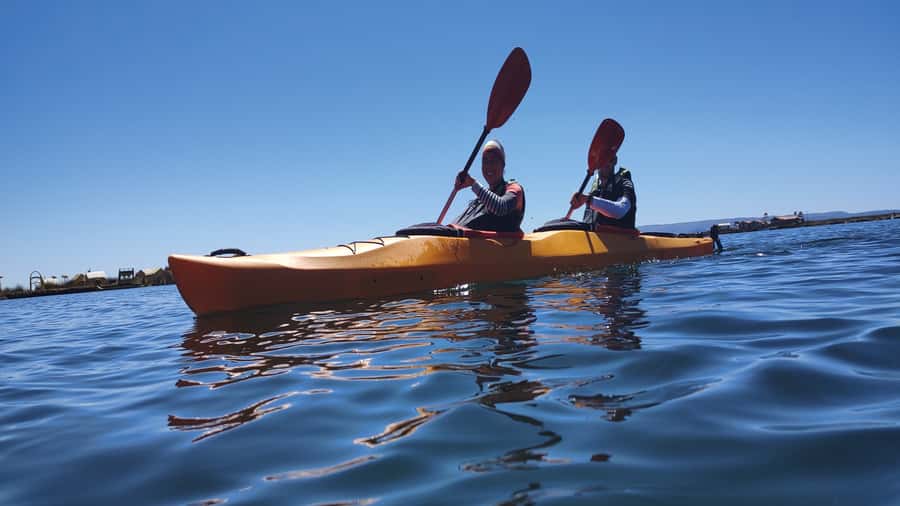
- Kayaking with full equipment plus a support boat for extra safety on the water.
- Homestay on Amantani with dinner, and often a community party in the evening.
- Taquile textiles are the main event, from small patterns in shops to what locals say they represent.
- You must pack smart for altitude and no power, including a charged smartphone and warm layers.
Puno to Lake Titicaca: why this route works
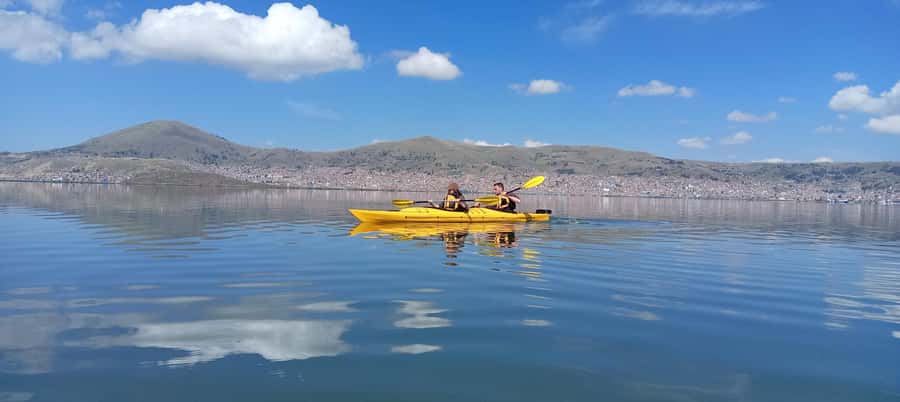
This tour starts in Puno, and the timing is built around getting you out onto Lake Titicaca without wasting your one limited vacation window. The lake sits at about 3,800 meters, so even a calm day feels a bit different. You’re not just sightseeing—you’re dealing with high altitude, cooler air, and wind on the water. That’s exactly why I like this format: it gives you steady, island-by-island time so you’re not sprinting from one place to another.
Logistically, you’ll be picked up from your hotel in Puno and taken to the port. One detail to note: pickup isn’t valid if your hotel is far from the city center. If you’re staying on the outskirts, it’s worth confirming where the pickup point is before you count on being collected.
You can also read our reviews of more tours and experiences in Lake Titicaca Peru.

Day 1: Uros floating islands and the kayak portion
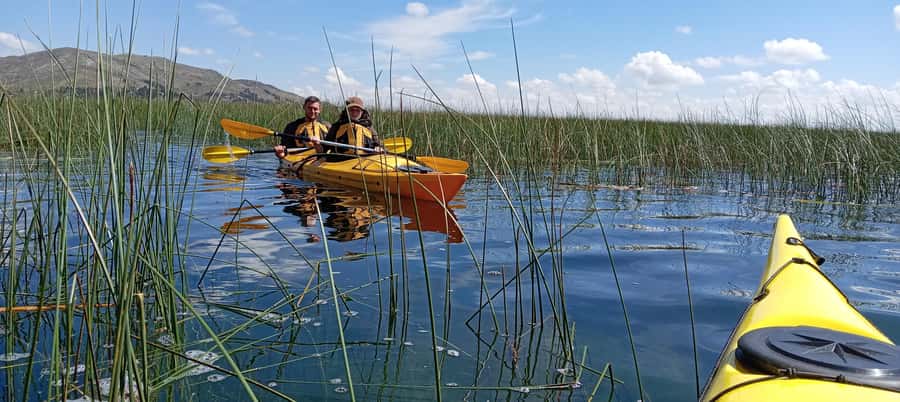
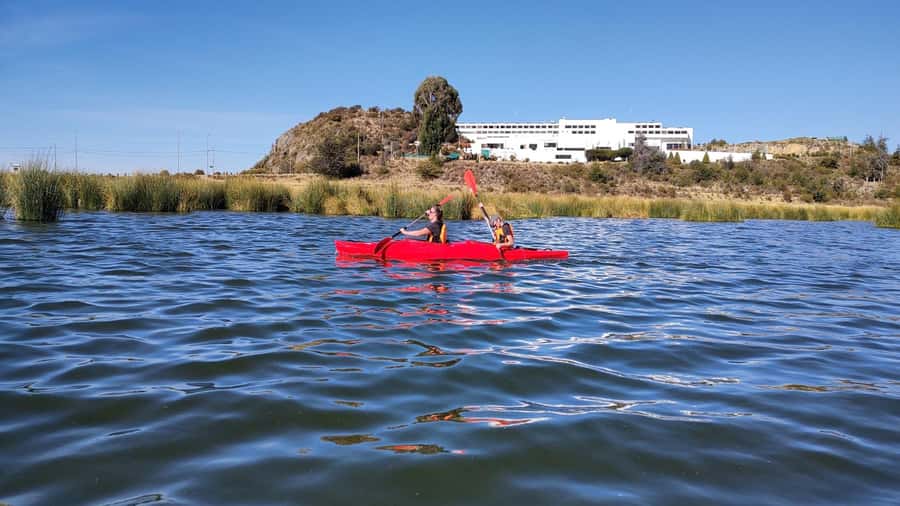
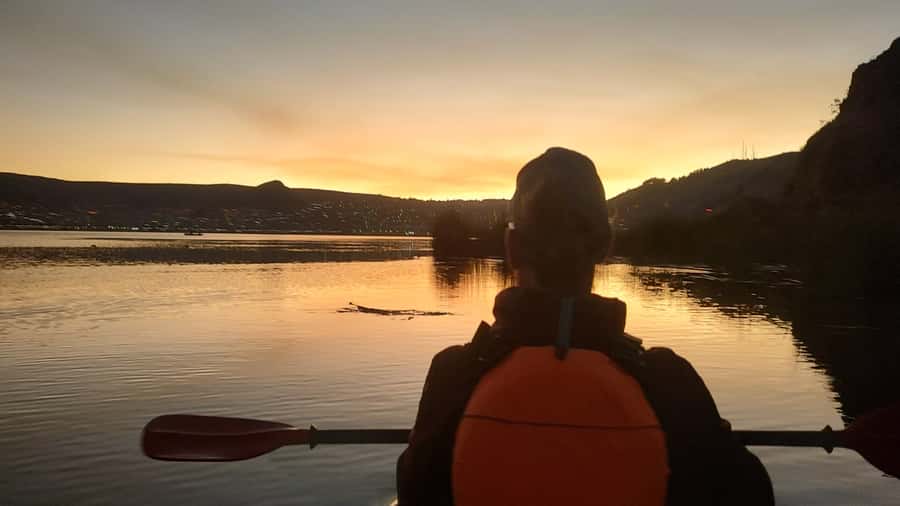
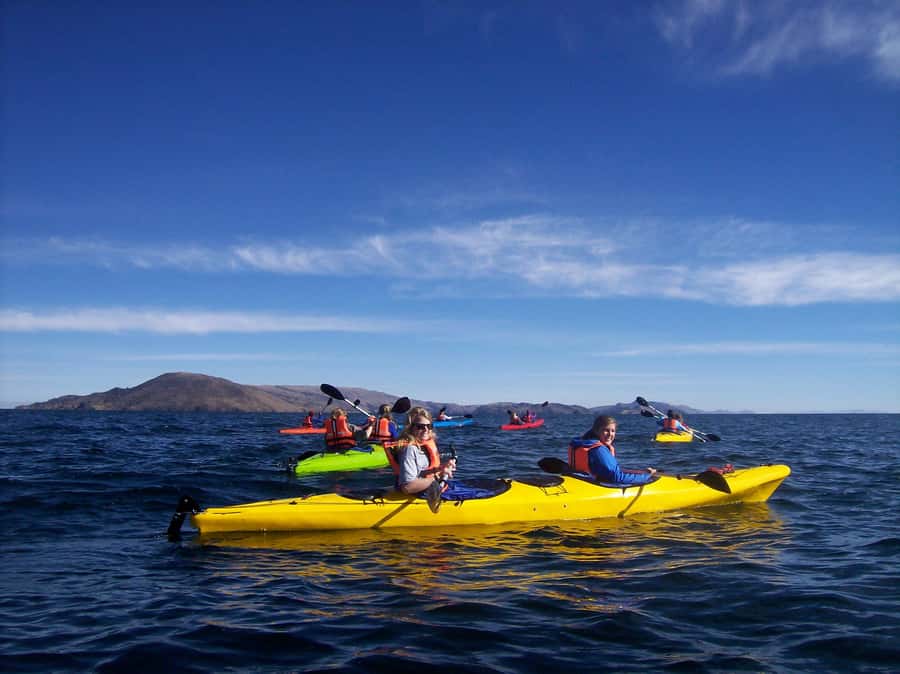
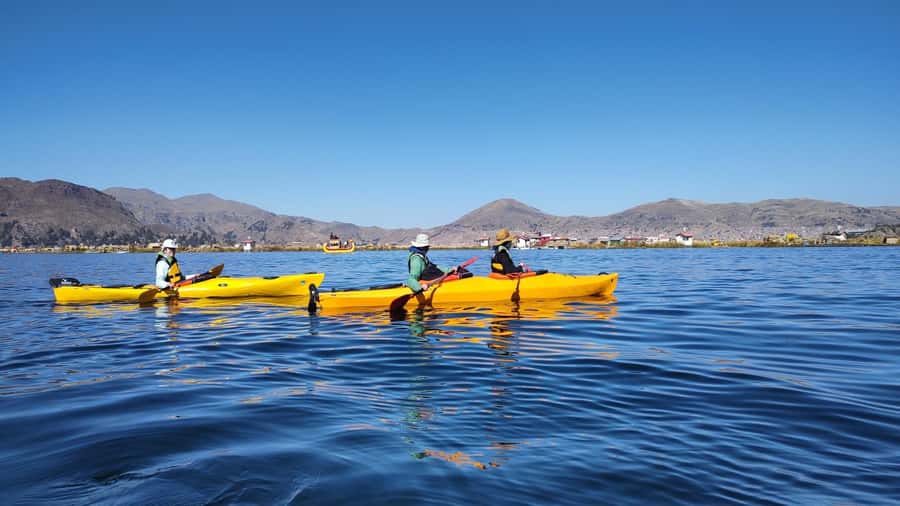
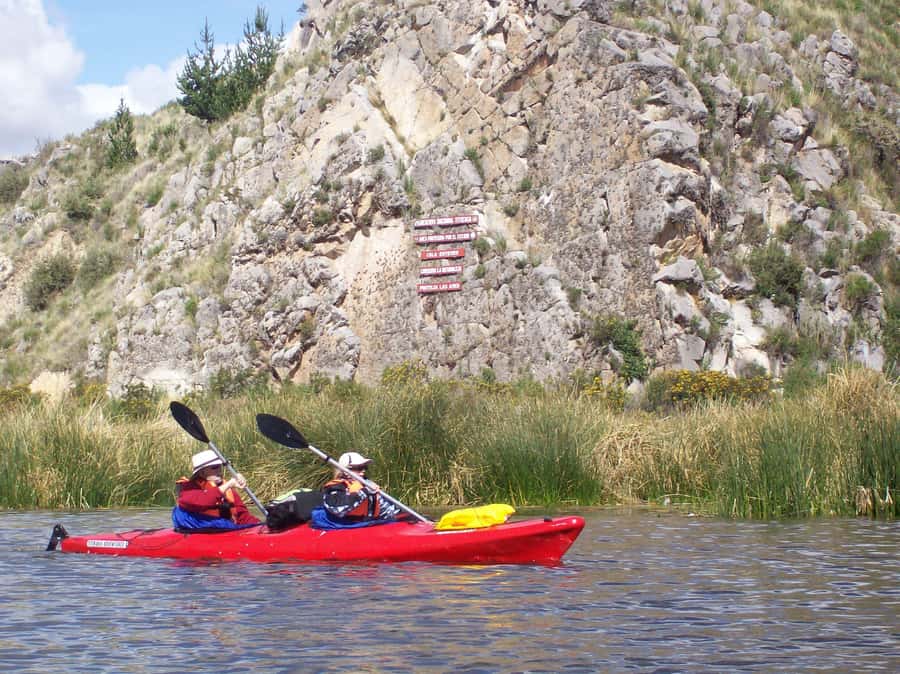
After pickup, you’ll reach the Puno port, meet the professional kayak team, and get geared up. The kayak portion is scheduled at about 1 hour 20 minutes, with a support boat nearby and lifejackets provided. You’ll also have a guide in Spanish or English, so you’re not left guessing what you’re looking at.
What the Uros floating islands are really like
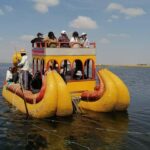
Uros aren’t one island. It’s a set of handmade artificial islands built in the high-altitude lake region by the Uro community. Your visit is about meeting people and understanding the way they’ve lived on these islands for a long time. You’ll see how the islands are part of their everyday world, not just a staged photo stop.
As you paddle, you’ll also pass the Puno bay area and watch for the lake’s surrounding flora and fauna. Even when you’re focused on your paddle strokes, you’ll feel the open water—this is the part that makes the whole trip feel different from a standard day boat.
A practical expectation on kayak time
The itinerary says roughly 1 hour 20 minutes, but timing can shift based on how the group and boats coordinate. I’d plan psychologically for the kayak to feel shorter than you hoped, especially if the transfer boats need to wait for the right moment. The good news is that you still get the full flow: equipment, guide, support boat, and the Uros stop to make the water time count.
Boat transfer to Amantani: from kayaking to real island life
After Uros, you’ll switch gears and travel by regular boat to Amantani Island. When you arrive, you’re assigned to a host family home for the night. This is where the tour becomes more personal: you’re not just visiting an island—you’re joining a family’s day for a meal and an evening.
Homestay on Amantani: what you’re signing up for
Amantani is known for cultural contact with local communities, and most residents are of Quechua descent, with traditions they’ve kept over generations. The homes are basic, but the point is comfort in the human sense: the shared meals, the conversations, and the rhythms of island life.
You’ll eat a typical Andean lunch on arrival day—quinoa soup and lake fish—plus a coca tea that helps take the edge off cold and altitude. Dinner is included, and the evening can include a local party organized by the community. In one memorable example from this experience type, hosts like Antonia and Sebastián were described as very welcoming, even with few material possessions. That’s a useful reminder: the value here isn’t luxury. It’s connection.
Pachatata viewpoint and the island scale
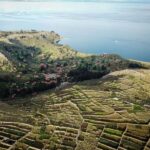
Amantani is also for views. There’s a major viewpoint called Pachatata, up on a hill, where you get a wide look over Lake Titicaca and the surrounding mountains. Even if you don’t feel like pushing far after altitude and travel, the island’s layout makes the scenery an active part of the experience.
The big logistical warning: no electricity
There’s no electricity on Amantani Island, so your comfort depends on what you bring with you and how prepared your devices are. Before you go, make sure your smartphone is fully charged, since that’s typically what you’ll want for photos, navigation, and keeping track of time.
Bring a jacket and expect cooler evenings. Water shoes can help too, since you may move around uneven ground and near the shoreline.
Day 2: Taquile Island, textiles, and the return to Puno
On the second morning, you’ll have early breakfast and then take a regular boat to Taquile Island, about an hour across the lake. If Day 1 is about meeting people on the water, Day 2 is about understanding work, patterns, and identity.
Taquile’s main square and optional museum
Once you arrive, you’ll walk to the island’s main square. There’s a small local museum that’s listed as optional, and then you’ll have time to explore textile shops. This is where Taquile’s reputation comes from: you’re not just buying souvenirs. You’re seeing something that locals have built over generations.
Why Taquile textiles matter (and what to look for)
Taquile is known for handwoven textiles, made by master weavers using techniques passed down through generations. The patterns and colors connect to Andean cosmology—how the community maps meaning onto what they make.
If you want to get more from the shops, pay attention to what locals communicate through textiles: the tour info notes that the designs can reflect social status, gender, and identity. Even if you don’t catch every detail, you’ll understand why the island values this craft so much.
Lunch and the boat back
You’ll have lunch at a local restaurant on Taquile before taking the regular boat back to the Puno port. Then your transportation returns you to your hotel.
Price and value: where the $86 really goes
At $86 per person for 2 days, this tour is priced like a “do it all” Lake Titicaca experience. The value comes from the way costs are bundled:
- Round-trip transfers between your hotel and the port in Puno
- Kayaking gear plus lifejackets, and a support boat
- Meals: breakfast, lunch, and dinner on Amantani, plus lunch on Taquile
- Basic accommodation for one night on Amantani
- Guide in Spanish and English
- Hot drinks like coca tea or muña tea
If you had to recreate even half of that on your own—transport, guide, equipment, and homestay—it would usually add up quickly. This isn’t a “private driver + hotel” style trip. It’s closer to paying for structure, safety, and local access at a fair price.
What to bring (so the trip feels easier)
This is high altitude and an island night with no electricity. Pack like you’re trying to stay warm and comfortable, not just photo-ready:
- Sunglasses, sunscreen, and a hat (the sun can hit hard)
- A towel
- Passport
- Charged smartphone
- Jacket
- Water shoes
- Keep everything practical: you’ll do short walks on islands, and you want footwear that’s stable.
If you’re prone to getting cold, add a warm layer even if Puno feels fine earlier in the day.
Who this tour is for (and who should pass)
This works best if you’re comfortable with basic accommodation and you want real cultural contact, not just viewpoints.
It’s listed as not suitable for:
- Children under 8
- People with mobility impairments
- People with pre-existing medical conditions
- People with back problems
You’re also told you must be in good physical condition. That doesn’t mean “athletic,” but it does mean you shouldn’t treat this like a totally sit-down trip. There are walking portions (Taquile main square), altitude considerations, and time on the water.
FAQ
FAQ
How long is the kayaking part?
The itinerary schedules kayaking for about 1 hour 20 minutes, with a support boat and lifejacket included. Timing can vary with operations on the lake.
What’s included with the tour price?
You get round-trip hotel transfer to the port in Puno, complete kayaking equipment (plus lifejackets), support boat during kayaking, regular group boat(s), meals (breakfast, lunch, dinner on Amantani and lunch on Taquile), hot drinks, a Spanish/English guide, and basic accommodation on Amantani.
Do I need to bring a lifejacket?
No. Lifejackets are included as part of the kayaking equipment.
Where do we stay overnight?
You spend the night on Amantani Island in a basic and cozy family home with a host family.
Is there electricity on Amantani Island?
No. There is no electricity on Amantani Island, so you should bring your devices fully charged from Puno.
What food will I eat during the trip?
On Amantani Island you’ll have typical Andean lunch (quinoa soup and lake fish), plus dinner and breakfast. On Taquile Island, you’ll have lunch at a local restaurant. Hot drinks like coca tea or muña tea are included.
What languages is the guide?
The tour guide speaks Spanish and English.
How big is the group?
This is a small group limited to 12 participants.
Can I cancel for free?
Yes. You can cancel up to 24 hours in advance for a full refund, and you can often use reserve now and pay later options (book and pay nothing today).
Should you book this Puno to Uros to Amantani to Taquile kayak tour?
If you want Lake Titicaca in two days without turning it into a checklist, I think this is a strong choice. The standout value is the combination of kayaking plus a real homestay and then the payoff of Taquile textiles—you’re not just passing through islands.
Book it if you’re comfortable being active in cool, high-altitude conditions and you’re okay with basic accommodation and no electricity on Amantani. Skip it if you have mobility issues, back problems, or medical concerns, since the tour requires good physical condition.
If you match those basics, you’ll end up with the kind of trip where the most memorable part isn’t the photo—it’s the human moments on Uros and Amantani, followed by patterns you can actually understand on Taquile.