REVIEW · CUSCO
Salkantay Trek Standard 5D/4N
Book on Viator →Operated by Conde Travel · Bookable on Viator
Salkantay starts before the sun. This small-group Salkantay Trek stitches together dramatic Andes hiking, the Humantay Lake area, and a Machu Picchu sunrise day without you juggling logistics. You’re guided from Cusco through multiple ecosystems, so the trip feels like an Andes sampler you can actually finish.
I especially like that the plan is built around people doing the hard parts for you. You get a professional bilingual guide plus a cook and assistants, camping support (dining tent, kitchen, tables/chairs), and a full set of included meals and entrance fees—so you can focus on pacing and breathing.
One thing to weigh carefully: this experience is non-refundable, and you’ll need to bring basics like a sleeping bag (walking poles too, if you use them). Also, the optional stuff like ziplining and some Machu Picchu viewpoints aren’t included.
In This Review
- Key things to know before you go
- The Salkantay Standard 5D/4N Circuit: Why This Route Works
- Day 1: Mollepata Breakfast, Soraypampa Start, and Humantay Lake
- Day 2: The Salkantay Pass (4600 m) and the Walk Toward High Jungle
- Day 3: Cloud Forest Hiking to Lucmabamba, Plus Hot Springs and Coffee Time
- Day 4: Llactapata Views to Hydroelectric Lunch and the Ride Into Aguas Calientes
- Day 5: Machu Picchu Sunrise, Private Guide Time, and Back to Cusco
- What You Actually Get (and What You Need to Bring)
- Small-Group Comfort: What a 15-Person Cap Really Means
- Altitude, Timing, and the Real Day-1-to-Day-2 Jump
- Weather, Disruptions, and the Non-Refundable Factor
- Who This Trek Fits Best (and Who Should Rethink It)
- Should You Book This Salkantay Trek Standard 5D/4N?
- FAQ
- What’s the duration of the Salkantay Trek Standard 5D/4N?
- Where does the trek start, and what time is pickup?
- What’s included in the Machu Picchu part of the trip?
- Is the bus between Aguas Calientes and Machu Picchu included?
- Are camping meals and staff included?
- Do I need to bring a sleeping bag and walking poles?
- Can I add ziplining or hot springs during the trek?
Key things to know before you go
- Max 15 people: small-group feel, with more room to ask questions and stay on schedule
- Included Machu Picchu entry: you still handle the timing, but the ticket is covered
- Altitude rises fast: from Soraypampa to Salkantay Pass (4600 m) in one big day
- Horse support for camping gear: you hike lighter because horses carry equipment
- Lucmabamba has optional add-ons: ziplining can be arranged in advance
- Aguas Calientes hotel night included: Day 4 ends with proper bed time
The Salkantay Standard 5D/4N Circuit: Why This Route Works
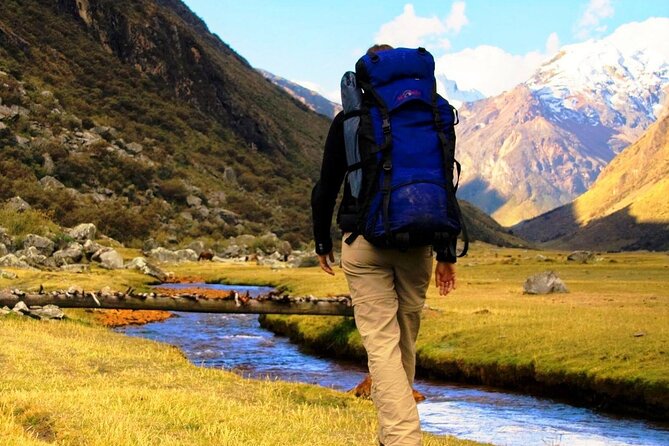
This trek is set up like a moving itinerary with clear purpose: you start in the Cusco area, climb to high passes, work your way down through forested zones, and land at Machu Picchu with a sunrise plan. That last day matters. A lot of treks end with chaos—here, you’re routed to Machu Picchu right after you wake, then you’re guided inside.
Value-wise, I like the “less guessing” approach. Transfers, meals, camping setup, guide + cook, and Machu Picchu entrance are all included, and the group limit stays at 15. Translation for you: you spend less time budgeting and double-checking what’s covered, and more time making good use of daylight (especially around sunrise).
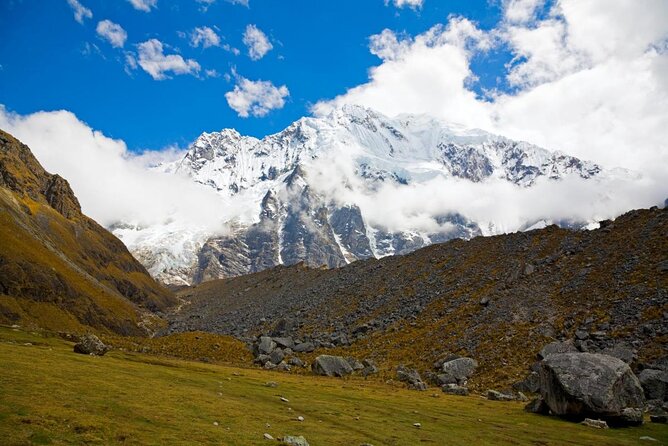
The trip is not just hiking for hiking’s sake. It’s also about the way the Andes change from day to day: glacial lake views, then the high pass, then cloud forest with waterfalls and rivers, then the approach to Machu Picchu through viewpoints like Llactapata.
You can also read our reviews of more hiking tours in Cusco

Day 1: Mollepata Breakfast, Soraypampa Start, and Humantay Lake
Day 1 starts early in Cusco. You get picked up from the meeting point at 4:00 am, then head out to Mollepata for breakfast. That early meal is more than tradition—it helps you get fuel in before the trek begins.
From there, you’ll move to Soraypampa (3900 m), where you meet your horsemen and horses. The horses carry the camping equipment, so you’re not stuck hauling tents and kitchen gear uphill. That’s a big deal for comfort on a multi-day trek.
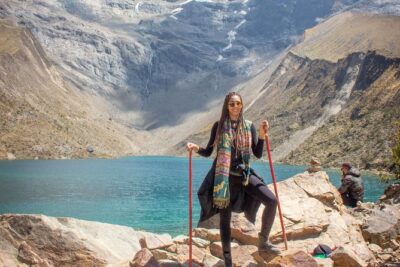
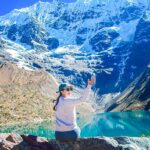
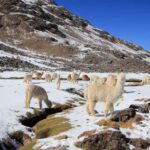
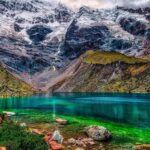
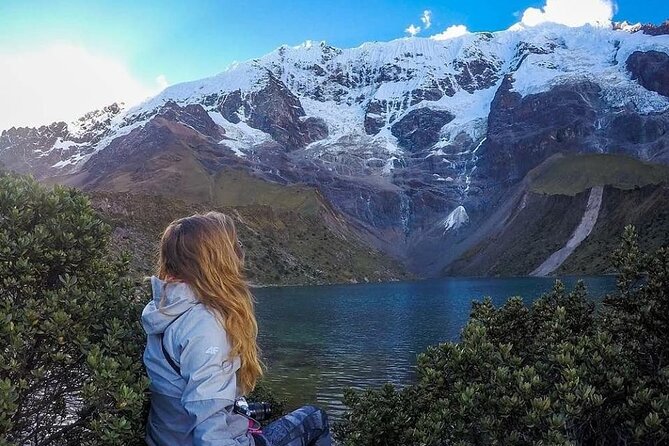
Then the hike takes you up to Humantay Lake (4200 m). Humantay is one of those places where the view does the talking: glaciers and snow-covered peaks in the Peruvian Andes framed by the lake area. After the lake visit, you return to Soraypampa for lunch while the cook is waiting for you.
The day ends at Salkantaypampa, your basecamp, where you get that welcome mix of scenery and downtime: afternoon tea and a delicious dinner, plus a chance to settle in before the more serious altitude day.
Practical note: this is the day where you’ll likely feel the altitude, even if you’re fit. Go slow out of Soraypampa. Let your body catch up.
Day 2: The Salkantay Pass (4600 m) and the Walk Toward High Jungle
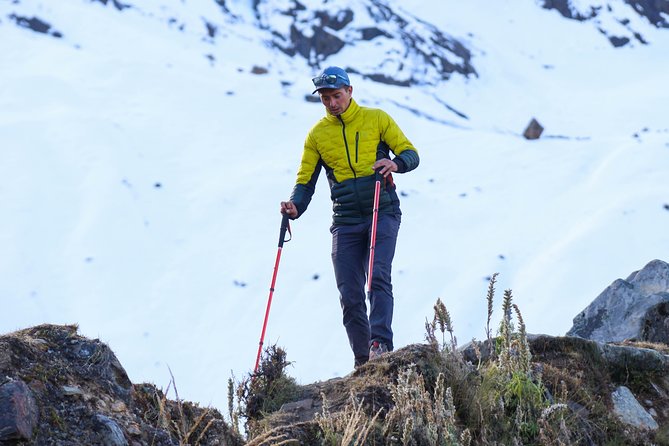
Day 2 is the heart of the trek’s effort. You wake with coca tea and breakfast, then set out with big mountain views around you. The highlight here is reaching the Salkantay Pass at 4600 m—described as about 3 hours to get there. That doesn’t mean it’s easy; it means the schedule is structured and timed.
At the pass, you get a payoff moment: high-altitude breathing, wide views, and a real sense of you being at the top of the system. Then you start descending toward Wayrac Machaq, where lunch is served.
After lunch, the trek continues into the high jungle. You’ll look for and notice the plants that thrive in this zone—especially large trees with arms extended over streams, and pockets rich with bromeliads and orchids. This is one of those days where you’ll shift from “survive the altitude” to “slow down and look around.”
The day runs about 8 hours, ending at the next campsite. You’re moving all day, but the route is paced with meals and a clear point-to-point plan.
Day 3: Cloud Forest Hiking to Lucmabamba, Plus Hot Springs and Coffee Time
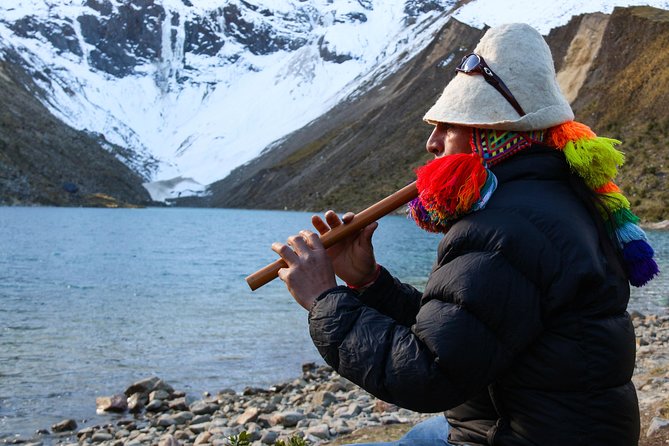
Day 3 starts early again. You hike along the cloud forest for about 3 hours, taking in rivers and waterfalls. Cloud forest hiking feels different from the pass day: the air tends to be cooler and the terrain more varied, but the goal is the same—keep steady effort and protect your energy.
After lunch, you hike for about 3 more hours to reach Lucmabamba campsite. This is a more “lived-in” kind of campsite day. If you planned ahead, you can add ziplining in the area (not included automatically—you’d need to book it in advance).
You can also spend time with the local rhythm around coffee plantations and processing. Even if you’ve never thought about coffee the way you think about hikes, it’s a nice shift. It breaks up the mental intensity of altitude trekking and gives your legs a different kind of rest.
Optional add-on: Cocalmayo hot springs are about 30 minutes from the campsite, but extra transport and entrance fees apply. If hot water is high on your list, this can be a strong recovery choice—just don’t let it tempt you into skipping hydration and sleep.
Day 4: Llactapata Views to Hydroelectric Lunch and the Ride Into Aguas Calientes
Day 4 has a classic structure: a viewpoint moment, then a controlled descent to connect with the route into Machu Picchu logistics.
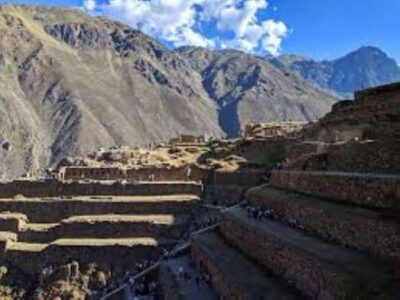
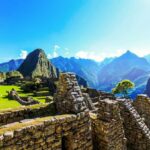
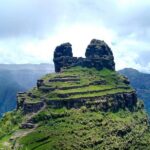
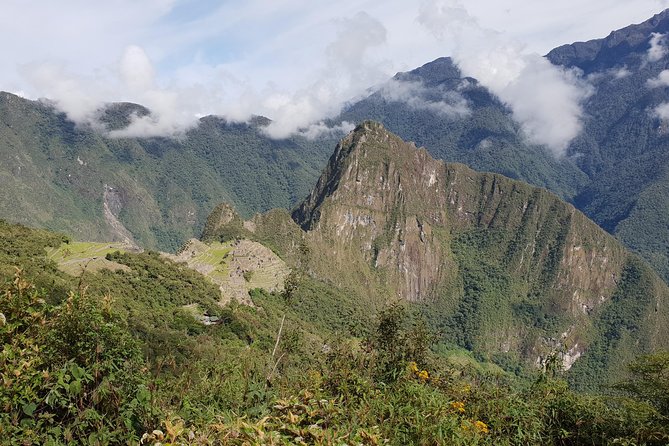
You start with breakfast, then hike to Llactapata, which gives you a view of the wider Machu Picchu area. This is important because it helps your brain connect the dots. Before you arrive in town, you get to see how the ruins sit in the terrain.
After Llactapata, you go downhill to Hydroelectric for lunch. Hydroelectric is one of those Andean transit hubs that keeps the whole Machu Picchu machine running. From there, you continue hiking about 3 hours to Aguas Calientes, where you’ll sleep in a hotel tonight.
This hotel night is part of why the trek feels “standard” rather than survival mode. It gives you a chance to wash up properly and get your head ready for Machu Picchu sunrise.
Day 5: Machu Picchu Sunrise, Private Guide Time, and Back to Cusco
Day 5 is all about timing. After breakfast, you take the early buses up to Machu Picchu for sunrise. The aim is clear: you want the ruins in low light, with cooler conditions and fewer people inside.
You also get a private tour guide for the Machu Picchu visit. That’s a meaningful inclusion because guided time helps you understand what you’re seeing—how the site was used, how it’s laid out, and what details matter. Then, when your visit ends, you take the train and bus back to Cusco.
One small but important clarification: the Up or Down Bus from Aguas Calientes to Machu Picchu isn’t included. The itinerary says you’ll take buses for sunrise, but your “not included” list means you may be paying for that bus segment separately. Ask your operator to confirm exactly how that part is handled on your departure date so you don’t get surprised at the ticket counter.
What You Actually Get (and What You Need to Bring)
This trek includes a lot of the moving pieces that normally eat your time and money.
Included
- Transfer from Cusco to Mollepata
- Entrance fees to Machu Picchu
- Dining tent and kitchen, plus chairs and dining tables
- First aid kit
- Professional bilingual guide, cook, and assistants
- 3 nights camping
- 1 night lodging in a hostel in Aguas Calientes (as stated)
- Train back from Aguas Calientes to Ollantaytambo
- Transportation from Ollantaytambo to Cusco
- Meals: 4 breakfasts, 4 lunches, and 4 dinners
Not included
- Up/Down bus between Aguas Calientes and Machu Picchu
- Sleeping bag
- Walking poles
- Ziplining activity
- Huayna Picchu or Machu Picchu Mountain entrance
For me, the practical takeaway is simple: plan to pack for cold nights and bring your own sleep system. Since a sleeping bag is not included, you’ll want to choose one that fits the conditions at your trek time.
Small-Group Comfort: What a 15-Person Cap Really Means
A limit of 15 travelers isn’t just a marketing number here—it affects your experience on the ground.
With a smaller group:
- You’re more likely to keep the pace the guide sets without bottlenecks.
- You’re easier for the cook and assistants to serve quickly and consistently.
- You can ask questions about altitude, trail conditions, or timing without waiting your turn.
Also, because there’s a cook and assistants, your camp setup is more stable than a self-supported version. You’re not trying to become a tent mechanic while your legs are screaming from Day 2.
And the horse support for camping gear helps too. It makes a big difference when you’re focused on trail rhythm instead of carrying everything.
Altitude, Timing, and the Real Day-1-to-Day-2 Jump
This itinerary climbs quickly:
- Soraypampa (3900 m)
- Humantay Lake (4200 m)
- The big push to the Salkantay Pass (4600 m)
So even if you’re active at home, the altitude will feel like a factor. Your guide’s job is not only to lead, but to keep you moving safely and on schedule. Your job is to listen to your body: keep a steady pace, take breaks when needed, and don’t sprint for views.
Timing is another constraint. You start at 4:00 am on Day 1, and sunrise on Day 5 means another early wake-up. If you hate early mornings, this trek will feel like a personality change.
Weather, Disruptions, and the Non-Refundable Factor
Here’s the practical reality: this experience is listed as non-refundable and cannot be changed for any reason. That means if something beyond your control disrupts plans, you could be stuck with the cost.
There can also be unpredictable travel conditions in the region. One past review highlighted concerns about transport disruptions and even safety-related stress in Peru, plus a bad outcome when they tried to cancel close to departure. I’m not predicting anything will happen on your dates, but I am urging you to take the policy seriously and travel with a mindset that you’ll likely want to keep going even if conditions get messy.
If you’re booking, you’re choosing a plan that prioritizes schedule and structure. That’s great when you’re healthy and everything runs smoothly. It’s less comforting if you need maximum flexibility.
Who This Trek Fits Best (and Who Should Rethink It)
This Salkantay Trek Standard 5D/4N is a strong match if you:
- Want a guided trek that handles most logistics for you
- Like the idea of a small-group experience
- Are comfortable with multi-day hiking and altitude at 4600 m
- Want Machu Picchu with a guide and a sunrise plan
- Prefer to show up with packing basics rather than coordinating every meal and camp detail
You might want to rethink it if you:
- Don’t have a sleeping bag and don’t want to source one
- Need flexible cancellation options
- Plan to add Huayna Picchu or Machu Picchu Mountain (not included)
- Are sensitive to early starts and very early sunrise schedules
Should You Book This Salkantay Trek Standard 5D/4N?
I’d book it if you want an organized, value-focused Andes trek that actually gets you into Machu Picchu at sunrise—with the heavy lifting handled by guide, cook, and camp team. The small group (max 15) plus included meals, camping infrastructure, and Machu Picchu ticket coverage are real quality-of-life wins.
I’d hesitate if you need last-minute flexibility, or if you’re not ready for the altitude jump and the early timing. This trek is structured. It rewards steady travelers who like clear plans.
If you do book, do one smart thing: ask your operator to confirm how the Aguas Calientes to Machu Picchu bus works on your specific dates, since it’s listed as not included.
FAQ
What’s the duration of the Salkantay Trek Standard 5D/4N?
It’s a 5-day trek (approx.) with 3 nights camping and 1 hotel night in Aguas Calientes.
Where does the trek start, and what time is pickup?
It starts at Portal de Comercio 145, Cusco with an early pickup around 4:00 am.
What’s included in the Machu Picchu part of the trip?
You have entrance fees to Machu Picchu included, and you’ll have a private tour guide for your visit. The route includes train and bus back to Cusco after the visit.
Is the bus between Aguas Calientes and Machu Picchu included?
No. The up or down bus from Aguas Calientes to Machu Picchu is not included.
Are camping meals and staff included?
Yes. You get a bilingual guide, cook, and assistants, plus a dining tent and kitchen setup. Breakfast, lunch, and dinner are included for the trekking days (4 of each as listed).
Do I need to bring a sleeping bag and walking poles?
Yes. A sleeping bag is not included, and walking poles are also not included.
Can I add ziplining or hot springs during the trek?
Ziplining at the Lucmabamba area can be available if you book in advance, but it’s not included. You can also visit Cocalmayo hot springs (about 30 minutes from the campsite), but extra transportation and entrance fees apply.