REVIEW · CUSCO
Rainbow Mountain Vinicunca Short Route + Red Valley
Book on GetYourGuide →Operated by America Explorer Peru · Bookable on GetYourGuide
Vinicunca can look unreal in photos, but the hike makes it real. You’ll go on one of the shorter Cusipata routes to see the Mountain of Seven Colors up close, then head into the scenery around Red Valley with a bilingual guide (and yes, mine was Hector). The best part for me was how efficiently the day runs from Cusco, and the chance to spot alpacas, llamas, and vicuñas along the way. One thing to plan for: the early start and high-altitude cold are not subtle.
In This Review
- What makes this tour work well
- Who should think twice
- Key things to know before you go
- Vinicunca and Red Valley: why this short route is so popular
- Early pickup from Cusco: the part that makes or breaks the day
- Cusipata breakfast and the climb from about 4,850 m
- The summit at 5,010 m: pacing, pauses, and real photo time
- A small strategy that helps
- Downhill back to the start: why the return matters
- Lunch in Cusipata and the return to Cusco by late afternoon
- Red Valley entrance fees: plan for extra costs
- Guide quality and bilingual support (including Hector)
- What to pack for cold, windy altitude starts
- Items to avoid
- Who this tour fits best (and who should skip)
- Price and value: what $30 really covers
- Should you book the Rainbow Mountain short route + Red Valley?
- FAQ
- What time do they pick me up in Cusco?
- How long is the tour?
- Where do you hike and what altitude do you reach?
- How long is the hike to Rainbow Mountain?
- Is breakfast and lunch included?
- Do I need to pay entrance tickets separately?
- What languages are the guides?
- Are vegetarian or special diets supported?
- What should I bring for the day?
What makes this tour work well
I like that this trip gives you a focused “get there, hike, see it” day without adding extra stops for the sake of it. You also get a professional guide, breakfast, and a semi buffet lunch included, which helps the whole day feel simple and predictable. Still, expect long stretches of bus time, and you’ll want to pay attention to the extra entrance fees that are not included.
Who should think twice
This is not ideal if you have respiratory issues, high blood pressure, epilepsy, or low fitness. It also isn’t for pregnant travelers, people with mobility impairments, or anyone feeling sick, because the day starts very early and stays outdoors.
You can also read our reviews of more tours and experiences in Cusco.
Key things to know before you go
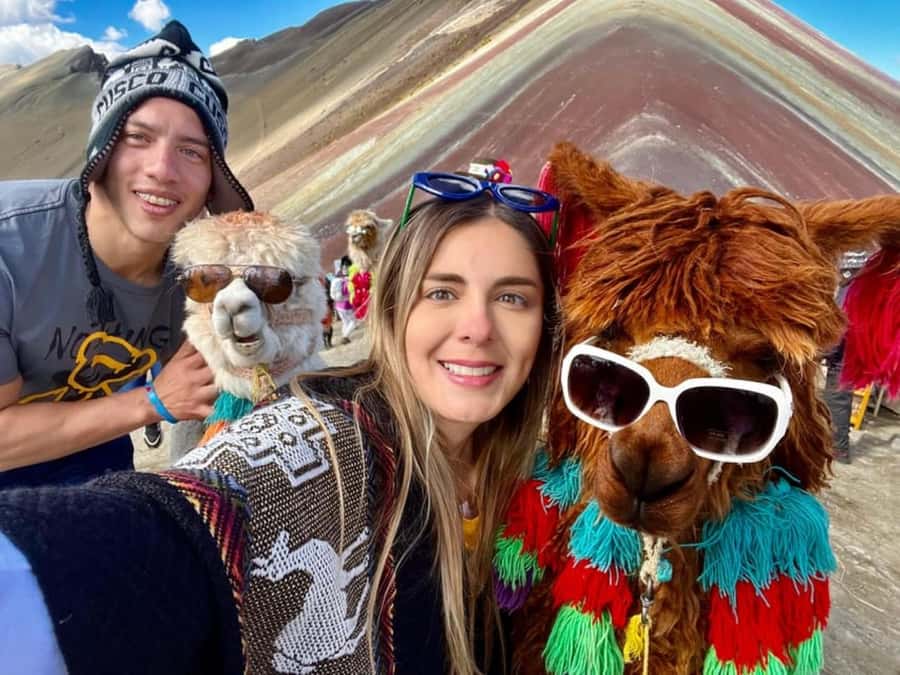
- Short Cusipata route to Vinicunca: you hike about 3.5 km on flat-to-uphill terrain to reach the 5,010 m summit viewpoint
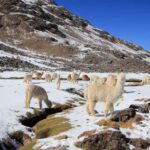
- Real wildlife chances: you may see alpacas, llamas, and vicuñas during the walk and at breaks
- Weather-dependent views: you get a paid-ticket view plus free time at the summit, but cloud can change what you see
- Early pickup and long drive: pickup starts between 4:00 am and 4:30 am, with multiple bus segments
- Entrance tickets cost extra: Mountain of Seven Colors and Red Valley have separate fees you pay on top of the tour price
Vinicunca and Red Valley: why this short route is so popular
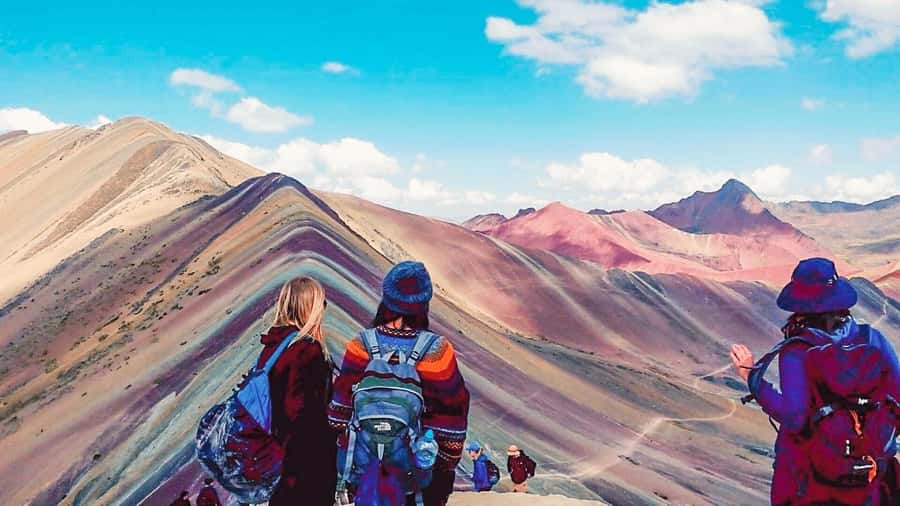
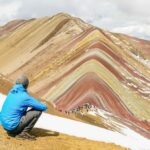
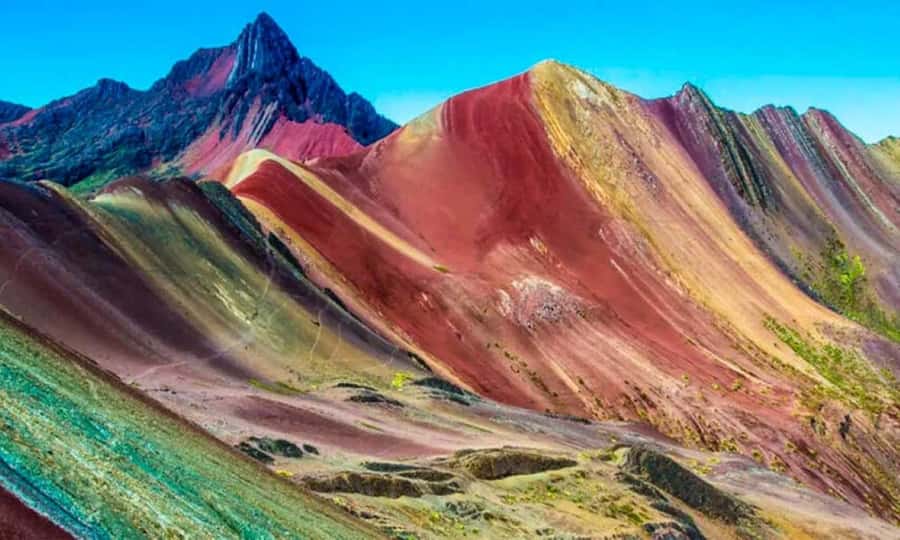
Vinicunca, also called the Mountain of Seven Colors, sits in the Cusco region and is one of the big “must-do” day trips—second most visited after Machu Picchu. The reason is simple: when conditions are right, the colors look like someone spilled paint across the mountainside. On this tour, you don’t spend the whole day just traveling. You wake up, reach the trailhead, hike, then return with a hot meal waiting back near Cusipata.
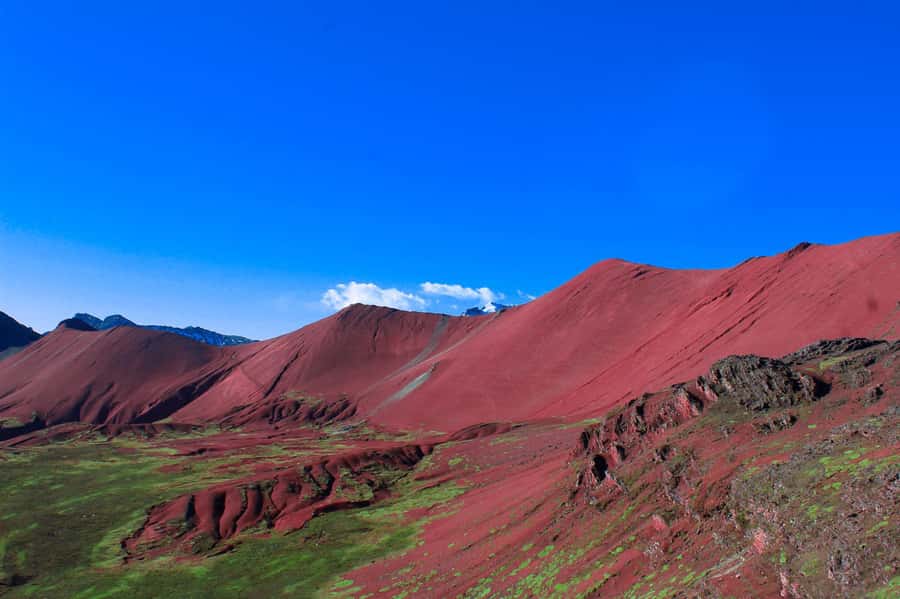
Red Valley typically fits the same mood: rugged, high Andean scenery with dramatic rock tones. Even if you don’t spend ages wandering, the payoff is that you see the area as more than one photo spot. It’s a geography day: altitude, color, and scale.
And there’s another reason I like this format. Short-route options exist because not everyone wants an all-day endurance test. This one keeps the hiking time reasonable, with a clear schedule and guided pacing.
Early pickup from Cusco: the part that makes or breaks the day
Your day starts early—your guide picks you up from your accommodation in Cusco between 4:00 am and 4:30 am (they also mention pickup happens about 15 minutes before departure). Then you’re on the road toward Cusipata District after a drive of about 2 hours.
Why so early? Timing matters at altitude. Even if you’re not obsessing over sunrise, you’re trying to reach the trail and viewpoint while conditions are still favorable. Clear skies can mean sharper colors at Vinicunca. Cloud and fog can roll in later, so the schedule is built around getting you there first.
One practical note: a guide who knows the route helps. With Hector, the process felt orderly and calm. He kept the day moving without rushing the hike, which is exactly what you want when you’re dealing with cold air and thinner oxygen.
Cusipata breakfast and the climb from about 4,850 m
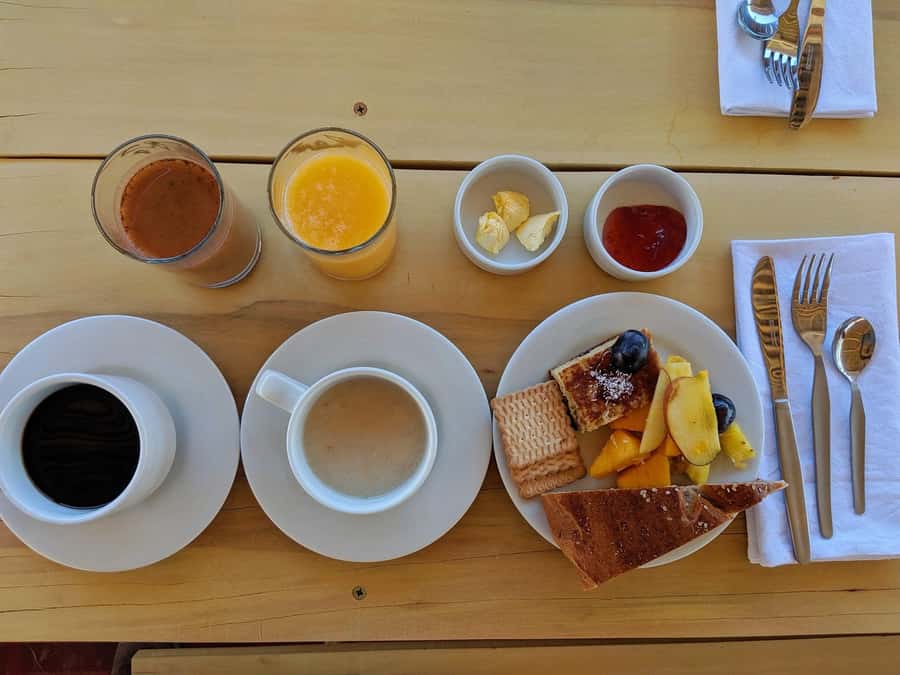
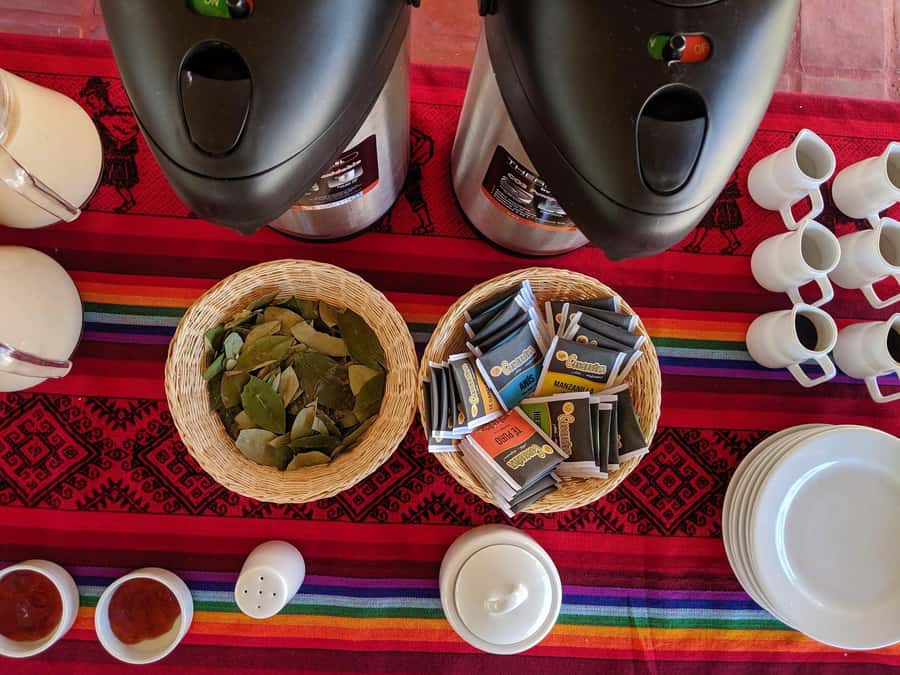
After the first drive segment, you stop in Cusipata for breakfast (about 40 minutes). You can use this time to fuel up, then plan your water and snacks for the hike. The tour also expects you to bring warm layers, and the information specifically encourages bringing water and some fruit so you can nibble on the way up.
Next comes another travel leg—about 1 hour—to reach the starting point near 4,850 meters. From there, you begin a 3.5 km hike to Vinicunca. The terrain is described as flat, uphill, which is a nice way of saying you’re working your legs, but you’re not doing steep scrambling for long stretches.
What this means for you in real life:
- If you’re moderately fit, you can likely do this without drama, but you still need to pace yourself.
- If you push too hard early, altitude makes it harder, fast. Go slow at the start.
- Short hike length doesn’t mean easy—cold and altitude still do the heavy lifting.
The summit at 5,010 m: pacing, pauses, and real photo time
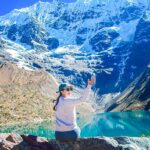
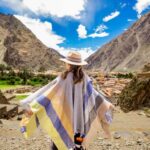
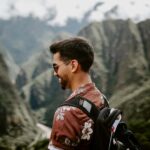
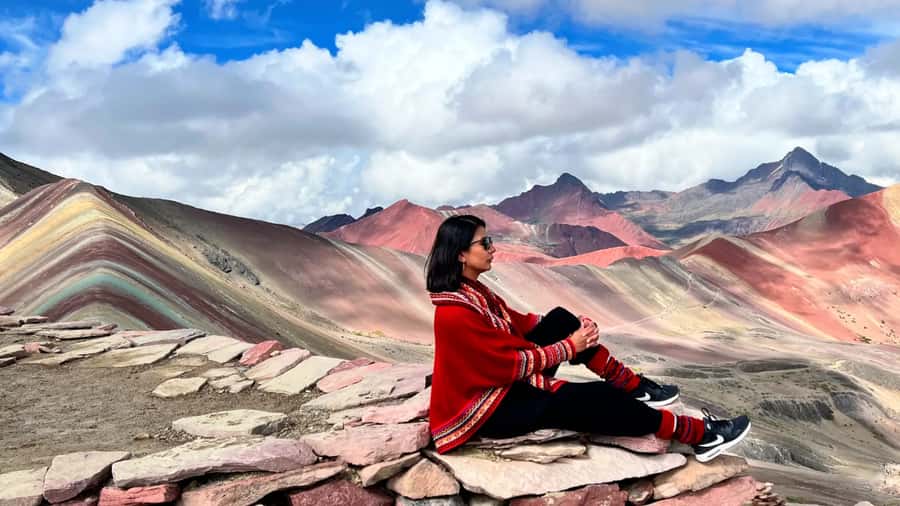
The hike takes you to the summit around 5,010 meters. At the top, you get free time for breaks and photos for about 40 minutes (plus guided context and viewpoints).
This is the moment most people came for. The colors can look shockingly crisp on clear days, and the views are wide enough that you’ll understand why this is such a recognizable Peru icon. Even when the day is colder or a bit hazier, the geometry of the mountains still hits hard. You’re seeing the Andes on their own terms.
And don’t ignore wildlife. The tour highlights encounters with alpacas, llamas, and vicuñas. You may spot them off the path, moving along the slopes or taking shelter near rock. If you keep your pace steady and look up during pauses, you’ll often catch movement that you’d miss if you’re only staring at the ground.
A small strategy that helps
During the climb up, I like to set a rhythm: breathe, walk, pause briefly. At the summit, stop trying to photograph everything at once. Take a few good wide shots first, then zoom in on details only if the weather cooperates.
Downhill back to the start: why the return matters
After summit time, you hike back down to the starting point for about 1 hour. Even though downhill can feel easier, it’s still tough at altitude. Your knees and calves take a hit, especially if you walk too fast.
Here’s what helps:
- Keep steps short.
- Use your jacket and gloves—wind can spike fast when you’re no longer climbing.
- If you feel lightheaded, slow down immediately and take a longer pause.
Then you head back to Cusipata for lunch.
One detail I appreciate here: the schedule doesn’t pretend the day ends at the viewpoint. The tour builds in the full rhythm—hike up, time at the top, then the return—so you’re not left guessing when you’ll eat.
Lunch in Cusipata and the return to Cusco by late afternoon
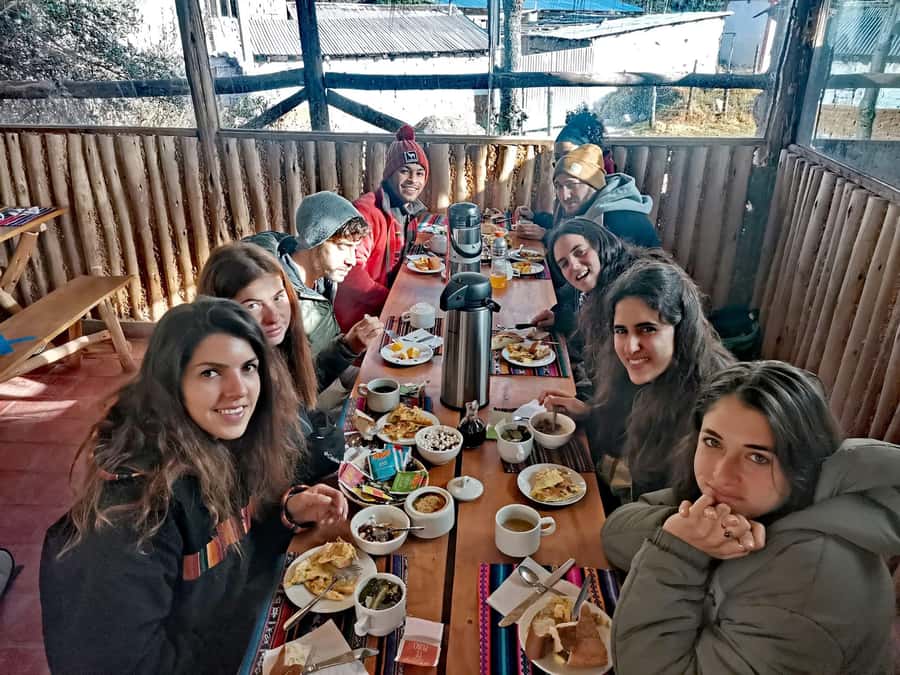
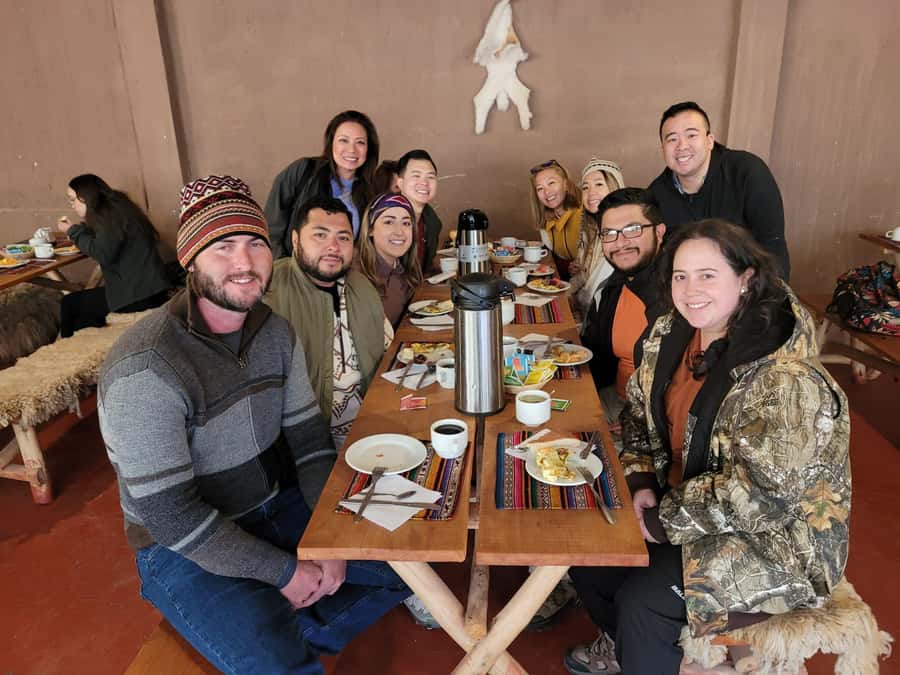
Back in Cusipata, lunch is ready: semi buffet format, with vegetarian and special diet options available. You’ll have about 50 minutes for the meal.
Why this is valuable: after a high-altitude hike, people often underestimate how hungry they’ll be. Having lunch included means you’re not forced to hunt for food at the wrong time, with cash or options limited.
After lunch, you ride the bus back to Cusco—another 2 hours—and you typically arrive between 4:00 pm and 5:00 pm at the Plaza de Armas area. That late-afternoon finish is a sweet spot. You can still do a proper dinner plan in Cusco without feeling like your whole trip is one long recovery day.
Red Valley entrance fees: plan for extra costs
Your tour name includes Red Valley, and the pricing structure makes it clear that entrance fees are separate. The Mountain of Seven Colors entrance ticket is listed as s/ 25.00 and Red Valley as s/ 20.00. These are not included.
So for budgeting, think of your headline tour price as transport + guide + meals + hike support, with the sites themselves costing extra on the day. If you want to avoid stress, bring cash in small bills for these tickets, and keep some for snacks or anything you forgot.
Also, since the itinerary timing you’ll follow may vary by day and weather, always treat the Red Valley stop as part of the experience but not as something you should count on without listening to your guide’s exact plan that morning.
Guide quality and bilingual support (including Hector)
This trip is run with a professional bilingual guide (English, Spanish) and includes a first aid kit plus permanent assistance. That combination matters on a day like this.
At altitude, people can feel off even if they’re usually fit. Having someone trained to guide pacing, keep the group together, and handle basic medical needs is a comfort layer you don’t want to skip.
From my notes in the experience, the guide experience can really shape the day. Mine included Hector, and he helped make the ride and hike feel organized. You get a better sense of what you’re seeing, and the free time at the summit feels more productive because you know when to look and when to rest.
What to pack for cold, windy altitude starts
The info is very clear: you’ll want warm clothing, and the mountains are cold. Here’s your practical checklist, based on what the tour asks you to bring:
- Warm layers (jacket, warm clothes)
- Gloves and a scarf
- Hat and sunglasses
- Rain gear (weather can switch fast)
- Closed-toe shoes with grip
- Sunscreen
- A daypack
- Drinks and some fruit/snack
- Camera
- Passport and/or ID card (copy accepted)
And a quick reality check. If you show up underdressed, the hike still happens. Being warm isn’t just comfort—it helps you conserve energy and stay calm.
Items to avoid
The tour also lists restrictions like high-heeled shoes, pets, weapons or sharp objects, and oversize luggage. There are also rules about no smoking in the vehicle and no drinks in the vehicle. Pack smart. Bring essentials. Keep it simple.
Who this tour fits best (and who should skip)
This is a grounded, outdoor hike with an altitude hike and a cold morning. You’re walking to Vinicunca at around 5,010 m, so fitness and health matter.
This tour may suit you if:
- You want a short-route day that still includes the core Vinicunca experience
- You can handle early mornings
- You’re okay hiking uphill for a few hours total (including the return)
It’s not suitable for:
- Pregnant women
- People with mobility impairments or wheelchair users
- People with respiratory issues
- People with epilepsy
- Anyone with low fitness levels
- Anyone who currently has a cold
- People with high blood pressure
- Babies under 1 year
If you’re unsure, take the operator’s guidance seriously. It’s better to choose a different style of excursion than to gamble with your health.
Price and value: what $30 really covers
The listed price is $30 per person for a 12-hour day. That can be good value in Cusco when you compare what’s included.
What you get included:
- Hotel pickup options (with early departure)
- Tourist mobility (transport by coach/bus)
- Breakfast
- Semi buffet lunch
- A professional bilingual guide
- First aid kit and ongoing assistance
What costs extra:
- Entrance ticket to the Mountain (s/ 25.00)
- Entrance ticket to Red Valley (s/ 20.00)
- Dinner
- Travel insurance
So the value story is basically this:
- You’re paying for the full guided day structure, meals, and transport.
- You’re also paying extra for the site entries, which you should budget for up front.
Also factor in the bus time. One review note you’ll probably feel too: the transport can be a bit long. This tour is built for people who want the destination, not people who want a short commute.
If you hate early mornings and long drives, you’ll feel it. If you’re flexible and want Vinicunca, you’ll likely feel like you got your money’s worth.
Should you book the Rainbow Mountain short route + Red Valley?
Book this tour if you:
- Want Vinicunca without a long, punishing multi-day hike
- Like guided structure and want breakfast and lunch handled
- Can handle cold mornings and an uphill hike to high altitude
Consider another option if you:
- Struggle with long transport days
- Have a health condition listed as a no-go (respiratory issues, high blood pressure, epilepsy, low fitness)
- Need more flexibility than a fixed early schedule allows
For most people, the biggest win is the balance: you get the core Vinicunca experience, a chance at wildlife sightings, and a guided day that ends back in Cusco by late afternoon.
If you do book, do two things well: pack warm layers and pace yourself on the hike.
FAQ
What time do they pick me up in Cusco?
Pickup is between 4:00 am and 4:30 am, and they mention the guide picks you up about 15 minutes before the tour departs from your accommodation.
How long is the tour?
The total duration is listed as 12 hours.
Where do you hike and what altitude do you reach?
You start around 4,850 meters and hike to the summit around 5,010 meters.
How long is the hike to Rainbow Mountain?
The hike to Rainbow Mountain is described as about 3.5 kilometers, followed by a return walk.
Is breakfast and lunch included?
Yes. Breakfast and a semi buffet lunch are included.
Do I need to pay entrance tickets separately?
Yes. Entrance tickets for the Mountain of Seven Colors and Red Valley are not included, listed as s/ 25.00 and s/ 20.00 respectively.
What languages are the guides?
The live guide is available in English and Spanish.
Are vegetarian or special diets supported?
Vegetarian and special diet options are listed as available.
What should I bring for the day?
Bring warm clothing, sunglasses, hat, sunscreen, gloves, rain gear, comfortable closed-toe shoes, and drinks. They also recommend water and some fruit for the hike, plus your passport/ID (copy accepted).