REVIEW · PARACAS
From San Martin Port: Ballestas Islands Tour in Paracas
Book on GetYourGuide →Operated by Tangol · Bookable on GetYourGuide
Ballestas feels like nature’s wild theater. A 3-hour shore trip from San Martín Port in Paracas pairs a fast boat ride with expert-led wildlife watching, plus the famous Candelabro view from the water. I love the way the morning is paced (you’re moving, but not rushed), and I love the sheer face-time with sea lions, penguins, and guano-birds. One possible drawback: if your Spanish is limited, guide English can be inconsistent, so a few simple Spanish words help.
I found the whole setup practical for cruise-day timing: you get round-trip transport to the El Chaco area and a group speedboat experience capped at 40 people. You also pay a separate entrance fee on site, so check that you’re ready with cash in soles (16 soles is payable locally). The tour runs in English and Spanish, but again, English quality may vary by guide.
This is a boat-and-steps kind of morning. You’ll want comfortable shoes, a windbreaker, and something for sun glare, and it’s not suitable for people with back problems or pregnant women. I also recommend bringing binoculars, because some wildlife stays just out of perfect photo range.
In This Review
- Key highlights in plain terms
- From San Martín Port to El Chaco: getting there without stress
- Speedboat ride: what you’re really signing up for
- Pass the islands, then meet the stars of the reserve
- Candelabro: the Paracas geoglyph view from the sea
- Birds, guano, and the surprisingly serious business of fertilizer
- The guided component: what English-Spanish means in real life
- Price and logistics: is $84 a good value?
- Timing matters if you’re connecting to a ship
- What to bring (so the wind doesn’t ruin your photos)
- Who this tour suits best (and who should skip it)
- Should you book the Ballestas Islands tour from San Martín Port?
- FAQ
- How long is the Ballestas Islands tour from San Martín Port?
- What’s the price per person?
- What’s included in the tour cost?
- What entrance fees should I expect?
- Where does the tour start and end?
- Are there limits on group size or who can join?
- What should I bring and should I avoid this tour for any reason?
Key highlights in plain terms
- Candelabro on the move: see the geoglyph from the water with the dunes of Paracas as its backdrop
- Expert guide wildlife talk: get explanations about birds, feeding spots, and why guano matters
- Sea lions close up: the main attraction is real animal viewing, not just passing by
- Humboldt penguins and seabirds: you’ll likely spot more species than you expected
- Group size stays manageable: up to 40 people on the speedboat service
- Local payment for the reserve: plan for the 16 soles entrance fee in advance
From San Martín Port to El Chaco: getting there without stress
Your day starts at Terminal Portuario General San Martín. You’ll be greeted by the tour team right in time to board the group transportation, and then you ride over to the El Chaco Dock area. The transfer is about 25 minutes, and in practice that means you’re not sitting around long before the fun starts.
This is one of those shore excursions that aims to keep things simple: you don’t have to solve the logistics yourself. The driver speaks only Spanish, so if you’re the kind of traveler who loves calm, clear instructions, this part is straightforward but language-dependent.
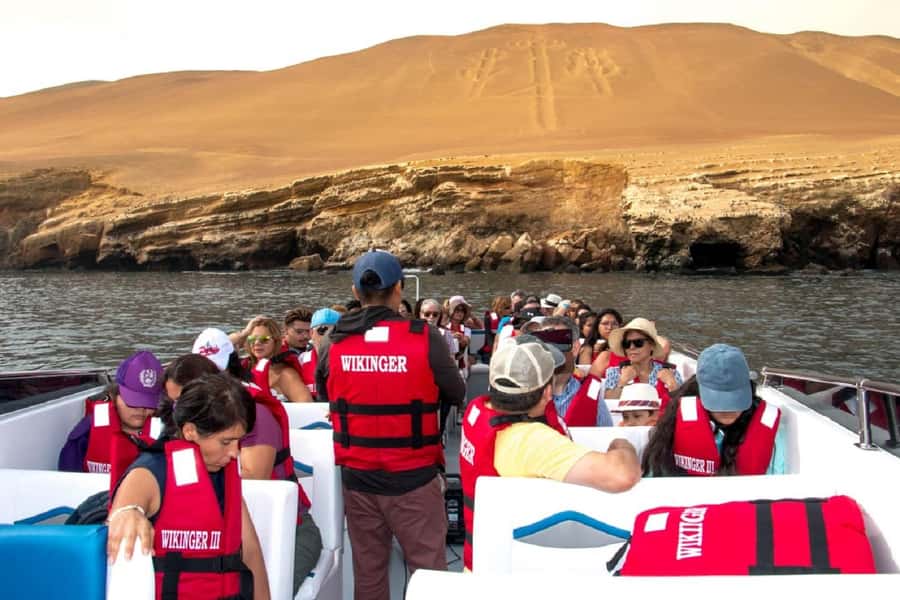
Group tours can sometimes feel chaotic, but here the pace is built for a quick turnaround. The speedboat service supports a maximum of 40 people, which is big enough to keep it efficient, but small enough that your guide can still point things out clearly when wildlife pops up.
One tip that’s worth its weight in sunscreen: wear layers. Coastal wind in Paracas can be stronger than you expect, especially when the boat starts moving.
You can also read our reviews of more tours and experiences in Paracas.


Speedboat ride: what you’re really signing up for
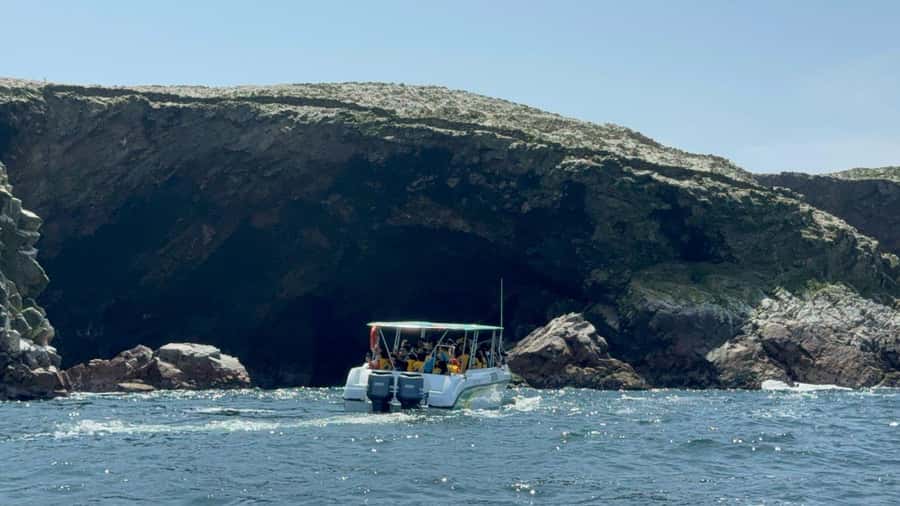
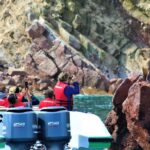
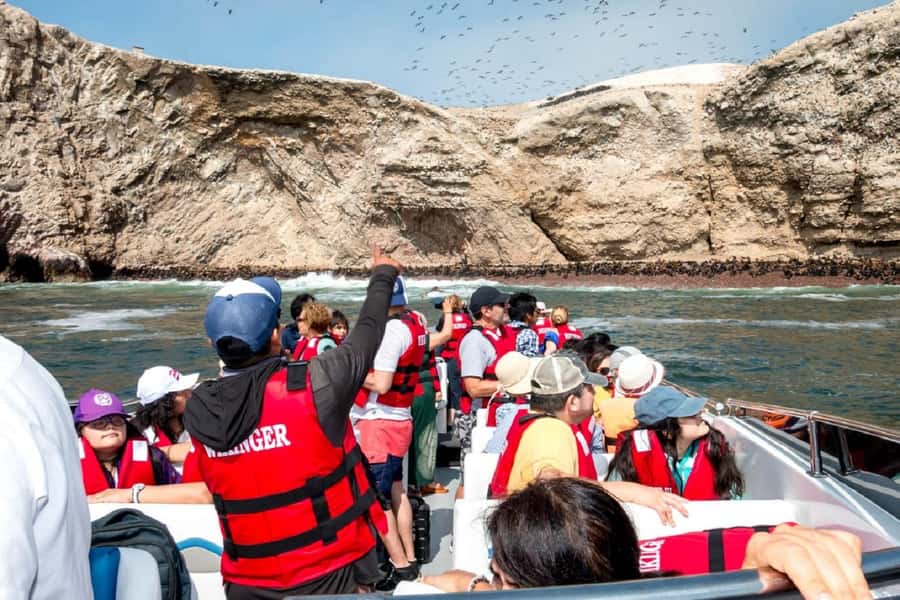
Once you’re at the dock, you board a speedboat for the run toward the Ballestas Islands area. The ride is part of the experience here, because you’re not traveling to a calm, sheltered bay. You’re on open water, and you’ll feel the wind, the spray, and the bright sun all at once.
In a good morning, the payoff is quick: you start seeing wildlife activity and seabird movement right along the route. Your guide also uses the transit to set context, including what to look for when you reach the rock formations and breeding zones.
Can you get wet? It’s possible. Some days you may stay drier with good timing and sea conditions; other days the spray finds you. I’d plan as if you’ll get at least a little coastal splash.
Also, expect the boat portion to be physically a bit “active.” The tour isn’t listed as suitable for people with back problems or for pregnant women. If you’re unsure, treat that as a clear signal that this is not a gentle ride.
Pass the islands, then meet the stars of the reserve
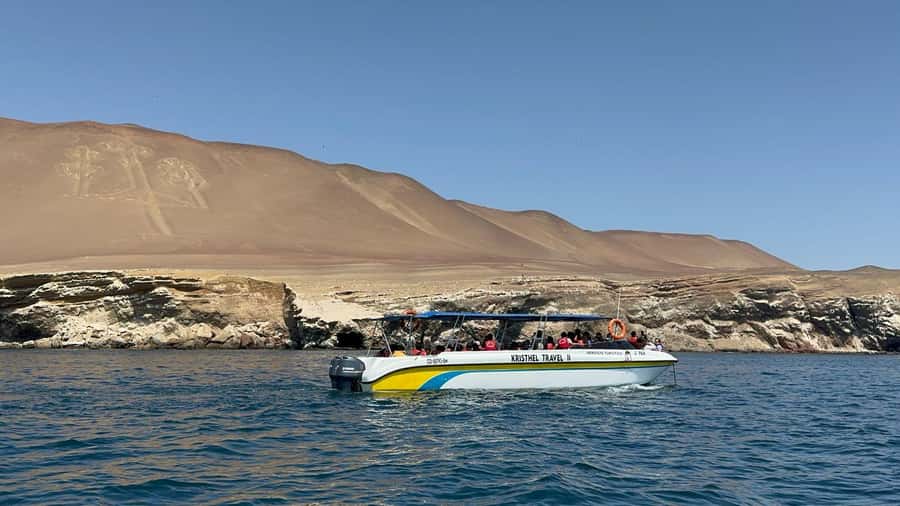
When you reach the Ballestas Islands zone, you’ll spend about 2 hours on site. That time typically combines guided viewing with a boat cruise around the islands where wildlife gathers.
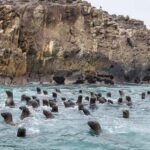
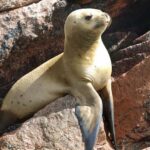
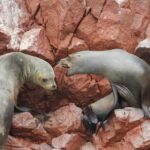
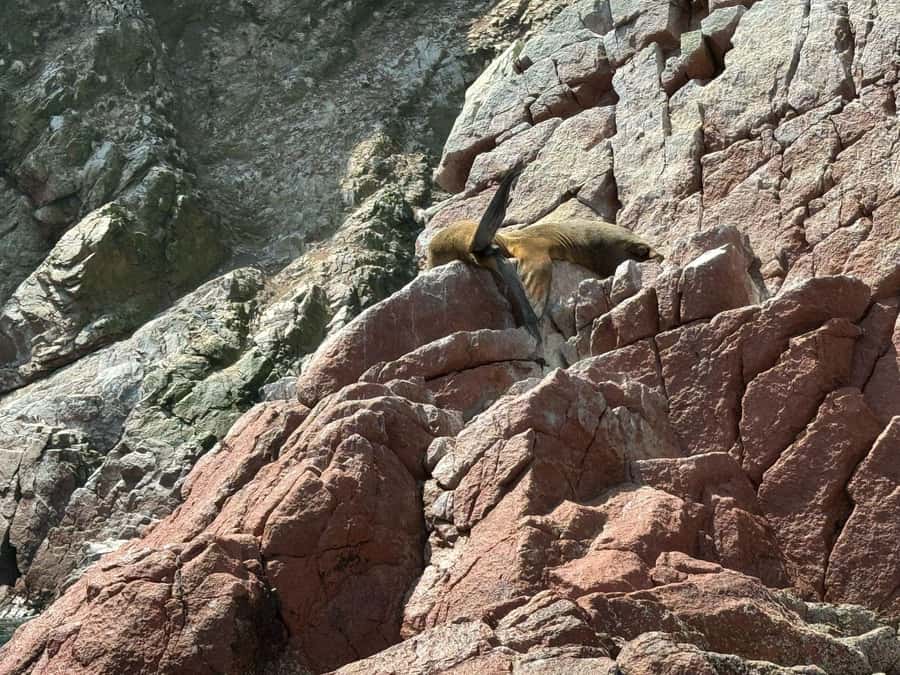
The star animal in most people’s minds is the sea lion. They’re often visible resting on rocky surfaces and moving in small bursts as the boat approaches. But the real fun is that Ballestas isn’t only about one species; it’s about how the whole ecosystem overlaps—birds, marine life, and the geology that gives everyone a place to live.
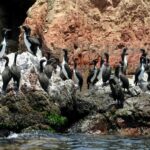
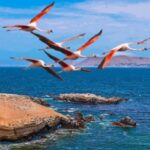
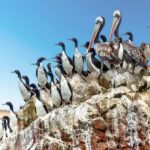
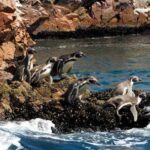
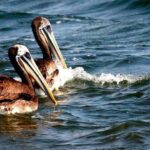
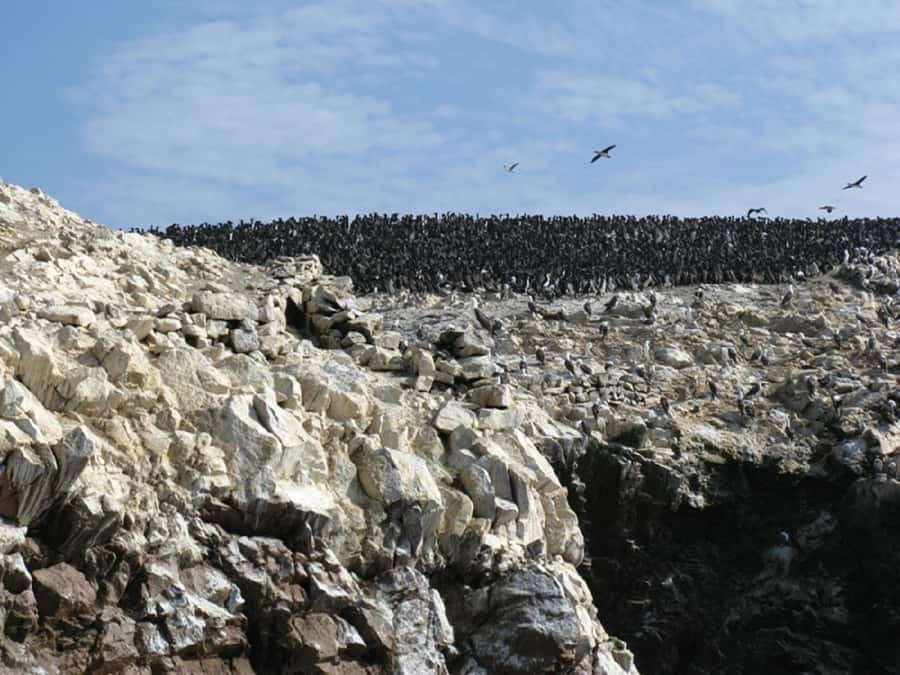
You’ll also likely spot boobies, pelicans, and cormorants during the viewing time. If conditions are right, you may see Humboldt penguins too. The tour’s description specifically calls out that penguins can be part of the viewing, so it’s a fair expectation rather than pure wishful thinking.
The guide’s job is to translate what you’re seeing into something you can understand. That matters because wildlife viewing gets better when you know why the animals are there and what they’re doing.
Candelabro: the Paracas geoglyph view from the sea
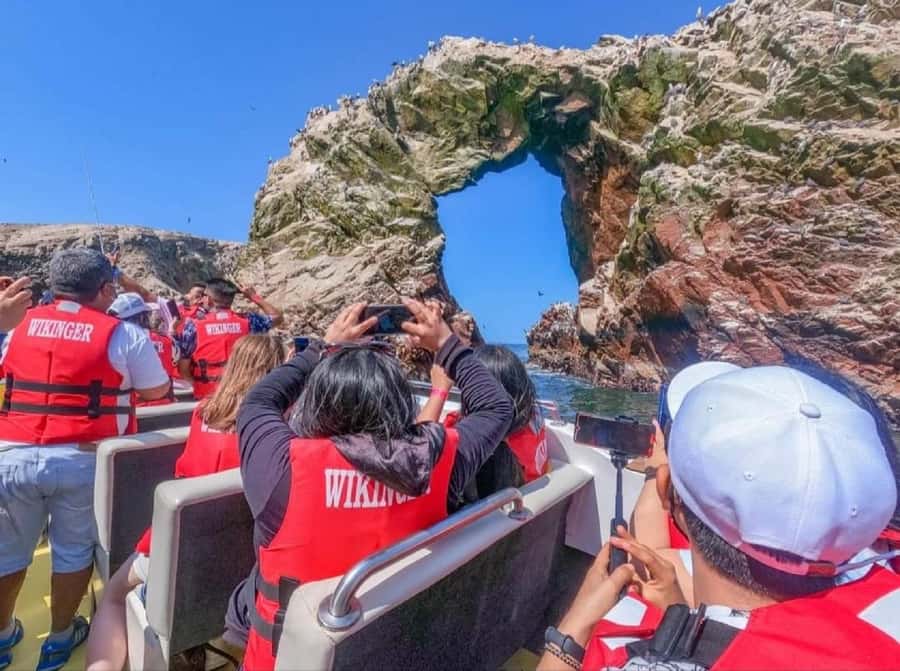
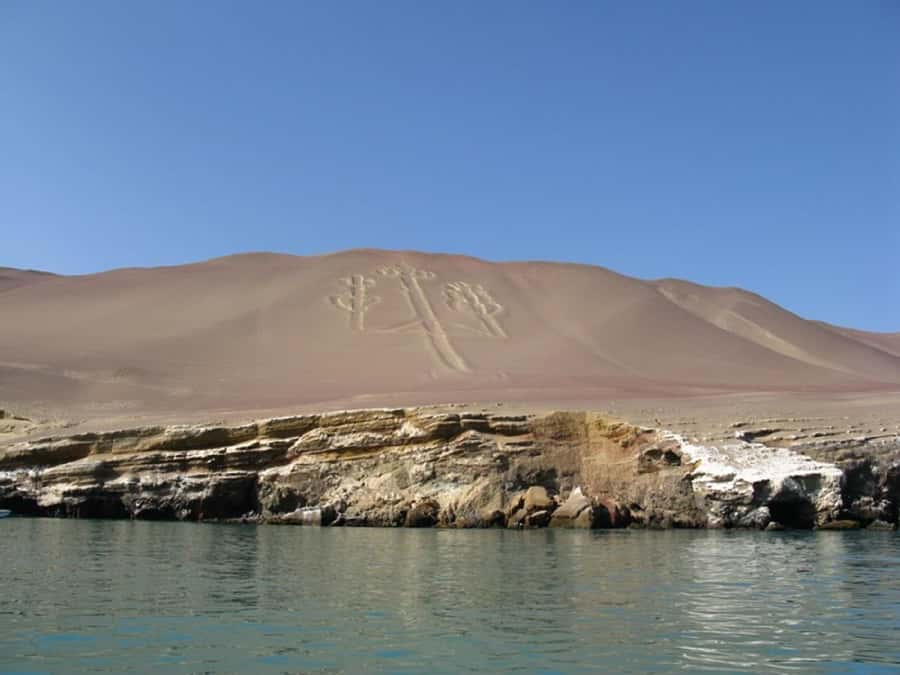
On the water, you’ll notice the Candelabro, a geoglyph on the dunes of the Paracas National Reserve. It’s compared to the Nazca Lines because of the style and the scale of the mystery, but it’s its own figure with its own “how did they do that?” aura.
The Candelabro is described as traced more than 2500 years ago, and that age is part of why it still fascinates experts and visitors alike. From the boat, it’s not a museum-style experience where you can study every detail. Instead, it hits you like a big symbol on the horizon—something you glimpse in context with the reserve around it.
This is one of those moments where the tour gives you meaning, not just coordinates. Seeing a giant ancient drawing while you’re already surrounded by modern animal life makes the whole region feel connected in an unexpected way.
If you’re a photo person, bring your expectations down a notch for the lines themselves. The viewing is about atmosphere and orientation, not perfect close-up shots.
Birds, guano, and the surprisingly serious business of fertilizer
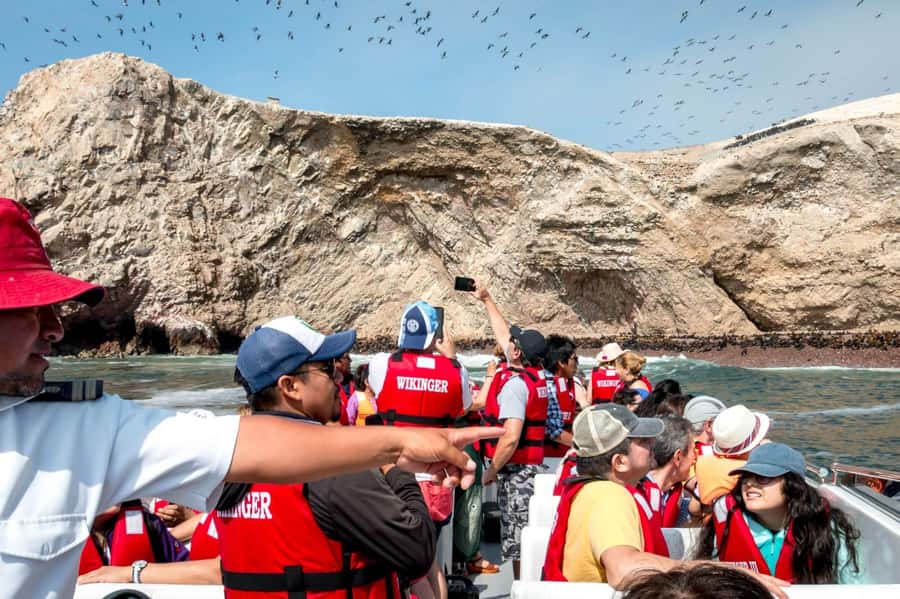
Ballestas is famous for birds, and the tour gives you a clue as to why that matters: bird droppings here form guano, described as one of the richest natural fertilizers in the world. In other words, the wildlife isn’t just scenery. It has had real economic impact historically.
Your guide should point out guano-producing birds such as the Peruvian booby, the Peruvian pelican, and the guanay cormorant. Once you understand that, bird viewing becomes more than spotting moving dots in the air. You start noticing feeding patterns and where birds cluster, because those choices connect to the birds’ role in the ecosystem.
This part also helps you appreciate the conservation angle. When the reserve supports huge bird populations, it’s not luck. It’s a functioning natural system, and Ballestas is one of the places where that system is visible from a boat.
The best strategy for this segment is simple: pause your camera sometimes. Watch the birds’ movement, not just the ground. That’s where you see the behavior your guide is describing.

The guided component: what English-Spanish means in real life
The tour includes a live guide, with support in English and Spanish. That’s ideal on paper, especially for international cruise passengers who want explanations without guesswork.
But there’s a real-world consideration: English ability may not always be strong from every guide. I’d treat the tour as “bilingual by design,” not “guaranteed fluent English in every sentence.” If you only speak English, you’ll still likely get the key wildlife ideas, but you may miss some details.
How do you fix that? You don’t need to become fluent. Just learn a few wildlife words in Spanish, like lobo marino (sea lion) and pingüino (penguin). Small preparation makes the whole morning feel smoother.
Price and logistics: is $84 a good value?
At $84 per person for a 3-hour experience, you’re paying for three things at once: transportation from the port area, the speedboat service, and a guided wildlife/interpretation component. In this region, that combination is often exactly what makes a shore excursion feel worth it—you’re buying time, access, and guidance.
What’s not included is the entrance fee of 16 soles, payable locally. That’s a normal add-on for reserve access, but it’s important for budgeting. If you’re doing other Paracas activities the same day, keep your cash ready so you don’t end up scrambling mid-trip.
Another value factor is group size. With a maximum of 40 people, you’re not stuck on a tiny boat either. You get shared costs while still having a decent chance to hear your guide and see wildlife clearly.
Finally, think about your schedule. This is a short, focused morning. If your cruise or travel plan allows only a limited window, this kind of 3-hour structure can be a smart use of time.
Timing matters if you’re connecting to a ship
This tour returns you back to San Martín Port after the boat and guided time. That’s the right pattern for a shore excursion, but you should give yourself a buffer if you have a ship departure after the tour ends.
Why? Because the worst day on the water is the day you also have to rush to another pickup. The tour is designed to get you back on track, but sea conditions and group timing can always add pressure.
My practical advice: confirm your pickup/return point with the driver on arrival, and don’t treat it as a casual handshake. Get the exact meeting spot and plan to arrive a few minutes early.
What to bring (so the wind doesn’t ruin your photos)
Plan your packing like you’re expecting sun, wind, and occasional spray. The essentials listed include:
- Passport
- Comfortable shoes
- Windbreaker
- Sunglasses
- Sunscreen
- Comfortable clothes
- Binoculars
- Hat
If you’re the type who hates damp clothes, consider a small poncho or light rain layer. It’s not listed as included, and conditions vary, but the boat ride can be wet enough to make you glad you prepared.
Also, if you wear contacts or glasses, sunglasses matter here more than usual. The coast lighting can be intense.
Who this tour suits best (and who should skip it)
This is best for you if you want a quick morning in Paracas with real wildlife viewing. You don’t need to be a birder to enjoy it, because the guide should help you recognize what you’re seeing—sea lions, seabirds, and penguin sightings if they’re active that day.
You should think twice if you have mobility or comfort limitations. The tour is not suitable for people with back problems, and it’s not recommended for pregnant women. The boat-and-wind environment isn’t built for anyone who needs a fully relaxed, low-movement experience.
Should you book the Ballestas Islands tour from San Martín Port?
I’d book this tour if you want a compact, well-structured way to experience Ballestas Islands and the Paracas National Reserve from a cruise-style starting point. The price reflects the speedboat access, guided interpretation, and time-efficient route from San Martín Port, and the wildlife potential is strong—sea lions are almost always part of the picture, and Humboldt penguins may show up depending on conditions.
Skip or choose another option if you strongly depend on flawless English guiding or if you’re sensitive to uneven timing for last-mile connections. Also, be honest about comfort needs: if back issues are a factor, this isn’t the tour type to bargain with.
FAQ
How long is the Ballestas Islands tour from San Martín Port?
The total duration is 3 hours.
What’s the price per person?
The price is $84 per person.
What’s included in the tour cost?
It includes round-trip transportation from/to San Martín Port (with a Spanish-speaking driver), a guided tour in English and Spanish, and a speedboat tour with group service.
What entrance fees should I expect?
The entrance fee of Ballestas Islands is 16 soles and is payable locally.
Where does the tour start and end?
It starts at Terminal Portuario General San Martín and returns you to the same port area.
Are there limits on group size or who can join?
It requires at least 2 people to run, and the speedboat group service is a maximum of 40 people. Children 3 and younger are complimentary if they sit on their parents laps.
What should I bring and should I avoid this tour for any reason?
Bring passport, comfortable shoes, windbreaker, sunglasses, sunscreen, comfortable clothes, binoculars, and a hat. It is not suitable for people with back problems or pregnant women.