REVIEW · PUNO
Puno: Uros and Taquile Islands Full-Day Tour with Lunch
Book on GetYourGuide →Operated by AREQUIPA EXPLORER Y ACTIVIDADES TURISTICAS · Bookable on GetYourGuide
Lake Titicaca moves slow, even when the boat doesn’t. This full-day tour from Puno pairs the floating Uros Islands with the textile-centered island of Taquile, all in about 8 hours. The mix of lake time, guided cultural stops, and a lunch served right on the island is a good way to see two very different sides of the region without stressing about logistics.
I especially like the walking-on-floating-floor moment on Uros—very hands-on and easy to remember later, even in photos. I also like that Taquile focuses on real culture through its famous textiles, with a guided visit and lunch that keeps the pace human instead of rushed.
One drawback to consider: the day is time-managed, so the Uros stop may feel short if you’re hoping for a long, linger-on-every-craft session. And the schedule includes multiple speedboat legs, so you’ll want to be ready for a bit of travel time between islands.
In This Review
- Key things to know before you go
- The big picture: what this day is really about on Lake Titicaca
- Getting from Puno to the port without chaos
- Uros Floating Islands: what walking on totora floors feels like
- Speedboat time: how to enjoy the ride instead of fighting it
- Taquile Island: textiles you can actually connect to people
- Lunch on Taquile: included, local, and timed well
- Guide quality and why it changes the whole trip
- Price and value: is $34 worth it for 8 hours?
- Who should book this tour, and who should skip it
- What to bring (and what to do) so you enjoy every stop
- The honest timing: why the Uros stop can feel short
- Should you book this Puno Uros and Taquile full-day tour?
- FAQ
- How long is the tour from Puno?
- What islands are included?
- Is lunch included?
- Do I need to arrange transportation between islands?
- Does the guide speak English?
- Where is pickup in Puno?
- What should I bring?
- Is the tour suitable for people with mobility impairments?
Key things to know before you go
- Uros is hands-on: you get guided time plus free time on the floating islands.
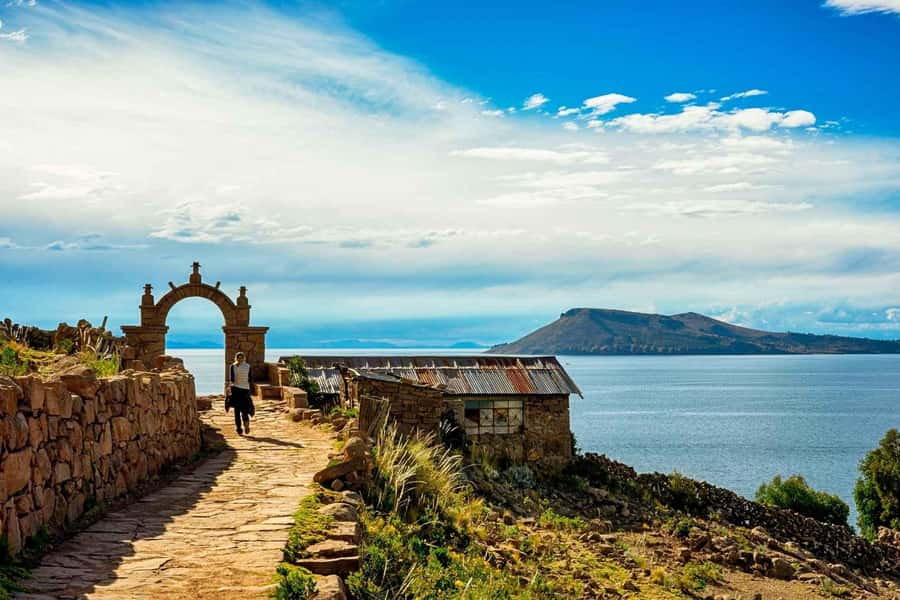
- Taquile is the textile stop: expect a guided focus on tradition and weaving culture.
- Lunch is included on Taquile: you’re not scrambling for food mid-day.
- Bilingual guiding: Spanish and English support helps you actually understand what you’re seeing.
- Puno pickup is central: transfers are from centrally located hotels near the main square area.
The big picture: what this day is really about on Lake Titicaca
This tour is built for one main goal: packing in two cultural stops on Lake Titicaca in a single day, with enough guidance that you’re not just watching from the sidelines. You start in Puno, then spend your day on speedboats moving between islands, with scheduled island time that includes guided explanations, photo moments, and time to explore.
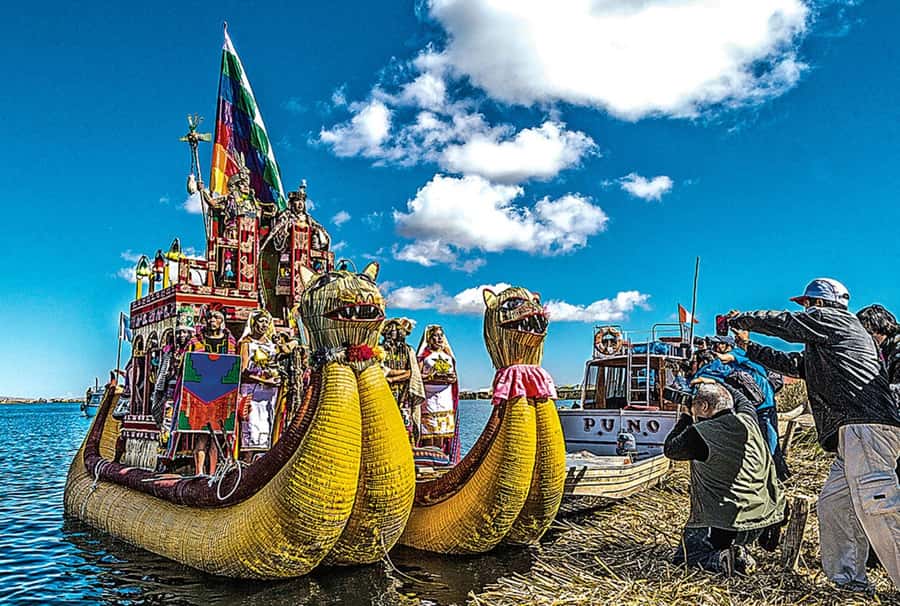
The best part is that the day has two very different atmospheres. Uros is about adaptation—people building and living on totora reed structures, then welcoming you into that world. Taquile shifts toward identity—textiles as a living system of color, patterns, and community knowledge, recognized as Intangible Cultural Heritage.
You’ll see this day is not a slow retreat. It’s a guided circuit. If you’re the type who likes a clear plan and hates transportation uncertainty, that’s a plus. If you’re the type who wants hours and hours in one place, you may wish you had more time on either island—especially Uros.
You can also read our reviews of more tours and experiences in Puno


Getting from Puno to the port without chaos
Pickup runs from centrally located hotels in Puno, described as within about 500 meters of the main square. From there, you ride in a van for around 20 minutes before reaching the port area.
Then there’s a short break before the speedboat portion—about 20 minutes. This matters more than it sounds. Lake days can feel like a chain of waiting and boarding, and a mid-transition pause helps you reset: use the restroom, fill up water if needed, and get ready for the boat.
The practical upside: since pickup is central, you’re not adding extra time to reach the tour meeting point. The tradeoff: if you’re staying farther out, the tour notes there may be an additional fee for pickup outside the historic center.
Uros Floating Islands: what walking on totora floors feels like
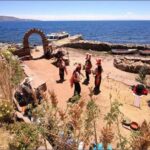
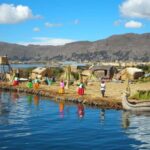
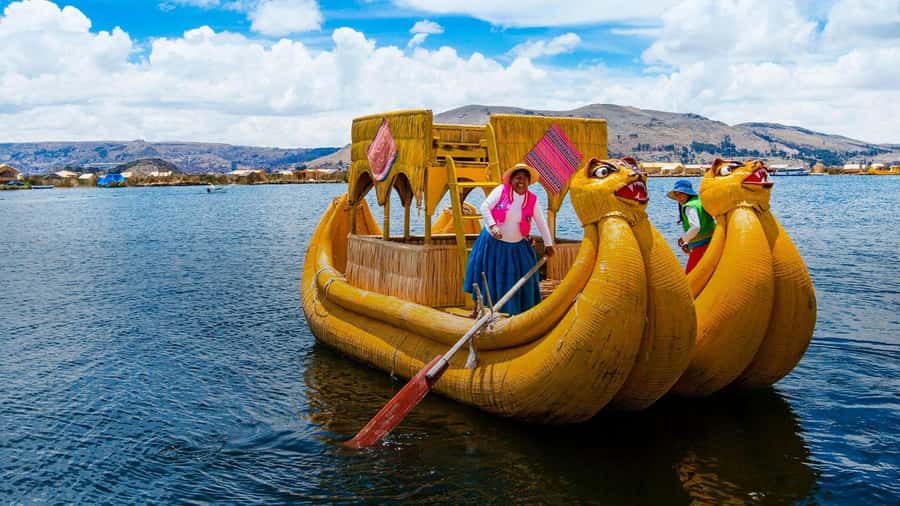
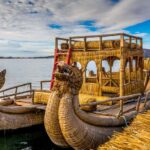
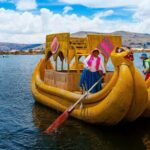
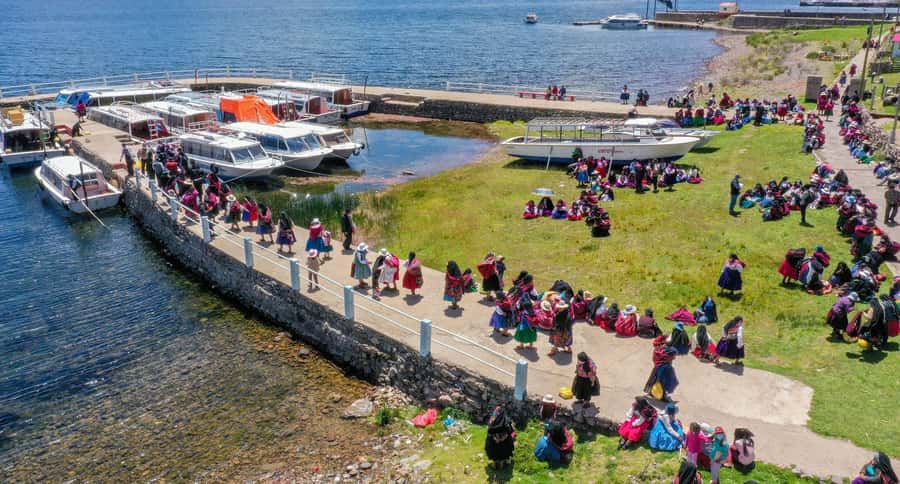
You’ll travel about 30 minutes by speedboat to the Uros area. The experience starts with a photo stop, then transitions into an island visit with a guided tour and free time. Total time on the Uros floating islands is around 1.5 hours.
What I love about Uros is how physical it is. You’re not only looking at a culture from a distance—you’re stepping into an environment made from totora reeds. That simple act makes the story easier to grasp: the floating floor isn’t a display. It’s the foundation of daily life.
In a guided setting, you also get customs and crafts explained. That’s where the visit becomes more than a photo op. You’ll get time to ask basic questions through the bilingual guide (Spanish and English are both supported), and you can see how reed materials translate into everyday items and community routines.
Now, the watch-out. Some people find the pitch too structured or overly performance-like, and a few have been uncomfortable with how poverty or hardship is presented. I’d handle this with a grounded mindset: ask questions respectfully, focus on the living craft and the environment you’re seeing, and avoid treating any single detail as a full explanation for a community’s situation. Your goal here is understanding how people survive and build on the lake—not judging a whole culture from one staged moment.
Speedboat time: how to enjoy the ride instead of fighting it

Between island stops, you’ll spend multiple blocks of boat time. After Uros, the speedboat ride to Taquile is about 1 hour. Then you’ll return to Puno after the Taquile visit with roughly 2 hours on the water.
This is one of those days where comfort depends on your expectations. You’re on Lake Titicaca with powered transport, not a cruise ship. If you’re sensitive to motion, plan for it mentally. Bring water, stay hydrated, and dress comfortably so you’re not stuck feeling overheated or underprepared.
On the positive side, speedboat timing often lines up with strong light for photos—especially when you’re leaving one island and approaching another. Keep your camera ready, but don’t rush. Get your bearings, shoot a few wide views first, then zoom in for details once you’re stable on land.
Taquile Island: textiles you can actually connect to people
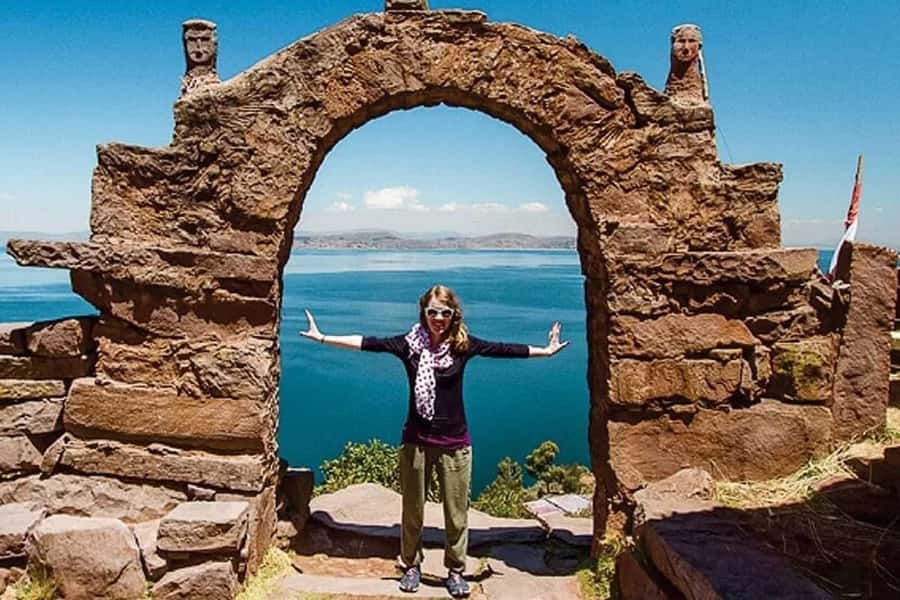
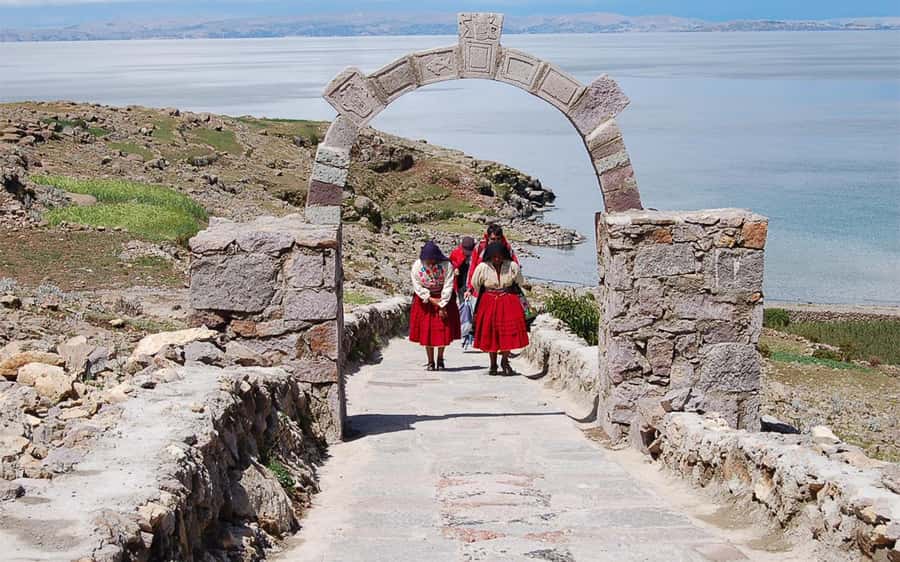
Taquile is where the day changes tone. You arrive after about an hour by speedboat, then you get a visit and guided tour on the island, plus lunch. Your time on Taquile is about 2 hours total for break, visit, lunch, and guided attention.
The centerpiece here is textiles. The tour emphasizes that Taquile’s weaving history is woven into daily identity, with UNESCO recognition as Intangible Cultural Heritage of Humanity. That matters because it changes how you should look at what you see. You’re not shopping for souvenirs as the main event. You’re trying to understand patterns, color use, and how textiles reflect community knowledge.
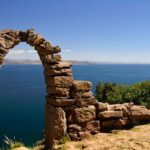
I also like that Taquile is described as having panoramic views, which gives you a visual payoff. When a place has both a craft story and a view, it reduces the risk that the visit feels purely instructional. You can enjoy the scenery while listening, then focus on details during the guided portion.
One more practical note: Taquile includes lunch prepared by locals. This is often a better way to experience local life than picking food randomly on your own. You’re already timed into the rhythm of the island, so you spend less mental energy figuring out what to eat and more energy enjoying the meal while you’re surrounded by the lake.
And yes, lunch is part of the value here. You don’t need to budget for a mid-day meal separately on Taquile, and there’s a vegetarian option available.
You can also read our reviews of more tours and experiences in Puno


Lunch on Taquile: included, local, and timed well
Lunch is included while you’re on Taquile, which is one of the cleanest parts of the day. A lot of tours claim lunch is included and then hide the quality or the timing. Here, the lunch sits in the middle of your Taquile block, meaning you’re not forced to eat fast between boats.
That timing helps your pacing. You can take in the textiles and the guided explanations, then eat without turning the second half of the visit into a scramble.
Vegetarian diners get a stated option, which is another quiet win. Even when tours offer dietary accommodations, it’s not always clear. In this case, it’s explicitly available.
Guide quality and why it changes the whole trip
Bilingual guides (Spanish and English) are part of the package, and that makes a noticeable difference. When you can follow explanations without guessing, Uros and Taquile land better as cultural experiences rather than just stops you pass through.
There’s also a small but important detail from real feedback: a guide named Giovani has been praised for being great. That’s the kind of detail that matters, because a good guide keeps the day flowing and helps you connect what you’re seeing to what it means.
If you’re coming with questions—how reed structures are maintained, how textile traditions are taught, what visitors should pay attention to—having someone who can explain in your language makes the whole 8-hour rhythm feel less like logistics and more like learning.
Price and value: is $34 worth it for 8 hours?
At $34 per person, this is one of the more affordable ways to combine Uros and Taquile with a full-day schedule from Puno. The value comes from what’s included, not just the sticker price.
Here’s what you get included:
- Tickets to Uros and Taquile
- Speedboat transportation between islands and back to Puno
- A guide service in Spanish and English
- Hotel-to-port transfer from centrally located hotels
- Lunch on Taquile
- Vegetarian option
What you don’t get included:
- Breakfast
- Personal expenses
- Pickup outside the historic center may cost extra
So the math is fairly strong for a day that includes both island entrances and transport across the lake. The one thing that can affect your sense of value is how you feel about time allocation—if Uros time feels short for your interests, you might question the balance of the day. But if you want a structured taste of both islands, without separate bookings, it’s good value.
Who should book this tour, and who should skip it
This is a solid match if you want:
- A guided cultural day rather than self-guided wandering
- A fast but structured way to see two islands in one go
- Included lunch and bilingual interpretation
- A mix of hands-on Uros experience and textile-focused Taquile visit
It’s less ideal if you:
- Want a long, slow day on just one island
- Strongly dislike speedboat-heavy itineraries
- Need mobility-friendly access, since it’s listed as not suitable for people with mobility impairments
What to bring (and what to do) so you enjoy every stop
The tour gives a simple packing list, and I agree with it. You’ll be outside, in sun, and around the lake:
- Sun hat
- Sunscreen
- Camera
- Water
- Comfortable clothes
A couple of small mindset tips help too. First, on Uros, focus on the reed structures and the craft explanations rather than only the most obvious photo angles. Second, on Taquile, give the textiles your attention. Even if you’re not a textile person, patterns become much more meaningful once you understand how the culture connects color and technique to identity.
Also, note what isn’t allowed: no smoking. Not a big issue for most people, but it’s worth knowing if you’re traveling with smokers.
The honest timing: why the Uros stop can feel short
The itinerary-style timing puts Uros at about 1.5 hours including guided time and free time, after a speedboat approach and before an hour-long boat ride to Taquile. If you expected a long, deep stay on the floating islands, you might feel rushed.
That’s where a simple expectation check helps. Uros here is designed as a guided introduction plus a chance to walk and look around. It’s not a multi-hour immersion. You get enough time to feel the novelty of walking on floating floors and to understand core customs and crafts.
Then Taquile takes the longer cultural narrative with a 2-hour block that includes lunch and a guided textiles-focused visit.
If your top priority is Uros, you might wish you had an option that spends more time there. If your top priority is seeing both Uros and Taquile in one day, this plan makes sense.
Should you book this Puno Uros and Taquile full-day tour?
If you want an efficient, culturally guided day on Lake Titicaca from Puno—with lunch included and time split between Uros and Taquile—this is a good bet. The $34 price is especially compelling once you factor in transport by speedboat, tickets, and bilingual guiding.
I’d book if:
- You’re comfortable with speedboats and a structured schedule
- You like guided explanations and want help understanding what you’re seeing
- You want textiles and lake life in one outing
I’d think twice if:
- You’re hoping for hours on Uros alone
- You’re very sensitive to how poverty or hardship is discussed during cultural visits
- You need mobility access (this tour isn’t suitable for mobility impairments)
FAQ
How long is the tour from Puno?
The tour is about 8 hours total.
What islands are included?
You visit the Uros Floating Islands and Taquile Island.
Is lunch included?
Yes. Lunch is included on Taquile Island, and there is a vegetarian option available.
Do I need to arrange transportation between islands?
No. Speedboat transportation is included between the islands and for the return to Puno.
Does the guide speak English?
Yes. The guide service is available in Spanish and English.
Where is pickup in Puno?
Pickup is from centrally located hotels in Puno, described as around 500 meters from the main square.
What should I bring?
Bring a sun hat, sunscreen, water, a camera, and comfortable clothes.
Is the tour suitable for people with mobility impairments?
No. It is listed as not suitable for people with mobility impairments.