REVIEW · CUSCO
Cusco: Full-Day Tour of The Sacred Valley With Lunch
Book on GetYourGuide →Operated by Peru Andes Top · Bookable on GetYourGuide
One day in the Sacred Valley feels fast, but it’s worth it. You’ll see Inca architecture at Pisac and Ollantaytambo, then swing through Chinchero’s textiles and markets. It’s a practical way to pack major sights into an 8-hour loop without getting stuck in transport all day.
My favorite parts are the big stone-and-stone engineering moments—Pisac’s archaeological park and Ollantaytambo’s fortress-town—and the human scale of the Chinchero textile stop. The only real drawback is time: you’ll move quickly at the archaeological sites and also spend time in shops, so this isn’t the best fit if you want a slow, linger-everywhere day.
In This Review
- Key highlights at a glance
- The Sacred Valley in One Day: What This Tour Does Well
- Price and Logistics: What You’re Paying For at $38
- Pickup Rules and Timing: How the Day Feels in Real Life
- Pisac: Artisan Market Energy and the Archaeology Park
- The Vilcanota River Route and the Urubamba Lunch Reset
- Ollantaytambo Fortress Town: Where Stone Meets Street
- Chinchero: Textiles, an Inca Wall, and a Colonial Temple on Inca Foundations
- Shopping Time: How to Make It Work for You
- Food and Comfort: Lunch Style, Water, and Weather Prep
- Guides and Group Size: What the Small-Group Limit Changes
- Ending in Cusco: Drop-Off at Plaza San Francisco
- Should You Book This Tour?
- FAQ
- What’s the duration of the Cusco full-day Sacred Valley tour?
- Is hotel pickup included?
- Do I need separate tickets for the archaeological sites?
- Is lunch included in the price?
- How big is the group?
- What languages is the guide?
- Should I bring water?
Key highlights at a glance
- Pisac market + ruins combo with a clear taste of local crafts before walking Inca terraces
- Ollantaytambo’s defense layout: town streets, fortress vibe, and a strong sense of how it worked
- Chinchero textiles and Inca details tied to a local royal figure and a colonial temple built on Inca foundations
- Lunch in Urubamba as a buffet stop so you can eat what you want (and keep moving)
- Small group (max 13) that helps keep the day manageable
- Drop-off in central Cusco at Plaza San Francisco, close to where you’ll likely base yourself
The Sacred Valley in One Day: What This Tour Does Well
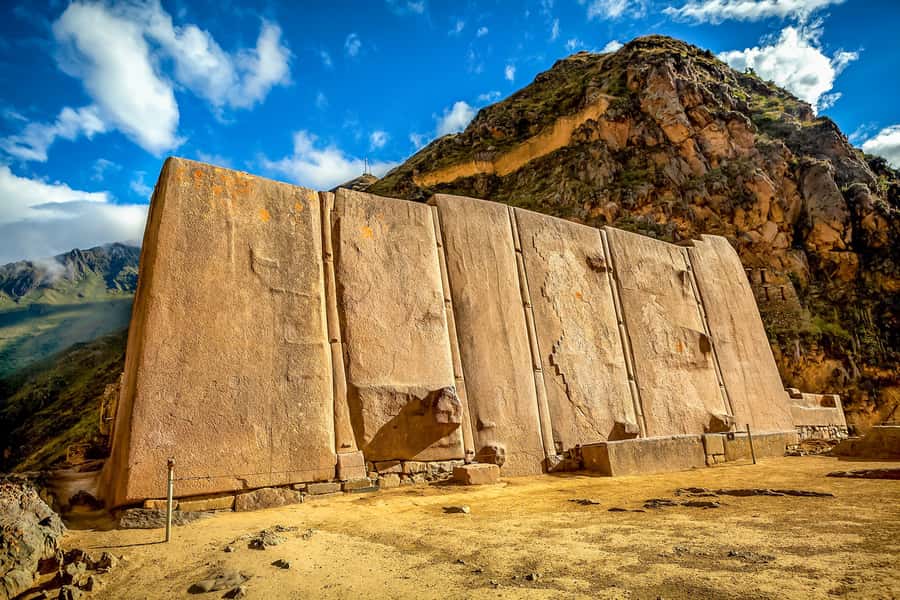
This is a “see the essentials” Sacred Valley day. If you’re in Cusco for a short stay, this kind of loop saves time while still giving you the real stops people come for: Pisac, Ollantaytambo, and Chinchero.
I like that the tour is built around movement plus meaning. You’re not only looking at ruins; you’re also learning what the places were for—protection, control of land and travel routes, and daily life tied to Inca culture. Then the day ends back in central Cusco at Plaza San Francisco, so you don’t feel like you’re stranded far from dinner.
You can also read our reviews of more tours and experiences in Cusco

Price and Logistics: What You’re Paying For at $38
At about $38 per person for an 8-hour, small-group tour, the value is mostly in the included support: hotel pickup, bilingual guide (English/Spanish), and buffer-style lunch. You also get transportation that strings together multiple towns in one day, which is hard to copy efficiently on your own when you’re limited on time.
Two cost realities matter. Archaeology site tickets are not included for Pisac, Ollantaytambo, and Chinchero, and water is not included. Also, lunch is a buffet, but the usual pattern is that you pay for drinks separately, so it’s smart to plan for that if you’re budgeting tightly.
Pickup Rules and Timing: How the Day Feels in Real Life
Pickup is included only for hotels and establishments in the historic center of Cusco. Drivers can’t wait more than 5 minutes after the scheduled pickup time, so set yourself up to be ready early—this is not a wait-and-chill kind of day.
With an 8-hour schedule, expect a steady pace. The upside is you’ll cover a lot of ground. The tradeoff is that stops are time-boxed, which shows up most at the archaeological parts and at shopping moments.
Pisac: Artisan Market Energy and the Archaeology Park
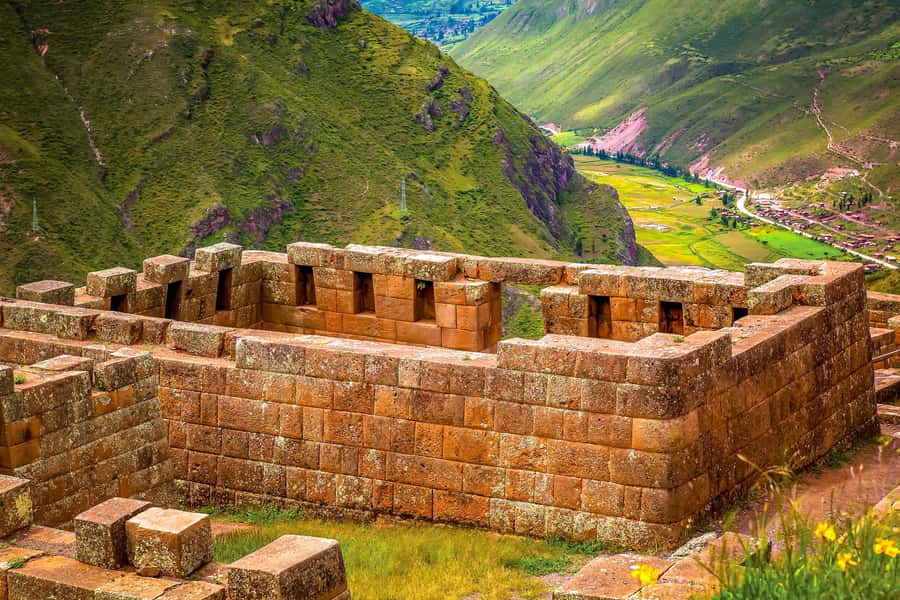
Pisac is often where the Sacred Valley first grabs you. You start in town with the artisan atmosphere and a colorful market where you can browse and buy local crafts. It’s a good moment to slow your shoulders and get your bearings before you head into the archaeological area.
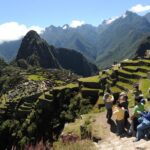
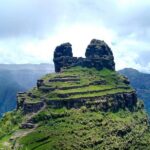
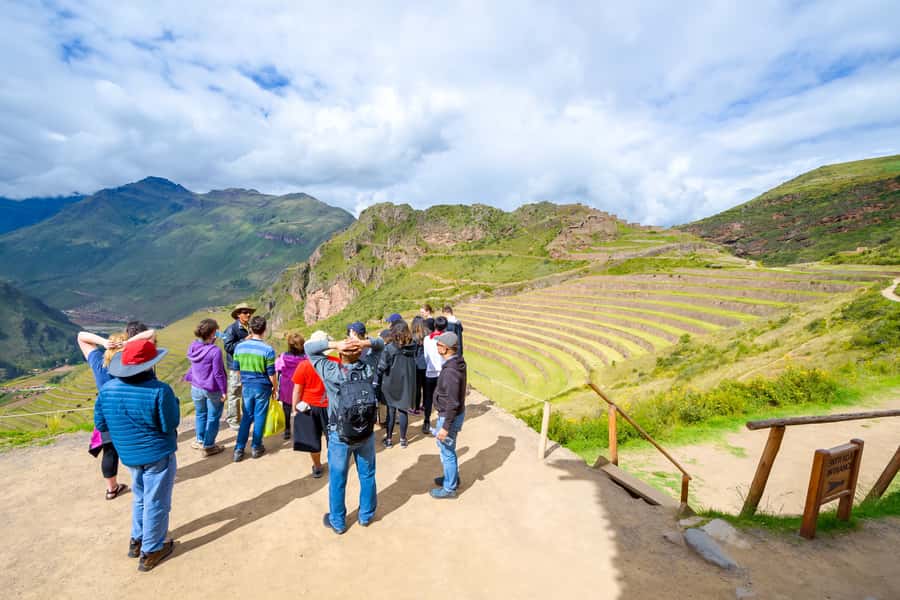
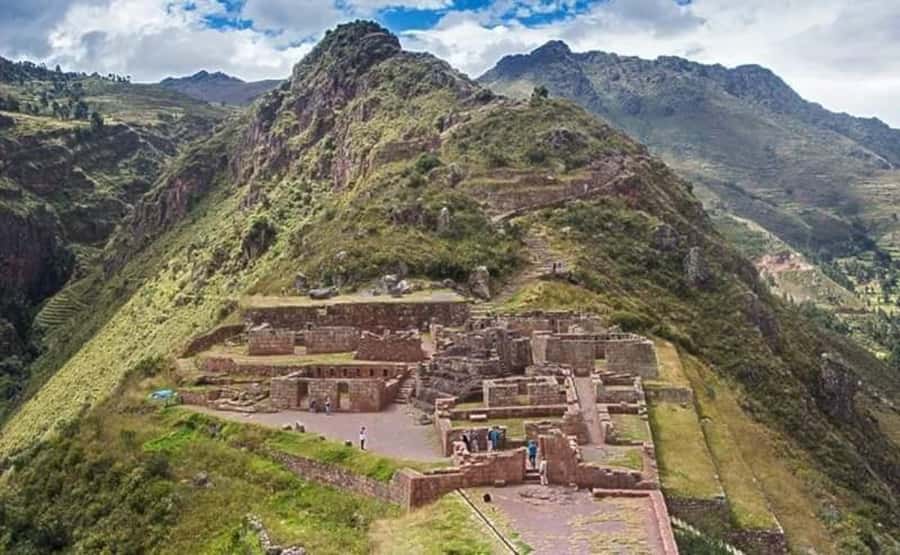
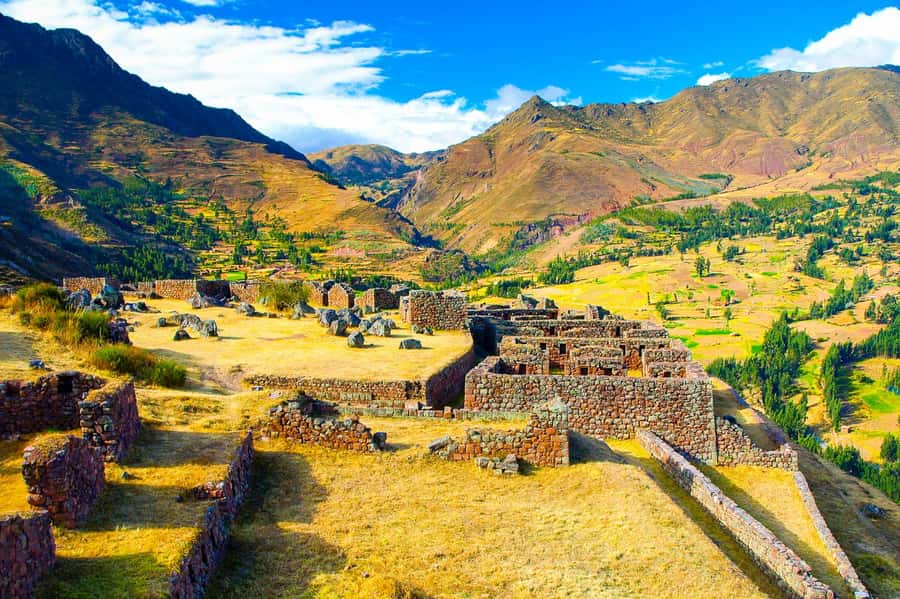
Then comes Pisac’s archaeological park, where you’ll see why Inca architecture is more than pretty stone. Even when time is limited, you can still read the logic of terracing and how the site fits the hillside. The practical tip: wear comfortable shoes that can handle uneven ground, because this isn’t polished-flat sightseeing.
A gentle caution: if you’re hoping for a long, unhurried wander, the time can feel short. One report I saw described the first site time as under half an hour, which lines up with the kind of pace this tour runs.
The Vilcanota River Route and the Urubamba Lunch Reset
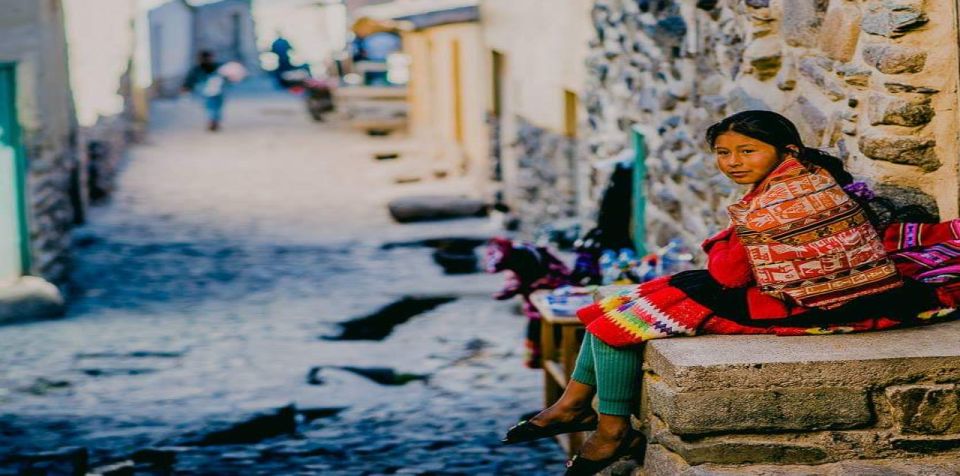
Between major stops, the drive through the Sacred Valley follows the Vilcanota River on the right bank. This matters because the scenery isn’t just a backdrop—it helps you understand why these settlements worked. River corridors concentrate travel and trade, and that’s a big theme in Sacred Valley history.
You’ll stop in Urubamba for lunch at a local restaurant. The lunch is a buffet, so you can eat at your own rhythm and choose options that work for you, including vegetarian choices (a plus if you’re traveling with dietary limits). Just remember: the buffet covers food, not necessarily drinks, and you’ll want to plan around that.
If you get motion-sick easily, this is the part where you should reassess your water situation too—since you’re expected to bring your own water.
You can also read our reviews of more tours and experiences in Cusco

Ollantaytambo Fortress Town: Where Stone Meets Street
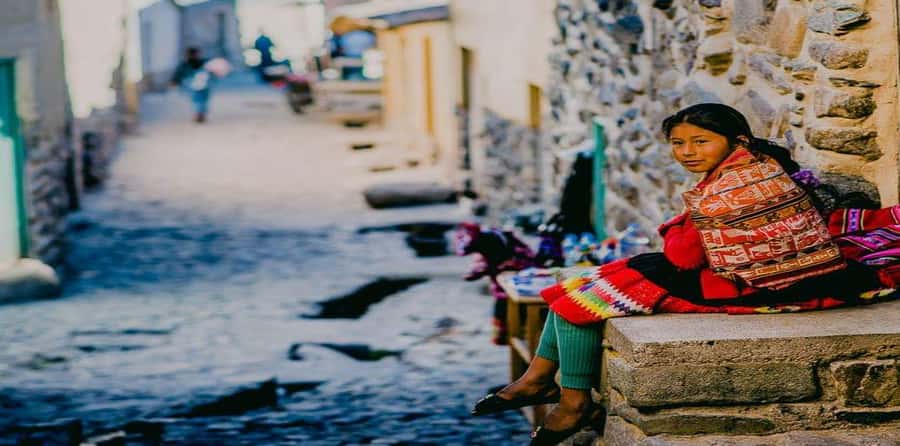
Ollantaytambo is the stop that often clicks hardest, because it isn’t only ruins behind ropes. It’s a working town vibe on top of a defensive, purposeful Inca fortress design meant to protect the valley entrance.
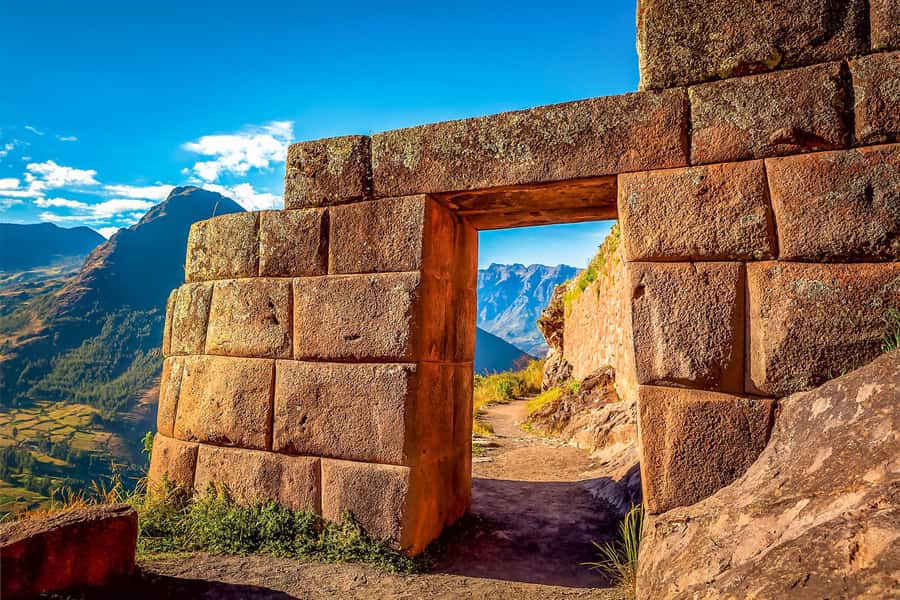
You’ll walk through the streets and soak up the sense of how the place functioned as both a military and cultural center. The architecture here helps you understand the bigger pattern: Inca building wasn’t only about monuments; it was about control, protection, and managing movement through key chokepoints.
This is also where a strong guide makes a difference. In one set of experiences shared, people praised guides like Marco Antonio for timing and storytelling. If your guide is the hands-on type, you’ll feel the “why” behind the stone rather than just checking boxes.
Chinchero: Textiles, an Inca Wall, and a Colonial Temple on Inca Foundations
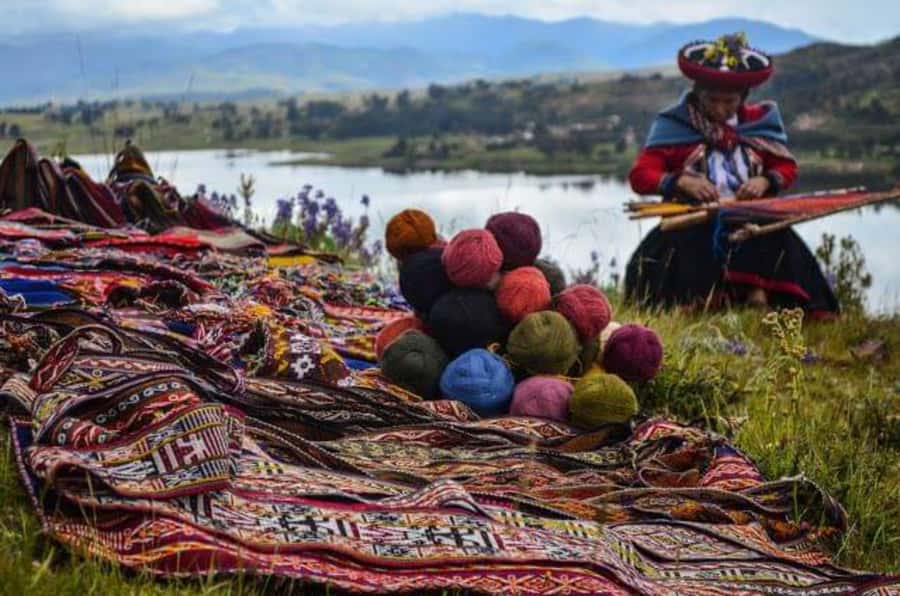
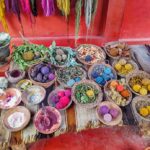
On the way back toward Cusco, you’ll pass through Chinchero, which is where the tour adds a distinctly human layer. This is where you’ll learn about textiles and see how craft traditions connect to local identity. Even if you’re not buying, it helps you understand why this region matters beyond archaeology.
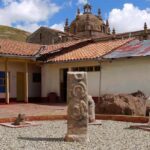
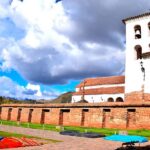
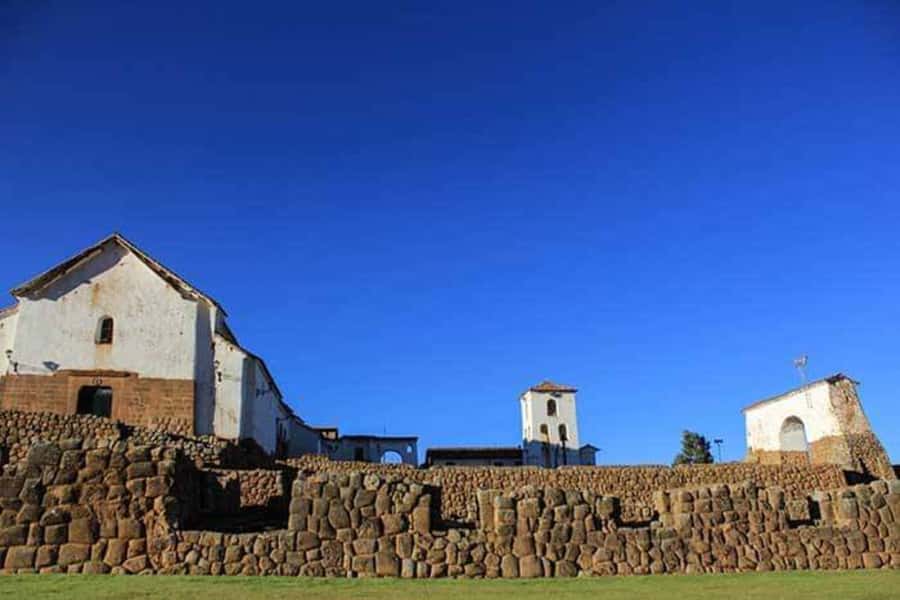
The Chinchero stop also includes important historical details in the main square area. You’ll see the remains of the royal treasurer of Túpac Inca Yupanqui, plus a well-preserved Inca wall. There’s also a colonial temple built on foundations of an Inca building, which gives you a direct visual of how later architecture reused earlier sacred space.
If shopping is your least favorite part of tours, you can still use this stop well. Focus on textiles learning and the Inca wall details first, then decide if you want to shop with time you can spare.
Shopping Time: How to Make It Work for You
This tour includes built-in time for browsing, and shopping can take longer than you expect. One account I read mentioned the day felt tilted toward shops—like silver and clothing—at the expense of time at archaeological sites. That doesn’t mean the market stops are bad. It means you should go in with eyes open.
Here’s how to protect your day without being difficult. Before you enter shops, decide what you’ll do:
- look for one or two items only, or
- take photos, ask questions, and plan to buy later in Cusco
Also set a mental rule for yourself: treat shopping as optional time, not a required event. That keeps the tour from turning into a schedule you resent.
Food and Comfort: Lunch Style, Water, and Weather Prep
Lunch is included as a buffet in Urubamba, which is good for a group day. You can usually eat what you want without waiting for a plated order. If you’re traveling with someone who likes vegetarian meals, you’ll have options.
But the basics you bring matter a lot. The tour doesn’t include water, so plan to carry enough for the day. Bring sunscreen (30 SPF or higher), sunglasses, and a sun hat, because strong sun comes fast at altitude and on open valley routes.
Dress like you’re expecting mood swings from the sky. It’s recommended that you wear long pants, warm clothing, and have a waterproof jacket or raincoat. Even if it looks clear in the morning, valley weather can shift.
Guides and Group Size: What the Small-Group Limit Changes
This is capped at 13 participants, which is the sweet spot for me on a long day. Smaller groups usually mean fewer lost moments, less waiting, and a better chance your guide can respond to questions.
Guide quality is also a real factor. In the experiences I saw, people singled out guides like Maria Clara and Marco Antonio for being great with timing and explanation. If your guide is bilingual and actively telling you what you’re looking at, you’ll get more out of every short stop.
Ending in Cusco: Drop-Off at Plaza San Francisco
You finish at Plaza San Francisco, close to Cusco’s main area. That’s a practical end point. It makes it easy to head to dinner without needing another long taxi ride.
It also gives you a neat closing moment: you can look back on the day and connect what you saw in the valley to what you’re living in now. That central drop-off is one of those details that quietly improves the whole experience.
Should You Book This Tour?
Book it if you want a high-value Sacred Valley overview in one day, and you’re okay with a guided pace. The included pickup, bilingual guide, and lunch buffet make it easy to manage when you’re short on time.
Skip or choose something slower if your top priority is wandering at archaeological sites without time pressure. The pace can feel tight, and the shopping time can take attention away from ruins if you’re the type who wants maximum time on-site.
If you do book, come prepared: wear comfortable shoes, bring your own water, pack sunscreen and weather protection, and decide in advance how you want to handle the market and store stops. One more thing: if you’re nervous about pace, this is still manageable because it’s a small group, not a giant bus-day.
FAQ
What’s the duration of the Cusco full-day Sacred Valley tour?
The tour lasts about 8 hours.
Is hotel pickup included?
Yes. Pickup is included for hotels and establishments in the historic center of Cusco, and the driver cannot wait more than 5 minutes after the scheduled pickup time.
Do I need separate tickets for the archaeological sites?
Yes. Tourist tickets are not included for Pisac, Ollantaytambo, and Chinchero.
Is lunch included in the price?
Yes. Lunch is included as a buffet, but water and drinks are not included.
How big is the group?
It’s a small group limited to 13 participants.
What languages is the guide?
The guide is bilingual in English and Spanish.
Should I bring water?
Yes. Water is not included, so you should bring your own.