REVIEW · CUSCO
06 days 05 nights Cusco Machupicchu and Rainbow Mountain package
Book on Viator →Operated by Machupicchu Luna Tours · Bookable on Viator
Cusco is a launchpad to Inca Peru. This 6-day package is built for guided highlights with a small group feel, hitting Cusco, the Sacred Valley, Machu Picchu, Moray/Maras/Salineras, and Rainbow Mountain. I like that the schedule connects the dots with real logistics (transfers, train routing, and guided blocks), and I also like that you’re not just dropped off at ruins. One drawback to plan for: early mornings and altitude are part of the deal, especially on Rainbow Mountain day.
You get picked up in Cusco (if your hotel is on the list), then guided city and archaeology days end near the Plaza de Armas. I really appreciate that you’re told what to bring ahead of time, including an original passport for the Machu Picchu entrance gate. Still, this is a set program with no easy tweaks, so if you’re hoping for total flexibility, you may find it a bit rigid.
In This Review
- Quick hits (what makes this package work)
- Entering Cusco: acclimate, then tour like you mean it
- Sacred Valley in one day: Pisac markets, Urubamba lunch, Ollantaytambo history
- Machu Picchu day: buses up, guided circuit, then Aguas Calientes and the train back
- Moray, Maras, and Salineras: Inca experimentation meets salt still made today
- Rainbow Mountain (Vinicunca): the early wake-up, the 5,020 m walk, and how to enjoy it
- What you get for $780: lodging, meals, tickets, and the one big extra add-on
- Logistics that can make or break your trip (and how this one handles it)
- Who this tour fits best (and who should think twice)
- Should you book Machupicchu Luna Tours for Cusco, Machu Picchu, and Rainbow Mountain?
- FAQ
- What is the age range and group size for this tour?
- Does the package include pickup from my hotel?
- What meals are included?
- Is accommodation included?
- Do I need to bring my passport?
- Is Waynapicchu included?
- What should I pack for the days with long sun and mountain conditions?
Quick hits (what makes this package work)
- Small group size (max 15) keeps the pace feel human, not like a cattle chute.
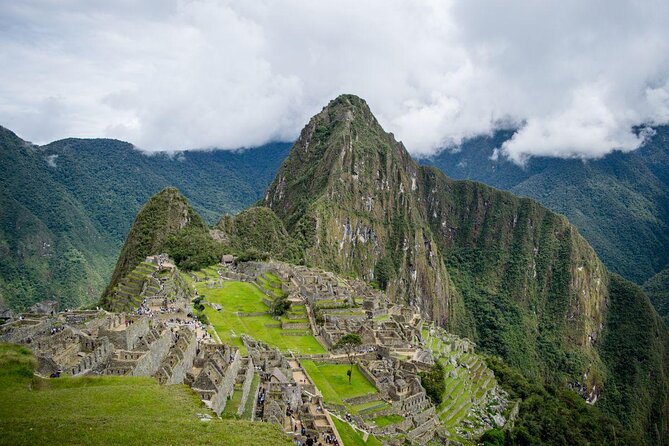
- Machu Picchu with a guided 2-hour tour helps you read the site instead of guessing.
- Moray + Maras + Salineras combines Inca agriculture experiments with salt production still in action.
- Rainbow Mountain sunrise start (about 4:20 am) gives you the best shot at workable conditions.
- Lodging + meals included cuts down the daily decision fatigue.
- Waynapicchu is extra if you want that second view option.
Entering Cusco: acclimate, then tour like you mean it
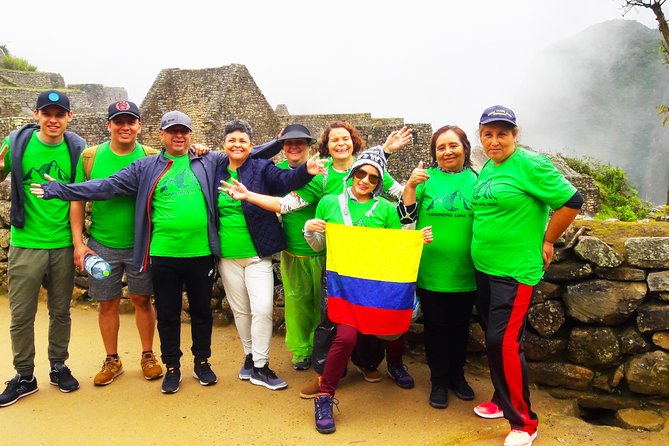
Cusco starts with a built-in reality check: you’re at about 3,400 meters (11,200 feet). The first day is paced so you can arrive, settle in, and ideally spend the morning acclimating. That matters because Cusco altitude can sneak up fast. Even if you feel fine on arrival, that afternoon city circuit will test you a bit.
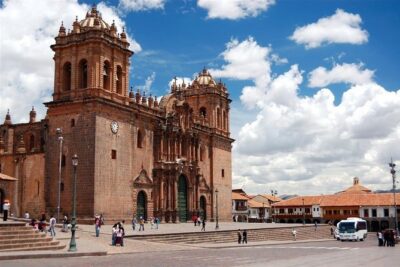
Your city tour starts at about 2:10 pm and runs until roughly 6:00–6:30 pm, with a return close to the main square. You’ll see the classic Cusco power spots, including Qorikancha, plus Sacsayhuaman and the archaeological sites of Qenqo, Pukapukara, and Tambomachay. This is the right order for first-time visitors: you get the big landmarks early enough that later days in the Sacred Valley start making more sense.
What I like about this part of the plan is the mix of Inca-era sites and the way the routes connect. Also, the tour is designed around the fact that you’re probably still figuring out your energy level. Shorter days mean you’re not burning your best hours on transit.
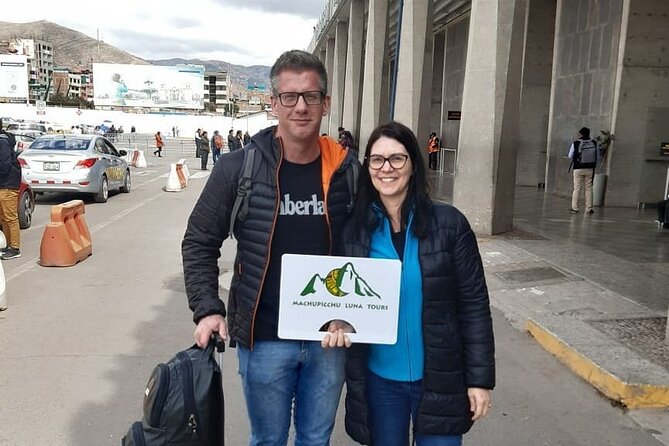
A practical note: after you land, a representative from Machupicchu Luna Tours meets you at the Cusco airport and brings you to your selected hotel. Check whether your hotel is on the pickup list, because pickup is offered but it isn’t unlimited for every address.
You can also read our reviews of more tours and experiences in Cusco.
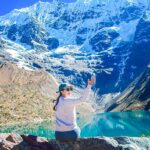

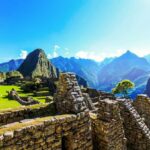
Sacred Valley in one day: Pisac markets, Urubamba lunch, Ollantaytambo history
On day two, you get a full Sacred Valley day that’s structured for flow: pickup around 8:00 am, photo stops on the way, then key archaeology and the town rhythm.
You start in Pisac, where you can visit its archaeological area and also step into the artisan market. Even if shopping isn’t your thing, the market helps you understand how the region still lives with Inca-landscape patterns. Terraces and temple lines don’t feel like disconnected ruins when you’re also seeing local crafts nearby.
Then the day shifts to Urubamba for lunch, served as a buffet at a restaurant in a scenic setting. Lunch is included in the package, which is a big quality-of-life upgrade. Sacred Valley days can balloon in cost if you pay for meals separately, and having a planned lunch prevents that late-day hunger spiral when you’re still walking and photographing.
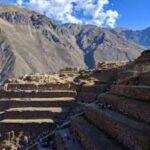
In the afternoon, you move to Ollantaytambo for an archaeological visit and history explanation. This stop is not just scenic. It’s a reminder that Inca engineering was practical, not just impressive. It’s also the bridge to what’s coming next: the train day that follows on Machu Picchu.
One thing to keep in mind: this is a long day (listed at around 10 hours). If you’re sensitive to motion or tired easily at altitude, plan for a slower pace during photo stops. You’ll get chances to rest at lunch and during transitions.
Machu Picchu day: buses up, guided circuit, then Aguas Calientes and the train back
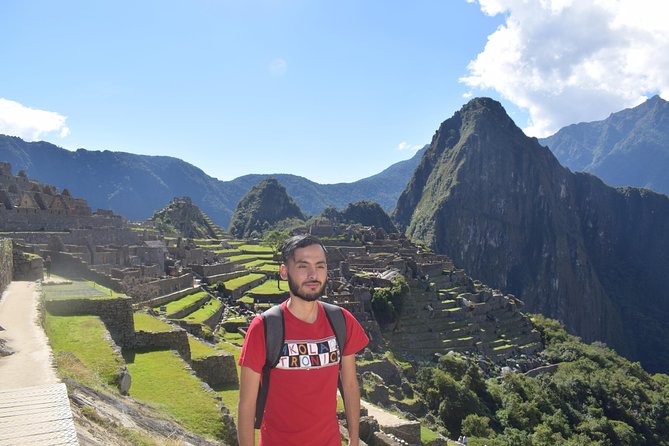
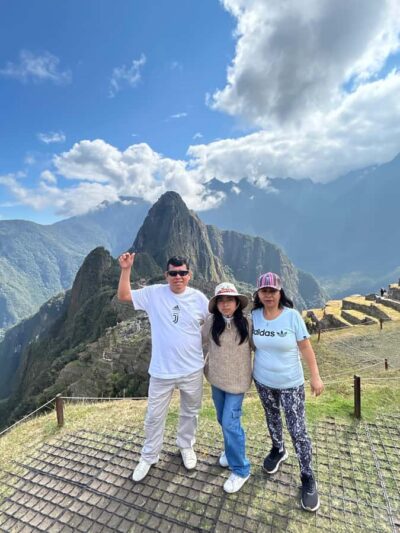
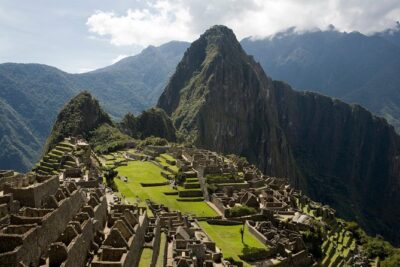
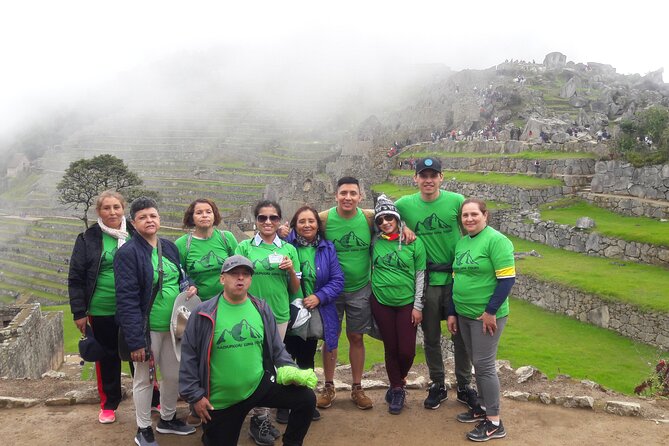
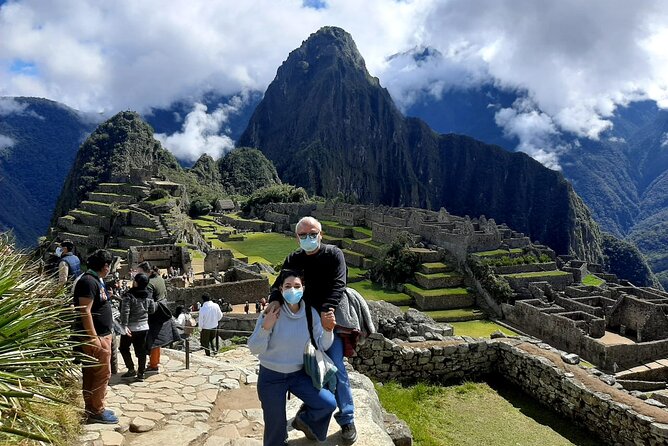
Machu Picchu is the headline, and this plan does two things well: it gets you to the site efficiently, and it schedules a real guided tour rather than a quick wander.
In the morning, pickup happens either at your hotel or at a meeting point (depending on what works best for your group). From there you head to the bus station and take a ride of about 30 minutes to the main entrance. The guide then leads a 2-hour guided tour, focusing on the important areas so you’re not just staring at stones.
After the guided portion, the day includes the bus return to Aguas Calientes. Then it’s back on the rail: you take the train to Ollantaytambo, and from there you continue back to Cusco.
This is also where the small-group advantage shows up. When you’re not packed shoulder-to-shoulder, it’s easier to hear explanations and keep up with the pace, especially on uneven ground.
Two practical details matter a lot here:
- You must bring your original passport, because it’s checked at the Machu Picchu entrance gate.
- Your ticket approach includes mobile ticketing, which can be simpler than juggling paper—just keep your phone charged.
Guides get praised often for clear storytelling and on-the-ground help. Names that come up include Luis Angel Flores (noted for passionate, flexible guiding at Machu Picchu) and Yovana (praised for punctual, attentive guidance and even photo help). Warner is also mentioned as a strong guide on Inca culture and the overall experience.
Moray, Maras, and Salineras: Inca experimentation meets salt still made today
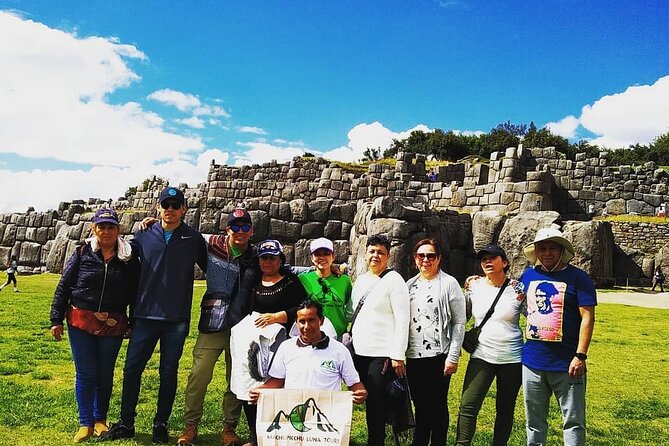
Day four is one of those days that feels less famous than Machu Picchu, but it’s the kind you remember because it teaches you how people adapted to their environment. The day begins with pickup around 8:00 am, then you head out into the mountains.
First stop is Moray. You learn what it was for in the Inca era and how the site connects to agriculture. The visual of circular terraces makes sense once someone explains the function; it’s not just a cool shape, it’s an idea about experimentation.
Then you move to Maras, where you’ll see the town’s colonial-style streets and doors. This adds texture. Without it, the day can feel like pure ruins-and-views. With it, you start seeing how history overlays with daily life.
Next is Salineras, with more than 2,000 salt pits that are still being exploited by locals. That detail is key: this isn’t a museum display. It’s an operating landscape. Watching the grid of pits from the right angles helps you understand why this area has lasted economically and culturally.
The day ends back in Cusco near the main square. It’s listed as about 6 hours, which is a reasonable length compared with other “all-day” stops. If you’re managing altitude fatigue, this pacing is a good relief after day three.
Rainbow Mountain (Vinicunca): the early wake-up, the 5,020 m walk, and how to enjoy it
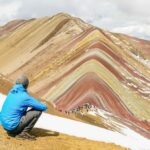
Rainbow Mountain is where this itinerary shows its ambition. The day starts brutally early: pickup around 4:20 am, then about 2 hours by bus to the community of Cusipata. Breakfast is included there.
After that, you continue with a shorter ride and then a walk. The plan includes roughly 40 minutes on a dirty road, then about 1.5 hours on foot before reaching Rainbow Mountain at 5,020 meters (16,466 feet). Once you arrive, you get time to enjoy the view, take photos, have a snack, and relax.
A few thoughts so you can enjoy this day instead of just surviving it:
- At this elevation, the main enemy is not the walking; it’s breathing. Go slow. Short steps beat hero steps.
- Bring what the tour asks for: hat, sunscreen, sunglasses, and appropriate outerwear. You might also want layers because mornings can feel colder even if the sun later gets strong.
- Comfortable walking shoes matter more than you think. Rocky footing plus fatigue equals blisters if your shoes aren’t right.
It’s also a reminder that you need moderate physical fitness. This isn’t a beginner hike. It’s doable for many people, but you should be honest about your stamina, especially after the Cusco altitude has already been sitting on you for days.
One more practical note: this experience needs good weather. If conditions are bad, the operator offers an alternative date or a full refund, depending on circumstances. That’s not something you can control, so when the day comes, be ready.

What you get for $780: lodging, meals, tickets, and the one big extra add-on
At $780 per person for roughly 6 days and 5 nights, this package stacks value in the right places. Here’s what’s included based on the plan you’ll follow:
- Accommodation included
- Pickup offered (check whether your hotel is on the pickup list)
- Breakfast and lunch included: breakfasts (2) and lunches (3)
- Admission tickets are listed as free or included across the core stops
- A mobile ticket approach is part of the process
That’s a lot of costs bundled up front. In Peru, the expensive parts often creep in through meals, transportation, and entry fees. This itinerary doesn’t try to nickel-and-dime you every day.
The main thing that is explicitly not included: Waynapicchu (listed at $20.00 USD). If you’re the type who wants the extra viewpoint, you’ll need to plan for that add-on. If you don’t care, you can treat Machu Picchu as the main event and skip the extra ticket.
Logistics that can make or break your trip (and how this one handles it)
This itinerary is built around organized transfers and a tight sequence of sights. That’s great because Cusco and its surrounding areas can be confusing for first-timers. When the plan is executed well, you spend time looking at places, not sorting transport and timing.
A few logistics points from the way the package is structured:
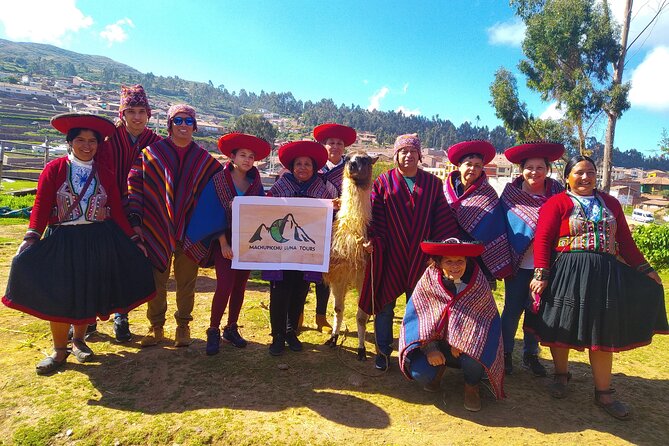
- Max 15 travelers: smaller groups help keep explanations audible and schedules workable.
- Transfers are planned throughout, including airport-to-hotel on arrival and a final private transport to Cusco airport on departure day.
- Many days end near the main square, which helps you decompress and find dinner without another long transit problem.
- You’ll get guidance on essentials: bring water and snacks, sun protection, and the right clothes for both sun and possible rain depending on season.
Also: confirmation happens after booking, and you’ll get the details you need ahead of time. The tour operator asks you to bring your original passport, and it’s not optional because it gets checked at Machu Picchu.
Who this tour fits best (and who should think twice)
This package suits you if:
- You want a set itinerary that covers the big Cusco region hits without constant decision-making.
- You like history explanations and guided structure more than DIY wandering.
- You can handle early starts and one major hike on Rainbow Mountain day.
- You prefer smaller group dynamics (max 15) and guides who help you understand what you’re seeing.
You might think twice if:
- You’re chasing maximum flexibility. This is a timed plan with fixed routing.
- You don’t like high-altitude days. Even if you’re reasonably fit, Cusco elevation plus 5,020 m on Rainbow Mountain day is not a low-stress combo.
- You hate weather uncertainty. Rainbow Mountain and similar high points depend on conditions.
Should you book Machupicchu Luna Tours for Cusco, Machu Picchu, and Rainbow Mountain?
I’d lean toward booking if you want a smooth, guided route that covers Cusco, Sacred Valley archaeology, Machu Picchu, and the Rainbow Mountain hike in six days with lodging and meals handled. This plan also seems to earn repeat praise for organization and punctuality, and guide names like Luis Angel Flores and Yovana show up as strong fits for people who want explanations and help with photos.
If you have the flexibility to plan around weather and you can manage early mornings, this is a solid value at $780. Just don’t overlook the add-on: if you’re interested in Waynapicchu, budget for it separately. And start preparing your body for altitude as soon as you land in Cusco.
FAQ
What is the age range and group size for this tour?
The tour is for ages 8 to 65, with a maximum of 15 travelers per group.
Does the package include pickup from my hotel?
Pickup is offered, but you should check whether your hotel is on the pick up list.
What meals are included?
Breakfast is included two times, and lunch is included three times during the itinerary.
Is accommodation included?
Yes. Accommodation is included as part of the package.
Do I need to bring my passport?
Yes. You need to bring your original passport, and it is checked at the Machu Picchu entrance gate.
Is Waynapicchu included?
No. The Waynapicchu ticket is not included and is listed at $20.00 USD.
What should I pack for the days with long sun and mountain conditions?
Bring a hat, sun cream, and sunglasses. Wear comfortable clothes and walking shoes, and plan for rain with a jacket/cap/raincoat from November to April. Also bring bottled water and snacks.