Peru in eight days, minus the stress. You tie together Lima, Paracas, Cusco, and the Sacred Valley with guided sightseeing plus included transport, and the trip’s big wow moments are the Nazca Lines flight and Machu Picchu by train.
I love the logistics safety here: airport transfers, hotel nights, admission tickets, and the key day-to-day rides are arranged. I also like that there’s free time built in, so you’re not stuck in tour-mode every single hour.
One consideration: you’ll be dealing with altitude and plenty of stairs (Cusco and Machu Picchu are not step-free). And the Nazca flight is on a small plane, so if you’re prone to motion sickness, plan for it like you would for a twisty roller-coaster.
In This Review
- Key highlights you’ll feel day-to-day
- Lima’s Old Center and Larco Museum: an easy start
- Nazca Lines by small plane: the view only works from above
- Paracas National Reserve and Ballestas Islands: wildlife with a story
- Cusco street-level history: markets, Qorikancha, and stone details
- Sacsayhuaman and the quieter Inca sites: power without the crush
- Sacred Valley: the day where Inca tech becomes understandable
- Machu Picchu by train: one wonder, and the ticket rules that matter
- Price and value: what’s included, what’s on you
- Who should book this tour (and who might struggle)
- Should you book the 8-Day Enigmas of Peru?
- FAQ
- Are flights included in the tour price?
- What meals are included?
- Is the Nazca Lines overflight included?
- How does Machu Picchu ticketing work?
- What’s the group size?
- Is free cancellation available?
Key highlights you’ll feel day-to-day
- Max 9 travelers for a small-group feel and easier coordination
- Nazca Lines flight from Pisco on a tiny plane (10–12 passengers), where air sickness can happen
- UNESCO Lima Historical Center + Larco Museum including ancient ceramics and a museum warehouse look
- Paracas National Reserve speedboat to the Ballestas Islands and time to spot wildlife up close
- Sacred Valley engineering + weaving culture from Chinchero to Moray to Ollantaytambo
- Machu Picchu circuits managed by the ticketing rules, with route 2 prioritized and tickets that are not refundable
Lima’s Old Center and Larco Museum: an easy start
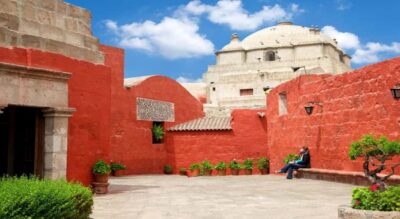
Your trip begins in Lima with a smooth arrival setup—assistance and a transfer to your hotel. Then you jump right into the city’s UNESCO-listed Historical Center, starting at the Convent of Santo Domingo. This is the kind of place where you see how old Peru was organized around faith, learning, and power.
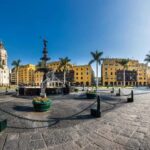
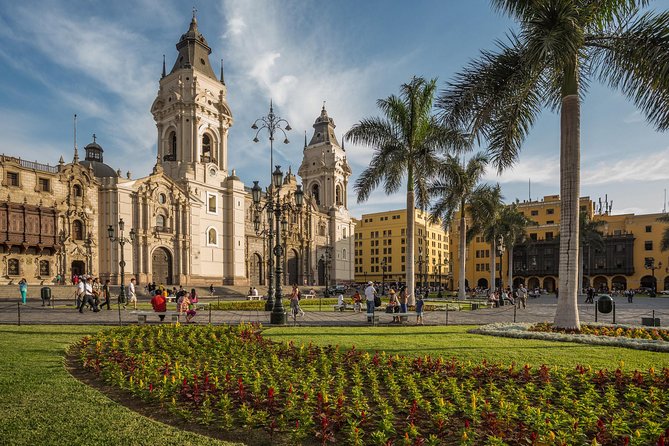
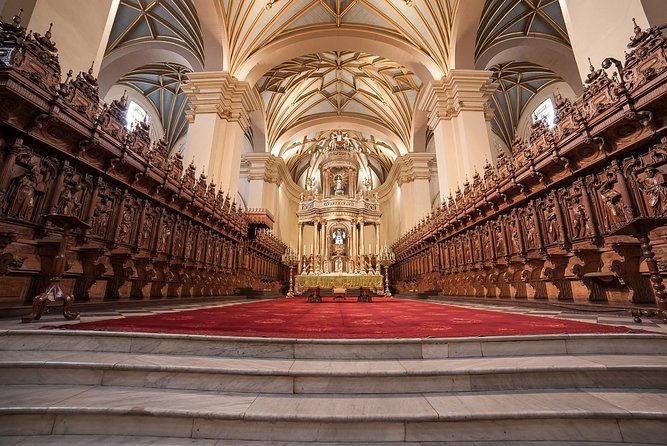
Next comes the Plaza Mayor area: you’ll get views of the Government Palace, Municipality, and the Cathedral with colonial artwork. The tour wraps with the Larco Museum, where you can move beyond big-picture history and into daily life from ancient Peru—especially through gold pieces, textiles, and those unforgettable ceramics.
What I like about the Larco Museum stop is that it includes more than gallery viewing. There’s also a look at the museum’s warehouse-style ceramics area, which makes the collection feel less like static trophies and more like a living archive.
If you want a practical tip: wear shoes you can walk in all day. Lima’s walking is manageable, but you’ll still cover a lot of ground on uneven sidewalks.
You can also read our reviews of more tours and experiences in Lima.


Nazca Lines by small plane: the view only works from above
From Lima you head toward the Nazca Lines region via Paracas. The key moment is the flight: you bus to the bay of Paracas, then make your way to Pisco for the plane ride over the desert toward the Nazca pampa.
Once you’re up there, the Nazca Lines make sense in the only way they can—from the air. The shapes are precise and cover a huge expanse, and the tour shares the theories while you watch. You’ll likely see the monkey, hummingbird, spider, lizard, astronaut, dog, condor, and other line patterns that look like landing strips.
Here’s the honest drawback to plan around. The aircraft is small (up to about 10–12 passengers), and during the turns some people feel motion effects. In my case, I’d treat it like a must-plan-for moment: bring motion-sickness help if you need it, and be ready for the ride’s sharp changes in direction.
Afterward, you return to Pisco and transfer onward, with a night in Paracas. That’s a smart pacing choice—Nazca is intense, and Paracas gives you a calmer landing.
Paracas National Reserve and Ballestas Islands: wildlife with a story
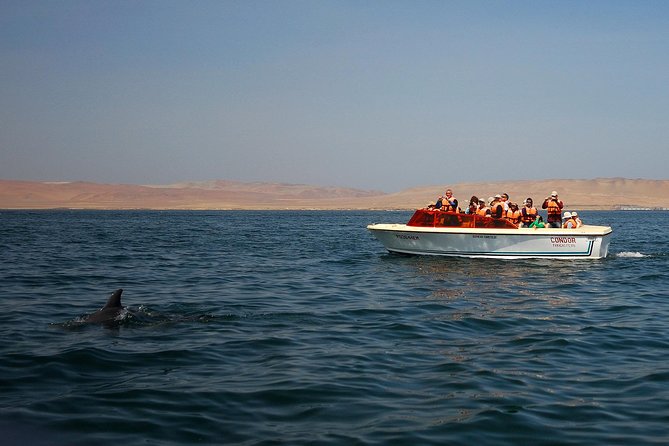
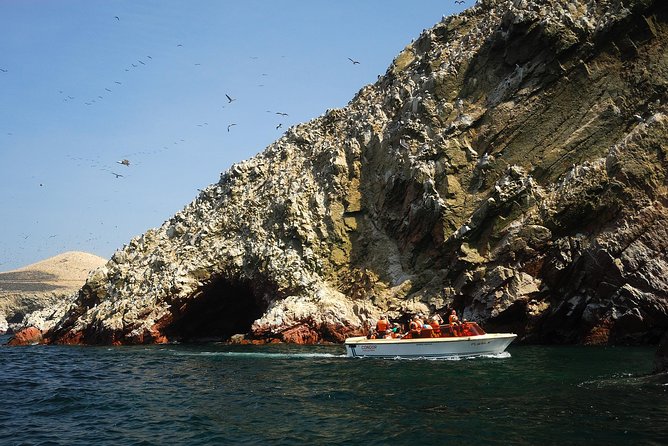
The next morning is set up around sea conditions—early, when the ocean tends to be calmer. You head out by speedy motorboat to the Ballestas Islands inside the Paracas National Reserve of Marine Life, guided so you know what you’re looking at rather than just hoping to spot something.
On the way, you’ll also see El Candelabro, a large mysterious drawing aligned toward the Nasca pampa. It’s the kind of sight that makes you want to ask questions, and the tour gives you the framing so it feels connected to the wider desert-mystery theme instead of random trivia.
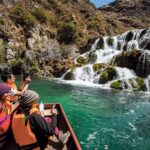
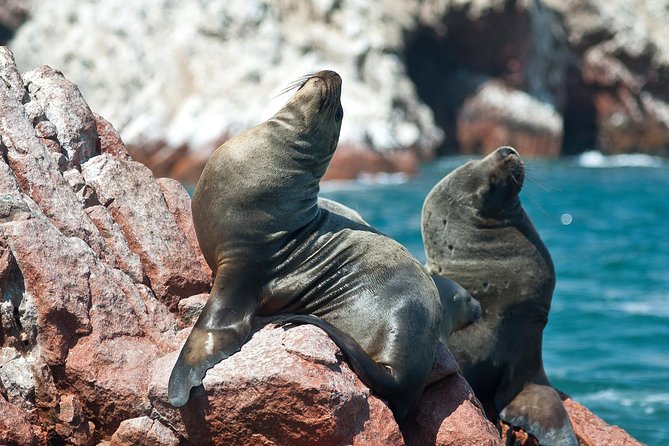
At the islands, you’ll explore caves and watch for seals, penguins, and marine birds. The best part here is the closeness—animals act like the show is about them. You’ll feel that difference immediately if you’re used to zoos or distant viewing.
Then you return, enjoy hotel time, and later head back toward Lima. I like this day because it balances the “mystery” energy from Nazca with a very real, very physical ecosystem.
Cusco street-level history: markets, Qorikancha, and stone details
Cusco arrives with a different rhythm—more walking, more altitude air, more hills. After getting settled and refreshed, your afternoon focuses on the city in a way that feels practical: you start at Plaza de San Cristóbal for a panoramic overview.
Then you go to San Pedro Market, which is one of those places where history becomes food and daily life. It’s a strong stop if you like figuring out what Peru feels like in the real world, not just in monuments.
Next is Qorikancha, the Temple of the Sun. You’ll learn how its walls once were covered in gold, and you see the layered story of Inca and colonial influence in the same space.
From there, the walk includes spots tied to Inca rulers and colonial changes, like Hatun Rumiyoc and the famous Twelve Angled Stone. The day ends back at Plaza de Armas with the Cathedral and its colonial works.
A small note from the ground: Cusco’s walking is short segments, but the altitude adds weight. Take it slow on the stairs and inclines, and don’t treat every stop like you’re on a city sprint.
Sacsayhuaman and the quieter Inca sites: power without the crush
Day five is designed to reduce the crowd feeling by sending you to Sacsayhuaman in the morning. This is one of the big Inca citadel sites, built with colossal stonework in a setting that helps you understand why they chose this terrain.
After that, the pace shifts to more specific Inca religious spaces. You visit Q’enqo, known for an altar carved into rocky formation. Then you move to the Puca Pucará lookout and Tambomachay, tied to Andean cosmovision and architecture.
The best part of this day is the sense that you’re moving from a dramatic big site into smaller, more interpretive stops. It helps you see patterns in how sacred spaces were planned—so later, when you’re at Machu Picchu, you’ll recognize the logic instead of treating everything as separate photo backdrops.
You finish with a free afternoon in Cusco, plus the benefit of an included admissions “passport” that gives you access to other points you’re not visiting on the main schedule.



Sacred Valley: the day where Inca tech becomes understandable
The Sacred Valley day is one of the more educational ones because it connects culture to engineering. You start with Chinchero, a colorful village known for weaving, including time to see textile work and traditional dyeing and spinning techniques using alpaca wool.
Then you head through more Inca-focused stops. Moray is a highlight if you like science meets myth. The site has concentric agricultural terraces that served as a kind of experiment for creating different microclimates—an Inca lab in the shape of a puzzle.
Lunch is included here, which matters on a day that’s both scenic and physically active. After lunch, you visit Ollantaytambo, described as one of the last living Inca communities.
You’ll also see major highlights there: the Temple of the Ten Windows, the Bath of the Princess, and the Sun Temple. Ollantaytambo gives you postcard views, but also a sense of how towns and sacred space were woven together.
This day ends with lodging in the valley area, which is a good choice. It reduces the stress of arriving late for Machu Picchu logistics later.
Machu Picchu by train: one wonder, and the ticket rules that matter
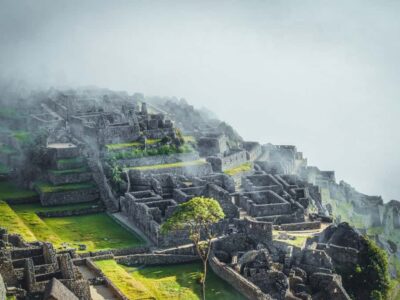
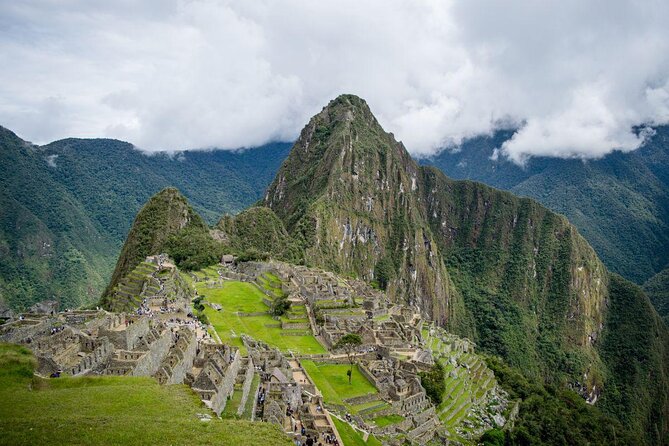
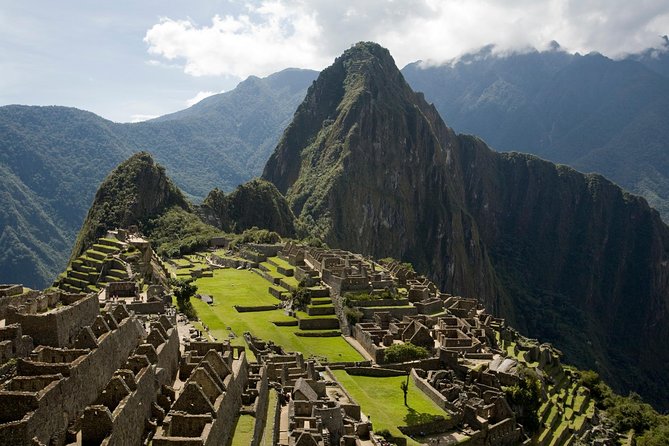
Machu Picchu day starts with a train ride from Ollantaytambo station. You take your selected train, then arrive at the Machu Picchu station. From there, you go by bus up a winding road with big canyon views before reaching the site.
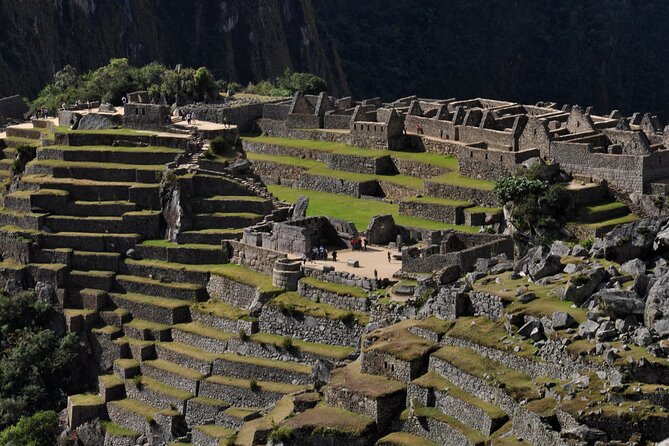
Once you’re inside, the terraces, staircases, ceremonial areas, and urban-like sections give you that immediate sense of energy. It’s not just ruins. It feels like a place designed for movement, gatherings, and ritual.
Lunch is included during the visit. Then you return by train and transfer back to Cusco for your night.
Now, the practical stuff you should not ignore: Machu Picchu has specific visitor circuit routes, and your ticket is tied to that system. This tour gives priority to circuit route 2. If it’s not available, you’ll be informed about circuit 3B or circuit 1B and you’ll need to confirm before tickets are issued.
The ticket itself is not refundable, and date changes or amendments are not accepted. If you’re the kind of person who might want to shift plans at the last minute, take that seriously now. Build your schedule so you can commit to the date.
Price and value: what’s included, what’s on you
At $1,541 per person for 8 days, you’re paying for a tight package: hotels for 7 nights, breakfast (7), lunch (2), admission tickets, and the main transport legs between Lima, Paracas, Cusco, the Sacred Valley, and Machu Picchu.
In particular, value shows up in how the big moving parts are handled:
- Transfers from airport to hotels
- Shared transfers (including train station)
- Round-trip railway tickets to Machu Picchu
- Tours and admission tickets each day
What you handle yourself:
- Meals and drinks not listed as included
- Flights Lima–Cusco–Lima (not included)
- Nazca airport tax (listed as USD 14 per person)
- An airport/departure tax listed as €14 per person
- Domestic flight timing requirements (more on that next)
Timing matters a lot for the Lima–Cusco segment. When booking your flight from Lima to Cusco, it must be in the morning; arriving by noon is too late. That’s not a “nice-to-have.” It can affect whether the schedule works.
Also note that communications are typically handled through WhatsApp in a real-world way. I found that helpful because it reduces confusion when schedules shift—like when airports have temporary closures. Keep your phone charged and watch those messages.
Who should book this tour (and who might struggle)
This tour fits best if you want bucket-list Peru without building the puzzle yourself. It also helps if you like structured days but still want breathing room—there are free afternoons in Cusco and rest time in Paracas.
It can be a tough match if you’re sensitive to physical strain. The experience includes lots of walking and stairs. If stairs are an issue, consider it carefully.
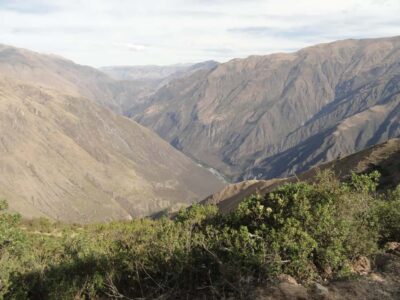
Altitude is another factor. Much of the trip sits over 12,000 feet, which is roughly twice Denver’s elevation. If you’re altitude-prone, bring medicine or talk with your doctor before you go. In my case, I took Diamox and had no issues, but your body may not match mine.
Motion sickness is a second “body factor.” The Nazca flight uses a small aircraft and includes turns designed to give views of the figures. Some people feel sick. If you’ve been affected by smaller planes before, don’t treat this as a surprise.
Finally, this is a small group. With a maximum of 9 travelers, you avoid the feel of giant buses—but you still get daily guided tours and shared transport.
Should you book the 8-Day Enigmas of Peru?
I’d book this if you want a high-coverage Peru trip that keeps the key logistics under control—especially if Machu Picchu and the Nazca Lines are non-negotiable for you. The mix of Lima history, Paracas wildlife, Cusco culture, and Sacred Valley engineering makes the trip feel like more than a checklist.
Skip it or think twice if you know you can’t handle stairs, you strongly react to altitude, or you’re likely to get sick on small planes. In those cases, you can still visit Peru—but you may want a gentler pacing plan.
If you’re comfortable preparing for altitude and you like the idea of someone else handling tickets and transport, this is a smart value way to do Peru in one trip.
FAQ
Are flights included in the tour price?
Flights are not included. You need to arrange the Lima–Cusco–Lima flights yourself. The tour notes that your Lima to Cusco flight must be in the morning, and arriving by noon is too late.
What meals are included?
Breakfast is included for 7 days. Lunch is included for 2 days, tied to the days where meals are specified on the program.
Is the Nazca Lines overflight included?
Yes. The Nazca Lines flight is included and is operated from the Pisco airport area on a small plane (up to about 12 passengers). A Nazca airport tax of USD 14 per person is listed separately.
How does Machu Picchu ticketing work?
Machu Picchu visitor circuits are assigned by route, and route 2 is given priority. If route 2 isn’t available, you’ll be offered circuit 3B or circuit 1B options before tickets are issued. The Machu Picchu admission ticket is not refundable, and date changes or amendments are not accepted.
What’s the group size?
The maximum group size is 9 travelers.
Is free cancellation available?
Yes. Free cancellation is offered up to 24 hours in advance for a full refund. Canceling less than 24 hours before the start time is not refundable.