REVIEW · CUSCO
From Cusco: City tour 4 ruins + Qoricancha
Book on GetYourGuide →Operated by Chullos Travel Peru · Bookable on GetYourGuide
Five hours, four ruins, and Qoricancha in one go. This Cusco circuit is a fast way to see how Inca belief and Spanish-era Catholic power get layered on top of each other, starting right at the Qoricancha Temple of the Sun. Then you move through major sites that shaped Cusco’s defenses, rituals, and even its ideas about water.
I like that the tour is built around a guided story, not just walking from stone to stone. You’ll get bilingual explanations (English and Spanish) and a clear arc that connects places like Sacsayhuamán and Qenqo to what the Inca were doing here. I also like the structure: four ruins after Qoricancha in about 5 hours, which makes it a solid first-day choice when you’re still getting your breath under control.
The main drawback is the pace and time use. On some departures, extra stops for a museum or shopping can steal minutes, and the later ruins can start to feel rushed—especially if the group runs late.
In This Review
- Key highlights to know before you go
- Qoricancha + four ruins: a practical Cusco “first hits” day
- Meeting at Plaza de Armas: two shifts and a short walk to the Temple of the Sun
- Entering Qoricancha: where Inca worship meets Spanish layers
- Sacsayhuamán’s stonework: the Inca military architecture you can’t ignore
- Qenqo: ritual space built into rock
- Puca Pucara: a fortress in terraces and stairways
- Tambomachay: water worship and purification canals
- The bilingual guide: names you may hear and why it matters
- Group pace and the “extra stops” question
- Price value: $11 is the guide and transport, not the entrance fees
- What to bring (and what to avoid) at altitude
- Who should book this tour, and who should skip it
- Should you book Chullos Travel Peru’s Cusco City Tour?
- FAQ
- Where does the tour start in Cusco?
- What time does the tour run?
- Does the price include entrance tickets?
- Is pickup included?
- What languages is the guide?
- What should I bring?
- Is this tour suitable for people with vertigo?
- Can I cancel for a refund?
Key highlights to know before you go
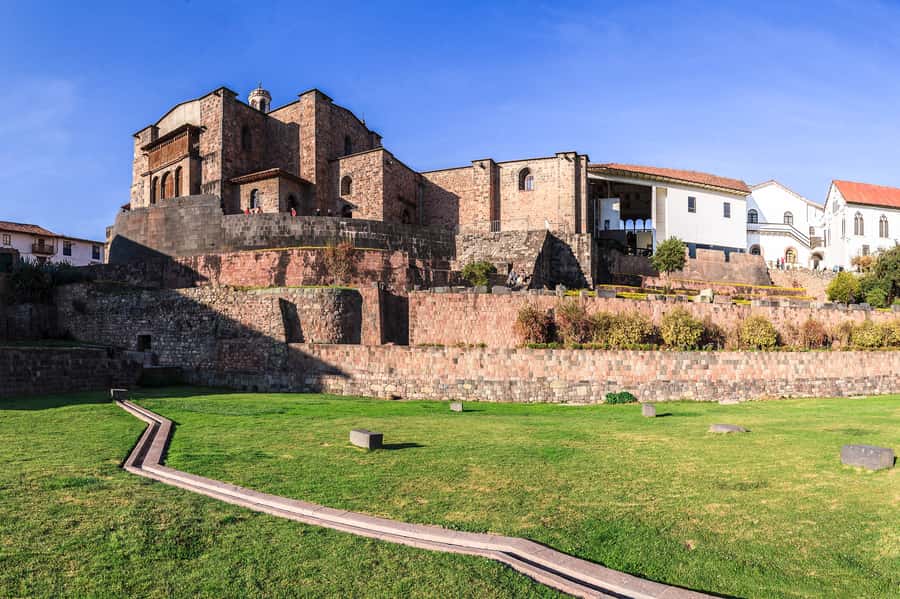
- Qoricancha first: you start at the Temple of the Sun and get context before moving outward to the ruins.
- A full Inca system in one route: military (Sacsayhuamán, Puca Pucara), ritual (Qenqo), and water worship (Tambomachay).
- Transport + guide included: you get city transit and a bilingual guide; you only handle entrance tickets.
- Timing is shift-based: morning and afternoon departures land back near Plaza de Armas at different times.
- Bring altitude-ready basics: comfortable shoes, hat, sunscreen, and water-aware planning (coca tea is recommended).
- Not ideal for vertigo: the route includes uneven ground and archaeological steps.
Qoricancha + four ruins: a practical Cusco “first hits” day

If you want a Cusco day that feels organized, this tour fits the bill. It strings together the biggest name sites close enough to do in one morning or one afternoon, so you’re not wasting time figuring out routes at altitude. The key value is the guided connections: you see stone walls and sacred spaces, but you also hear why they mattered.
I also think it’s a good “orientation” day. After Qoricancha and the surrounding ruins, Cusco makes more sense. You begin to notice patterns—how Inca engineering shows up in terraces and water channels, how ceremonial space often ties to rock shapes and sightlines, and how Cusco’s defenders built strongpoints around key approaches.
Just remember that this is not an all-day deep dive. It’s a smart sampler, and that means you’ll want good footwear and realistic expectations.
You can also read our reviews of more city tours in Cusco
Meeting at Plaza de Armas: two shifts and a short walk to the Temple of the Sun
You meet in Cusco’s Plaza de Armas, then take a short walk (about three blocks) to Qoricancha. There are two starting windows:
- Morning shift: 8:40 a.m. to 9:00 a.m. pickup, ending around 2:30 p.m.
- Afternoon shift: 12:40 p.m. to 1:00 p.m. pickup, ending around 6:30 p.m.
On Sundays, hours can shift because some sites open later. If you’re planning a second tour the same day (like the Sacred Valley), choose the shift that protects your schedule and your energy.
Pickup is included. The guide should message or call about 15 minutes before pickup, and you typically need to wait about 10 minutes in your hotel lobby. This matters because late starts can compress the rest of the day.
Entering Qoricancha: where Inca worship meets Spanish layers
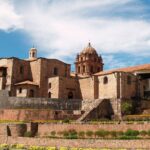
Qoricancha (Temple of the Sun) is where the tour starts, and it sets the tone. You’ll have a guided visit to the religious complex, and the story focuses on the mix of two worlds: Inca traditions and the later Spanish influence that reshaped religious life in Cusco.
What I like here is the order of operations. Starting with Qoricancha means later stops don’t feel random. When you move on to other ceremonial and sacred sites, you’re already thinking in terms of how the Inca used space for rituals, authority, and meaning.
Practical note: Qoricancha sits in the middle of town, so you’ll likely feel the temperature and sun right away. Wear sunscreen and a hat, and keep your camera ready—but also give your head a moment to adjust before you start racing through photos.
Sacsayhuamán’s stonework: the Inca military architecture you can’t ignore
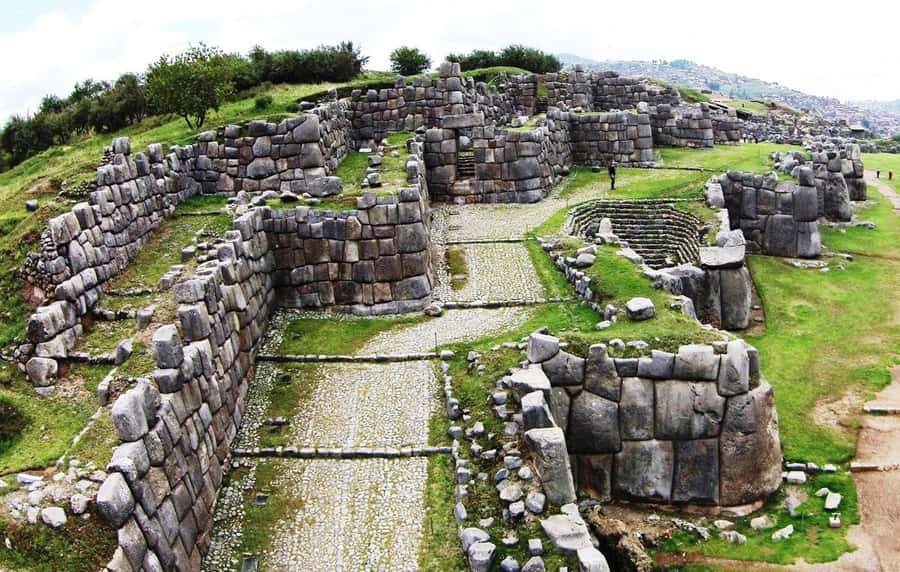
After Qoricancha, you head to Sacsayhuamán, one of Cusco’s most striking Inca sites. This is known for its imposing, perfectly assembled stone walls, and the tour frames it as a major example of Inca military architecture.
What makes this stop worth your attention is not only the scale. It’s the idea behind it. You’ll learn how Cusco’s geography and built structures helped control and defend the city, and you’ll see how the Inca used massive stonework to make the landscape do the heavy lifting.
If you don’t love heights, you should still be okay with sensible pacing. But if you have vertigo, this isn’t the right activity for you—there are uneven steps and viewpoints that can feel exposed.
Qenqo: ritual space built into rock
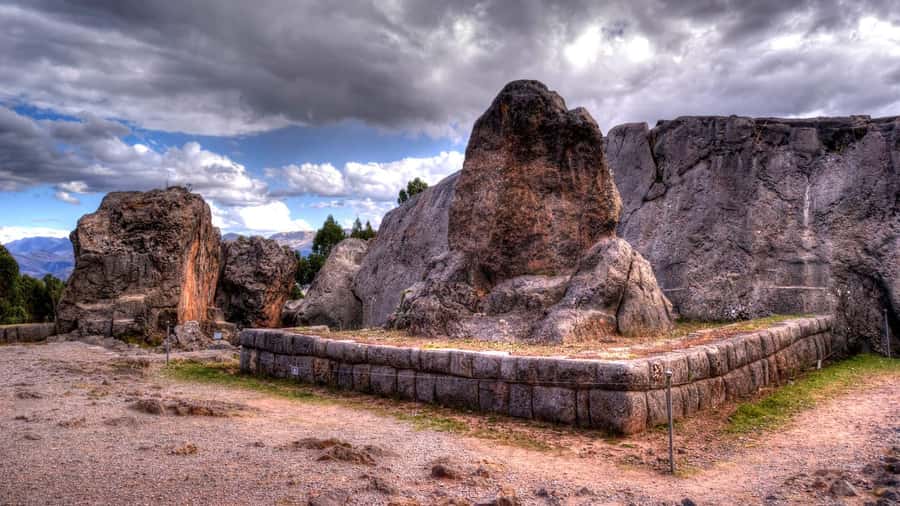
Next comes Qenqo, an ancient ceremonial center built around a natural rock formation. This is one of those places where the guide’s explanations really change how you see it. Instead of treating it like a pile of ruins, you learn how the Inca used the environment for religious rituals.
The rock setting matters. Natural forms can guide how people gather, where they stand, and what they notice. You’ll walk and look with a different mindset once you understand what the space was designed to do.
This stop can be a highlight if you enjoy symbolism and “why” questions. It may feel less impressive if you’re only chasing big photo angles, so it helps to go in ready to listen.
Puca Pucara: a fortress in terraces and stairways
Then you’ll visit Puca Pucara, a military fortress tied to Cusco’s defensive system. The tour focuses on its defensive features—walls, terraces, and stairways that look like they were planned for movement and control.
This stop gives you a second angle on Inca power. Sacsayhuamán shows the big statement. Puca Pucara shows how defenses could be layered through smaller structures working as part of the system.
It’s also a good reminder that “ruins” don’t always look like fallen temples. Some are still shaped like what they were built for: to hold, guide, and protect.
Tambomachay: water worship and purification canals
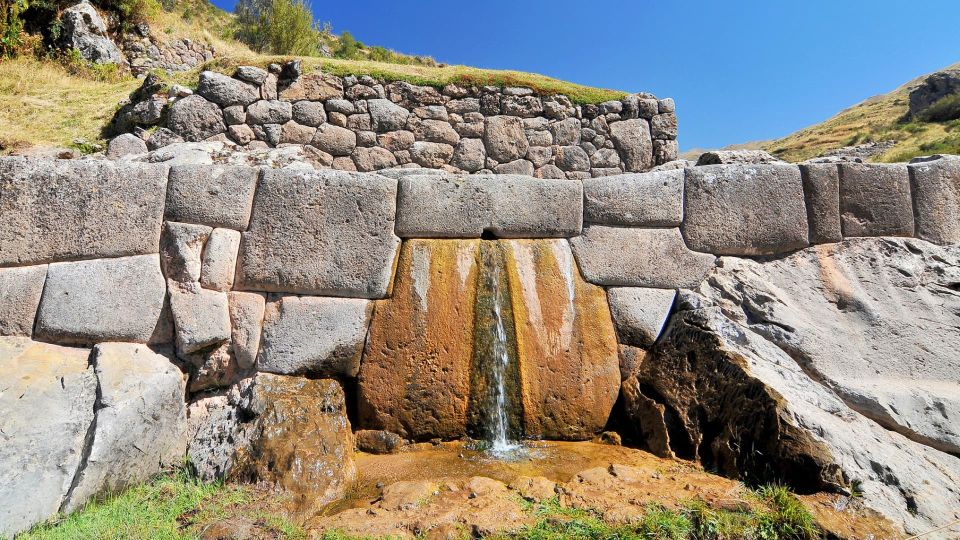
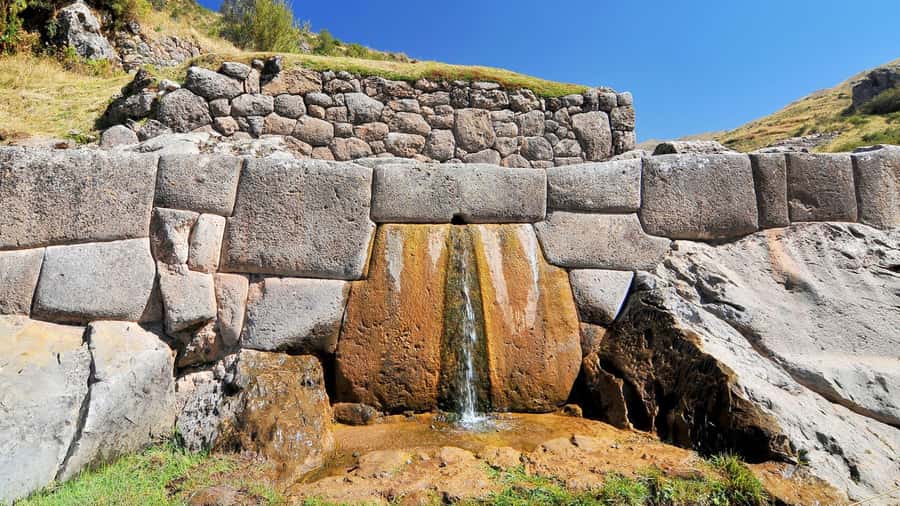
The final ruin on the route is Tambomachay, dedicated to worship of water and purification. Here you’ll see canals and fountains, and the tour ties the water features to the Inca concept of ritual cleansing.
I like the flow of ending here. After stone walls and ceremonial rock, water channels can feel like a reset—something practical and human. You’re likely to feel the coolness in the idea, even if the air temperature still demands sunscreen.
This is where you’ll want to pace yourself. The tour wraps up back in Cusco near Plaza de Armas after Tambomachay, so don’t spend your last minutes sprinting if you’ve still got altitude fatigue.
The bilingual guide: names you may hear and why it matters
This tour includes a bilingual tour guide (Spanish/English). The quality of that guidance shows up in small ways: how clearly you understand what you’re looking at, and whether the stops feel meaningful or just like a schedule.
In the feedback that comes up for this operator, specific guides get mentioned by name. Werner is singled out for being attentive and careful with the pace. Angélica is praised for history explanations. Sam gets credited with fixing confusion quickly when names and lists don’t line up.
That tells me something useful for you: if you show up early, confirm your name at the start, and ask questions when you’re confused, you’ll get more out of the tour.
Group pace and the “extra stops” question
This tour is about 5 hours, including transport. That time is tight, so how the day gets managed makes a real difference.
On some departures, the route can include stops for a museum that isn’t part of the core ruins circuit, plus time in a clothing shop. If that happens, you may end up with less time at the last two sites, and the experience can feel more rushed. If you hate shopping detours, go in knowing that the itinerary time can be influenced.
A smart strategy: focus on the guided moments at the big sites first—Qoricancha and Sacsayhuamán—then treat the later stops as bonus context. That way, if the day runs slightly behind, you still come away with the main story.
Price value: $11 is the guide and transport, not the entrance fees
The listed price is about $11 per person, and it includes tourist transport plus the bilingual guide. What it does not include is the entrance ticket (the Boleto turístico), meals, and extra personal expenses.
That means your real cost depends on what ticket you buy. One helpful reference point you’ll see many people use is the full tourist ticket around S/ 130, with a reduced student rate around S/ 70. If you’re planning more archaeological sites in Cusco over the next days, that full ticket can become the better value.
If you’re doing only a couple of attractions, you might choose fewer-ticket options. But this is where you should be honest with your own plan: if you want to see several parks beyond this tour, it usually pays to think ticket strategy early rather than at the ticket booth with less time.
What to bring (and what to avoid) at altitude
Cusco altitude makes “small” details matter. This tour recommends:
- Passport or ID card
- Comfortable shoes for uneven ground
- Sunglasses, hat, and sunscreen
- Camera
There’s also an altitude tip: drinking coca tea before the tour can help you cope with altitude sickness. You’ll still want to move slowly, sip water as you need, and take breaks when your breath tells you to.
On the do-not list: no pets, and no drinks or alcohol in the vehicle. That’s a clue that the company expects a fairly controlled group day—so keep your behavior simple and your day smooth.
Who should book this tour, and who should skip it
This tour is a strong match if you:
- want a guided Cusco city overview in about 5 hours
- like seeing how military, ritual, and water symbolism show up in ruins
- need a structure on your first or second day in Cusco
It’s a tough fit if you:
- have vertigo
- need long, slow time in each site (this is a sampler, not a stay-all-afternoon plan)
- strongly dislike shopping or extra indoor stops that can cut into outside time
If you’re traveling with limited energy, choose the morning shift when you can. If your mornings are busy or you’re adjusting to altitude, the afternoon shift may still work well, but keep an eye on your other plans.
Should you book Chullos Travel Peru’s Cusco City Tour?
I’d book this if you want the main Cusco story arc in one day—Qoricancha into Sacsayhuamán, then ceremonial and defensive sites, ending with Tambomachay water worship. The included transport and bilingual guide help a lot, especially when you’re figuring out how the city’s ruins connect.
I’d think twice if you hate any shopping detours or you’re on a super tight schedule for later outings. In that case, pick a morning slot, arrive early at Plaza de Armas, and be ready to focus on the guide’s key explanations rather than counting on every minute being equal across all five stops.
FAQ
Where does the tour start in Cusco?
You meet at Plaza de Armas in Cusco, and then you walk about three blocks to the Qoricancha Temple of the Sun.
What time does the tour run?
There are two shifts. The morning shift starts between 8:40 a.m. and 9:00 a.m. and ends around 2:30 p.m. The afternoon shift starts between 12:40 p.m. and 1:00 p.m. and ends around 6:30 p.m.
Does the price include entrance tickets?
No. The tour price includes transport and a bilingual guide, but entrances (Boleto turístico) are not included.
Is pickup included?
Yes. Pickup is included, and the guide should message or call you about 15 minutes before pickup. You should wait in your hotel lobby about 10 minutes.
What languages is the guide?
The guide offers Spanish and English.
What should I bring?
Bring passport or ID, comfortable shoes, sunglasses, sunscreen, a hat, and a camera.
Is this tour suitable for people with vertigo?
No. It is listed as not suitable for people with vertigo.
Can I cancel for a refund?
Yes. Free cancellation is available up to 24 hours in advance for a full refund.