REVIEW · AREQUIPA
Sillar Stone Tour from Arequipa
Book on GetYourGuide →Operated by PVTravel · Bookable on GetYourGuide
Sillar stone has a way of making cities feel personal. This 4-hour small-group tour pairs a hands-on look at the Culebrillas quarries with how masons carve Sillar, all while you also get a quick sweep of Arequipa’s standout colonial architecture. I love seeing the stone where it’s actually worked, not just admired from a distance, and I like that the guide explains the process clearly as you watch cutting and carving in action.
One thing to consider: you’ll spend part of the time walking around quarry areas, so plan for uneven ground and bring comfortable shoes. Also, food and any entrances (if offered on the day) aren’t included, so you’ll want a realistic plan for snacks or timing.
In This Review
- Key highlights
- Getting Oriented: The 4-Hour Rhythm From Arequipa
- The Drive to Quebrada de Culebrillas: Why Location Matters
- What You See in the Quarries: From Ignimbrite to Sillar
- Watching Masons Work: The Carving Lesson You Can’t Get From Photos
- Arequipa Sightseeing Through a Stone-Focused Lens
- The Písac Market and Aguas Calientes Mention: Worth Checking
- Timing, Group Size, and Comfort Tips That Actually Help
- Price and Value: Is $29 Worth It?
- Who Should Book This Tour (and Who Might Skip It)
- Should You Book the Sillar Stone Tour From Arequipa?
- FAQ
- How long is the Sillar Stone Tour from Arequipa?
- Where does the tour pick you up?
- How many people are in the group?
- What languages is the guide available in?
- What does the tour include?
- Is food included?
- Are entrances included?
- What should I bring?
- Is there cancellation available?
- Is the Písac market and Aguas Calientes stop part of this tour?
Key highlights
- Culebrillas (Quebrada de Culebrillas) quarry visit: See Sillar in its real working setting, close to Arequipa.
- Masons show the carving process: Learn how the stone is prepared and shaped, with sample carvings to match what you’re seeing.
- Architecture and city sights included: You’ll connect the dots between Sillar stone and Arequipa’s colonial look.
- Small group for better Q&A: Up to 15 people, so it’s easier to ask follow-up questions.
- Optional extra time in markets/free-time stops: The tour description includes market/free-time options, but you should confirm what’s on your exact itinerary.
Getting Oriented: The 4-Hour Rhythm From Arequipa
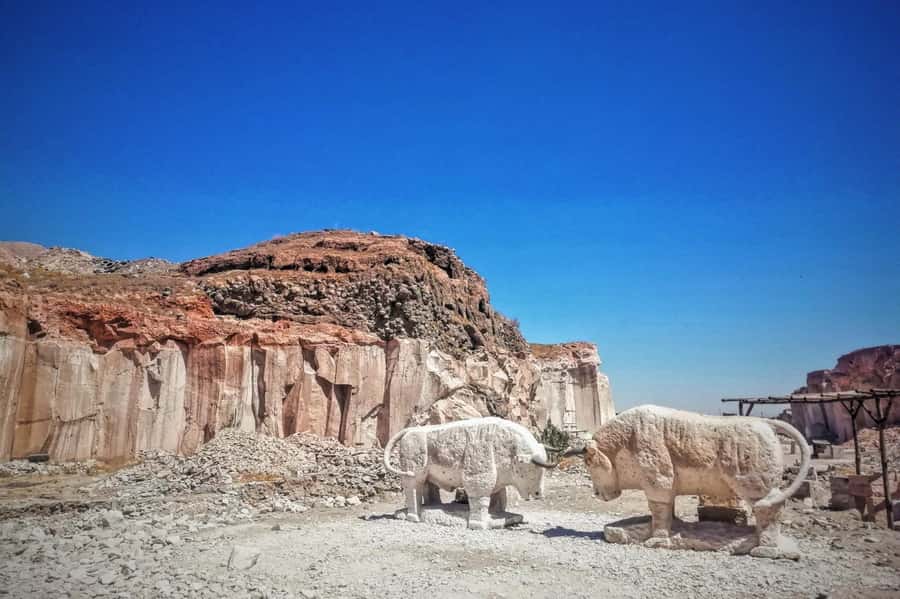
This tour is designed for a short window—4 hours total—so it works well when you want something meaningful without eating your whole afternoon. You’ll get hotel pickup in Arequipa city center, then head out to the quarries that sit just a short distance from town.
That timing matters. A lot of Arequipa day trips go longer, and then you’re tired before you even reach the good stuff. Here, you get the quarry story, the stone work, and a bit of city sightseeing before you’re back at Plaza de Armas for an easy reset—plus you don’t have to figure out transport.
The tone is also pretty practical. This isn’t just a look-and-take photos tour. It’s focused on how Sillar is sourced and used, and the guide is there to help you understand what you’re seeing.
You can also read our reviews of more tours and experiences in Arequipa.



The Drive to Quebrada de Culebrillas: Why Location Matters
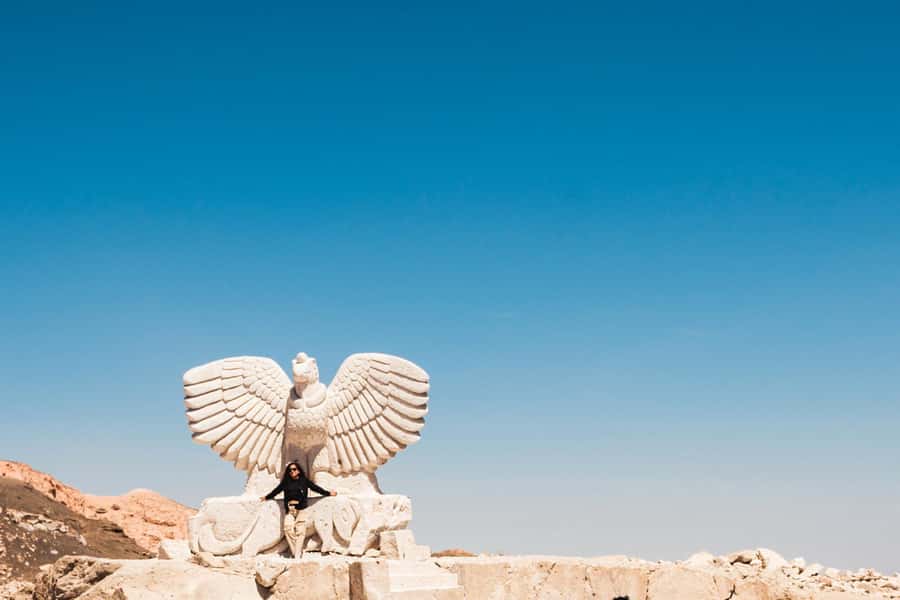
You’ll transfer from your accommodation to the Culebrillas quarries, mainly in the Cerro Colorado and Yura districts. The quarries are about 3 kilometers from the center of Arequipa, so the ride is short enough to keep momentum.
As you go, it helps to know the “why” behind Arequipa’s signature look. After the 1687 earthquake, the city leaned heavily into a construction system using Sillar. When people learn that, the white stone buildings you see around Plaza de Armas suddenly make sense as more than decoration.
You’re also moving through a working area formed by volcanic activity and later cutting. That’s one reason this stop feels more real than a museum: you’re seeing the stone world as it functions day-to-day. Even better, the tour includes time with the people doing the work, not just views of the result.
What You See in the Quarries: From Ignimbrite to Sillar
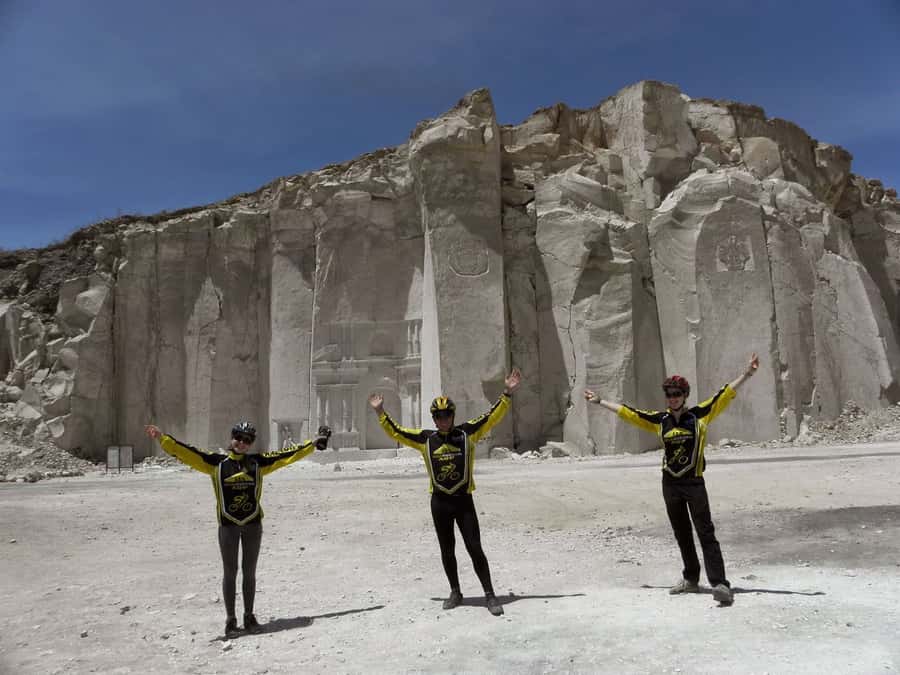
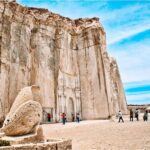
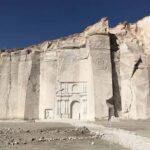
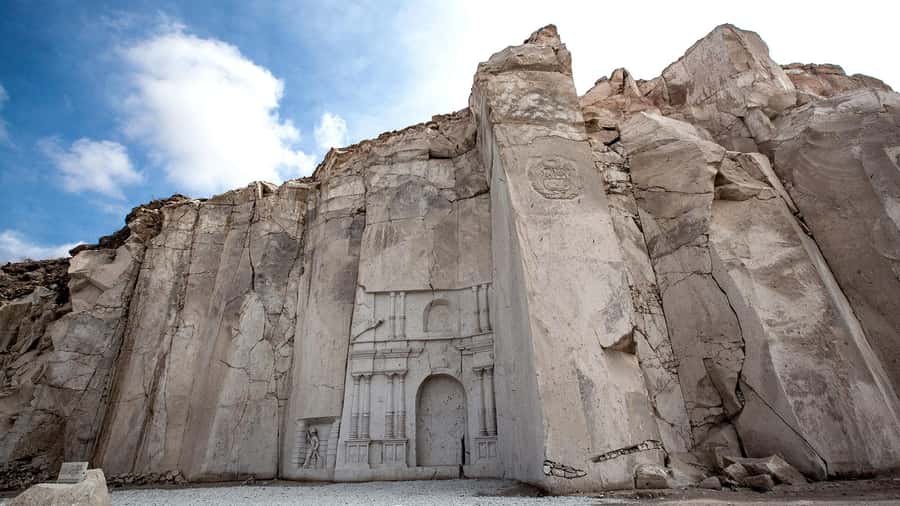
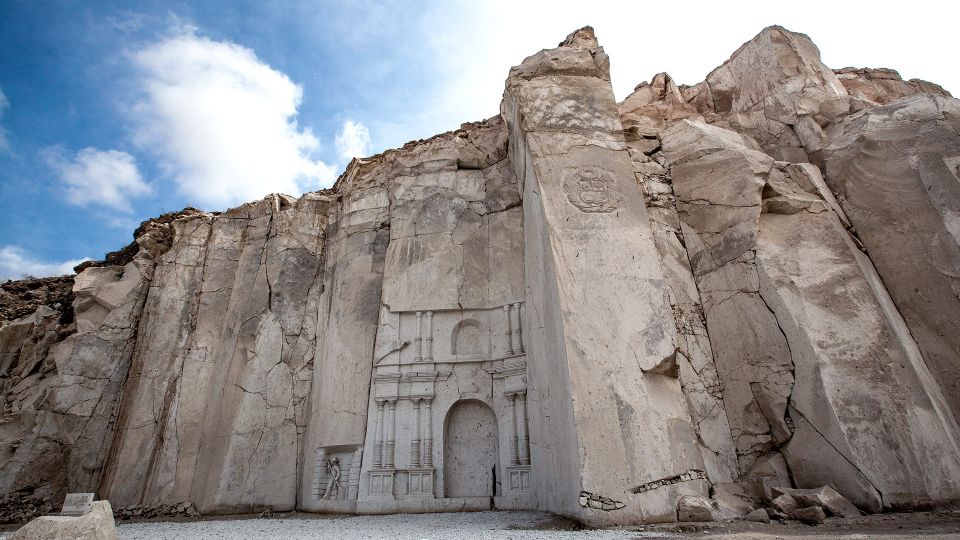
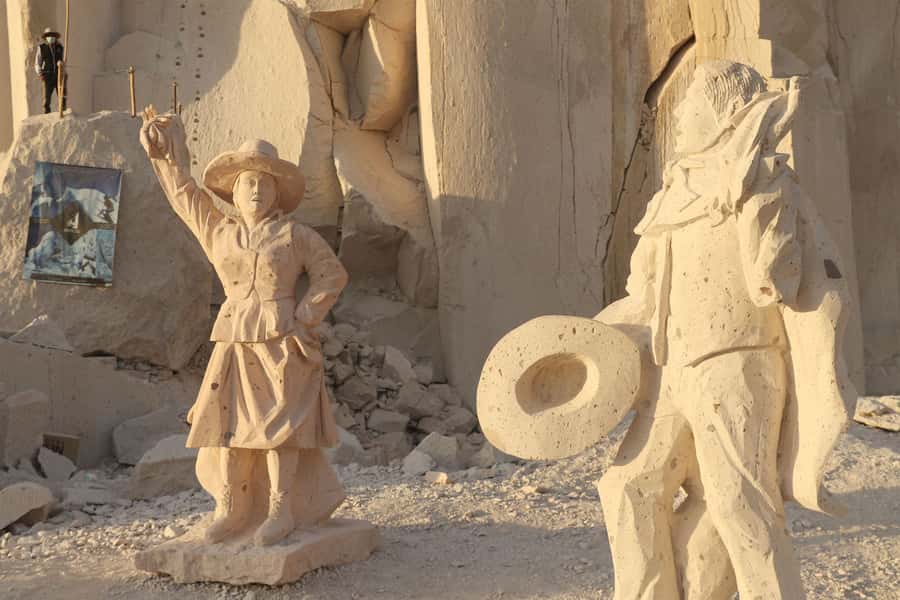
At the quarry stop, the emphasis is on observation and explanation. You’ll be guided through Quebrada de Culebrillas, where you can appreciate cutters doing their daily tasks and view some samples of carvings.
The tour focuses on the transformation process: you learn where the masons take Ignimbrite and how they patiently develop it into Sillar. That detail is a big part of the value here. When you understand the raw material and the preparation steps, the stone feels less mysterious and more like a craft with rules.
One of the most praised parts of this experience is the setting itself. The quarry areas can feel like small canyon-like working spaces, which makes the whole thing visually interesting—not just another stop with a view. And because you’re up close, you can actually picture what a finished façade must have required in both time and skill.
Watching Masons Work: The Carving Lesson You Can’t Get From Photos
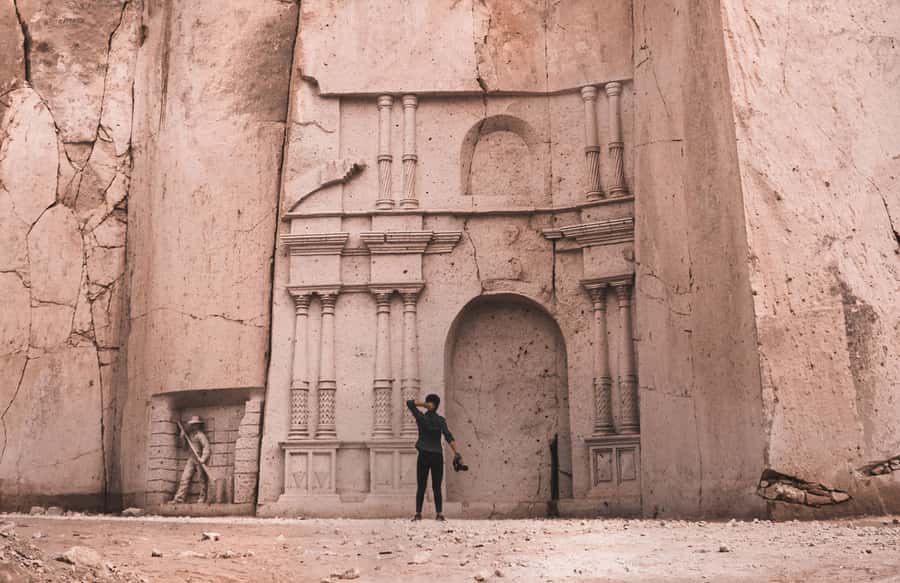
If you like crafts—wood carving, metalwork, anything that involves patience—this portion is for you. The tour is built around learning the carving process by masons, with an on-the-ground look at how the stone is handled and shaped.
The guide’s role here is key. You’ll get explanations of the preparation and the story behind Sillar, plus you’ll have time to see carving samples that connect to what you’re hearing. The better the guide, the more this feels like a conversation instead of a lecture.
Based on how the tour is described, you should expect guides who are prepared and patient—ready to answer questions as you go. That’s exactly the kind of attention you want on a hands-on stone tour, because the material is technical enough that you’ll probably have follow-up questions.
Practical note: stone work can mean dust and grit. Wear clothes you don’t mind getting a little quarry-dust on them, and keep water handy.
Arequipa Sightseeing Through a Stone-Focused Lens

You don’t leave town behind completely. The tour includes time to see important sights of Arequipa and to observe its architecture up close, especially the colonial buildings tied to Sillar construction.
The “aha” moment is how the guide connects stone to design. Sillar wasn’t only used because it was available—it became a practical solution after the 1687 earthquake, and it shaped the look of the city for generations. When you revisit the idea while you’re walking through Arequipa’s central streets, you’ll spot patterns you might otherwise miss.
This section is also a good reminder for first-time visitors. If you’re only doing short walks around Plaza de Armas, you can end up thinking the city is smaller than it is. A guided sweep helps you get your bearings fast, then you can explore further on your own later.


The Písac Market and Aguas Calientes Mention: Worth Checking
Here’s a detail worth flagging: the tour highlights include a stop at the colorful Písac market and free time in Aguas Calientes. However, the main itinerary details you’ll get are centered on the Sillar quarries near Arequipa, with a return drop-off at Plaza de Armas.
Because of that mismatch, I’d treat those extra stops as something to confirm before you count on them. Ask the provider what your exact day includes and how that fits the 4-hour schedule. If those stops are in your itinerary, great—you’ll add market browsing and some downtime to the stone focus. If not, you won’t feel like you missed something essential because the quarry and city-architecture pairing is still the core of the experience.
In other words: plan for the Sillar lesson and the quarry setting as the reliable center of gravity.
Timing, Group Size, and Comfort Tips That Actually Help
This is a small group tour, limited to 15 participants. In practical terms, that means you’re less likely to get stuck at the back of a crowd, and it’s easier to hear explanations when the guide is standing close to the action.
You’ll also have short transfers: the tour includes a bus/coach ride segment that’s listed as about 10 minutes. Most of your time should feel concentrated on quarry viewing and guided stops, not long hours of transportation.
What to bring (seriously, don’t overthink it):
- Comfortable shoes for uneven quarry ground
- Water
- Comfortable clothes you can wear around stone dust
If you run cold easily, consider layers. Quarry areas and vehicles can swing from hot sun to cooler shade quickly.
Price and Value: Is $29 Worth It?
At $29 per person for a 4-hour guided experience with hotel pickup and main-square drop-off, this tour is priced like a smart “best of” add-on rather than a big-budget excursion. The value comes from three things working together:
- Expert-guided learning: You’re not just seeing Sillar; you’re learning the process behind it.
- A real working quarry environment: That’s harder to replicate with DIY planning, especially with a guide to interpret what you’re seeing.
- Convenient logistics: Pickup from your Arequipa accommodation plus a return to Plaza de Armas means you don’t lose half the day on transit planning.
What isn’t included matters too. Food and drinks aren’t part of the price, and entrances aren’t included (so if the day includes any paid stops, you’ll pay those separately). Still, for many people, that’s normal for short guided tours and keeps the base price lower.
If you’re the type who likes understanding how cities are built, this is a strong value.
Who Should Book This Tour (and Who Might Skip It)

I’d recommend this tour if you:
- Want to connect Arequipa’s architecture to a real material story
- Like watching craftspeople work and learning the steps behind the finished look
- Prefer a short, focused half-day plan
You might skip it if you:
- Are expecting a long, museum-style program with lots of formal exhibits
- Hate any uneven walking, even light quarry-area strolling
- Need food included as part of the cost (since it’s not included here)
This one is best for curious travelers who want substance, not just sights.
Should You Book the Sillar Stone Tour From Arequipa?
Yes—if you want a practical, hands-on way to understand what makes Arequipa look the way it does. The combination of quarry viewing, a guide-led explanation of Sillar’s transformation (including Ignimbrite), and time spent seeing the city’s architecture is a solid match for first-timers and repeat visitors alike.
Just make your decision with two realities in mind: the tour is short, and the quarry portion means you should dress for movement and stone dust. If you can handle that, $29 buys you more than scenery—it buys context.
Also, if you care about the Písac market and Aguas Calientes mention, confirm what’s actually scheduled for your departure before you go counting on it.
FAQ
How long is the Sillar Stone Tour from Arequipa?
The tour lasts 4 hours.
Where does the tour pick you up?
Pickup is included from your accommodation in Arequipa city center.
How many people are in the group?
The group is small, limited to 15 participants.
What languages is the guide available in?
The live tour guide is available in English or Spanish.
What does the tour include?
It includes hotel pickup, a guide, and drop-off at Plaza de Armas (main square).
Is food included?
No. Food and drinks are not included.
Are entrances included?
No. Entrances are not included.
What should I bring?
Bring comfortable shoes, water, and comfortable clothes.
Is there cancellation available?
Yes. You can cancel up to 24 hours in advance for a full refund.
Is the Písac market and Aguas Calientes stop part of this tour?
The tour highlights mention a stop at Písac market and free time in Aguas Calientes, but you should check the itinerary for your specific start time to confirm what’s included.