REVIEW · AREQUIPA
4-hour excursion: Sillar Route with Hiking in Culebrillas
Book on GetYourGuide →Operated by Latitudes · Bookable on GetYourGuide
Stone, canyon, and ancient carvings—fast. This Sillar Route excursion strings together working quarries, big views, and the Culebrillas Canyon walk in just four hours, and I like that it gives you real context for how this landscape is shaped by extraction and water. I also like the variety: Mirador viewpoints, the stonemason action at Añashuayco, and then petroglyphs deep in the canyon. One possible drawback: it’s not a long, rugged hike, and part of the Sillar stops feel quite tour-oriented.
You start at 09:15 and roll out with tourist transport and a professional guide, then you’re back in Arequipa by 13:30. The pace is tight, so you’ll want to be comfortable standing, walking short stretches, and moving on.
In This Review
- Key things you’ll notice on the way
- A Four-Hour Hit of Arequipa Stone and Canyon Views
- 09:15 Start: Volcanoes and the Chilina Valley Viewpoint
- Añashuayco Quarries: Where the Megacavado Gets Real
- The Mega carving (Megacavado)
- Quebrada de Culebrillas Walk: Water-Cut Walls and Wari Petroglyphs
- How I’d manage expectations for the walk
- Apachetas: Stone Piles That Feel Like a Quiet Ritual
- Price and Tickets: Is $20 a Good Deal?
- The Guide and the Microphone: A Small Variable to Watch
- Who This Tour Fits (and Who Might Want Something Else)
- Should You Book the Sillar Route with Hiking in Culebrillas?
- FAQ
- How long is the excursion?
- What time does the tour start and end?
- How much does the tour cost?
- What’s included in the price?
- What entrance fees are not included?
- What sights will I see during the tour?
- Is there a canyon walk, and how long is it?
- Are the petroglyphs part of the walk?
- What languages are available for the guide?
- Is the tour cancellable?
Key things you’ll notice on the way
- Sillar Route + working quarry stops: you’re not just looking at ruins; you see how stonemasons work early in the day.
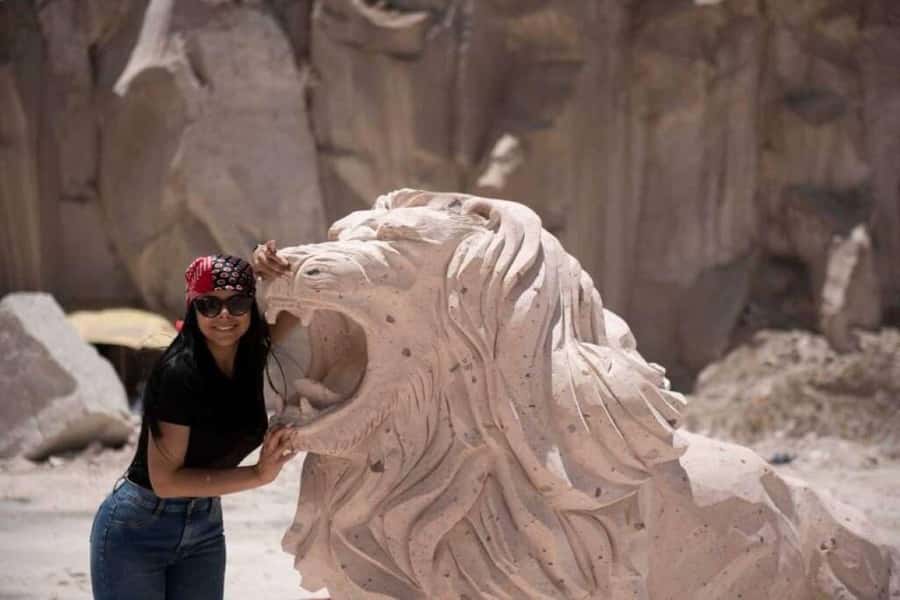
- Añashuayco’s Megacavado carving: a massive carving made by the stonemasons themselves.
- Mirador viewpoint timing: you’ll stop at a strategic spot for volcanoes and the Chilina Valley, with a backup viewpoint depending on the season.
- Culebrillas is a short canyon walk: about 20 minutes inside a narrow canyon with 15–20 meter walls.
- Wari petroglyphs and apachetas: you get both ancient markings and stone tribute piles before heading back.
A Four-Hour Hit of Arequipa Stone and Canyon Views
This is the kind of outing that makes sense for a first visit to Arequipa. You get sweeping scenery, a hands-on quarry experience, and a real nature walk—yet the whole thing stays short enough that you won’t feel wiped out the next day.
The big reason I like this format is the “juxtaposition.” You see how stone is cut and carved, then you walk through a canyon shaped by water, and then you end with stone cairns (apachetas) that have cultural meaning. Even if you’re not a geology nerd, the contrast helps everything click.
One more practical point: the tour includes transport and a professional guide, but the entrance ticket to the places costs 10 soles and isn’t included. Budget for that early so you don’t have a last-minute surprise.
You can also read our reviews of more hiking tours in Arequipa
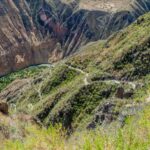
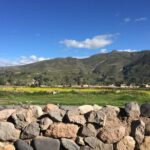
09:15 Start: Volcanoes and the Chilina Valley Viewpoint
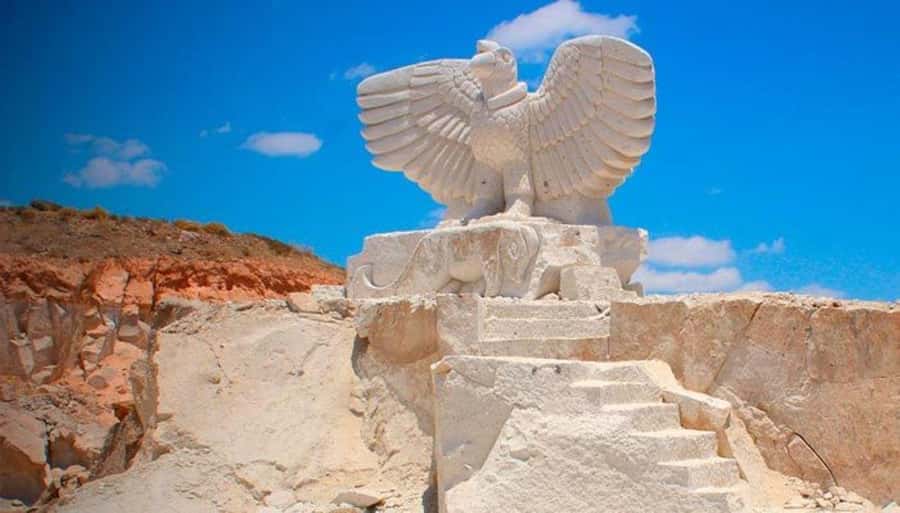
You kick things off at 09:15 with the drive out toward the Ruta del Sillar, a tourist route focused on history and living local culture. Before you even hit the quarry, there’s a strategic stop designed to get your bearings.
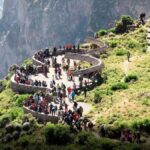
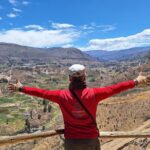
At this viewpoint, you can see volcanoes and the Chilina Valley. And depending on the time of year, the order of viewpoint stops may shift, including an alternate traditional spot for volcano views. That matters because light and visibility can change fast in the Andes—and the tour is trying to give you a solid look when conditions cooperate.
What to do with this stop:
- Treat it like your photo warm-up, but also listen when the guide frames the landscape. The rest of the day makes more sense afterward.
- Wear something that handles sun and wind. Even short stops can feel exposed.
Añashuayco Quarries: Where the Megacavado Gets Real
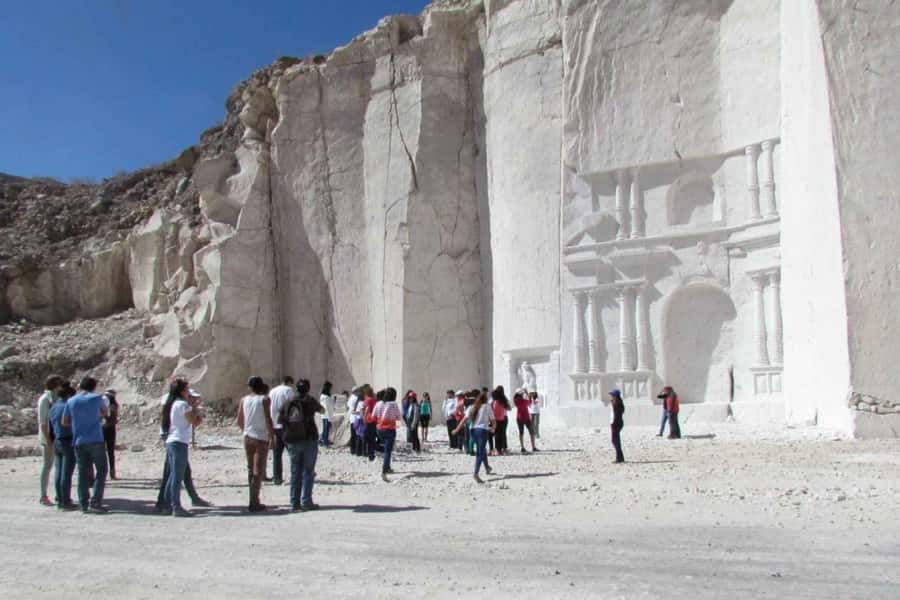
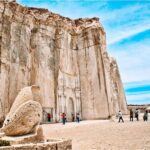
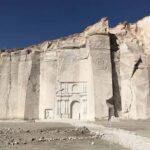
After roughly 45 minutes, you reach Añashuayco Quarry, and it’s currently in operation. That’s a major part of the value here: you’re watching a place where stonemasons work early, not just sightseeing around an empty site.
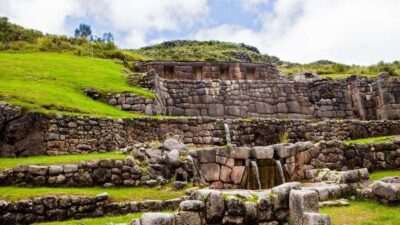
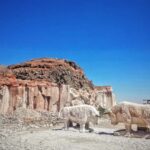
Inside the quarry, expect to see an immense canyon of cliffs—described as ignimbrite walls formed by extraction used to produce ashlar. The guide will talk through the history of ashlar production and how it has been used over time. Even without getting overly technical, you’ll start to understand why this material matters locally: it isn’t abstract. It’s cut here, shaped here, and tied to how people build and live.
The Mega carving (Megacavado)
One of the standout features is the Megacavado, a huge carving of the Church of the Company of Jesus made by the stonemasons themselves. It’s the kind of detail that’s easy to miss if you only glance from far away, so I’d recommend slowing down and taking in the scale.
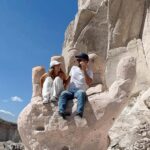
You can also visit one of the stonemasons for a look at daily work. The tour may include an experience where you can try cutting one of the stone blocks yourself—exactly how much time you get isn’t spelled out, but it’s clearly meant to be interactive, not just symbolic.
A small caution: because this is a working quarry, you’ll want to follow the guide’s cues and stay aware of where you step and how close you get to the work areas.
Quebrada de Culebrillas Walk: Water-Cut Walls and Wari Petroglyphs
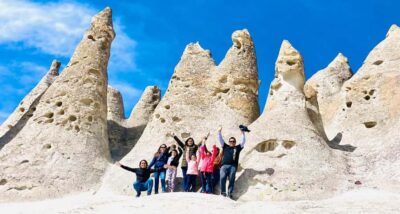
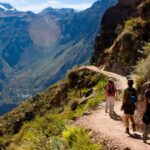
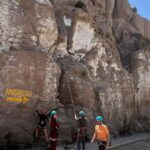
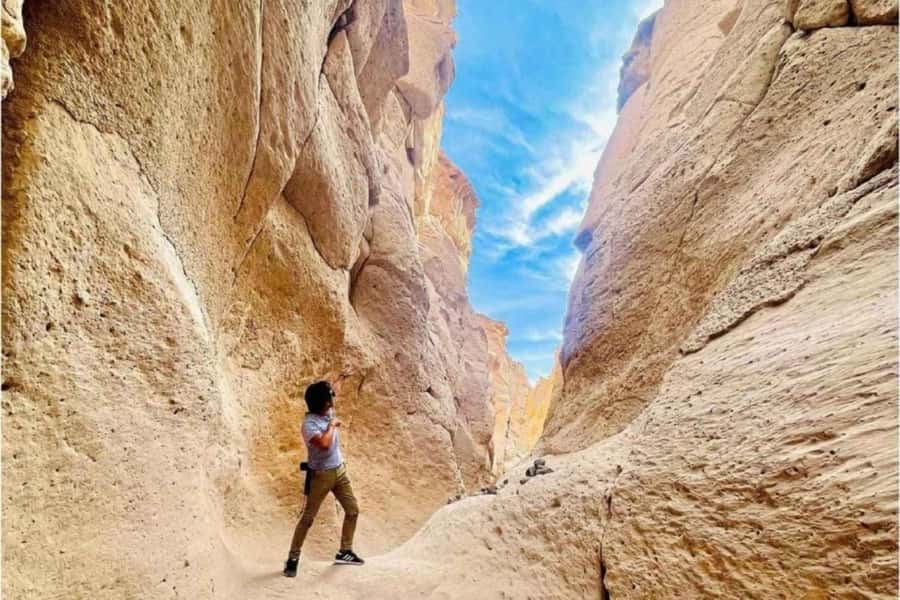
From Añashuayco, you travel about 30 minutes to Quebrada de Culebrillas. Then comes the part that most people mean when they expect hiking: a walk of around 20 minutes through the interior of a small canyon formed by the passage of water.
The canyon walls rise to about 15–20 meters. As you move in, the walls increase in height, which is why even a short walk feels like you’re entering a different world—cooler air, tighter space, and more echo than you’d get outdoors.
At the far end, you’ll see petroglyphs made by the Wari culture, said to be more than a thousand years old. This is where the day stops being only “scenic” and becomes truly memorable. You’re looking at ancient human markings in a place carved by natural forces, and the guide’s story helps connect the two.

How I’d manage expectations for the walk
This isn’t a long trek. The upside is that you still get the canyon atmosphere without committing a full day. The downside is that the experience can feel rushed if you’re aiming for slow, big-breathing hiking.
If you want to get the most out of those petroglyphs, plan to:
- Go at a steady pace rather than stopping every few steps for photos.
- Spend your attention where the guide points out the petroglyph area, not just where your camera finds a good angle.
Apachetas: Stone Piles That Feel Like a Quiet Ritual
Before heading back to Arequipa, you’ll observe apachetas, which are stone formations stacked one on top of another. The tour frames them as symbols of gratitude toward nature and as a tradition linked to good luck—an element that can add a “mystical” feeling to the route.
In practical terms, apachetas are also a reminder that you’re traveling through cultural space, not just a scenic corridor. Even if you don’t fully subscribe to the spiritual meaning, it’s still worth treating them with respect. Take a moment, don’t crowd people trying to do the same, and don’t assume it’s a prop.
Price and Tickets: Is $20 a Good Deal?
The tour costs $20 per person for 4 hours. That includes tourist transport and a professional guide—the two things that can make or break value on day trips from Arequipa.
Then there’s the one extra cost you should plan for: entrance tickets to the places cost 10 soles and are not included. If you like to budget tightly, add that up when you book so you don’t get thrown off at the end.
So is it worth it? For me, the value comes from combining:
- A working quarry stop (Añashuayco) with stonemason explanations and a possible hands-on activity.
- A canyon walk with Wari petroglyphs.
- Multiple scenic viewpoints in a compressed timeframe.
If what you want most is a long hike or a purely ancient/spiritual route, you might find the balance leans more “guided sightseeing with short nature time.” But if you want a strong first taste of Arequipa’s stone-and-canyon surroundings, it’s priced like a practical sampler.
The Guide and the Microphone: A Small Variable to Watch
One thing you should know before you go: the quality of commentary can vary depending on the guide’s presentation and how well the microphone carries.
In at least one account, the guide came across as nervous with a heavy accent, and the microphone made parts of the narration hard to understand. You can’t control that, but you can protect yourself:
- Keep your expectations flexible about how much you’ll catch word-for-word.
- Watch the guide’s gestures and what they point at. Visual cues matter a lot at quarries and at petroglyph areas.
- If you prefer clear listening, you might consider choosing departures earlier in the day when people are less rushed (and when the quarry activity is freshest).
Who This Tour Fits (and Who Might Want Something Else)
This excursion is a good match if you:
- Want a short day outing that still includes a real canyon walk.
- Like seeing how local materials are produced rather than only reading about it.
- Enjoy viewpoints and like photography, especially around Mirador-style stops and canyon interiors.
It may be less ideal if you:
- Want a longer, more serious hiking day.
- Expect the whole tour to feel like a quiet, fully off-the-beaten-path spiritual journey.
- Prefer deeper, uninterrupted historical context for every stop without any commercial/tourist structure.
Should You Book the Sillar Route with Hiking in Culebrillas?
I’d book it if your goal is a compact, high-impact intro to Arequipa’s surroundings: Sillar Route stops, Añashuayco quarry with the Megacavado, and the Culebrillas canyon walk with Wari petroglyphs. The time window is sensible, the stops are varied, and the included guide + transport reduce decision fatigue.
I’d skip (or look for a different option) if you’re specifically chasing a long hike or a mostly remote experience where you never share space with other visitors.
If you do book, plan for 10 soles entrance costs, wear grippy shoes for uneven quarry ground and canyon stairs/paths, and give yourself permission to enjoy both the scenery and the story—even if the “hike” is brief.
FAQ
How long is the excursion?
The tour lasts about 4 hours.
What time does the tour start and end?
It starts at 09:15 and arrives back in Arequipa at 13:30.
How much does the tour cost?
The price is $20 per person.
What’s included in the price?
It includes tourist transport and a professional guide.
What entrance fees are not included?
Entrance tickets to the places cost 10 soles and are not included.
What sights will I see during the tour?
You’ll observe Culebrillas Canyon, Mirador de los Volcanes, Andenerías, visit the Sillar Route and Añashuayco Quarries, and enjoy the Megacavado.
Is there a canyon walk, and how long is it?
Yes. At Quebrada de Culebrillas you take a walk of about 20 minutes through the interior of the small canyon.
Are the petroglyphs part of the walk?
Yes. At the end of the canyon walk you can see petroglyphs made by the Wari culture.
What languages are available for the guide?
The guide provides live commentary in English and Spanish.
Is the tour cancellable?
The activity offers free cancellation up to 24 hours in advance for a full refund.