REVIEW · CUSCO
2 Day – Inca Trail to Machu Picchu
Book on Viator →Operated by Inca Path Tour Operator · Bookable on Viator
Machu Picchu in two mornings is a smart plan. I like how this trip strings together the Short Inca Trail route (from Chachabamba and Wiñay Wayna to Inti Punku) with a quieter late-afternoon circuit the same day, then a full sunrise push the next morning. The best part is the people: guides such as Alfredo Cruz and Stiven picked up serious praise for making the hike feel guided, not just endured. One drawback to keep in mind is that the whole schedule is early, tight, and permit-based, so last-minute hiccups can happen when demand surges.
You’ll also get a small-group feel (up to 10 people), plus meals and key transport bundled in. But you should go in with moderate fitness and realistic expectations for a long uphill day, with extra pressure on day two’s bus lines and timing.
In This Review
- Key Things You’ll Notice on This 2-Day Inca Trail
- Why Do a Short Inca Trail in 2 Days?
- Day 1: Cusco to Km 104, Then Chachabamba and the Cloud Forest
- Lunch on the Move
- Day 1’s Big Turning Point: Urubamba Views and Inti Punku
- Day 1 Machu Picchu: Circuit 1-B Near Closing Time
- Day 2: Sunrise Mode at Machu Picchu (and Why 5:30 a.m. Matters)
- The Guided Walk on Circuit 3
- Transport, Meals, and the Real Value of a $699 Price Tag
- How Physically Demanding Is It?
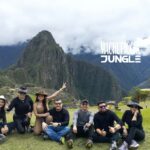
- Small Group Size: Up to 10 Travelers, Real Human Attention
- When This Tour Fits You Best
- Should You Book This 2-Day Inca Trail to Machu Picchu?
- FAQ
- FAQ
- What does the tour include in the price?
- How long is the experience?
- Where do we meet at the start?
- Where does the tour end?
- Is Machu Picchu visited twice?
- What time do we need to be up for Machu Picchu sunrise?
- Do I need my passport?
- How big is the group?
- Is a walking stick included?
- Is there a cancellation window?
Key Things You’ll Notice on This 2-Day Inca Trail
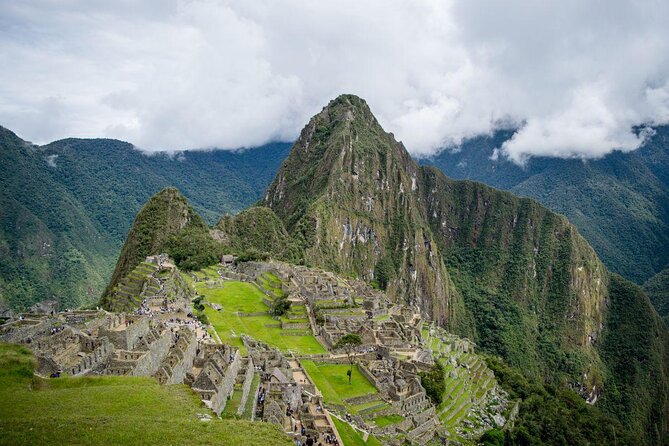
- Chachabamba to Wiñay Wayna: you pass through archaeological ruins and high-cloud forest before reaching the Sun Gate area
- Inti Punku (Sun Gate) photo moment: Machu Picchu shows up in afternoon light on day one
- Circuit 1-B near closing time: you get a calmer Machu Picchu experience and distinctive photo angles
- 5:30 a.m. Machu Picchu bus timing: you’re set up to reach the sunrise viewing area early
- English-Spanish guide plus a first-aid kit: you’re not just shuttled around, you’re guided
Why Do a Short Inca Trail in 2 Days?
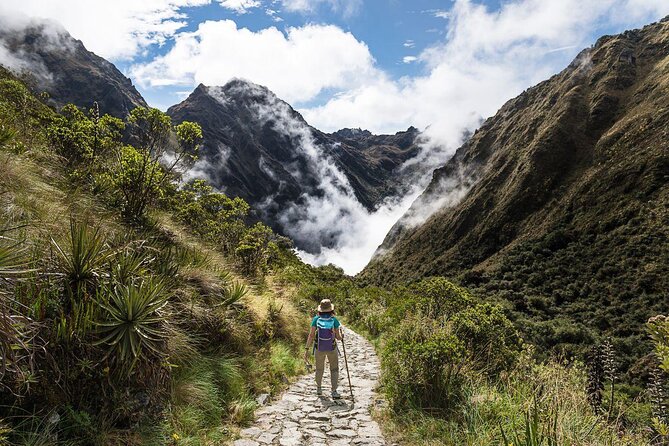
If you’re choosing between “harder but longer” and “still iconic but more doable,” this 2-day format is built for the second option. You’re not just hiking to say you did the Inca Trail. You’re moving through the same kind of terrain that makes the region feel special: cloud-forest greenery, Inca-era stonework, then viewpoints that let you grasp how the Incas used elevation and sightlines.
I also like the way the itinerary spreads your Machu Picchu time across both days. Day one gives you your first dramatic view, plus a late circuit (Circuit 1-B). Day two is the sunrise and the bigger guided walk (Circuit 3). That split matters because Machu Picchu’s energy changes by the hour, and your photos will too.
The other thing to know is that this is a full “transport + permits + timing” package. You’re dealing with train schedules from Cusco’s area, bus lines to Machu Picchu, and government-controlled entry rules for circuits. That’s not a flaw; it’s simply the reality of making Machu Picchu happen. If you dislike early mornings and tight timing, this may feel like a lot.
You can also read our reviews of more tours and experiences in Cusco
Day 1: Cusco to Km 104, Then Chachabamba and the Cloud Forest
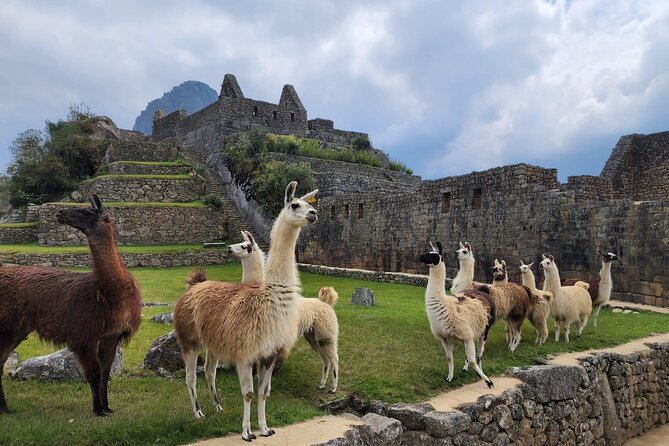
Day one starts with an early transfer from Cusco to Ollantaytambo, then a train ride to Km 104, the official starting point for this Short Inca Trail route. From there, there’s a control point before the hike begins at Chachabamba, where you explore archaeological remains as part of your guided trek.
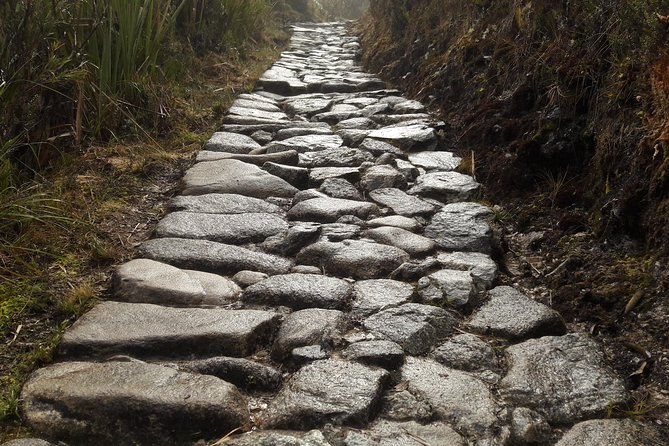
What I like here is that you’re not dropped into a trail with zero context. Chachabamba gives you something concrete to look at while your body warms up. It’s a good way to transition from the “city altitude and logistics” feeling to “stone paths and mountain air.”
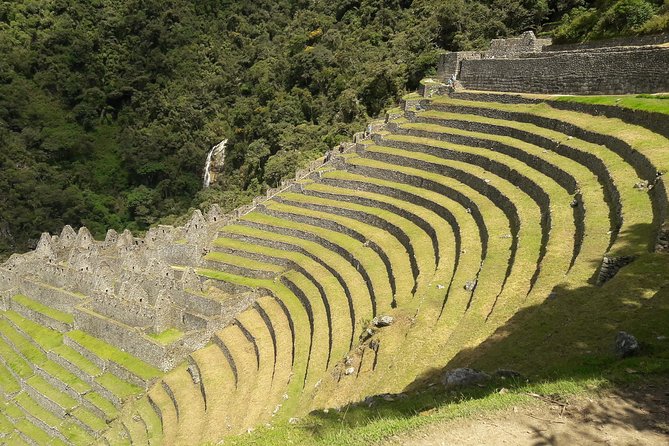
After that, the route turns into the lush stretch many people imagine when they picture the Inca Trail: high-cloud forest with plants you’ll recognize as well as things you won’t. Orchids and native plants are specifically mentioned, and that’s a reminder that this is as much a walk through ecosystems as it is a walk through ruins.
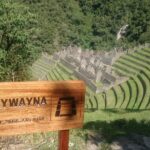
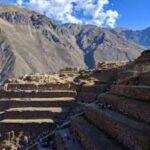
You’ll also reach Wiñay Wayna, which means Forever Young. It’s a name that sounds poetic, and on the ground it feels like you’re walking past places that were designed for long endurance—structurally and spiritually.
Lunch on the Move
Lunch is included, and it’s described as being surrounded by spectacular scenery. That’s not just marketing. Mid-trek meals tend to be the point where you either regain energy or realize you need better pacing. Included lunch also means you’re less reliant on finding food along the way.
One practical note: a negative experience report mentioned a dry hotel breakfast (not the trail lunch), so if breakfast quality matters to you, it’s worth mentally downgrading expectations once you reach Aguas Calientes.
Day 1’s Big Turning Point: Urubamba Views and Inti Punku
As you continue, you’re treated to panoramic views of the Urubamba River and the surrounding high-cloud forest. These stretches matter because they break up the physical strain. Instead of only hiking uphill in a single visual mood, you get moments where your eyes can travel.
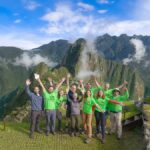
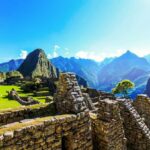
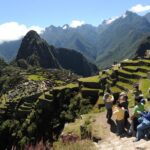
Then comes Inti Punku (Sun Gate), where you get your first unforgettable view of Machu Picchu in afternoon light. This is the moment that turns a trek into a story you’ll replay for years. Even if you’ve seen photos before, watching Machu Picchu appear from a doorway-like viewpoint hits differently when you’ve been walking toward it.
Day 1 Machu Picchu: Circuit 1-B Near Closing Time
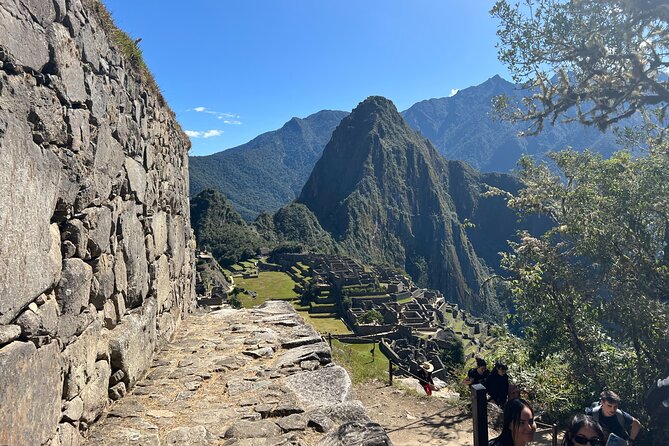
After your hike, you head to Machu Picchu via a 30-minute bus ride to Aguas Calientes, where you check in and then have dinner.
Then you still get Machu Picchu on day one, focusing on Circuit 1-B near closing time. This is a smart choice for two reasons:
- The timing can feel calmer, so you can slow down and take photos without the most frantic crowds.
- Circuit 1-B gives you a distinct angle on Machu Picchu compared with the next day’s Circuit 3.
This is also where the tour’s pacing shines. You’re not waiting an entire day after the trek just to start exploring. You transition into Machu Picchu mode while the experience still feels fresh.
If you’re sensitive to fatigue, note that day one combines trekking, viewpoints, and then a late visit. It’s doable, but it’s not a stroll.


Day 2: Sunrise Mode at Machu Picchu (and Why 5:30 a.m. Matters)
Day two begins early. Your team wakes you with your choice of hot drinks, then you pack your duffel bags and day packs, and enjoy breakfast.
Next is the bus run. You walk about 5 minutes to the station to get in line, aiming to be among the first. The first buses depart at 5:30 a.m. and arrive around 6:00 a.m. You’ll want your original passport for the checkpoint, so keep it secure and ready.
The guide takes you to an ideal spot to witness the sunrise and capture photos. This is one of the most praised parts of the experience across feedback: that sense of arriving early enough to catch Machu Picchu as the light changes.
The Guided Walk on Circuit 3
After sunrise, you enjoy a private walking tour of Machu Picchu lasting about two hours, with guided time noted around 2.5 hours, on Circuit 3. This is where your guide becomes the difference between seeing stones and understanding why those stones are there.
In the standout comments, guides such as Alfredo Cruz are praised not only for handling logistics, but for connecting the hike and ruins to Inca trails, history, and the Andes. That kind of framing helps you look at the site with intention instead of just speed.
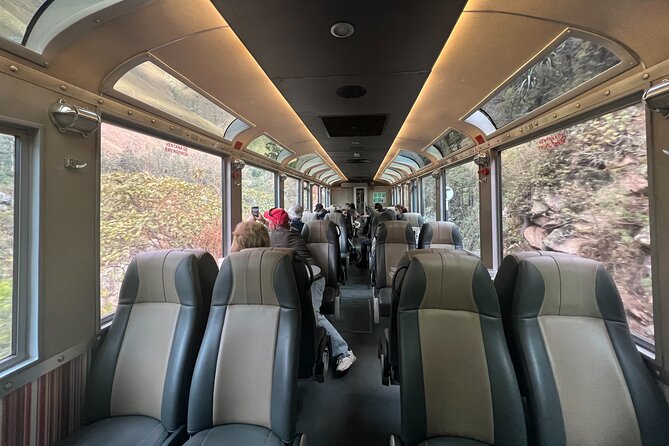
You’ll then return to Aguas Calientes and catch your train back to Ollantaytambo. The schedule includes a key timing rule: you need to catch your bus back to Aguas Calientes at least 2 hours before your train departure. This buffer is what keeps you from sprinting through Aguas Calientes with your stomach empty.
Lunch on day two after returning is not included, so plan on buying it or eating before you get too rushed.
Transport, Meals, and the Real Value of a $699 Price Tag
At $699 per person for a 2-day trip, you’re paying for more than hiking. You’re paying for:
- Inca Trail and Machu Picchu entrance
- Meals: breakfast, lunch, and dinner
- Professional guiding in English and Spanish
- Train from Km 104 and return to Ollantaytambo
- A combination of buses and transfers, including the CONSETTUR bus between Machu Picchu and Aguas Calientes
That bundle is the heart of the value. Machu Picchu tickets, train timing, and the bus logistics are hard enough to stitch together on your own. With permits and circuit-based entry, a guided, scheduled plan can save real time and stress.
Still, you should take the “value” claim with realism. Two negative reports in particular flagged permit availability and communication problems close to departure. That doesn’t mean the tour is always chaotic, but it does mean you should treat your reservation like something that must be confirmed and managed with care—especially if your travel dates are firm and your body can’t handle surprises.
If you want a smoother experience, come prepared for early mornings, be flexible if plans shift, and keep your documents handy.
How Physically Demanding Is It?
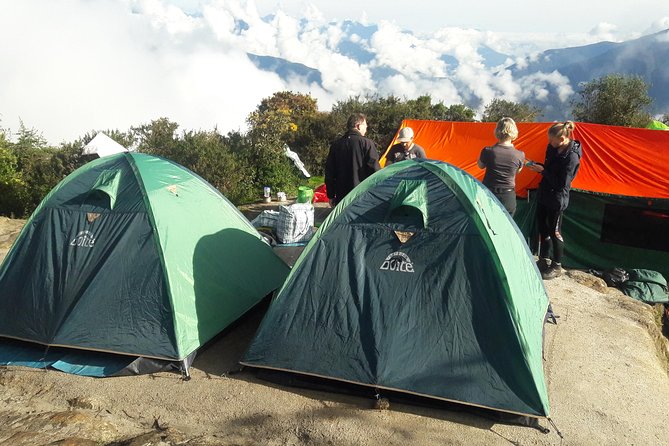
This tour is marked for moderate physical fitness. Day one includes a guided hike through cloud forest and several archaeological areas. One negative account mentioned a hike over six hours, which lines up with the idea that you’ll be walking a lot on day one, not just “touring slowly.”
On day two, the main challenge is less the walking distance and more the early timing: sunrise hours, then bus lines and checkpoints, then a guided circuit.
A practical tip: if you use one, a walking stick is optional and costs PEN 30.00 per person. That’s good to know if you don’t pack one already.
Also plan your energy around the fact that your day one ends with a bus transfer, dinner, and then sleep in a warmer climate than Cusco. One report mentioned noise issues in Aguas Calientes, so earplugs can be worth it.
Small Group Size: Up to 10 Travelers, Real Human Attention
The tour caps at 10 travelers, which usually means you’ll have more guide attention and less chaos at checkpoints. It’s also why the experience can feel personal when something goes off schedule.
You’ll see this reflected in positive comments: guides like Jhimmy are praised for knowledge and for turning milestones into something memorable (including a birthday dessert and song arrangement through a restaurant). Not every trip will have those moments, but small-group tours tend to make those surprises possible.
When This Tour Fits You Best
You’ll love this if you want:
- A two-day Inca Trail experience without committing to a longer multi-day trek
- Sunrise at Machu Picchu, not just a daytime ticket
- Guides who explain what you’re seeing, including Inca context and trail nature
It’s also a fit if you like having a plan that handles the heavy lifting: transfers, train seats, buses, entry, and meals.
This may be less ideal if:
- You hate early starts and rushed check points
- You’re planning around a health uncertainty (injury or illness can complicate trail and entry rules)
- You require absolute control over every detail, since permits and timing can still produce changes
Should You Book This 2-Day Inca Trail to Machu Picchu?
I’d book it if you want a classic Machu Picchu story told in two acts: trail day one, sunrise day two. The included meals, professional guiding (English-Spanish), and the split circuits make it feel like more than a simple transfer.
But I’d also go in with eyes open:
- Keep an eye on your documents. You’ll need your passport at the checkpoint.
- Be ready for early buses at 5:30 a.m. and a long day of walking on day one.
- If you’re travel-sensitive (health, strict timing), send your questions early and keep communication clear.
If you want to spend less time wrestling logistics and more time looking at stones, clouds, and mountain light, this itinerary is a strong match.
FAQ
FAQ
What does the tour include in the price?
The tour price includes breakfast, lunch, and dinner, a professional guide (English-Spanish), entrance to the Inca Trail and Machu Picchu, transfers by bus and train (Cusco to Ollantaytambo and back, plus CONSETTUR bus Machu Picchu/Aguas Calientes), and a first aid kit.
How long is the experience?
It’s listed as 2 days (approx.).
Where do we meet at the start?
The start meeting point is Plaza de Armas, Cusco (08000), Peru.
Where does the tour end?
The end meeting point is Plaza San Francisco (Pl. San Francisco, Cusco 08002), Cusco.
Is Machu Picchu visited twice?
Yes. Day one includes Machu Picchu Circuit 1-B near closing time, and day two includes Machu Picchu Circuit 3 after sunrise.
What time do we need to be up for Machu Picchu sunrise?
The first buses depart at 5:30 a.m. and arrive around 6:00 a.m., so you’ll be heading out early on day two.
Do I need my passport?
Yes. You should bring your original passport for the checkpoint on the way to Machu Picchu.
How big is the group?
The maximum group size is 10 travelers.
Is a walking stick included?
A walking stick is optional and not included. It costs PEN 30.00 per person.
Is there a cancellation window?
Yes. You can cancel up to 24 hours in advance for a full refund. If you cancel less than 24 hours before the experience starts, the amount paid isn’t refunded.