REVIEW · PUERTO MALDONADO
Tambopata Macaw Clay Lick 4 days/3 nights
Book on GetYourGuide →Operated by MonteAmazonico Lodge · Bookable on GetYourGuide
Macaws meet you before sunrise. This 4-day Tambopata trip pairs the Chuncho clay lick spectacle with big wildlife variety across Lake Sandoval and the surrounding reserve. I love how the schedule pushes you into prime animal hours, and I love that you get more than one type of jungle experience, from parrots to monkeys to nighttime critters.
One thing to consider: the day starts very early, and there’s also an extra Tambopata National Reserve entrance fee you should plan for. If you hate early mornings or long boat rides, this may feel like a lot.
You’ll move around the Madre de Dios area from lodge to lodge and river stretches, and the route is built for comfort with hotel pickup in the city and airport or bus transfers. The trip is run as a small group (limited to 10), with live guidance in English and Spanish.
In This Review
- Key things to love about this Tambopata Macaw Clay Lick trip
- Chuncho Clay Lick: Why the biggest bird scene starts so early
- Day 1: Transfers, Hacienda Tambopata, and an easy first rainforest step
- The lodge rhythm: food, comfort, and learning what you’re seeing
- Day 2: Dawn at the Chuncho clay lick, Monkey Island across the river, and caimans at night
- The macaw clay lick experience
- Back to Puerto Maldonado, then on to the lodge
- Monkey Island: three monkey types in one stop
- Caiman search after dark (flashlight required)
- Day 3: Lake Sandoval by rowing boat and the real odds for giant river otters
- Birds and primates you might see
- Giant river otters: almost 2 meters, endangered
- Night walks: insects, frogs, and learning to see with your ears
- Day 4: A 30-meter canopy walkway and a wide view over the Madre de Dios River
- Price and value at about $435: what’s included and what costs extra
- Who should book this Tambopata Macaw Clay Lick trip (and who should think twice)
- Should you book: the “best choice” checklist for your dates
- FAQ
- How long is the Tambopata Macaw Clay Lick tour?
- Where does the tour start?
- What animals are part of the clay lick experience?
- What time do you leave for the macaw clay lick?
- Do you visit Lake Sandoval?
- What should I bring for the caiman search?
- Is the Tambopata National Reserve entrance fee included?
- Is food included in the price?
- What languages are the guides?
- Is this tour suitable for children?
Key things to love about this Tambopata Macaw Clay Lick trip
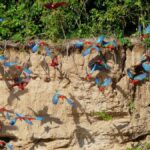
- Chuncho clay lick at dawn: hundreds of parrots and macaws gathered to feed on clay by the river wall
- Lake Sandoval wildlife mix: birds by rowing boat, plus real odds of giant river otters
- Monkey Island stop: brown capuchin, squirrel monkey, and saddle back tamarin across the river
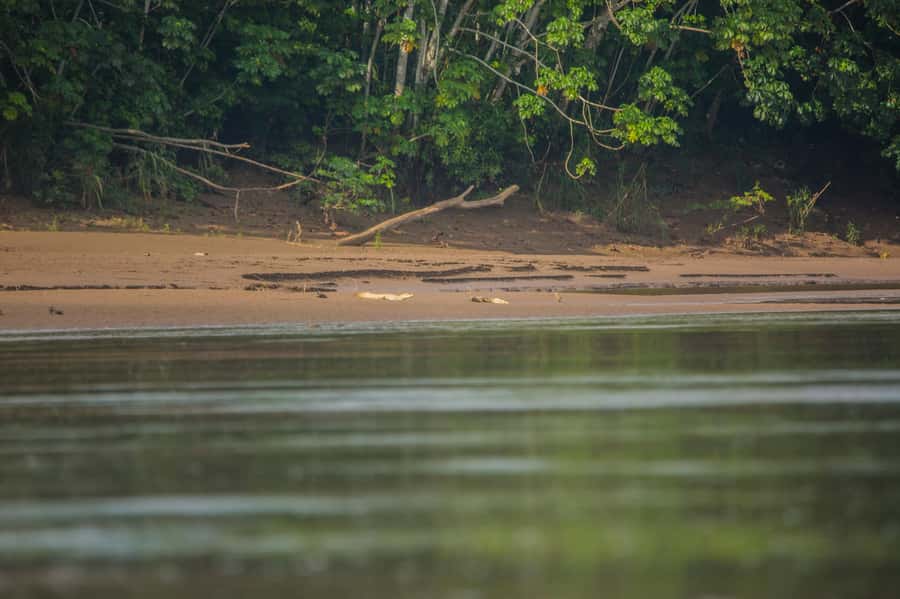
- Night caiman search: you look for white alligators on sand banks, using a flashlight
- 30-meter canopy walkway: toucans, macaws, tanagers, orioles, and a wide view over the Madre de Dios River
Chuncho Clay Lick: Why the biggest bird scene starts so early
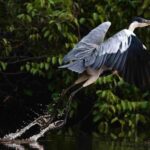
The star draw here is the world’s largest macaw clay lick, known as the CHUNCHO. Clay-lick feeding is one of those rainforest behaviors that’s both strange and deeply logical: birds come to the clay along the river wall, and you get to watch it happen up close as hundreds of parrots rotate through.
What makes it work as an experience is timing. You wake up at 4:30 and head out by boat early in the morning, so you’re there while animals are active and the jungle is still quiet. Yes, you’ll be tired. But that early departure is exactly what turns the clay lick into more than a photo stop.
The other reason I think this stop is worth your attention is variety. You’re not only hunting macaws. You’re watching a whole stream of birdlife—parrots and other species coming to eat clay, which means the viewing feels constant rather than a single moment.
You can also read our reviews of more tours and experiences in Puerto Maldonado
Day 1: Transfers, Hacienda Tambopata, and an easy first rainforest step
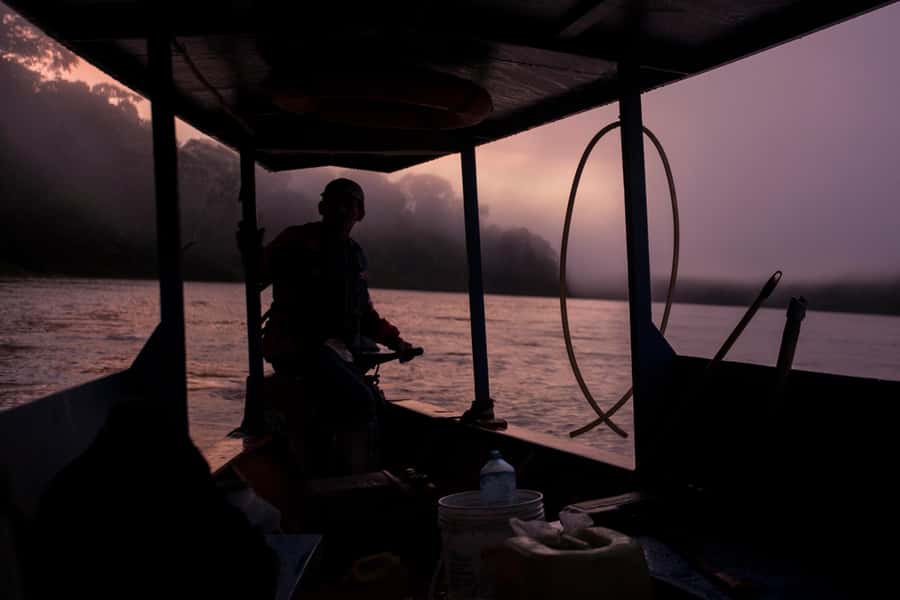
Your day begins with pickup from your starting point in the city, then you transfer to the office at Hacienda Tambopata. After that, you’ll ride in a 4X4 wheeled truck for about 2 hours to reach the Tambopata River banks. If the route is by river instead, the travel can take more than 6 hours, so you should mentally file this day under travel + settling in.
From the river banks, you take a boat to the lodge, arriving for welcome breakfast or lunch depending on arrival time. This matters because it helps you avoid the common jungle-travel trap: arriving hungry, rushed, and cranky before your first wildlife walk.
In the afternoon, you get an introductory walk into the rainforest. The goal here is not to cover huge distances—it’s to help you read the habitat. A good early walk sets you up for the next days, because later you’ll know where to look and what to listen for.
The lodge rhythm: food, comfort, and learning what you’re seeing
Food is included, and the schedule is designed around short active blocks followed by time to recover. You’ll have breaks for meals and transfers, which keeps the trip from turning into nonstop scrambling.
You also get guidance throughout, in English or Spanish. That’s a big value piece, because rainforest animal spotting is easier when someone connects the dots: why a bird is calling, why you’re near the river, and what to watch for on a specific trail.
A small detail I like in the plan is how the days shift between planned wildlife sites and general rainforest time. You’re not only chasing “attraction” locations; you’re also learning how jungle ecosystems behave in real life—birds move, monkeys react, and the river edges stay busy even when you’re not on a boat.
Day 2: Dawn at the Chuncho clay lick, Monkey Island across the river, and caimans at night
Day 2 is built around three different animal-search modes: birds at dawn, primates mid-day, and river hunters after dark.
The macaw clay lick experience
You wake at 4:30, then head out on a boat journey (listed as about 1:30). On arrival at the clay lick, you’ll see a major concentration of parrots feeding on clay adjacent to the river wall. This is your big morning show, and you’ll have time to watch as birds arrive and depart rather than just briefly pass through.
Back to Puerto Maldonado, then on to the lodge
After breakfast, the plan takes you back toward Puerto Maldonado. From the port, you’ll take a boat for about an hour until you reach the lodge again. The lodge welcome includes refreshing fruit juice from the region, which is a nice reset after the early morning.
Monkey Island: three monkey types in one stop
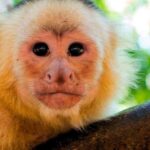
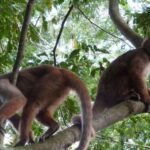
After lunch, you visit Monkey Island across the Madre de Dios River. You’re specifically looking for brown capuchin, squirrel monkey, and saddle back tamarin. This stop is valuable because it’s a different kind of viewing: instead of scanning for movement in dense forest, you get a focused “island habitat” perspective where you can often spot primates more easily.
One practical takeaway: Monkey Island is across the river, so bring patience. The monkeys aren’t there to pose. But if you watch for a few minutes at a time, the probability of spotting them improves.
Caiman search after dark (flashlight required)
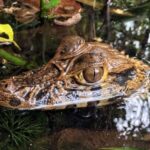
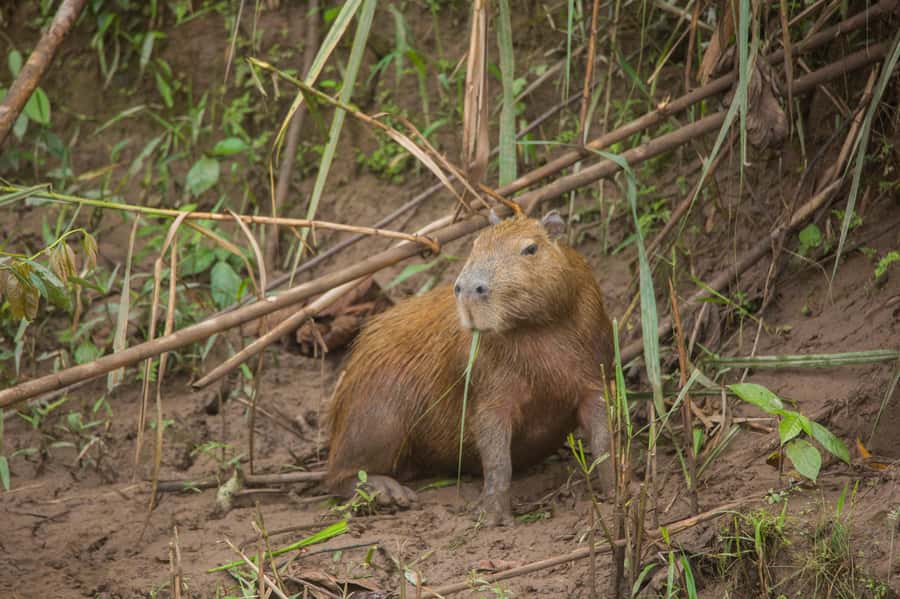
In the evening, you head out for caiman search. The plan notes that white alligators are typically found on sand banks in the Madre de Dios River, and you’ll need to bring a flashlight for the search. You might also see capybara.
This is one of those moments where the “wild” part of wildlife tourism really shows up. At night, you’re not controlling the sightings—you’re controlling effort: where you walk, what you scan for, and how carefully you follow the guide’s cues.
Day 3: Lake Sandoval by rowing boat and the real odds for giant river otters
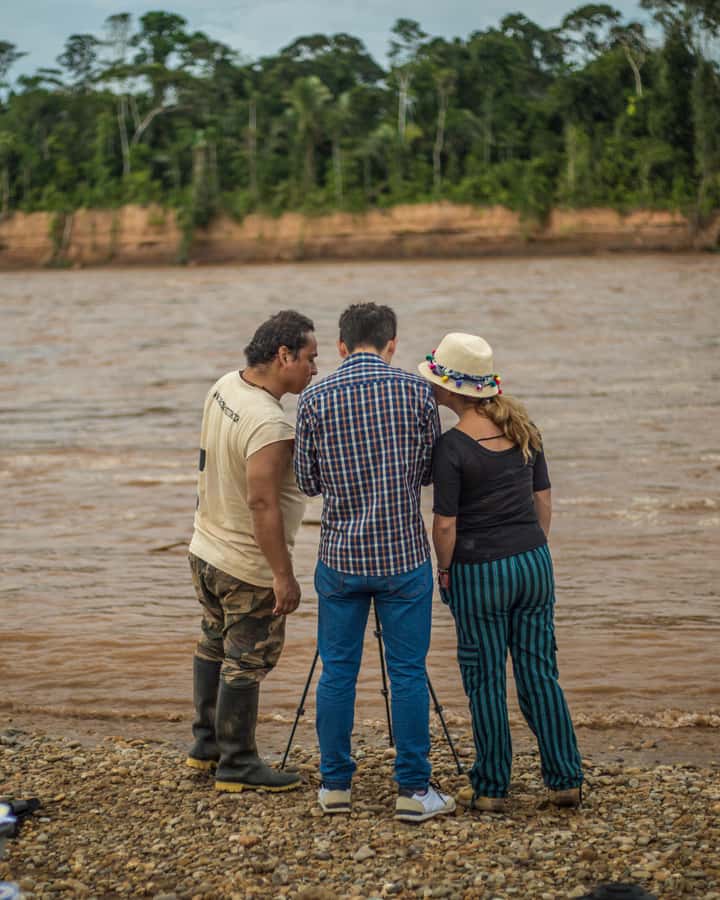
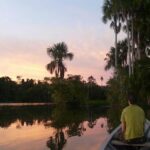
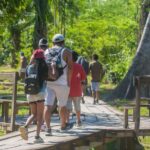
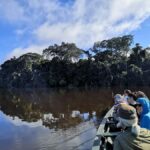
Day 3 starts with breakfast, then a 3 km walk through dense rainforest toward Lake Sandoval. From there, you get a boat ride by rowing boat, which usually feels quieter and slower than motor boat travel. That matters on wildlife days because it gives you time to notice small movements.
Lake Sandoval is described as a piranha habitat and one of the largest in the Tambopata National Reserve. That’s useful context: it’s a real ecosystem with food webs, not a “show pond.” When birds and mammals are feeding or moving, this kind of habitat can be active in noticeable ways.
Birds and primates you might see
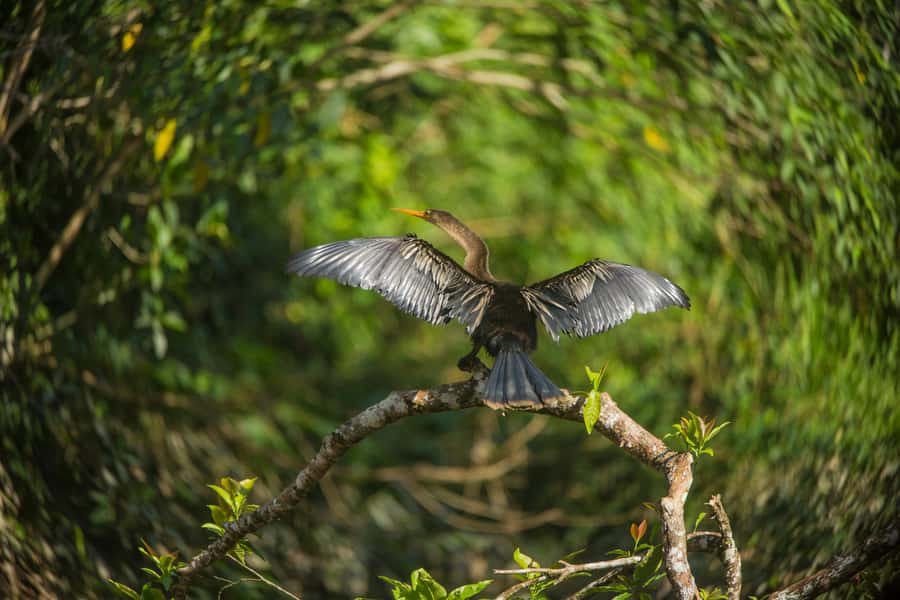
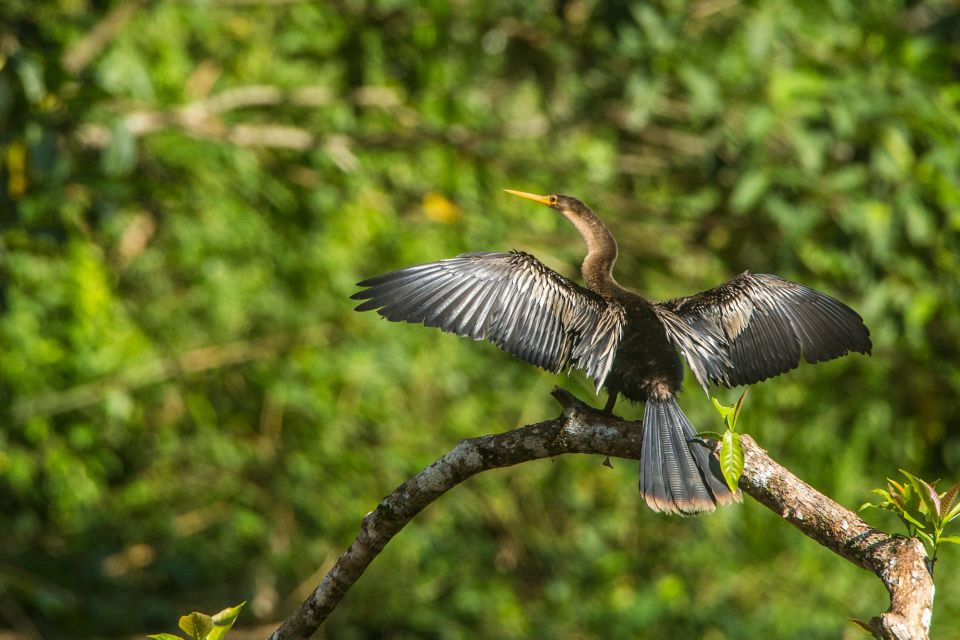
During the rowing boat portion, you’ll appreciate different species of birds and primates, including shansho cormorant jacanas, puma heron, buzzards, howler monkey, brown capuchin monkey, tamarins, and sloths. That list is a good sign for diversity: you’re not only looking for one animal group.
Giant river otters: almost 2 meters, endangered
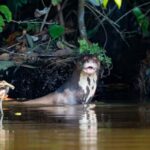
The plan also mentions the chance to meet a family of giant river otters, described as almost two meters long and in danger of extinction. That’s a big deal, but the realistic part matters too: since this is nature, you can’t schedule an otter sighting. Still, being in the right habitat with the right guide and time window increases your odds.
After the boat and walk, you return to the lodge for lunch. Then the evening shifts to a nocturnal walk, where you look for insects, amphibians, reptiles, and other night animals.
Night walks: insects, frogs, and learning to see with your ears
This trip doesn’t treat nighttime like downtime. You go out after dark, which is when rainforest life feels different. Instead of searching for the biggest animals, you’re scanning for movement, sound, and subtle changes in the air.
A nocturnal walk also helps you understand the rainforest as a whole, not just the daytime “birding” version. You’ll see different types of life than you did on the clay lick or the daylight trails, and it’s often the smaller creatures that surprise you most.
If you’re the type who gets impatient waiting for animals, nighttime tours can be a tough test. But if you slow down and treat it like a listening session, it becomes part of the fun.
Day 4: A 30-meter canopy walkway and a wide view over the Madre de Dios River
Your final day includes early time in the jungle and a walk to the canopy walkway. It’s about 30 meters high, which gives you a different angle on the same rainforest you’ve been walking through for days.
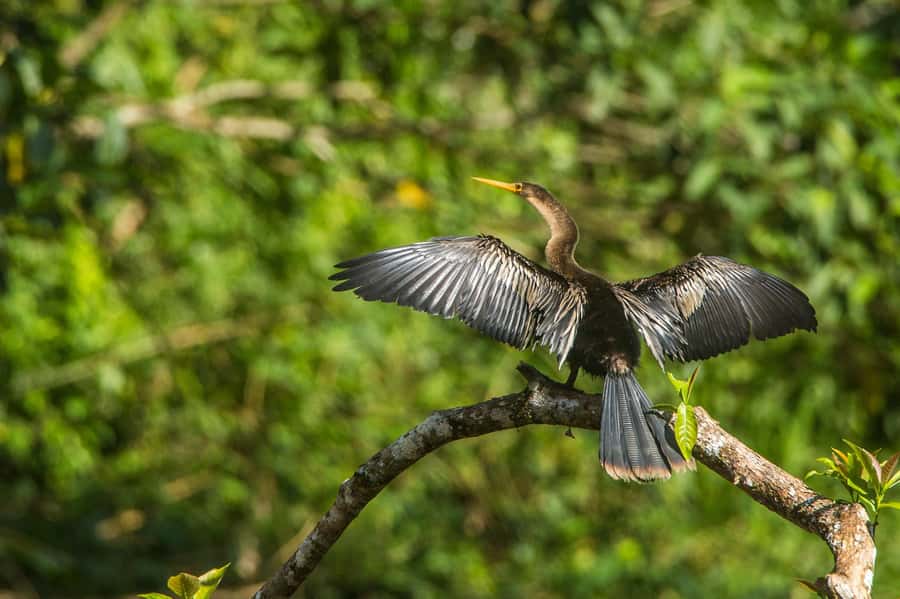
Platforms let you observe birds such as toucans, macaws, tanagers, and orioles. This is a smart finish because it turns the experience from “watching from the ground” into “watching from above.” Birds often move at different heights, and a canopy view can reveal activity you would miss below.
After breakfast, you return toward the city for airport transfer and/or bus station. The key feeling you should aim for on day four is calm. You’ve already done the hardest part: early mornings and long wildlife days. Now it’s about good light, good sightings, and a smooth return.
Price and value at about $435: what’s included and what costs extra
At $435 per person for 4 days / 3 nights, the value comes from how much is actually scheduled into the package: lodge lodging inside the program, multiple meals, boat and land transfers, and live guidance.
Included items you should care about:
- hotel pickup/drop-off inside the city, plus airport pickup/drop-off and bus pickup/drop-off
- hosting service and guidance
- food across the trip
What costs extra:
- Tambopata National Reserve entrance listed at US $30.00
- single room is not included
Here’s the practical way to judge the price. If you tried to stitch this together alone, you’d need to handle transport (land + long river segments), guide support, lodge logistics, and the timing that gets you to the clay lick at the right hour. This tour already packages those moving parts, which is exactly what you want in the rainforest, where delays are normal.
Who should book this Tambopata Macaw Clay Lick trip (and who should think twice)
This tour fits best if you:
- want the Chuncho clay lick experience without stress
- like animal variety, including birds, monkeys, and night creatures
- can handle early starts (4:30 wake-up is a real thing here)
- prefer a small group (limited to 10; you may end up with very small numbers)
Think twice if you:
- dislike waking early for wildlife viewing
- want lots of free time with no itinerary blocks
- have limited tolerance for travel time and long river stretches
Good to know: it’s listed as wheelchair accessible, and the tour runs with a live guide in English and Spanish. Still, rainforest schedules tend to involve stairs, uneven areas, and time outdoors, so it’s worth confirming what access looks like for your specific needs before you go.
Should you book: the “best choice” checklist for your dates
Book it if the clay lick is on your Peru bucket list, because the schedule is built around that dawn viewing. Book it if you want more than one wildlife setting: clay lick river wall, Monkey Island, Lake Sandoval rowing boat, plus a canopy view at 30 meters.
Skip it only if early mornings feel like a deal-breaker for you, or if you’re not comfortable adding the reserve entrance fee to your budget.
If you’re excited by real wildlife behavior rather than a fixed script, this is the kind of trip that rewards patience. And when you get a day where the jungle cooperates, it can feel like the whole ecosystem is putting on a show.
FAQ
How long is the Tambopata Macaw Clay Lick tour?
It runs for 4 days and 3 nights.
Where does the tour start?
It starts with airport or bus station pickup and transfers, with an additional hotel pickup and drop-off inside the city.
What animals are part of the clay lick experience?
At the CHUNCHO clay lick, you can observe hundreds of parrots feeding on clay adjacent to the river wall.
What time do you leave for the macaw clay lick?
You wake at 4:30 and leave early for the clay lick.
Do you visit Lake Sandoval?
Yes. You walk toward Lake Sandoval and then take a rowing boat ride where you can look for birds, primates, and possibly giant river otters.
What should I bring for the caiman search?
You need to bring a flashlight for the evening caiman search.
Is the Tambopata National Reserve entrance fee included?
No. Entrance to the Tambopata National Reserve is listed as US $30.00 and is not included.
Is food included in the price?
Yes. Food is included in the tour.
What languages are the guides?
The live tour guide works in English and Spanish.
Is this tour suitable for children?
It is not suitable for children under 3 years and babies under 1 year.