REVIEW · CUSCO
Cusco: 4-Day Lares Trek to Machu Picchu with Panoramic Train
Book on GetYourGuide →Operated by TreXperience · Bookable on GetYourGuide
Hot springs, salt mines, and Machu Picchu.
This 4-day trek stitches together a real mix of Peru: mountain Lares Hot Springs, Andean weaving stops with women-run cooperatives, and big-day Machu Picchu sunrise viewing. I like that it feels purposeful, not just sightseeing, and I also like the added payoff of the panoramic Vistadome train ride back through the Sacred Valley.
One thing to take seriously: the altitude and the cold nights. You’ll sleep at high camps and hit Condor Pass around 4,750 m, so you want to be in decent shape and bring the right warm layers.
In This Review
- Key highlights at a glance
- Lares-to-Machu Picchu: why this route feels special
- Day 1: Cusco area markets, Ancashmarca, and the Blue Lagoon at 3,900 m
- Day 2: Condor Pass at 4,750 m, offering ceremony, and Canchacancha village life
- Day 3: A downhill Sacred Valley hike, Maras salt mines, and Ollantaytambo
- Day 4: Sunrise Machu Picchu walk and the Vistadome panoramic return
- Price and value: what you’re really paying for
- Guides, chefs, and group energy: the human side of the trek
- Packing for real comfort: warm nights, rain, and altitude sanity
- Who should book this trek (and who should skip it)
- Should you book Lares Trek to Machu Picchu with Panoramic Train?
- FAQ
- How long is the trek, and how many days are you on the move?
- How many nights include camping?
- What’s the highest point on the trek?
- What food is included during the trek?
- Are Machu Picchu, Maras Salt Mines, and Lares Hot Springs entrance fees included?
- Is Huayna Picchu or Machu Picchu Mountain included?
- Do I need to bring a sleeping bag or trekking poles?
- What train do you take after Machu Picchu?
- Is this tour refundable if plans change?
Key highlights at a glance
- Lares Hot Springs with mountain views after day one climbing
- Condor Pass viewpoints, plus a traditional offering ceremony
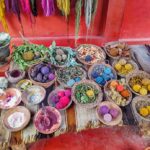
- Women-run weaving cooperatives and hands-on textile learning
- Maras Salt Mines and the working salt-harvesting scene
- Ollantaytambo, one of the last living Inca towns
- Vistadome panoramic train for a scenic return leg after Machu Picchu
Lares-to-Machu Picchu: why this route feels special
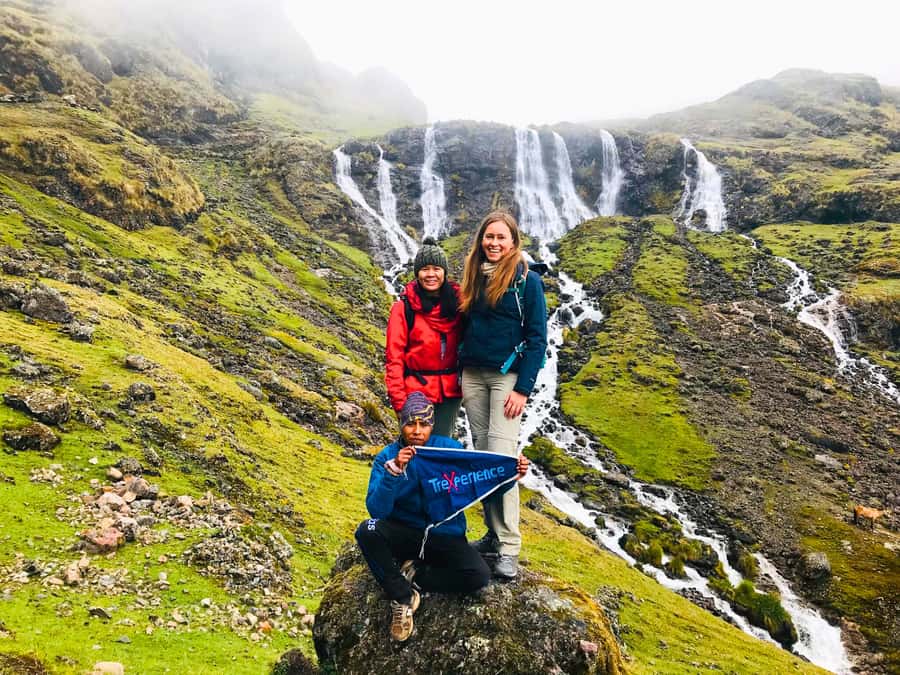
If you picture a classic Inca-style trek, you might expect crowds at every turn. This route gives you a different rhythm: smaller human moments spread across the days, paired with the jaw-drop payoff of Machu Picchu at sunrise.
On top of that, the itinerary is built like a story arc. You start with markets and ancient ruins, then you move into high plateau trekking and hot spring recovery. After that, you swap walking time for valley and town time, ending with Machu Picchu and a panoramic train ride that turns the return into part of the experience.
You can also read our reviews of more hiking tours in Cusco

Day 1: Cusco area markets, Ancashmarca, and the Blue Lagoon at 3,900 m
Day one starts early, with pickup from your Cusco lodging or the Sacred Valley. You’ll go through Calca’s main market area and stop at the ancient Inca site of Ancashmarca, which helps you get oriented before the mountains fully take over.
Then the day pushes you to a high plateau to spot rare Puyas de Raimondi. These plants only show up in specific altitude zones, and it’s a good reminder that you’re not just hiking through scenery—you’re moving through a living altitude ecosystem.
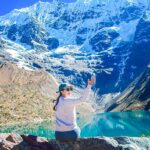
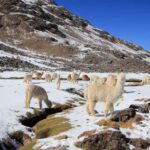
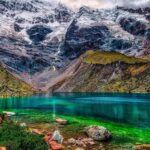
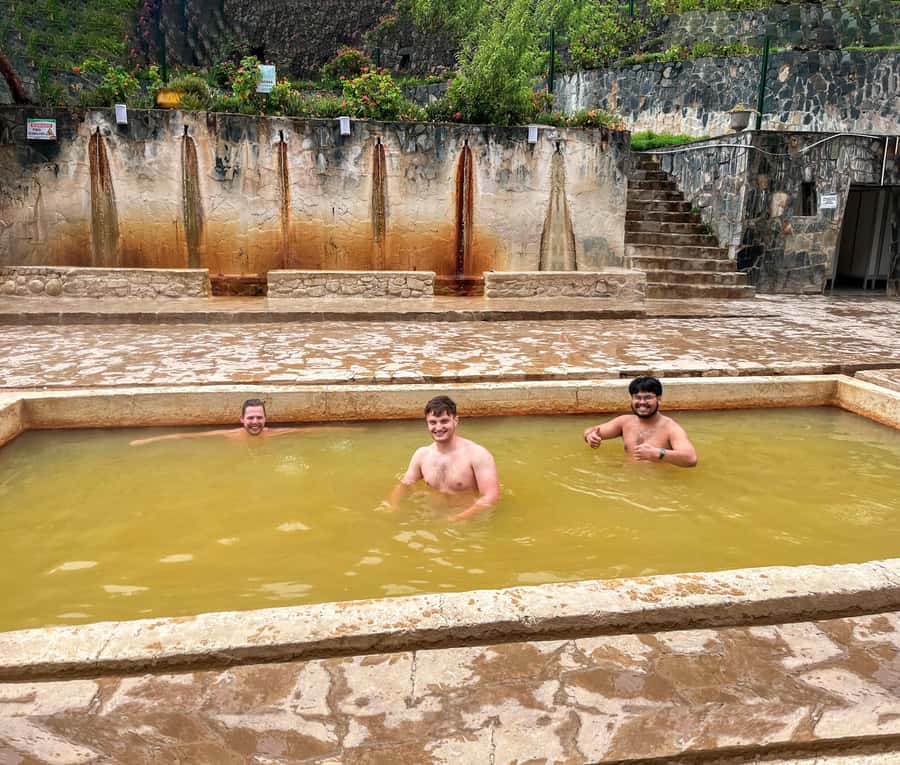
After that comes the payoff: Lares Hot Springs and the Blue Lagoon campsite. You’ll hike through alpaca-dotted valleys and potato fields, stop for lunch in Kiswarani, and finish at the Blue Lagoon area at about 3,900 m where dinner and stargazing are part of the evening plan. Hot water plus cold air plus thin-night sky is a combo you’ll remember.
Practical note: this is a camping night. Even if you feel fine during the day, temperatures can drop fast at altitude, so pack warm layers you can actually sleep in.
Day 2: Condor Pass at 4,750 m, offering ceremony, and Canchacancha village life
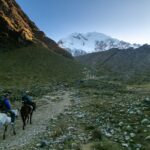
You wake up at camp with coca tea or coffee, then breakfast is served before the main climb. This day is all about steady effort: valleys, lakes, and Andean wildlife, then a gradual push up toward the high point.
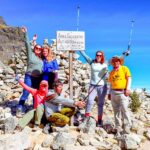
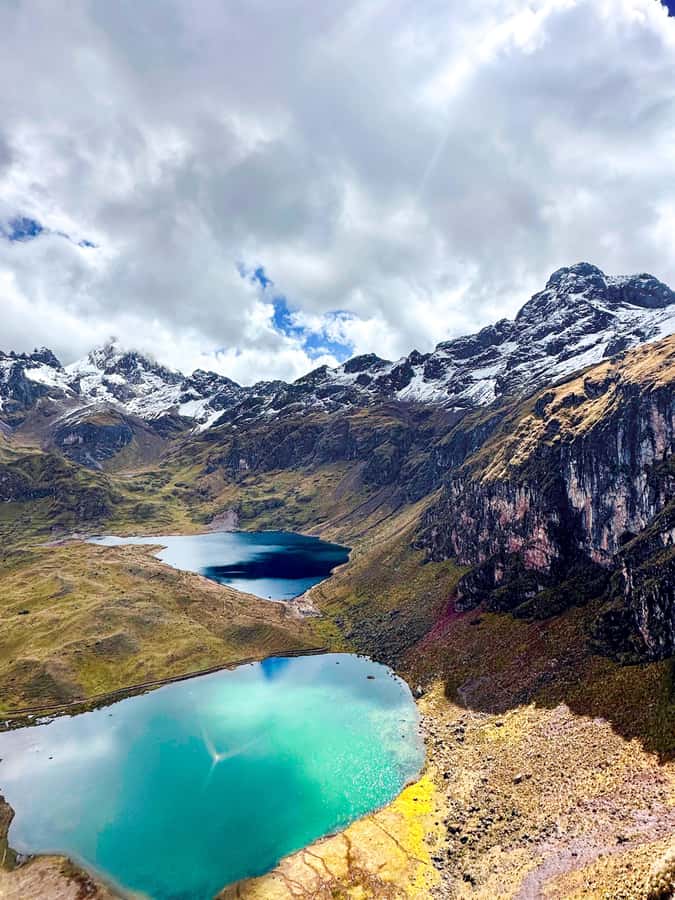
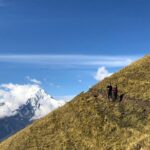
At Condor Pass (around 4,750 m), you get sweeping views of snowy peaks and turquoise lagoons. It’s one of those spots where your eyes want to keep moving because the terrain changes so much with every direction you turn.
One of my favorite parts of this day is the tradition included at the pass: a traditional offering ceremony. Even if you’ve seen photos of Andean rituals, being there in the thin air makes it feel grounded and real. It’s also a reminder that this trek isn’t only about photos. It’s about learning the place while you’re in it.
After the pass, you descend through scenic valleys where llamas and alpacas show up again, then stop for hot lunch in Acopata. You finish at Canchacancha village around 3,750 m, where you meet local families and learn a few Quechua phrases.
If your group includes people who like cultural exchange, this is the day you’ll appreciate most. There’s also a chance to donate supplies at the village school, so if you want to do that responsibly, ask your guide what’s actually useful before you carry anything extra.
Day 3: A downhill Sacred Valley hike, Maras salt mines, and Ollantaytambo
Day three eases the schedule compared to a full uphill trek, but it still feels like a full day. You start with breakfast and mountain views, then you spend time around Canchacancha—visiting homes and the school.
Then comes a dramatic switch: a downhill trek into the Sacred Valley. Expect about four hours on foot as you move from potato fields to corn and avocado crops. That change in crops is more than a nice visual. It tracks how quickly climate and farming shift as the valley drops in elevation.
You reach Huaran at about 2,700 m for a picnic lunch, then you say goodbye to your muleteers and chef. That moment matters if you’re the type who likes to understand how trekking logistics really work—these teams move your gear, help keep your food on track, and make your day feel possible.
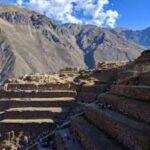
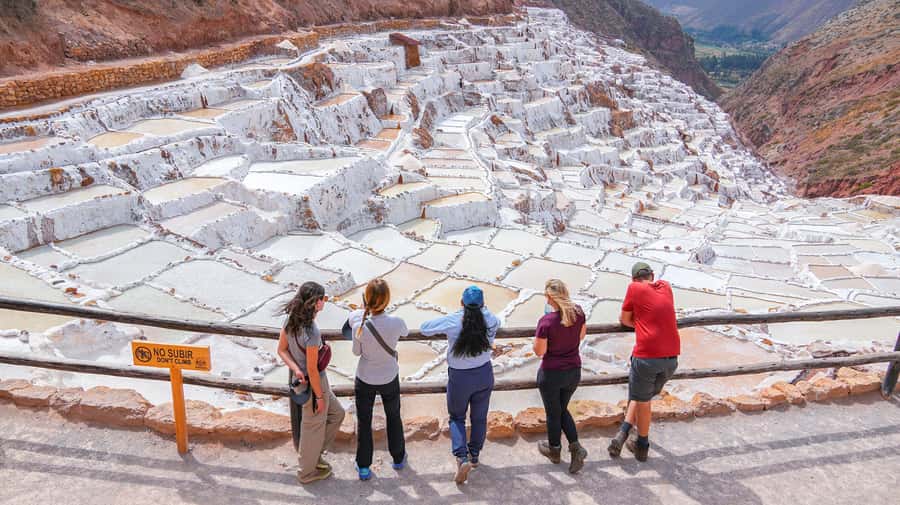
From there you travel by private van to Salineras de Maras, where traditional salt harvesting is still practiced. It’s a landscape you can understand even if you’re not from the region: long terraces, water channels, and the visible logic of the salt process.
After Maras, you head to Ollantaytambo, often described as a last living Inca town. You’ll have time to explore before dining and boarding the train to Aguas Calientes for your hotel night (listed as a comfortable 3-star hotel).
Day 4: Sunrise Machu Picchu walk and the Vistadome panoramic return
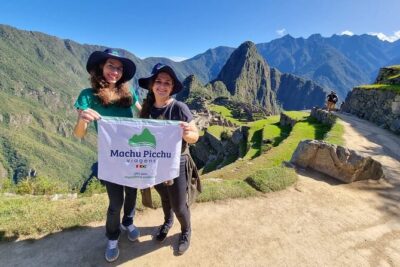
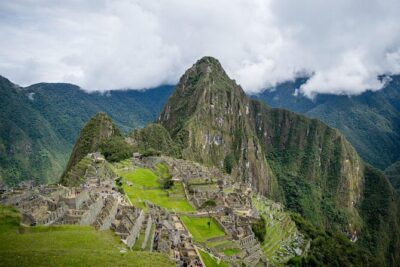
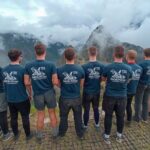
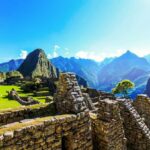
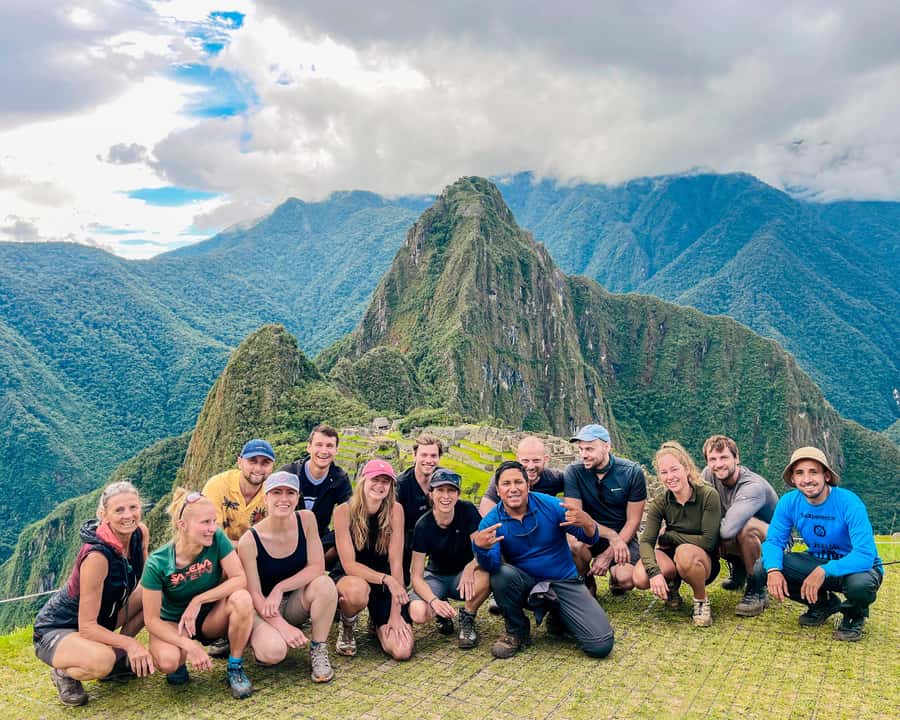
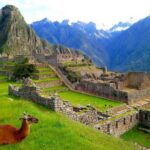
Most Machu Picchu trips feel rushed. This one is built to catch the citadel as the day starts, with an early breakfast and a bus ride that aims for sunrise. When the light hits first, the stones look different—less postcard flat, more dramatic and dimensional.
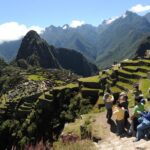
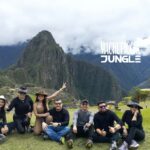
At Machu Picchu, you’ll visit iconic viewpoints for panoramic photos, then join your guide for a 2 to 3 hour walking tour. This portion focuses on the engineering and how the site functioned, plus what daily life looked like around the citadel.
One small but useful detail: you return to Aguas Calientes for lunch and leisure time before you board the Vistadome train. If you care about keeping the day from turning into pure sprinting, this train helps. The scenic ride back to Ollantaytambo is part comfort, part sightseeing.
After the train, you transfer privately back to Cusco, arriving by evening.
You can also read our reviews of more tours and experiences in Cusco


Price and value: what you’re really paying for
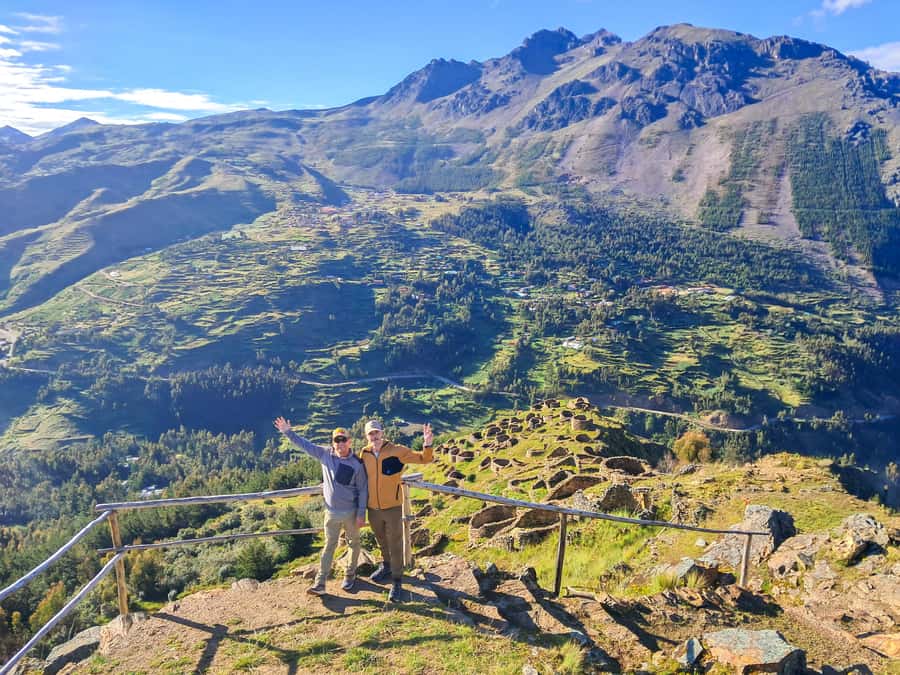
At $690 per person for four days, the price is not just for Machu Picchu. You’re paying for a full, guided package that includes multiple entrance fees, guided trekking leadership, meals, transport between zones, and two nights of scenic camping plus one night in a 3-star hotel.
Here’s what you should think about when judging value:
- All major entries included: Machu Picchu, Maras salt mines, and Lares hot springs.
- Food coverage for the trek days: 4 breakfasts, 3 lunches, and 3 dinners are included.
- Your camping gear support: horses and muleteers move equipment, and your personal duffle bag (up to 7 kg) is carried for camping gear.
- The Machu Picchu morning plan: early bus timing to reach the citadel around sunrise.
- A higher-visibility train return: the panoramic Vistadome ride back through the valley.
What you should watch for is that some comfort items are not included. A sleeping bag, trekking poles, and an air mattress are not part of the package. If you run cold easily, plan to rent the sleeping bag and pack warm sleep layers anyway.
Guides, chefs, and group energy: the human side of the trek
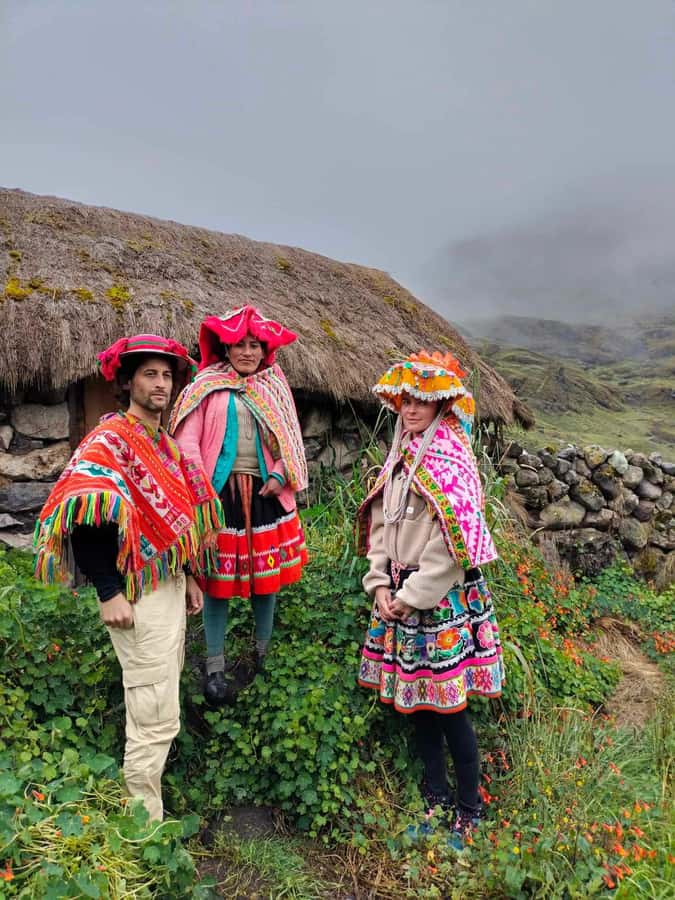
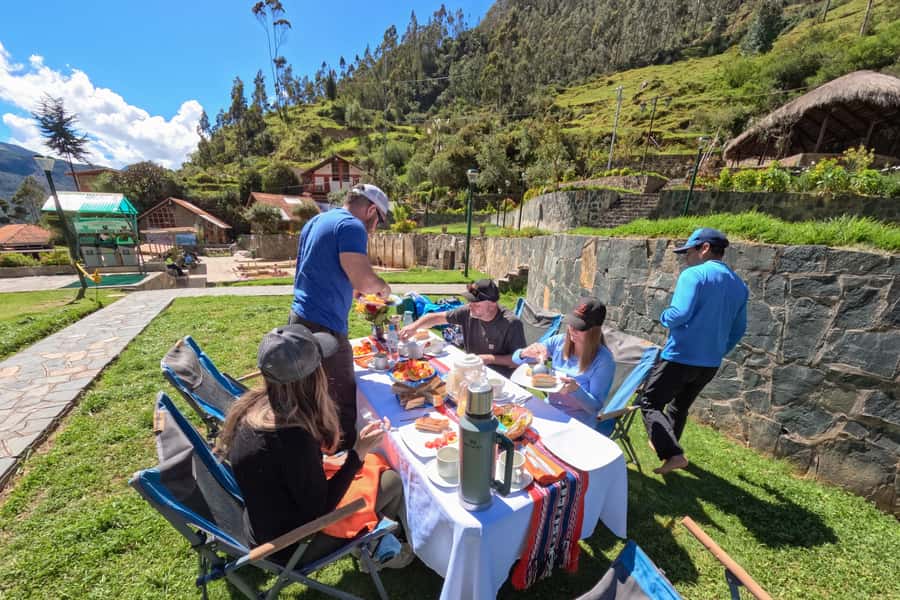
The experience lives or dies by pacing and care, not just the map. In this program, you’re with a certified professional guide, and the trekking chefs handle the food setup for the days you’re camping.
Two guide names have come up repeatedly in recent bookings: Manolo and Filio. Both are noted for keeping things organized and matching the group’s pace so you don’t feel like you’re being dragged uphill.
Food also matters on a trek. One booking highlighted that vegan needs were handled well by the chefs, which lines up with the booking advice to share special dietary requirements ahead of time. If you have allergies or a strict diet, write it clearly during booking, not the day you arrive.
Group size can vary. One recent experience even noted they were the only guests with Filio, which is proof that your trip might feel more intimate than you expect. Still, assume you’re joining a small expedition where teamwork and steady movement matter.
Packing for real comfort: warm nights, rain, and altitude sanity
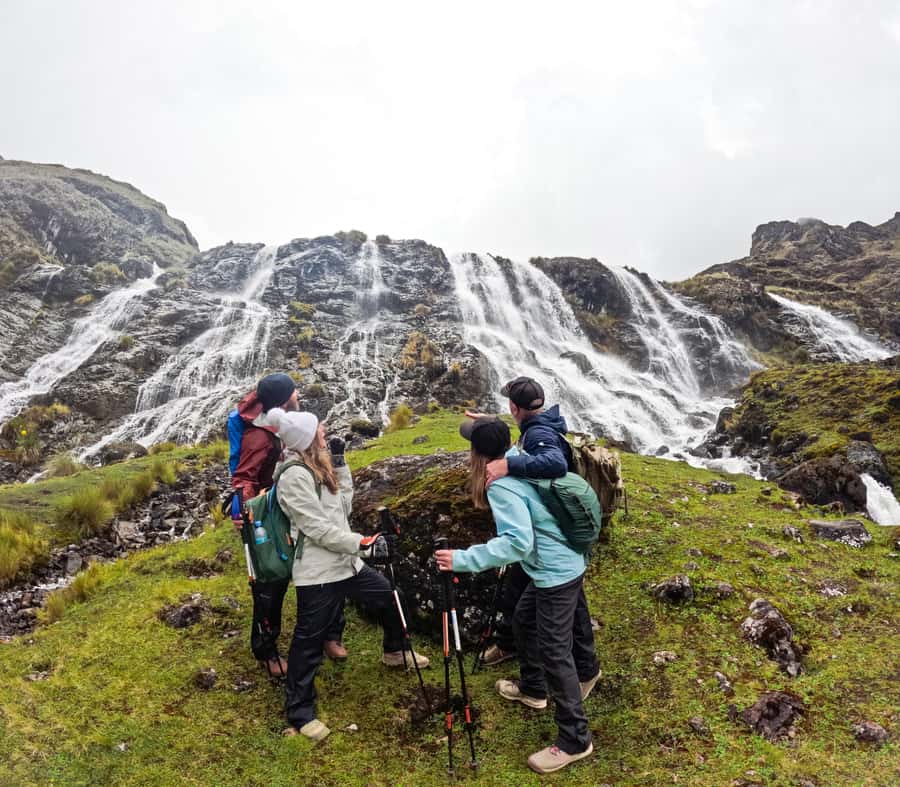
This trip is not just about what you wear walking. It’s about surviving the temperature swings between trekking hours and camp life.
You’ll want:
- Warm clothes for evenings (sleep will be cold at high altitude)
- Hiking shoes with solid grip
- Rain gear, since weather can change fast
- Sunscreen and sunglasses for the high sun
- Insect repellent
- A sun hat and comfortable layering options
Bring your passport. You also must provide passport details at booking, so don’t wait until the last minute.
Also plan for sun and altitude dehydration. Even if you’re used to hiking at home, you may feel breathless or slower here, especially around the highest pass. The route difficulty is described as approachable, but cold nights and thinner air can reduce what you think you can handle. If you’re not sure you’re up to it, this is the kind of trek where you should be honest with yourself early.
One more practical tip: you only carry what you need for the day, because your duffle bag is transported by muleteers for camping gear. Use a daypack for layers, water, and anything you want within reach.
Who should book this trek (and who should skip it)
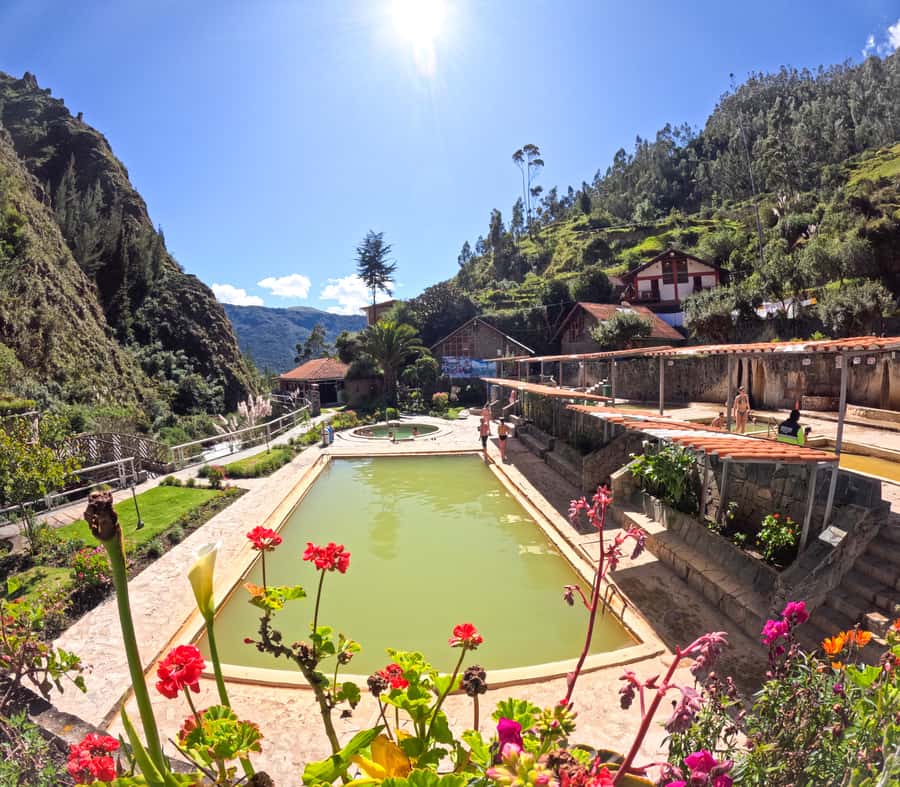
This is a great fit if you want an active, guided route that connects culture, nature, and history without turning the whole thing into a train-and-bus checklist. It’s especially good if you like:
- meeting local communities and learning something hands-on (weaving cooperatives, Quechua phrases)
- soaking up “recovery moments” like hot springs
- sunrise Machu Picchu with a guide-led walking tour
- the comfort bonus of Vistadome after days on foot
It’s not suitable for pregnant women, people with back problems, people with mobility impairments, people with heart problems, or wheelchair users. If any of those apply, don’t try to push through. Pick a different Peru plan that matches your body and energy.
Should you book Lares Trek to Machu Picchu with Panoramic Train?
Book it if you want a guided trek that balances effort with recovery: hot springs after hiking, a cultural stop that isn’t token, and Machu Picchu at sunrise plus a scenic train ride home. The inclusions make it feel like a well-built package, not a puzzle you have to assemble yourself.
Skip it if you’re looking for a relaxed stroll with no altitude challenges. The highest point and cold camp nights mean you need to be prepared to work for the views. Also, if you’re missing key cold-weather gear, budget time to rent what you need or pack properly.
If you’re a strong hiker with a realistic attitude about altitude, this is the kind of trip that turns into a story you can retell for years: warm water at 3,900 m, a high pass at 4,750 m, salt terraces at Maras, and then sunrise Machu Picchu.
FAQ
How long is the trek, and how many days are you on the move?
The experience runs for 4 days.
How many nights include camping?
You get 2 nights of scenic camping and 1 night in a comfortable 3-star hotel.
What’s the highest point on the trek?
Condor Pass is reached at about 4,750 m.
What food is included during the trek?
The package includes 4 breakfasts, 3 lunches, and 3 dinners. Lunch on the final day in Aguas Calientes is not included.
Are Machu Picchu, Maras Salt Mines, and Lares Hot Springs entrance fees included?
Yes. Entrance fees to Machu Picchu, Maras Salt Mines, and Lares Hot Springs are included.
Is Huayna Picchu or Machu Picchu Mountain included?
No. Access to Huayna Picchu or Machu Picchu Mountain is an optional add-on.
Do I need to bring a sleeping bag or trekking poles?
A sleeping bag, air mattress, and trekking poles are not included. You can rent sleeping gear and trekking poles upon request.
What train do you take after Machu Picchu?
You ride the Vistadome panoramic train as a return option from Aguas Calientes to Ollantaytambo.
Is this tour refundable if plans change?
The activity is non-refundable.