REVIEW · LIMA
Machu Picchu, Cusco & Lima 7-Day Tour
Book on Viator →Operated by Viagens Machu Picchu · Bookable on Viator
Machu Picchu is the big finish here. This 7-day Peru plan strings together Lima, Cusco, the Sacred Valley, and Machu Picchu with guided stops and key tickets handled for you. I like that the pace is structured without feeling like you’re just rushing, and I like the practical logistics that keep flights, transfers, and entrance fees from turning into a part-time job.
The main consideration is the pace plus altitude. You’ll be moving through Cusco fast, and Machu Picchu also depends on good weather, so it helps to stay flexible.
In This Review
- Key highlights at a glance
- Landing in Lima: airport pickup and a simple start
- Lima’s old center to Miraflores coast views
- Cusco arrival: coca tea and getting your bearings fast
- Qorikancha, Cusco Cathedral, and the day’s Inca-meets-colonial story
- Sacsayhuaman to Tambomachay: the Cusco fortress circuit
- Sacred Valley essentials: alpacas, Pisac artisans, and Ollantaytambo
- Aguas Calientes: one night that makes Machu Picchu possible
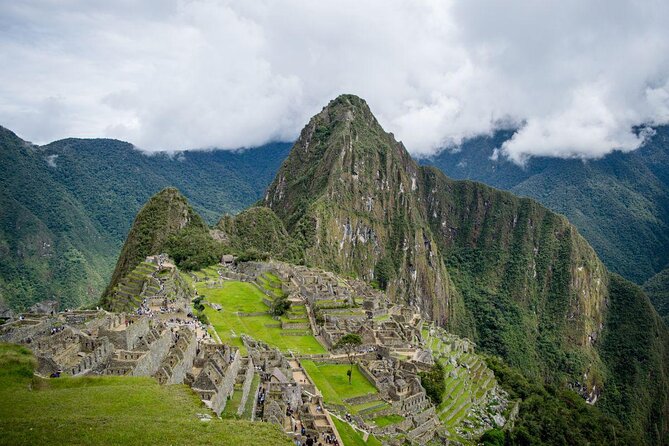
- Machu Picchu morning: bus ride, guided storytelling, and your best odds
- Back to Cusco and your final airport transfer
- Price and value: what $1,311 covers (and why it adds up)
- The support system: punctuality, real people, and 24-hour help
- Who this tour suits best
- Should you book this Machu Picchu, Cusco & Lima 7-Day Tour?
- FAQ
- What is included in the tour price?
- Are flights to Lima and Peru covered?
- How many people are in the group?
- What happens if Machu Picchu can’t operate due to weather?
- Is this tour flexible to changes after booking?
- Do you provide support during the trip?
Key highlights at a glance
- 24-hour help in Spanish and English for the whole trip, including quick fixes when plans change.
- Punctual, organized logistics that handle airport pickups, train timing, and bus rides so you can focus on sights.
- Professional guides at every major stop, with strong local knowledge and a clear sense of what to look for.
- A well-paced route through Inca and colonial layers, from Qorikancha to Santo Domingo and the Cusco cathedral.
- Sacred Valley stops that feel local, especially the Pisac artisan market and the Urubamba river buffet break.
- Small group size (max 17), which usually means fewer awkward bottlenecks on busy sites.
Landing in Lima: airport pickup and a simple start
Day 1 is all about getting you settled, not stacking activities on day one. After you land at Jorge Chávez International Airport, a team member meets you and takes you to your Lima hotel for check-in and a clear walkthrough of how the next days work.
This is a good moment to do the unglamorous travel stuff well: hydrate, eat something light, and rest if you need it. Lima rewards a calm first evening because the city is easier to enjoy when you’re not running on pure airport energy.
You can also read our reviews of more tours and experiences in Lima

Lima’s old center to Miraflores coast views
Your Lima day mixes three moods: colonial streets, archaeology in the city, and ocean air.
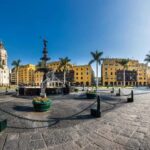
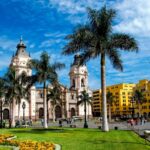
You start in the Historic Center around Plaza de Armas, the classic hub where you’ll find major civic buildings including the Government Palace and Lima’s cathedral. From there, you visit the Basilica and Convent of Santo Domingo, an anchor of Colonial architecture. Construction began in 1578 and stretched over 50 years, and the church holds the remains of major Peruvian figures like Santa Rosa de Lima and San Martín de Porres.
Then the tour shifts gears to Huaca Pucllana in Miraflores. This site is one of Lima’s 54 huacas and dates to roughly 200–700 A.D., with a ceremonial role and some administrative features. It’s a memorable contrast to the nearby modern district because you’re seeing ancient Peru embedded inside a city neighborhood.
After that, you get the fun, casual part: a stop at Parque del Amor for Pacific coast views and the well-known sculpture El Beso by Víctor Delfín. You finish at Kennedy Park in Miraflores, famous for the stray cats cared for by the municipality and local foundations—an easy place to slow down, take photos, and people-watch without feeling rushed.
Practical note: the Lima portion is well-paced for walking and stops, but it still helps to wear comfortable shoes. Even with “just a few minutes here,” old-town stone surfaces add up.
Cusco arrival: coca tea and getting your bearings fast
On Day 3 you fly from Lima to Cusco, and the first goal is altitude readiness. When you arrive at Alejandro Velasco Astete International Airport, the team takes you to your Cusco hotel, where you’re offered coca tea, a traditional help for altitude comfort.
After check-in, you’ll get an orientation with a map of the city plus guidance on where to eat, where to exchange money, and where to shop. This matters because Cusco can feel like a maze if you don’t know where things are, and you’ll want to spend your attention on the sights rather than figuring out logistics.
If you’re the type who likes to plan at the table, this day is your chance. You can ask simple questions right away—what time to go out, which areas are easiest to navigate, and how to pace yourself in the altitude.
Qorikancha, Cusco Cathedral, and the day’s Inca-meets-colonial story
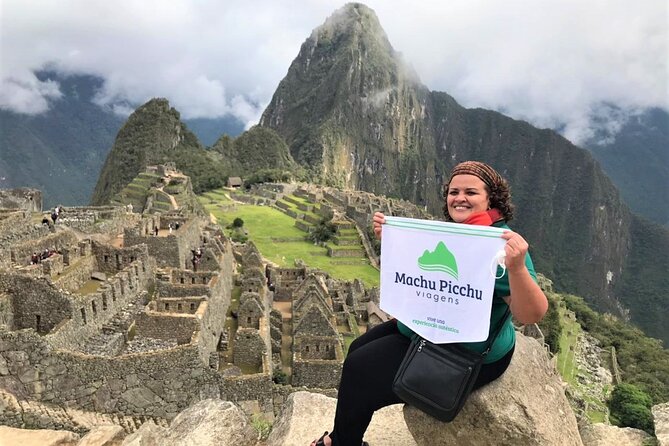
Cusco Day 4 is a strong architecture and archaeology day, built around the way Incas and Spanish colonizers layered buildings on top of each other.
You begin at Qorikancha, also known as the Temple of the Sun. It was a central Inca worship site, and today you can also see the Catholic church built over earlier Inca foundations. Even in a short visit, that overlap gives you a clear visual lesson: Peru’s past often doesn’t replace the old—it stacks it.
Next is the Cusco Cathedral, a standout for Colonial Baroque design. Underneath, the foundations connect back to an important Inca palace, so the building’s story is literally built on top of older power and ritual space. This is one of those stops where a good guide helps because you’ll start noticing the same idea—continuity and change—across multiple structures.
Sacsayhuaman to Tambomachay: the Cusco fortress circuit
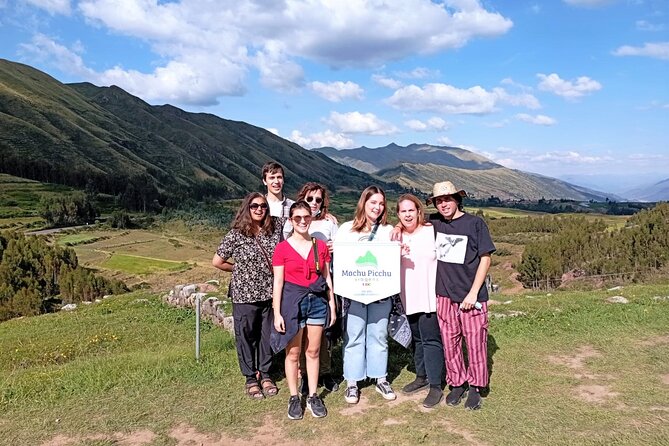
After the city core, you move to a group of Inca sites that feel bigger, tougher, and more dramatic.
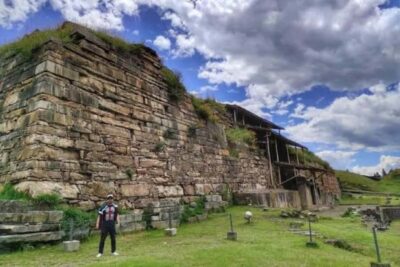
At Sacsayhuaman, you’ll see megalithic fortress walls that have survived earthquakes for centuries. The scale is the star: stones can measure up to 5 meters and weigh over 120 tons. The point isn’t only how impressive it looks—it’s why it’s impressive: this is massive engineering and defensive planning, not decoration.
Then comes Q’enqo, another ceremonial center near Sacsayhuaman. The site is linked with ritual use, including historians’ references to sacrifices. After that, you head uphill to Puka Pukara, often described as having a fortress-like look and believed to have served military and administrative functions.
You finish with Tambomachay, a clear example of Inca hydraulic engineering. Irrigation channels and fountains continue supplying water even today. In other words, you’re not only looking at ruins—you’re seeing how Inca systems were built to keep working.
Timing note: this is a full circuit with multiple stops and varied terrain. If you’re prone to getting tired on stairs, slow down early, sip water, and don’t force long photo pauses at high altitude.






Sacred Valley essentials: alpacas, Pisac artisans, and Ollantaytambo
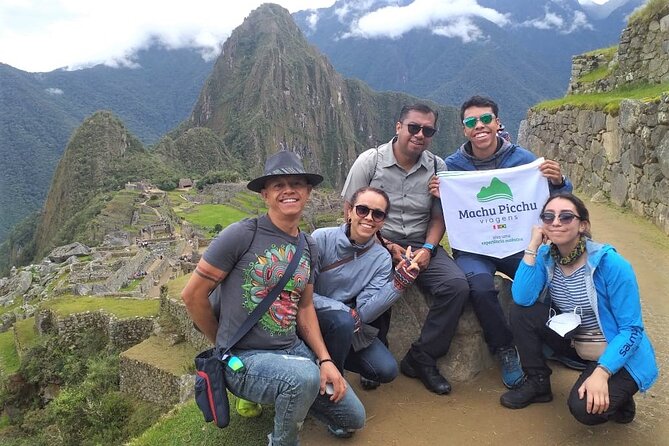
Day 5 is devoted to the Sacred Valley, and it strikes a good balance between animals, marketplaces, and Inca engineering.
You start at Awana Kancha, which focuses on alpacas, llamas, and vicuñas, plus a textile exhibition. It’s a short stop, but it helps you understand why Peru’s animals matter culturally and economically—textiles aren’t a side hobby here.
Next is Pisac, including the archaeological park near the town. You’ll be at around 3,300 meters above sea level, and the views are part of why the site works even when you only have about an hour. You also visit the Pisac Artisan Market, one of the region’s largest local markets, known for handmade art pieces from talented artisans.
Then you take a break with a buffet lunch at Tunupa Restaurant along the Urubamba River. The sound of running water is a surprisingly effective reset button before the next Inca stop.
After lunch, you head to Ollantaytambo, an Inca town with cobbled streets and an open draining system. This is one of the stops that feels practical and lived-in, not just monumental. There’s also an archaeological park where Ollantaytambo is recognized for resisting the Spanish army for nearly 50 years, which gives the place a sense of stubborn endurance.
Aguas Calientes: one night that makes Machu Picchu possible
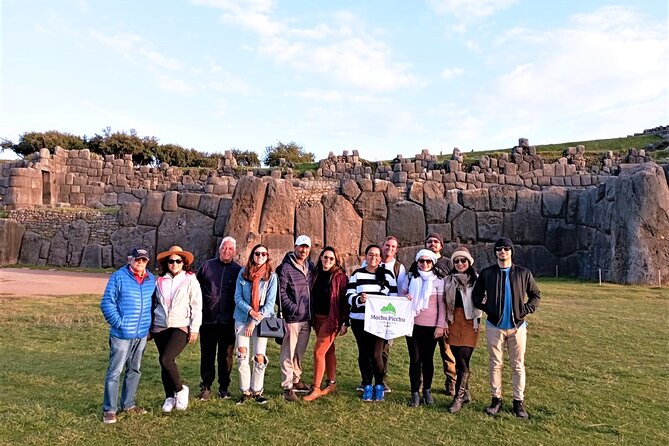
After Ollantaytambo, you board the train to Aguas Calientes, the mountain town used as a base for Machu Picchu. You’ll have hotel time here, plus access to restaurants, bars, and handicraft shops.
This is a smart design because it avoids the chaos of trying to day-trip everything. Even if you’re eager to get to Machu Picchu, having a proper overnight base helps you avoid the feeling of racing the entire day.
One thing to do in the evening: check your next-day essentials (headlamp or flashlight if you like, water, a light layer). Machu Picchu mornings can be chilly, and having a small comfort routine makes the whole day smoother.
Machu Picchu morning: bus ride, guided storytelling, and your best odds
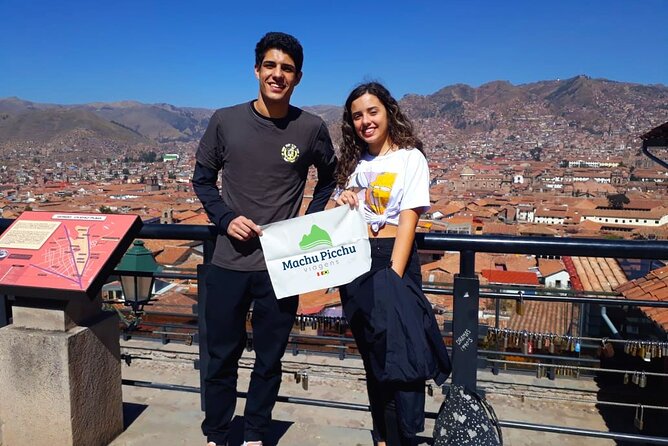
Day 6 is the “wow” day.
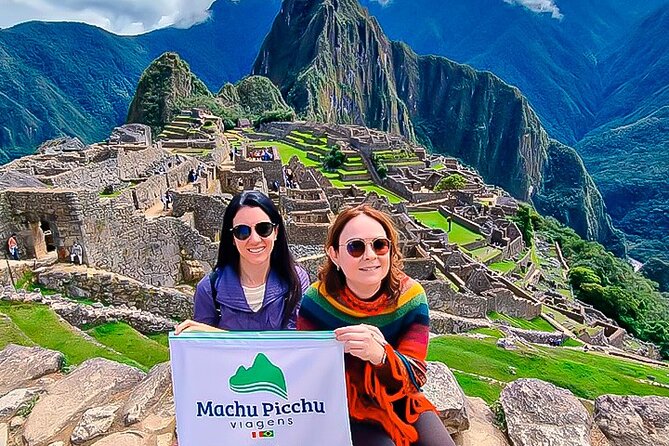
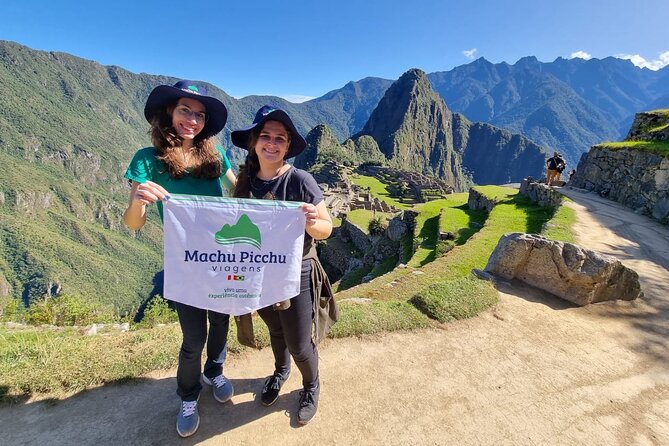
Your team picks you up from the hotel and takes you to the bus up to Machu Picchu. The ride is about 30 minutes from Aguas Calientes to the main entrance. Then you’ll spend time with a professional guide, who gives context on Inca culture and helps you notice the site’s mysteries beyond what’s obvious at first glance.
After Machu Picchu, you return to Aguas Calientes the same day. From there, the train brings you toward Cusco via Poroy, which is about 30 minutes away from the city. A team member meets you and takes you back to your Cusco hotel.
If you want the best experience here, treat the guide as your cheat code. Ask quick questions when the group pauses, and keep an eye on how the guide points out lines of sight, building purposes, and the logic behind what’s placed where. Machu Picchu is visually stunning, but it’s also a place where understanding changes your photos.
Also keep expectations realistic: Machu Picchu depends on weather. When conditions are poor, the experience can change, which is why I recommend planning with flexibility.
Back to Cusco and your final airport transfer
Day 7 is straightforward: you’ll be picked up from your hotel and taken to the airport about two hours before your flight departure. It’s a simple end, and the value is that you’re not negotiating rides on your last morning.
This tour also includes private transfers during the key travel jumps, which is the difference between a smooth trip and a stressful one.
One of the nicest things you can learn from past guests’ experiences is how responsive the team can be. Support staff are described as available day and night, including cases where someone like Bryan helped with delays and communication needs.
Price and value: what $1,311 covers (and why it adds up)
At $1,311 per person, you’re paying for a package that bundles the big-ticket pieces of Peru: hotels, entrance fees, and transportation between regions.
What’s included matters more than the headline price. You get:
- 2 hotel nights in Lima and 3 in Cusco, plus 1 night in Aguas Calientes (3-star)
- Entrance tickets for archaeological sites across the route
- Round-trip bus from Aguas Calientes to Machu Picchu
- Round-trip train to Aguas Calientes
- Airport transfers and on-the-ground team support
- Lunch plus breakfast (6)
What’s not included is also clear: travel insurance and plane tickets. If you already have your flights lined up and want the rest handled, this becomes a “trade time for money” deal. You’re essentially buying less planning work and fewer stressful timing problems.
And there’s another value piece: the group size is capped at 17. Smaller groups usually make guiding easier, and it can reduce the feeling of being herded from one gate to the next.
The support system: punctuality, real people, and 24-hour help
One theme that shows up again and again is how organized the week feels once you’re in Peru.
The service isn’t only about moving you from point A to point B. It’s also about communication and follow-through. Past guests have named staff like Wilmer during the sale process and guides like Walter Díaz, Shaman Manuel Jesús, Pamela, and Alicia who helped with airport assistance and daily guidance. Others have mentioned guides such as Maythee, Franklin, Fernando, Henry, Liz, pointing to a team that’s present, not just paperwork.
If you’re someone who benefits from human reassurance—especially when language barriers show up—this is the kind of tour that can reduce stress. The agency lists 24-hour assistance in Spanish and English, plus personalized concierge support.
Who this tour suits best
This one fits best if you want a guided “greatest hits” route without doing the heavy lifting yourself. You’ll likely enjoy it if you care about both Inca archaeology and colonial-era places, and you want time built in for Lima neighborhoods rather than only museum stops.
It’s also a good match for people who prefer punctual schedules and clear plans. With a maximum group size of 17, you should feel like you’re traveling with a controlled crew instead of a crowd.
Who might want to think twice? If you hate structured days, want long free afternoons, or you’re highly altitude-sensitive, you might prefer a slower itinerary. This plan moves through Cusco with multiple archaeological stops in a single day, so pace matters.
Should you book this Machu Picchu, Cusco & Lima 7-Day Tour?
I’d book it if you want the Peru classics connected with tickets, hotels, trains, and buses already arranged. The price feels easier to justify when you see what’s included, and the history-and-engineering mix works well if you like learning while you walk.
I’d skip it if you’re determined to build your own schedule step by step, or if you strongly prefer to avoid guided structure. And if weather risk worries you, know that Machu Picchu depends on conditions, so your best move is to travel with flexibility in mind.
If your goal is to show up, get guided, and arrive at Machu Picchu without logistics stress, this is a solid way to do it.
FAQ
What is included in the tour price?
The tour includes lunch, hotel nights in Lima (2), Cusco (3), and one night in Aguas Calientes (3-star), entrance tickets for all archaeological sites on the itinerary, round-trip bus tickets from Aguas Calientes to Machu Picchu, round-trip train tickets to Aguas Calientes, private transfers to airports on each destination, and 24-hour assistance in Spanish and English. Breakfast is included for 6 mornings.
Are flights to Lima and Peru covered?
No. National or international plane tickets are not included. The tour includes transfers to and from airports, but you’ll need to arrange your own flights.
How many people are in the group?
The tour has a maximum group size of 17 travelers.
What happens if Machu Picchu can’t operate due to weather?
Machu Picchu requires good weather. If it’s canceled due to poor weather, you’ll be offered a different date or a full refund.
Is this tour flexible to changes after booking?
This experience is non-refundable and cannot be changed for any reason.
Do you provide support during the trip?
Yes. You get 24-hour assistance in Spanish and English, plus a professional team on all tours and treks. There is also personalized concierge and support throughout your stay.