REVIEW · CUSCO
4-Day Lares Trek to Machu Picchu from Cusco
Book on Viator →Operated by Bamba Travel · Bookable on Viator
A high-altitude trek can be a lot of work. This one is built for big views, local culture, and a guided glide into Machu Picchu. I like the way the route slows down long enough for you to connect with Andean communities, not just check a box. You also get strong guiding on both the trail and inside the ruins, with Percy called out for being experienced, funny, and very helpful.
Two things I really like: the food is serious for a mountain trek, and the pacing still leaves room to enjoy what you’re seeing. The vegetarian option is practical too—you just need to ask ahead. A fair consideration: this is not a casual hike. Much of the trekking sits at high altitude (up around 4,000m+), so you’ll want good fitness and warm clothing.
In This Review
- Key Things You’ll Notice on This Trek
- Why the Lares Trek Route Works So Well for Machu Picchu
- Price and Logistics: What the $847 Really Buys You
- Day 1: Cusco Morning Pick-Up, Lares Town Hot Springs, and Wakawasi Camping
- Day 2: Ipsayccocha Pass at 4,400m and a Campsite in Patacancha Llama Country
- Day 3: Train to Aguas Calientes After Ollantaytambo
- Day 4: First Bus to Machu Picchu at 05:30, 2-Hour Guided Walk, and Free Time to Soak It In
- Huayna Picchu and Other Optional Adds: Budget for the Decisions
- Food, Cooking Setup, and What Vegetarian Meals Look Like Here
- Gear and Altitude Reality Check at 4,000m+
- Tipping, Flexibility, and How to Plan Your Group Experience
- Should You Book This Lares Trek to Machu Picchu?
- FAQ
- What group size is this trek?
- Is there a vegetarian meal option?
- Do I need to rent a sleeping bag?
- Where do you stay during the trek and on the way to Machu Picchu?
- What time do you go to Machu Picchu on Day 4?
- Is Huayna Picchu included?
- How is Machu Picchu guided?
Key Things You’ll Notice on This Trek
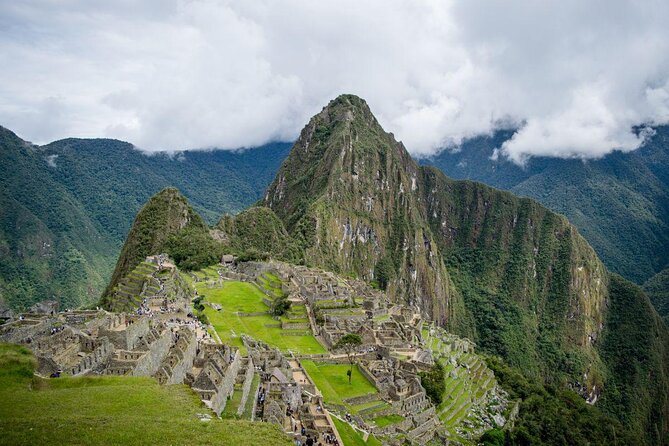
- Small group size (max 15, avg 4): you’ll get more personal attention when the trail gets steep or the weather shifts.
- Local bilingual guidance, including Percy-style support: on-trail guidance and a guided Machu Picchu walk keep you oriented.
- Camping with real structure: sleeping tents plus basic mattresses, with horses carrying much of the load.
- Community time at Wakawasi and Patacancha: you’re not just moving through scenery—you’re in local farming and llama country.
- Early Machu Picchu bus timing (05:30): you’ll be inside as mist starts to lift, then you get free time to wander.
- Good trek food, plus vegetarian meals: meals are cooked fresh, and the variety is designed for long days.
Why the Lares Trek Route Works So Well for Machu Picchu
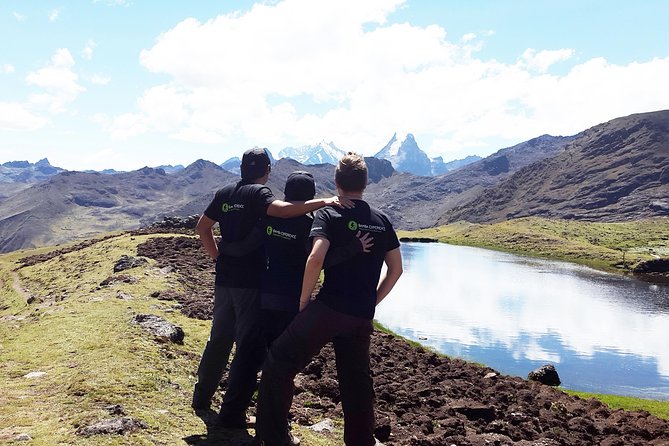
Machu Picchu is the headline, sure. But the Lares side is the reason this trip feels like more than a day trip plus a bus ride. You start high in the Andes, then you climb, pass a high point (Ipsayccocha Pass at about 4,400m), and drop into valleys where llamas and alpacas are part of daily life. That change of altitude and scenery is what keeps your brain awake when your legs start bargaining.
I also like how this trip builds in guidance at the right moments. The trek days are led by a professional bilingual guide, so you’re not left guessing routes, safety, or what you’re looking at. Then Machu Picchu is handled with a focused 2-hour guided visit, which helps you understand layout and history before you go off on your own for photos and wandering.
One more thing: you get time in Aguas Calientes the night before Machu Picchu. That matters. You’re not trying to sprint from trail to ruins with zero rest. Instead, you land, eat, and get instructions for the next day—plus there are casual things like cafes and shops if you want to reset.
You can also read our reviews of more hiking tours in Cusco

Price and Logistics: What the $847 Really Buys You
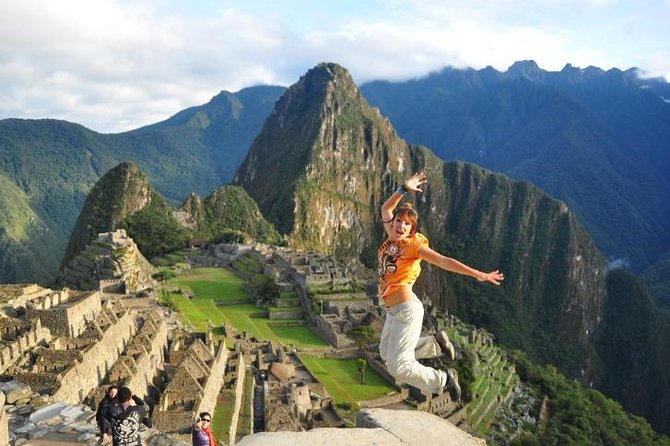
At $847 per person, you’re paying for a full package: multi-day transport, guided trekking, camping support, a 3-star night in Aguas Calientes, and the guided Machu Picchu site visit with transport on the final day.
Here’s the value breakdown in plain terms:
- You’re not carrying everything. Horses carry cooking and camping equipment plus a total allowance of 7 kilos per trekker for the first three days (including 2.5 kg for your sleeping bag & mattress and 2.5 kg for personal items). That’s a big difference from DIY trekking, and it helps keep the hike enjoyable rather than miserable.
- Food is included and planned for altitude. You get breakfast, lunch, dinner, and snacks across trek days. The meals are cooked fresh, and vegetarian options are available with prior notice.
- You get expert timing. The Machu Picchu day starts early, with a first bus at 05:30. That’s not just a schedule detail—it changes how the site feels as you arrive.
A small heads-up: some transportation legs are on your own (bus and train transfers aren’t guided). The good news is the plan is clear, and the operator provides a pre-departure briefing so you know what to expect.
Day 1: Cusco Morning Pick-Up, Lares Town Hot Springs, and Wakawasi Camping
Day 1 starts with an accommodation pick-up around 6:00 am from Cusco, then a van takes you to Lares Town at about 2,900m. Before the trek even begins, you have a chance to ease in—especially if you add the optional hot springs (extra cost, 10 soles). Even if you skip it, Lares Town gives you a real sense that this trek is rooted in Andean life, not just adventure tourism.
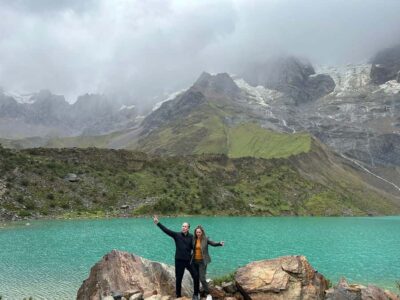
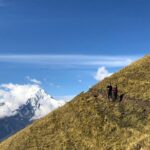
Then comes the main effort: a roughly 6-hour trek (about 14 km) with a zigzag climb to Wakawasi (around 3,850m). You’ll get views of glaciers and wildlife, plus the kind of everyday local scenes you rarely see from a highway. This is also the day you’re given time to meet families living in harmony with nature around the Wakawasi community.
What’s special here is not one view. It’s the flow: you climb into thinner air, you see high-country animals and farms, and you end the day camping with a group that stays small enough to feel human.
Practical drawback: if you’re sensitive to altitude, Day 1 can feel like it arrives quickly. Keep your pace steady and don’t treat it like a sprint.
Day 2: Ipsayccocha Pass at 4,400m and a Campsite in Patacancha Llama Country
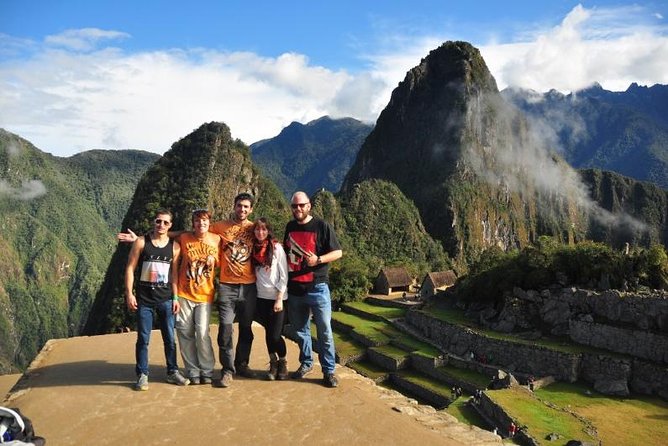
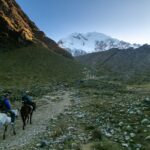
Day 2 is the heavy day on paper: about 8 hours and 15 km, with an uphill start of around 4 hours over Ipsayccocha Pass (about 4,400m). This is where good physical condition matters. You’re climbing high, and your body will ask for slower steps than you might want to give.
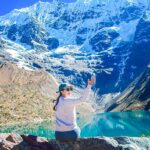
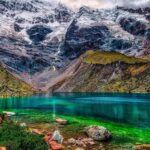
After the pass, you walk downhill for about 40 minutes to lunch by a lake. Then the afternoon continues for roughly 3 more hours to Patacancha (about 3,800m), where you camp.
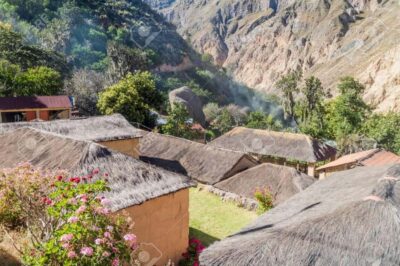
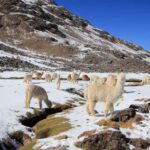
The Patacancha campsite is described as being surrounded by llamas and alpacas, with native crop plantations nearby. That detail matters. It means the area you sleep isn’t just a campsite plopped into the wilderness—it’s tied to farming and herding cycles. You’ll likely notice that the soundscape and the daily routine are different here than at a generic campground.
Also, camping accommodations are included with a basic sleeping mattress and tents. Single travelers share a tent with another traveler; couples get their own tent. Either way, you’ll want warm layers. Nights at altitude can get cold fast.
Day 3: Train to Aguas Calientes After Ollantaytambo
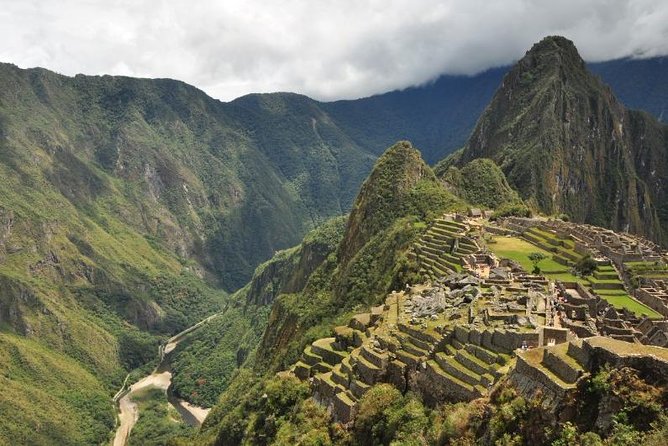
Day 3 shifts from hiking to a classic Andean travel rhythm. You start around 3,800m in Patacancha, then trek about 4 hours to Ollantaytambo. After lunch there, you take the train to Aguas Calientes. You’ll spend the night in a 3-star hotel in Aguas Calientes.
This day is valuable because it turns effort into reward. Instead of another full push uphill, you transition to a place built for Machu Picchu logistics. There are internet cafes, cafes, and shops, so you can pace yourself and handle last-minute planning.
One practical thing I appreciate: your guide meets you after you arrive and provides indications for the next day. That reduces the stress of figuring out bus times, where to go, and how to get into the site early.
If you’re tired, don’t force an evening out. A good day 4 often starts with a calm night 3.
You can also read our reviews of more tours and experiences in Cusco

Day 4: First Bus to Machu Picchu at 05:30, 2-Hour Guided Walk, and Free Time to Soak It In
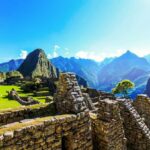
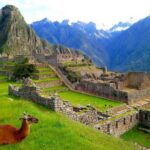
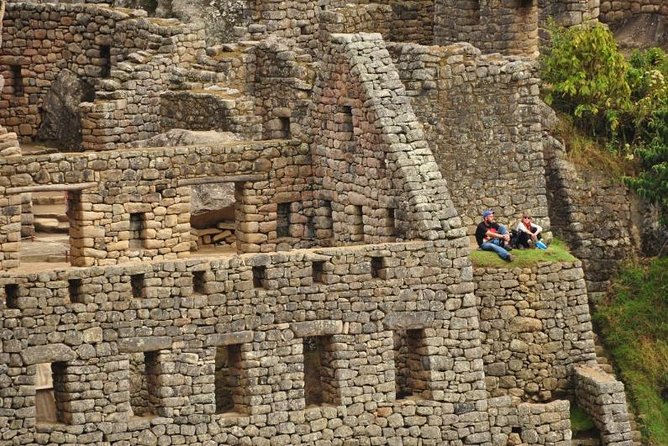
The Machu Picchu day starts early for a reason: you’ll catch one of the first buses at 05:30 for the roughly 25-minute ride up from Aguas Calientes. The timing helps because you’re arriving as mist dissipates in early morning light. Even if clouds show up, the atmosphere changes minute by minute—and early access gives you the best odds.
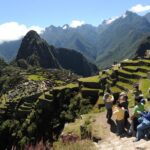
You’ll get a walking tour of about 2 hours led by your guide, focused on the most important areas and covering key history. That guided portion is the difference between wandering randomly and understanding what you’re seeing. After that, you explore on your own, take pictures at your pace, and move through the ruins without rushing your brain to catch up.
If you want the extra challenge, there’s the optional climb to Huayna Picchu. It takes about 45–60 minutes up and can be muddy. You must book the Huayna Picchu ticket in advance. The pass system is tight: 400 passes total, split into 200 at 7:00am and 200 at 10:00am. The instructions say to request this extra ticket at least 2 weeks in advance. The option notes also say at least 1 week in advance for the mountain hike—so when you book, confirm the timing the operator is using for your date.
After the ruins, you take the bus back down to Aguas Calientes. You can visit the local marketplace near the train station and shop until the train whistle signals your return to Ollantaytambo. Then you take the bus back to Cusco, arriving around 08:00 pm, with drop-off at Plaza San Francisco. You’ll handle your own final trip to your accommodation.
Huayna Picchu and Other Optional Adds: Budget for the Decisions
There are two optional add-ons built around this trip:
- Hot springs in Lares Town: extra cost (10 soles mentioned). If you do it, plan to bring something to change into after.
- Huayna Picchu (mountain hike): extra cost, requires an extra ticket and advance request.
This is one place where you should be honest with yourself. Huayna Picchu is steep and muddy. If you’re already working hard to breathe well at altitude, don’t let FOMO drive the decision. Still, if you’re steady on your feet and motivated, the payoff is real: Huayna Picchu gives you a coveted view perspective from inside the archaeological area.
Food, Cooking Setup, and What Vegetarian Meals Look Like Here
This is one of the best parts of the whole experience. The trek food isn’t just fuel; it’s planned and cooked fresh. You get breakfast, lunch, dinner, plus snacks. The menu style includes items like hot porridge and quinoa/oats for breakfast, then soups and hearty mains for lunch and dinner.
A key detail: vegetarian options are available for every meal, as long as you advise the operator at least 2 days in advance. That’s a practical system. It’s not a last-minute swap.
You should also know meals are prepared by a dedicated cook and served for the group. Horses help carry cooking and camping equipment, so the kitchen setup exists in the background while you walk. That setup is what keeps the food reliable instead of turning it into a survival exercise.
Also included: a first aid kit and emergency oxygen bottle. That doesn’t mean you won’t feel altitude or exhaustion, but it’s reassuring.
Gear and Altitude Reality Check at 4,000m+
Even if you’re fit, you need to respect altitude. This trek is rated difficult and runs with most trekking at high altitudes around 4000 meters. You’ll move slower than your normal walking pace, and cold air can make everything feel harder even when you’re fine.
Here’s what helps most, based on the packing guidance given:
- Warm layers and cold-weather socks (warm socks matter more than you think)
- Rain pants and a rain poncho
- Trekking boots
- Gloves and a hat
- Hiking poles if you use them
- Sun protection (sun glasses and sunscreen)
And don’t forget the small stuff that saves your sanity: a flashlight/torch, extra batteries for your camera, and waterproof storage for any gear that can’t get wet.
One logistics note that’s easy to miss: bottled water isn’t included. Bring a water bottle and plan for purchasing water or snacks during the days you need them. On the trail, water and drinks can cost more.
Tipping, Flexibility, and How to Plan Your Group Experience
Tipping is optional, but it’s customary in Latin America. The operator provides suggested amounts if you want to tip based on service: around 40–60 soles per trekker for the guide, 30–40 for an assistant guide, and around 60–80 soles total per horseman for the whole group; the cook is suggested at 150–200 soles total for the whole group.
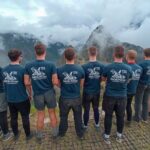
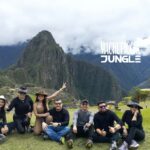
For group dynamics: the group stays small. Max is 15, average is 4, so the trek feels less like a cattle line and more like a shared push. You’ll still hike as a group, but there’s room for questions and for your guide to notice who needs to slow down.
One more planning reality: this trip is non-refundable and can’t be changed for any reason. So be sure your dates are firm before you lock it in.
Should You Book This Lares Trek to Machu Picchu?
Book this trek if you want Machu Picchu with a real lead-in, not just a sprint to the ruins. The mix of camping in communities, a high pass day, a calmer evening in Aguas Calientes, and then a guided Machu Picchu walk is strong value for the money. I’d also lean toward it if you care about food quality and want a reliable vegetarian option.
Think twice (or at least prepare hard) if you’re not comfortable hiking at altitude. Day 2 climbs to about 4,400m, and the trip expects you to be ready for cold nights and long uphill hours. If you’re unsure, you’ll sleep better by getting honest about your fitness and packing warm from the start.
If you can handle the physical side, this is a smart way to experience Machu Picchu with meaning, not just a checkmark—especially with a guide like Percy, where the vibe is professional, kind, and very good at keeping you moving at the right pace.
FAQ
What group size is this trek?
The group size is small, with a maximum of 15 travelers and an average group size of 4.
Is there a vegetarian meal option?
Yes. A vegetarian option is available for every meal, but you need to advise the operator at least 2 days in advance.
Do I need to rent a sleeping bag?
A sleeping bag is not included. You can rent one for $15 USD for the trek.
Where do you stay during the trek and on the way to Machu Picchu?
You camp on Days 1 and 2 (with tents and basic sleeping mattresses). On Day 3, you stay in a 3-star hotel in Aguas Calientes for one night.
What time do you go to Machu Picchu on Day 4?
You catch one of the first buses at 05:30 to Machu Picchu.
Is Huayna Picchu included?
No. Huayna Picchu is optional and requires an extra ticket. The instructions say to request it at least 2 weeks in advance, and you must get one of the limited passes.
How is Machu Picchu guided?
You get a 2-hour guided walking visit inside Machu Picchu, followed by time to explore on your own.