REVIEW · CUSCO
From Cusco: 4-Day Salkantay Trek with Meals & Equipment
Book on GetYourGuide →Operated by Exploor Trip E.R.L · Bookable on GetYourGuide
Salkantay is the quieter way to Machu Picchu. I like how this plan combines Humantay Lagoon with the punchy altitude of Salkantay Pass, so your days feel like a steady climb toward the big payoff. The one drawback to plan for is logistics: at least one past booking reported late or missing Machu Picchu and train tickets, so you should insist on ticket confirmation before your trek days start.
You’ll be moving early each morning, then settling in for real camp support. Meals run through most of the hike with a dining tent and a kitchen team, plus a first-aid kit and emergency oxygen. This is also a small-group trek (up to 15), so it stays social without becoming chaotic.
Still, the best value depends on how closely you follow the inclusions. Some important costs are extra (lake entrances, certain transfers, and optional add-ons like bus up to Machu Picchu, plus a sleeping bag if you don’t have one). If you hate surprises, budget a little buffer and keep your own copies of key reservations.
In This Review
- Key things I’d pay attention to
- Why Salkantay feels different than the usual Machu Picchu treks
- The trekking rhythm: early starts, big altitude, and a “hardest day” plan
- Day 1: Cusco to Soraypampa (and Humantay Lagoon’s payoff)
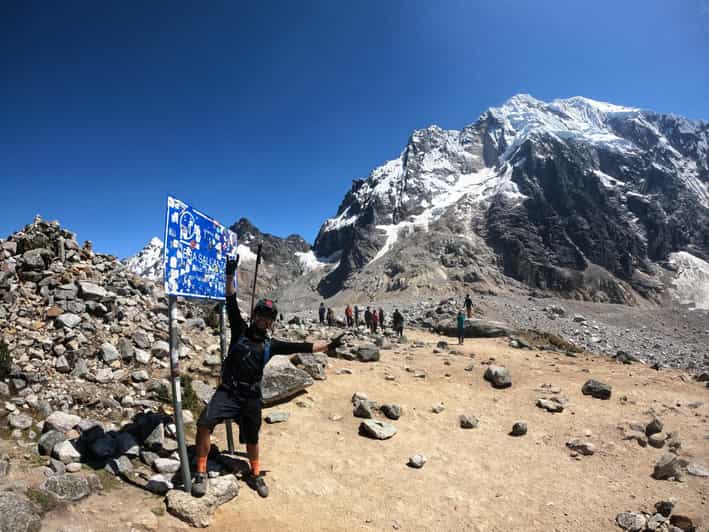
- Day 2: Soraypampa to Salkantay Pass to Chaullay (the big day)
- A small realism check
- Day 3: Chaullay to La Playa to the hydroelectric plant to Aguas Calientes
- Day 4: Beating crowds at Machu Picchu, then train back to Cusco area
- The one risk you should not ignore
- Camps, gear, and what the included support actually buys you
- What’s included for sleeping and camp setup
- Sleeping bag: don’t accidentally under-pack
- Meals: the “fuel and morale” part
- Price and value: what $410 really covers (and what it doesn’t)
- Who this trek suits best
- Should you book this 4-Day Salkantay Trek?
- FAQ
- What time is pickup in Cusco?
- Does the price include Machu Picchu entrance and the train?
- What meals are included during the trek?
- Are vegetarian or special meals available?
- Where do you stay overnight on this trek?
- Is a sleeping bag included?
- How hard is the trek, and when is the toughest day?
- Are there extra costs for lake entrances and transport?
Key things I’d pay attention to
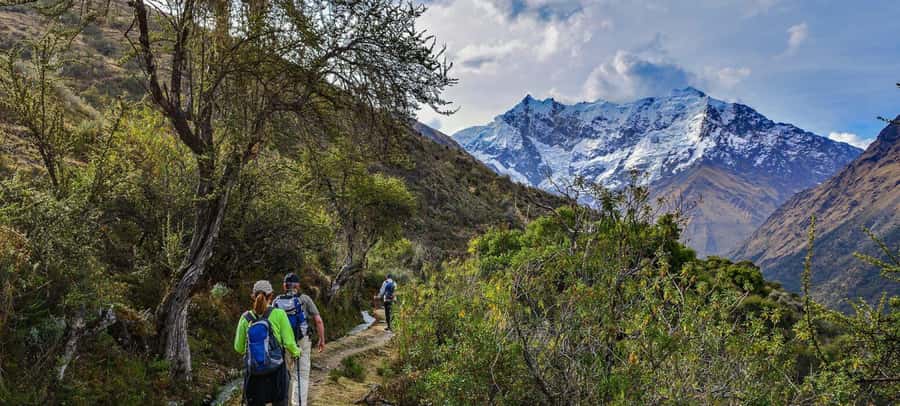
- Humantay Lagoon and Salkantay Pass are built into the route, not tacked on late
- Meals and camp setup (dining tent, kitchen team, mats, pack animals) reduce day-to-day stress
- Small group size (max 15) helps keep the trek from feeling like a cattle chute
- Day 2 is the hardest: expect a long uphill to the pass before a descent
- Machu Picchu day timing matters: you’re aiming to enter early with a guided visit
- Extra costs exist: lake entrances, some transport, and optional gear upgrades
Why Salkantay feels different than the usual Machu Picchu treks
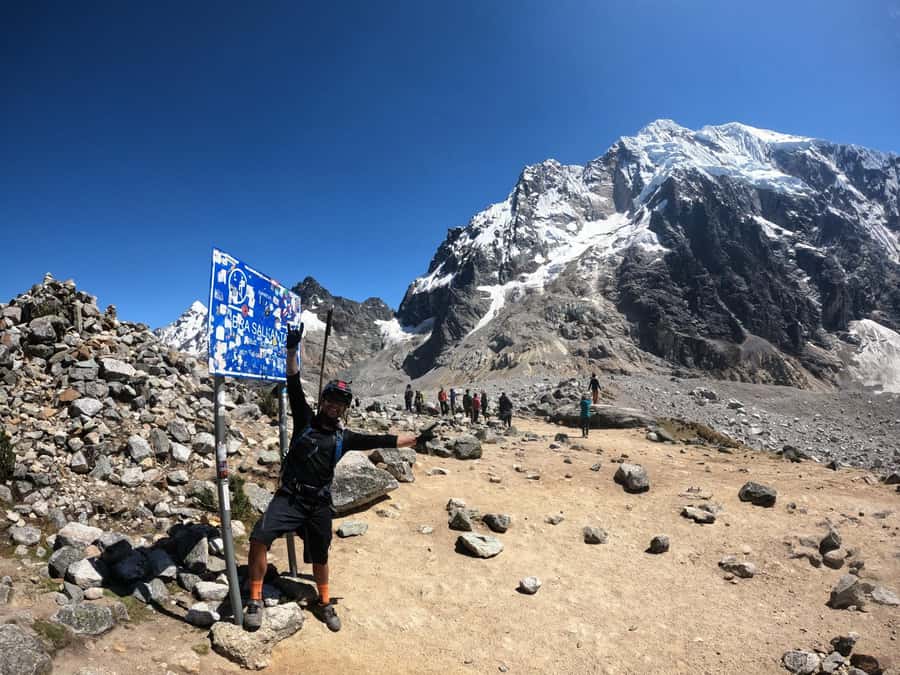
If you’ve looked at Machu Picchu options, you’ve probably seen the pattern: everyone funnels into the same few routes. Salkantay is built as a different answer. It’s often listed among the top 25 treks worldwide, and the big selling point here is that it’s usually less crowded than the most famous alternatives.
That matters for your experience. When the trail is busier, you lose the calm of staring at big peaks while you catch your breath. With Salkantay, you get the sense that you’re walking through real high-mountain country instead of just collecting viewpoints.
You’re also getting a smart route shape. You don’t just hike and then magically arrive at Machu Picchu; you build altitude, then reward yourself with sights like Humantay Lagoon and the dramatic pass area before ending in Aguas Calientes.
You can also read our reviews of more hiking tours in Cusco

The trekking rhythm: early starts, big altitude, and a “hardest day” plan
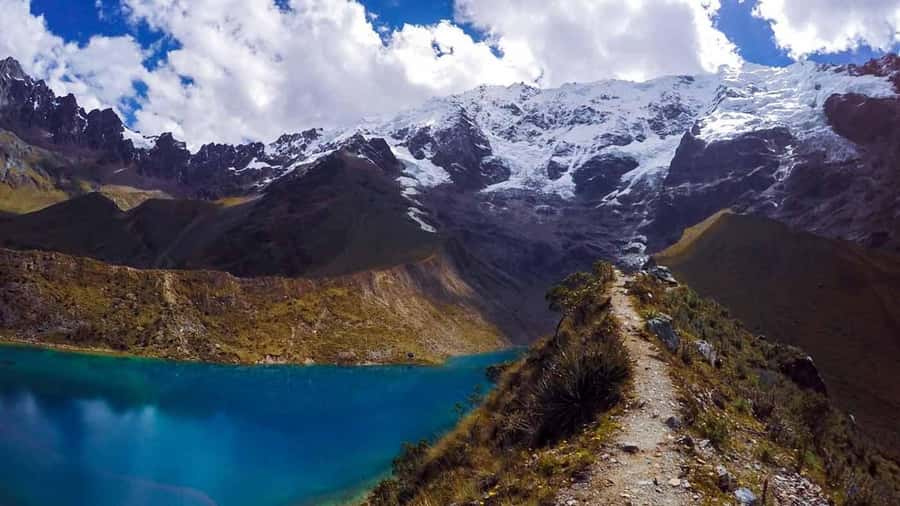
This trek runs on a clear rhythm. Mornings start very early, then you hike until midday, with lunch and a camp in the afternoon/evening. Expect that your body will be tested most on the middle of the trip.
The schedule puts the hardest climbing on Day 2. You start around 6:00 AM, push uphill toward the pass, then descend before reaching camp. That structure is helpful because your first day is a warm-up climb (to Soraypampa), then the second day asks for effort, then the third day turns into a long but less technical travel day toward Aguas Calientes.
Also note the altitude points you’ll pass through, because they’re part of how the trek works:
- Soraypampa camp sits around 3,900 m
- The Salkantay Pass area is the high moment (the route highlights Mount Salkantay at 6,264 m)
- Chaullay camp is around 2,900 m, so you sleep lower than the pass day
- Aguas Calientes is where you transition from trekking to city logistics
Day 1: Cusco to Soraypampa (and Humantay Lagoon’s payoff)
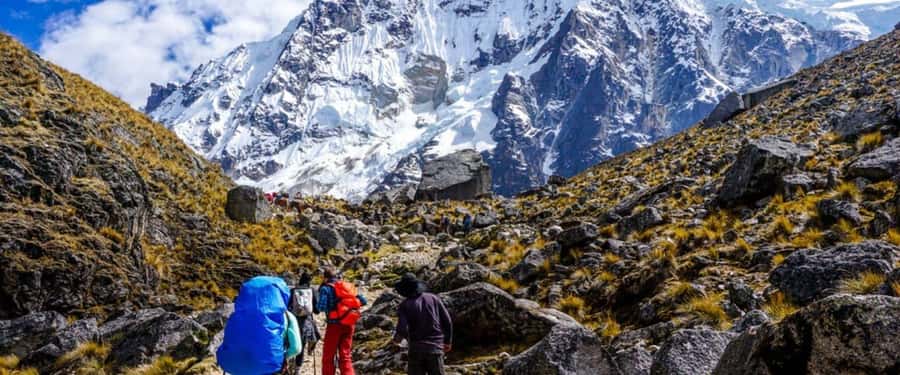
You’ll be picked up from Cusco around 4:45 AM to 5:30 AM, then ride by bus to Mollepata (about two hours). After that, there’s a stop in Mollepata for breakfast and last-minute needs like snacks or bathroom breaks. Breakfast on Day 1 isn’t included, but the stop is there so you don’t start the hike hungry.
Around 9:30 AM, your trekking begins toward Soraypampa (about 3,900 m). With a regular pace, it’s roughly four hours to the first camp, with lunch once you arrive.
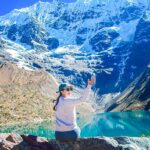
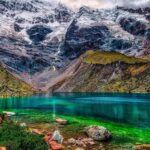
In the afternoon, you’ll visit Humantay Lagoon. This is a key moment for many people because it gives you a calmer, scenic break after the first climb. You’re still at altitude, so pace yourself and take short breath breaks. The day ends with a hot dinner back at camp.
One practical note: the lake sites have a separate entrance fee. The info provided lists 20 soles for the lake entrances (including Humantay/Salkantay-related sites). I’d budget that upfront so you’re not reaching for cash while you’re already winded.
Day 2: Soraypampa to Salkantay Pass to Chaullay (the big day)
Day 2 starts with breakfast around 5:00 AM, then you begin the main grind at about 6:00 AM. This is the day the trip itself labels as the toughest, and the schedule is built around reaching the high point before the afternoon.
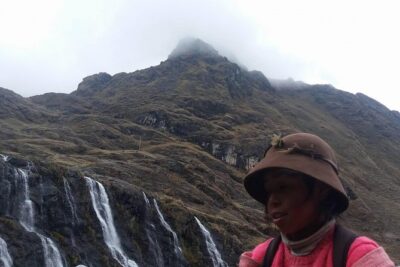
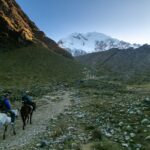
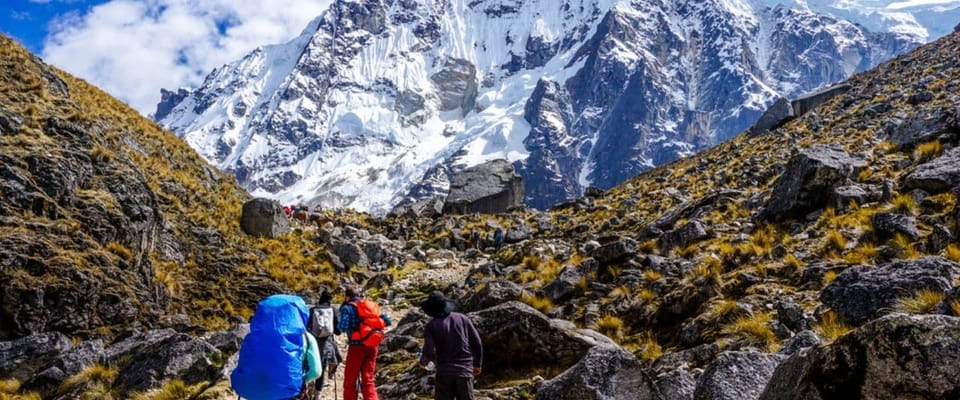
The uphill stretch is about 6 km climbing. You’ll follow dramatic high-mountain scenery, and the route is framed around the views of Mount Salkantay (noted at 6,264 m). When people talk about Salkantay’s reputation, this is the core reason: the pass zone is where the mountains look huge and close at the same time.
After reaching the top, you get about two hours of descent, arriving at the lunch area around 1:00 PM in Huayracmachay. Then you continue downhill for about three hours to Chaullay camp (around 2,900 m).
Sleeping here is part of the fun. The plan notes that you’ll sleep in indigenous huts at Chaullay. That’s one of those details you’ll remember, even if you’re tired—because it’s not “just a campground.” Dinner follows around 6:00 PM, which helps you reset for the travel day ahead.
A small realism check
The pass day is physically demanding. The trek doesn’t sell this as easy, and the timing shows why. If you’re coming off a long flight to Peru and feel even slightly run-down, spend more time acclimating in Cusco before you start. Your body will thank you later.
You can also read our reviews of more tours and experiences in Cusco

Day 3: Chaullay to La Playa to the hydroelectric plant to Aguas Calientes
Day 3 is less about the highest climb and more about transition. You start at 6:00 AM and walk toward La Playa through the Santa Teresa Valley.
There’s lunch at La Playa, then you shift from foot travel to road/vehicle transport. You’ll ride for about 1.5 hours to the hydroelectric plant, then walk 10 km along the railroad track for about three hours to reach Aguas Calientes.
This part has a different feel. There’s still effort, but it’s more like long travel walking than “climb to a view, descend, repeat.” You’ll probably notice how your energy changes from mountain altitude work to a steady corridor toward town.
A practical heads-up: the transport details on Day 3 aren’t fully bundled the way you might expect. The info lists a PEN 30.00 transport cost from Playa Sahuayaco to Hidroelectrica. It also mentions that “everything is taken to Aguas Calientes” on the third day, and there may be buses for 10 or 20 extra soles. If you want a smoother trip, I’d plan on handling these small adds without stress.
After you arrive in Aguas Calientes, you get one night accommodation in the hostel.
Day 4: Beating crowds at Machu Picchu, then train back to Cusco area
Machu Picchu day is all about timing. You wake up early and aim to visit in the soft morning light to avoid the worst crowd rush.
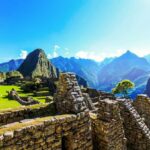
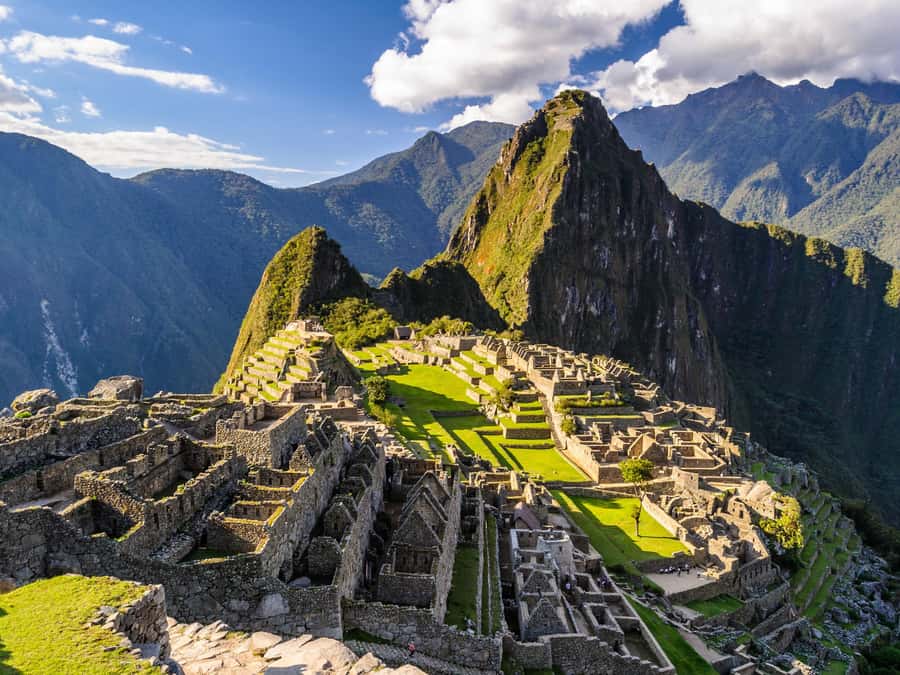
The entrance control point opens from 6:00 AM to 3:00 PM, and you’ll enter the site for a guided 2-hour tour of the Royal Citadel. The key thing for your planning: you’re not stuck wandering alone. A guide keeps the focus on what matters, and the schedule prevents you from wasting your limited entrance window.
There’s an optional add-on: going up to Machu Picchu by bus costs $12 if you choose it. If you prefer walking up, you can usually do that too, but the provided plan specifically calls out the bus as optional.
After your Machu Picchu visit, you take the included train from Aguas Calientes to Ollantaytambo. The schedule lists possible train times at 4:22 PM or 6:20 PM, depending on availability. Then a group minivan brings you back to Plaza San Francisco in Cusco.
The one risk you should not ignore
One past booking described an unpleasant scenario: Machu Picchu and train tickets were not delivered as expected after booking far in advance, forcing last-minute purchases and reducing their time at Machu Picchu. I can’t tell you what will happen with every departure, but you can protect yourself. Ask for written confirmation that your Machu Picchu entry and your train ticket are secured before you start Day 1. Then keep screenshots (or printed copies) with you.
Camps, gear, and what the included support actually buys you
This trek takes care of more than just “a guide and a route.” Here’s what helps you travel lighter and sleep better than the DIY version.
What’s included for sleeping and camp setup
- Dome tents with 4 people per dome and cabins for 2 people (so you’re not lying shoulder-to-shoulder in a shared haystack)
- 1 mat per person
- A dining tent with tables and chairs
- A kitchen setup with a chef and kitchen team
- Pack animals that transport tents, food, and kitchen utensils for days 1 to 4
- Pack animals that carry personal equipment up to 5 kg per person for days 1 to 3
That last point is a big deal. If you’re traveling with camera gear or you’re not sure what to pack, having a 5 kg allowance carried for you reduces the temptation to overload your daypack.
Sleeping bag: don’t accidentally under-pack
A sleeping bag is listed as not included, with an option to rent it for $20 for the entire trip. The sleeping bag is listed as -10ºC comfort (0ºF) and is cleaned after each use. If you run cold at night, I’d treat the bag decision as important, not optional.
Meals: the “fuel and morale” part
You get:
- 3 breakfasts
- 3 lunches
- 3 dinners
- daily morning snack and tea service, except the last day
Vegetarian or special menus are available with no extra cost. This matters on a trek like this because your appetite can swing day-to-day. Knowing meals are planned and not something you need to hunt for on the trail makes it easier to keep a steady pace.
Price and value: what $410 really covers (and what it doesn’t)
At $410 per person, this trek looks like good value on paper—mainly because it bundles several costs that add up quickly on your own:
- Machu Picchu entrance included
- Train ticket from Aguas Calientes to Ollantaytambo included
- one night accommodation in Aguas Calientes
- the core trek logistics: private pickup/transfer to Mollepata, professional guide, chef/kitchen team, pack animals, tents, and most meals
However, the trip also lists several separate costs:
- 20 soles for lake entrances (including Humantay and Salkantay-related sites)
- drinking water (purchase throughout or bring filters)
- Day 3 extras like potential 10 or 20 soles buses and the PEN 30.00 transport from Playa Sahuayaco to Hidroelectrica
- lunch on the last day after the guided Machu Picchu tour
- optional gear: walking sticks ($20 a pair) and sleeping bag ($20)
So the true all-in cost isn’t just $410. The good news is most of the extra items are predictable. The key is to budget a little buffer, because the more you hate last-minute spending while you’re tired, the more those Day 3 transport pieces will matter.
Who this trek suits best
This is a strong fit if you:
- want a classic Salkantay route without carrying a full camp setup
- appreciate a guided Machu Picchu day with a timed entry and tour focus
- like the idea of less-crowded mountain trekking paired with a big finale
It’s also a decent fit if you’re newer to multi-day treks, because you’re not improvising the heavy logistics.
It may be less ideal if you:
- want total control over tickets and timing and dislike dependence on the operator for reservations
- strongly prefer to avoid any added costs during the hike
- plan to skip optional transport up to Machu Picchu without thinking through your schedule
Should you book this 4-Day Salkantay Trek?
I’d book it if you want the full Salkantay experience—Humantay Lagoon, the pass day, and a guided Machu Picchu morning—while having the heavy lifting handled by a kitchen team and pack animals. The small-group cap (up to 15) and the included Machu Picchu entrance plus train ticket are meaningful value.
I would not book it blindly. Do this before Day 1:
- request written confirmation that your Machu Picchu entry and Aguas Calientes → Ollantaytambo train are secured
- ask what exact Day 3 transport costs apply for your departure (so you don’t get surprised mid-journey)
- plan a budget line for lake entrance fees and water
One last practical warning from the provided info: if you’re traveling in June, July, or August 2024, the note says there is no longer entry income to Machu Picchu for that year, so you may end up in Aguas Calientes instead. If your travel dates match that window, confirm what your alternative plan is before you pay.
If you handle those checkpoints, this can be a satisfying, well-supported trek with a very earned finish.
FAQ
What time is pickup in Cusco?
Pickup is scheduled between 4:45 AM and 5:30 AM at the meeting point in Cusco.
Does the price include Machu Picchu entrance and the train?
Yes. Machu Picchu entrance is included, and the train from Aguas Calientes to Ollantaytambo is included (train times depend on availability).
What meals are included during the trek?
You get 3 breakfasts, 3 lunches, and 3 dinners, plus a daily morning snack and daily tea service. The last day does not include the meal plan after the guided tour.
Are vegetarian or special meals available?
Yes. The plan states vegetarian or special menus are available at no additional cost.
Where do you stay overnight on this trek?
You sleep in camps during the first part (including Soraypampa on Day 1 and Chaullay on Day 2) and then get one night accommodation in Aguas Calientes on Day 3.
Is a sleeping bag included?
No. A sleeping bag is not included, but you can rent one for $20 for the entire trip (rated for -10ºC comfort / 0ºF).
How hard is the trek, and when is the toughest day?
The hardest day is Day 2, when you hike to the Salkantay Pass starting around 6:00 AM with a long uphill climb.
Are there extra costs for lake entrances and transport?
Yes. The information lists 20 soles entrance fees for lake sites such as Salkantay and Humantay. It also notes additional transport costs on Day 3, including PEN 30.00 and possible buses for 10 or 20 extra soles.