REVIEW · CUSCO
Cusco: 4-Day Salkantay Trek to Machu Picchu, Panoramic Train
Book on GetYourGuide →Operated by TreXperience · Bookable on GetYourGuide
Four days, two worlds, one big pass. This small-group trek pairs the big high-altitude moment of the Salkantay Pass with the color-pop payoff of Humantay Lake, then lands you at Machu Picchu with a scenic train back to Cusco.
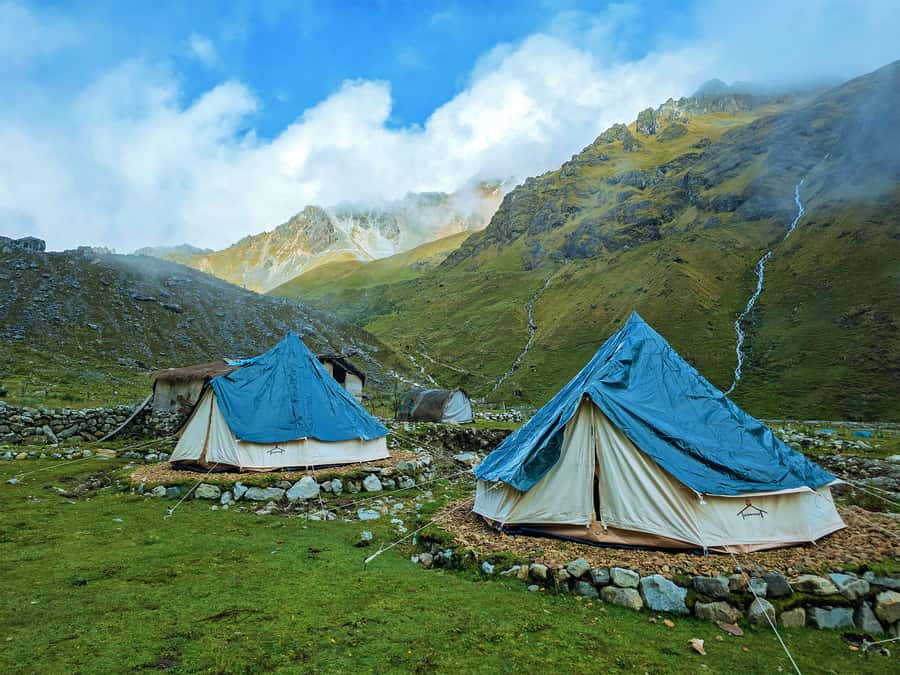
I love the comfort mix: you’re not sleeping rough the whole time, with SalkaGlamp style tents on Day 1 and warmer basecamp vibes before the harder climbs.
I also like the way the day-to-day includes real Peruvian food culture, not just calories. The Pachamanca barbecue and the chance to learn the coffee process (from bean to cup) are practical breaks that also feel genuinely local. And in the field, guides like ALEX and chefs such as FELIX (and teams including people like Josè and Evangelino) tend to keep the pace organized so you’re not worrying about bags and timing.
One thing to weigh: comfort can vary by night. If you’re sensitive to facilities, the Andean huts on the second night have drawn complaints about sanitation or warm showers, so go in expecting trail-life basics, not a hotel bath.
In This Review
- Key Things I’d Notice Fast
- Why This Trek Mixes Big Nature With Real Comfort
- Day 1: Cusco Pickup, Humantay Lake, and SalkaGlamp Basecamp
- Day 2: The Salkantay Pass Push and the Shift Into Cloud Forest
- Day 3: Lucmabamba Pachamanca, Coffee Farm, Hidroeléctrica, and Aguas Calientes
- Day 4: Sunrise at Machu Picchu, Guided Citadel Time, and the Train Back
- Food, Guides, and Group Size: How This Feels Day to Day
- Price and Logistics: Is $552 a Good Deal?
- Practical Packing and Altitude Reality (Without the Guesswork)
- Who Should Book This, and Who Should Skip It
- Should You Book This Salkantay Trek?
- FAQ
- How long is this Cusco to Machu Picchu trek?
- What’s the group size?
- Do I get a guide and what languages are offered?
- What’s included in the price?
- Which train ride do I take back to Cusco?
- Is Machu Picchu Circuit 2 included?
- Do I need to book Huayna Picchu or Machu Picchu Mountain tickets separately?
- What should I bring for the trek?
Key Things I’d Notice Fast
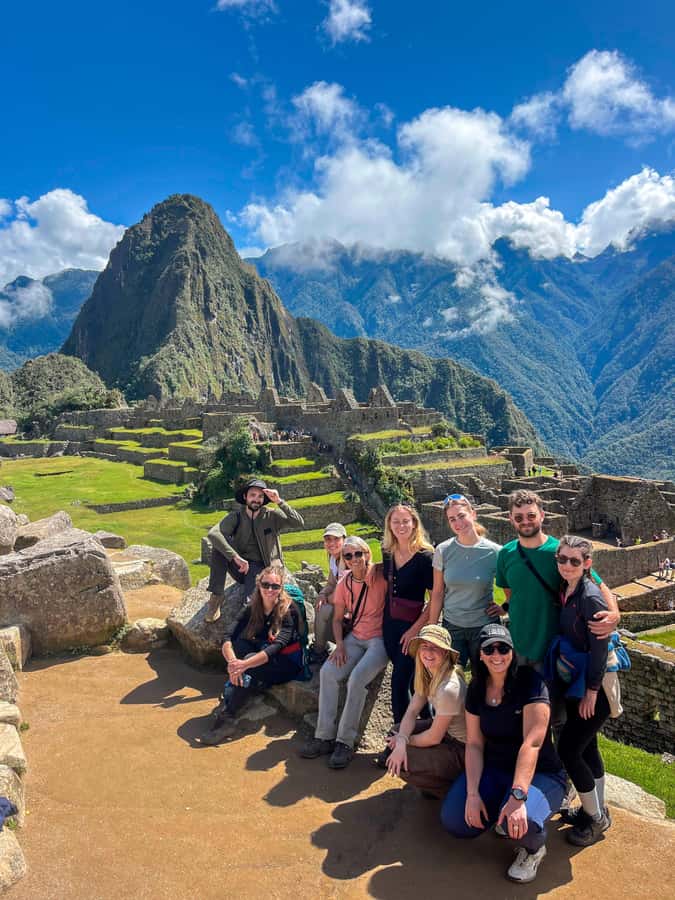
- Salkantay Pass (4,630 m): the highest point of the trek, with wide-open mountain views once you push through the climb.
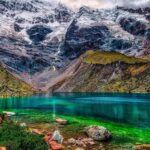
- Humantay Lake stop: a turquoise reward that also helps you break up the early effort into something scenic and memorable.
- Trail-side glamping + huts: a comfort step-up early, then simpler accommodation later to keep the itinerary feasible.
- Pachamanca underground cooking + coffee experience: you get hands-on cultural food moments that also fuel the hikes.
- 3-star Aguas Calientes hotel: a real bed before Machu Picchu, plus breakfast on Day 3.
- Return by Vistadome or 360° panoramic train: a gentler send-off with big window views back toward Cusco.
Why This Trek Mixes Big Nature With Real Comfort
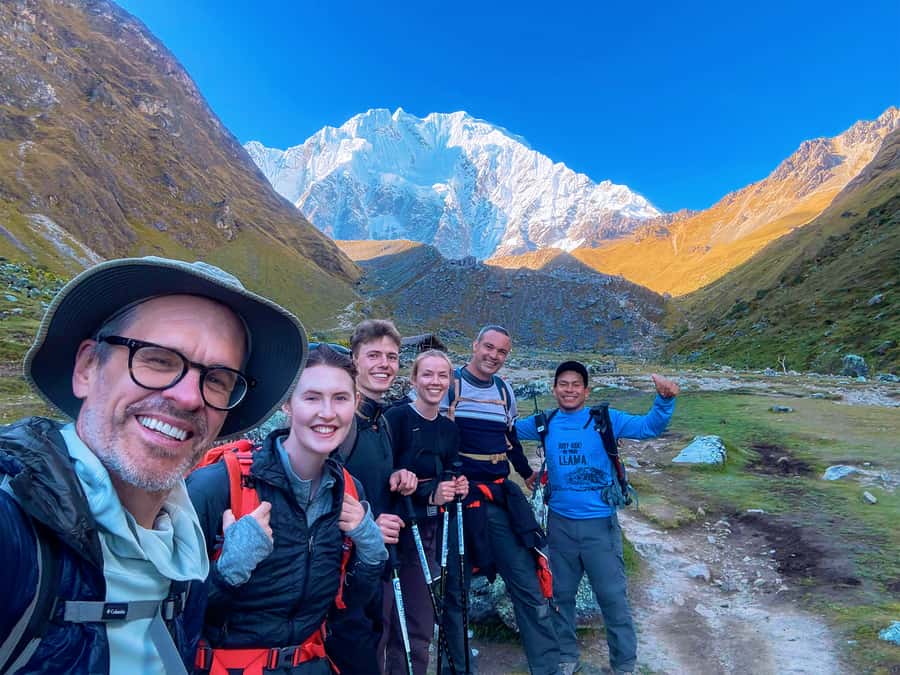
The Salkantay route is famous for a reason: you climb above the tree line, then drop into cloud forest and, finally, the Machu Picchu finish. What makes this specific 4-day option feel smarter is the balance of comfort and structure. You get a pro guide, tickets, daily meals, and a plan that moves you through Cusco’s altitude zone without leaving you to figure it out alone.
You’ll also notice the “support layer” built into the package. There’s a satellite phone, first-aid kit, and even an oxygen tank on the trek, plus a duffle bag (up to 7kg) so your personal stuff travels in a controlled way. That’s not glamour—it’s peace of mind when you’re dealing with altitude and long hiking days.
Finally, the schedule is designed around Machu Picchu timing. You start early on the final morning to catch a top-bus window for sunrise and then do a guided circuit inside the citadel before riding the panoramic train back to Cusco. That combination is what turns a hard trek into a complete Cusco-to-Machu Picchu journey, not just “a hike that ends at a town.”
You can also read our reviews of more hiking tours in Cusco

Day 1: Cusco Pickup, Humantay Lake, and SalkaGlamp Basecamp
Your day begins early, with pickup around 4:30 a.m. from Cusco’s historic center. Expect a scenic drive through Andean valleys first, then a transition point for breakfast in Mollepata. It’s early enough that you’ll feel the altitude more, but it also means you get the best light for the landscapes later.
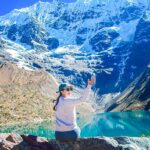
After that, the trek portion starts with a hike toward Humantay Lake. This is one of those places where the water looks unreal—turquoise and bright, framed by steep peaks. The practical value here is that it breaks your first day into a “reach a view, then keep going” rhythm instead of making Day 1 feel like one long grind.
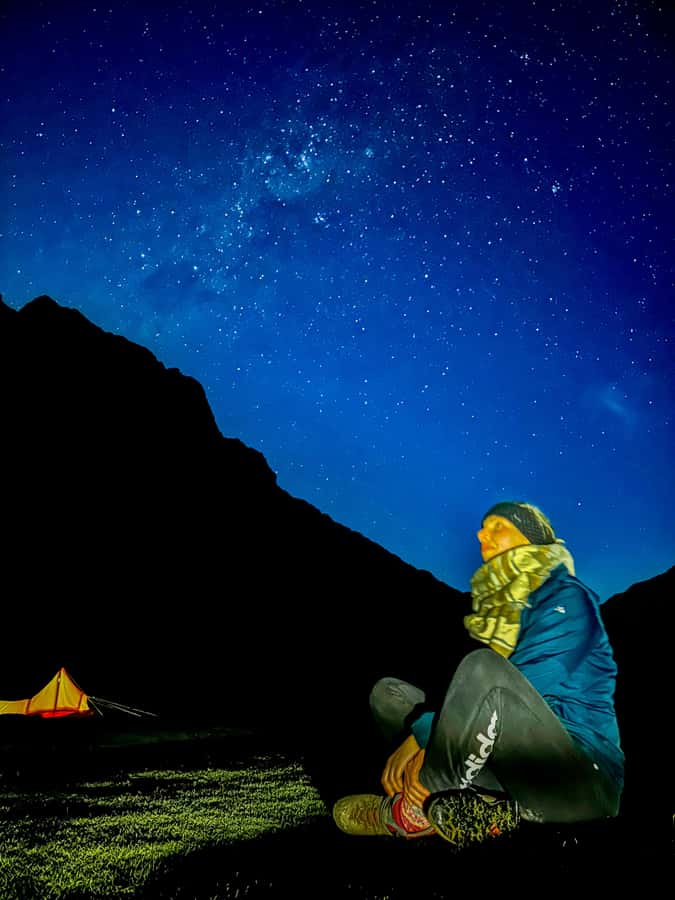
You’ll then descend and work up to Soraypampa for lunch, before continuing on to Salkantaypampa for the night at the glamping basecamp. I like the decision to put glamping early in the itinerary: it helps you recover after a long travel-to-trek day. You get provided items like a pillow, sleeping pad, and a rain poncho, plus dinner and the chance to sleep with mountain darkness overhead.
What to watch for: start slow at the beginning. Even if Humantay Lake feels “pretty,” the higher altitude still asks for steady breathing. Also, bring sunglasses and sunscreen because Day 1 can feel bright and dry even when the mountains look dramatic.
Day 2: The Salkantay Pass Push and the Shift Into Cloud Forest
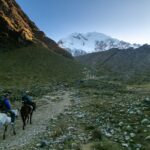
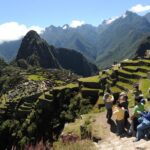
Day 2 is the core challenge day. After breakfast at camp (you’ll have options like coffee or coca tea served at your tent), you start the ascent to the Salkantay Pass at 4,630 m / 15,190 ft. Plan on the climb taking effort and patience. The payoff is the view across snow-capped peaks and the lake far below near Salkantay Mountain.
From there, you’ll descend to Wayracmachay for lunch after about three hours. Then the itinerary keeps changing scenery: a further three-hour hike into cloud forest. This is where your senses feel the swap—more color, more birdsong, and a more “alive” mix of plants than the high, exposed slopes.
By evening, you arrive at Collpapampa to rest in cozy Andean huts. This is also where the tour shifts from glamping comfort to more basic accommodation. And that’s the main consideration: some people have flagged issues with hut sanitation or warm shower extras in this area, so if you’re picky about bathrooms, this is the night to mentally prepare for.
Altitude tip that actually matters: take your time on the pass. Your group pace may be set for you, but you can still control how hard you breathe early. If you’ve got a slower rhythm, that’s exactly when “organized campsite placement” becomes important—some teams have been known to select higher camps to help the next day feel more manageable.
Day 3: Lucmabamba Pachamanca, Coffee Farm, Hidroeléctrica, and Aguas Calientes
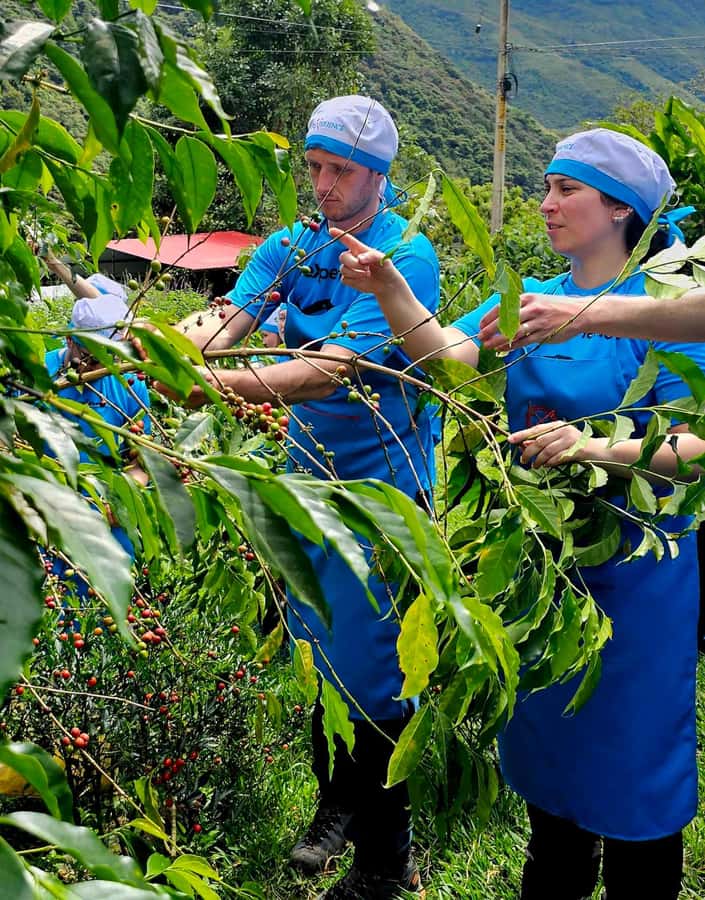
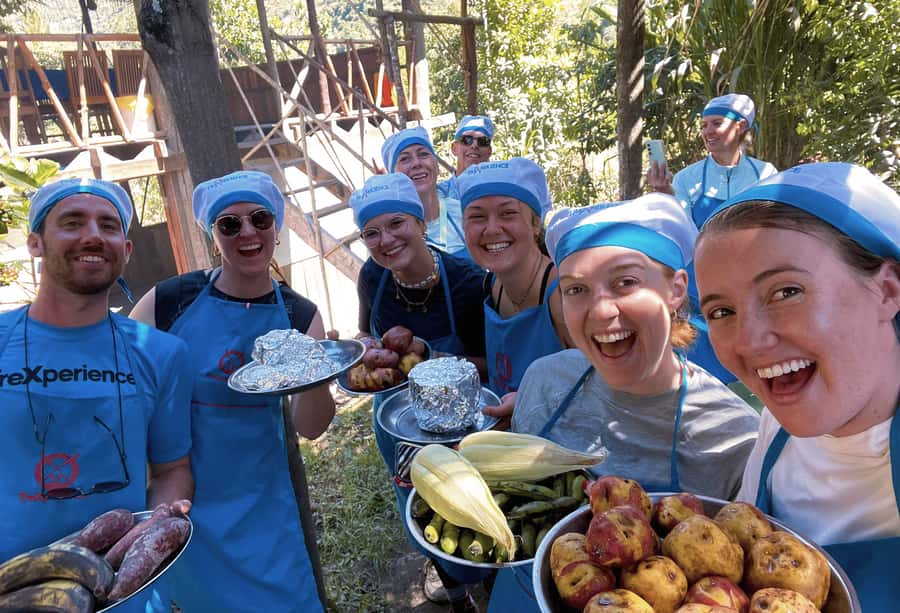
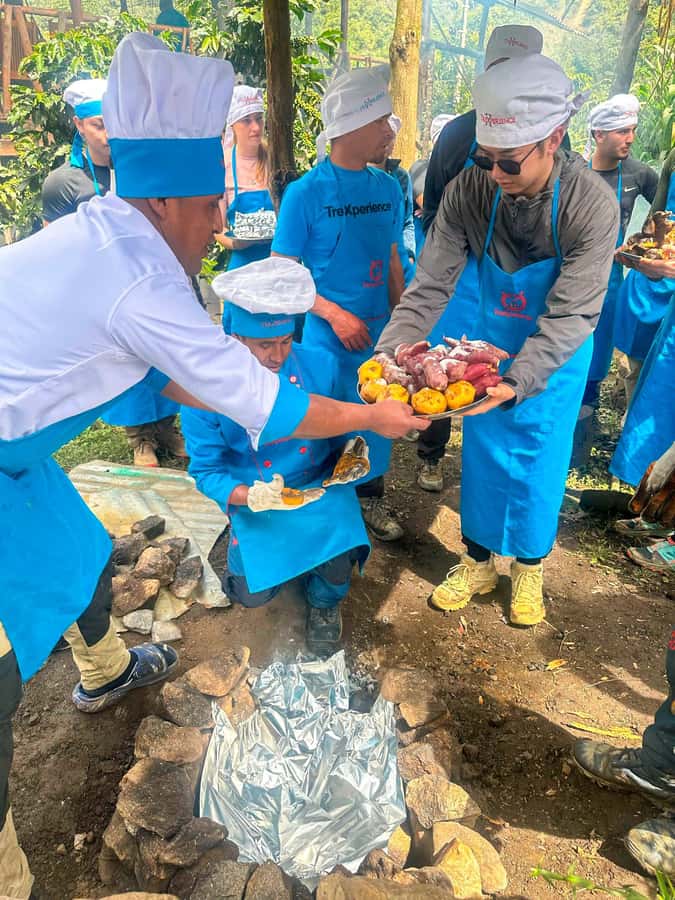
Day 3 starts with breakfast, then you hike about three hours to Lucmabamba. This is the day’s best food break because the meal isn’t just a buffet at a stop—it’s the Pachamanca experience. Vegetables, fruits, and meats are slow-cooked underground with hot stones, and it’s served as an Andean-style barbecue that feels built for hikers: filling, warm, and designed to keep you moving.
Right after, you’ll visit a local coffee farm and learn the process from bean to cup. Then you’ll even prepare your own freshly brewed espresso. I like this kind of activity because it’s not a “performance.” It gives you something you can explain later, plus it’s a mental reset between hiking segments.
Next, you drive to Hidroeléctrica, then hike about three hours to Aguas Calientes. The mix of short stretches and transport keeps the day from turning into a nonstop exhaustion loop. When you arrive, you check into a 3-star hotel and have breakfast included, plus you’ll have dinner at a local restaurant.
Machu Picchu prep reality: this is where you should prioritize rest. The big visit is the next morning, and sleep quality matters. If you know you get stiff easily, this is your “do less, stretch more” day.
Day 4: Sunrise at Machu Picchu, Guided Citadel Time, and the Train Back
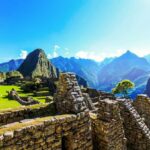
You’ll rise early to catch the first buses to Machu Picchu. The goal is sunrise—watching light roll across the mountains and waking up the citadel in stages. Even if you’ve seen photos, the scale hits differently when you’re standing there and the mist is moving.
Then you’ll do a guided exploration for about 2–3 hours, covering key areas of the site. An expert guide matters here because Machu Picchu isn’t just a pretty ruin. The city’s layout and functions get much easier to understand when someone connects the stones to the people and the place.
After the tour, you head back to Aguas Calientes for lunch (not included), then take the Vistadome or 360° panoramic train back toward Cusco. This train ride is more than transportation. You get a relaxing window-view segment after several intense days, and it keeps the trip from feeling like “just finish and collapse.”
One more ticket note that affects your experience: the tour includes Circuit 2 by default, and if that circuit is sold out, you’ll get Circuit 1 or 3 instead. If you want Huayna Picchu or Machu Picchu Mountain, you need to book those separately in advance, because they’re not included and sell out.
You can also read our reviews of more tours and experiences in Cusco


Food, Guides, and Group Size: How This Feels Day to Day
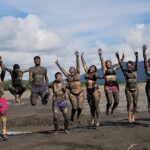
Small group is part of the magic here. The max group size is 16 people, which is big enough to keep it social but small enough that your guide can manage timing and needs. In a trek, that matters because everyone moves at different speeds, and altitude doesn’t care about schedules.
You’ll also get consistent meal structure: 3 breakfasts, 3 lunches, 3 dinners, plus water and daily snacks on the trail. That sounds simple, but on a multi-day trek, food timing is everything—especially for energy management before climbs. A good chef makes the meals feel like support, not just fuel.
On the people side, the guides and cooking teams described in past experiences tend to score high for care and communication. Names like Jose, Evangelino, Filio, Dionissios, Alberto, Roger, William, and chefs like Zenobio or Ismael show a common theme: guides explain what’s happening next and help the group stay calm. That’s a big deal when you’re tired and the air feels thin.
Your practical takeaway: bring patience on the hardest days. Even the best organized trek can’t make altitude feel easy, but a strong crew can make it feel manageable.
Price and Logistics: Is $552 a Good Deal?
At $552 per person for 4 days, this isn’t a budget-only trek. But it also isn’t just “pay for a guide and figure the rest out.” You’re paying for a complete chain: pro guide plus entrance tickets for the trek and Machu Picchu, transportation throughout (including the return by panoramic train), camping and hotel nights (glamping, huts, and a 3-star hotel), and all trail meals. You’re also given trekking support gear like a duffle bag up to 7kg, a sleeping pad, pillow, and a rain poncho.
So where does the value land?
- You remove decision fatigue. You don’t have to coordinate buses, tickets, meal stops, or where to sleep each night.
- You get ticket coverage for Machu Picchu and the trek. That’s a major hidden cost in Peru travel planning.
- You get full-day nourishment. For trekkers, meal logistics are often the difference between enjoying the hike and just surviving it.
Where you might feel less value is the accommodation variation on Day 2 huts, especially if you expected more shower comfort or better sanitation. That’s not unique to every Salkantay plan, but it’s worth knowing.
Also, last-day lunch in Aguas Calientes isn’t included, and optional extras like Huayna Picchu tickets aren’t part of the package. If you plan to add viewpoints, budget those separately.
Practical Packing and Altitude Reality (Without the Guesswork)
You’ll hike in changing conditions, so pack with layers. The essentials listed for the tour are solid for this itinerary: passport, comfortable shoes, hiking shoes, sun hat, sunglasses, sunscreen, rain gear, insect repellent, and a change of clothes. Add a flashlight and bring toiletries plus tissues/hand sanitizer since you’re dealing with remote stops.
You’re also going to deal with dust, sweat, and altitude fatigue. That’s why the tour’s provided gear matters. A rain poncho helps you avoid getting soaked, and a sleeping pad adds comfort when you’re tired. You can rent a sleeping bag or air mattress and trekking poles if you need them, but the tour doesn’t automatically include those rentals.
A few “think ahead” items:
- Bring cash for meals and incidentals like that Day 4 lunch.
- Keep your passport safe and ready; it’s required for booking.
- Don’t forget a student card if it applies to you, since it’s listed as something to bring.
Altitude reality check: Salkantay includes a high pass and long hiking days. This is not a stroll. The inclusion of oxygen and first-aid support is good to see, but you still need to pace yourself and hydrate.
Who Should Book This, and Who Should Skip It
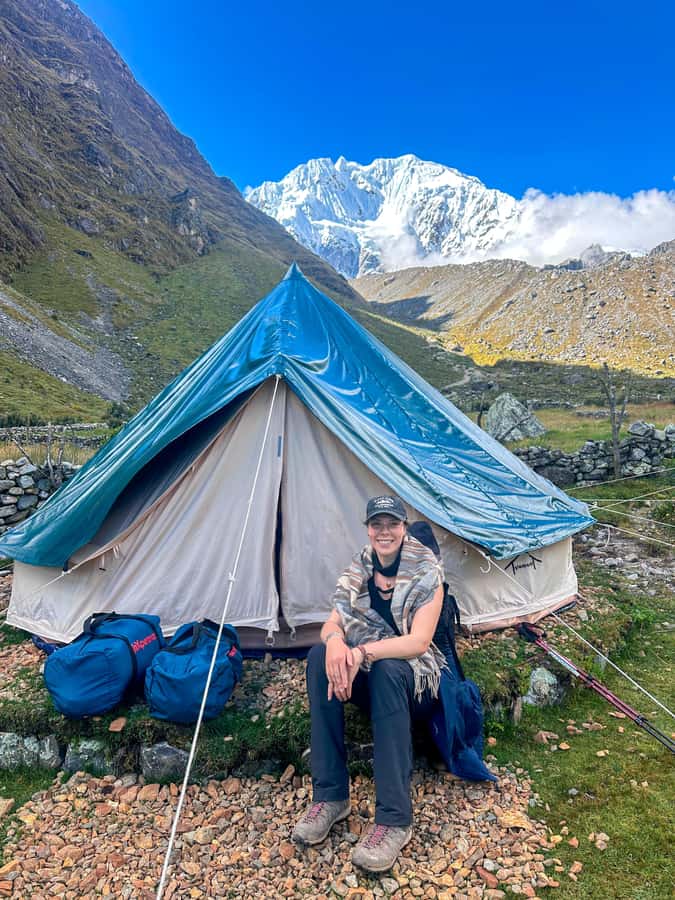
This trek is a strong fit if you want the full Salkantay-to-Machu Picchu experience with less stress on logistics. It’s especially good if you like comfort upgrades like glamping early and a hotel night before Machu Picchu.
It’s not suitable for people who are pregnant, have back problems, have mobility impairments, have heart problems, or use wheelchairs. If any of those apply, this itinerary’s altitude and hiking demands could be too much.
You should also consider your preferences about basic facilities. Day 2 huts may not match your expectations for shower comfort or sanitation. If that would ruin the trip vibe, it might be worth seeking a different accommodation standard.
Should You Book This Salkantay Trek?
I’d say yes if you want a structured, small-group Salkantay trek that ends with a guided Machu Picchu visit and a scenic train return. The package works because it bundles the hard planning pieces—tickets, transport, guide time, and most meals—so you can focus on the experience.
I’d say think twice if you’re very sensitive to accommodation comfort on the second night or if you’re aiming to add Huayna Picchu / Machu Picchu Mountain without extra prep time. Those add-ons need advance booking, and the Day 2 huts are the one place where comfort expectations can clash with reality.
If you’re fit for a multi-day trek and you want the best “Cusco to Machu Picchu” flow, this is a strong option.
FAQ
How long is this Cusco to Machu Picchu trek?
It’s a 4-day experience.
What’s the group size?
It’s a small group limited to 16 participants.
Do I get a guide and what languages are offered?
Yes. A live tour guide is included, with English and Spanish available.
What’s included in the price?
The package includes entrance tickets for the trek and Machu Picchu with a professional guide, transportation (including pickup and drop-off), return on a Vistadome or 360° panoramic train, lodging (glamping at Salkantay Camp, Andean huts at Collpapampa, and a 3-star hotel in Aguas Calientes), and all trail meals (3 breakfasts, 3 lunches, 3 dinners), plus water and daily snacks.
Which train ride do I take back to Cusco?
You’ll return to Cusco by either the Vistadome or the 360° panoramic train.
Is Machu Picchu Circuit 2 included?
Circuit 2 is included by default. If Circuit 2 is sold out, Circuit 1 or 3 will be assigned.
Do I need to book Huayna Picchu or Machu Picchu Mountain tickets separately?
Yes. Huayna Picchu tickets and Machu Picchu Mountain tickets are not included, and you need to book them ahead of time.
What should I bring for the trek?
Bring your passport, comfortable shoes and hiking shoes, sunglasses, a sun hat, sunscreen, rain gear, a change of clothes, a camera, insect repellent, toiletries, cash, flashlight, and weather-appropriate hiking clothes.