REVIEW · CUSCO
Small Group: 4-Day Inca Trail Trek to Machu Picchu
Book on Viator →Operated by Inkayni Peru Tours · Bookable on Viator
Four days of altitude drama await on this trek. Inca Trail permit limits keep the experience controlled, and this small-group hike takes you to Machu Picchu with a guide, chef, and porters doing the heavy lifting. You also get the classic morning moment at Inti Punku, weather permitting.
I love that the price covers the hard-to-organize parts: hotel pickup, bus to Km 82, the trekking permits, and the train-and-van return to Cusco, plus meals and camp support. I also like that you’re not just hiking in the dark; you get a briefing beforehand and a real team on the ground, including a chef and Chasquis. The one drawback is simple: you start at 5:00 am and you’ll cross Dead Woman’s Pass (4,215 m), so this is for people with solid fitness and realistic expectations.
In This Review
- Key things that make this 4-day Inca Trail feel worth it
- Entering the official Inca Trail world (and why the group size matters)
- Cusco to Km 82: the quiet setup before the climbs
- Day 1: Wilka Rakay views, then camp at Wayllabamba
- Day 2: Dead Woman’s Pass and the switch into cloud-forest hiking
- Day 3: Runkurakay, Sayacmarca, Chaquicocha, then Phuyupatamarca Pass
- Day 4: Sun Gate timing, first Machu Picchu view, then train back to Cusco
- Camping setup and food: the comfort upgrades that keep you hiking
- Price and value: what $850 actually buys you
- What to pack (and how to avoid getting wrecked by weather)
- Who this trek suits, and who should skip it
- Should you book this Inca Trail to Machu Picchu?
- FAQ
- What is the group size for this Inca Trail trek?
- How long is the trek?
- Where does the trek start?
- What time does the tour start on the first day?
- What’s included in the price?
- Do I need a sleeping bag?
- Is Machu Picchu included?
- Is Huayna Picchu included?
- Is water provided?
- Who is this trek not recommended for?
Key things that make this 4-day Inca Trail feel worth it
- Small-group size (max 10): fewer people on the route means more breathing room for photos and for hearing your guide.
- A full support crew: a chef, porters for camp gear, and a personal porter for up to 5 kg so you can hike farther without carrying everything.
- High-passes day after day: Dead Woman’s Pass, plus high points like Runkurakay Pass, for the classic Inca Trail payoff.
- Camping basics covered: inflatable sleeping mattress, spacious tents (set up as two people per tent), and hot water each morning.
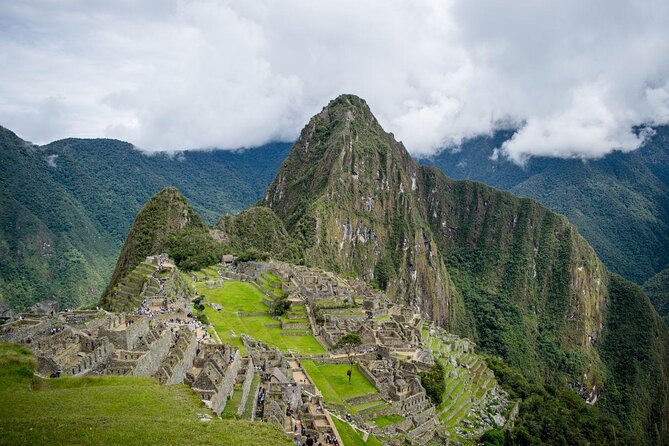
- Machu Picchu at Sun Gate timing: early walk to Inti Punku for your first wide view of the citadel.
Entering the official Inca Trail world (and why the group size matters)
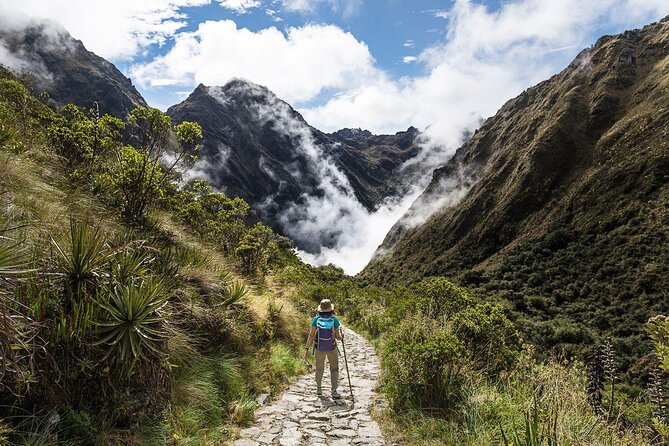
This trek lives inside Peru’s strict permit system. Since 2000, the Inca Trail has been regulated, and only 500 people are allowed each morning on the trail total. That number includes hikers, guides, porters, and cooks, so the day feels busy at the official level, but your actual group stays much calmer.
What you’re paying for is control and flow. A small cap (the materials say up to 10 travelers, with a small-group max also cited as 12) typically means you spend more time with your guide and less time playing traffic-jam roulette on narrow sections. It also makes it easier for your team to manage pacing when the air thins or the weather flips from sun to rain to hail.
If you like guided context while you hike, this tour fits. The guide-led focus you get along the trail is part of the reason this feels like a journey instead of a checklist.
You can also read our reviews of more hiking tours in Cusco

Cusco to Km 82: the quiet setup before the climbs
You’ll start early. Pickup from your Cusco hotel is included, then you travel by private bus through the Sacred Valley area, passing through towns like Chinchero, Urubamba, and Ollantaytambo. After about a 2.5-hour scenic drive, you reach Km 82, the official starting point.
This matters more than it sounds. The Sacred Valley drive is your first altitude adjustment without you overworking your body. It also helps you get oriented to the region—Quechua-speaking Andes, terraces, and the kind of winding road that makes you respect how the Inca managed movement before modern maps.
The tour also includes a briefing 1 or 2 days prior to your trek. That’s when you’ll get the basics on what to expect, how to pack, and how to keep yourself safe on the high passes.
One small practical note: water is included, but not for the first 4 hours of the trek, so plan to carry enough early on.
Day 1: Wilka Rakay views, then camp at Wayllabamba
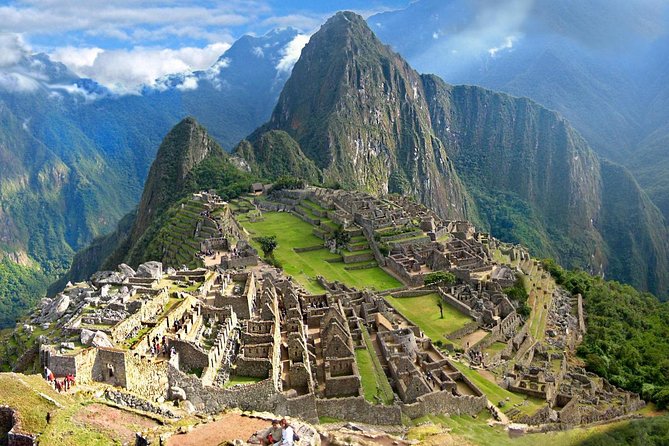
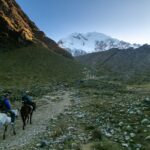
Day 1 begins with the ascent to Wilka Rakay, where you get a first wave of views over Patallacta and the Kusichaca Valley. It’s a “start slow, then feel it” kind of day. You’re walking, but the scenery does the heavy lifting emotionally.
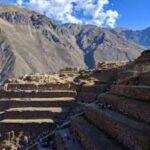
After that, you continue along the trail through classic Andean terrain with ancient Inca ruins and varied plant life around you. Late afternoon, you arrive at Wayllabamba (3,000 m). This is where the trek becomes a real overnight rhythm: set up camp, settle in, and let the team handle dinner preparation.
You’re camping at altitude, so don’t treat this like a hike-and-go situation. The included dinner and the chance to rest properly make the next day’s big crossing more manageable. One of the best things about this tour setup is that you’re not improvising camp logistics while your body is already tired.
Day 2: Dead Woman’s Pass and the switch into cloud-forest hiking
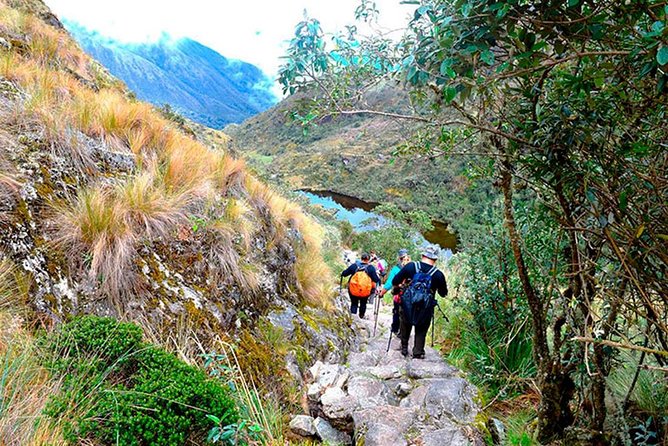
Day 2 is where the Inca Trail starts to earn its reputation. After breakfast, you climb for about an hour to Tres Piedras (The Three Stones). From there, you transition into the cloud forest, where the air feels cooler and the vegetation changes as you gain and lose elevation.
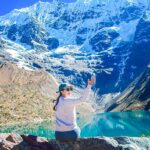
Then comes the headline: Abra de Warmihuañusca, Dead Woman’s Pass (4,215 m), the highest point on this route. Expect a tough climb, then a huge reward at the top—high-altitude grassland views that stretch across rugged terrain.
After the milestone, you start a steep descent to Pacaymayo (3,600 m) for camp. The altitude can still feel sharp on the way down, so the pacing here matters. This tour’s structure—guided hikes, scheduled rest, and a proper campsite at the end—keeps you from burning yourself out too early.
In the past, guides like Papa Freddy have been praised for balancing encouragement with real pacing choices. That matters on a day like this when confidence can tempt you to go too fast.
Day 3: Runkurakay, Sayacmarca, Chaquicocha, then Phuyupatamarca Pass
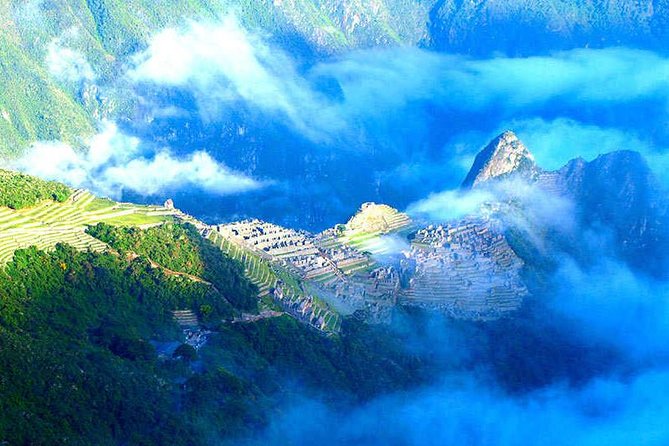
Day 3 starts with a shorter ascent sequence: about 45 minutes up to Runkurakay, then another 45 minutes to Runkurakay Pass (4,000 m). Runkurakay is a resting site once used by travelers, and it’s one of those spots where you can feel how the trail functioned as a network, not just a route.
From the pass, you descend to Sayacmarca ruins on a steep mountainside. The contrast is dramatic: big stone moments, then walking again along a well-preserved Inca path. After exploring, you reach the lunch area at Chaquicocha.
Now the trekking character changes again. You enter cloud forest and follow a narrow ridge toward the Phuyupatamarca Pass. If weather plays nice, you get views toward the Sacred Valley, towering peaks, and even the approach to Machu Picchu.
Finally, you descend to Wiñayhuayna for the last campsite before entering Machu Picchu. This is one of the most important nights. You’re close now, so you need real recovery time—not guesswork.
You can also read our reviews of more tours and experiences in Cusco


Day 4: Sun Gate timing, first Machu Picchu view, then train back to Cusco
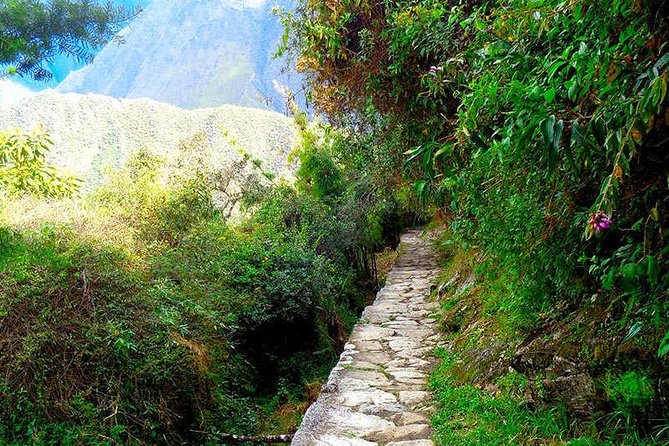
You rise early on Day 4 to finish the last stretch of the trail to Inti Punku (Sun Gate). This is the part that often feels the most emotional, because the hike shifts from “effort” to “arrival.”
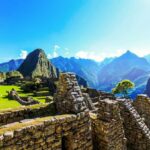
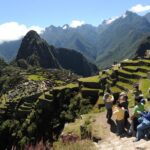
After about an hour, you reach Inti Punku. Weather determines what you’ll see, but the tour is set up for sunrise views over the Andes and your first big glimpse down at Machu Picchu. Then you descend for about 45 minutes to the upper terraces, where you can grab the classic photos.
Inside Machu Picchu, a guided tour is included, and that guide focus covers temples, ceremonial spaces, terraces, and storage structures. There is an important extra-cost note: a separate re-entry ticket to Machu Picchu may be required for additional time, and any optional add-on (like Huayna Picchu or Machu Picchu Mountain) costs extra for the mountain access.
After your Machu Picchu time, you return to Aguas Calientes for a break and lunch, then take the train to Ollantaytambo. A private van brings you back to Cusco. This “you’re done hiking, now get back home” flow is one of the reasons I like booking a package like this instead of trying to stitch transport together yourself.
Camping setup and food: the comfort upgrades that keep you hiking
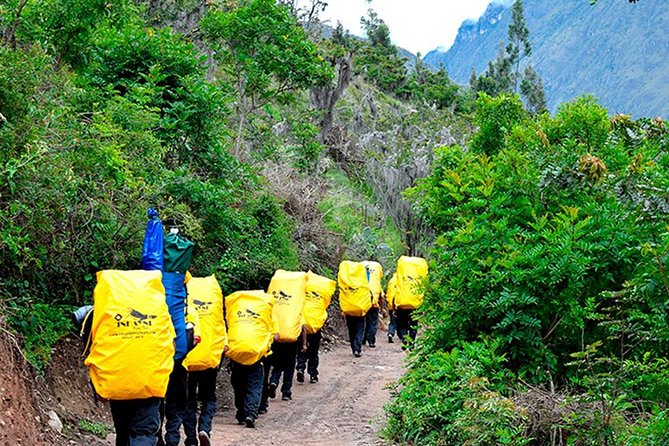
This tour is very clear about camp basics, and that is where good value shows up. You get a dining tent with tables and chairs, a chef, and meals each day on the schedule (with Day 1 breakfast excluded, and Day 4 breakfast also excluded). Dinner and lunch are covered during the trekking days described as included.
Sleep support is practical:
- Inflatable sleeping mattress
- Inflatable pillow (you need to carry)
- Spacious 4-person tents used by two people
- Hot water every morning
- Oxygen bottle
- First aid kit
A big practical detail: sleeping bag is not included, but you can rent one locally. I’d treat that as required planning, not an afterthought. Cold at altitude is real, and your sleeping setup can decide how you feel on Day 3.
Food gets high praise in the provided feedback, including mentions of chefs like Sabino and Nazario (and strong praise for the quality of three-course-style meals made on camping stoves). Even if the exact menu varies by day, the key idea stays the same: you’re not eating plain survival food while you hike.
Price and value: what $850 actually buys you
At $850 per person, this is not a budget hike. But when you look at what’s included, it starts to make sense.
Your money covers:
- Professional English-speaking guide
- Chef, plus porters for camp equipment
- A personal porter for 5 kg of your gear
- Hotel pickup in Cusco
- Transport to Km 82 and all the return logistics (train plus bus/van)
- Inca Trail admission tickets
- Camp and comfort equipment (mattress, tents, hot water, oxygen bottle)
- Meals during the trek days described as included
What you’re not paying for:
- Sleeping bag rental cost (if you need one)
- Huayna Picchu mountain access
- Travel insurance
- Entrance access costs tied to optional mountain hikes or any re-entry needs
So the value question becomes: do you want someone to handle the permits, the schedule, and the logistics while you focus on the trail? If yes, this is priced like a full-service trekking experience. If you’re the type who enjoys self-planning transport and carrying everything yourself, you might find cheaper DIY options—but then you give up safety structure and time savings.
What to pack (and how to avoid getting wrecked by weather)
The Inca Trail is famous for changing conditions. The tour info doesn’t promise sunny hiking, so pack for rain and cold. You’ll want:
- Walking boots
- Waterproof jacket or rain poncho
- Warm jacket
- Hat and gloves
- Sunscreen (SPF 35+)
- Insect repellent
- T-shirts and comfortable trousers
- Torch with spare batteries
- Personal medication and basic toiletries
- Passport (required on the day of travel)
The tour also notes ISIC for students if you qualify for any student discount. Plan for your original passport, and bring it even if you already emailed copies.
Temperature and altitude are the two big enemies. You’ll be at high points like 4,215 m, and even with oxygen support (included), you should move slowly and drink water regularly. Also remember water isn’t included for the first 4 hours of trekking, so start smart.
Who this trek suits, and who should skip it
This is a moderate physical fitness trek, but it’s still challenging. You’re hiking for about 5, 7, 8, and 9 hours across the four days, and you’ll climb high passes. The minimum age is 6 years, but that doesn’t mean every child should do it. Use common sense with your group’s real hiking ability.
Also, the tour explicitly says it’s not recommended for participants with back problems, heart disease, or other serious medical conditions. Altitude plus long hiking days is not a friendly combination for certain health situations.
If you want history plus effort, this works. The guide focus on Inca culture is part of the experience, and past groups have highlighted guides like Freddy, Ronald Ccana Sotalero, Herlin, Paul, and Yo-yo as upbeat, story-driven, and attentive on the trail.
If you want a relaxed nature walk with no real exertion, this is the wrong match. You’ll earn your sunrise view.
Should you book this Inca Trail to Machu Picchu?
Book it if you want the classic 4-day route with real support and a small group, and you value having permits, camp setup, and transport handled for you. The included chef, porters, hot water, and oxygen bottle make the biggest difference on a trek where fatigue can spiral fast.
Skip it or reconsider if you can’t handle long hikes, steep climbs, or high-altitude passes. Also, if you’re hoping for a fully gear-light trip, remember a sleeping bag isn’t included and the first hours may require you to carry water yourself.
If you’re choosing between rushing the experience and savoring it, this one leans toward savoring. You hike hard, you camp well, and you end with the Sun Gate approach—when Machu Picchu finally fills the view.
FAQ
What is the group size for this Inca Trail trek?
The tour is described as maximum 10 travelers (and small-group materials also cite a maximum of 12 people).
How long is the trek?
It’s a 4-day experience, with each day’s hiking time listed in the itinerary.
Where does the trek start?
You travel by bus to Km 82, which is the official starting point of the Inca Trail.
What time does the tour start on the first day?
The meeting point start time is 5:00 am.
What’s included in the price?
A guide (English-speaking), chef, porters, transportation (bus to Km 82 and return by train and bus/van), admission tickets, camping setup, meals during the trek schedule, and several comfort items like hot water, oxygen bottle, and an inflatable sleeping mattress.
Do I need a sleeping bag?
Sleeping bag is not included. You can rent one from a local tour operator.
Is Machu Picchu included?
Yes. You walk to Inti Punku and then get a guided tour inside the Machu Picchu site. Optional mountain hikes cost extra.
Is Huayna Picchu included?
No. Entrance to Huayna Picchu Mountain is not included.
Is water provided?
Water is included, but it excludes the first 4 hours of the trek, when you need to bring your own.
Who is this trek not recommended for?
It’s not recommended for people with back problems, heart disease, or other serious medical conditions.