REVIEW · CUSCO
Salkantay 5-Day Trek To Machu Picchu
Book on Viator →Operated by Bamba Travel · Bookable on Viator
You’re going to earn Machu Picchu the hard way. The Salkantay 5-day trek mixes snow peaks, high passes, and warm jungle valleys before landing at an early-morning guided visit to Machu Picchu. I really like the way this route keeps moving through big scenery changes, and I also like that you travel with a small group and a bilingual guide who handles the tricky logistics so you can focus on the trail.
One key consideration: this is a demanding altitude trek, with a high pass at 4,650 meters / 15,200 feet and real temperature swings. If you’re not used to long days and steep terrain, you’ll feel it—especially around that top crossing.
In This Review
- Key points to know before you go
- Why the Salkantay Route Feels Like Peru’s Best Mix of Peaks and Jungle
- Price vs. What You Actually Get: Transfers, Meals, Camping, and Machu Picchu Access
- Your Trek Shape: Altitude Jumps, Cold Nights, and the Hardest Day
- Day 1: Mollepata to Soraypampa, Humantay Views, and a Cold First Campsite
- Day 2: The 15,200-Foot Pass and the Long Descent Toward High Jungle
- Day 3: Upper Jungle Valleys, Santa Teresa River Crossings, and Optional Hot Springs
- Day 4: Hydroelectric Station Lunch, Aguas Calientes Arrival, and a Real Bed
- Machu Picchu Morning Plan: 5:30 Bus, Guided Walk, and Optional Peaks
- Food, Gear, and the Stuff You’ll Be Glad Is Included
- Group Size and Guiding Quality: Why It Changes the Feel of the Trek
- Who This Trek Fits Best (and Who Might Prefer Another Plan)
- Should You Book This Salkantay Trek?
- FAQ
- FAQ
- What time does the trek pickup start in Cusco?
- Is Machu Picchu included with the trek?
- What kind of accommodation do I get during the trek?
- Do I need to bring a sleeping bag?
- Are vegetarian meals available?
- What is the hardest part of the itinerary?
- Can I add Huayna Picchu?
Key points to know before you go
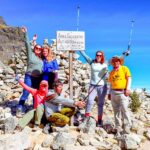
- High pass at 15,200 feet: the toughest moment comes mid-trek, with optional horse support to reach the top
- Early Machu Picchu bus: you’re aiming for morning light while crowds are still thin
- Meals that don’t feel like leftovers: cooked on the trail with a vegetarian option available on request
- Small group size: maximum 16, average around 4, which matters for pace and attention
- Camping plus 3-star comfort on Day 4: basic sleeping pad and tent during the trek, then a real bed in Aguas Calientes
- Gear and portage help included: mules and horsemen carry cooking/camping gear and a limited personal weight
Why the Salkantay Route Feels Like Peru’s Best Mix of Peaks and Jungle
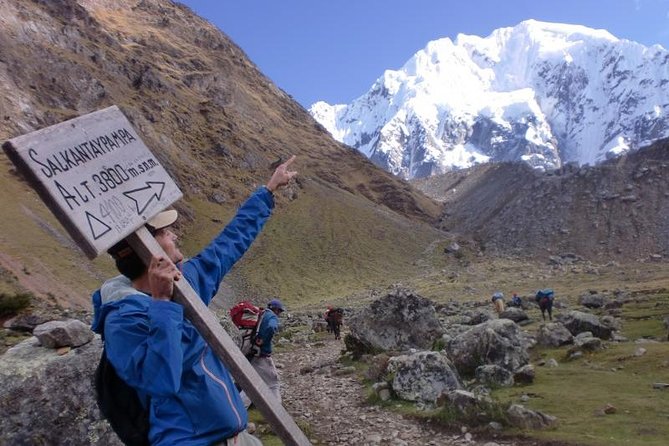
Most Machu Picchu routes take the same easy-to-market path. The Salkantay route doesn’t. It starts with cold Andean terrain, climbs into big altitude drama, then drops toward a warmer, greener region that feels totally different by the time you reach Santa Teresa.
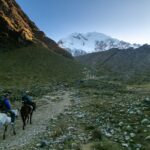
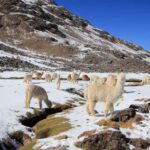
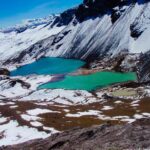
What makes this trek special is the contrast you actually hike through. You’ll be walking beneath snow-covered peaks one day, then later you’re crossing river valleys with tropical plants and the chance of waterfalls. That shift is not just scenery—it changes how you walk, how you dress, and how your body feels.
You also get to spend time near local communities in smaller villages along the way, including places like Soraypampa and Santa Teresa. That’s where the trip starts feeling less like a theme park and more like being part of daily life in the mountains and valleys.
You can also read our reviews of more hiking tours in Cusco
Price vs. What You Actually Get: Transfers, Meals, Camping, and Machu Picchu Access
At $797 per person, you’re paying for a package that’s more than “a guide + a hike.” This tour builds in the moving parts that usually cost extra or create confusion on your own: Cusco pickup, ground transfers to the trail start, the Aguas Calientes to Machu Picchu bus, and the train back toward Ollantaytambo.
Here’s what stands out for value:
- Bilingual professional guide on the trek and on the Machu Picchu walking tour
- Camping accommodation during the trek (tent for two plus a basic sleeping pad)
- One night in a 3-star hotel in Aguas Calientes
- Meals and snacks included across the full trek days: breakfast, lunch, dinner, plus snacks
- Entrance fees tied to the included Machu Picchu visit
- Horsemen and mules that carry cooking/camping gear plus a stated total amount of personal weight (the tour specifies an allowance that includes your sleeping bag/mattress portion)
What’s not included is also useful to know. You handle your sleeping bag, Cusco accommodation (hotel before the trek), tips, and you’re also on your own for guide coverage during bus/train segments that are part of the routing. If you like independence, that’s fine. If you prefer a fully guided door-to-door experience, you’ll want to plan around that reality.
Your Trek Shape: Altitude Jumps, Cold Nights, and the Hardest Day
This trek is described as demanding, and the altitude notes are not casual. You start around 2,900 meters (Mollepata) and you’ll reach up to 4,650 meters at the high pass. Temperature changes are real, and the experience expects you to be in decent shape before you arrive.
A few practical points I’d plan around:
- The coldest and highest campsite is on Day 1 at Soraypampa / 3,920m. Even if you handle the hiking, sleep can feel harder at altitude.
- The biggest push is Day 2, when you climb to the top crossing and then descend for hours afterward.
- There are optional supports: horse rental to reach the high pass area is listed at 100–120 soles, which can take some strain off if you’re struggling.
If you’re the kind of traveler who gets winded on steep stairs, you can still do this—but you’ll need a slower pace, smart breaks, and realistic expectations about stamina.
Day 1: Mollepata to Soraypampa, Humantay Views, and a Cold First Campsite
Day 1 starts very early. You’ll be picked up between 5:00 and 6:00 am in Cusco, then you travel to Mollepata (2,900m). There’s a short break there to stretch your legs and grab snacks. After that, you continue toward Challacancha, where you finalize prep and double-check equipment.
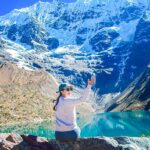
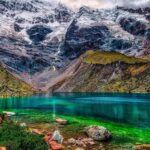
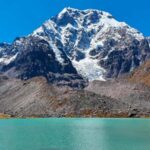
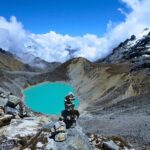
Then comes the hike into Soraypampa (around 3,920m). The route includes a lunch stop with broad mountain views—this is when you start seeing why people remember this trek. After lunch, you hike to Laguna de Humantay (about 1.5 hours each way). The lake is a dramatic reward for uphill effort, with those Andean peaks looming in the background.
You finish the day at the campsite in the coldest/highest zone of the trip. Dinner and early sleep are part of the plan. My advice: treat tonight like a warm-up for altitude sleep, not a normal hotel night.
Day 2: The 15,200-Foot Pass and the Long Descent Toward High Jungle
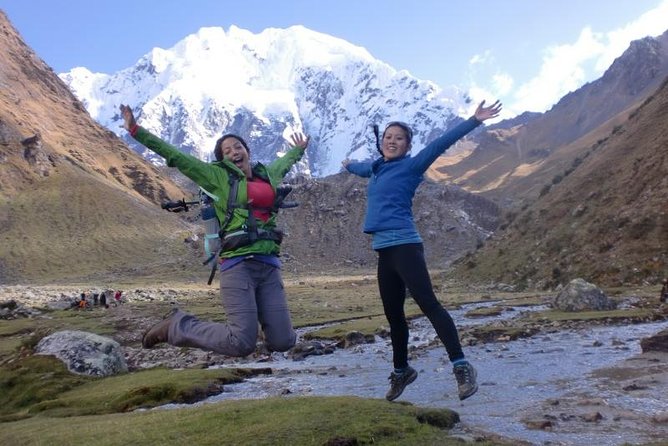
Day 2 is the day you earn your bragging rights, because it’s the highest point in the trek: the pass at 4,650m / 15,200 feet. Breakfast is around 6:00 am, then you hike for about 4 hours to the top crossing.
This is the moment where the scenery is described as incredible, with strong odds of snow near the pass. You’re between two big mountains—Salkantay (6,267m) and Humantay (5,900m)—and you’ll feel how high-altitude passes can slow you down.
There’s an important option here: horse rental for about 100–120 soles to reach the high pass area. Use that if you need it. This is not a race, and it’s better to manage fatigue than to push through with poor pacing.
After the pass, you descend for about 2 hours, eat lunch at Huayracpampa, and then keep hiking about 3 more hours to your campsite near the start of the high jungle region at roughly 2,900m (the plan lists Challhuay or Colcapampa). Your body feels it more on the descent than you might expect—knees, shins, and calves.
You can also read our reviews of more tours and experiences in Cusco
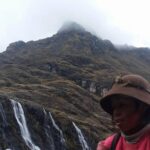
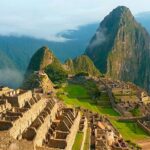
Day 3: Upper Jungle Valleys, Santa Teresa River Crossings, and Optional Hot Springs
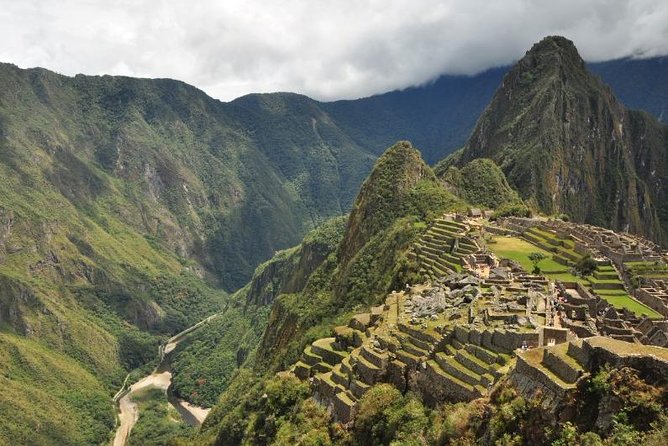
Day 3 is when the trek starts feeling warmer and wetter. You start around 6:30 am, trekking through the upper jungle region and crossing areas tied to the Santa Teresa River and multiple smaller brooks.
This isn’t just “green scenery.” It’s a day of varied footing and changes in vegetation. You’ll pass valleys and you may see waterfalls and tropical fruits and plants along the way. Lunch happens at La Playa (2,200m), and then you travel by car to Santa Teresa (1,700m) for the night.
The shift from high altitude to the lower, warmer zone makes Day 3 feel like a reward after two intense days. After you settle in, you have the optional Santa Teresa hot springs visit for extra cost (listed as 20 soles). That’s a smart add-on if your legs are feeling beat up—soaking at the end of a hard trekking stretch is often the difference between walking well tomorrow and feeling stiff.
Day 4: Hydroelectric Station Lunch, Aguas Calientes Arrival, and a Real Bed
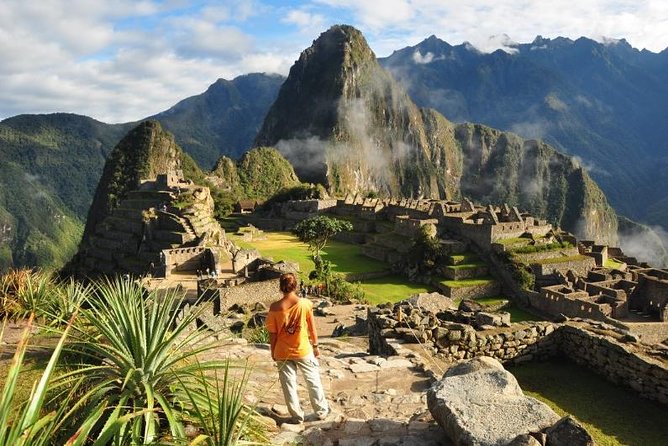
Day 4 is often called the “transition day,” and that’s accurate. You’ll start with breakfast around 8:00 am and walk a more relaxed path for about 3 hours to the hydroelectric station (1,880m), where a box lunch is served.
From there, you walk to Aguas Calientes (2,010m) for about 3 hours with only a slight uphill feel. This is the time to slow down and enjoy the last leg without the pressure of trying to conquer a pass.
Dinner is at a local traditional restaurant, and then you sleep in a 3-star hotel in Aguas Calientes. After camping nights, a real bed is more than comfort—it’s recovery.
There are optional shortcuts listed too:
- Optional bus transfer from Santa Teresa to the Hydroelectric Station (10 soles)
- Optional train transfer from Hydroelectric Station to Aguas Calientes (28 USD)
Those can be helpful if you’re arriving with sore legs or want to reduce fatigue before Machu Picchu.
Machu Picchu Morning Plan: 5:30 Bus, Guided Walk, and Optional Peaks
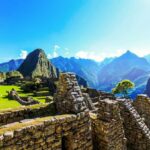
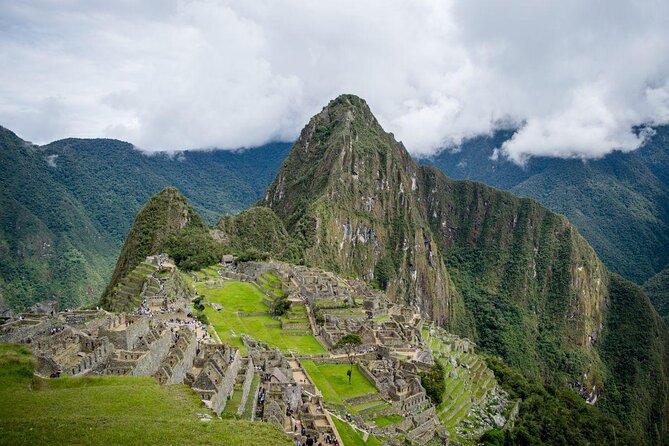
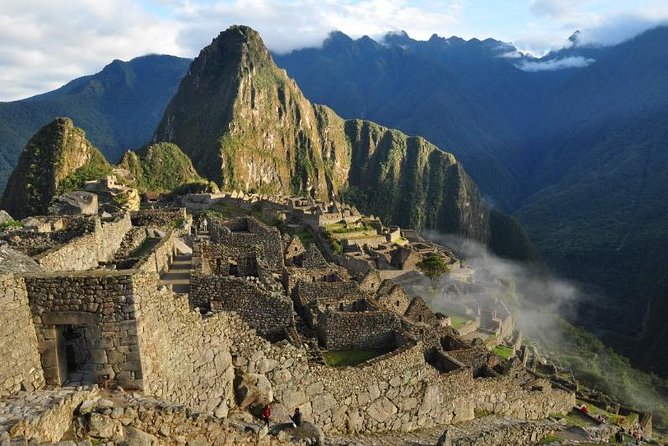
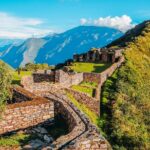
Machu Picchu works best in the early hours, and this plan reflects that. You’ll catch one of the first buses at 05:30 am for a roughly 25-minute ride to Machu Picchu. The goal is to see the city as the mist clears.
You get a walking tour of about 2 hours led by your guide. That guided time matters. The site is big, and it’s easy to miss what you came for if you wander without structure.
After the tour, you can explore on your own. If you still have energy, there are two popular optional hikes mentioned:
- Huayna Picchu inside the archaeological site (book in advance at extra cost)
- An additional optional Machu Picchu Mountain hike (also requires advance booking)
These advanced tickets can sell out, so if you want them, plan early.
On the way down, you take a bus back to Aguas Calientes. Then you return by train to Ollantaytambo, followed by a bus back to Cusco. You’ll be dropped at Plaza San Francisco late in the day, and your Cusco travel plans (hotel) are on you.
Food, Gear, and the Stuff You’ll Be Glad Is Included
I like that this trek treats food as part of the experience, not just fuel. Meals on the trek are cooked fresh, and the menu is described with enough variety to keep you from getting sick of the same thing every day. There’s a vegetarian option available if you request it at least two days in advance.
Typical meal patterns include:
- Breakfast options like hot porridge, eggs, or pancakes, plus coca/coffee/tea-style drinks
- Lunch and dinner with soup courses and main dishes that can include chicken, beef stews, quinoa, fried rice, and local favorites like aji de gallina or spicy potato stew
- Snacks with hot tea style drinks and bite-sized extras
What you should know about supplies:
- Sleeping bag is not included. You’ll need to bring or rent one.
- You get a basic sleeping pad and a tent (shared tent/room rules depend on whether you’re solo or traveling as a couple).
- There are limited or no electricity options during the trek, so charge and store accordingly before you start.
Also, there’s an emergency oxygen bottle listed. That’s not a guarantee you’ll need it, but it’s a comfort for altitude-related stress.
For your personal packing, the tour suggests bringing or renting: hiking poles, rain gear (rain pants/poncho), trekking boots, warm socks, layers like thermals and sweater, hat/gloves, sun protection, a flashlight, and waterproof ways to protect your camera.
One practical thing I’d plan for: extra cash. Along the way, water and snacks can be more expensive.
Group Size and Guiding Quality: Why It Changes the Feel of the Trek
This is small-group trekking, with maximum 16 and an average around 4. That scale matters on a multi-day hike. You’re less likely to feel rushed, and your guide can manage pacing, equipment, and timing without losing the group every five minutes.
The guiding is described as professional and friendly, and the Machu Picchu portion includes a structured tour with enough time to understand what you’re seeing. The trek guidance plus the site guide means you’re not just hiking into clouds—you’re learning why the route and the site matter.
One more detail I appreciate: the tour includes mules/horsemen for cooking and camping equipment plus a limited personal carry amount. That’s the difference between hiking comfortably and carrying “everything you own,” especially on cold nights when your layers take up space.
Who This Trek Fits Best (and Who Might Prefer Another Plan)
This trek fits best if you:
- want a real challenge but still like strong organization
- enjoy early starts and don’t mind long days
- want Machu Picchu with a guided orientation rather than a blind walk
- like the idea of a route that changes from snow and lakes to lower, warmer jungle valleys
It may feel like a rough fit if you:
- have trouble with steep ascents/descents or long hiking days
- need a fully restful pace with minimal altitude exposure
- are expecting mostly flat walking
The minimum age is listed as 7 years, so families can go, but this is still marked as demanding, and altitude is the real factor.
Also note that departures are Monday, Wednesday, Thursday, and Saturday (with daily departures only with a group size of 4+). No departures in January and February due to climate.
Should You Book This Salkantay Trek?
If you want Machu Picchu but also want the journey to matter, I think this route is a strong choice. You’re getting a package with transfers, meals, guide support, camping basics, and a guided Machu Picchu morning—plus the route itself delivers major altitude drama and jungle warmth in five days.
Book it if you’re ready for the physical side: you’ll be climbing toward the high pass and you’ll sleep cold at altitude. If you’re not sure you’re fit enough, consider building fitness before the trip and don’t be shy about using the horse option near the high pass if needed.
Finally, if you care about side hikes inside Machu Picchu like Huayna Picchu or a Machu Picchu Mountain add-on, plan ahead for those reservations. That’s where many trips get derailed by timing.
FAQ
FAQ
What time does the trek pickup start in Cusco?
Pickup is offered between 5:00 and 6:00 am for the trek start.
Is Machu Picchu included with the trek?
Yes. You get a round-trip tourist bus between Aguas Calientes and Machu Picchu, plus a guided walking tour at Machu Picchu.
What kind of accommodation do I get during the trek?
You sleep in tents during the trekking days (with a basic sleeping pad included). On Day 4, you get 1 night in a 3-star hotel in Aguas Calientes.
Do I need to bring a sleeping bag?
Yes. Sleeping bag is not included, so you need to bring or rent one.
Are vegetarian meals available?
Vegetarian meals are available on request. You should advise in advance (at least two days before departure).
What is the hardest part of the itinerary?
The hardest day is typically Day 2, when you climb to the highest pass at 4,650 meters / 15,200 feet.
Can I add Huayna Picchu?
Yes, Huayna Picchu is optional and must be booked in advance at an extra cost.