REVIEW · CUSCO
5-Day: Salkantay Trek to Machupicchu and Humantay Lake
Book on Viator →Operated by Mega Expeditions · Bookable on Viator
Altitude, tents, Machu Picchu sunrise. This Salkantay route strings together Humantay Lake, the Salkantay Pass, and a timely arrival at Machu Picchu so you can watch the light change over the ruins. I like how the hike feels structured but not stiff, with help from a professional bilingual guide and a small group.
What I also like: you’re not doing this totally on your own. Meals and base-camp setup are handled, and you even get full camping gear (just bring your own sleeping bag). One thing to consider before you book is the daily rhythm: you’ll be outside in cold mornings and at high altitude fast, so if you hate early starts or altitude work, this one will feel like a lot.
In This Review
- Key Points That Matter on This Trek
- Getting There: Cusco Pickup and What a Small Group Changes
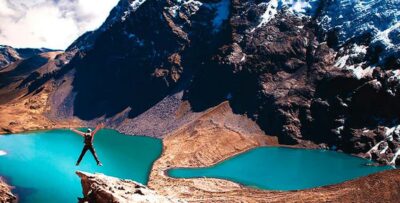
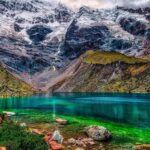
- Humantay Lake Day: Bus Wheels, Then Campside Views at 3,900m
- What can feel hard on Day 1
- Salkantay Pass and the Inca-Minded Ritual Moment at 4,600m
- A drawback to keep in mind
- Santa Teresa and Cocalmayo Hot Springs: Recovery With Options
- Zip Line Choice and the Rail-Jungle Walk to Aguas Calientes
- Machu Picchu Sunrise: Guided Entry, Free Time, and the Long Return
- Upgrades that you can consider
- Price and Logistics: What $360 Really Buys You
- What costs extra (and you should plan for it)
- Who This Trek Suits (and Who Should Rethink It)
- Should You Book This Salkantay–Machu Picchu Trek?
- FAQ
- What time does pickup happen in Cusco?
- How many people are in the group?
- What’s the highest altitude on the trek?
- Are meals included?
- What camping gear is provided?
- Is the hot spring included?
- What’s included for Machu Picchu?
Key Points That Matter on This Trek
- Small group size (max 15) keeps the pace human and makes it easier to ask questions.
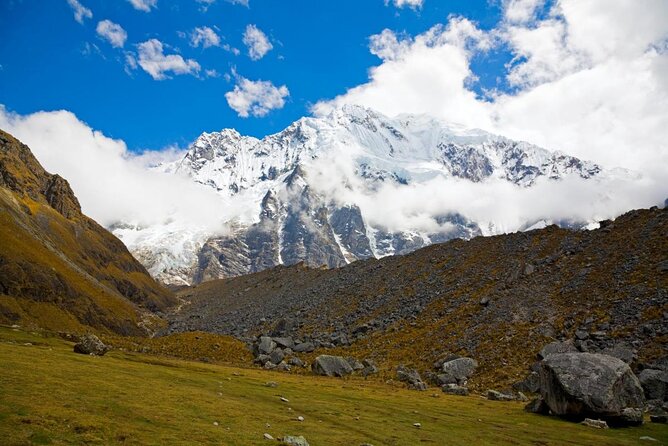
- Altitude up to 4,600m over the Salkantay Pass means you’re earning the sunrise later.
- Camping support is real: gear provided, porters and horses handle your load for the hardest days (limit 5kg).
- Machupicchu sunrise is built in: you climb early, enter around 6:00am, and get a guided overview first.
- Optional hot springs and zip line choices let you swap effort levels on Day 3–4.
- Private feel at the hostel for couples (when applicable) adds comfort after long walking days.
Getting There: Cusco Pickup and What a Small Group Changes
You start before most people have even rolled out of bed. Pickup is listed between 5:30 and 6:00am in Cusco, though the first-day plan also describes around 4:30am pickup from lodgings. Either way, plan for a very early morning, and confirm the exact time in your confirmation message.
This trek runs with a maximum of 15 travelers, which is a big deal in the Andes. Big groups can turn into waiting lines at every turn—on narrow paths, at viewpoints, even when you’re trying to catch your breath. Here, you’ll spend more time hiking and less time watching a traffic jam form behind you.
There’s also a briefing with the guide the day before, and you’ll travel by private transportation. That matters because Salkantay is logistically simple but timing-sensitive—especially when you’re trying to arrive in time for Machu Picchu’s morning schedule.
You can also read our reviews of more hiking tours in Cusco

Humantay Lake Day: Bus Wheels, Then Campside Views at 3,900m
The first day is a mix of travel and acclimatizing hiking, which is smart. After pickup, you do a four-hour bus ride, with a stop in Mollepata at about 2,900m for a short break (around 30 minutes). Then you continue to Challacancha, where you meet the porters and horses that’ll carry equipment.
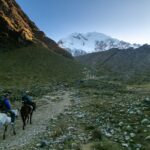
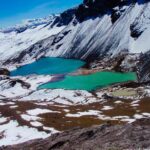
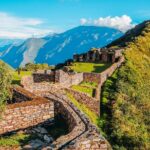
From there, your hiking begins toward Soraypampa at about 3,900m, using the Inca-style water irrigation channels as your route. This isn’t a steep scramble day—it’s a long walk that helps your body adjust while you still get moving. When you reach Soraypampa, you set up your first base camp and get that classic Salkantay feeling: sharp mountain views and cold air that turns your breath visible.
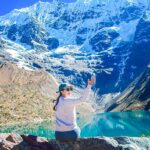
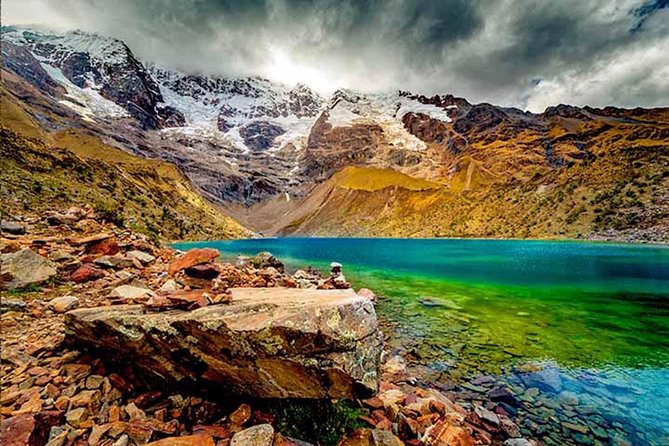
Temps are described as roughly 10°C in the day and 2°C at night, so pack for layers even if the sunlight looks friendly at first. Lunch comes at camp, then you tackle the Humantay Lake walk from the camping area at about 4,200m. Expect around 1 hour and 30 minutes of walking, plus the time you’ll want for photos and just staring.
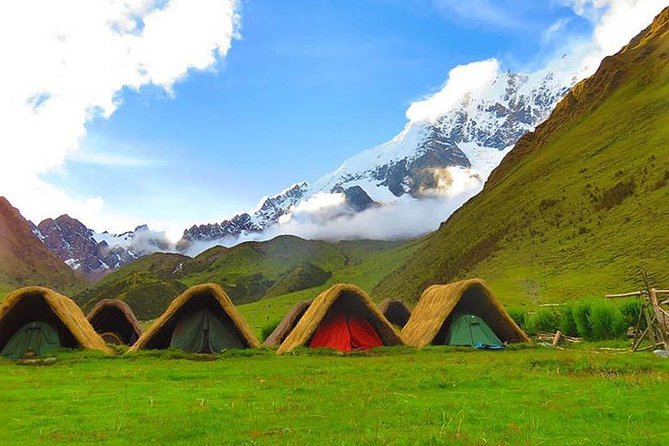
One practical detail I appreciated in how this trek is set up: the camping setup is described as four-season tents with an extra straw roof. That doesn’t mean you’ll be warm enough to forget the cold, but it’s a thoughtful upgrade for a high-altitude night.
What can feel hard on Day 1
The elevation is your main opponent. Even with manageable hiking, you’re going from roughly 2,900m up toward 4,200m while you’re still waking up. If you don’t naturally move slowly, you’ll want to force an easy pace early.
Salkantay Pass and the Inca-Minded Ritual Moment at 4,600m
Day 2 is where you earn the day-later payoff. You start with wake-up tea and breakfast designed to help you acclimatize. That sounds basic, but in altitude hiking, small habits help—warm tea and a steady start can keep you from feeling sluggish right when the climb begins.
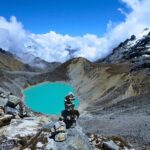
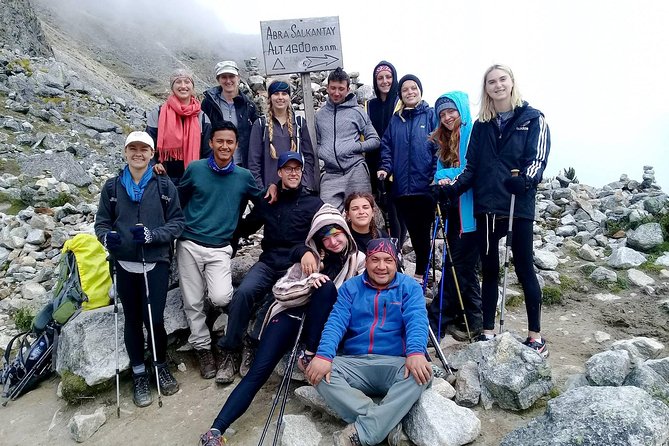
You hike for about 3 hours toward the high point of the trek: the Salkantay Pass at 4,600m. This section is described as full of intimidating Andean mountains and powerful scenery, and you’ll feel the altitude in your breathing even if you’re moving well. From the pass, the route drops toward Wayracpunku, where lunch is served.
There’s also a cultural moment built into the climb: you’ll pause to pray and ask permission from the Apus, the mountain gods. You don’t need to be religious to appreciate why this matters—it’s a reminder that the landscape isn’t just a backdrop. It’s part of how people interpret risk, weather, and travel at high altitude.
After lunch, the trek shifts into what they call the high jungle—you’ll pass large trees with arms extended over streams, plus bromeliads and orchids. The humidity and the smell change. The walking can feel different too: less “tight” than the pass, but longer and wetter underfoot.
You reach camp in Chaullay at about 2,900m, then it’s dinner and rest. You’re not done challenging yourself, but this is the recovery stage where you’ll feel the benefits of a good day-one setup and steady movement.
A drawback to keep in mind
If you’re expecting one big summit moment and then easy walking, reality is messier. Day 2 mixes a major high point with continued hiking afterward. You’ll want to keep your pace controlled so you’re not spent before the jungle stretch.
You can also read our reviews of more tours and experiences in Cusco
Santa Teresa and Cocalmayo Hot Springs: Recovery With Options
By Day 3, you’re moving from high terrain into lower, warmer jungle hiking. Breakfast is around 6:30am, then you head toward Sahuyaco (La Playa) at 2,000m with a jungle trekking section. The temperature swing here is described as about 25°C in the day and 14°C at night—which is a comfort upgrade compared with the colder camps.
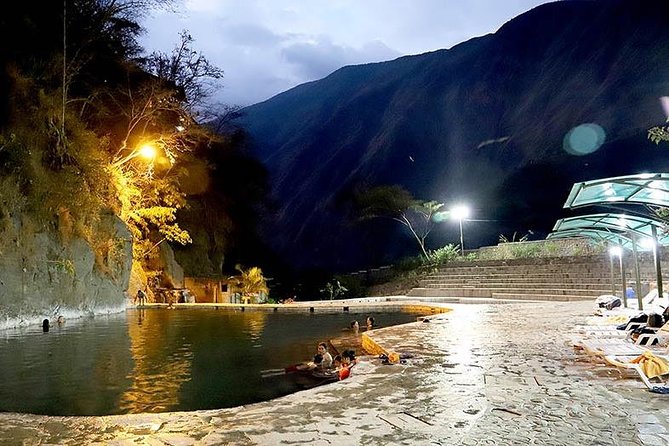
You’ll have lunch at Sahuyaco/La Playa, then you continue by transport to Santa Teresa at 1,550m. Base camp is set up there, and you get a chance to relax in Cocalmayo hot springs.
Here’s the key detail: the hot springs time is not included. You can pay on the spot for about $6.00 USD. That makes it easier to decide based on how you feel. If your legs are cooked, you’ll likely appreciate it. If you’d rather rest in a quieter way, you can skip it.
Afterward, there’s a traditional Peruvian dinner, and rest. This day is one of the most valuable “recovery blocks” on the whole trek because it’s where you soften the altitude grind with warmth, lower elevation, and time to reset.
Zip Line Choice and the Rail-Jungle Walk to Aguas Calientes
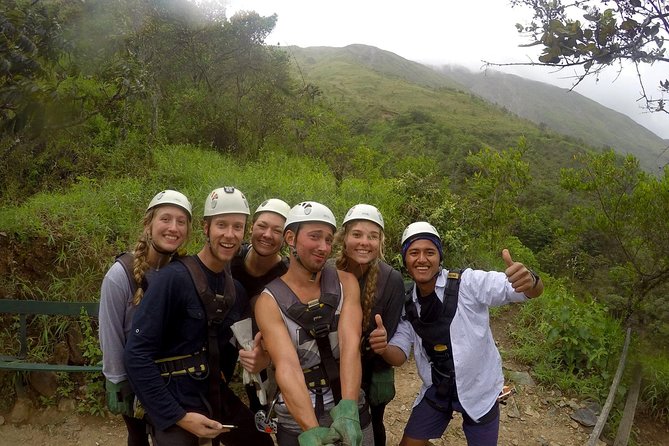
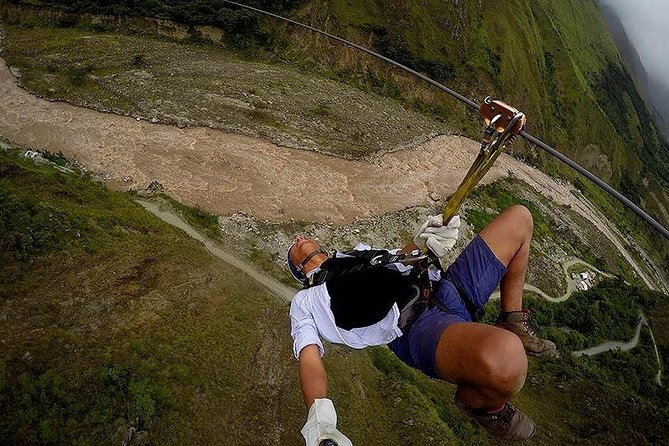
Day 4 has two paths depending on whether you booked an optional zip line activity. If you did, pickup happens from the camping site for that activity, described as about 2 hours and 30 minutes. The details provided are great for managing expectations: more than 6 cables, a longest cable around 1 kilometer, and maximum speed around 70 km/h (45 mph). There’s also a climbing rock and a suspension bridge included in the activity structure.
If you didn’t book the zip line, you still get a walking day—but a calmer one. You’ll do about 2 hours of trekking from Santa Teresa to the hydroelectric area, which is the meeting point where the whole group joins for lunch and a break.
Then everyone heads out along the railway line through jungle that the Inca-era history is said to know well. The walking portion is about 3 hours, and the pace is designed to get you to Aguas Calientes around 5:00pm. Expect waterfalls, ecological farms, and possibly wildlife—nothing guaranteed, but the setting is definitely alive.
That night is the hostel portion. You’ll meet at a local restaurant for dinner and an informative session about Machu Picchu. That briefing is important because Machu Picchu morning is not a lazy start. You want to know where you’ll go first, what to watch for, and how the timing works.
Machu Picchu Sunrise: Guided Entry, Free Time, and the Long Return
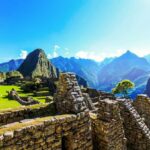
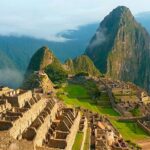
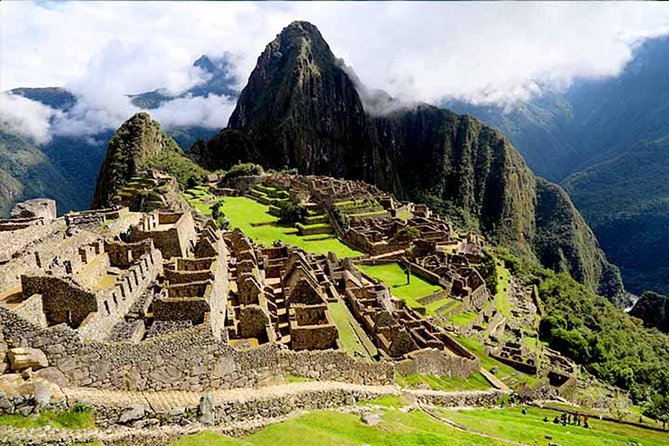
Day 5 begins around 4:00am. You climb toward Machu Picchu along an ascending path crossing high jungle, timed so you reach the ruins in time for the sunrise. The entrance control is around 6:00am.
Then you get a guided tour of about 2 hours inside the citadel. This is a classic “best use of your time” move. Machu Picchu is huge, and without context you can miss why certain views and structures matter. After the guided portion, you get free time to explore on your own.
Later, you return by walking about 3.5 hours to the hydroelectric area. A bus waits and takes you back to Cusco, with arrival around 10:00pm.
Upgrades that you can consider
This trek gives you options, and you should think about what you want from Machu Picchu:
- Extra night in Machu Picchu town: possible for about $30 USD. The value here is simple—less rushing. If you want extra time for additional viewpoints like Huayna Picchu, the next morning starts easier.
- Huayna Picchu: an additional $30 USD to climb. Availability is checked after booking.
- Train return option: you can add train back from Aguas Calientes to Ollantaytambo (about 1 hour and 40 minutes). Then a car takes you back to Cusco, dropping you near San Francisco Square, around 10:00pm. The trade-off is cost versus comfort, and the upside is more time in Machu Picchu. You can stay until 5:00pm maximum with that plan.
If you’re the type who wants photos without racing the clock, the extra time option can be worth it.
Price and Logistics: What $360 Really Buys You
At $360 per person, you’re not just buying a ticket and a “good luck” hiking partner. You’re getting a whole system:
- 3 nights camping + 1 night hostel
- Meals: breakfast (4), lunch (4), dinner (4)
- Camping gear included, except for your personal sleeping bag
- A professional bilingual guide (Spanish–English)
- Private transportation and organized transfers
- Machu Picchu entrance arranged in advance (booking with about 2 months lead time)
That last point matters more than it sounds. Machu Picchu access is time-locked, and this style of trek is built around respecting that schedule. You’re also carried along with equipment support: your backpack is carried by horse up to 5kg for the first three days, which is where most people feel the weight most.
What costs extra (and you should plan for it)
- The hot springs at Cocalmayo are about $6.00 USD
- Sleeping bag is not provided
- The trek notes that breakfast on day one, plus lunch and dinner on the last day are not included
- Optional additions like zip line, Huayna Picchu, and the extra night have their own fees
So the real value question is: do you want an all-in support package for a high-altitude trek? If yes, this price looks sensible.
Who This Trek Suits (and Who Should Rethink It)
This is best for adventurous travelers who want a real active vacation. The physical requirement is listed as moderate fitness, but “moderate” doesn’t mean easy at 4,600m. You should feel comfortable with long walking days, steep moments at elevation, and cold nights.
This trek is also a good fit if you like structure. You’ll have porters and horses on the hardest loading days, organized camps, meals, and a plan that ties together Salkantay hiking and a Machu Picchu morning.
You might want to rethink if:
- You get strongly affected by altitude and prefer to acclimatize more gently.
- You dislike early starts and late arrival logistics (Cusco arrival around 10:00pm).
- You want total independence. This trip runs tight with timing.
Should You Book This Salkantay–Machu Picchu Trek?
If you want a guided, small-group trek that gets you to Machu Picchu at sunrise without you having to juggle the hard parts, I’d say it’s worth booking. The biggest strengths are practical: the bilingual professional guide, the supported camping setup, and the way the trek moves from lake hikes to the pass to Machu Picchu with clear pacing.
My decision checklist is simple:
- Pack light enough to respect the 5kg carried load plan early on.
- Bring layers for cold nights around 2°C.
- Be ready for altitude work on the 4,600m pass day.
- Decide upfront if you want the upgrades (hot springs, zip line, extra night, Huayna Picchu).
If those boxes fit your travel style, this is the kind of trip that feels meaningful by the end—because you walked for it.
FAQ
What time does pickup happen in Cusco?
Pickup is listed between 5:30am and 6:00am in Cusco, but the first day’s plan also describes pickup around 4:30am. Confirm your exact pickup time in your confirmation.
How many people are in the group?
The group maximum is 15 travelers.
What’s the highest altitude on the trek?
The Salkantay Pass is listed at about 4,600 meters. Humantay Lake is around 4,200 meters, and Soraypampa is about 3,900 meters.
Are meals included?
Yes. Meals included are 4 breakfasts, 4 lunches, and 4 dinners. Breakfast on the first day, plus lunch and dinner on the last day, are not included.
What camping gear is provided?
Full camping gear is included, except for a sleeping bag, which you need to bring.
Is the hot spring included?
No. Hot springs at Cocalmayo can be enjoyed for about $6.00 USD and you pay on the spot.
What’s included for Machu Picchu?
Machu Picchu entrance is included, and the tour includes a private guided visit for about 2 hours after you enter around 6:00am. The trek returns to Cusco by bus after walking to the hydroelectric area.
If you want, tell me your hiking comfort level (especially at altitude) and whether you’re interested in the zip line or Huayna Picchu, and I’ll help you map a smart packing and upgrade plan.