REVIEW · CUSCO
Excursion 7 lagoons-Cusco| Full day
Book on GetYourGuide →Operated by MachuPicchu Peru tours · Bookable on GetYourGuide
Four thousand meters and seven shimmering lakes. This full-day excursion from Cusco takes you to the 7 lagoons fed by melting snow from under Ausangate, then winds down in the Pacchanta hot springs. I really like how the trip blends a big nature day with a practical recovery moment. I also like that you get a professional guide speaking Spanish and English, so the hikes feel guided instead of just scenic. One drawback to plan for: the altitude and the long walk (about 10 km) can be tough, and the start time is very early.
You’ll be picked up from your hotel in/near Cusco’s Historic Center between 4:00–5:00 a.m., then you’ll return around 6:30 p.m. For around $40 per person, you get transport, breakfast, lunch, and a guide. Entrance fees for the lagoons and the hot springs are extra, but the day still represents solid value if you’re ready for a real trek.
In This Review
- Key Things to Know Before You Go
- Ausangate’s 7 Lagoons: Why This Day Trip Works
- The Very Early Start from Cusco (and Why It Matters)
- Breakfast in Pacchanta Before the Hike
- The 7-Lagoon Circuit: Pucacocha to Azul Cocha
- Altitude Reality: How to Pace Yourself on a 10-km Day
- Pacchanta Hot Springs: The Recovery Part You’ll Appreciate
- Lunch, Meals, and Timing That Keeps the Day Moving
- Price and Value: What $40 Really Buys (and What Costs Extra)
- What to Bring (and Why “Comfort Shoes” Is Not a Throwaway Line)
- Who Should Book This (and Who Should Skip It)
- The Guide Experience: Spanish, English, and Pace Management
- Should You Book the 7 Lagoons + Pacchanta Hot Springs Tour?
- FAQ
- What time is hotel pick-up in Cusco?
- How long is the excursion and when do you return?
- Where are the 7 lagoons located?
- How long is the hike?
- Are breakfast and lunch included?
- Are the entrance fees to the lagoons and hot springs included?
- What languages are the guides?
- What should I bring?
- Who should not do this tour?
Key Things to Know Before You Go
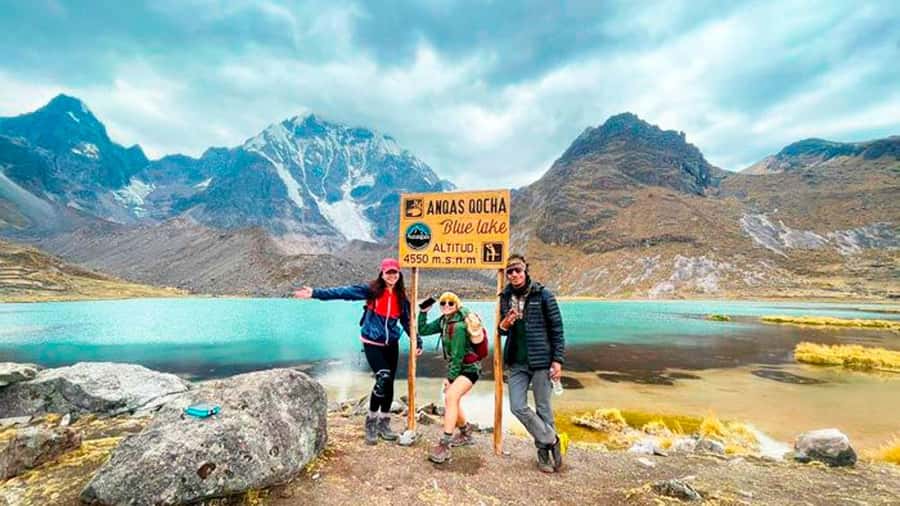
- You’ll be above 4,200 meters for the main lagoon circuit, so build in a slow pace from the first minutes.
- The hike is roughly 10 km with a guided route that lasts more than 2 hours on foot.
- Seven lagoons in one circuit: Pucacocha, Patacocha, Alqacocha, Qomercocha, Orco Otorongo, China Otorongo, and Azul Cocha.
- Breakfast and lunch are included, plus time to stretch out afterward.
- Pacchanta hot springs are part of the recovery plan, but you’ll pay a separate entrance fee.
- Expect very early logistics with pick-up in Cusco’s Historic Center and a return near Plaza de Armas.
Ausangate’s 7 Lagoons: Why This Day Trip Works
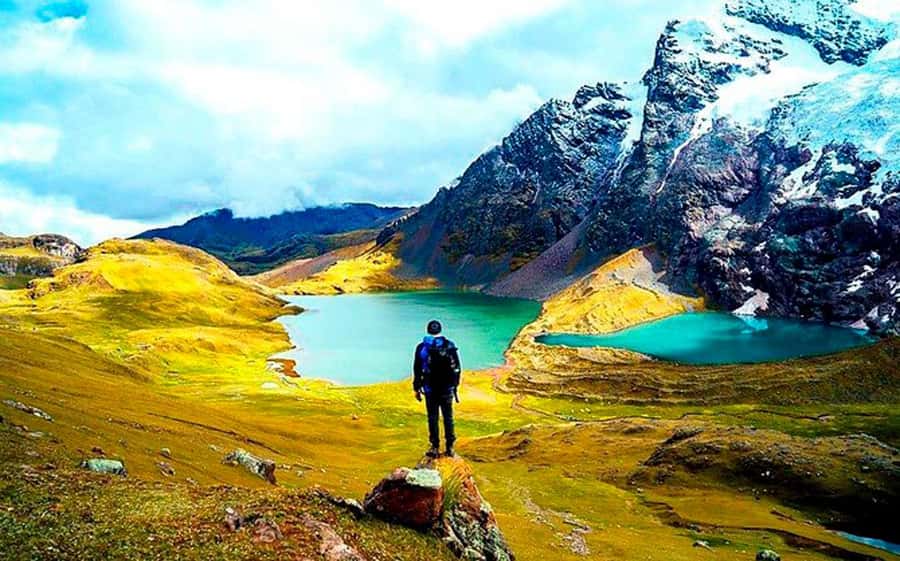
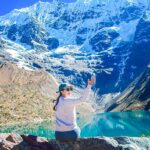
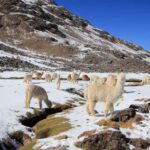
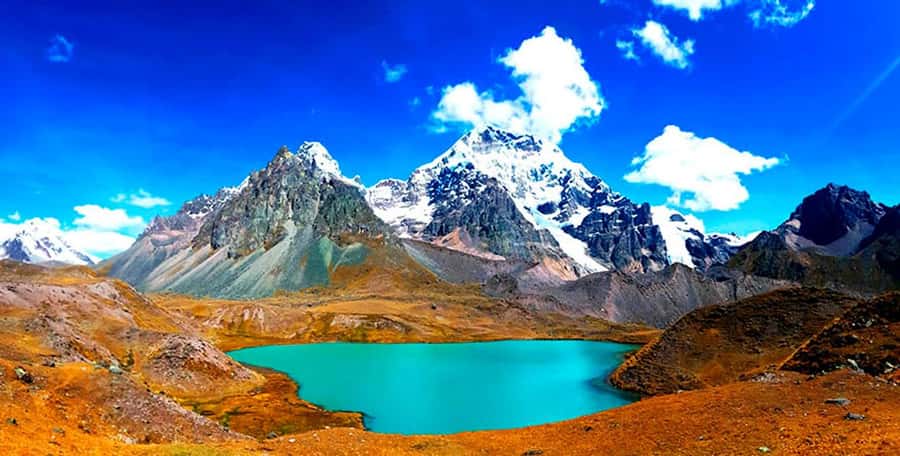
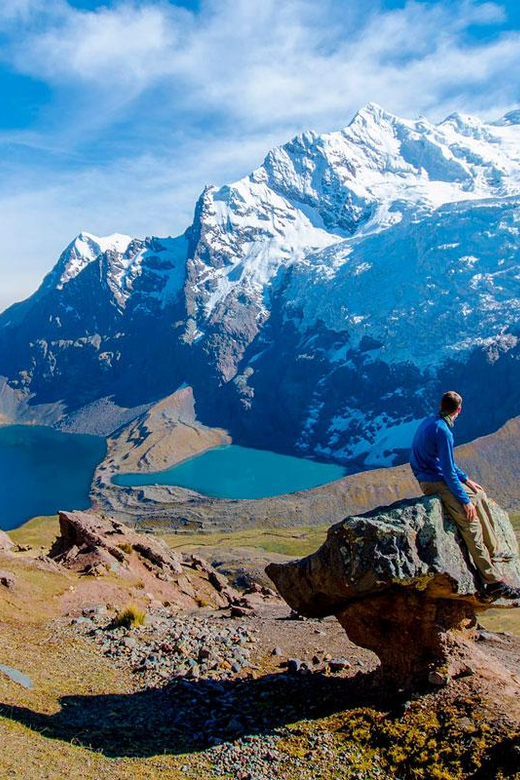
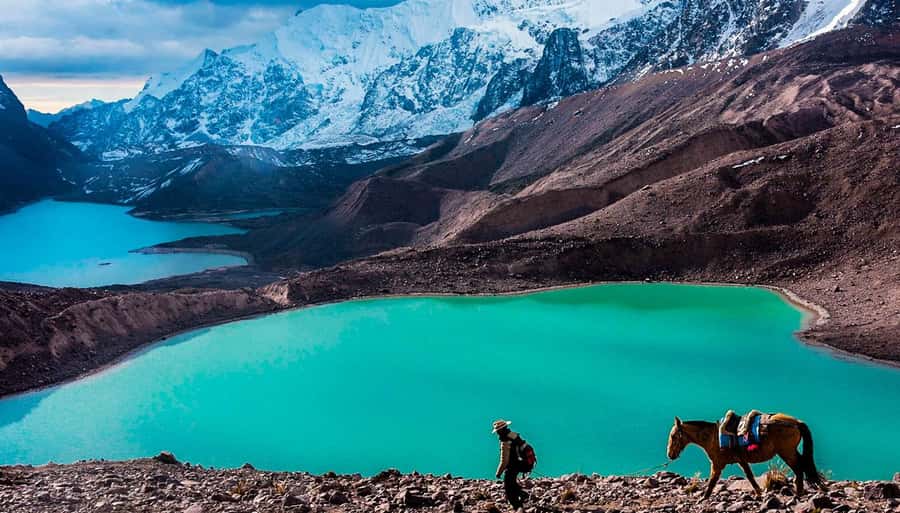
If you want Cusco for more than old stone and museum hours, this is a strong pick. The whole idea is simple: snowmelt feeding high-altitude lagoons, then a hot-spring reset at the end. The lagoons sit along the foothills of the Andes, fed by melting snow from below the Ausangate area—so they’re not just pretty water. They’re part of the high-mountain water system.
I like that you’re not asked to treat this like a speed contest. The route is guided and paced for most people, but at altitude you still need to manage your own effort. That’s also why the hot springs timing matters: you finish the walking, then you soak, which makes the day feel balanced instead of punishing.
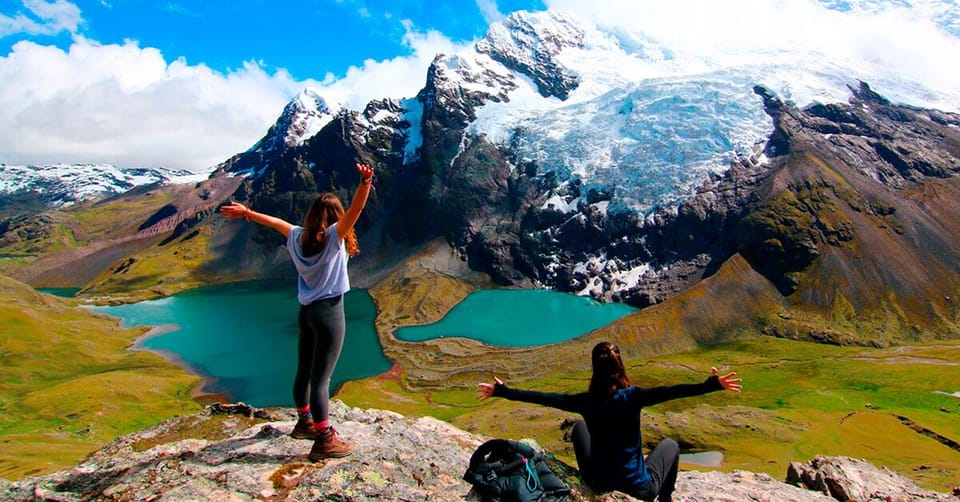
Also, each lagoon has its own look. Even without fancy explanations, you’ll notice the differences as you move from one to the next. Seeing seven of them in one morning-to-afternoon circuit is the big reason this excursion feels worth the early wake-up.
You can also read our reviews of more tours and experiences in Cusco
The Very Early Start from Cusco (and Why It Matters)
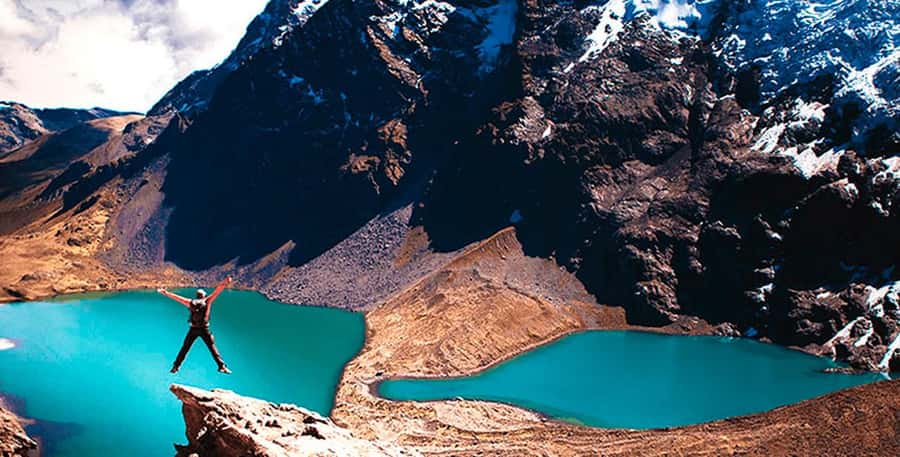
Your day begins long before sunrise. Hotel pick-up happens between 4:00 and 5:00 a.m., and the tour returns you near Plaza de Armas at about 6:30 p.m. That schedule isn’t random. It’s designed to get you to the high-altitude trail while you still have the most comfortable conditions for hiking.
One practical thing to know: the ride can be crowded. One traveler specifically noted the bus was very full and airless, with tight conditions on a curvy road. If you’re sensitive to that, you’ll feel better bringing layers, and you might want to choose a seat where you can breathe comfortably and reduce motion discomfort.
Even if the drive isn’t glamorous, it buys you time up on the route. You’re trading a quiet morning for a full day outdoors, which is exactly what most people come to Peru for.
Breakfast in Pacchanta Before the Hike
After the drive, you head to the community of Pacchanta for breakfast. This matters more than it sounds. At high altitude, you don’t want to start the hike hungry or under-fueled, especially since the route involves sustained walking.
Breakfast is included, and it’s your energy foundation before you head into the Andean mountain range. You’ll also be able to settle your timing and clothing—make sure you’re comfortable before the trail starts, because once you’re hiking, there’s less chance to fix gear problems.
If you run cold easily, plan ahead. Even though it’s early morning, the temperature can swing once you’re walking at altitude. Comfortable shoes and a daypack you don’t mind wearing for hours will make a bigger difference than people expect.
The 7-Lagoon Circuit: Pucacocha to Azul Cocha
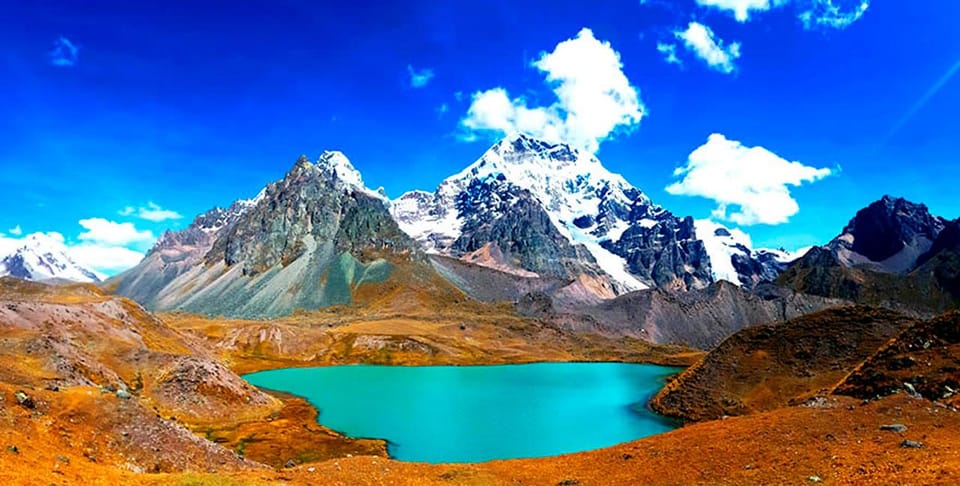
This is the heart of the experience. You’ll walk approximately 10 km as part of the guided circuit, moving from the first lagoon to the last. The full route includes:
- Pucacocha
- Patacocha
- Alqacocha
- Qomercocha
- Orco Otorongo
- China Otorongo
- Azul Cocha
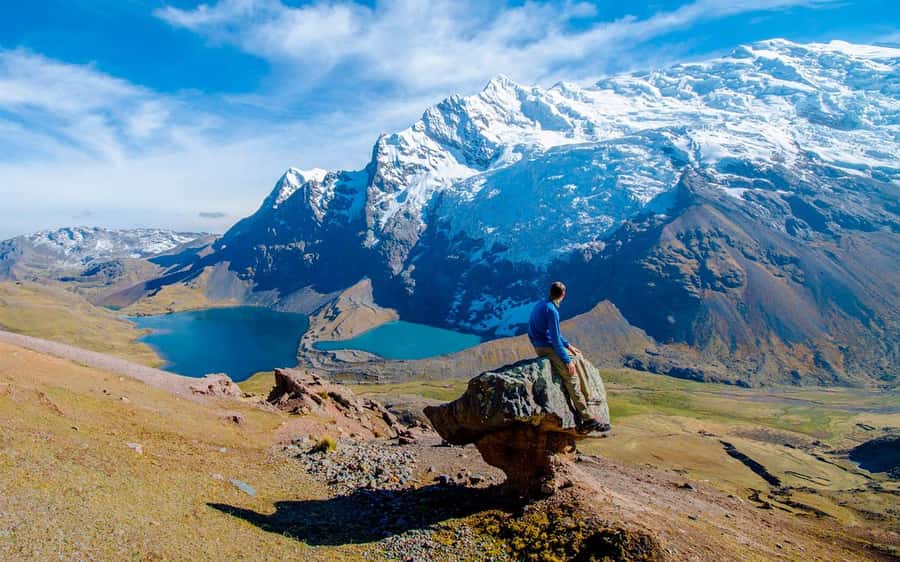
All seven lagoons are at over 4,200 meters, so don’t treat the hike as a casual stroll. You’ll likely spend more effort than you think simply because breathing works differently up here.
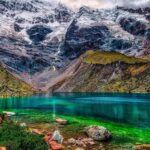
What makes this circuit special is the “series” effect. Instead of seeing one lake and leaving, you’ll keep gaining new views over time. The trail also helps you appreciate how water can vary even within a tight area: as you move, you see different tones and textures that come from the conditions and how the water is fed by the snowmelt source.
You’ll be with a professional guide during the hike, and the guide will help you stay oriented on the route. The guide languages are Spanish and English, which is helpful if your group is mixed.
Altitude Reality: How to Pace Yourself on a 10-km Day
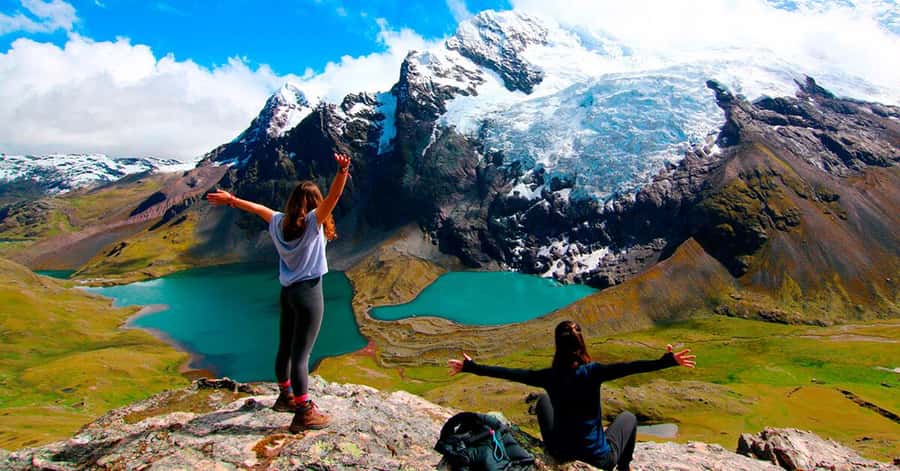
I’ll be straight with you: at 4,200+ meters, your body may force a slower rhythm. Even people in decent shape can feel it on a long, steady hike.
The best approach is to treat the first part of the trail like a warm-up, not a warm start. If you’re breathing hard early, that’s normal here, and you’ll usually feel better once you settle into a consistent pace. The tour is guided, but pace control is still on you. If you find yourself “racing,” you’ll arrive tired instead of enjoying the lagoons.
One more note on guiding style. In one case, a guide named Jose was criticized for pushing the pace and making cutting comments that made slower hikers feel judged. In a more positive scenario, a guide named Jonathan was praised for checking in on everyone and managing different hiking speeds. Translation: go at your own pace, and if you need to stop for breathing, make it clear early that you want a steady rhythm. Good guides will adapt.
Also, bring snacks and cash. The day includes breakfast and lunch, but you might want small extras to keep your energy steady between lagoons and at breaks.
Pacchanta Hot Springs: The Recovery Part You’ll Appreciate
Once the walking circuit ends, you return to Pacchanta. This is where the day changes tone. Instead of cold air and uphill effort, you get a chance to relax in the hot springs.
The tour includes time for you to enjoy and relax your body in the Pacchanta hot springs. The entrance fee is not included—plan on paying about 2 USD (or 5 soles)—but even with the extra cost, it’s one of the best parts of the day because it directly addresses the hardest part: your legs.
Lunch comes after the soaking time. That order helps too. You’re not rushed from one activity to the next without recovery. You get your heat reset first, then you refuel.
If you’re the type who regrets hikes that end with no recovery plan, this is the reason to choose this tour.
Lunch, Meals, and Timing That Keeps the Day Moving
You’ll have breakfast in Pacchanta and lunch after the hot springs. That’s a big value point because it reduces the odds of you hunting for food at the wrong time. High-altitude days punish bad timing, so built-in meals keep things smooth.
What you should still do: plan on carrying a few snacks in your daypack. The tour includes meals, but you might still want something small during breaks, especially if you’re moving more slowly due to altitude.
Also, the day’s structure is built for one-day logistics: early pickup, guided hike, then hot springs and lunch, then the long ride back. That’s why you’ll return around 6:30 p.m. near Plaza de Armas. It’s full-day, not half-day. Dress like you’ll be out all day, not just for the hike.
Price and Value: What $40 Really Buys (and What Costs Extra)
At $40 per person, this excursion includes:
- hotel pick-up from near/inside the Historic Center
- tourist transportation to and from the hotel
- breakfast
- lunch
- professional guide
What’s extra:
- entrance fees to the 7 lagoons: 5 USD (or 15 soles)
- entrance to Pacchanta hot springs: 2 USD (or 5 soles)
So your realistic total tends to land closer to about $47 before any extra snacks or drinks you might choose. That can still be good value because a guided, high-altitude day with transport and two meals is not cheap anywhere.
Here’s how I’d think about it: you’re paying for organization and safety margins more than for the views alone. The views are the obvious part, but the real benefit is that someone handles the route, timing, and meal breaks while you focus on breathing, walking, and enjoying each lagoon stop.
If you’re traveling on a tight budget, it can help to have enough cash ready for entrance fees. The tour requests cash in what to bring.
What to Bring (and Why “Comfort Shoes” Is Not a Throwaway Line)
You’ll be walking for hours at altitude, so your list should be boring and practical.
Bring:
- comfortable shoes (you’ll care about traction and comfort)
- camera (you’ll want the seven-lagoon comparison shots)
- snacks (small extras help on long hiking stretches)
- cash (entrance fees and any extra food choices)
- a daypack (for layers and personal items)
You might also want layers. The day starts early and you’ll be in open air for a long time. Even when the sun is out, mountain temperatures can feel sharp once you’re not actively moving.
Not allowed:
- pets
- alcohol and drugs
If you plan to bring alcohol on any outdoor excursion in Peru, skip it here. Hot springs and high-altitude hiking don’t mix well with impaired judgment.
Who Should Book This (and Who Should Skip It)
This is a good fit if you want a real outdoor day and you’re okay with altitude and a longer hike. It’s especially appealing if you like guided hikes where the route is structured and you get to see multiple high-mountain lakes in one go.
It’s not suitable for:
- pregnant women
- wheelchair users
- visually impaired people
- people over 80
- babies under 1 year
If you’re unsure, the key question is your comfort with sustained uphill walking at 4,200+ meters. Altitude isn’t just a “maybe” factor here; it’s a central feature of the day.
Also, if you know you’re very sensitive to cramped vehicles, consider that the transport ride can feel crowded. One traveler noted the bus felt too full and airless. You might want to plan for breathing comfort and bring your patience for a long day in a vehicle.
The Guide Experience: Spanish, English, and Pace Management
You’ll have a live tour guide speaking Spanish and English. That’s a big deal for a hike day because it helps with navigation, pacing, and context—especially when you’re dealing with altitude and lots of visual distractions.
One positive example from the group: a guide named Jonathan earned praise for checking in on different hiking speeds, which is exactly what you want when not everyone is moving at the same pace. Another negative example exists too: a guide named Jose received criticism for unpleasant comments, including remarks that made slower hikers feel pushed or judged.
Since you can’t control which guide you’ll get, you can control your communication. Go slow from the start, and if you need frequent pauses, ask for the pace to match your breathing. A good guide will keep you moving but not feeling pressured.
Should You Book the 7 Lagoons + Pacchanta Hot Springs Tour?
Yes, I’d book it if you want a structured, full-day Cusco excursion that combines a high-altitude hike with a real payoff: seven lagoons plus hot springs recovery. It’s also good value for the included transport, breakfast, lunch, and a guide, even with the extra lagoon and hot-spring entrance fees.
Skip it if you’re not comfortable with the hike length and altitude, or if your health situation makes high elevation a hard no. Also, if you hate early starts, this tour’s timing will likely annoy you, since pick-up is 4:00–5:00 a.m.
If you do book, your best strategy is simple: pack comfortable shoes, bring snacks, carry cash for entrance fees, and start slow. The views are why you came—just don’t let your legs arrive there after the fun is already over.
FAQ
What time is hotel pick-up in Cusco?
Pick-up happens between 4:00 and 5:00 a.m. from hotels inside or near the Historic Center.
How long is the excursion and when do you return?
The tour lasts 1 day, and you’ll be dropped off near Plaza de Armas at about 6:30 p.m.
Where are the 7 lagoons located?
They are south of the Cusco Region area near the Ausangate foothills, fed by melting snow, and they sit at an altitude over 4,200 meters.
How long is the hike?
You’ll hike for more than 2 hours as part of a route totaling about 10 km.
Are breakfast and lunch included?
Yes. Breakfast is included in Pacchanta, and lunch is included after the hot springs.
Are the entrance fees to the lagoons and hot springs included?
No. Entrance fees to the 7 lagoons cost 5 USD or 15 soles, and the Pacchanta hot springs entrance costs 2 USD or 5 soles.
What languages are the guides?
The live tour guide is available in Spanish and English.
What should I bring?
Bring comfortable shoes, a camera, snacks, cash, and a daypack.
Who should not do this tour?
It is not suitable for pregnant women, wheelchair users, visually impaired people, people over 80, and babies under 1 year.