REVIEW · CUSCO
Inca Trail 4 Day Adventure to Machu Picchu with Panoramic Train
Book on Viator →Operated by Inca Trail to Machupicchu · Bookable on Viator
One of Peru’s best mornings starts before sunrise. This Classic Inca Trail-to-Machu Picchu trek blends early starts, high passes, and guided ruins with a panoramic train finish—while keeping a tight group size and strong local roots.
I love the way this operator runs the logistics like a team sport: pickup from your hotel, a real briefing the day before, and porters who handle the camping and kitchen load so you hike. I also love the human side, where guides like Paulo and Raul share not just Inca sites but cultural context, and the company backs remote communities through school supplies.
One thing to consider: the trek is physically serious, especially the day that climbs to the Dead Woman Pass at 4,200 meters, plus you’ll be hiking 6 to 8 hours most days with early wake-ups.
- Small-group feel (max 16) with bilingual, certified guidance you can actually ask questions to
- Local operator impact aimed at reducing inequality through education support in remote areas
- Porters + cook + camping setup included, with tents, mattresses, and buffet-style meals
- Four-day itinerary that actually paces the big moments: Patallacta, Dead Woman Pass, Phuyupatamarca, Machu Picchu
- Guided Machu Picchu for 2 hours after arriving via Puerta del Sol
- Train included from Aguas Calientes to Ollantaytambo, plus private transfers onward to Cusco
In This Review
- A Classic Inca Trail With a Local Operator and a Social Mission
- Cusco Pickup at 5:00 am and the Ollantaytambo Gear Stop
- Day 1: Piskacucho (Km 82), Patallacta, and Camp Life
- Day 2: Warming Up for the Dead Woman Pass (4,200 m)
- Day 3: Inca Flat, Phuyupatamarca at 3,650 m, and the Cloud Forest
- Day 4: Puerta del Sol, a 2-Hour Guided Machu Picchu Visit, and Optional Huayna Picchu
- Huayna Picchu: extra cost, optional timing
- Food, Water, and the Gear the Trek Actually Includes
- Meals you don’t have to plan
- Water and hydration
- Sleep setup and comfort
- What about safety?
- Train Back and the Return to Cusco
- Price and Value at $950: What You Pay For, What You Don’t
- Group Size, Pacing, and What to Expect From Your Guide
- Who Should Book This Inca Trail Trek (and Who Should Pause)
- Should You Book This 4-Day Inca Trail Adventure?
- FAQ
- What is the duration of this Inca Trail and Machu Picchu tour?
- Where do pickups happen?
- What time does the tour pickup start?
- How much hiking is included on each day?
- Is Machu Picchu included, and is it guided?
- Is Huayna Picchu included?
- What meals are included on the trek?
- Are sleeping bags and walking sticks included?
- What does the tour provide for water and safety?
- Is the trip refundable if plans change?
A Classic Inca Trail With a Local Operator and a Social Mission
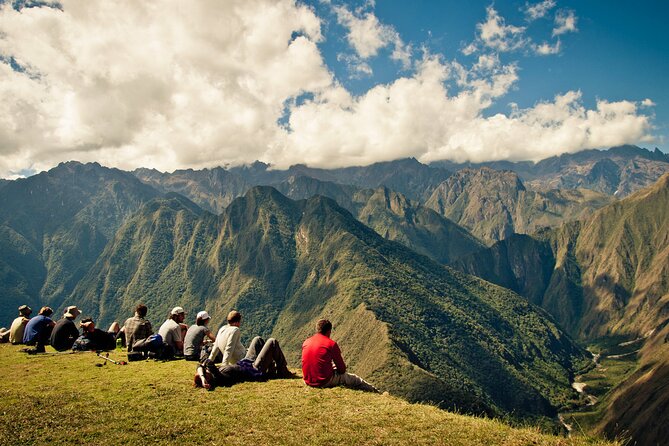
The Inca Trail is famous for a reason: you don’t just walk a scenic route, you move through layers of Inca engineering and Andean culture while changing altitude and ecosystems. What makes this version feel different is that it’s run as a local operation with a maximum of 16 trekkers, so the pace and attention don’t turn into a production line.
I also appreciate the stated mission behind the company. They invest in remote communities with practical help like school supplies (books, notebooks, pencils, and more). Even if you never see the projects on the ground, it matters because trekking in Peru is often connected to jobs for local staff—and here, the goal is bigger than just the trail.
Finally, the company builds in real safety and comfort touches for a trek like this: a first aid kit with an oxygen balloon and boiled water provided during the hike. That doesn’t make the Inca Trail easy, but it helps you feel the planning is taken seriously.
Cusco Pickup at 5:00 am and the Ollantaytambo Gear Stop
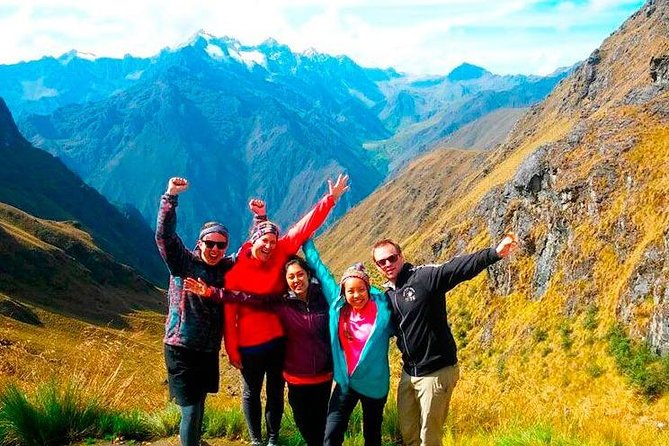
Your day starts early for a reason: the trail head isn’t close, and Inca Trail permits are time-sensitive. You’ll be picked up from your accommodation in Cusco, Urubamba, or Ollantaytambo at 5:00 am. Before heading to Piskacucho (Km 82), there’s a brief stop in Ollantaytambo.
This part is practical. You can use the Ollantaytambo stop to handle last-minute needs—things like personal items or small equipment you forgot at home. You can also order breakfast at a local restaurant, which helps you start the trek fueled and not hungry-wandering.
One small but useful idea: if you’re going to rent gear (sleeping bags or walking sticks), it’s smart to confirm what you need at or before this stop, so you’re not sorting logistics with cold hands later.
You can also read our reviews of more tours and experiences in Cusco

Day 1: Piskacucho (Km 82), Patallacta, and Camp Life
Day 1 is your onboarding day. You start at Piskacucho, where the Inca Trail begins, and you hike for about 6 to 7 hours.
The first big highlight is Patallacta, reached after roughly two hours of walking. It’s described as the largest archaeological site of the Inca Trail route, and your guide explains what you’re seeing. Even on a first day when your legs feel fresh, this kind of early archaeological stop helps you understand the scale and intention of what you’re walking through.
After Patallacta, you continue for about two more hours to reach lunch. Then you hike again for around 2.5 to 3 hours to reach your first campsite. This rhythm matters: you get a real lunch break before the longer push to camp.
Here’s what I like about the camp setup included in this tour:
- Four-season tents for two trekkers each
- Mattresses for sleeping
- A kitchen tent, plus portable chairs and table
It’s not a hotel. But it reduces the friction that often ruins trekking morale. When your base camp is set up for you, you spend your energy on walking and taking in the views.
Also, you’re not going solo with gear. Porters carry the camping equipment and kitchen stuff, while you focus on your backpack and your own pace.
Day 2: Warming Up for the Dead Woman Pass (4,200 m)
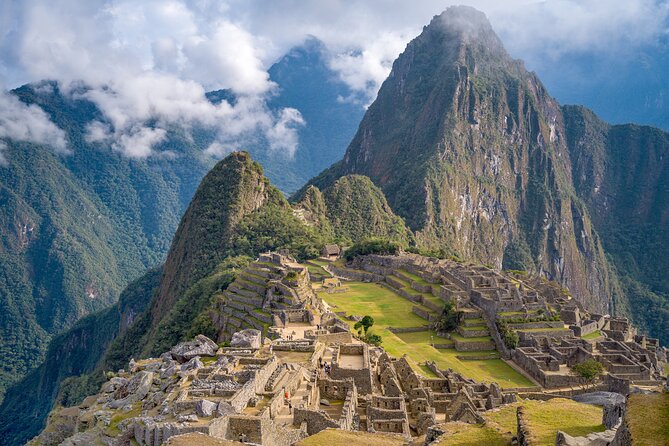
Day 2 is where the Inca Trail flexes. You wake early and start with coca tea as a greeting to the mountains (the apus). The itinerary also emphasizes walking to take advantage of mountain shadow, which is a small detail but a smart one. When the sun is hitting less, you often feel less beat up by heat and glare.
After breakfast, you hike toward the trail’s highest point, and this is described as the hardest and longest day for most trekkers. It’s the day when the trek’s story becomes visible to your eyes: you see ecological zones and microclimates changing in front of you.
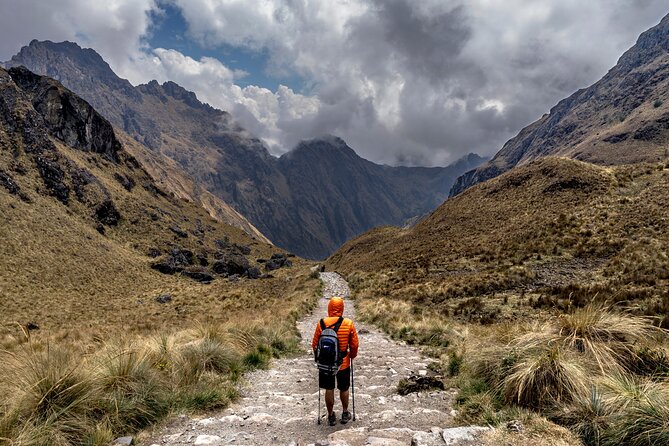
Then comes the peak: the Warmiwañusca pass, also called the Dead Woman Pass, at 4,200 meters / 13,780 feet. At this altitude, slow steps and steady breath matter more than speed. After a short rest, you continue toward the Pacaymayu Valley.
What helps you enjoy a brutal day like this is the structure around it. You’re not guessing where you’ll sleep or eat. Meals are already built in, and you’re not carrying the kitchen or tent logistics yourself. That turns your effort into forward movement instead of constant problem-solving.
Day 3: Inca Flat, Phuyupatamarca at 3,650 m, and the Cloud Forest
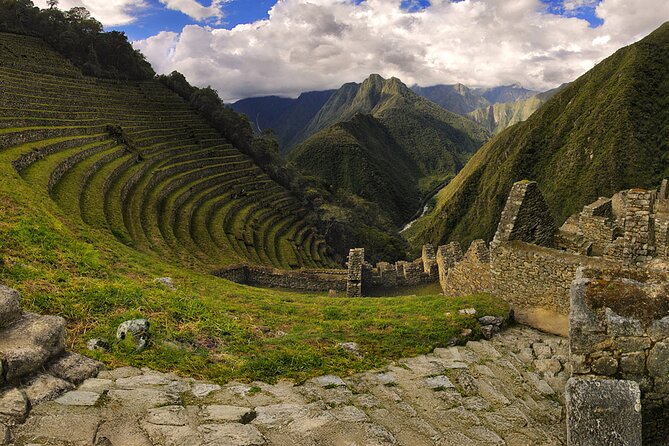
If Day 2 is effort, Day 3 is beauty. The trek describes it as the most beautiful day along the Inca Trail, and the plan sets you up to see why.
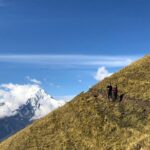
You start with an early, nutritious breakfast, then hike about two hours along the Inca Flat. This is the kind of stretch that lets your breathing settle and gives you time to look around. From here, you get views of the Salkantay snowy mountain and the Vilcabamba mountain range—big names, but more importantly, you’re getting the kind of sightlines that make the whole trek feel worth every heavy step.
Next is the third and last highest point: Phuyupatamarca, also called Town in the Clouds, at 3,650 meters. After that, you transition into the cloud forest.
This is where your senses fill up:
- small streams and small waterfalls
- plants and trees mentioned like palm trees, orchids, bromeliads
- birds named such as parrots and parakeets
- flora and fauna typical of a tropical climate
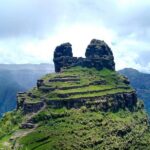
Later you head toward the ruins at Wiñaywayna (the itinerary cuts off mid-word, but this is the known pairing with that day). Walking into an area where nature and Inca stone both show up at the same time is why this trek has such a devoted following.
By now, you’ve also learned how your body responds to this pace. If you’ve been smart about it, you’ll be able to enjoy the walking instead of surviving it.
Day 4: Puerta del Sol, a 2-Hour Guided Machu Picchu Visit, and Optional Huayna Picchu
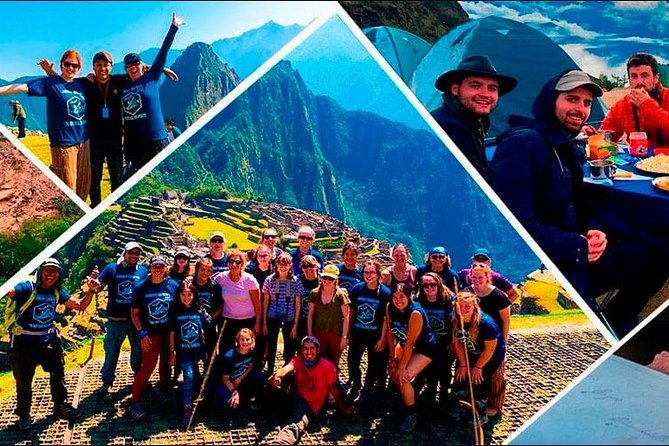
Day 4 is your payoff day. After early breakfast, you say goodbye to the porters and cook, then begin the final walk to Machu Picchu.
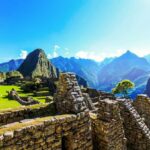
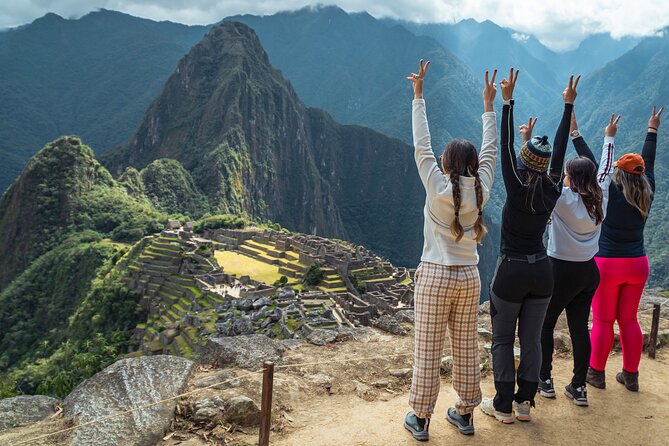
The first arrival point is Inti Punku, also called the Puerta del Sol. You’ll get an inspiring panoramic view of the citadel before you register and enter the main site.
Then comes the part that makes your Machu Picchu time smoother: you get a 2-hour guided tour with your guide explaining major areas like the temple of the sun, temple of the water, temple of the moon, and others. This guidance matters because Machu Picchu can feel like a beautiful maze if nobody explains what you’re looking at. A good guide helps you connect names, functions, and placement.
After the guided portion, you have time to explore on your own and take photos. That mix—guided first, then free time—lets you avoid the two extremes of either rushing or feeling lost.
Huayna Picchu: extra cost, optional timing
You can also visit Huayna Picchu after the Machu Picchu tour. It’s optional and costs extra, with about 2 hours listed. If you’re short on energy after four days of hiking, it may be smarter to skip and savor Machu Picchu with less stress.
Food, Water, and the Gear the Trek Actually Includes
One of the best value parts of this tour is that it doesn’t just sell you a permit and a guide. It includes the stuff that keeps you comfortable enough to enjoy the hike.
Meals you don’t have to plan
You get 3 meals per day during the trek, served buffet style, plus a snack for each trekking day. The tour states you can choose vegetarian, vegan, pescetarian, etc. That matters because it’s easy to get stuck with bland food decisions when you’re at altitude. Here, dietary needs are handled.
Your guide and support team also include a professional cook, which is a big reason the food experience tends to be a highlight on this kind of trip.
Water and hydration
You’ll have boiled water to drink during the trail. Mineral water bottles are not included, but you can buy them in some campsites. This is useful practical info: plan to rely on the provided boiled water unless you already prefer bottled.
Sleep setup and comfort
Your campsite includes tents, and they’re described as four-season with mattresses. Sleeping bag and walking stick are not included, but you can rent them for $20 each for a professional sleeping bag and $20 for a professional Black Diamond pair of walking sticks.
If you’re wondering whether to rent: I think it’s worth doing if you don’t travel with your own trekking sleep system. The tour’s goal is that you show up ready, not carrying extra weight.
What about safety?
The tour includes a first aid kit with oxygen balloon. That’s not a guarantee against altitude issues, but it’s a real preparedness detail that gives peace of mind.
Train Back and the Return to Cusco
After Machu Picchu, you’ll need to get back down and continue the travel loop. The tour includes a touristic train from Aguas Calientes to Ollantaytambo.
Then you get private transportation from Ollantaytambo to Cusco. That’s a value-add because it keeps you from stitching together transit plans right after a physically demanding day.
There’s also a note about buses down from Machu Picchu to Aguas Calientes. That bus cost is listed as $12 and is not included. So if your plan includes that bus leg, budget for it.
There’s an upgrade option too: you can upgrade the train to a Luxury Vistadome experience, but it’s not included in the base price.
Price and Value at $950: What You Pay For, What You Don’t
At $950, this trek isn’t cheap. But it’s also not trying to be the cheapest Inca Trail option by cutting the staff and the camping setup.
You’re paying for:
- Inca Trail entrances and permits
- Bilingual, certified guide
- Porters for camping and kitchen equipment
- Professional cook
- Tents, mattresses, and camp furniture
- Meals and snacks
- Machu Picchu entrance
- Train and transport back toward Cusco
What costs extra:
- Sleeping bag and walking sticks (rent available for $20 each)
- Mineral water (you can buy in some campsites)
- Some meals are not included: the first breakfast and last lunch and dinner
- Bus down from Machu Picchu to Aguas Calientes (listed as $12)
- Luxury train upgrade
- Tips for the team (not obligatory, but welcomed)
- Huayna Picchu (optional, extra cost)
If you’re someone who wants a smooth trek with minimal logistics stress, the $950 can start to look like value rather than sticker shock. If you prefer packing your own food, carrying everything, and building transport yourself, you might feel this price is more than you need.
Group Size, Pacing, and What to Expect From Your Guide
This tour caps at 16 trekkers, and that changes the experience in a very real way. Smaller groups tend to move with fewer bottlenecks at archaeological spots and trail turns, and it’s easier for your guide to adjust pace.
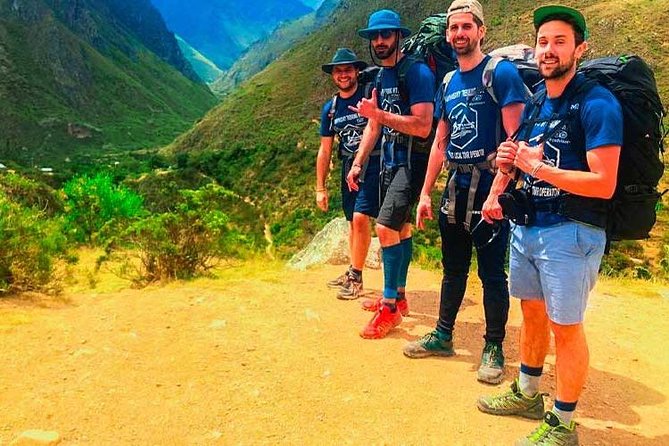
One thing I like about this operator is that the guiding seems tuned for different needs. People taking the trek with kids and different fitness levels mention that guides like Paulo set a pace that fits the group. That doesn’t remove the altitude challenge, but it makes the trail feel more human and less like a timed test.
Bilingual guides are included, which is helpful if you want context on what you’re seeing beyond simple directions. Also, the tour provides a briefing about the trek the day before, which helps you show up knowing what to expect.
Who Should Book This Inca Trail Trek (and Who Should Pause)
This trek makes the most sense if you:
- want the classic route with a full trail-to-Machu Picchu arc
- prefer structured support (porters, cook, camping, meals)
- like guided explanation at Patallacta and Machu Picchu
- value a small group over a giant crowd
I’d pause if you:
- know you’ll struggle with a day that includes the Dead Woman Pass at 4,200 meters
- want a totally unstructured trip where you carry everything and make every decision yourself
- aren’t comfortable with early starts (you begin with a 5:00 am pickup, and the trek schedule emphasizes early waking)
Also, bring a current valid passport since it’s required on the day of travel.
Should You Book This 4-Day Inca Trail Adventure?
If you want the Inca Trail experience with fewer moving parts, this one is a solid pick. The value sits in the combination of permits, porters, meals, and camping setup, plus a guided Machu Picchu experience that helps you understand what you’re looking at instead of guessing.
My recommendation: book if you’re ready for a real hike and you want your energy spent on the trail, not on logistics. If you’re unsure about altitude or you’re hoping to do Huayna Picchu without extra planning, decide your priorities early and consider skipping the optional climb if you want less pressure on Day 4.
One last practical thought: the tour is listed as non-refundable and not changeable, so only book when your dates are firm.
FAQ
What is the duration of this Inca Trail and Machu Picchu tour?
It’s listed as about 4 days, with four days of activities that include trekking and guided time at Machu Picchu, plus the included train and transfers.
Where do pickups happen?
Pickup is offered from Cusco, Urubamba, or Ollantaytambo.
What time does the tour pickup start?
The tour pickup for the trek day starts at 5:00 am.
How much hiking is included on each day?
The itinerary lists approximate hiking times: Day 1 (6–7 hours), Day 2 (8 hours), Day 3 (6 hours), and Day 4 (time includes arrival and tours rather than a full day’s hiking estimate).
Is Machu Picchu included, and is it guided?
Yes. You get an entrance ticket and a 2-hour guided tour at Machu Picchu.
Is Huayna Picchu included?
No. Huayna Picchu is optional and has an extra cost (about 2 hours).
What meals are included on the trek?
The tour includes 3 meals per day during the trek and snacks for each day. It also notes that the first breakfast and the last lunch and dinner are not included.
Are sleeping bags and walking sticks included?
No. Sleeping bags and walking sticks are not included, but the tour offers rentals for $20 each for a professional sleeping bag and for a professional walking stick set.
What does the tour provide for water and safety?
You get boiled water to drink during the trail and a first aid kit with oxygen ballon.
Is the trip refundable if plans change?
No. The experience is listed as non-refundable and cannot be changed for any reason.