REVIEW · CUSCO
From Cusco: 2-Day Lake Titicaca Tour
Book on GetYourGuide →Operated by MACHUPICCHU TC · Bookable on GetYourGuide
A world-class lake in just two days. This Lake Titicaca tour is a smart, high-impact way to see Uros and Taquile without needing extra planning. I like that it turns travel time into sightseeing, with major stops along the Cusco to Puno route, not just a long bus transfer. One thing to keep in mind: the overnight return bus can be uncomfortable, especially if you run hot.
You get two built-in rhythm days: Day 1 handles the culture and road scenery with guided stops, and Day 2 focuses on the lake itself with a boat trip, island walking time, and a proper local lunch. It’s also well supported in the moment, with pickup points, timing updates, and a guide managing the flow so you can focus on the sights. The only real drawback that keeps showing up is comfort and consistency on the bus and food details.
In This Review
- Key highlights at a glance
- A fast two-day loop: Cusco to Puno to Lake Titicaca
- Day 1 on the road: turning a bus ride into sightseeing
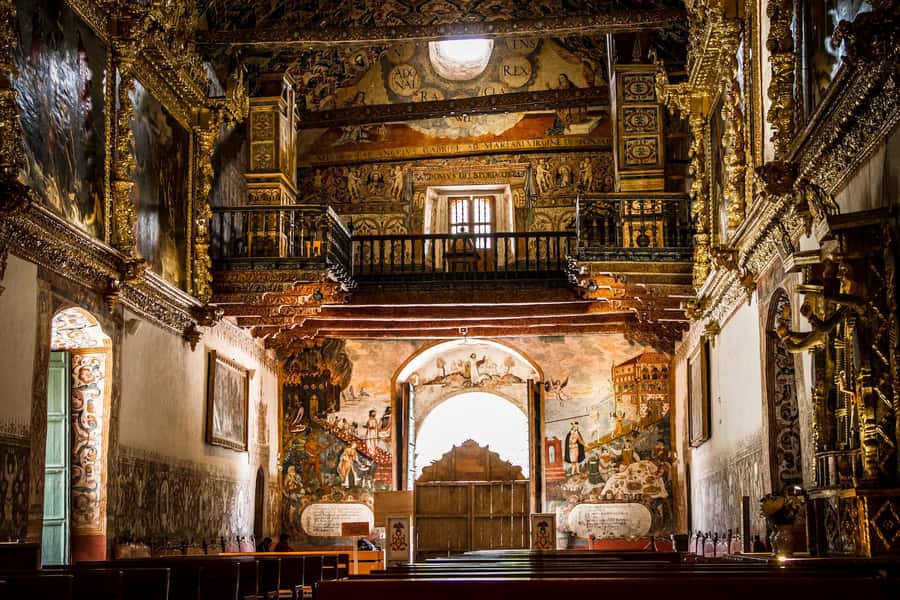
- Andahuaylillas Sistine Chapel of America Temple (about 35 minutes)
- Raqchi Archaeological Complex
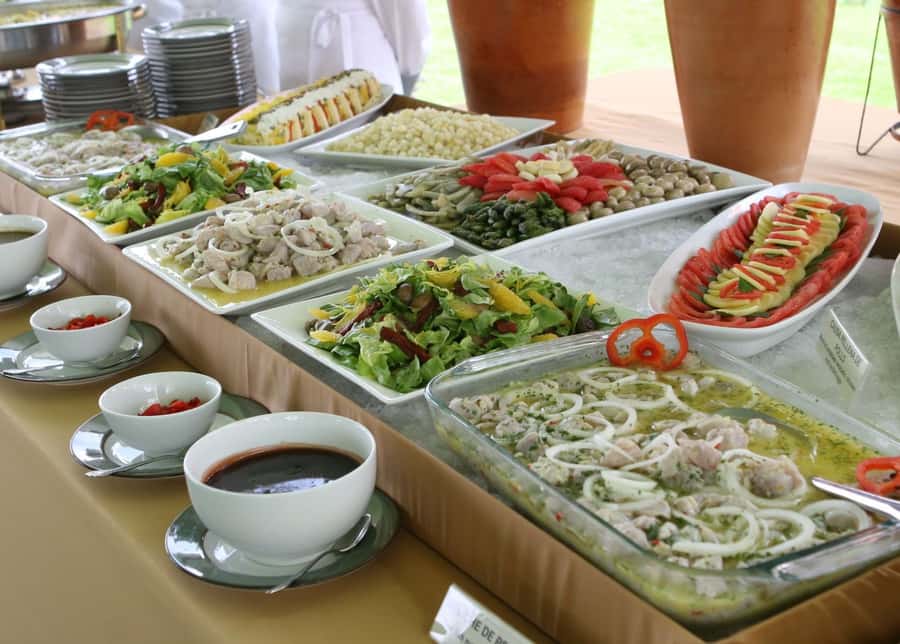
- Sicuani buffet lunch: refuel before the higher-altitude pauses
- Paso la Raya: a dramatic mountain pass stop
- Pucará Lithic Museum
- Night in Puno: what matters before Lake Day
- Day 2 on Lake Titicaca: Uros first, Taquile after
- Uros floating islands and cultural demonstration
- Taquile Islands: walking, photos, and local lunch
- Returning to Puno, then the night bus
- Included value: why this package price can work
- Comfort and consistency: the two things to plan around
- Who this trip suits best (and who should skip)
- Should you book this Lake Titicaca 2-Day Tour?
- FAQ
- How long is the Lake Titicaca tour?
- What is the starting pickup time from Cusco?
- What stops are included on the way from Cusco to Puno on Day 1?
- What happens on Day 2 on Lake Titicaca?
- Where do you spend the night?
- How do you return to Cusco?
- What meals are included?
- What languages are offered by the guide or host?
- What should you bring?
- Who is this tour not suitable for?
Key highlights at a glance
- Cusco-to-Puno route with guided stops so you’re not stuck with only one long transfer
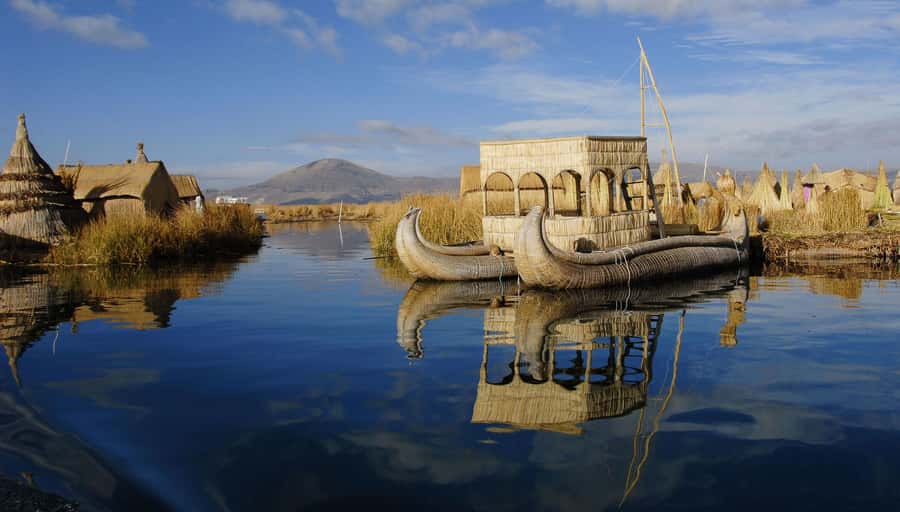
- Lake Titicaca boat time plus a Uros cultural demonstration
- Taquile Island walking with photo opportunities and a local set lunch
- Hotel in Puno for one night, plus breakfast and included meals
- Night bus return to Cusco, useful for time, tough for sleep quality
A fast two-day loop: Cusco to Puno to Lake Titicaca
This tour is basically built for travelers who have limited time but still want more than a quick photo stop. You leave Cusco in the early morning, sleep one night in Puno, then return to Cusco via night bus. The structure makes sense: altitude is real, but it’s easier to handle when you’re not bouncing around endlessly.
I like that it keeps the focus on the Lake Titicaca experience while still delivering strong “on the way there” culture. Day 2 is the heart of the trip, but Day 1 matters too, because those stops set the stage for what you’ll see later—Andean life, archaeology, and the region’s routes.
One practical note: this is a plan with several transfers in both directions. You’ll want to pack light and keep your essentials easy to reach, because you’ll be moving between pickup, bus legs, hotel waiting time, the port, and then the night bus.
You can also read our reviews of more tours and experiences in Cusco
Day 1 on the road: turning a bus ride into sightseeing
You start with pickup from your Cusco hotel at 6:30 AM and head toward Puno on a tourist bus with scheduled stops. This is the part where the tour earns its value: it doesn’t treat the transfer as dead time. Instead, you get guided visits to several standout places, plus a buffet lunch in Sicuani.
Expect a mix of short guided tours and longer breaks where you can reset. The pacing is travel-friendly for a two-day itinerary, but it is still a lot of moving. If you hate early starts, this trip will test your patience on Day 1 more than Day 2.
Andahuaylillas Sistine Chapel of America Temple (about 35 minutes)
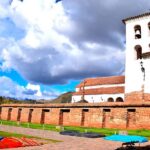
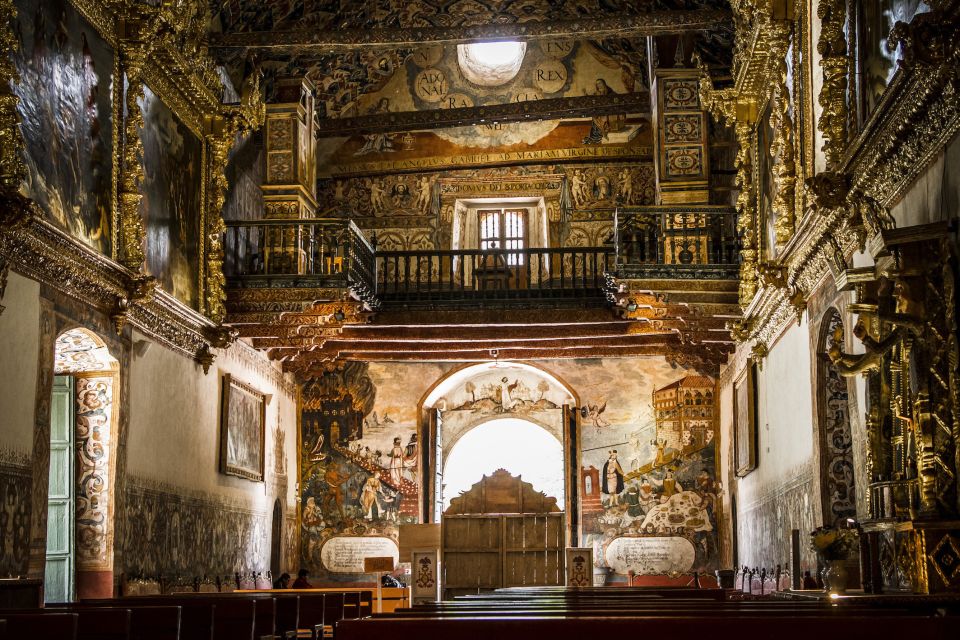
One of the first stops is the Andahuaylillas Sistine Chapel of America Temple, with a 35-minute guided visit. Even if you’re not a museum person, this stop is worth it because it shows how strong Andean religious art can be. It’s also a useful warm-up for the trip: you’re suddenly looking at detailed craftsmanship rather than just road scenery.
The main benefit of a short visit like this is momentum. You won’t feel like you’re stuck in one place too long on the first day, and it helps keep energy for the lake day ahead.
Raqchi Archaeological Complex
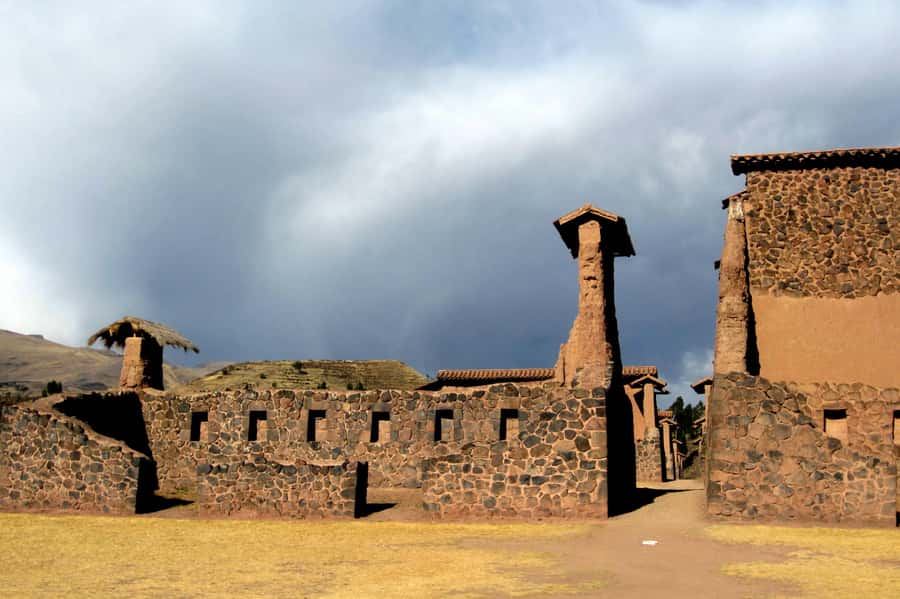
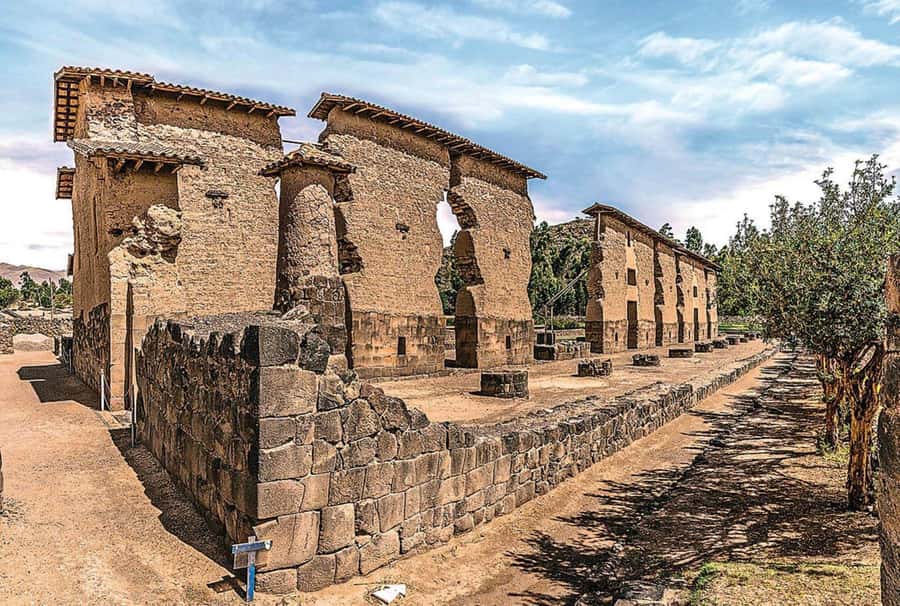
Next up is the Raqchi Archaeological Complex. This stop gives you a different kind of wow: less “art inside a chapel,” more “ruins and ancient settlement” energy. It also helps explain the region’s long human story, which makes Taquile and Uros feel less like random tourist stops and more like living parts of a much older landscape.
If you’re the type who likes facts, the guide’s explanation matters here, because you’ll get more out of the ruins when you understand what you’re looking at.
Sicuani buffet lunch: refuel before the higher-altitude pauses
In Sicuani, you get a buffet lunch at a restaurant. After multiple short stops and travel time, this is the moment where you want to eat like you mean it. You’re setting yourself up for later drives and a final afternoon of stops before reaching Puno.
Meals on tours can be hit or miss, and one review flagged food issues (including a bad experience involving hair). My practical takeaway: if you have strong food preferences or allergies, bring a few backup snacks like energy bars, even though meals are included.


Paso la Raya: a dramatic mountain pass stop
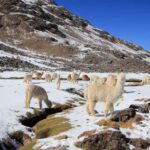
After lunch, you visit Paso la Raya, described as surrounded by snow-capped mountains. Even if it’s brief, a mountain pass stop is great for two reasons: you get a break from sitting, and you get a sense of the geography you’re crossing.
I also like these kinds of “road stops” because they help you orient yourself. Once you understand the elevation and the mountain edges around you, Lake Titicaca doesn’t feel like it came out of nowhere.
Pucará Lithic Museum
The day closes with a visit to the Pucará Lithic Museum. “Lithic” essentially points you toward stone tools and rock work, so this stop is more specific than a general craft market. You’ll likely see how stone technology connects with daily life and local traditions.
This is one of those stops that can feel quick, but it’s a solid complement to the chapel and the ruins. It rounds out the story: art, archaeology, and practical materials.
Night in Puno: what matters before Lake Day
By the time you arrive in Puno, you’ll be dropped at your hotel and have time to rest. One thing I appreciate about this structure is that it gives you at least a chance to recover before the boat day. Sleep isn’t guaranteed, but you’ll have fewer moving parts than if the tour required a same-day return.
The included setup is helpful: you’re not scrambling for dinner or transport. You also get breakfast the next morning, which means you don’t have to hunt for food right away at the port.
Do plan for warm weather and humidity in the region. The overnight bus experience can get sweaty, and the general conditions in the area can affect how you feel, especially if you’re coming off a full travel day.
Day 2 on Lake Titicaca: Uros first, Taquile after
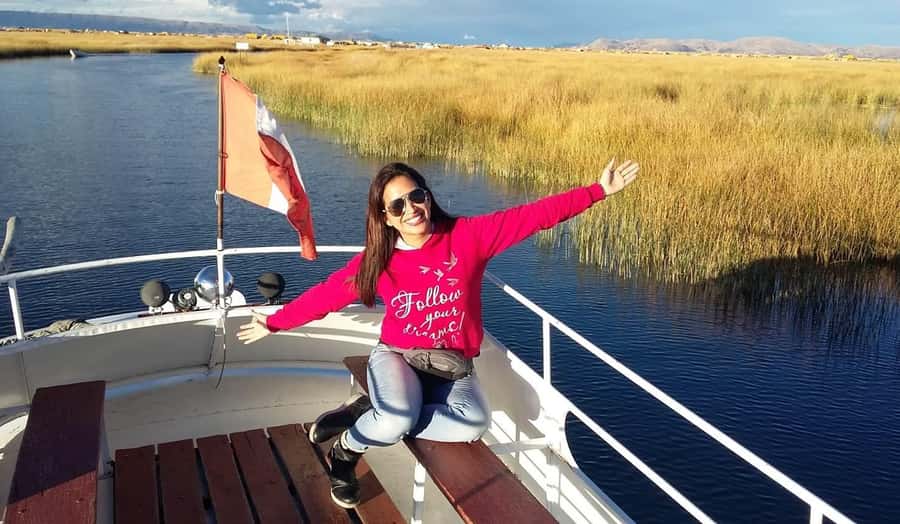
Day 2 starts with 7:15 AM pickup from your Puno hotel and transfer to the Port of Puno. From there, it’s all about the lake: boat out to Uros, then onward to Taquile.
This is the day you’ll remember most. The itinerary keeps a good balance between guided explanation and time to look around. You’re not stuck listening the whole day, and you do get to walk.
Uros floating islands and cultural demonstration
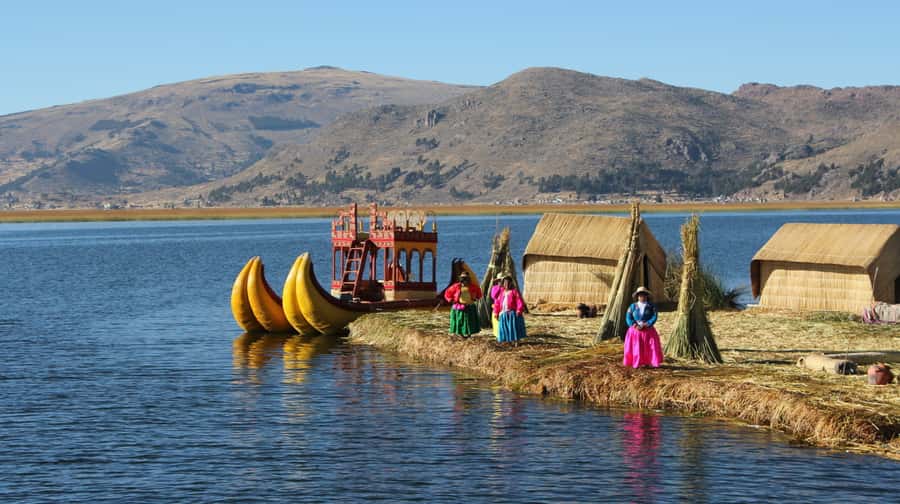
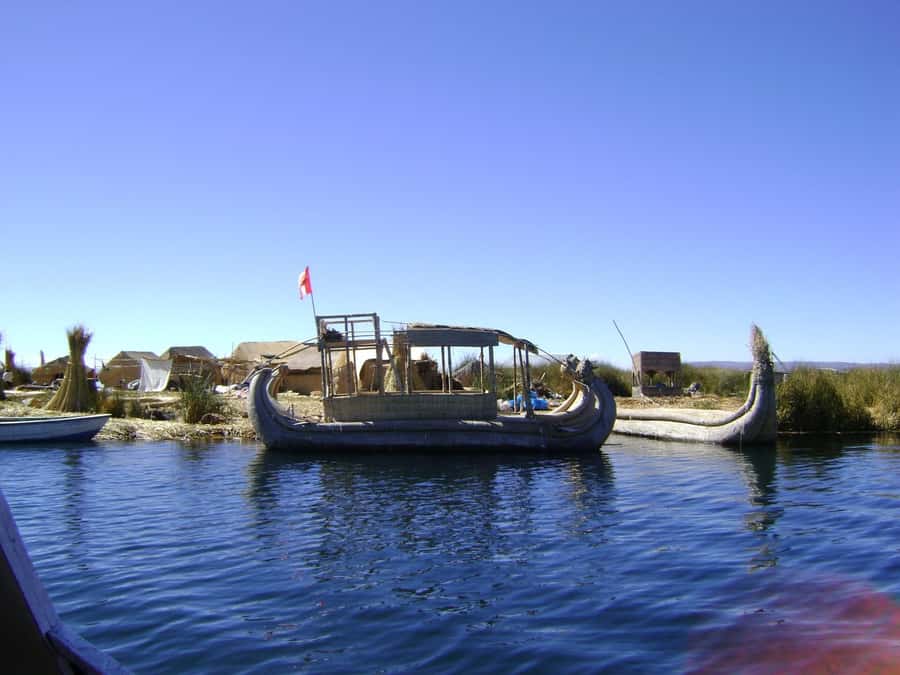
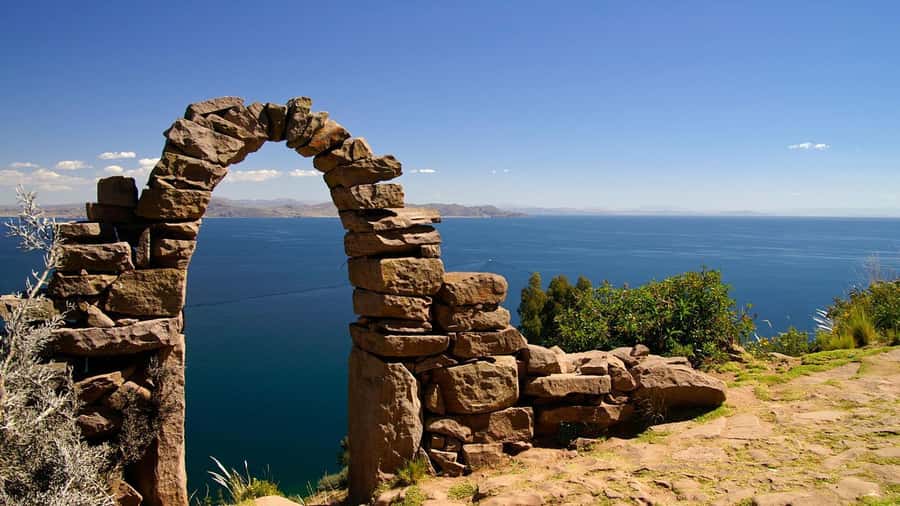
You board the boat and head to the Uros floating islands. The key part here is the cultural demonstration—you’re not just seeing reed structures. You get a chance to understand the Uros way of life, at least through what the local demonstration shares.
This stop is compelling because it’s living adaptation. Reeds, water, and community craft solutions that match the lake environment. Even if you’ve seen Uros photos before, the on-water setting is different and more real than images on a screen.
Practical tip: bring a hat and sunscreen. This is water time, and sun reflection can be strong. The tour also suggests a sun hat, sunglasses, and sunscreen for a reason.
Taquile Islands: walking, photos, and local lunch
Next comes Taquile. This is where you shift from “island viewing” to “island walking.” The day includes time for a beautiful walk with incredible photo opportunities. You’ll also spend time learning about local culture, then break for lunch.
Lunch is specifically described as a local menu of fried trout and quinoa soup. That’s a classic pairing in the region and a good way to taste what locals prioritize. In the reviews, people singled out the food on Taquile as delicious, which is a strong sign that this lunch is one of the better moments of the trip.
Still, I’d treat included meals as one of the variables on any shared-tour operation. One review described a negative food experience, so if you’re sensitive to food quality, go in with your eyes open—and consider bringing a small snack as insurance.
Returning to Puno, then the night bus
You return to Puno around 4 PM. You’ll be back at your hotel, and you can go out for dinner on your own. Then, at 9:15 PM, a transfer brings you to the bus station. The bus boards at 10 PM, and you arrive in Cusco around 5 AM.
This timing is efficient, but it’s also where comfort complaints tend to show up. One review described the sleeper bus as hot and humid and not what was expected. Another review basically said the bus is the only downside and that it’s still worth it. In other words: you should treat the night bus as a trade-off, not a luxury.
If you want the best shot at a tolerable ride, dress in layers, pack earplugs or earphones if you use them, and keep your passport/ID and meds accessible.
Included value: why this package price can work
At $259 per person for two days, the price can feel like a lot until you match it against what’s included. You’re getting:
- Bus transportation between Cusco and Puno with multiple guided stops
- Hotel in Puno (one night)
- Breakfast Day 2, plus buffet lunch Day 1 and local lunch Day 2
- A professional guide
- Boat use and entry fees for the island visits and stops
- A return night bus to Cusco
That’s a lot of logistics bundled together. The biggest value driver is that Day 1 isn’t just transportation; it’s guided culture with entry fees. The second value driver is Day 2: boat time plus the Uros cultural demonstration and Taquile walk, along with a set lunch.
Is it the cheapest way to see Lake Titicaca? Maybe not. But if you calculate your time and stress—especially with a two-day schedule—this package can be a practical deal.
Comfort and consistency: the two things to plan around
Based on the feedback, the tour is usually well organized. People praised smooth transportation, clear information about timings, and a guide-led flow that keeps you from wondering what’s happening next.
The weak points show up in two areas:
1) Overnight bus comfort
One review warned the sleeper bus was hot and humid and wasn’t expected. Another said it’s the only negative but still worth it. So assume you’ll be trading sleep comfort for schedule efficiency.
2) Food and lodging quality details
Most food moments are reported positively, especially Taquile’s lunch. But one review complained about food quality (including hair in the food), and another mentioned the hotel wasn’t as clean as expected. You can’t control those details. What you can do is stay flexible and pack a few personal safeguards like a small snack and your own cleaning wipes if that helps you.
Who this trip suits best (and who should skip)
This is a good fit if you want a high-coverage itinerary in two days and you don’t mind early starts and moving around often. It’s also a solid match if you want guided context for stops like Andahuaylillas, Raqchi, and the lithic museum, not just sightseeing.
It may be a poor fit if you’re sensitive to discomfort on long transport legs. Also, the tour explicitly notes it’s not suitable for pregnant women, people with mobility impairments, wheelchair users, and those over 95.
If you’re prone to feeling rough at altitude, take the tour’s advice seriously: acclimatize, and consider drinking coca tea as suggested. Also, keep hydration and a light backpack ready.
Should you book this Lake Titicaca 2-Day Tour?
If you’re short on time and want a guided, packed route that actually includes hotel time, boat time, and major sites along the way, I’d say this is worth considering. The Lake Titicaca day itself is the standout, and the Uros-to-Taquile flow is a smart way to see both reed-island life and island walking culture.
But don’t book it expecting a comfy night bus or perfect lodging every time. If sleep quality and food details are top priorities for you, you should weigh the trade-offs and pack your comfort plan accordingly. For most people aiming for value and a real taste of the region in two days, this hits the mark.
FAQ
How long is the Lake Titicaca tour?
It runs for 2 days.
What is the starting pickup time from Cusco?
Pickup from your Cusco accommodation is at 6:30 AM.
What stops are included on the way from Cusco to Puno on Day 1?
Day 1 includes visits to the Andahuaylillas Sistine Chapel of America Temple, the Raqchi Archaeological Complex, Paso la Raya, and the Pucará Lithic Museum, plus a buffet lunch in Sicuani.
What happens on Day 2 on Lake Titicaca?
You’ll travel by boat from the Port of Puno to Uros for a cultural demonstration, then go to Taquile for cultural time and a walk, with lunch at a local restaurant.
Where do you spend the night?
You spend one night in a hotel in Puno.
How do you return to Cusco?
You take a night bus from Puno. The transfer arrives at 9:15 PM, boarding is at 10 PM, and you arrive at the Cusco terminal at about 5 AM.
What meals are included?
A buffet lunch is included on Day 1. On Day 2 you’ll have breakfast and lunch (fried trout and quinoa soup are described as the local menu).
What languages are offered by the guide or host?
The tour is offered in Spanish and English.
What should you bring?
Bring a passport or ID, comfortable shoes, a sun hat, plus items like sunscreen, a camera, sunglasses, a raincoat or rain poncho, personal medication, energy bars, and pocket money.
Who is this tour not suitable for?
It is not suitable for pregnant women, people with mobility impairments, wheelchair users, or people over 95 years. Pets are not allowed.