REVIEW · CUSCO
City Tour Cusco
Book on GetYourGuide →Operated by Machupicchu Tou Services · Bookable on GetYourGuide
In Cusco, the stones still talk. This 5-hour guided circuit helps you connect Inca culture to what you see in the city, with stops like Sacsayhuaman and Q’enqo plus explanations of Cusco art styles. I like that the tour goes beyond postcard angles and shows you how the architecture fits the sacred landscape. One thing to watch: it’s not suitable for people with mobility impairments, and the sites involve uneven ground and walking.
You get pickup options (including Plaza de Armas or hotel pickup), tourist transport, a professional guide (English or Spanish), and you finish back at the Cuzco Main Square. For $15 per person, the value is strong because transportation and guided on-site time are included, while entrance fees and meals are not.
In This Review
- Key points to know before you go
- Cusco in 5 Hours: The Value-First City Circuit
- Pickup and Timing: From Plaza de Armas to the Imperial City Loop
- Sacsayhuaman: Reading Inca Power in Three Levels of Stone
- Q’enqo: The Puma Shrine and the Idea of Sacrifice
- Tambomachay: Water Sources, Terraces, and Andean Cosmovision
- Puca Pucará: A Watchtower Over the Valley and Cusco’s Heart
- Cusco Art Styles: How the Guide Connects Visuals to Meaning
- What’s Included (and What You Must Plan for)
- Who This Tour Fits Best (and Who Should Skip It)
- Should You Book the City Tour Cusco?
- FAQ
- What is the duration of the City Tour Cusco?
- Where do I get picked up?
- What sites are visited during the tour?
- What language is the live guide available in?
- Are entrance tickets included?
- What should I bring for the tour?
- Is there a luggage restriction?
- FAQ
- Is this tour refundable if I need to cancel?
- What if I want to book now but pay later?
Key points to know before you go
- Inca monuments, explained clearly at four major sites, with guided time at each stop.
- Sacsayhuaman’s three levels give you a real sense of scale and how towers once dominated Cusco.
- Q’enqo’s Puma shrine ties architecture to ritual, including an altar for sacrifices and Pachamama.
- Tambomachay’s water still matters, with spring sources tied to irrigation of fields and terraces.
- Puca Pucará is all about placement, a watchtower viewpoint over the valley and the imperial city.
- Art styles of Cusco get put in context, not just named off a list.
Cusco in 5 Hours: The Value-First City Circuit
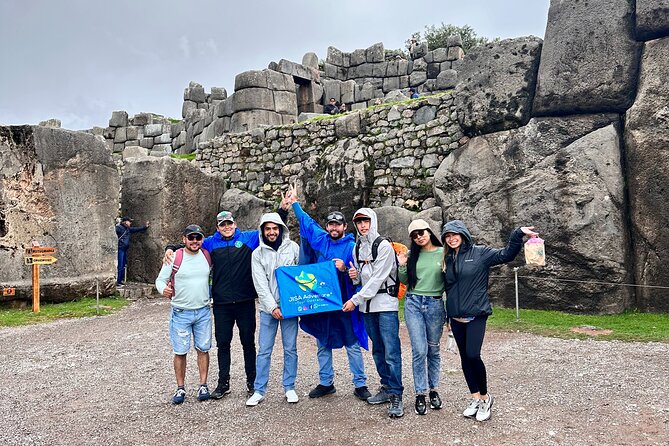
If you have limited time in Cusco, this tour is built for focus. You’re not cramming random stops. You’re getting a connected route that walks you from the capital’s Inca mindset to nearby ceremonial and strategic places—plus a dose of how Spanish-era presence shows up alongside Inca construction in the city itself.
The price—$15 per person—is what makes it feel low-stress. You’re paying for transport and a professional guide, which are the hardest parts to DIY. The trade-off is also clear: entrance tickets, meals, and snacks aren’t included. So you’ll want to budget a bit more for site entry (and plan on bringing your own snacks if you tend to get hungry during tours).
This is a good option if you:
- want a guided overview without committing to a full-day excursion
- like learning how sites worked in Inca life, not only what they look like
- enjoy photos, but also care about meaning
It’s less ideal if you need step-free routes, since it’s explicitly not suitable for mobility impairments.
You can also read our reviews of more city tours in Cusco
Pickup and Timing: From Plaza de Armas to the Imperial City Loop
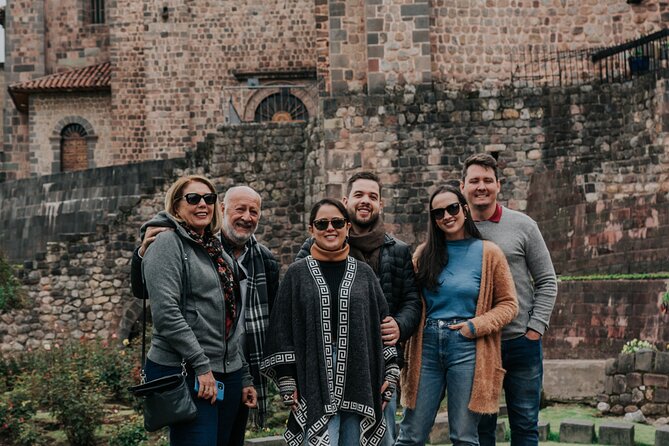
The day starts with pickup. You may be collected at Plaza de Armas, or the tour can pick you up from your hotel—either way, you’ll receive a pickup schedule. If you prefer, they can also coordinate from a neutral meeting point and match schedules.
The tour runs about 5 hours (you should plan around 5 to 5.5 hours). You’ll also get scenic views on the way between stops, which is useful in Cusco because distances can feel long when you’re walking. The transport helps you spend your energy on the monuments themselves, not on getting there.
Two practical tips here:
- Bring your passport or ID card. It’s required.
- Leave large bags behind. The tour says luggage or large bags aren’t allowed, so travel light.
Sacsayhuaman: Reading Inca Power in Three Levels of Stone
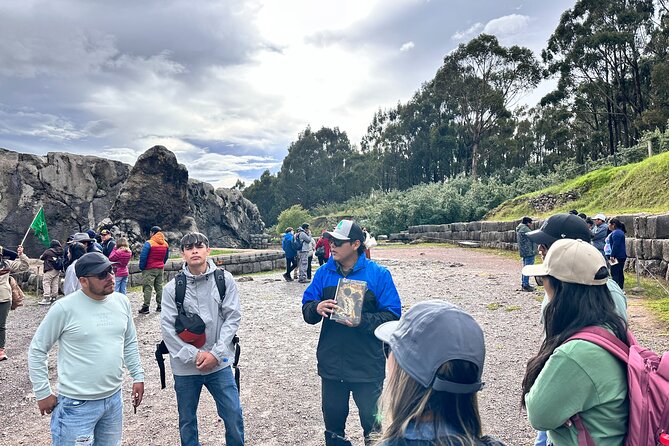
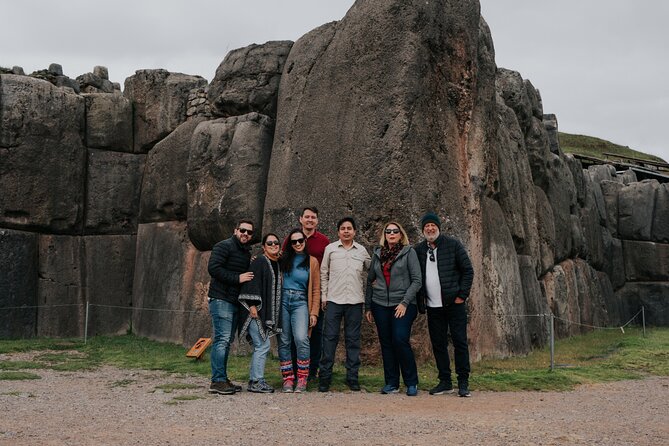
Sacsayhuaman is the kind of place that makes you slow down, even when you’re moving on a schedule. You’ll leave the city to visit this ceremonial fortress, set in a commanding position with views over the area. It’s famous for colossal constructions, but what matters for you on this tour is the way the guide helps you interpret what you’re seeing.
You’ll tour the three levels of the complex. That matters because it stops you from seeing Sacsayhuaman as one big wall. Instead, you start to notice how space, elevation, and building choices create a sense of hierarchy. In the upper part, the tour focuses on the bases of great towers that once dominated Cusco in Inca times.
That tower point is worth your attention. If you’ve only seen Sacsayhuaman from afar, it can look like random big stones. With the explanation, it becomes a layout—something built for power, ritual, and control.
What I’d watch for while you’re there: the approach to the next areas often requires walking over uneven surfaces. If you’re okay with that, you’ll get a lot out of it. If you’re not, you’ll feel it faster than you might expect.
Q’enqo: The Puma Shrine and the Idea of Sacrifice
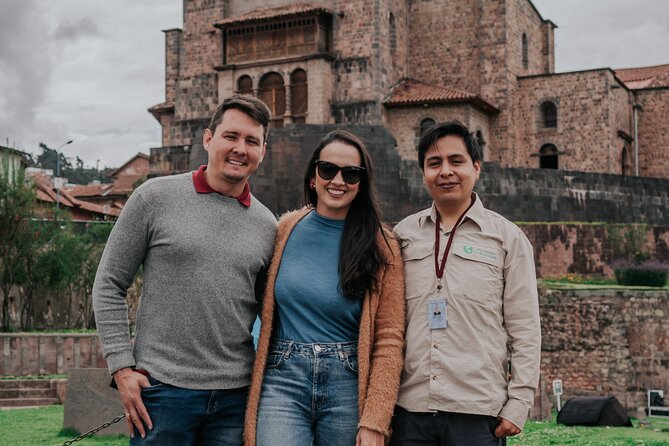
Next comes Q’enqo, an ancient shrine associated with a Puma temple. The focus here is the way the space connects to ritual. You’ll learn that Q’enqo houses an altar for sacrifices inside the Pachamama.
This is one of the stops where the guide’s job shows. Architecture can look dramatic, sure. But without context, you’re just admiring shapes. With context, you start linking the building’s purpose to Inca beliefs—how the site fits into the broader concept of Pachamama and sacred offerings.
Also, the name cues something important: Q’enqo isn’t presented as a generic ruin. You’re meant to understand it as a specific kind of place, not an accident of archaeology.
Possible drawback: like Sacsayhuaman, this stop involves time on-site where you’ll be looking, moving, and listening. If you prefer quiet sightseeing where you control every minute, you may find guided pacing a bit structured.
Tambomachay: Water Sources, Terraces, and Andean Cosmovision
Tambomachay is where the tour shifts from monumental stone to living function. This site is described as a monument of remarkable architectural excellence and a pillar of Andean cosmovision—so you’re not only looking at walls and terraces. You’re learning how Andean thinkers understood water, irrigation, and the sacred meaning behind it.
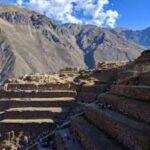
The standout detail is the spring water sources. These aren’t just historical references. They still irrigate the fields and terraces of the city. That’s the kind of fact that changes how you see the site. It stops being only “Inca times” and becomes part of how people continue to live with the land.
If you like practical explanations—how a place actually works—Tambomachay is a strong match. Even if you’re not an expert, you’ll understand the logic fast: architecture and water are connected here, and that connection is part of the spiritual framework too.
One more reason this stop is valuable: it provides balance. After the heaviness of sacred sacrifice at Q’enqo and the scale of Sacsayhuaman, Tambomachay adds a different mood—more about continuity and daily life.
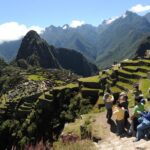


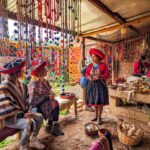
Puca Pucará: A Watchtower Over the Valley and Cusco’s Heart
You end at Puca Pucará, a strategic watchtower that dominates the valley and the imperial city. This is a viewpoint stop, but it’s not just for photos. The tour frames it as a location with purpose—high ground and sightlines that matter in any system of power.
When you’re up there, you can understand why watchtowers were so important. You start to see how the city’s position, surrounding terrain, and line of sight would help with monitoring and coordination.
If you want to remember one thing from the tour, make it this: the Inca weren’t only building for ceremony. They also designed for control and communication. Puca Pucará makes that point in a way that’s easy to grasp.
Cusco Art Styles: How the Guide Connects Visuals to Meaning
One of the highlights is learning the styles of Cusco art. That might sound broad, but it’s exactly the kind of information that improves your whole trip. Cusco isn’t only an Inca showpiece. It’s also a city shaped by Spanish influence, so the visual mix can feel confusing if you don’t have a guide sorting it out.
On this tour, you get introduced to both Inca and Spanish architecture in a way that helps you notice contrasts. You’ll come away knowing what you’re looking at and why it might look different from another corner of the city.
This is also a good way to avoid a common mistake: treating Cusco as a single aesthetic. The tour helps you see it as a layered place—where faith, politics, and art all left marks.
What’s Included (and What You Must Plan for)
Here’s the practical breakdown that will help you budget and avoid surprises.
Included:
- tourist transportation
- a professional tourist guide
- guided time at the sites (about 5 hours)
- assistance from your agency 24/7
Not included:
- entrance tickets
- meals or beverages
- snacks or other
- travel insurance
That means you should plan to cover:
- site entry fees (depending on what you need for each stop)
- a snack or meal before or during the day
Also note the essentials:
- languages: English and Spanish
- pickup is included (with schedule provided)
- luggage or large bags aren’t allowed
- bring a passport or ID card
Who This Tour Fits Best (and Who Should Skip It)
This is a strong fit if you want an organized overview with real context. It’s also ideal if you’re the type of person who loves learning the “why” behind what you see—especially when it comes to Inca ceremonial and strategic sites.
It’s not the right choice if you:
- need mobility-friendly access (it’s not suitable for people with mobility impairments)
- don’t do well with a structured route and guided explanations
- want a fully independent pace at each location
And one more thing I’d say plainly: if you’re sensitive to walking and uneven surfaces, you’ll want to think twice. The tour is manageable for many people, but it’s not set up as a sit-and-ride experience.
Should You Book the City Tour Cusco?
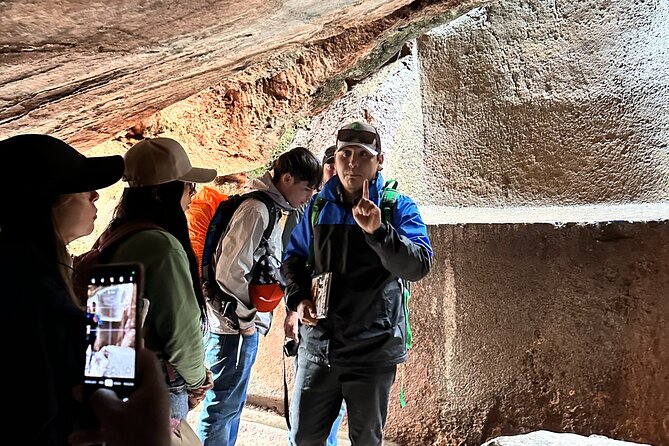
Yes, you should book this if you want a high-value, guided Inca-to-city overview in about half a day. The price is modest, and the included transport and professional guide make it a smart move when you don’t want to figure out routes and timing yourself. The site selection is also thoughtful: Sacsayhuaman for scale and towers, Q’enqo for ritual context, Tambomachay for water and cosmovision, then Puca Pucará for strategic viewpoint.
Skip it if mobility access matters to you, or if you’d rather spend the day wandering without structure. Also, plan for entrances and food since those costs and needs are on you.
If you’re balancing one trip in Cusco with a tight schedule, this is one of the easiest ways to get meaningful context fast—without turning your day into a logistical puzzle.
FAQ
What is the duration of the City Tour Cusco?
The tour lasts about 5 hours. Availability and starting times are shown when you check the schedule.
Where do I get picked up?
Pickup is included. You can be collected from Plaza de Armas in Cusco or from your hotel. A collection schedule will be provided, and you can coordinate pickup from a neutral point if needed.
What sites are visited during the tour?
You’ll visit Sacsayhuaman, Q’enqo, Tambomachay, and Puca Pucará, and the tour finishes at Cuzco Main Square.
What language is the live guide available in?
The live tour guide is available in English and Spanish.
Are entrance tickets included?
No. Entrance tickets are not included.
What should I bring for the tour?
Bring your passport or ID card.
Is there a luggage restriction?
Yes. Luggage or large bags are not allowed.
FAQ
Is this tour refundable if I need to cancel?
Yes. You can cancel up to 24 hours in advance for a full refund.
What if I want to book now but pay later?
You can reserve now and pay later, so you can book your spot without paying today.