REVIEW · LIMA
Lima: Marcapomacocha | Lakeside Route | Full Day from Lima
Book on GetYourGuide →Operated by www.iziperu.com · Bookable on GetYourGuide
A high-altitude day trip, with real payoff. This route out of Lima takes you to the Marcapomacocha lakes area plus a mix of culture stops, including Checta petroglyphs and a Pachamama ceremony. I like that it includes acclimatization stops and even an oxygen balloon for altitude support. The trade-off is a long day and, based on schedule reality, the route can feel more flexible than the online plan.
If you want a day where you actually see Andes life—water, animals, and local work—this can deliver. And if your group gets a guide like Aaron, expect strong communication and a more human experience, not just a checklist. Just go in knowing you may spend a lot of time on the bus and that not every tiny stop will feel exactly the same from day to day.
In This Review
- Key things to know before you go
- Marcapomacocha lakes are a serious altitude experience (in a good way)
- Getting from Lima: 5am starts, long drives, and altitude prep that actually helps
- Checta Petroglyphs: ancient carvings that add meaning to the hike
- Carispaccha Waterfall: breathing exercises and a 30+ meter photo target
- Marcapomacocha and a Pachamama payment ceremony: respectful, quiet, and human
- Yantac and Chuchun Lagoons: the calm part of a long day
- Huaros trout farming, Canta’s market energy, and Santa Rosa de Quives sanctuary
- Price and logistics: is $59 a fair deal for this kind of day?
- What to bring (so you don’t feel miserable at 5,000+ meters)
- Who this tour fits best (and who should skip it)
- Should you book the Lima Marcapomacocha lakes full-day tour?
- FAQ
- Where do we meet in Lima?
- What time does the tour start, and when do we get back?
- How long is the tour?
- What language is the tour guide?
- What is included in the price?
- Is food included?
- How much is the Carispaccha Waterfall entrance fee?
- What should I bring?
- Do you have altitude-related support?
- What are my cancellation and payment options?
Key things to know before you go
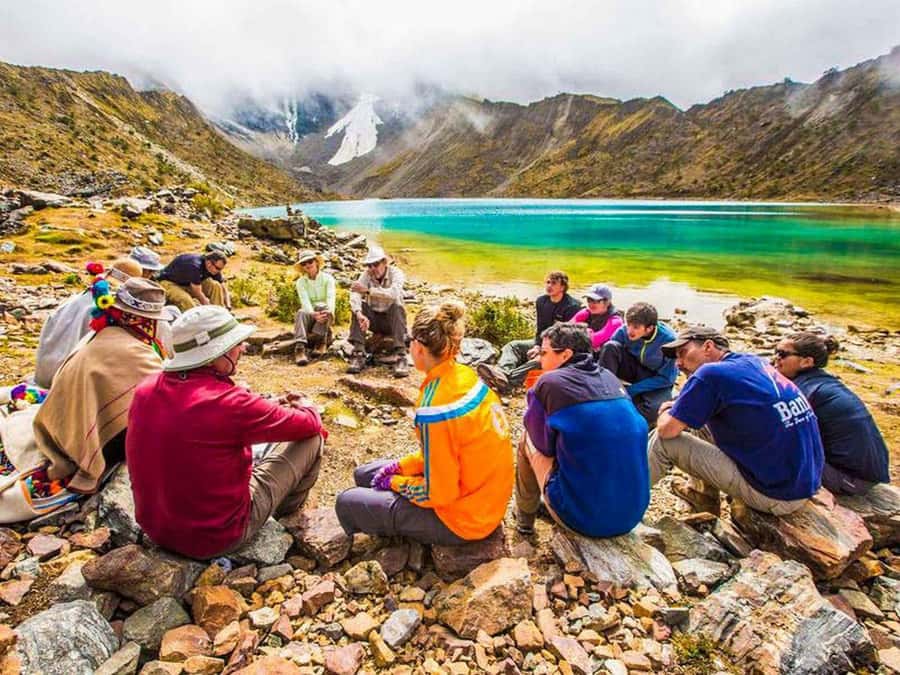
- Early 5am departure means you’ll reach the heights while the day is still fresh
- Checta Petroglyphs add an ancient-art stop to the lake-and-water theme
- Carispaccha Waterfall includes breathing exercises and an optional descent to see the falls up close
- Pachamama ceremony in Marcapomacocha asks for respectful, quiet attention
- Lagoons like Yantac and Chuchun are the main calm moments you’re traveling for
- Huaros trout farming, Canta, and Santa Rosa de Quives bring you beyond scenery into local routines and spiritual space
Marcapomacocha lakes are a serious altitude experience (in a good way)
This is the kind of trip where you feel the Andes, not just look at them. You start at 5am in Lima, then head into Junín/Yauli territory for the Cordillera La Viuda region, where the day’s biggest reward is time spent above the usual altitude zones.
I like that the program is built around altitude awareness. You’ll do acclimatization stops on the way, and at one point you’ll observe a snow-capped peak that sits above 5,200 meters in the Widow mountain range. That matters because the goal isn’t only photos; it’s staying comfortable enough to enjoy the lagoons and viewpoints without rushing.
One important caution: a day like this can feel long even if you’re having a good time. If you hate bus hours or need a tight, timed itinerary with no flexibility, this tour may test your patience.
You can also read our reviews of more tours and experiences in Lima


Getting from Lima: 5am starts, long drives, and altitude prep that actually helps
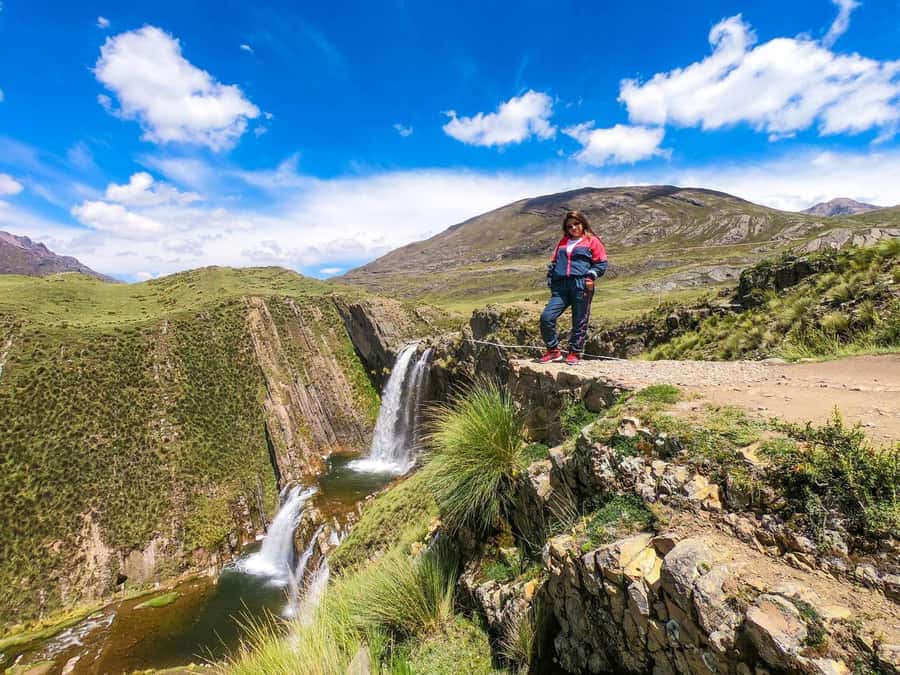
You leave Lima at 5am and you’re in the field all day—about 16 hours total. The tour is designed for a big loop that mixes scenic stops with cultural ones, so expect a steady rhythm: drive, brief stop, short walk, drive again.
The most practical part is the altitude plan. The tour includes acclimatization stops and you’ll do breathing exercises while walking toward Carispaccha Waterfall. On top of that, there’s an oxygen balloon and a first aid kit included, plus ponchitos and a thermos with coca tea.
It’s not magic, but it’s sensible. If you arrive in Peru already tired, or you tend to get altitude headaches, this built-in support can make the difference between a day you enjoy and a day you endure.
Checta Petroglyphs: ancient carvings that add meaning to the hike
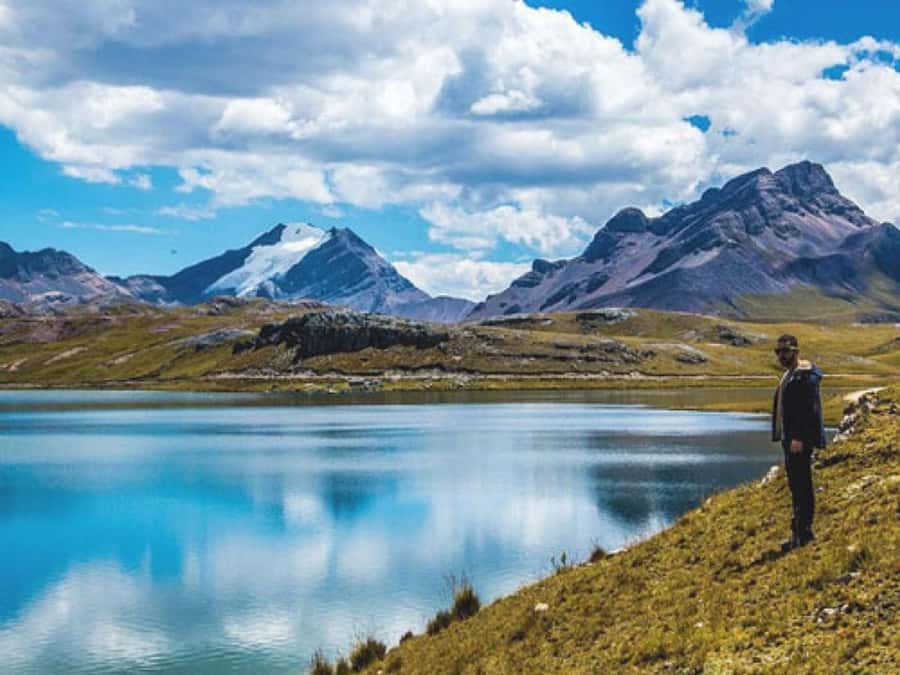
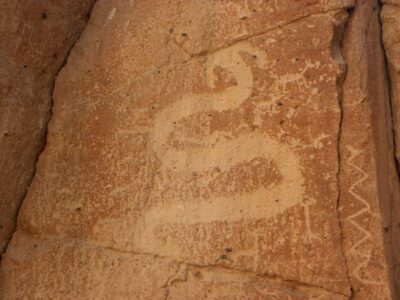
One of the highlights on this route is the Checta Petroglyphs, ancient rock carvings tied to Andean history. Even if you’re not a deep archaeology person, these carvings change how you look at the landscape. You stop thinking only about views and start thinking about how people have used this region for generations.
This is also one of those stops where a guide matters. An official tourist guide can help you read what you’re seeing—shapes, placement, and the reason these sites were important enough to mark in stone. It’s the kind of stop that can turn a scenic tour into a story.
For many people, this is the “I’m glad we stopped” moment. For others, it’s a shorter window to get your questions answered. Either way, it’s worth treating it as a focused stop, not a quick photo-and-go.
Carispaccha Waterfall: breathing exercises and a 30+ meter photo target
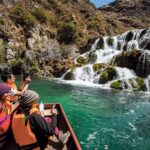
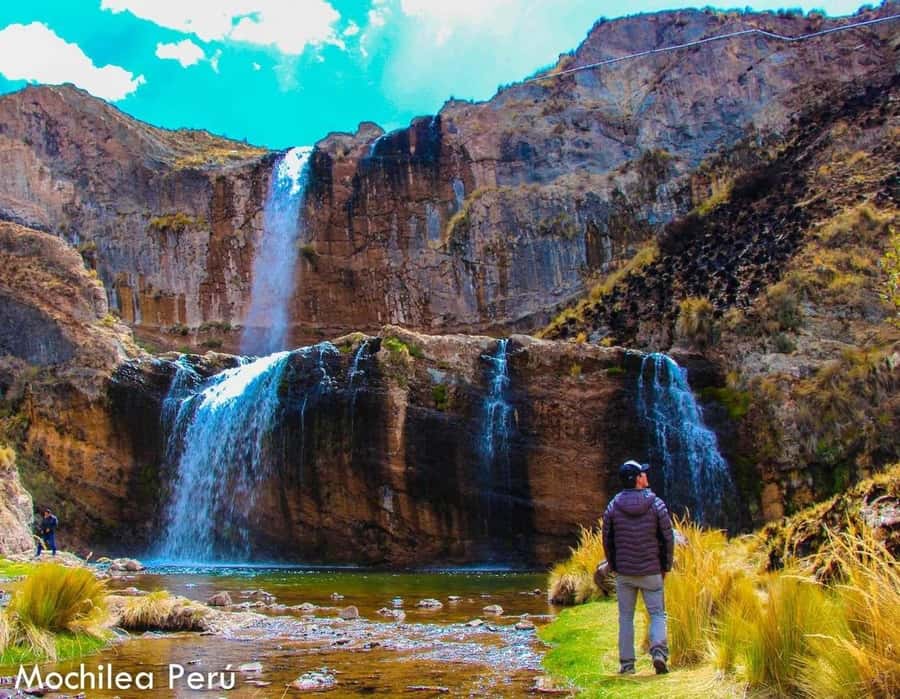
Carispaccha Waterfall is one of the day’s concrete physical goals. You’ll walk while doing breathing exercises, and along the way you may spot Andean animals like alpacas, llamas, vicuñas, and sheep. Seeing those animals up close is one of the ways the Andes stops feeling abstract.
The waterfall itself is described as having three falls and measuring more than 30 meters. You’ll have the chance to take photos that actually look like you visited a high-mountain place, not a flat viewpoint.
There’s also an optional descent to the first fall. If your legs feel good and you like getting closer for better angles, consider it. If you’re already tired from altitude and early wake-up time, it’s smart to skip the extra effort and enjoy the vantage you’re at.
Cost note: entrance to Carispaccha Waterfall is S/3 and not included.
Marcapomacocha and a Pachamama payment ceremony: respectful, quiet, and human
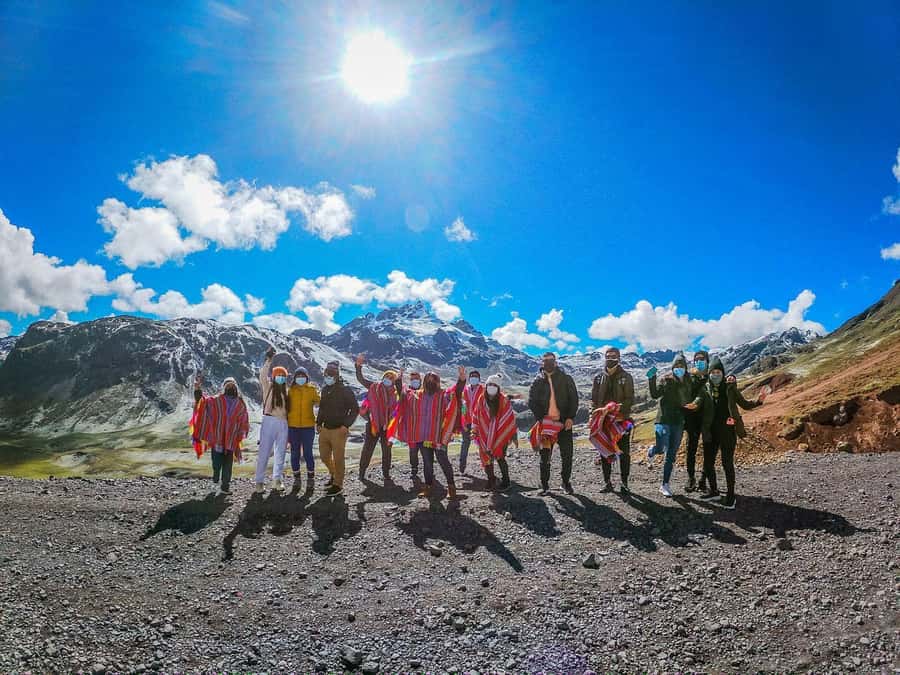
When the tour reaches Marcapomacocha, you participate in a payment ceremony to the Pachamama. This isn’t framed as a show; it’s framed as a ritual moment tied to the place. The best way to enjoy it is to follow the guide’s instructions, keep your phone low, and give the ceremony the attention it deserves.
I like that this stop gives the trip a “why” beyond sightseeing. In many Andean areas, water and high places carry cultural meaning. A ceremony gives you a real sense that the lagoons aren’t only scenery—they’re part of a living relationship with the mountains.
If you’re the type who wants to talk over everything, this is the wrong moment. If you’re the type who enjoys quiet observation and learning the basic context, it can be powerful.





Yantac and Chuchun Lagoons: the calm part of a long day
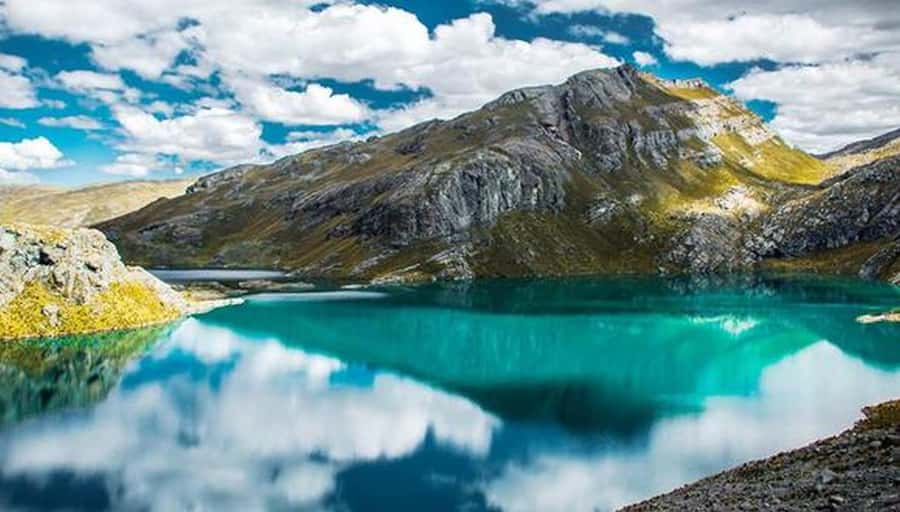
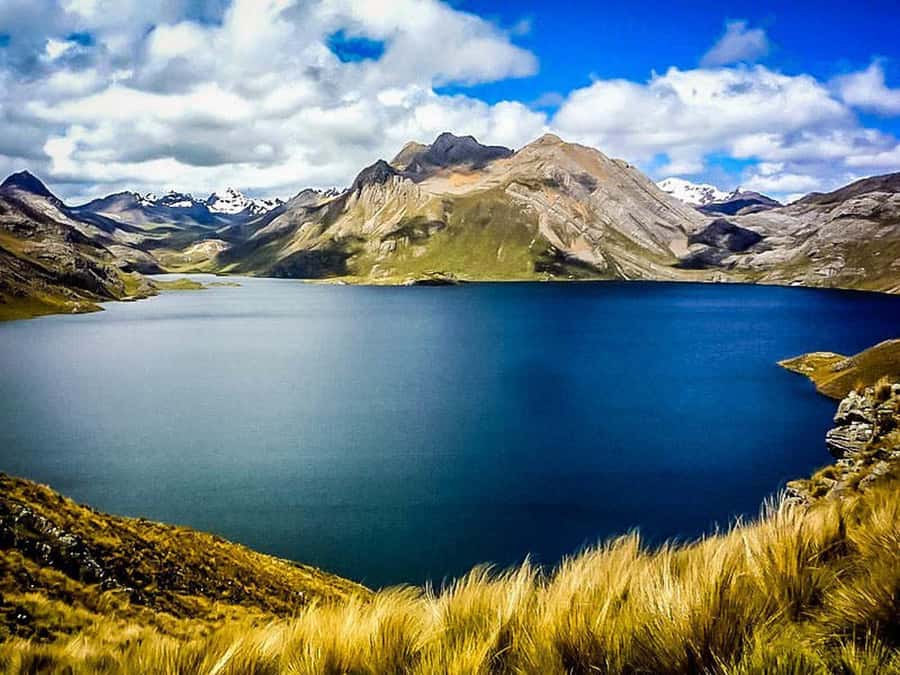
After Marcapomacocha, the route centers on lagoon time, especially Yantac Lagoon and Chuchun Lagoon. These are your main scenic payoff moments: still water, high air, and that sense of being far from Lima.
I like how the day builds toward this calm. You spend earlier hours dealing with altitude and movement, then you get to slow down and absorb the water. If you’re traveling with people who get impatient on long excursions, lagoons are a good way to regain everyone’s attention.
One practical thought: because it’s high altitude, you may feel chilly even if the sun is out. Bring your layers mindset. And once you reach the viewpoints, give yourself a few minutes to adjust before you start shooting photos. The best shots tend to come after you stop moving and start watching the light settle.
Huaros trout farming, Canta’s market energy, and Santa Rosa de Quives sanctuary
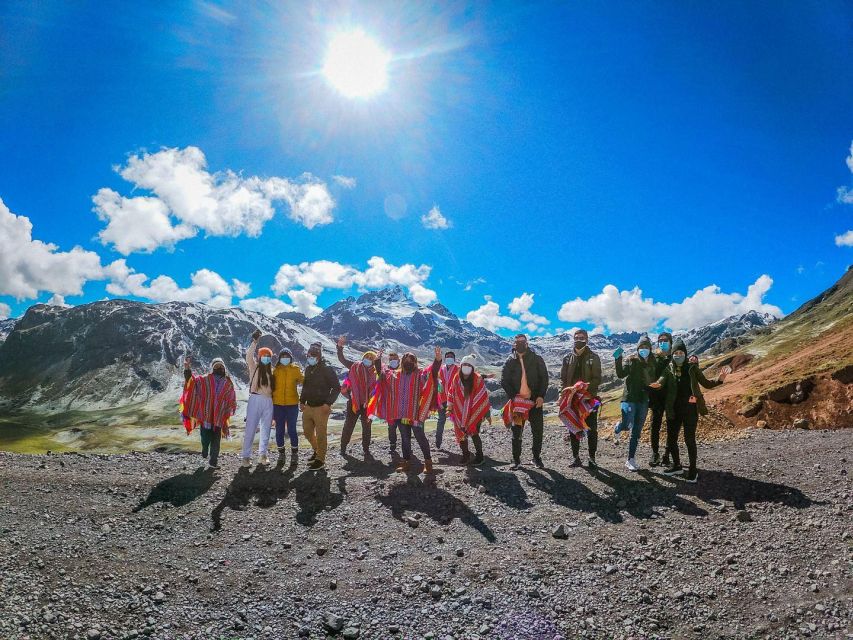
This tour doesn’t only run on nature stops. It also includes cultural and community visits that give you a fuller picture of daily life in the region.
You’ll experience sustainable trout farming at the Huaros community. Since the specifics aren’t spelled out in the basics, ask your guide what’s unique about the approach and how locals see the value of the work. Even a short visit can help you understand that these high zones aren’t empty—they’re used.
You’ll also explore Canta, including its historic charm and a lively local market. This is a good chance to look for small, practical souvenirs rather than chasing something “for tourists.” If you enjoy people-watching and simple local food smells, Canta tends to satisfy that craving.
Finally, there’s a spiritual stop at Santa Rosa de Quives. This is the kind of place where you should lower your pace and treat it like a sanctuary, not just another photo stop. If your day already feels intense, this can be a reset.
Price and logistics: is $59 a fair deal for this kind of day?
The price is $59 per person, which is competitive for a full-day high-altitude route from Lima that includes transport, an official guide, snacks/snacks-like extras (ponchitos), coca tea, and an oxygen balloon. That’s real value, especially if you’re not confident managing altitude on your own.
But it’s not “cheap” in the sense of being light or casual. This is a long day—about 16 hours—and part of the value depends on how well you tolerate road time. One key consideration: some people report that the real flow of the day can differ from what they expected, and the finish time can land earlier than the latest estimate.
Here’s how I’d handle that as a traveler: if you need a specific arrival time back in Lima for dinner plans or a connection, build slack. If your goal is primarily the lagoons and the major high points (Carispaccha area, Marcapomacocha lagoons, Yantac/Chuchun), then this tends to match what matters.
One more cost: food isn’t included, and Carispaccha Waterfall entrance is S/3. Plan for that so you don’t hit the afternoon hungry.
What to bring (so you don’t feel miserable at 5,000+ meters)
The tour gives you helpful basics, but you still need your own field gear. Bring hiking shoes, sunscreen, and insect repellent. The hiking parts aren’t described as extreme, but altitude plus uneven ground can still punish sneakers.
Also consider these practical extras even if they aren’t explicitly listed:
- sunglasses or good eye protection for bright high-altitude light
- a warm layer for lagoon time (cold can sneak in fast)
- a small snack you like, just in case food stops don’t line up with your appetite
If you’ve got motion sickness, take precautions before you leave Lima. The day is long and involves a lot of road.
Who this tour fits best (and who should skip it)
This tour is a strong match if you want:
- high-altitude lagoons with a clear scenic payoff
- culture mixed into nature, including Checta Petroglyphs and Pachamama ceremony
- a guided day that handles altitude support basics for you (oxygen balloon, first aid kit, acclimatization)
It’s less ideal if you:
- hate early starts and long bus days
- need a strict, predictable schedule with no surprises
- want a short, low-effort outing
If you’re traveling with friends or family, it can work well because there are multiple “interest switches”: animals on the way, waterfalls, ceremony, then quiet lagoon time.
Should you book the Lima Marcapomacocha lakes full-day tour?
I’d book it if your top priority is the Marcapomacocha lagoons experience, plus you’re curious about Andean culture stops like Checta petroglyphs and Pachamama. The included altitude support and guide service are the backbone of the value, and when you get a strong guide (Aaron was praised for being fantastic), the day feels organized and human.
I’d hesitate if you’re booking mainly for the exact itinerary you saw online, because schedule flow can vary and some people found the day’s emphasis different than expected. Also, if you want minimal time on the road, go in knowing this is built as a long, full-day route.
If you’re flexible, physically ready for a hike at altitude, and excited by lagoons plus culture, this tour can be a memorable Peru day—one of those long ones you’ll still talk about later.
FAQ
Where do we meet in Lima?
You meet at the Shopping Mall La Rambla. The exact GPS location is sent to you.
What time does the tour start, and when do we get back?
The departure from Lima is at 5am. The tour returns to Lima at about 4:30pm, and arrival in Lima is approximately 9pm.
How long is the tour?
The duration is listed as 16 hours.
What language is the tour guide?
The live tour guide speaks Spanish.
What is included in the price?
Included items are tourist transport, an official tourist guide, ponchitos and a thermos with coca tea, an oxygen balloon, and a first aid kit.
Is food included?
No. Food is not included.
How much is the Carispaccha Waterfall entrance fee?
Carispaccha Waterfall entrance is S/3 (not included).
What should I bring?
Bring hiking shoes, sunscreen, and insect repellent.
Do you have altitude-related support?
Yes. The tour includes acclimatization stops, and it also includes an oxygen balloon and a first aid kit.
What are my cancellation and payment options?
You can cancel up to 24 hours in advance for a full refund. You can also reserve now and pay later.
If you tell me your travel dates and who’s going (age/fitness level and whether anyone gets altitude headaches), I can help you decide if this day fits your group.