REVIEW · CUSCO
Excursion to the Planetarium of Cusco | New experience
Book on GetYourGuide →Operated by Chullos Travel Cusco · Bookable on GetYourGuide
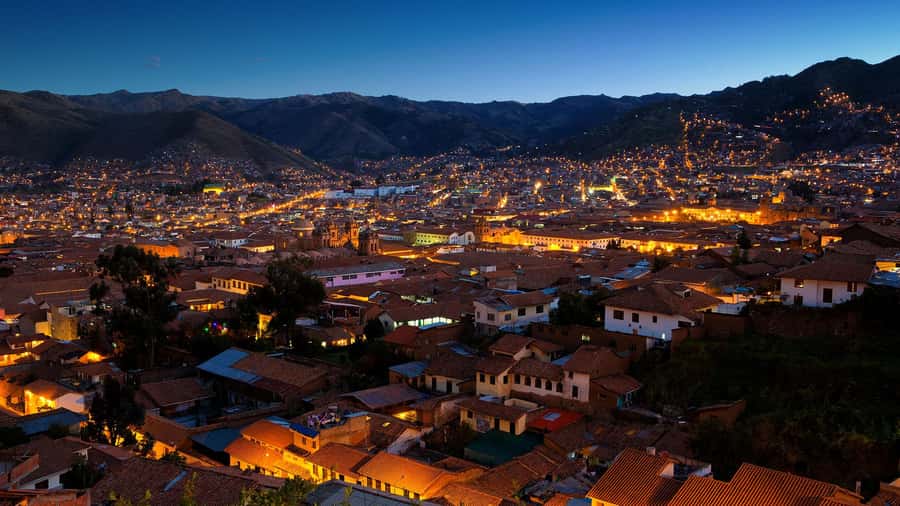
Cusco at night can feel quiet and cold, but this Planetarium outing gives you something to look up at—and a lot to understand while you do. I like the small group size (up to 10) because it makes the guide’s explanations easier to follow, and I also love the mix of Inca astronomy storytelling plus real telescope viewing. The one thing to keep in mind: the telescope part is weather-dependent, and the full experience can feel shorter than the advertised 4 hours once you factor in pickup and transport.
Here’s the practical hook: you leave town early evening, get a guided talk in the interpretation rooms, watch a virtual sky projection on the planetarium dome, and then—if the sky cooperates—switch to real stargazing with professional telescopes. If you’re coming to Cusco for culture and science, this hits a fun sweet spot: stars, but with an Inca lens instead of just Western constellations.
In This Review
- Key things I’d notice before you go
- From Plaza Regocijo to the sky: the Cusco Planetarium night flow
- Inca astronomy talk + dome projection: why the explanation phase is the real value
- Telescope viewing in Cusco: the payoff, plus the weather reality
- The night walk: small moment, real atmosphere
- Price and value: is US$39 fair for this Cusco night?
- Who this excursion fits best (and who might feel it’s not enough)
- Booking decision: should you go to the Planetarium of Cusco?
- FAQ
- Where does pickup happen?
- How long is the excursion?
- How far is the Planetarium of Cusco from the city?
- Is the tour guided in English and Spanish?
- What happens before telescope viewing?
- Are telescopes included?
- Is a night walk included?
- What is included in the ticket price?
- What is not included?
- Is there free cancellation?
Key things I’d notice before you go
- Small group (max 10 people) keeps questions from getting lost in the dark
- Inca astronomy focus: you learn the constellations as part of Andean knowledge, not just random star maps
- Planetarium dome projection helps you match what you see to what you heard
- Professional telescopes are the payoff, but they’re weather-dependent
- Night walk adds a low-key, atmosphere-building break between indoor and outdoor viewing
- English and Spanish guide means you’re not stuck decoding an astronomy script you can’t follow
From Plaza Regocijo to the sky: the Cusco Planetarium night flow
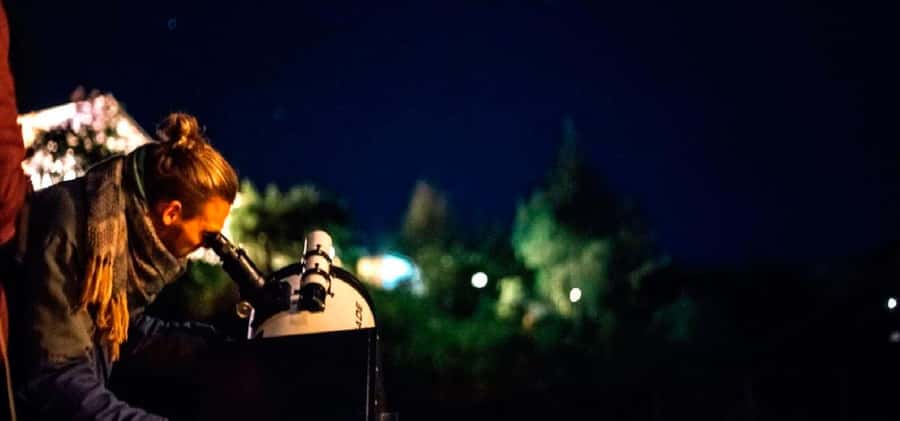
This excursion is built for a classic Cusco evening rhythm. You start with pickup between 5:30 and 6:00 PM from Plaza Regocijo area, then board a shuttle heading to the Cusco Planetarium, which is less than 20 minutes from the city. That short transfer matters: it gives you time to settle in before the sky window closes for the night session.
Once you arrive, the first stop isn’t the telescopes—it’s the learning. You’ll go into the interpretation rooms for a guided talk on Inca astronomy. This is where the tour earns its keep. Stargazing tours can sometimes skip the meaning and jump straight to pointing. Here, you get context first, so the stars aren’t just bright dots. You’re trying to connect patterns in the sky with how the Inca world interpreted them.
Next comes the virtual sky projection on the planetarium dome. Think of it as a guided “practice round.” The dome version helps you understand what you’re about to hunt for outside (and it also helps you make sense of constellation shapes that are hard to spot in the dark if you don’t know what you’re looking for).
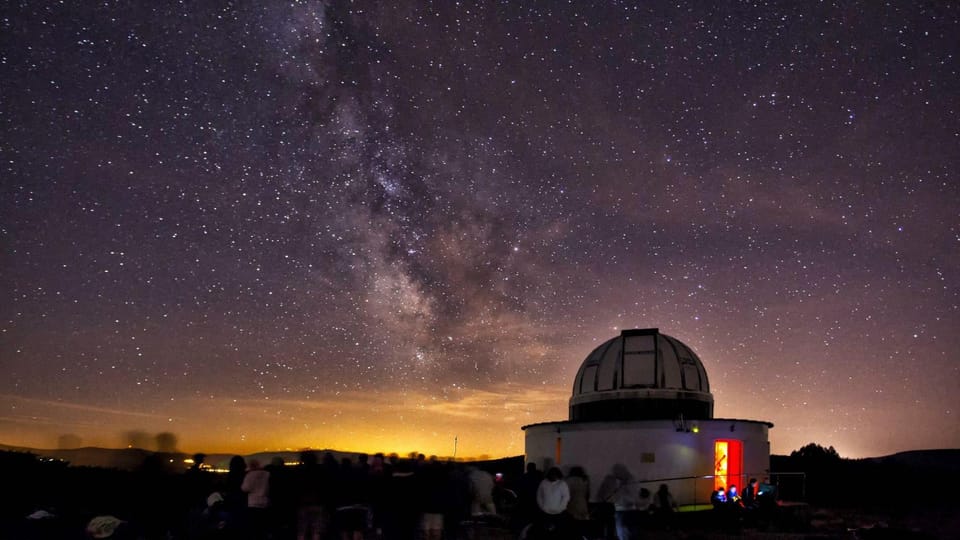
Then the itinerary turns toward the main event: real observation. The plan uses the professional telescopes at the Cusco Planetarium to admire the sky, but this last part depends on conditions. If clouds or poor visibility move in, telescope time can be reduced or altered—so keep expectations realistic. (More on that in a moment.)
Finally, you wrap up and return to central Cusco—about 8:00 PM—back near Plaza de Armas area.
Why this matters for you: you’re not just booking a seat for an hour of star pointing. You’re getting an evening structure that helps you go from explanation → projection → observation. That step-by-step flow usually makes the experience feel more satisfying, especially if you’re traveling with a basic interest in astronomy and want it to mean something.
You can also read our reviews of more tours and experiences in Cusco.

Inca astronomy talk + dome projection: why the explanation phase is the real value
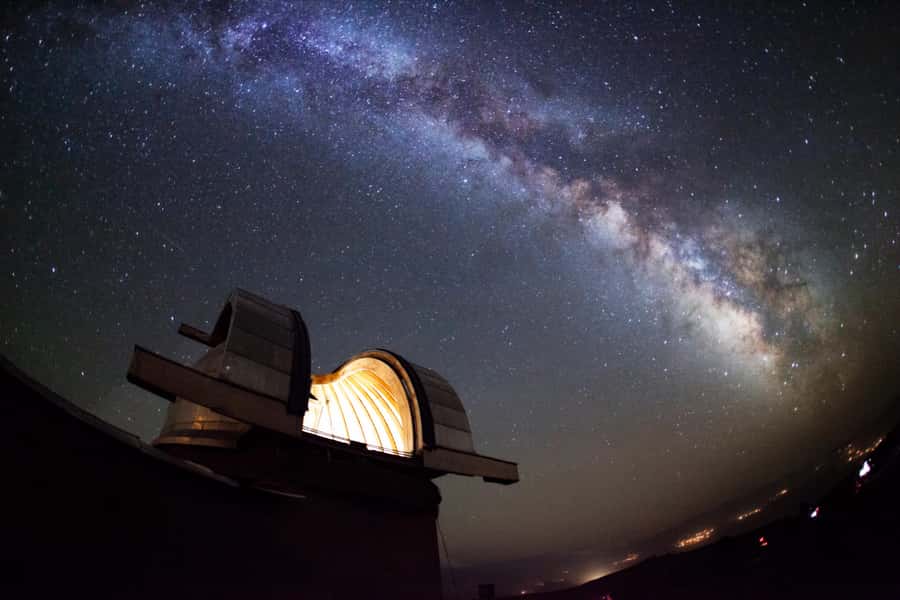
A lot of people sign up for planetarium tours thinking it’s mostly entertainment. In this case, the “indoors” portion is actually the backbone.
In the interpretation rooms, you’ll hear a guided introduction to Inca astronomy, with emphasis on the Inca constellations. The content style is important: you’re learning how people mapped the sky in a way that connected with their world, rather than treating stars like a slideshow of facts. This is also where you can pick up the language of constellations—what names to listen for and what “shapes” you’re meant to look for later.
Then the planetarium dome projection takes that knowledge and puts it into a view you can follow. Dome projections are helpful because they don’t rely on luck. In the dark outside, your eyes need time to adjust and your brain needs a reference point. Inside the dome, the guide can show you the sky in a controlled way and connect what you’re seeing to the story you just heard.
One practical payoff: after the dome session, you’ll likely have more success picking out patterns during the outdoor viewing. Even if you’re not a hardcore stargazer, a little guidance goes a long way. You stop feeling like you’re just squinting and hoping.
What I like for readers: this is an evening activity that doesn’t require you to know the sky. It builds your understanding as you go. If you’re already impressed by Cusco’s Inca-era heritage during the day, this is a night-time extension—stars through an Andean framework.
Telescope viewing in Cusco: the payoff, plus the weather reality
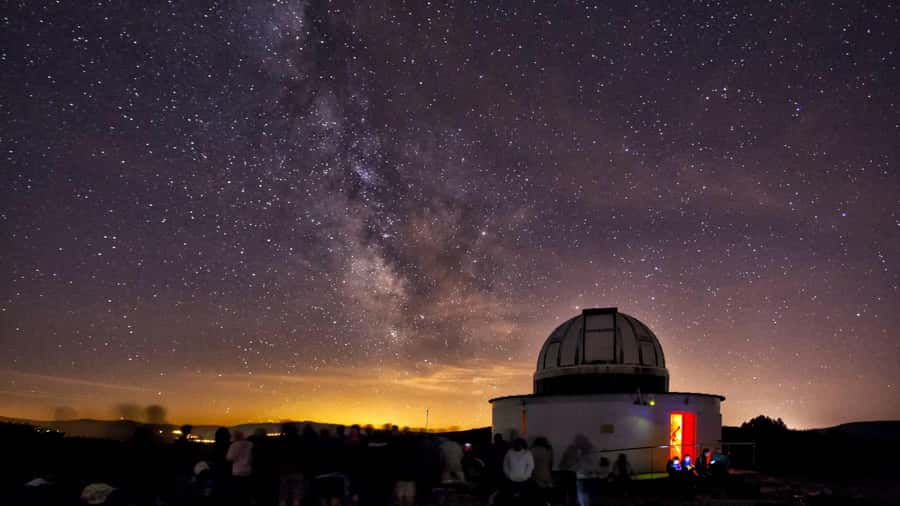
The big moment is the telescope time using the professional telescopes at the Cusco Planetarium. This is the part you want to be mentally ready for: a chance to see celestial objects more clearly than you can with the naked eye.
But here’s the honest consideration: the telescope segment is subject to weather conditions. Cusco nights can be clear one moment and cloudy the next, and when that happens, it can affect visibility and the quality of observation.
So how should you plan?
- Bring warm layers. Even with blankets being offered in at least some cases for outdoor viewing, your best comfort strategy is clothing you can adjust in the cold.
- Keep your expectations flexible about telescope time. If the sky is perfect, you’ll likely feel you got your money’s worth. If it isn’t, the domed explanation and talk still have value, but you may feel like you didn’t reach the “final payoff” as fully.
Also pay attention to time feel. The experience is sold as 4 hours, and the day ends around 8:00 PM. Still, some evenings can feel tighter once you account for transportation and where the group spends most of the time. If you’re the type who needs a long observation session outside, consider going in with a mindset that the evening is a sequence, not a single long stargazing block.
The night walk: small moment, real atmosphere
There’s also a night walk included. It’s not the main headline compared to telescope time, but it plays a useful role in how the evening lands.
A night walk breaks up the “sit, listen, watch” flow. It also helps you shift from the learning spaces into outdoor viewing mode. In places like Cusco, the air, the sounds, and the darkness itself change your perception. That shift matters when you’re trying to see faint objects—your eyes and attention need time.
Even if the night walk is brief, it’s part of the pacing that keeps the tour from feeling like one long lecture. You get a better chance of staying engaged before the real observation part.
Price and value: is US$39 fair for this Cusco night?
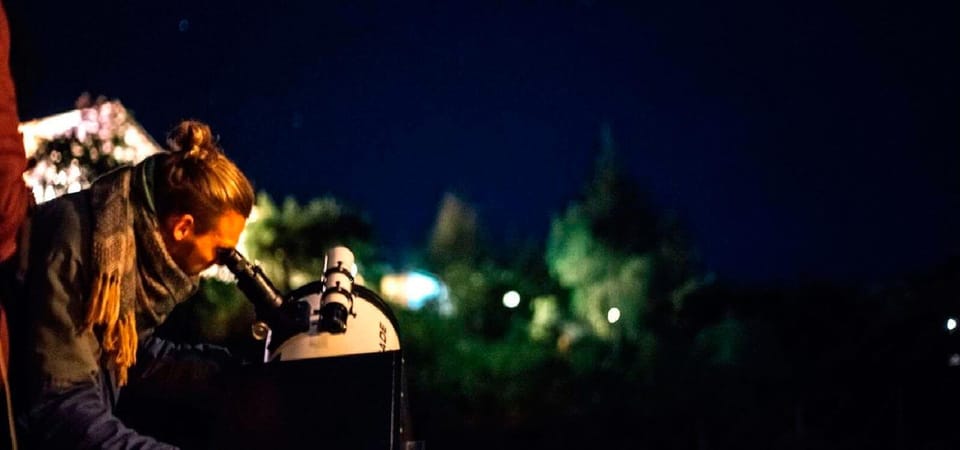
At $39 per person, this is an evening excursion that aims to combine three things: guided explanation, planetarium-style projection, and telescope viewing. Value isn’t just about the sticker price—it’s about what portion of the experience you actually get on your specific night.
Here’s how I’d judge whether it’s worth it for you:
- You’re paying for the guided astronomy context. If you enjoy learning, the interpretation-room talk and dome projection help turn stargazing into understanding.
- You’re also paying for the telescope access. Telescope sessions are often the most expensive part of astronomy experiences, and here you get professional equipment when conditions allow.
- Time expectation is part of the value equation. Some people may feel that 4 hours on paper doesn’t translate to the same amount of observation time outdoors, once transport is counted. If you want a long, uninterrupted telescope session, you may be disappointed on a night where the schedule runs a bit tighter.
- Weather can change the “wow.” If the telescopes deliver strong views, you’ll likely feel it was worth it. If visibility is poor, the domed learning becomes the main attraction.
My bottom line take on value: for someone who likes guided explanations and wants an easy, organized way to experience Cusco’s night sky, this price can feel reasonable. For someone who expects a long outdoor stargazing marathon, the setup may not match that expectation.



Who this excursion fits best (and who might feel it’s not enough)
This tour is a great match if you want an evening activity that’s different from another museum stop or another Inca site daytime scramble.
You’ll probably enjoy it if you:
- like astronomy with a cultural angle (Inca constellations and how they were understood)
- prefer small-group pacing (up to 10 people)
- want a guided night experience without planning equipment or hunting for viewpoints yourself
- enjoy learning things you can later look for in the real sky
It might not be your best pick if you:
- are mainly chasing telescope time above all else and get easily frustrated if clouds roll in
- expect the full 4 hours to feel like uninterrupted outdoor stargazing
- dislike structured, lecture-style learning and want only pure observation
And one more practical note: alcohol and drugs aren’t allowed. If you’re planning to treat this as a casual night out, it’s more about the program than partying.
Booking decision: should you go to the Planetarium of Cusco?
If you’re in Cusco and you want a night activity that mixes culture, science, and a chance to see the sky with professional telescopes, I’d recommend booking—with smart expectations.
My advice: go for the full package idea (talk → dome projection → telescope attempt). If you know up front that weather can affect the telescope portion and that the evening is paced rather than one long stargazing block, you’re much more likely to leave happy.
If you’re hoping for a guaranteed long outdoor observation session, you may want to pair this with a daytime plan you’re confident about, so you’re not relying on a perfect night sky for your main excitement.
FAQ
Where does pickup happen?
Pickup is arranged between 5:30 and 6:00 PM at Plaza Regocijo, and the tour uses tourist transportation to reach the Planetarium of Cusco.
How long is the excursion?
The duration is listed as 4 hours, with specific starting times depending on availability. The group typically returns to central Cusco around 8:00 PM.
How far is the Planetarium of Cusco from the city?
The planetarium is located less than 20 minutes from Cusco.
Is the tour guided in English and Spanish?
Yes. The activity is led by a live guide who speaks both Spanish and English.
What happens before telescope viewing?
You’ll have a talk on Inca astronomy in the interpretation rooms, followed by a virtual sky projection on the planetarium dome.
Are telescopes included?
Yes, the tour uses professional telescopes at the planetarium, but the final observation activity is subject to weather conditions.
Is a night walk included?
Yes, a night walk is part of the experience.
What is included in the ticket price?
Included are pickup, tourist transportation, the guided experience (English/Spanish), and entrance to the Planetarium of Cusco.
What is not included?
Meals, travel insurance, and extra expenses are not included.
Is there free cancellation?
Yes. Free cancellation is available up to 24 hours in advance for a full refund.
If you tell me your travel dates (and whether you’re more into astronomy or more into Inca culture), I can suggest how to time this with your Cusco itinerary.