REVIEW · CUSCO
5-Day Salkantay Trek to Machupicchu Sky Lodge Dome
Book on GetYourGuide →Operated by TERRA QUECHUA PERU · Bookable on GetYourGuide
One trek, two worlds, Machu at sunrise. This is the Salkantay route that climbs high, then drops into forest, with dome comfort along the way and a very early arrival for Machu Picchu in the morning light.
What makes it especially interesting is the mix of experiences: Humantay Lagoon, a steep high pass around 4,650 m, a night in domes inside a coffee plantation, and finally a sunrise-focused Machu Picchu visit that starts before most of Peru is awake.
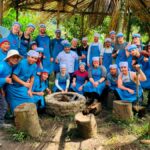
I love the practical comfort upgrade: you get luxury domes with private bathroom and hot shower, not just a bare tent. I also like that meals are handled by a real cook, with credits going to chefs like Exaltación (and other cooks such as Mario) for making food feel like a recovery tool, not a chore.
One drawback to consider: Machu Picchu ticket communication can be the make-or-break item. In one documented case, the office briefing came late and the team had to find a workaround that shortened the hike, showing you should confirm ticket and timing details well before departure.
In This Review
- Key Things That Make This Trek Worth Your Attention
- Why This 5-Day Salkantay Route Fits Certain Travelers
- Your Dome Basecamp: Hot Showers, Private Toilets, and One Cold Night
- Day 1: Cusco Early Pickup, Challacancha Hike, Soraypampa Domes, Humantay Lagoon
- Day 2: Salkantay and Tucarhuay Views at the 4,650 m High Pass
- Day 3: High Jungle to “Playa,” Plus Coffee Plantation Hands-On Learning
- Day 4: Llaqtapata, Fruit Harvest Opportunities, Hot Springs in Aguas Calientes
- Luggage reality on day 4 (don’t ignore this)
- Day 5: First Bus to Machu Picchu, 2-Hour Guided Walk, Optional Huayna Picchu
- Ticket timing: the one thing you should confirm now
- Price and Value: What $700 Covers (and Why the Comfort Matters)
- Communication and Ticket Timing: My Practical Advice Before You Pay in Full
- Who Should Book This Trek (and Who Should Skip It)
- Practical Packing and Altitude Tips That Actually Help
- Should You Book This Tour?
- FAQ
- What is the highest altitude on the trek?
- What time do you go to Machu Picchu on the final morning?
- Are meals included during the trek?
- Do I need a sleeping bag?
- Can I get vegetarian or vegan meals?
- How is luggage handled during the trek?
- Is there an option to visit Huayna Picchu?
Key Things That Make This Trek Worth Your Attention
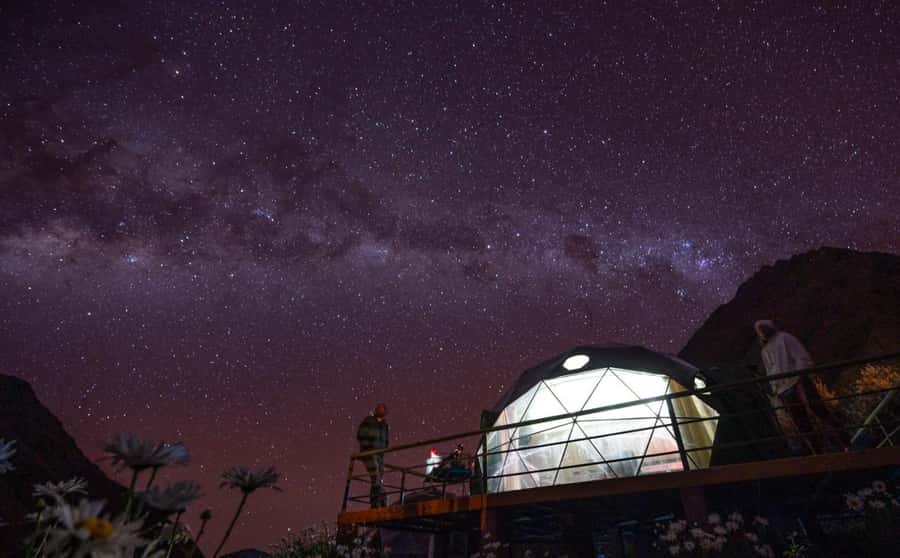
- Luxury dome nights with private bathroom and hot shower instead of “just camping”
- The Salkantay high pass (4,650 m) for big mountain views and a chance of snow
- Coffee plantation camp where you harvest, roast, and grind coffee as part of the day
- Llaqtapata + Urubamba Valley views plus a partial walk on the original Inca Trail
- Sunrise Machu Picchu timing using the first bus (about 5:30 am)
- Small groups (up to 10) keeps the days from feeling like a cattle line
Why This 5-Day Salkantay Route Fits Certain Travelers
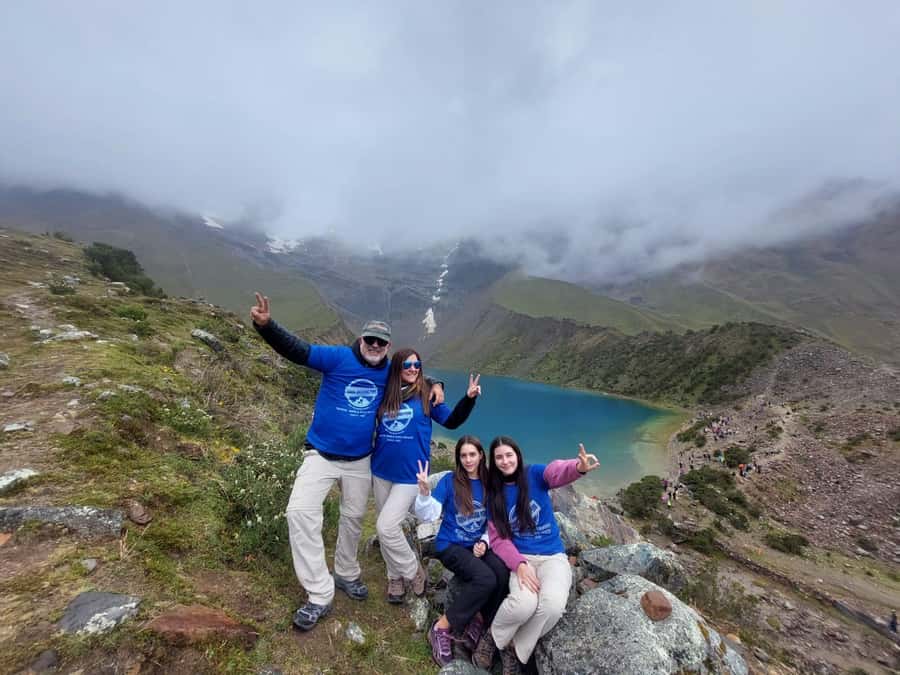
This is a challenging, rewarding trek built for people who want a real workout with real rewards. You’re dealing with steep climbs, early starts, and high altitude—especially on the day that crosses the top pass at 4,650 m.
It’s not for everyone. It’s marked not suitable for people with back problems, mobility impairments, heart problems, or pregnant women. Even if the operator notes wheelchair accessibility, the overall trek demands hiking and long walking days, so you should treat the “wheelchair” label as not relevant for most people who need mobility support on the trail.
If you’re an active traveler who likes guided structure (so you don’t have to coordinate logistics all by yourself), this route makes sense. You also get a good balance: high mountain day, then high jungle/coffee, then the “Inca-influenced” approach toward Machu Picchu.
You can also read our reviews of more hiking tours in Cusco
Your Dome Basecamp: Hot Showers, Private Toilets, and One Cold Night
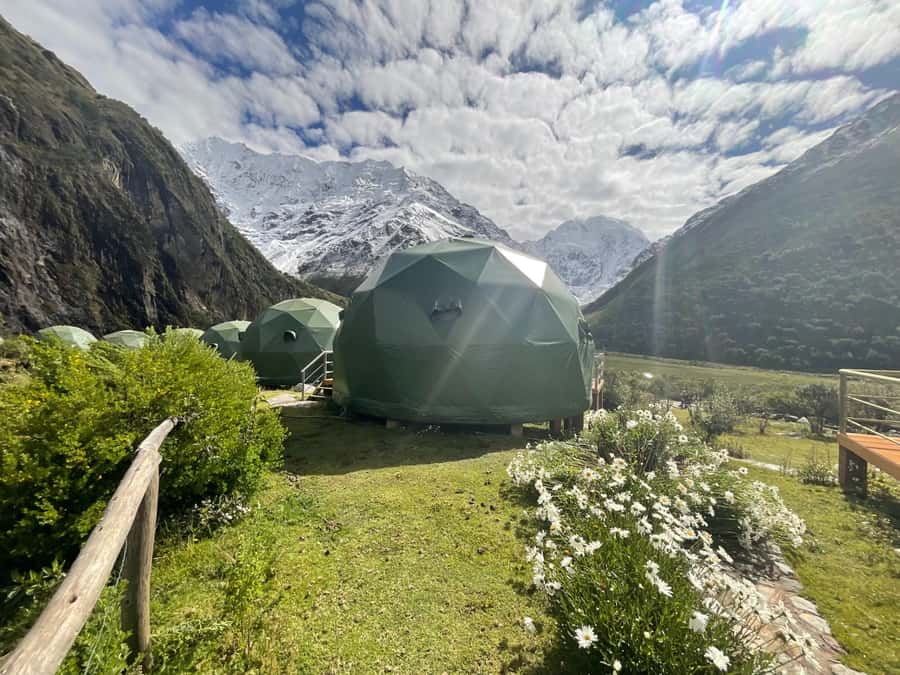
The dome setup is the comfort headline. Your nights are in luxury domes with a private bathroom and hot shower, which matters more than it sounds. When you’re walking all day at altitude, the ability to wash, dry off, and reset your body can be the difference between tough and miserable.
Here’s the honest consideration: the domes are still out in the mountains. One traveler specifically flagged that the first dome night was very cold. So plan for cold temperatures with warm layers—don’t assume “hot shower” means the tent environment will be cozy.
Pro tip from the way this trip is run: wear a warm hat and pack a warm mid-layer for the evenings. You’ll feel it when you stop moving and the air drops fast.
Day 1: Cusco Early Pickup, Challacancha Hike, Soraypampa Domes, Humantay Lagoon
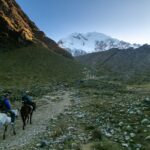
The trip starts aggressively early. You’re picked up from your hotel around 4:30–5:00 am, then travel by van toward Mollepata for breakfast. After that, there’s private transport onward to Challacancha where your hike begins.
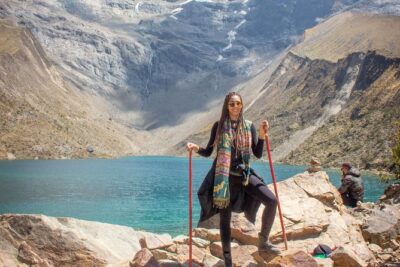
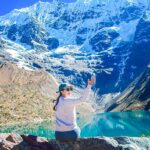
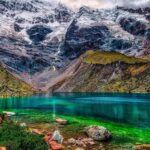
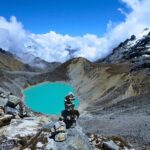
This first day sets the tone: move from Cusco altitude toward trek altitude while still getting guided support and food timing. You’ll also visit Humantay Lagoon, one of the sights that makes people say, okay, this is why I came. Then you finish in the dome camp at Soraypampa.
One more cultural touch: the itinerary includes an Andean ceremony on day one, an offering to Mother Earth. Even if you’re not religious, it’s a meaningful way to start the trek with intention.
Day 2: Salkantay and Tucarhuay Views at the 4,650 m High Pass
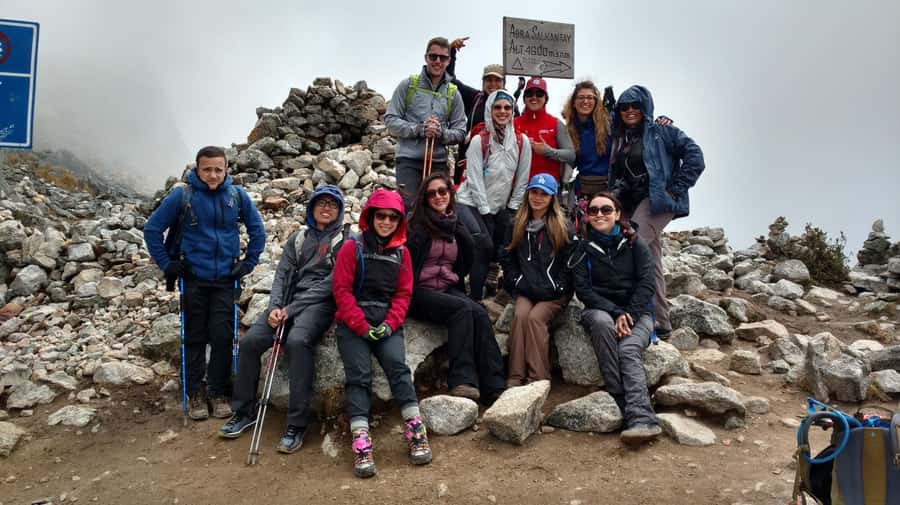
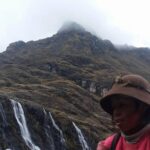
Day two is built around the big altitude moment. After breakfast around 5:30 am, you start hiking toward the highest pass on the trek at 4,650 m / 15,200 ft. The pass sits midway between two major mountains: Salkantay on the right and Tucarhuay on the left.
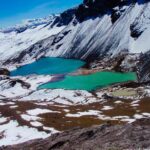
This is the day for dramatic views. The climb is hard, but when you reach the top, you get that open, exposed feeling where the world looks both huge and very close at the same time. There’s also a real possibility of seeing snow here, depending on conditions.
You’ll camp afterward at the Chaullay campsite in domes—so you’re trading high-altitude exertion for a comfortable base.
Day 3: High Jungle to “Playa,” Plus Coffee Plantation Hands-On Learning
Day three shifts the scenery and the energy. After breakfast around 6:30 am, you hike through the high jungle, crossing the Lluskamayo River and passing multiple streams. The walking time to Playa is about 4 hours.
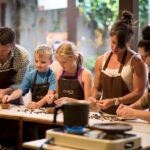
Then comes the coffee part, and it’s more than a quick stop. You camp in geodesic domes inside a coffee plantation. You’ll learn the coffee process and participate: harvest, roast, and grind coffee as part of the trek experience.
Why I like this day: it’s the relief day in disguise. You still hike, but you’re not always in the “vertical altitude wall.” The tone changes from big mountain drama to a working landscape—still outdoors, still guided, but less punishing than the high pass day.
You can also read our reviews of more tours and experiences in Cusco
Day 4: Llaqtapata, Fruit Harvest Opportunities, Hot Springs in Aguas Calientes
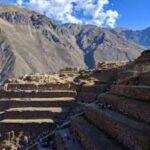
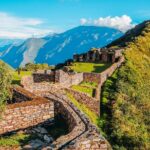
Day four is long and eventful. You start after breakfast around 6:30 am, aiming to reach Llaqtapata early. This is where you get a taste of the original Inca Trail and the feeling of walking through land that locals still live with and farm.
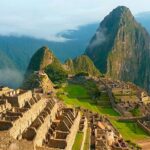
You may also get the chance to harvest various fruits and enjoy some of the best Urubamba Valley views. The big payoff is the first strong look at Machu Picchu in the distance, with Salkantay behind it.
From there, you reach Hidroelectrica for lunch. After lunch, you continue walking along the train track for about 2.5 hours until you reach Aguas Calientes, where you spend the night in a hostel.
And yes, you can soak afterward. Aguas Calientes has hot springs with an entrance fee of 10 soles—a very practical way to recover after four straight days of movement.
Luggage reality on day 4 (don’t ignore this)
Luggage handling is good early, then becomes more physical. Your duffel bag is carried for you until the third day. Starting day four, you’ll carry your own bags.
There’s also an option on day four: you can send luggage by car from Playa to Hydroelectrica and then by train to Aguas Calientes. That costs about 20 soles, paid directly. If you hate the idea of hauling anything besides a daypack, this is the option to consider.
Day 5: First Bus to Machu Picchu, 2-Hour Guided Walk, Optional Huayna Picchu
Day five starts early again. You wake around 5:00 am, have breakfast, and head to Machu Picchu by the first bus, which leaves at 5:30 am and takes about 25 minutes.
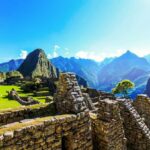
The reward: Machu Picchu as the sun rises. Your guide provides about a 2-hour tour, then you explore on your own.
If you want the extra climb, there’s an optional trip up Huayna Picchu (to 2,720 m / 8,890 ft). It takes about 1 hour 45 minutes to reach the top, and it depends on availability.
Later, you take the train back. The itinerary mentions trains arriving roughly between 2:00 pm–4:00 pm or the later 6:20 pm option, and then you return to Cusco by private transport from Ollantaytambo.
Ticket timing: the one thing you should confirm now
Machu Picchu tickets are included, and the bus up is included, but your real safety net is confirming the exact ticket slot and that the bus connection matches your plan. One traveler’s experience showed how late ticket information can throw a wrench into the schedule. Don’t wait for a surprise briefing—ask early and get the confirmation in writing when possible.
Price and Value: What $700 Covers (and Why the Comfort Matters)
At about $700 per person for five days, this trek isn’t cheap. The value comes from the fact that you’re not just buying a hike—you’re buying a full moving camp and a guided “from Cusco to Machu Picchu” pipeline.
Here’s what’s included:
- Bilingual professional guide (Spanish–English)
- Hotel pickup in Cusco and key transport segments (Cusco to Soraypampa, Ollantaytambo back to Cusco)
- Train from Aguas Calientes to Ollantaytambo
- Machu Picchu tickets and the bus up
- Meals: 4 breakfasts, 4 lunches, 4 dinners, plus 4 snacks
- Luxury domes with private bathroom and hot shower
- 1 night accommodation in Aguas Calientes
- A full kitchen setup (dining tent and kitchen), plus a cook for meals
- Horsemen and mules to move equipment and food, plus about 7 kg per person for personal luggage
- An on-hand first aid kit
- The first day’s Andean ceremony offering
What’s not included:
- First breakfast and last dinner
- Sleeping bag
- Trekking sticks
So you’re paying for convenience, organization, and comfort. If you tried to self-plan, the cost would likely shift into transport, tickets, porters, and the hard-to-recreate camp setup. The dome comfort is also a real value point. After two or three days of cold nights and altitude exertion, hot shower access changes how you feel the next morning.
Communication and Ticket Timing: My Practical Advice Before You Pay in Full
Here’s the honest “watch this” area. In at least one documented case, the office briefing didn’t clearly cover Machu Picchu tickets until right before departure, and that created urgency and required a hike change. The guide (Roberto) provided a solution and advice on lining up early, but it still cost time and flexibility.
You can prevent this. Before you go, do these three things:
- Ask who confirms your Machu Picchu ticket slot and when that happens.
- Confirm the plan for getting to the bus on day five.
- Ask whether the route would change if a ticket slot requires it.
This trek runs on tight timing because Machu Picchu has time slots. The best teams handle that smoothly—but your job is to double-check early so you’re not relying on last-minute fixes.
Who Should Book This Trek (and Who Should Skip It)
Book this if you:
- Want a guided high-altitude trek without planning headaches
- Like the idea of dome nights with hot showers
- Want a varied route: high pass, high jungle, coffee camp, and the approach toward Machu Picchu
- Prefer small groups (up to 10 people) for a calmer pace and easier communication
Skip this if you:
- Have back problems, heart problems, or are pregnant
- Need mobility support on uneven terrain
- Don’t like long walking days and early mornings
Also, pack for cold evenings. Even when you have domes and hot showers, the mountains can still be chilly when you stop walking.
Practical Packing and Altitude Tips That Actually Help
The essentials (from what you’re told to bring):
- Warm clothing (especially for mornings and evenings)
- Sunglasses and a sun hat
- Cash (for small extras like hot springs)
- A daypack
- Trekking gear and hiking shoes
- Passport or ID card
Altitude reality: it’s recommended you arrive in Cusco at least 2 days before the trek. That gives you time to acclimatize and reduces the odds you’ll feel crushed on day one or day two.
Food: vegetarian and vegan options are available on request at no extra charge. If you have any restrictions, ask clearly before departure so the cook can plan.
Also, think about your luggage strategy. Because your duffel is carried until day three and then you carry from day four, you’ll feel the difference. Pack smart: keep your warm layers and essentials in your daypack, not in the bag you’ll only reach later.
Should You Book This Tour?
I’d book it if your top priorities are: comfort on the trail, a guided Salkantay-to-Machu structure, and a schedule that gets you to Machu Picchu early for sunrise. The dome setup and the way the days change—from lagoon to high pass to coffee to Llaqtapata—make the whole trip feel more varied than a straight point-to-point hike.
I wouldn’t book it blindly if you hate uncertainty about tickets. Your best move is to confirm your Machu Picchu ticket slot and bus timing before you start walking. If that’s locked, this trek can be a strong value: you’re paying for logistics, meals, guides, and real camp comfort, not just a map and a wish.
If you want, tell me your fitness level and travel dates. I can help you sanity-check whether you’ll likely feel good at 4,650 m and what to pack for the cold dome nights.
FAQ
What is the highest altitude on the trek?
The highest pass is 4,650 m / 15,200 ft, crossed on day two.
What time do you go to Machu Picchu on the final morning?
You take the first bus that leaves at 5:30 am, and the trip lasts about 25 minutes.
Are meals included during the trek?
Yes. The tour includes 4 breakfasts, 4 lunches, 4 dinners, and 4 snacks. The first breakfast and last dinner are not included.
Do I need a sleeping bag?
A sleeping bag is not included, so you should plan to bring one if you need it for overnight comfort.
Can I get vegetarian or vegan meals?
Yes. Vegetarian and vegan food are available on request with no extra charge.
How is luggage handled during the trek?
Your duffel bag is carried for you until the third day. From day four, you must carry your own bags. There is also an option on day four to send luggage by car and then train for about 20 soles.
Is there an option to visit Huayna Picchu?
Yes. Climbing Huayna Picchu is optional (availability required) and it takes about 1 hour 45 minutes to reach the top.