REVIEW · CUSCO
Inca Jungle Trail to Machu Picchu in 4 Days
Book on GetYourGuide →Operated by Reserv Cusco · Bookable on GetYourGuide
Four days, and that first downhill decides your mood. This Inca Jungle route turns altitude and jungle air into a full-day rhythm: bike downhill, hike through Inca footpaths, then cap it with a private Machu Picchu guide. I love the 40-kilometer bike drop plus the practical way the tour feeds you (breakfast, lunch, dinner most days). One thing to plan for: the first lodge in Santa Maria can be basic, and some rooms have been reported as run-down.
You’re based out of the Cusco region and guided end-to-end in a private setup, so the pace stays coherent instead of feeling like a scramble between companies. You’ll also ride, cross, and climb in a way that’s more active than the usual “just take a bus” route. Do it if you want motion and scenery more than comfort and downtime.
In This Review
- Key highlights you’ll actually feel
- Why this 4-day Inca Jungle route feels different than most
- Price and value at $485: what’s included vs what still costs extra
- Day 1: Cusco to Santa Maria, Abra Malaga, and the 40-kilometer downhill
- Day 2: Santa Maria to Santa Teresa, coffee-cultivation walks, and thermal baths
- Day 3: Hanging bridges, oroya over the Vilcanota, and Inti Watana
- Day 4: Machu Picchu in a 3-hour private guided visit, then train to Cusco
- Guides, languages, and what private group really means for you
- What to pack (and what to wear) for altitude swings and cold bike wind
- Lodging reality check: Santa Maria can be basic
- Who should book this tour, and who should skip it
- Should you book this Inca Jungle Trail to Machu Picchu tour?
- FAQ
- What’s the duration and starting point for this tour?
- Is Machu Picchu entrance included?
- Do I need to buy the train ticket back to Cusco?
- What meals are included?
- Is bike equipment included?
- Are hot springs included?
- What languages are available for the guide?
- What should I bring?
- Is alcohol allowed on the tour?
- Is cancellation flexible?
Key highlights you’ll actually feel
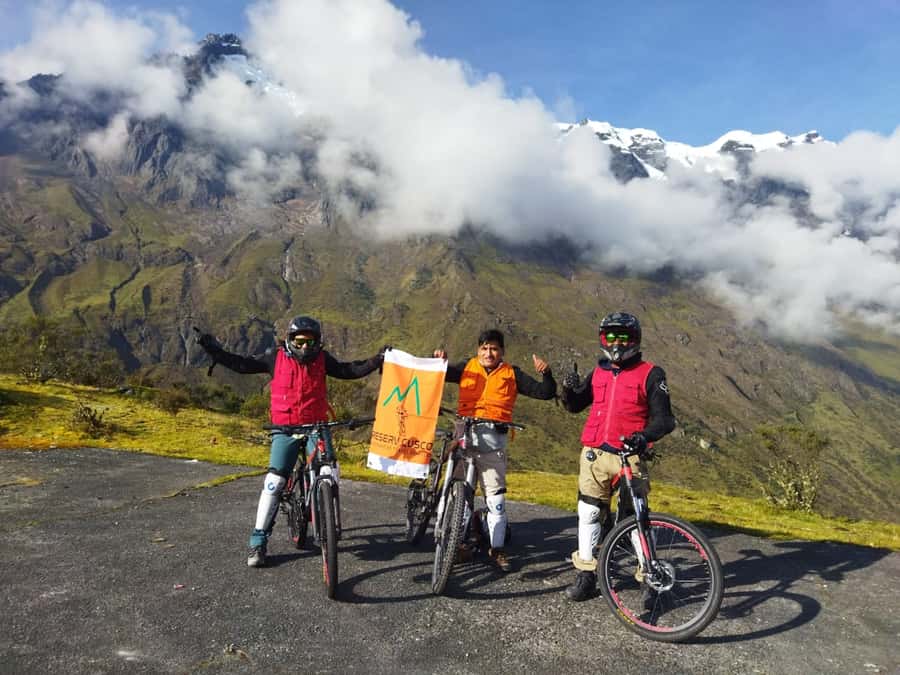
- 40-kilometer downhill bike after a high-altitude start, so you get that jungle-air payoff fast
- Abra Malaga altitude transition (up to about 4,350 m) before the descent
- Inca ruins stop mid-ride at Wamanmarka, tied to an on-the-road meal
- Hot springs time (thermal/medicinal baths around Santa Teresa, plus a listed hot-spring stop at Cocalmayo)
- Hanging bridges + Vilcanota crossing by oroya for a real adrenaline moment
- Three-hour private Machu Picchu visit with a guide who explains the site clearly
Why this 4-day Inca Jungle route feels different than most
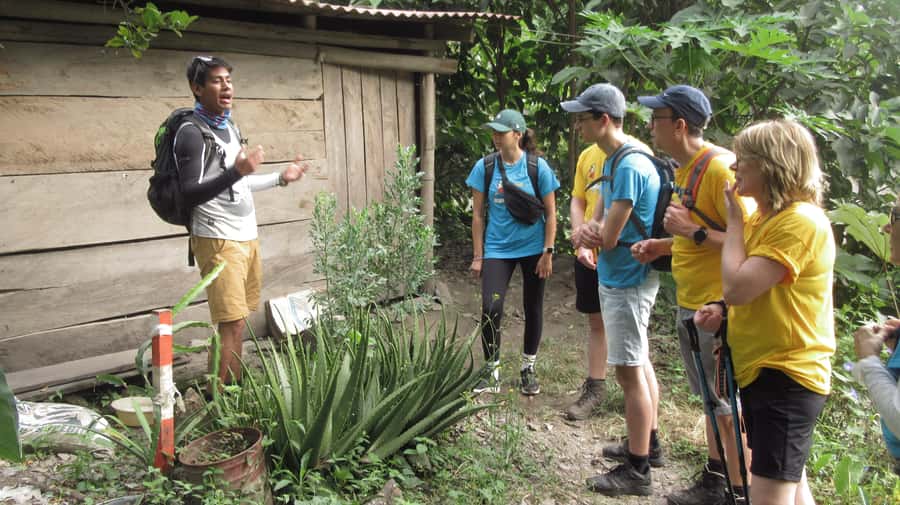
This isn’t a “walk gently, take photos, sleep well” kind of tour. It’s built around the idea that you earn the moment. The itinerary starts with altitude and a bike setup, then steadily changes environments as you move from high Andean zones toward humid forest.
That matters because you feel the transition. Day 1 begins around Cusco and works you up to the Abra Malaga area, then you drop by bike into lower elevations where flora changes fast. Day 2 and Day 3 keep that momentum with jungle trails, original Inca paths, and multiple terrain styles—hiking, bridges, river crossing, then Machu Picchu on Day 4.
If you like adventures that have a “flow,” this one has it. The downside is obvious: you need to be comfortable being active and accepting that one of the nights can be less polished than the others.
You can also read our reviews of more tours and experiences in Cusco
Price and value at $485: what’s included vs what still costs extra
At about $485 per person for 4 days, the value isn’t just the entrance to Machu Picchu. The price covers a lot of the expensive logistics that normally add up on your own: private transport on the first day, bike equipment, a guide, three nights of lodging, and most meals (breakfasts and lunches and dinners across the trip). It also includes Machu Picchu entrance and Inca Trail time.
What you should budget separately:
- The train back to Cusco on Day 4 is not included. (You can purchase tickets via perurail.)
- The last lunch is not included.
- Extra activities can cost extra depending on what you choose on the ground.
There’s one more practical “value” consideration. One person reported paying more than other options earlier in the trip, then having to pay extra for add-ons like a zip line. If you’re price-sensitive, ask early what’s optional, what’s included, and what might change your group plan.
Day 1: Cusco to Santa Maria, Abra Malaga, and the 40-kilometer downhill
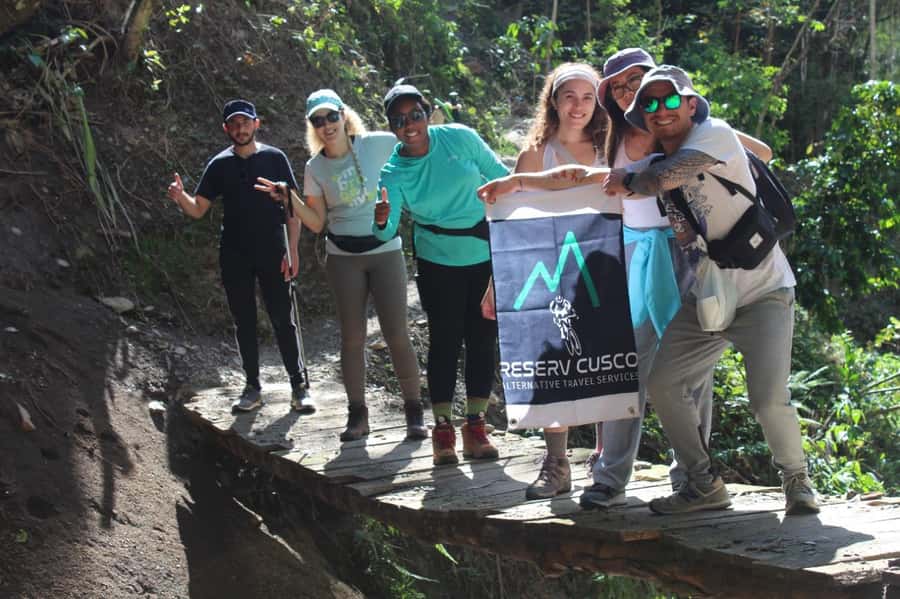
Day 1 starts with a morning departure from Cusco, with the pickup/meeting window around 7:45 to 8:00 am. You’ll leave Cusco with panoramic views, then head along the way toward Chinchero and Ollantaytambo, where the route begins to climb.
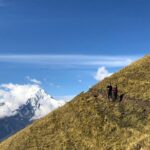
You reach about 4,350 meters near the Abra Malaga area. This is where the tour shifts from road transport to bikes. If fog shows up, the guide’s judgment may change what happens next—so don’t plan to “win” the weather. You’re here for a real mountain-to-jungle transition, not a theme park.
Then comes the moment people talk about: you descend with your bicycles, riding downhill for roughly 40 kilometers (with about 3 hours of biking described). It’s not just “go fast.” You’ll pass through changing vegetation zones as elevation drops—from dry scrub and exposed areas into more temperate and then wooded vegetation.
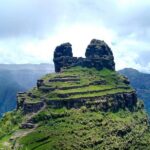
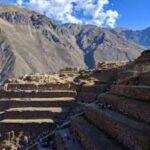
Around the middle of the ride you’ll stop at ruins at Wamanmarka, and this is also where lunch is tied into the day. It’s a good break point because you’re already moving through the Inca-era footprint rather than treating ruins as an optional detour.
By the end of the day, you arrive in Santa Maria at about 1,430 m. Your first night is in a basic service lodge in a humid forest setting. One strong note from real bookings: the first lodge has been reported as run-down by at least one group (including mold and dirt). Other lodges reportedly performed better. So I’d pack an extra dose of patience for Day 1 lodging and focus on sleep quality that night as “good enough” rather than “luxury.”
Day 2: Santa Maria to Santa Teresa, coffee-cultivation walks, and thermal baths
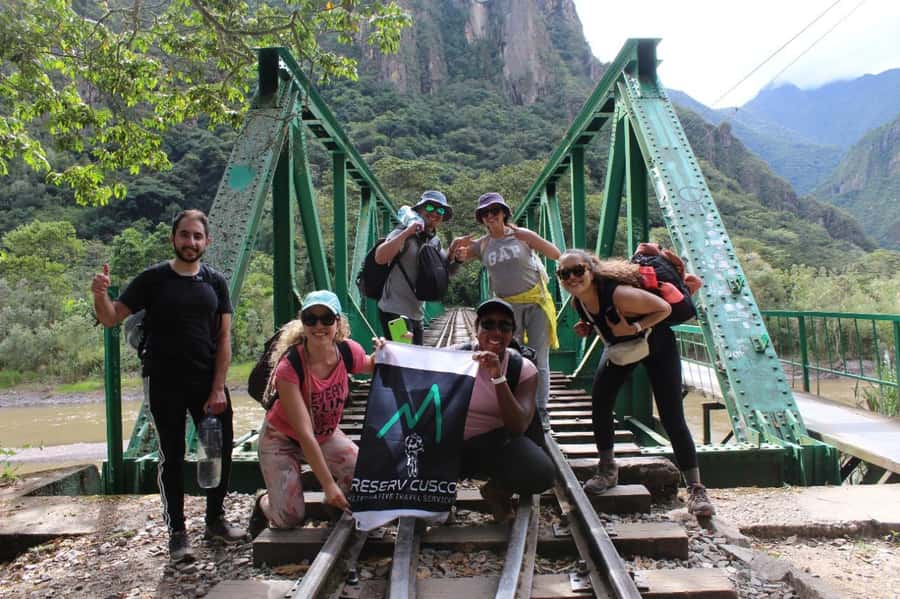
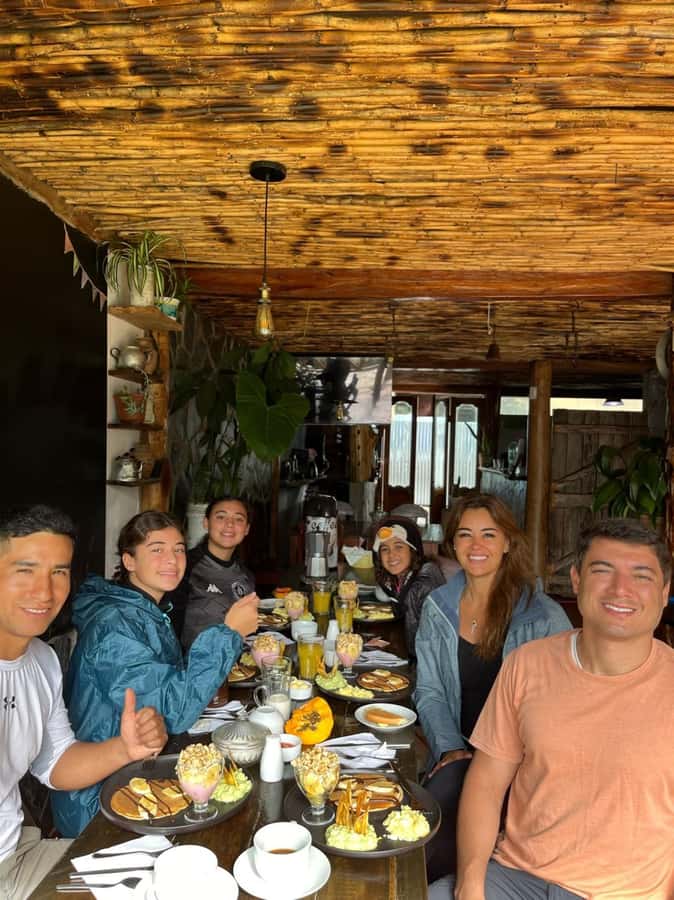
Day 2 starts with a breakfast that leans hard into fruit. Expect vitamin-heavy options like bananas, oranges, papayas, and juices. Then you head out early onto trails through lush vegetation.
This day is about stepping deeper into the jungle and learning what it looks like when it’s worked, not just photographed. You’ll walk past areas tied to coffee cultivation, and you’ll also encounter information about coca as a sacred Inca plant. You’re not just hiking here—you’re building context for what you’re seeing.
The route uses original Inca trails. That’s a big difference from “random jungle path.” You’ll feel the historical intent in the way the paths are laid out and how the day is paced.
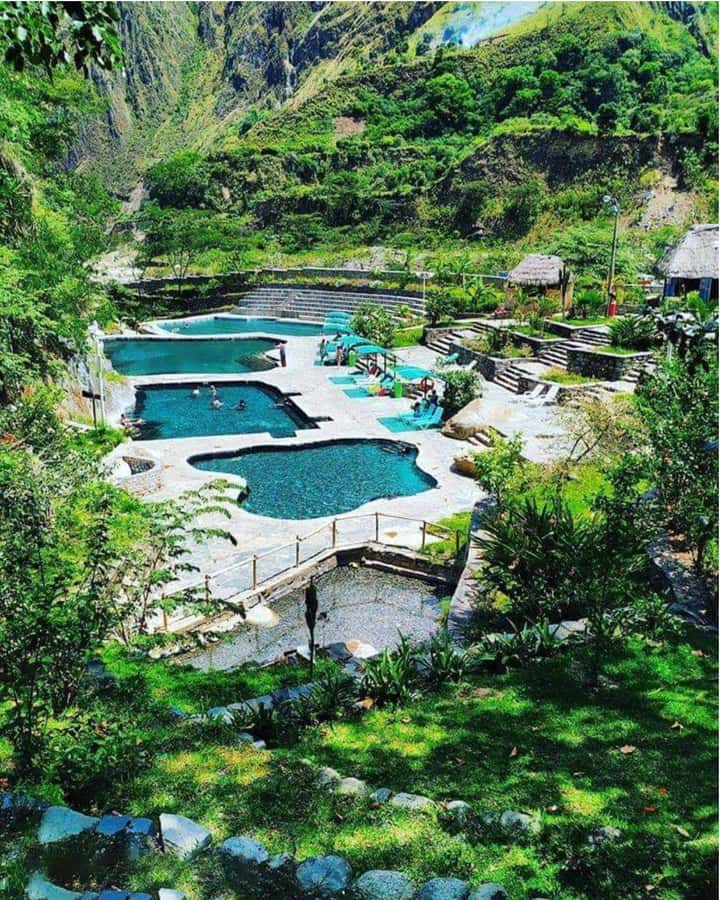
Later, you move into a bigger comfort break: you get time at thermal/medicinal baths in Santa Teresa. This is where the day stops being only about effort and becomes about recovery. Your bodies will thank you.
Then you enter Santa Teresa for lunch and rest, and dinner the following evening is part of your included plan. The general pattern is clear: you hike in the morning, soften up with hot water later, and use your lodging as a recharge base before the more adventurous Day 3.
Day 3: Hanging bridges, oroya over the Vilcanota, and Inti Watana
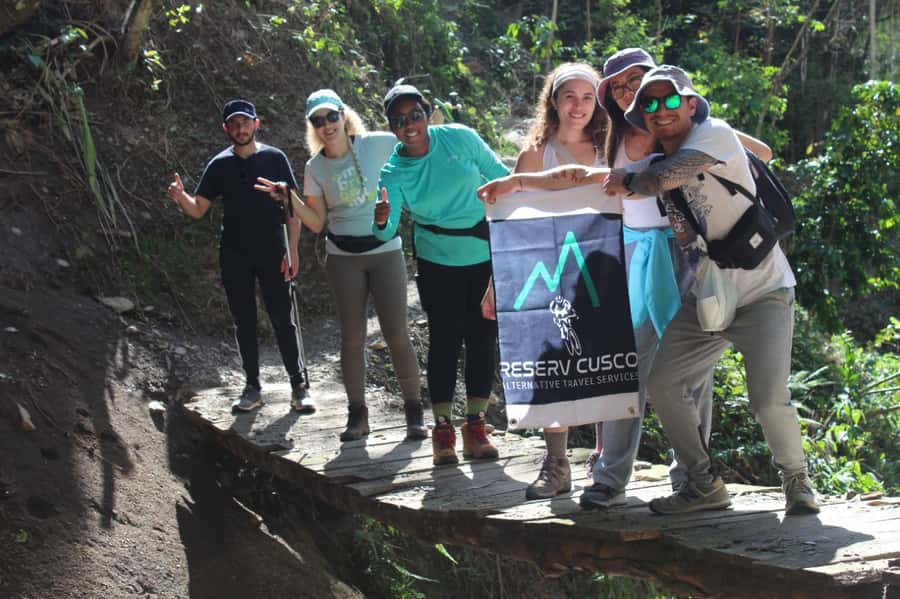
Day 3 ramps up. You start walking in search of hanging bridges, then head to a dramatic river moment: crossing the Vilcanota River using an oroya.
This is the part where you can feel adrenaline kick in. Even if you’re not a thrill-seeker, it’s one of those crossings that makes the whole trip feel real. It also helps explain why this itinerary is called jungle trail—because you’re not staying safely on a road the whole time.
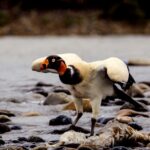
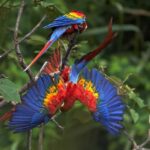
The route also includes wildlife moments. You may see butterflies, parrots, birds, and other insects, especially in the humid forest areas. Don’t expect a safari guide level of guarantees, but it’s the kind of place where “you’ll probably notice something” is a fair expectation.
After the crossing, you’ll visit Inti Watana, described as a Solar Clock. This is a meaningful stop because it ties your hike to Inca observational practices rather than treating ruins as only buildings.
Lunch is included and includes plenty of avocado, plus typical soups. Then you continue to Aguas Calientes, the base town for Machu Picchu. That night includes dinner and a meeting where you get final guidance for the next day—helpful because Machu Picchu is a timing-sensitive place.
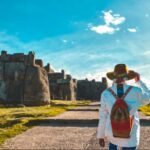
Day 4: Machu Picchu in a 3-hour private guided visit, then train to Cusco
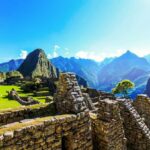
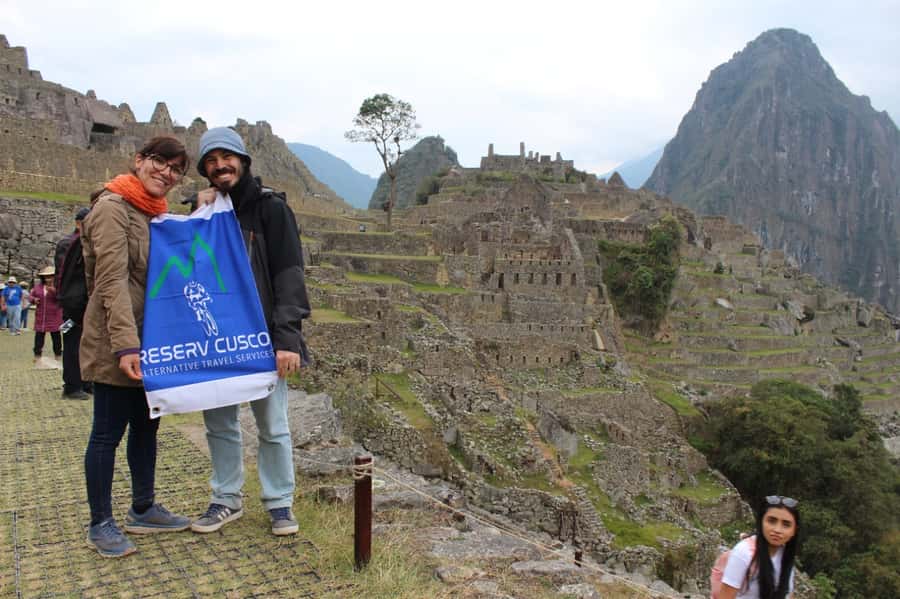
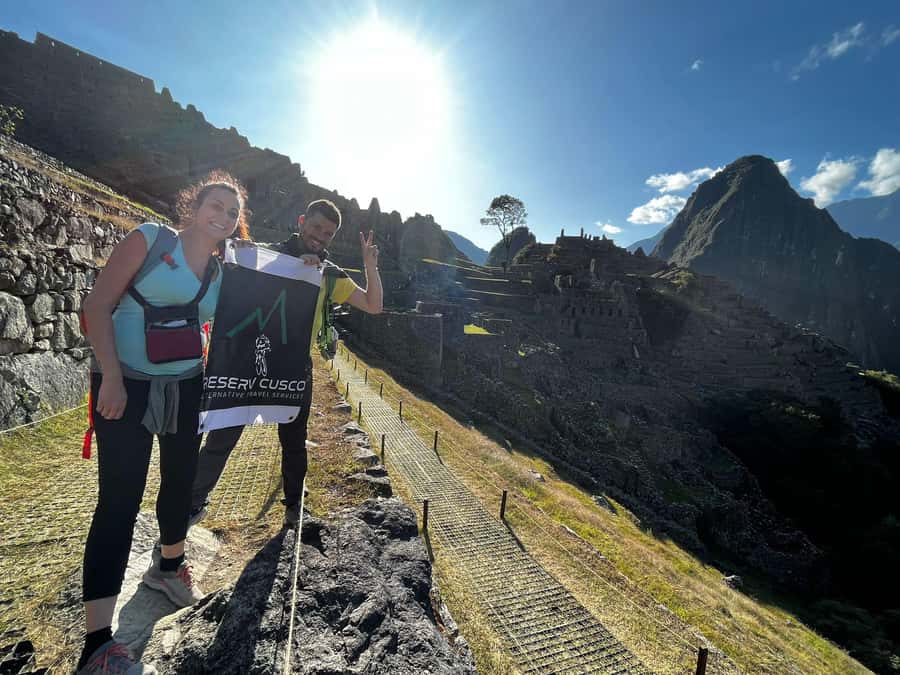
Day 4 is the payoff: visiting Machu Picchu with your private guide for about 3 hours. Entrance is included, so you won’t be hunting for tickets that morning.
A private guide makes a real difference on this site. You get the context for what you’re looking at—terraces, water features, buildings, and the layout—without needing to piece together explanations from signage that varies in quality. In real bookings tied to this itinerary, Machu Picchu guides named Lizandro have been praised for clear English and friendly explanations, which matches what you want when you’re standing in the most crowded place on the route.
After the guided visit, you take the train back to Cusco. Train tickets are not included, so you’ll want to sort that ahead of time and then match your schedule to the train window you book. Your Day 4 lunch isn’t listed as included either, so plan for a meal after the site and during the travel day.
Guides, languages, and what private group really means for you
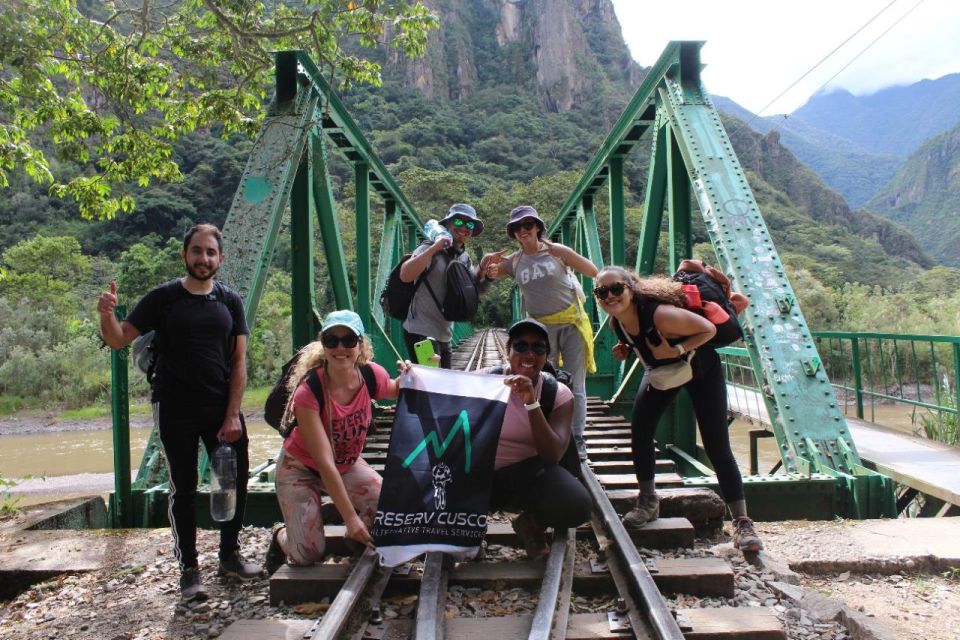
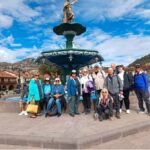
This is a private-group tour with a live guide. The languages listed include English, Spanish, and French. Private group is more than a marketing label: it usually means you can ask questions about the route, pace, and what you’re seeing without waiting for a larger crowd.
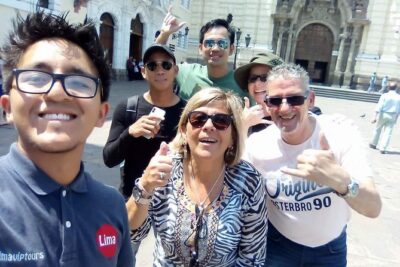
In recent group experiences tied to this itinerary, the adventure lead has been named Jhon, with another guide named Lizandro specifically leading the Machu Picchu portion. There’s also been help from a manager called Arturo, and guides such as Franchesco and David have led portions of the trek.
One practical note: not every guide’s English may feel equally strong, and some people have asked for clearer communication. Your best move is simple: ask your guide to confirm key timing points (bike start time, bridge crossing timing, when you arrive in Aguas Calientes) so nobody relies on vibes.
What to pack (and what to wear) for altitude swings and cold bike wind
This route has altitude and humidity, and that combination can trick you. Day 1 includes a high starting elevation around 4,350 m, but then the bike drop pushes you into lower zones where conditions can feel different fast. Day 1 biking can also get cold from wind.
Pack for layers. A jacket and a hat matter. One person specifically noted the bike ride and wind felt cold, so they recommended keeping a jacket and hat on hand. If you run cold easily, treat this as non-negotiable.
For documentation, bring your passport. That’s explicitly required for the activity.
Also note what’s not allowed: alcohol and drugs are not permitted on the tour. And this isn’t designed for everyone: it’s listed as not suitable for pregnant women.
Lodging reality check: Santa Maria can be basic
Lodging is included for three nights. The trip’s overall comfort level depends heavily on your first night in Santa Maria.
One booking described the Santa Maria lodge as having visible issues like mold and dirt, while later accommodations were described as nicer. That doesn’t mean your stay will match that exact situation, but it does mean you shouldn’t assume your first room will be spotless or modern.
So go in with the right expectations. Plan to focus on location and recovery, not luxury. If you’re picky about rooms, consider bringing a small sleep kit: earplugs, a sleep mask, and anything you need to feel comfortable fast.
Who should book this tour, and who should skip it
This Inca Jungle Trail to Machu Picchu is a strong fit if you want:
- A mix of biking + hiking + ruins, not just one style of activity
- A private guide to explain the Machu Picchu experience
- Jungle-era travel with hot-spring recovery
- An itinerary with a clear sequence so your day doesn’t feel scattered
It’s less fit if:
- You’re pregnant (explicitly not suitable)
- You don’t handle cold wind on a downhill bike ride well
- You need high-comfort lodging on Night 1 in Santa Maria
Should you book this Inca Jungle Trail to Machu Picchu tour?
I’d book it if you want the Machu Picchu day to feel earned and connected to the jungle journey rather than tacked on. The best value pieces are the things that cost you time and effort when done independently: bike equipment, included Inca Trail time, hot springs, lodging, most meals, and a private 3-hour Machu Picchu guide.
But book smart. Ask about any optional add-ons early, especially if you care about price. One person ran into surprise costs on a zip line and wished they’d gotten more detail about a Machu Picchu mountain choice that changed how they were grouped. Even if you don’t plan to add anything, get the plan clear so your Day 4 doesn’t surprise you.
FAQ
What’s the duration and starting point for this tour?
It runs for 4 days and starts from Cusco (Cusco Region, Peru). Departure from Cusco is described around 7:45 am to 8:00 am, with a meeting at the reservation office.
Is Machu Picchu entrance included?
Yes. Entrance to Machu Picchu is included, and you get a private guide for about 3 hours on Day 4.
Do I need to buy the train ticket back to Cusco?
Yes. The train tickets from Machu Picchu to Cusco are not included. You can buy them (the tour data points to perurail.com).
What meals are included?
The tour includes 3 breakfasts, 3 lunches, and 3 dinners. The last lunch (on Day 4) is not included.
Is bike equipment included?
Yes. Bike equipment is included, and you’ll bike downhill early in the itinerary.
Are hot springs included?
Yes. There is a hot-spring stop listed as Cocalmayo, and the route also includes thermal/medicinal baths in Santa Teresa.
What languages are available for the guide?
The live guide is listed with English, Spanish, and French.
What should I bring?
You should bring your passport.
Is alcohol allowed on the tour?
No. Alcohol and drugs are not allowed.
Is cancellation flexible?
The tour offers free cancellation up to 24 hours in advance for a full refund.