REVIEW · CUSCO
From Cusco: Salkantay Trek to Machu Picchu 5D/4N or 4D/3N
Book on GetYourGuide →Operated by MACHU PICCHU JUNGLE · Bookable on GetYourGuide
Early mornings and big mountains. This Salkantay trek puts you in front of Humantay Lake and then lands you at Machu Picchu with a guided visit. I love the way the route mixes high-altitude drama with rainforest change, and I especially like having a steady team around me (including guide Fernandez, chef Edgar, and helper Eulogio). One consideration: Machu Picchu ticket availability can affect what circuit you get, and you may need extra payment if tickets are not available through the official site.
This is a private group trek option out of Cusco, with early pickup (around 4:30 a.m.) and a planned rhythm of walking, meals, and camp comforts. You’ll walk four full hiking days for the 5-day version, or drop off earlier for the 4-day version, with separate transport after La Playa.
In This Review
- Key Things That Matter on This Salkantay Trek
- Why This Salkantay-to-Machu Route Feels Different Than a One-Day Wonder
- Day 1: Cusco Early Pickup, Soraypampa, and Humantay Lake at Golden Light
- Day 2: Salkantay Pass (4,630 m) and the Descent to Chayllay or Collpapampa
- Day 3: Santa Teresa Rainforest Trails, La Playa Lunch, and Cocalmayo Hot Springs
- Day 4: Llactapata Over Machu Picchu, Hidroeléctrica Lunch, and Aguas Calientes Night
- Machu Picchu Morning: Main Gate Climb, Guided 2.5-Hour Visit, and Circuit Choices
- Getting Back to Cusco: Car Option vs Train Option
- What’s Included vs Not Included (So You Don’t Get Sticker Shock)
- Included highlights
- Not included costs you should plan for
- Packing and Pacing: What Keeps You Comfortable at 4,200–4,630 m
- Who This Trek Fits Best
- Should You Book This Salkantay Trek to Machu Picchu?
- FAQ
- How long is the Salkantay to Machu Picchu trek?
- Where do I get picked up in Cusco?
- What time does the trek start on Day 1?
- What are the Machu Picchu circuit options mentioned for this tour?
- Is the Machu Picchu ticket included?
- Do I need to pay for Humantay Lake?
- Is hot springs time included?
- What about sleeping bag and trekking poles?
- How do I return to Cusco after Machu Picchu?
Key Things That Matter on This Salkantay Trek
- Humantay Lake at 4,200 m: turquoise views that feel almost unreal after the first climb
- Salkantay Pass topping out near 4,630 m: a real high point day with serious altitude air
- Guided Machu Picchu circuits (1B, 3B, or 2A/2B): you get the most popular full visit with circuits 2A/2B when available
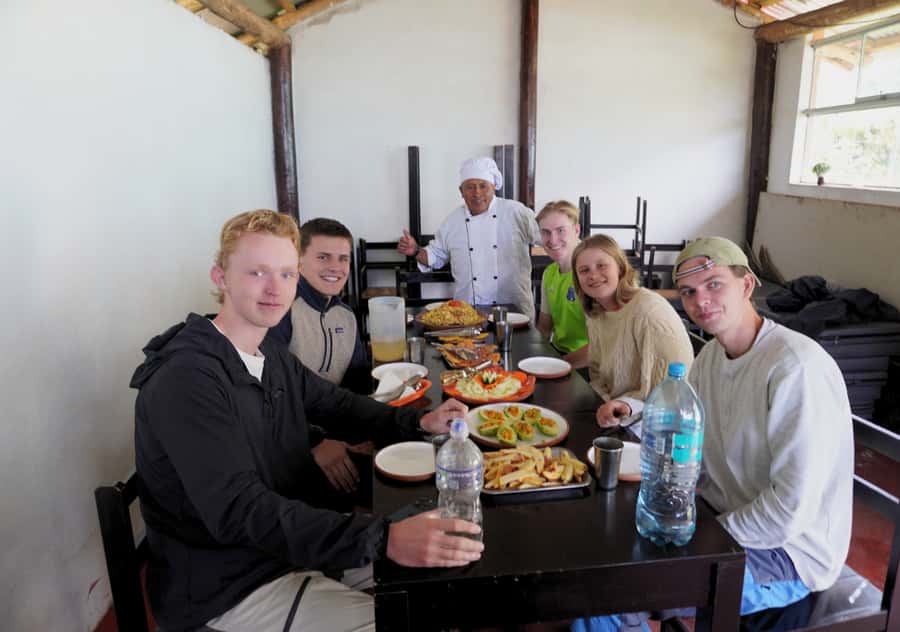
- Food support that’s actually memorable: chef Edgar is known for tasty, healthy meals on the trail
- Horse transport for up to 6 kilos: you pack less and walk more comfortably
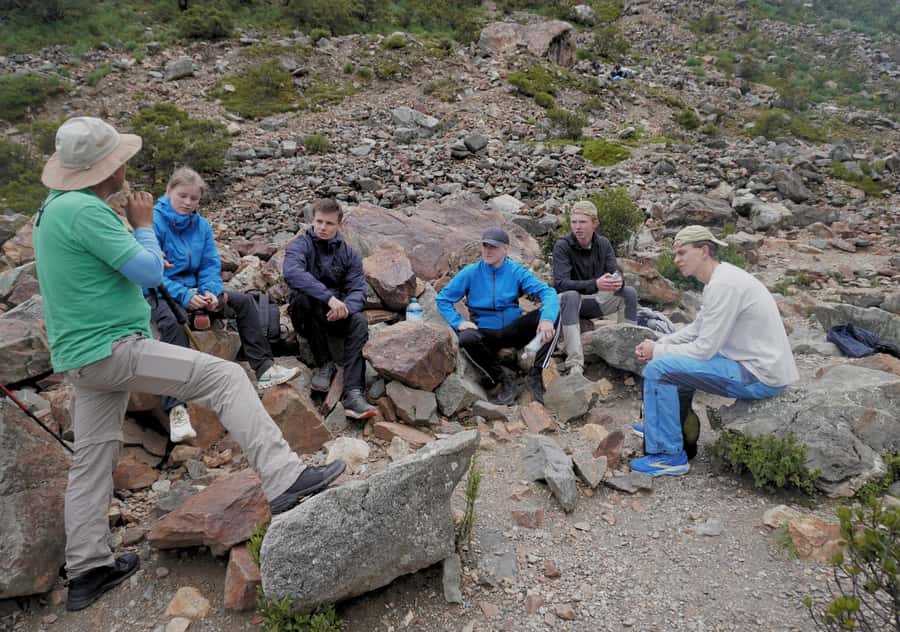
- A team that stays helpful: guide Fernandez and helper Eulogio aim to keep you moving and calm
Why This Salkantay-to-Machu Route Feels Different Than a One-Day Wonder
The standard idea is simple: get to Machu Picchu. This trek adds the lead-in that most people miss. You don’t just arrive. You earn the arrival.
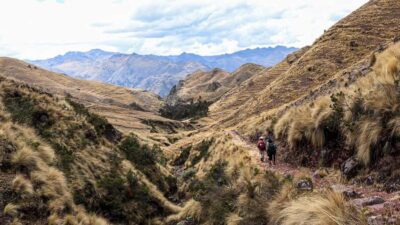
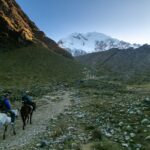
I like how the route changes every day. You start in the high Andes, then move through colder passes and big views. Later, you drop into warmer rainforest trails near Santa Teresa with wooden bridges, waterfalls, and fruit plantations you can actually smell. That shift makes Machu Picchu feel like the final act, not the whole movie.
You can also read our reviews of more hiking tours in Cusco

Day 1: Cusco Early Pickup, Soraypampa, and Humantay Lake at Golden Light
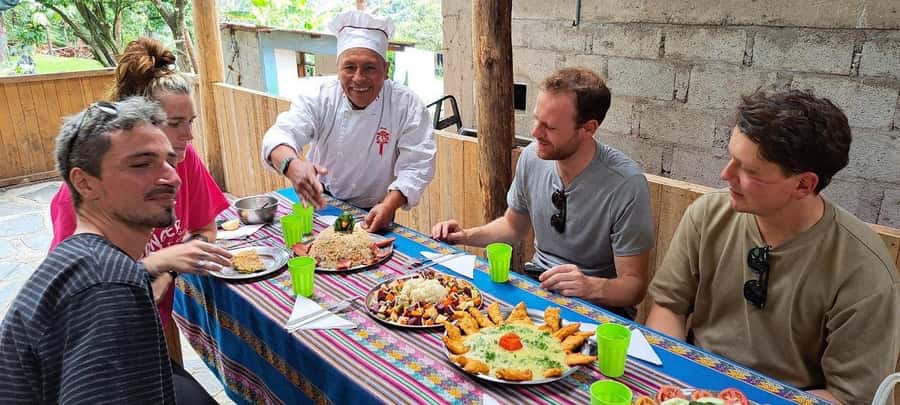
Your day begins before sunrise, with pickup options around the Cusco historic center area and an early start at about 4:30 a.m.. Then you ride for roughly 3 hours through scenery toward the trailhead. It’s a long morning transfer, but it’s also how you beat the worst cold and get hiking while the mountains are still sleepy.
After breakfast, you start toward Soraypampa (around 3,800 m). The climb takes about 3 hours. Expect your breathing to change. Altitude is part of the deal here, so slow steps and steady pacing matter more than speed.
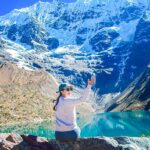
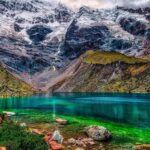
From Soraypampa, you hike about 2 hours to Laguna Humantay (around 4,200 m). This is the stop people talk about. The lake’s color is striking, and the views are dramatic—especially if clouds stay back a little. Then you keep going for about 2 more hours to reach camp, where dinner comes in and you get to sleep under clear skies (when weather behaves).
Practical note: Humantay Lake has its own entrance fee (PEN 20 per person, not included). If you hate surprise costs, budget for that up front.
Day 2: Salkantay Pass (4,630 m) and the Descent to Chayllay or Collpapampa
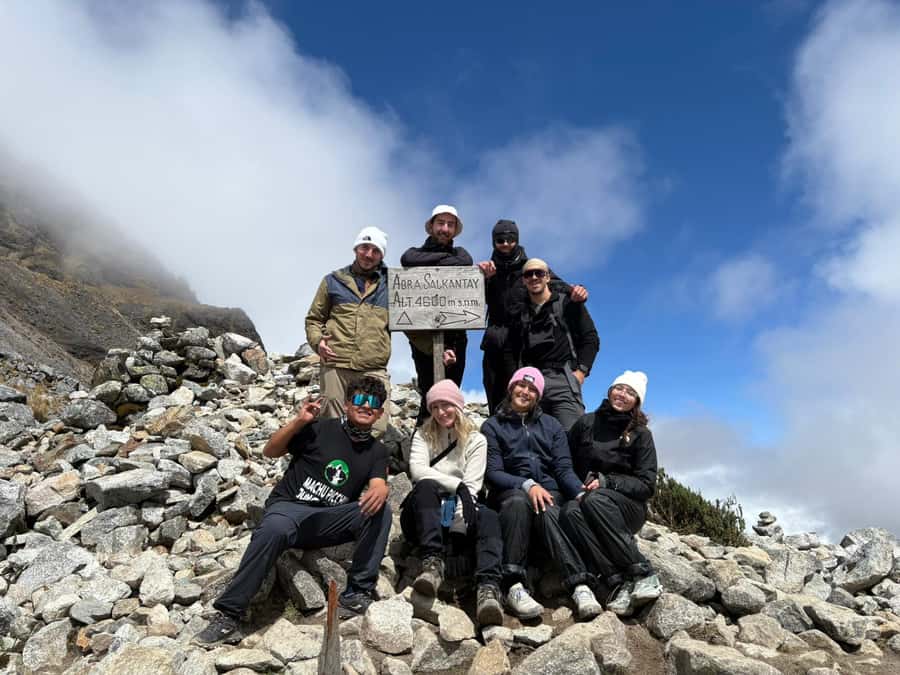
Day 2 is the classic test day. After waking with coffee or coca tea, you start hiking for about 3 hours to the highest point near Salkantay Pass (around 4,630 m). This is where you feel the altitude most strongly. It’s also where the views reward you for every careful step.
At the top, you get a moment to take in the surrounding ridgelines and then visit a nearby lake. After that, you descend for around 3 hours to Wayracmachay for lunch.
Then comes another long stretch: about 3 more hours of changing terrain down toward camp at Chayllay or Collpapampa (around 2,770 m), next to a local village. The best part of the day is the contrast: you start in cold air and sharp altitude, then end in a calmer place where you can actually rest well.
What I think is underrated: this is a day of disciplined pacing. The route is built so you don’t rush from one extreme to another. You go up high, pause, then work your body back down.
Day 3: Santa Teresa Rainforest Trails, La Playa Lunch, and Cocalmayo Hot Springs
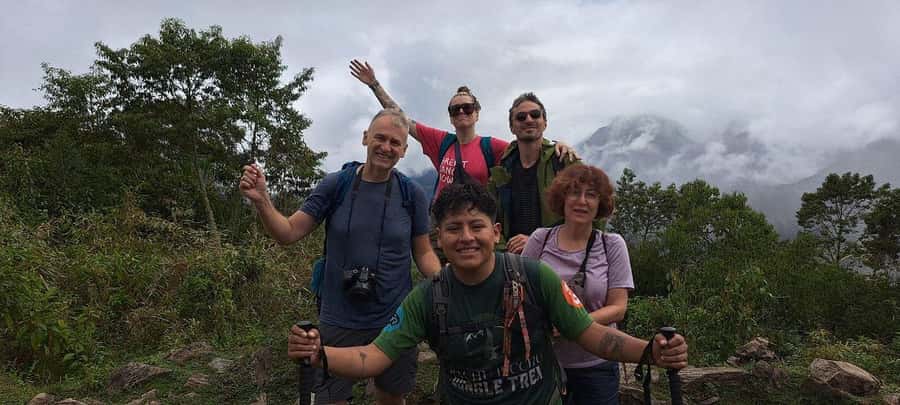
This is the day where the trek stops being only about altitude and becomes about variety. After breakfast, you hike through rainforest trails in the Santa Teresa area. The details matter here: wooden bridges, waterfalls, and paths bordered by banana, passion fruit, and avocado plantations.
You’ll walk toward La Playa, where there’s a buffet lunch. Then the route splits depending on whether you’re on the 5-day or 4-day option. The 4-day passengers say goodbye at this point, so you’ll notice a change in group energy and logistics.
In the afternoon, the 5-day schedule includes a visit to the Cocalmayo hot springs. You can soak, or you can rest at camp if you’d rather save energy. Either way, this is your recovery window before the Inca Trail-style climb on Day 4.
Dinner and a group bonfire come later. Then you head back to your room to rest. This is the day I recommend to anyone who wants a trek with both effort and a real payoff.
Cost check: for the 5-day plan, the entrance to the hot springs is PEN 10 per person, but transportation to the springs depends on group size.
Day 4: Llactapata Over Machu Picchu, Hidroeléctrica Lunch, and Aguas Calientes Night
Day 4 is the “almost there” day. You start with breakfast and hike part of the original Inca Trail route. There’s a climb of about 2 hours up to Llactapata (around 2,700 m).
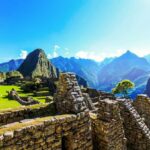
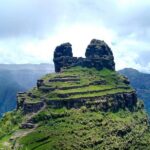
Llactapata is an archaeological site with a view over Machu Picchu. This is the moment where Machu Picchu stops being a distant goal and becomes a real shape on the horizon. Then you descend for about 2 hours to Hidroeléctrica, where lunch happens.
After lunch, you walk onward to Aguas Calientes. You check into your lodging and have dinner with the group around 7:00 p.m. If you can, get to bed early. Machu Picchu morning is an early climb day.
A small luggage reality to plan for: duffel bags from Lucmabamba to Aguas Calientes are not always transferred automatically. You may transport luggage by car, or you may carry it yourself.
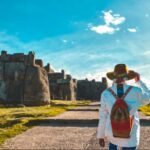
Machu Picchu Morning: Main Gate Climb, Guided 2.5-Hour Visit, and Circuit Choices
On the final day, you wake up for an early start and climb stairs for about 1 hour to reach the main gate. You aim to arrive around 6:30 a.m. The timing matters. Morning light and cooler air make a difference when you’re standing in stone and sun all at once.
Then you get a 2.5-hour guided tour to explore Machu Picchu. This is where having a guide helps you see the place beyond postcard angles. You also get help with pacing so you don’t feel lost in the crowds and lines.
Your Machu Picchu circuit can vary:
- Circuit 2A or 2B: full visit, the most popular option
- Circuit 3B: lower stop at Machu Picchu plus middle viewpoint and sacred temples
- Circuit 1B: upper terrace, the classic photo angle
If you care about what you see, ask how your circuit is set before you commit. The tour’s ticket handling is built around government availability, and you’ll want to know what you’re actually getting.
After the guided visit, you descend and return based on your reservation plan.
Getting Back to Cusco: Car Option vs Train Option
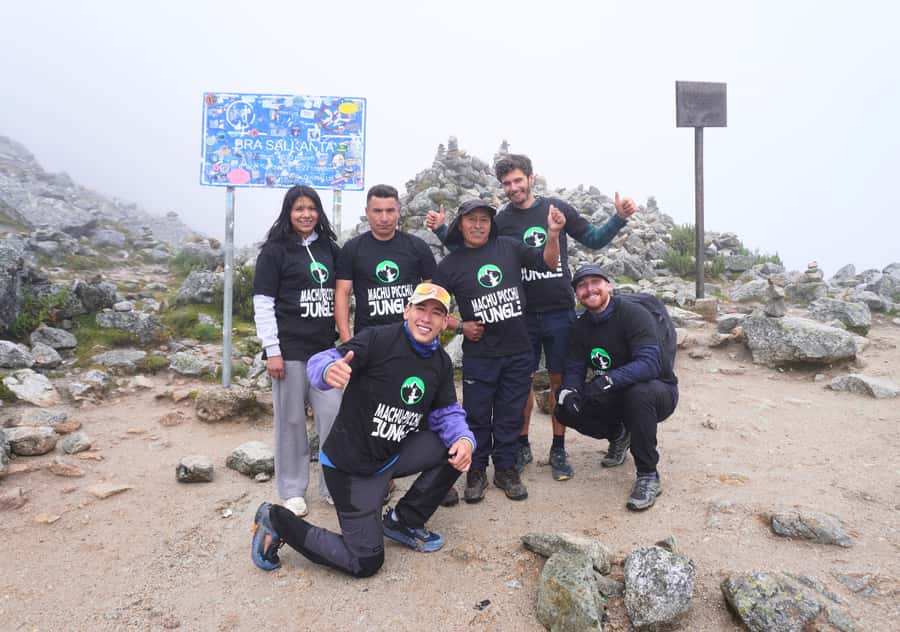
From Machu Picchu, you return to Hidroeléctrica on foot, then pick up transportation.
If you’re on the car return option, you have a pickup window by car from 6:00 a.m. to 9:00 a.m. (latest). If you choose train return, you buy the time you want and take the train from Aguas Calientes to Ollantaytambo, then continue by local car back to Cusco.
This choice affects your flexibility. The train option can be more convenient if you want a specific schedule, but it also means you’re tied to train times.
What’s Included vs Not Included (So You Don’t Get Sticker Shock)
The stated trek price is low on paper ($50 per person). The value is real if you understand what else you’ll likely pay.
Included highlights
- English/Spanish speaking professional tour guide
- Private group format
- Guided Machu Picchu visit (with circuit 2A or 2B when selected/available)
- 3 tea times every afternoon during the trek
- Coca tea each morning at camp
- Cooking team setup, plus meals across the trek (with more details depending on 4-day vs 5-day)
- Horse transport for up to 6 kilos of your duffel contents
- Entrance to Machu Picchu is arranged via reservation at the briefing (with payment later)
Not included costs you should plan for
- Humantay Lake entrance (PEN 20 per person)
- Machu Picchu entrance fee if not available via the official website process, you may need USD 40 or PEN 152 in Aguas Calientes
- Bus up and down from Aguas Calientes to Machu Picchu (US$12 up + US$12 down per person)
- Sleeping bag rental (USD 15 for the entire trip)
- Trekking poles rental (USD 10 for the entire trip)
- Entrance fee for Machu Picchu and/or Wayna Picchu is not included unless specifically handled in your ticket process
- Hot springs transportation details (for 5-day) depend on group size
If you budget carefully, the trip often feels like good value: you’re buying the guide, meals, camp organization, and ticket guidance—not just walking.
Packing and Pacing: What Keeps You Comfortable at 4,200–4,630 m
This trek is built around high altitude. You don’t need fancy gear, but you do need sensible basics:
- Passport
- Comfortable shoes
- Hat
- Sunscreen
- Water
- Rain gear
- Comfortable clothes
- Camera (you’ll want it on humid mornings and cold pass views)
A smart move: bring layers. Day 1 and 2 can be much colder than you expect at those elevations, and afternoon weather can shift quickly.
Also, send your passport in advance. The tour notes it’s urgent so they can process reservations. If you’re waiting last-minute, you’re asking for trouble with ticket timing.
Who This Trek Fits Best
I’d point you toward this trek if:
- You want a real trekking experience, not just a day trip to Machu Picchu
- You like routes that change from Andes to rainforest
- You appreciate guided context at Machu Picchu
- You want a team that’s attentive—names like Fernandez, Edgar, and Eulogio matter because they keep things running smoothly
If you’re chasing comfort only, this is not that. You’ll be hiking for hours at significant altitudes, and you’ll start your days early.
Should You Book This Salkantay Trek to Machu Picchu?
Book it if you want the full arc: Humantay Lake, a Salkantay Pass challenge, rainforest day variety, and then a guided Machu Picchu circuit the next morning. I also think it’s a strong choice if you value good food and a steady guide team—Fernandez and chef Edgar’s reputation isn’t vague. It’s the kind of detail that makes tough days easier.
Hold off if you don’t want to manage extra costs for buses, entrances, and gear rentals, or if you’re very sensitive to Machu Picchu circuit changes tied to ticket availability. If you do book, plan ahead for tickets and budget for the entrance and bus fees so your last day stays stress-free.
FAQ
How long is the Salkantay to Machu Picchu trek?
It runs either as a 4-day/3-night option or a 5-day/4-night option, with the total itinerary covering trekking from Cusco to Machu Picchu.
Where do I get picked up in Cusco?
Pickup is available from four Cusco-area options, including the Cusco historic center.
What time does the trek start on Day 1?
You’ll have an early pickup around 4:30 a.m., followed by a scenic drive to the trailhead.
What are the Machu Picchu circuit options mentioned for this tour?
The tour references Circuit 2A or 2B for the full visit, Circuit 3B for a lower stop plus viewpoint and sacred temples, and Circuit 1B for the upper terrace classic photo area.
Is the Machu Picchu ticket included?
Entrance to Machu Picchu is arranged through the tour’s reservation process, and you’ll pay the ticket price later based on what’s available. If tickets are not available through the official site process, you may need to purchase in Aguas Calientes with USD or PEN.
Do I need to pay for Humantay Lake?
Yes. Entrance to Humantay Lake is PEN 20 per person and is not included.
Is hot springs time included?
For the 5-day option, entrance to Cocalmayo hot springs is included (PEN 10 per person), but transportation to the hot springs depends on the number of travelers.
What about sleeping bag and trekking poles?
Sleeping bag and trekking poles are not included, but the tour offers rentals for the entire trip (sleeping bag: USD 15; trekking poles: USD 10).
How do I return to Cusco after Machu Picchu?
You can return by car with pickup window between 6:00 a.m. and 9:00 a.m., or you can take the train from Aguas Calientes to Ollantaytambo (you choose your time) and then continue by local car to Cusco.