REVIEW · CUSCO
2-Day Sacred Valley & Machu Picchu by Train – Small Group Tour
Book on Viator →Operated by Elvis Adventures Peru · Bookable on Viator
This train makes Machu Picchu easier. I like the small-group feel and how it bundles Sacred Valley highlights into a logical route, plus I like that the Machu Picchu morning is guided so you cover major spots like Condor Temple without wandering. One drawback: if your timing is tight, the day can run long, and ticket lines/communications can add stress if anything goes off-script.
On the good side, the guides mentioned in past departures—like Rubén and Elvis—get praised for being calm, organized, and genuinely helpful with timing and explanations. You also get pick-up and drop-off in Cusco, which matters in a city where finding the right meeting point at the right time can be half the battle.
Price-wise, $599 feels steep at first glance, but when you look at what’s included (train, bus, Machu Picchu entry, and multiple guided stops), it becomes more reasonable—especially if you’d otherwise have to stitch this together yourself. Just keep in mind that not every entrance ticket is included, and day 2 lunch is on you.
In This Review
- Key Points You’ll Care About (Sacred Valley + Machu Picchu, by Train)
- A Smooth Two-Day Route from Cusco to Machu Picchu by Train
- Cusco Stops Before the Valley: Sacsayhuaman, Qenqo, Pucapucara, and Christ View Option
- Awana Kancha Alpaca Farm: A Quick, Friendly Cultural Break
- Taray Viewpoint and Pisac Ruins: Terraces, Farming, and How the View Fits the Story
- Pisac Market and Urubamba Lunch: Souvenirs, Silver, and a Real Meal Break
- Ollantaytambo Fortress and the Urubamba Train to Aguas Calientes
- Machu Picchu Morning: Condor Temple, Guided Meaning, and Photo Time
- Back to Cusco: The Train Return and Why Your Evening Matters
- Price and What’s Actually Included (and What You Still Pay)
- Who This Small Group Tour Is Best For
- My Take: Should You Book This Sacred Valley and Machu Picchu Train Tour?
- FAQ
- How long is the Sacred Valley and Machu Picchu tour?
- What’s the starting point in Cusco?
- What’s included in the price?
- Is Huayna Picchu or Machu Picchu Mountain included?
- Are hot springs at Aguas Calientes included?
- What meals are included, and what isn’t?
- Is Pisac Archaeological Site admission included?
- What’s the group size?
- Can I cancel for a refund?
Key Points You’ll Care About (Sacred Valley + Machu Picchu, by Train)
- Small group capped at 9: less chaos, more attention from your guide.
- Awana Kancha alpaca farm stop: quick animal time with textile context, not just a photo stand.
- Pisac includes both ruins and market: you get the architecture and the shopping/souvenir culture in one sweep.
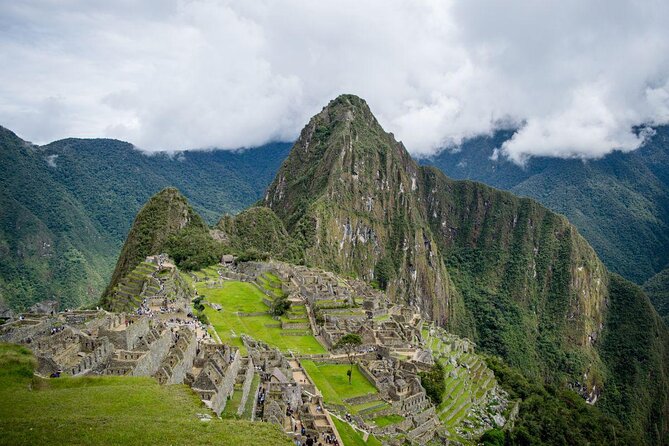
- Machu Picchu citadel is guided: you’ll cover major features like Condor Temple plus guided interpretation.
- Train to Aguas Calientes + guided next-day access: the plan is built to reduce last-minute scramble.
A Smooth Two-Day Route from Cusco to Machu Picchu by Train
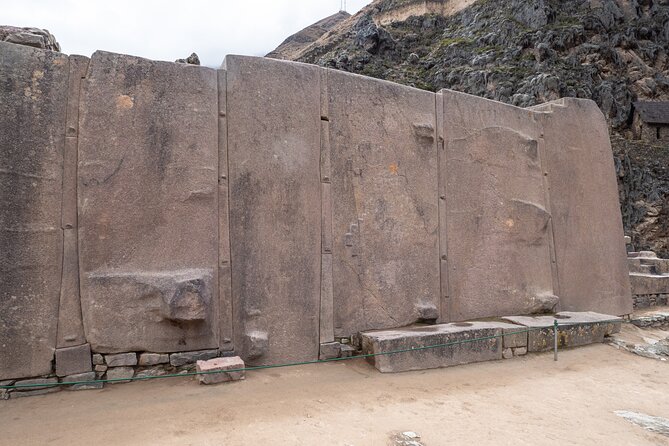
This is a two-day plan that tries to solve a very real problem: how to see the Sacred Valley without burning your whole trip, then still reach Machu Picchu with your head on straight. You start with pick-up in Cusco and scenic driving past major Inca sites, then you move through Pisac and Ollantaytambo, and finally you take the train down toward Aguas Calientes.
The best part of this format is that you’re not doing Machu Picchu as a chaotic day trip. You get a guided route both in the valley and at the citadel, so you’re not just collecting photos—you’re learning what you’re looking at. Past guides named Rubén and Elvis are repeatedly mentioned for keeping things organized and friendly.
Your trade-off is that it’s still a packed schedule. On a tour like this, you’ll have less room for wandering off-plan or for slow travel detours. If you want ultra-flexible pacing, you might prefer a more independent setup.
You can also read our reviews of more tours and experiences in Cusco

Cusco Stops Before the Valley: Sacsayhuaman, Qenqo, Pucapucara, and Christ View Option
Your day begins early with a hotel pick-up in Cusco (meeting point listed at Plaza Regocijo) and a scenic drive toward the Sacred Valley. Before you even leave the city area, you pass well-known Inca sites: Sacsayhuamán, Qenqo, and Pucapucara. This is a smart warm-up because it gives you names and context before you hit the valley terrain.
There’s also an optional stop at the Cristo Blanco viewpoint for panoramic views of Cusco’s historic skyline. If you’re the type who likes to orient yourself early, this can be a good moment to get your bearings fast—especially if it’s your first time in the region.
One practical note: early Cusco pick-ups are common. The itinerary shows a pickup window around 7:45 AM for the drive, but the start time is listed as 7:00 AM. Either way, plan to be ready before you think you need to be.
Awana Kancha Alpaca Farm: A Quick, Friendly Cultural Break
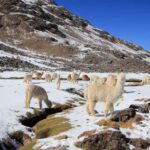
After Cusco, you head to Awana Kancha, described as the largest alpaca farm in the Sacred Valley. The stop is short—about 20 minutes—but it’s built around more than just looking at animals. You’ll meet llamas, alpacas, huanacos, and even vicuñas, plus you’ll have a chance to feed them and interact.
What makes this stop worth your time is the cultural connection. Your guide frames how alpaca wool connects to Andean textile traditions, which helps the animals feel like part of the local life rather than a tourist gimmick. This is also where your group’s energy often levels out: no steep walking, just a quick, memorable pause.
If you’re hoping for a long farm experience, this isn’t that. But as a reset before archaeological sites and markets, it works.
Taray Viewpoint and Pisac Ruins: Terraces, Farming, and How the View Fits the Story
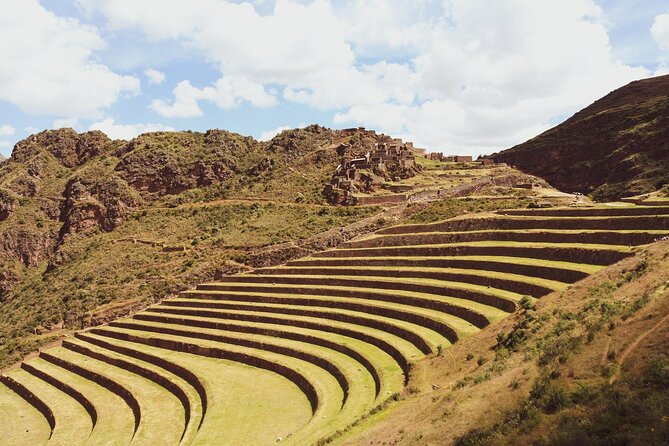
From the alpaca farm, you stop at the Taray Viewpoint for about 10 minutes. It’s postcard-friendly Sacred Valley scenery, but the point isn’t just photos. Your guide ties what you’re seeing to how the valley fed people—especially through Inca agricultural terraces.
Then you move to Pisac Archaeological Park, perched above the valley. This part is about 45 minutes on-site, and it’s one of the key reasons the tour feels more than superficial. Pisac is known for agricultural terraces and the engineering behind Inca water and farming systems. You’ll also walk around stone residences, ceremonial areas, and water channels.
The main drawback is time pressure: 45 minutes at a major site can feel short if you like to read every stone or take slow, detailed photos. You’ll likely do a focused tour rather than a long wander. Also, the admission ticket for Pisac is noted as not included, so budget for it.
Still, if you want one stop in the Sacred Valley that makes you go, Oh—so that’s how they worked the mountains—you’ll probably feel it here.
Pisac Market and Urubamba Lunch: Souvenirs, Silver, and a Real Meal Break
After Pisac ruins, the schedule shifts to the Pisac Market for about 15 minutes. This is quick, but it’s enough time to feel the place and pick up items without losing your whole afternoon. You’ll see handwoven textiles, ceramics, silver jewelry, and local crafts.
A practical tip: when time is short, shop with a list. Decide what you’re looking for (a textile item? a small ceramic? a specific souvenir), then go straight for it. Otherwise, the market can turn into a “maybe I’ll come back” blur you may not have time for.
Then comes lunch in Urubamba, listed as a buffet with many Peruvian options and vegetarian/special dietary availability. The value here is not just food—it’s time to sit down. You get about 45 minutes, and after a morning of walking and stops, that break makes the later train day feel less punishing.



Ollantaytambo Fortress and the Urubamba Train to Aguas Calientes
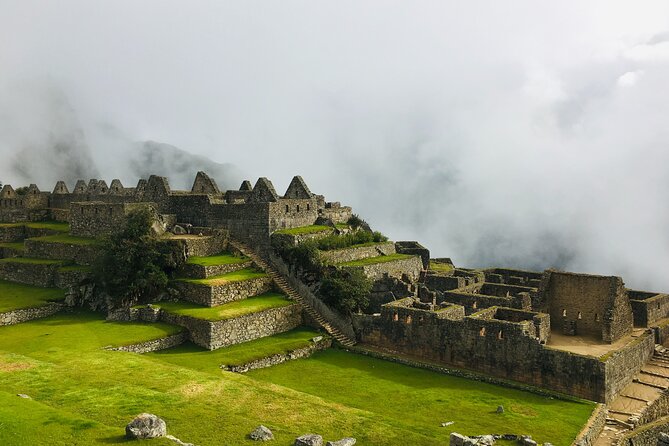
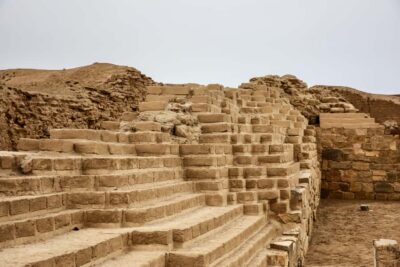
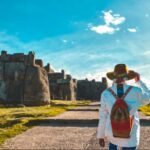
You reach Ollantaytambo in the afternoon. The itinerary frames it as an Inca fortress and stronghold, and it’s also a practical pivot point for your travel. You’ll explore Ollantaytambo’s terraces and temples with a guide, which helps you understand why this town matters strategically.
Right after, you head to the train station and board the train to Aguas Calientes. The plan mentions both Expedition and an upgraded option with panoramic views, but the included details specify the Ollantaytambo – Aguas Calientes Expedition category. In at least one past experience, the train was upgraded to Vistadome, and that’s an easy win if it happens to you.
Either way, you’re riding along the Urubamba River toward the Machu Picchu gateway. This is one of those rare travel moments that feels like part of the sightseeing, not just transit.
You arrive in Aguas Calientes late afternoon/early evening (listed around 6:10 PM), get checked into your hotel with help from staff, and then you’re on your own for the evening.
Machu Picchu Morning: Condor Temple, Guided Meaning, and Photo Time
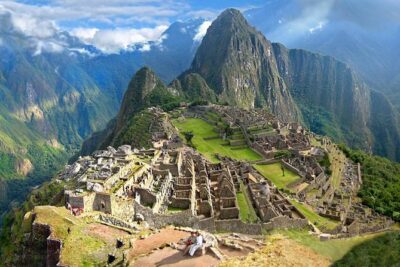
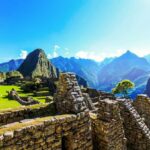
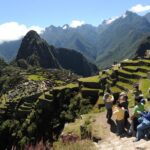
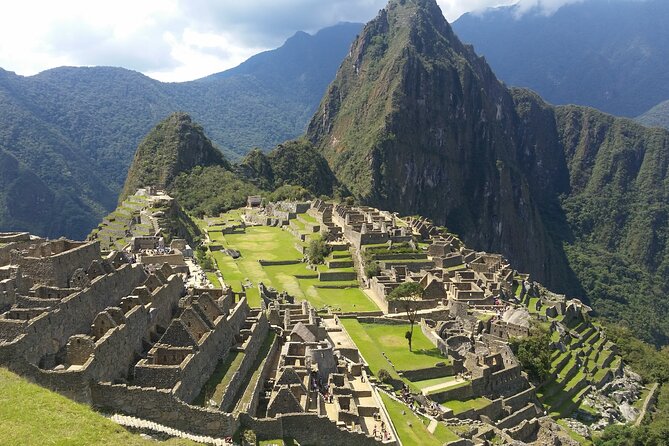
Day 2 starts with breakfast, then you’re guided to the bus station for the ride up to Machu Picchu. From the entrance, your guided tour covers Machu Picchu’s temples, terraces, and key corners of the citadel, with interpretation of its history and spiritual significance.
This matters because Machu Picchu is easy to misread if you’re just walking. A good guide gives you a mental map: what you’re looking at, why it was here, and how the site’s layout relates to Inca beliefs. Highlights for this tour specifically include major buildings such as Condor Temple.
You also get a structure that balances guidance and freedom. The itinerary notes that after the guided tour ends, you’ll have spare time to explore on your own before returning by bus for lunch (not included). That on-your-own window is where you can chase photos, slow down for views, or linger near areas your guide pointed out.
The biggest real-world caution: ticket counters and line timing can be unpredictable on busy days. One past booking described a long wait during ticket handling. The tour ultimately worked out, but it’s a reminder to treat the morning schedule as important and to keep your head calm if you hit queues.
Back to Cusco: The Train Return and Why Your Evening Matters
After you finish Machu Picchu and have your time down in Aguas Calientes, you return by train to Ollantaytambo starting at 2:00 PM. Then your private driver takes you back to Cusco, with an expected arrival around 6:00 PM.
This timing is convenient, but it’s also why you shouldn’t schedule a fragile next-day plan. One past experience ran later than expected due to train/bus ticket issues, and that caused a stressful late return. You can’t control everything, but you can control your buffer: if you have an international flight the next morning, plan for a sleep-in and a relaxed start.
A good rule for trips like this: avoid booking a strict early departure right after Machu Picchu.
Price and What’s Actually Included (and What You Still Pay)
At $599 per person, you’re paying for a package that tries to remove decision fatigue. Included items are the basics that usually cost time or hassle when you self-plan:
- breakfast and lunch (day 1),
- guided tours of Pisac, Ollantaytambo, and Machu Picchu,
- Machu Picchu citadel entrance,
- train Ollantaytambo → Aguas Calientes (Expedition category),
- bus Aguas Calientes → Machu Picchu,
- private transport Ollantaytambo → Cusco,
- hotel pick-up in Cusco.
What’s not included is equally important:
- Pisac archaeological ticket is not included,
- entrance tickets for Huayna Picchu and Machu Picchu Mountain (optional) are not included,
- Aguas Calientes hot springs ticket is not included,
- lunch on the second day is not included.
So your true cost depends on your personal add-ons. If you want Huayna Picchu or hot springs, this tour can still work, but you’ll need to budget for those extras and align them with your timing.
Given what’s included, $599 can be good value if you’d otherwise pay separately for guided access and the train/bus logistics. If you’re comfortable self-planning and have flexibility, you might find cheaper DIY routes—but you’ll also accept more risk and more moving pieces.
Who This Small Group Tour Is Best For
This tour is a strong fit for you if:
- you want a small group (max 9) and more guide attention,
- you like having your sightseeing sequenced for you,
- you want the comfort of pick-up and drop-off in Cusco,
- you’d rather focus on Machu Picchu meaning and photos than on figuring out train times.
It’s less ideal if:
- you hate tight schedules,
- you need maximum free time at each site,
- you’re booking with zero buffer for delays.
The guide quality seems to be a big part of what people love. Names like Rubén and Elvis show up in strong positive mentions, and other guides (Pedro, Cesar, Diego, Julio) are also referenced positively for their pacing and style. Just remember: the guide you get can change, even if the overall plan stays similar.
My Take: Should You Book This Sacred Valley and Machu Picchu Train Tour?
I’d book this when you want the best shot at a smooth two-day flow: Sacred Valley first, then Machu Picchu with guidance, with the train doing the heavy lifting for you. The structure is built to keep you moving without feeling like you’re sprinting every minute, especially with a guide who can translate what you see.
Before you commit, do two things:
1) Decide if you’re adding Huayna Picchu or hot springs, and budget time and money accordingly.
2) If you have an early flight or a hard deadline, build in extra breathing room. One past experience shows that minor ticket or timing glitches can snowball into a later evening.
If you’re flexible and want a guided, train-based plan that covers the essentials without turning your trip into a math problem, this is a very solid option.
FAQ
How long is the Sacred Valley and Machu Picchu tour?
It’s listed as a 2-day tour (approx.). The flow is day 1 through the Sacred Valley and on to Aguas Calientes, then day 2 focused on Machu Picchu and the return to Cusco.
What’s the starting point in Cusco?
The meeting point is Plaza Regocijo (listed address provided), with a start time of 7:00 am.
What’s included in the price?
Included items are breakfast and lunch, guided tours of Pisac, Ollantaytambo, and Machu Picchu citadel, Machu Picchu citadel entrance ticket, train from Ollantaytambo to Aguas Calientes (Expedition category), bus from Aguas Calientes to Machu Picchu, private transport from Ollantaytambo to Cusco, and pickup from your Cusco hotel.
Is Huayna Picchu or Machu Picchu Mountain included?
No. Entrance tickets for Huayna Picchu and Machu Picchu Mountain are optional, and they are not included.
Are hot springs at Aguas Calientes included?
No. Hot springs are optional, and entrance tickets are not included.
What meals are included, and what isn’t?
Breakfast is included. A lunch is included on day 1, but lunch on day 2 is not included.
Is Pisac Archaeological Site admission included?
No. The entrance ticket for Pisac Archaeological Site is not included.
What’s the group size?
The maximum group size is listed as 9 travelers.
Can I cancel for a refund?
Yes, free cancellation is offered up to 24 hours in advance of the experience start time for a full refund. Cancellation within 24 hours is not refundable.