REVIEW · CUSCO
Sacred Valley Tour in Cusco
Book on Viator →Operated by Yapa Explorers · Bookable on Viator
Sacred Valley is one big lesson in real Inca engineering—plus a very doable day trip. I like how this is built around hotel pickup and drop-off and a smooth small-group pace, so you’re not stuck waiting around. The main thing to plan for is entrance fees, which aren’t included.
If you want a classic route—Pisac, Urubamba, Ollantaytambo, and Chinchero—this tour hits the highlights without turning it into a sprint. I also appreciate that the guide keeps things clear and grounded, with historical context and a rhythm that matches the group. If you hate early mornings, know you’ll start very early and finish in central Cusco after a full day.
In This Review
- Small details that make the Sacred Valley feel easy
- Quick Takeaways
- Price and logistics: what you really pay for
- Your early start in Cusco: when the day really begins
- Hotel pickup and a max-15 group: better than a big bus day
- Pisac: archaeology plus an artisan market stop
- Urubamba lunch at Puka Punku: a real break, not a token meal
- Ollantaytambo: where you see the Inca plan in stone
- Chinchero on the way back: weaving families and a different vibe
- Guide quality: the difference between seeing and understanding
- Entrance fees: the one thing you must budget
- What the day feels like end-to-end
- Who this Sacred Valley tour suits best
- Should you book this Sacred Valley tour?
- FAQ
- What’s included in the Sacred Valley tour?
- What entrance fees should I expect to pay?
- How long is the tour and when does it start?
- Where does the tour return you in Cusco?
- What group size is the tour?
- Can I cancel for free?
Small details that make the Sacred Valley feel easy
This is an 11-hour tour run by Yapa Explorers with a maximum of 15 people, and it uses a mini-bus plus a professional driver. You’ll get a buffet lunch in the Sacred Valley at Puka Punku (included), and you can choose English or Spanish for the guide.
You’ll also be able to see multiple major sites in one day: Pisac’s archaeological area, the Urubamba lunch stop, Ollantaytambo, and then Chinchero on the return road to Cusco.
Quick Takeaways
- Hotel pickup and drop-off makes the day feel effortless, especially if you’re not sure about local transit
- Max 15 travelers keeps the tour personal enough for questions and a calmer pace
- Pisac + market time gives you both archaeology and local crafts in one stop
- Buffet lunch at Puka Punku keeps food planning simple on a long day
- Ollantaytambo and Chinchero cover two different ways of seeing Inca culture
- Bring extra cash for entrance fees so you can focus on the sites, not payments
You can also read our reviews of more tours and experiences in Cusco.
Price and logistics: what you really pay for
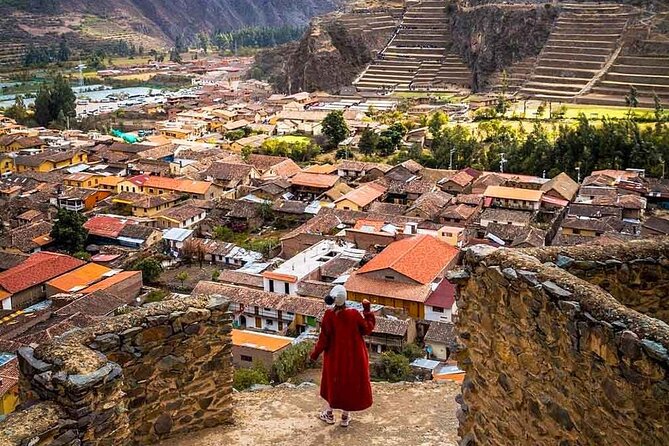
This tour costs $47.00 per person and runs about 11 hours. For that price, you’re getting professional guidance (English or Spanish), tourist transport with a professional driver, and a buffet lunch at Puka Punku. That’s a lot of “day-trip problem solving” already handled for you: transportation, timing, and interpretation.
Entrance fees are the catch. The tour notes that entrance tickets are not included (budget PEN 70.00 per person), and it also mentions an option of 130 soles if you’re doing the City Tour or Maras–Moray as well. Translation: if you’re stacking tours in Cusco, ask how entrance fees are being bundled so you don’t pay twice.
Your early start in Cusco: when the day really begins
You’ll have a 6:30 am start time listed, and hotel pickup happens around 7:30 am. Either way, plan for a very early morning. In Cusco, mornings matter because you’re heading into the Sacred Valley’s towns where traffic, light, and crowds can change fast.
This is a good fit if you like structure. You’re not left trying to figure out routes between scattered sites. The mini-bus handles the driving while your job is simply to show up, carry water, and be ready for a full day of stops.
Hotel pickup and a max-15 group: better than a big bus day
A maximum of 15 travelers sounds small because it usually is. It helps in practical ways: easier listening, less waiting for stragglers, and a guide who can actually track what the group needs.
The other big win is hotel pickup and drop-off at Cusco hotels, plus a return to the city center around San Francisco Square. That matters because Cusco’s layout can be confusing when you’re tired. You finish with a clear destination, not a “good luck” moment.
Pisac: archaeology plus an artisan market stop
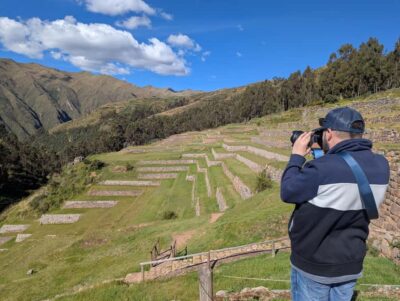
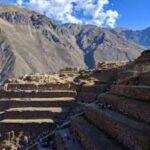
Pisac is where the Sacred Valley starts feeling big. First, you visit the archaeological site, where you’ll see how terracing and sacred structures shaped daily life. Then you get time at the artisan market, a practical add-on if you want to bring home something more meaningful than a random souvenir.
Why this pairing works: archaeology alone can be intense, and markets alone can feel too shopping-focused. Here, you get context first, then the local craft scene that grew up alongside the region’s traditions. Give yourself a little time to look slowly—don’t rush, because this stop is about seeing the layout, not just taking a quick photo.
What to watch for: the market can tempt you to spend before you’ve had lunch. If you want to shop, I’d set a limit now and stick to it—your afternoon stops are great too.

Urubamba lunch at Puka Punku: a real break, not a token meal
After Pisac, you head through the valley to Urubamba. The plan includes a tasty local buffet lunch at Puka Punku restaurant, and lunch is included in the tour price.
A buffet on a long day can be a lifesaver. It means you’re not waiting for one dish to finish cooking, and you can choose what feels good at altitude and travel-fatigue levels. The tour description also points to different types of dishes and unique Andean flavors, so you’re not just getting bread-and-soup energy.
Practical advice: pace yourself. If you eat too fast or too heavy, you’ll feel it later in the afternoon when you still have Ollantaytambo and Chinchero on the calendar. This is also the best time to refill water if you brought an empty bottle.
Ollantaytambo: where you see the Inca plan in stone
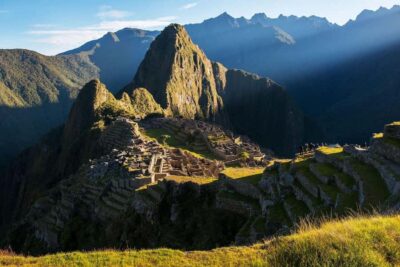
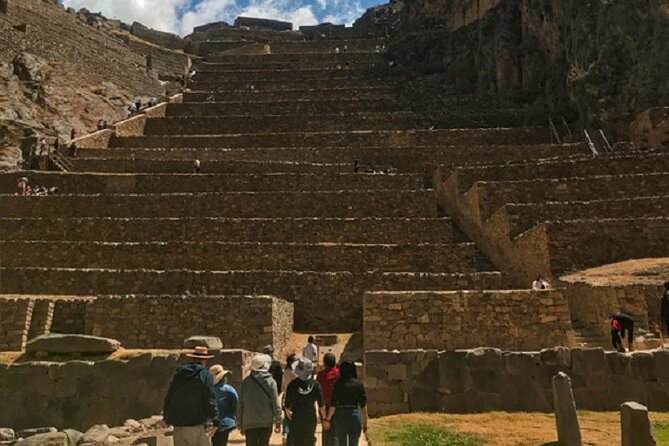
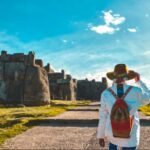
In the afternoon, the focus shifts to Ollantaytambo, one of the Sacred Valley’s most important archaeological sites. Expect a clear walkthrough of the site’s culture and history, with explanations designed to help you connect what you’re seeing to how the Inca built and organized space.
This is the kind of stop where a good guide changes everything. If you understand what the structures were for, you don’t just see walls—you see systems: access points, defensible features, and how the settlement fit into the surrounding geography.
My take: if you’re only doing one Inca site today, make it this one. It’s often where the Sacred Valley clicks into place, especially after Pisac’s terraced atmosphere.
Chinchero on the way back: weaving families and a different vibe
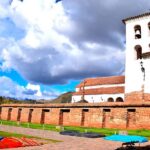
After Ollantaytambo, you return to Cusco using a different road than your morning route. That detour matters because it adds Chinchero, another village with an archaeological site and a chapel.
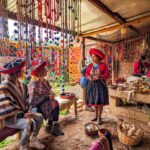
Chinchero is also where the tour description nods to weaving families. Even without turning it into a workshop, the stop is useful because it places culture next to daily life. You’re not only touring ruins; you’re seeing how traditions remain part of the region’s identity.
A small but smart detail: because Chinchero is on the return route, it helps you avoid the feeling that the afternoon is just “more driving.” The day keeps moving, but it stays purposeful.
Guide quality: the difference between seeing and understanding
One of the most praised parts of this tour is the attentive, explanatory guide approach. You’ll get historical details and explanations that aim to match the group’s rhythm, not bulldoze through a checklist.
That matters because Sacred Valley sites can be confusing if you’re staring at stone without context. A good guide gives you anchors—what to notice first, what the structures might have been used for, and how each stop fits into the larger story of the Inca world.
Also, small-group dynamics make questions easier. If something doesn’t make sense—like why a terrace is shaped a certain way—you’ll often have a real chance to ask and get a straight answer.
Entrance fees: the one thing you must budget
This tour is built with clear route timing and included services, but entrance tickets are not included. Plan for about PEN 70.00 per person for entrance fees. The tour also mentions 130 soles if you’re doing the City Tour or Maras–Moray alongside this day, which suggests some tours may bundle fees.
So here’s the simple rule: bring extra cash and don’t assume “included” means the sites are free. If you show up without funds, you risk losing time at the exact moment you want to be walking and listening.
What the day feels like end-to-end
Here’s the flow in plain terms:
- Morning: Cusco pickup, then a drive toward Pisac
- Late morning: Pisac archaeology plus artisan market time
- Midday: Urubamba for buffet lunch at Puka Punku
- Afternoon: Ollantaytambo archaeological visit
- Later afternoon: Chinchero stop on the return road
- Evening: back to Cusco and drop-off near San Francisco Square
The pacing is long, but it’s not chaotic. You’re moving from one major site to the next, with built-in breaks like lunch and with transport planned for you.
If you’re sensitive to long days, consider pairing this with lighter plans the following day in Cusco. You’ll have altitude, driving time, and a fair bit of walking in archaeological areas.
Who this Sacred Valley tour suits best
This is a great match if you want a classic Sacred Valley highlight circuit with professional guidance and transport handled. It’s also ideal if you’re traveling solo or with a small circle and you like the chance to meet other people—this tour’s small size helps that.
You might consider a different format if:
- You’re allergic to early starts
- You want to spend more time in one single site rather than seeing several in a day
- You don’t want to deal with entrance-fee logistics at all
For most people, though, the value is straightforward: one price, included transport, included guide, included lunch, and a route that covers the big names.
Should you book this Sacred Valley tour?
If you’re asking whether it’s worth your time in Cusco, my answer is yes—with one caveat: plan for entrance fees and expect a full day.
Book it if you want:
- A small group (max 15) and a guide who explains, not just drives
- The combo of Pisac + Urubamba lunch + Ollantaytambo + Chinchero
- The convenience of hotel pickup and drop-off plus return to San Francisco Square
- Real included value: transport, guide, and lunch at Puka Punku
Skip or compare if you want a slow travel day or you’re trying to avoid early mornings entirely. Sacred Valley rewards you when you go with a plan, and this tour gives you one without overcomplicating the day.
FAQ
What’s included in the Sacred Valley tour?
You’ll get a professional guide (Spanish or English), tourist transport with a professional driver, and a buffet lunch in the Sacred Valley at Puka Punku restaurant.
What entrance fees should I expect to pay?
Entrance tickets are not included. The tour lists a cost of PEN 70.00 per person for entrance fees. It also mentions 130 soles if you are doing the City Tour or Maras–Moray as well.
How long is the tour and when does it start?
The duration is about 11 hours. The start time is 6:30 am, and pickup from Cusco hotels happens at around 7:30 am.
Where does the tour return you in Cusco?
The mini-bus returns you to the city center near San Francisco Square.
What group size is the tour?
The tour has a maximum of 15 travelers, which keeps it small-group rather than large-bus.
Can I cancel for free?
Yes. You can cancel for a full refund if you cancel up to 24 hours in advance of the experience’s start time. If you cancel less than 24 hours before, it won’t be refunded.