REVIEW · CUSCO
From Cusco: Amazon jungle for two days with sleeper bus and private lodge
Book on GetYourGuide →Operated by Runas Trip Peru · Bookable on GetYourGuide
In This Review
- Amazon wildlife in 2 days, plus a lot of travel
- Key highlights to pay attention to
- How the 60-hour Amazon rhythm works from Cusco
- Pickup, sleeper bus comfort, and where things can go sideways
- The private lodge bungalow and your first jungle walk
- River cruise at sunset: the best time to spot wildlife
- Tambopata National Reserve on foot, then Sandoval Lake by canoe
- Food, guides, and what’s realistically included in the $409 price
- What to pack and how to stay comfortable in the jungle
- Who this tour is best for (and who should skip it)
- Should you book this Amazon-from-Cusco trip?
- FAQ
- What time do I get picked up in Cusco?
- How long is the trip and when do I return to Cusco?
- What wildlife and activities are included?
- What’s the lodge like?
- What meals are included?
- Do I need vaccinations or insect protection?
Amazon wildlife in 2 days, plus a lot of travel
You’re swapping Andean air for thick jungle sounds fast, and this trip packs Tambopata Reserve wildlife into two action-heavy days, with a private lodge bungalow in between. I like that the schedule is built around real animal time—early hikes for monkeys and spiders, plus river/lake paddling for otters and piranhas—rather than just quick look-and-go stops. I also like the small-group pace (limited to 17), which makes jungle spotting and question time with the guide feel more human than rushed. One drawback to keep in mind: the long sleeper bus leg can be stressful if communication is unclear and you end up chasing connections at busy bus stations.
You should also know this is a “comfort with expectations” kind of Amazon trip. The lodge is described as basic but comfortable, and electricity can be limited after dark, which is normal in this kind of setting. If you hate uncertainty or need everything to run on a perfect script, you’ll want to plan extra buffer time and keep your questions ready.
Key highlights to pay attention to
- Sunrise wildlife timing: dawn starts for reserve walking, where you’re more likely to catch active animals.
- Sandoval Lake paddling: slow canoe/boat time designed for giant river otters and lake wildlife.
- Caimans, capybaras, and sunset cruising: an evening river search adds a different animal “chapter.”
- Private bungalow comfort: a lodge setup that aims for real rest, not just a campsite.
- Tambopata National Reserve walk: a guided 3 km hike focused on insects, monkeys, and even giant spiders.
You can also read our reviews of more private tours in Cusco
How the 60-hour Amazon rhythm works from Cusco
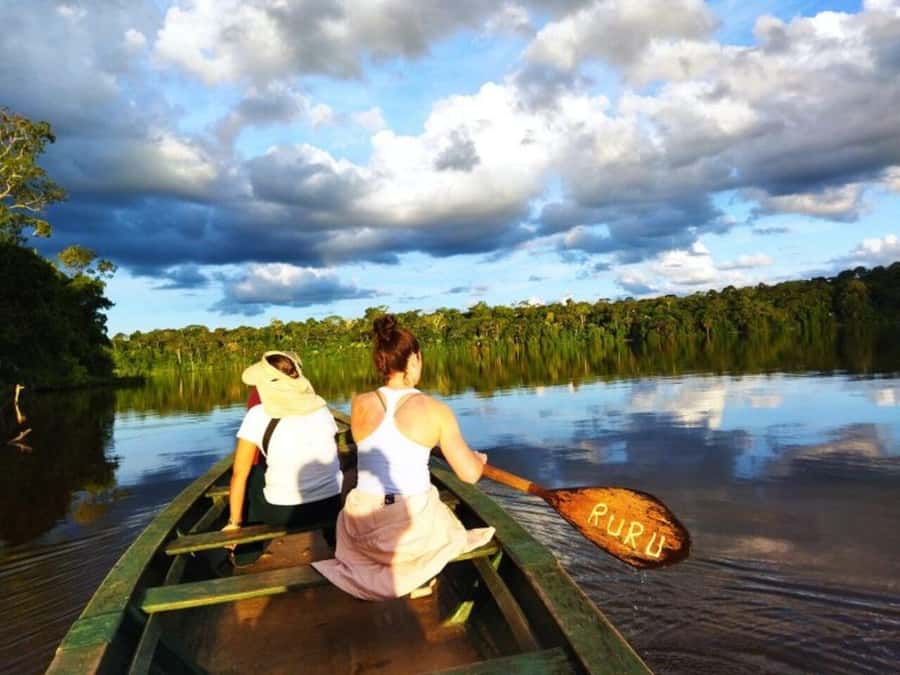
This is a two-days-in-the-jungle plan wrapped in two nights of travel. You leave Cusco at 8:00 pm, ride a sleeper bus toward Puerto Maldonado, and then start your jungle time almost as soon as you arrive. The whole experience runs about 60 hours, ending with a return ride back to Cusco, arriving around 7:30 am.
That travel shape matters. When you’re in the jungle, you’ll move by river and on foot, so you want your body rested enough for dawn walking and the heat. When you’re on the bus, you want to be mentally ready for the “transport is the hard part” reality—especially when bus stations are chaotic and signposting isn’t your friend.
Group size stays small (up to 17), and that can help your schedule feel smoother—at least once you’re with the lodge and guides. The catch is that the start and end involve multiple handoffs (hotel pickup → bus station → lodge transfer → bus station again), and those are the moments where communication problems can snowball.
Pickup, sleeper bus comfort, and where things can go sideways
The plan is simple: you’re picked up from your hotel in Cusco’s historic center and taken to the bus station. The sleeper bus is described as comfortable, with seats reclining around 160º to 180º, plus blankets for the ride.
But here’s the practical truth: not every “sleeper bus” experience feels the same at night stations. Some people found the bus to be a public bus they effectively just got tickets for, with little guidance after drop-off in Puerto Maldonado. If you don’t speak Spanish, you may have to use your phone and keep close track of your assigned bus number and times.
A few travelers also reported basic issues like a toilet not working for hours and limited control for air adjustment. That doesn’t mean you’ll get the same situation, but it does mean you should pack for discomfort: bring water, a small snack, wet wipes, and something warm enough for a night ride even in Peru’s warmer regions.
My advice: before the trip, message or confirm all times and meeting points once, then again a day before. Once you’re in the station zone, don’t assume someone will magically appear—watch for the handoff window, and keep your phone charged.
The private lodge bungalow and your first jungle walk
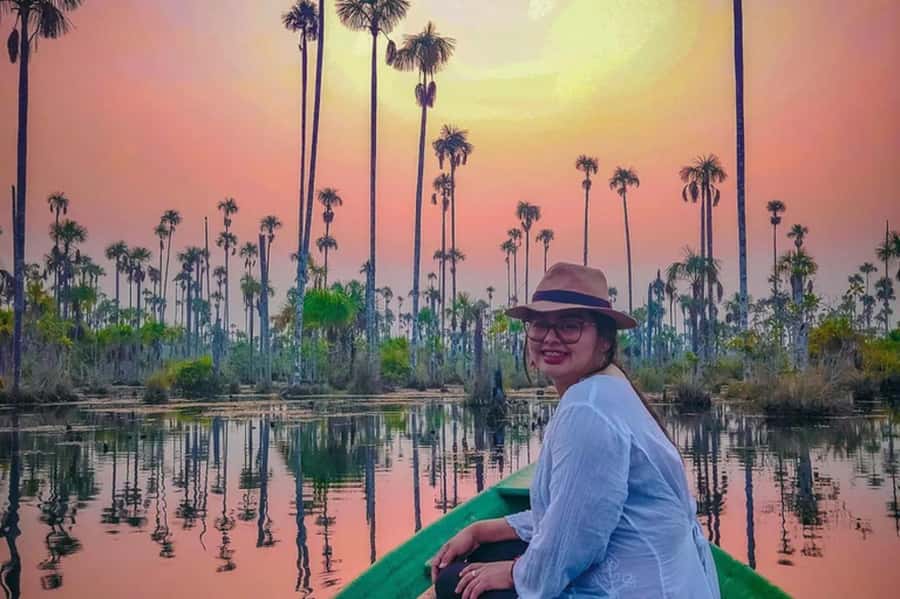
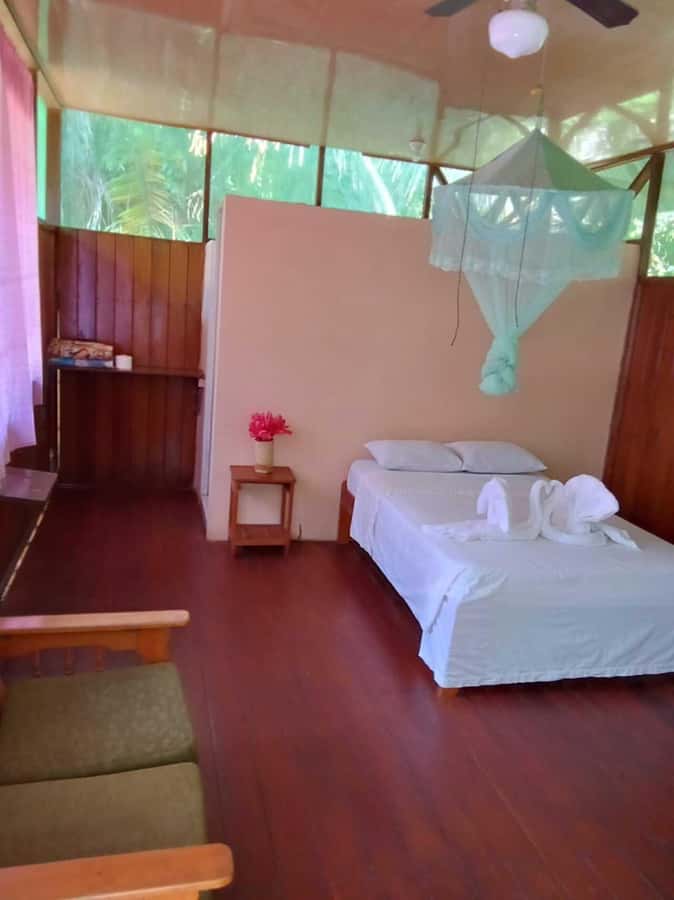
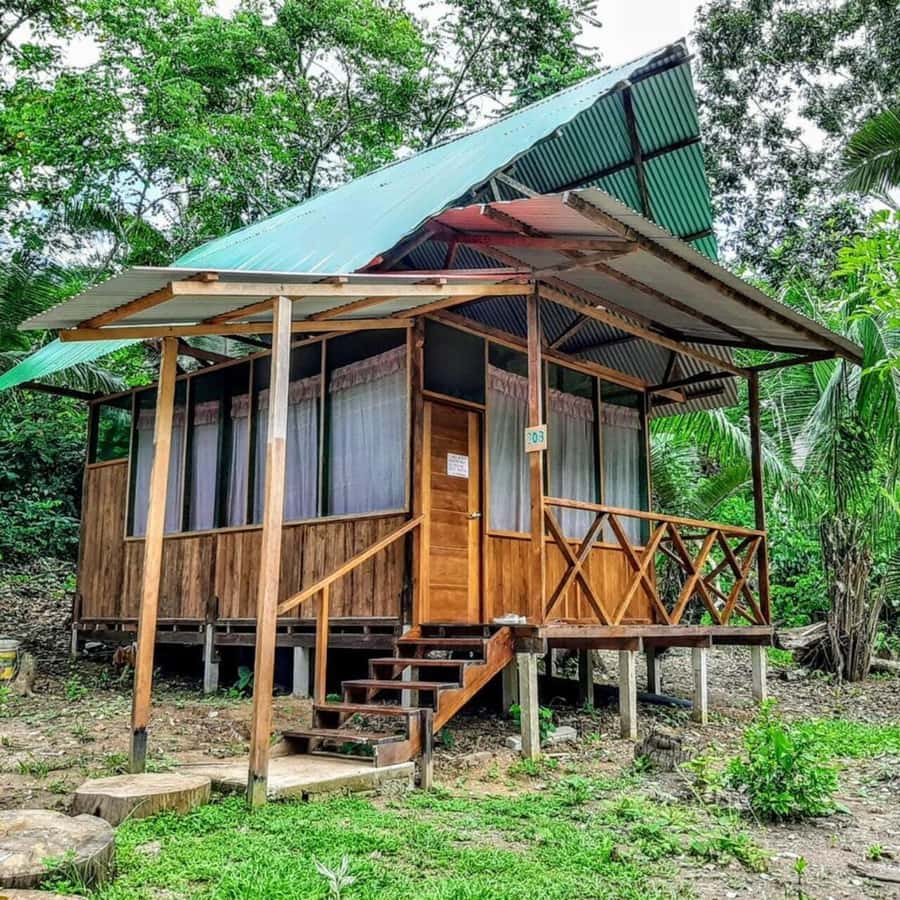
Once you arrive in Puerto Maldonado, you transfer to the lodge and get a welcome drink with seasonal fruit. Then it’s bungalow time—your own private space in the middle of the forest setup. The lodge is described as basic but comfortable, and at least some departures include rooms with clean, personal bathroom facilities.
The first real jungle taste is an introductory walk through the conservation forest. This is the part I think many people underestimate. You’re not just looking at “pretty trees.” You’re being guided to notice plants, insects, and birds as you move—so your eyes start working differently, and the jungle becomes more than background noise.
If you want a quick adrenaline hit, there may be a suspension bridge / zip line option during this early phase. It’s the type of activity that can break up the travel fatigue, but it’s still jungle-first, not theme-park first.
Night falls and you’ll have another push for animals. The plan includes looking for caimans and capybaras later in the evening. That shift—from daytime bird/insect life to night river life—is one of the smartest ways to see different ecosystems quickly.
River cruise at sunset: the best time to spot wildlife
After lunch on Day 1, you cruise the river in search of wild animals and watch the sunset. This stretch is worth taking seriously because it’s when the jungle feels most alive—shadows, bird calls, and sudden motion along the waterline.
You’re also in a prime “river edges” zone, where some animals use calm water and vegetation edges for feeding and hiding. The guide’s role matters here: spotting from a boat is a skill, and a good guide turns random sightings into a real experience.
One more practical note: the sunset cruise is more comfortable if you dress in layers. The jungle can be warm, but evenings on the river can feel cooler fast. Bring a light jacket or long-sleeve layer so you don’t end the day shivering after a warm walk.
This part also sets expectations for the next morning. When you learn where you’re likely to see animals—river edges, lake margins, shaded forest paths—you’ll walk the next day with sharper attention.
You can also read our reviews of more tours and experiences in Cusco
Tambopata National Reserve on foot, then Sandoval Lake by canoe
Day 2 starts at dawn. You navigate downstream toward Tambopata National Reserve (about one hour) and then set out on a guided hike of about 3 km. This walk is focused on small life and fast movement: insects, monkeys, and even giant spiders.
That “giant spiders” detail sounds like a novelty until you realize it’s basically a lesson in scale. In the jungle, you’ll notice more by looking slightly slower and scanning the ground, leaves, and trunks. Guides who point out what to watch change your whole perception.
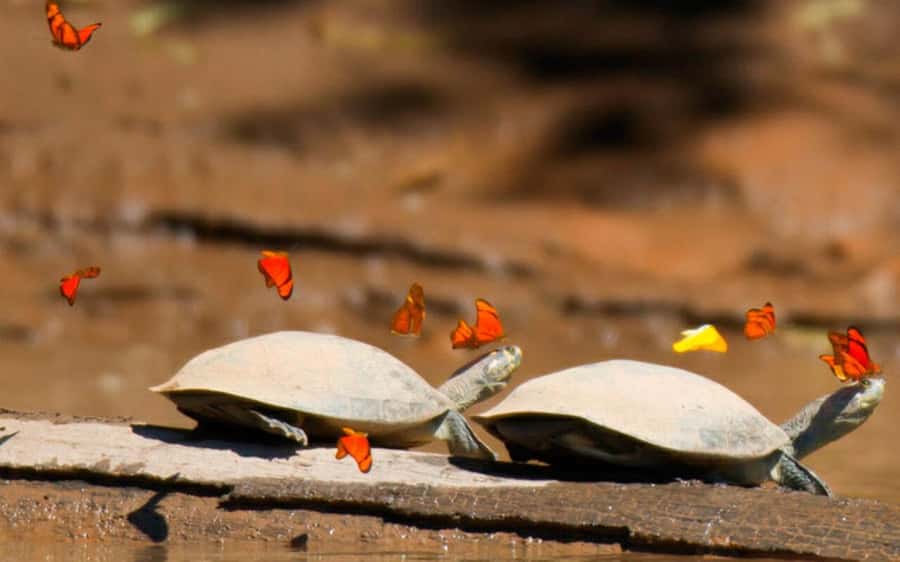
After the reserve hike, you reach Sandoval Lake, and the pace slows again. The plan is to paddle slowly and discover lake wildlife. You may see piranhas, birds, butterflies, mammals, monkeys, and the famous giant river otter.
I like lake paddling because it’s not just animal hunting—it’s also about reading the water. Slow movement means you can hear the ecosystem, watch ripples, and notice birds and insects reacting around you. It’s a different kind of “Amazon time” than hiking.
When you’re done, you return to the lodge in the afternoon, then you’re back on the sleeper bus at 8:00 pm. By now you’ll be tired in a good way. Two days is a short window, but it’s long enough to feel like you actually left the city.
Food, guides, and what’s realistically included in the $409 price
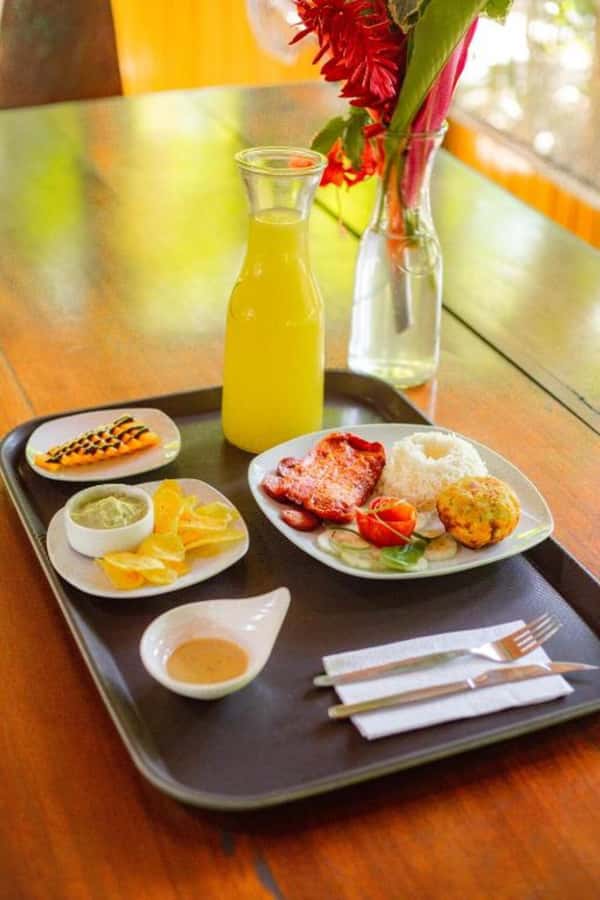
At $409 per person, value depends on what you compare it to. Here, you’re getting transportation from Cusco by sleeper bus, land and river transfers, one night in a private bungalow, entrance fees, and guide support in both English and Spanish. You also get 2 breakfasts, 2 lunches, and 1 dinner, plus necessary equipment for excursions.
That’s a lot bundled. The places where you feel the value are the animal-focused activities: walking in Tambopata, cruising at sunset, and paddling on Sandoval Lake. When those moments work, they’re the whole point of the trip.
Where the value can wobble is logistics quality. Some people described poor communication and unorganized handoffs, especially around pickup and timing. That doesn’t cancel the experience—it just means you should treat the tour as “guide-led once you arrive,” and the “transport side” as something you personally track.
Also watch power and comfort expectations. In the jungle, electricity can stop after a set time. One review mentioned no electricity after 9 pm, which is pretty standard in basic jungle lodges. If you rely on charging devices, plan for it: use a power bank and keep charging during the hours it’s available.
What to pack and how to stay comfortable in the jungle
This trip is wildlife-heavy, which means your comfort plan needs to be about repellent and layers.
The guidance is clear: bring mosquito repellent with at least 30% DEET. Also consider the health side seriously—yellow fever vaccination is recommended at least 10 days before your visit. I’m not a doctor, but I do think it’s one of the smartest “prep steps” for this kind of Peru jungle travel.
For clothing, think practical, not pretty. Wear long sleeves and long pants for the walks, especially for insect protection and to reduce bug bites. Bring a small rain layer or poncho even if the forecast looks fine; jungle weather can change.
For the bus, pack for comfort: a warm layer, earplugs, and something for your stomach. Between travel and jungle activity, you’ll want basic snacks and water on hand in case there’s downtime.
Who this tour is best for (and who should skip it)
This experience fits you well if you want a fast Amazon hit: short stays, guided wildlife walks, river and lake time, and a private bungalow setup. It also works if you can handle an early start, a bit of heat, and sleeping without modern creature comforts.
It’s less ideal if you’re the type who needs flawless communication and crystal-clear meeting points at every transfer. When timing and signage fail, the night bus and station logistics can become stressful—exactly the part you can’t control once you’re already on the move.
It also helps if you’re comfortable with “basic but comfortable” lodging. You’re not paying for a resort. You’re paying for access to the jungle experience and animals, with real guide-led time.
Should you book this Amazon-from-Cusco trip?
I’d book it if your priority is wildlife in Tambopata and Sandoval Lake with guided activities, and you’re okay with a long travel day plus basic lodge conditions. At $409, the bundle is strong: transport, entrance fees, guide support, and meals are included, so you’re not piecing together multiple services yourself.
I’d hold off or choose another option if you know you struggle with uncertainty. This trip’s biggest risk isn’t the jungle—it’s the transport handoffs and communication around them. If you do book, take control early: confirm pickup points, keep tracking times, and come prepared for station chaos.
If you go in with flexible expectations, this can be one of the most memorable “two-day” wildlife experiences you’ll do in Peru—because the schedule is built around seeing animals when they’re most active.
FAQ
What time do I get picked up in Cusco?
You’ll be picked up from your hotel in Cusco’s historic center at 8:00 pm.
How long is the trip and when do I return to Cusco?
The tour runs about 60 hours. You board the sleeper bus at 8:00 pm on the second day and return to Cusco around 7:30 am the next morning.
What wildlife and activities are included?
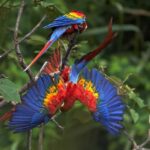
The experience includes jungle walking in the conservation forest and Tambopata National Reserve, plus a river cruise at sunset and paddling on Sandoval Lake. You may look for monkeys, caimans, capybaras, piranhas, birds, butterflies, and the giant river otter, depending on sightings.
What’s the lodge like?
You stay one night in a private bungalow. The lodges in the jungle are described as basic but comfortable, with at least some rooms offering clean, personal bathrooms. Electricity may be limited after dark.
What meals are included?
You get 2 breakfasts, 2 lunches, and 1 dinner. Meals not mentioned are not included.
Do I need vaccinations or insect protection?
Yellow fever vaccination is recommended at least 10 days before your visit. You should also use mosquito repellent with at least 30% DEET.