REVIEW · CUSCO
ATV Tour to Moray, Maras and Salt Flat in the Sacred Valley from Cusco
Book on Viator →Operated by Minka Peru Expeditions · Bookable on Viator
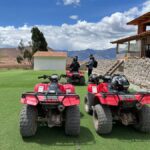
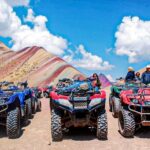
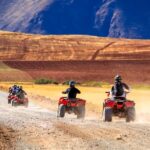
ATVs in the Sacred Valley turn a regular day into a ride. You’ll start from central Cusco with hotel transfers, get helmets and gloves, then spend about five hours bouncing between Maras and Moray, with guided stops that explain what you’re seeing. I especially like the mix of freedom and structure—your guide handles the history talk, while the ATV route gets you to places that feel out of reach on foot or by bus. One heads-up: Moray and the salt flats entrances cost extra, and if the day is dry you can expect dust (and if it’s chilly, layers matter).
A strong bonus here is the guide energy. Names that came up include Alex and Edgar, both praised for clear instruction and practical guidance, plus helpful photo/video skills. If you’re choosing the upgrade, ziplining can add extra adrenaline without stretching your day too much—just remember food and drinks are on you.
In This Review
- Key Points at a Glance
- Why This ATV Tour Fits the Sacred Valley Rhythm
- Price and Value: What $49 Covers (and What Costs Extra)
- Getting Ready: Helmets, Gloves, and the Dust-to-Warm-Up Tradeoff
- ATV Driving Options: Single vs Double and Why It Changes the Day
- Maras Town and the Inca Seed-Testing Mystery at Moray
- Maras Salt Flats: Local Salt Work and Why This Stop Feels Real
- How the Day Moves: Timing, Transfers, and Ending Back in Cusco
- Optional Zipline Upgrade: Small Add-On, Big Energy Shift
- Who Should Book This ATV to Moray, Maras, and the Salt Flats
- Final Call: Should You Book?
- FAQ
- FAQ
- How long is the ATV tour from Cusco to Moray, Maras, and the salt flats?
- Where do pickups happen in Cusco?
- What’s included in the tour price?
- What entrance fees are not included?
- Do I need to budget for food and drinks?
- Can I drive my own ATV or will I share?
- Is there an option to upgrade with ziplining?
- What is the cancellation policy?
Key Points at a Glance
- Central Cusco pickup and drop-off: Included transfers make the start and finish easy.
- Helmets and gloves included: Less hassle, more riding time.
- ATV practice and real driving time: Instruction helps you get comfortable before the main route.
- Moray + Maras Salt Flats focus: Two major Sacred Valley stops built around Inca tech and local salt work.
- Small group size (max 15): You’re unlikely to feel lost in a crowd.
- Optional zipline upgrade: A simple add-on for thrill seekers.
Why This ATV Tour Fits the Sacred Valley Rhythm
Cusco is high altitude, and that’s the main reason I like this style of tour. It gives you a clear half-day plan—about five hours—so you can see more without losing your whole day to transportation and long waits. The route is built around three stops that don’t feel redundant: the Maras Salt Flats area, the town of Maras, and Moray, the famous Inca site with those strange circular terraces.
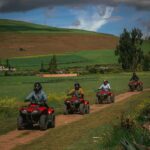
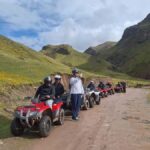
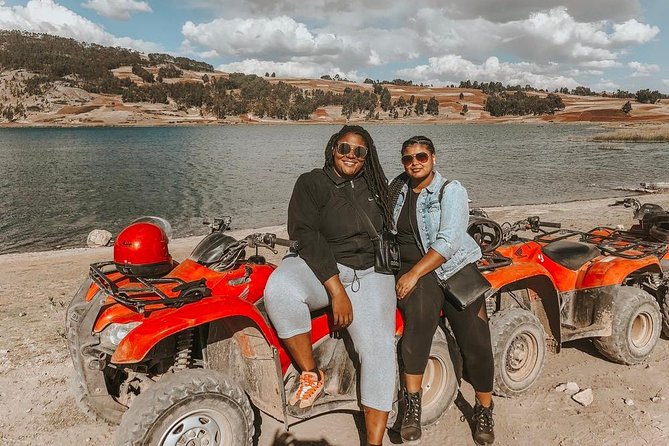
The other thing I appreciate is the balance. You’re not just parked at viewpoints. The ATV lets you move through rugged areas and connect the dots between places in a way that feels more personal than a standard bus loop. At the same time, your bilingual guide keeps the story straight, so you get meaning—not just photos.
And yes, you’ll likely get dusty. That’s part of the point. One of the most consistent themes is that the ATV time feels fun and worth it, even if your clothes come back looking like you survived a small sandstorm.
You can also read our reviews of more tours and experiences in Cusco
Price and Value: What $49 Covers (and What Costs Extra)
This tour is priced at $49 per person, and that’s where the value math gets interesting. For the base price, you’re getting:
- Hotel pickup in Cusco’s historical center / central Cusco
- Round-trip transfer to the ATV base at Cruz Pata
- ATV (quadbike), with helmet and gloves
- A bilingual guide
- The overall tour experience running about five hours
- Ending back at Cusco’s main square
What’s not included is where you should do a quick budget check. Food and drinks run about PEN 40 per person, and the site entrances are separate:
- Moray entrance: PEN 70 per person
- Salineras / salt flats entrance: PEN 20 per person
- Admission tickets are noted as not included
So in real terms, the ticket you’re buying is really the transportation + ATV + guiding + the structure of the day. The cultural stops have their own entrance fees, which is normal in Peru, but it’s smart to plan for it so you don’t get surprised later. If you’re traveling on a tighter budget, this tour still makes sense because the ATV and transfers are typically the part that costs the most on your own.
Getting Ready: Helmets, Gloves, and the Dust-to-Warm-Up Tradeoff
The practical part matters on an ATV day. You’ll get helmets and gloves, which is a win because it saves you the hassle of renting or buying gear. You’ll also get basic instructions on how to operate the ATV.
One detail that stands out from real experiences: guides often take time to show how the ATV works and then let you practice around a dirt track before you head out. That early practice is not just for fun—it helps you avoid feeling tense when you’re on a rougher path. It’s especially helpful if you’re not used to handling a vehicle on loose ground.
Dress like you’re planning for two different weather moods. In the morning you can feel the chill, but once you start riding you can warm up. Several people point out that you should layer, and you’ll probably get dirty or dusty if the weather is dry. Even when it rains, the guides are described as taking good care of the group, but you should still assume you’re going to look (and feel) like you did an ATV tour.
My simple packing checklist:
- Layers you can peel off
- A small bag for your phone/camera (dust is real)
- Gloves if you have them, but the tour provides a pair
- Sunglasses if it’s bright
- Closed-toe shoes
ATV Driving Options: Single vs Double and Why It Changes the Day
When you book, you can choose an ATV setup: single or double depending on your preference at checkout. If you want the full experience—feeling the route and steering yourself—going single is the more immersive option. Several people specifically recommend that everyone in the group gets to drive their own ATV, because it turns the day from a ride-along into something more active.
That said, double riding can still be a good choice if you want a calmer pace, if someone in your group is new to driving, or if you’re pairing up with a friend who’s more comfortable behind the handlebars. Just know that doubling changes how much control and movement you personally get, even though the overall itinerary and stops stay the same.
Maras Town and the Inca Seed-Testing Mystery at Moray
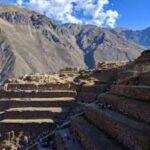
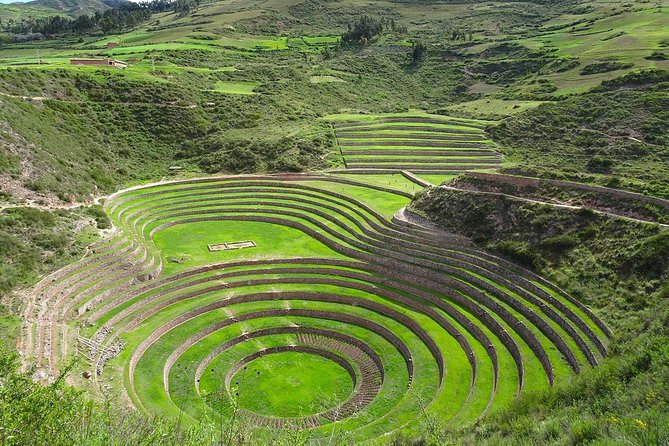
Moray is one of those places that makes you stop and look twice. From above, it looks like a pattern carved into the earth—those big circular depressions. The reason it matters (and why your guide will focus on it) is that the Inca used the different holes in the ground to acclimatize seeds.
That’s the key idea: the site wasn’t built just for scenery. It functioned like an Inca experiment station, using microclimates created by depth and slope. Standing there, you get a sense of how skilled they were at working with the land, not just conquering it.
In the flow of the day, Moray sits right after your route brings you into the Maras area. You’ll get guided context before you move on. The guide explanations are part of the value here—Moray is much more interesting when someone tells you what the Inca were trying to accomplish, because otherwise it can feel like a random amphitheater in the hills.
What to watch for: time at Moray includes walking and standing for explanations, and you’ll likely be dressed for the ATV ride earlier in the day. If you’re sensitive to cold or wind, bring a layer you can keep on when you park the ATV.



Maras Salt Flats: Local Salt Work and Why This Stop Feels Real
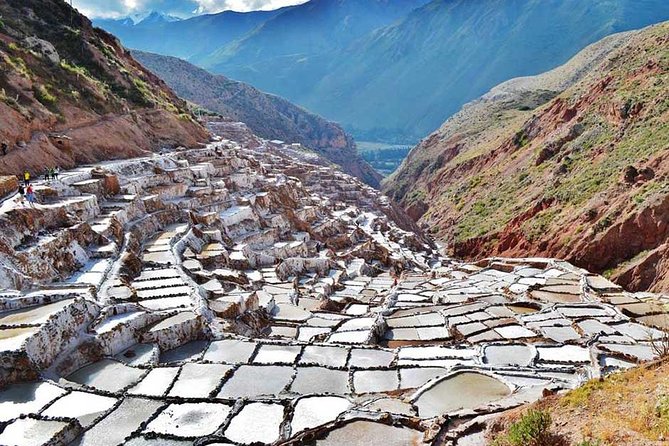
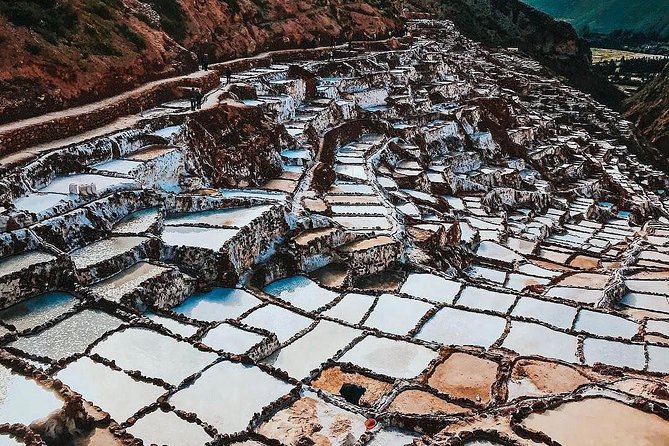
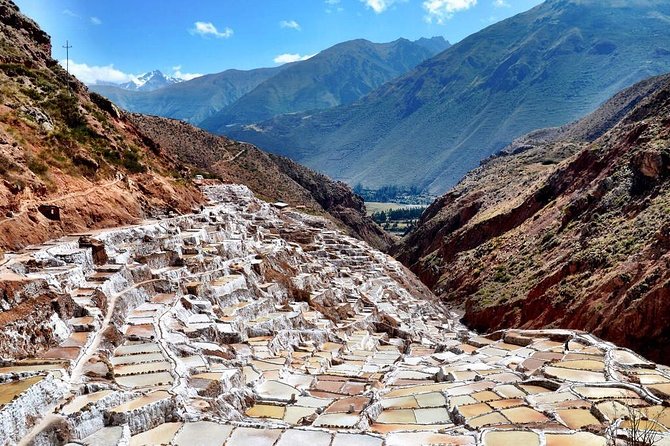
The Maras Salt Flats (often called Salinas de Maras) are unlike most tourist stops in Peru because the activity isn’t staged. You’re seeing local people mining salt in a traditional way—tubs and channels shaped by long practice. It’s a working landscape, not just a museum stop.
Your guide will also connect the salt flats to the bigger picture: salt is important to the Peruvian economy, and you’ll hear how this local production ties into wider demand. That economic context turns the visit from a visual wow moment into a more grounded understanding of why this place still matters.
This is also where the tour’s small “story arc” lands well. The ATV part gives you the sense of adventure and access; the town and Moray give you the Inca science angle; and the salt flats bring it back to everyday life—people working the ground, not just ruins.
Photo note: salt flats are naturally photogenic. Many guides are praised for getting great pictures and videos, which helps if you don’t have the best camera timing skills. Even with a phone, you’ll want to take a few shots from multiple angles because the patterns look different as you move.
How the Day Moves: Timing, Transfers, and Ending Back in Cusco
This is a half-day plan at heart. After pickup in Cusco, you head to the ATV base at Cruz Pata. From there, you get equipment, instruction, and then the riding begins. The day stays active: you’re moving between Sacred Valley stops instead of spending too long waiting around.
In the last stretch, the tour returns toward Cusco. The day is designed to end back in Cusco’s main square, which I like because it makes the rest of your evening flexible. You can still grab a meal, wander a bit, or just rest without needing another transfer.
Also, the group limit—maximum 15 travelers—keeps the pace from turning into a slow conveyor belt. It doesn’t mean it will feel silent or private, but it usually means you get more attention and less confusion when the route switches between vehicles and walking.
Optional Zipline Upgrade: Small Add-On, Big Energy Shift
If you upgrade, you can add ziplining. It’s listed as an available upgrade, and for many people it’s a simple way to bring a different kind of thrill into the same half-day block.
The biggest practical question for you is energy. If you’re already hyped for ATV driving, ziplining can be a great second hit. If you’re more cautious or worried about getting tired after riding, you might prefer to keep it straightforward and focus on the Sacred Valley stops.
Either way, the tour stays around the same five-hour window, so you’re not signing up for a full day of back-to-back adrenaline.
Who Should Book This ATV to Moray, Maras, and the Salt Flats
I’d aim for this tour if you want a mix of adventure and real sights in one go. It’s a strong fit for:
- Couples who want something more fun than a standard bus tour
- Solo travelers who like guided meaning but still want hands-on time
- People with only half a day in the Sacred Valley who still want multiple highlights
- Anyone who enjoys vehicles and wants to reach places you’d struggle to visit easily by foot
It may be less ideal if you’re expecting a gentle, slow pace with minimal motion. ATV days come with dust, movement, and some cold-to-warm shifts. Also, because entrance fees for Moray and the salt flats aren’t included, your final cost will be higher than the headline price.
Final Call: Should You Book?
If you’re the type of traveler who likes your sightseeing to have motion, this is a very solid choice. The combination of ATV driving, guided context at Moray, and the working reality of Maras Salt Flats makes it feel like more than just a checklist day. The fact that helmets and gloves are included, the group is small, and pickups/drop-offs are handled for you adds real value.
Book it if you want: active adventure, a guided story, and a Sacred Valley day that doesn’t feel like sitting around.
Skip or reconsider if you hate getting dusty, want all-in pricing, or prefer a purely walking-and-ruins style day.
FAQ
FAQ
How long is the ATV tour from Cusco to Moray, Maras, and the salt flats?
It lasts about 5 hours (approx.).
Where do pickups happen in Cusco?
Pickup is included for hotels located in Cusco’s historical centre / central Cusco.
What’s included in the tour price?
Included are hotel pickup in central Cusco, round-trip transfer to the Cruz Pata base camp, an ATV, a bilingual tour guide, and equipment (helmet and gloves).
What entrance fees are not included?
Moray entrance is PEN 70 per person, and Salineras (salt flats) entrance is PEN 20 per person.
Do I need to budget for food and drinks?
Yes. Food and drinks are not included, and the listed estimate is PEN 40 per person.
Can I drive my own ATV or will I share?
You can choose a single or double ATV setup at checkout.
Is there an option to upgrade with ziplining?
Yes, you can upgrade to include a ziplining activity.
What is the cancellation policy?
The experience is non-refundable and cannot be changed for any reason.