REVIEW · AREQUIPA
Trek to the Route of the Sillar and Culebrillas in Arequipa
Book on GetYourGuide →Operated by AREQUIPA EXPLORER Y ACTIVIDADES TURISTICAS · Bookable on GetYourGuide
Arequipa’s stone has stories you can walk into. This trek along the Sillar Route connects live stonemason work, dramatic quarry scars, and canyon walking with real viewpoint payoffs. Two things I really like are the hands-on feel of the stonecraft at Añashuayco Quarry and the way the volcano-and-valley viewpoints set the scene before you even start hiking. One drawback to plan for: you may lose time to Arequipa traffic, so keep your schedule flexible.
What you’re really doing here is getting close to the material behind Arequipa’s famous pale buildings—sillar (ashlar) stone—by watching it pulled from the ignimbrite walls and turned into architecture. You’ll also get a quieter, more geological contrast with the Culebrillas canyon walk, where water carved a small canyon you can explore on foot. The main consideration: the tour includes multiple transport legs plus two hiking segments, so comfortable shoes matter.
In This Review
- Key things that make this trek worth your time
- Sillar Route and Añashuayco: seeing Arequipa’s stone up close
- The viewpoint stops before you hike
- The Añashuayco Quarry visit: guided, visual, and hands-on
- Inside the quarry canyon: what to notice on the hike
- Quebrada de Culebrillas: the canyon walk that slows things down
- The pacing: how long the day really feels
- Price and value: what $13 buys you (and what it doesn’t)
- What to expect from the guide experience
- Where the tour starts and finishes
- Pair it with Chivay hot springs after your trek
- Should you book this trek?
- FAQ
- How long is the trek on the Sillar Route and Culebrillas?
- What does the tour cost, and are entrance tickets included?
- Where do I meet for the tour?
- What’s included in the price?
- Will I be able to understand the guide if I only speak English or Spanish?
- Is there walking on this tour?
Key things that make this trek worth your time
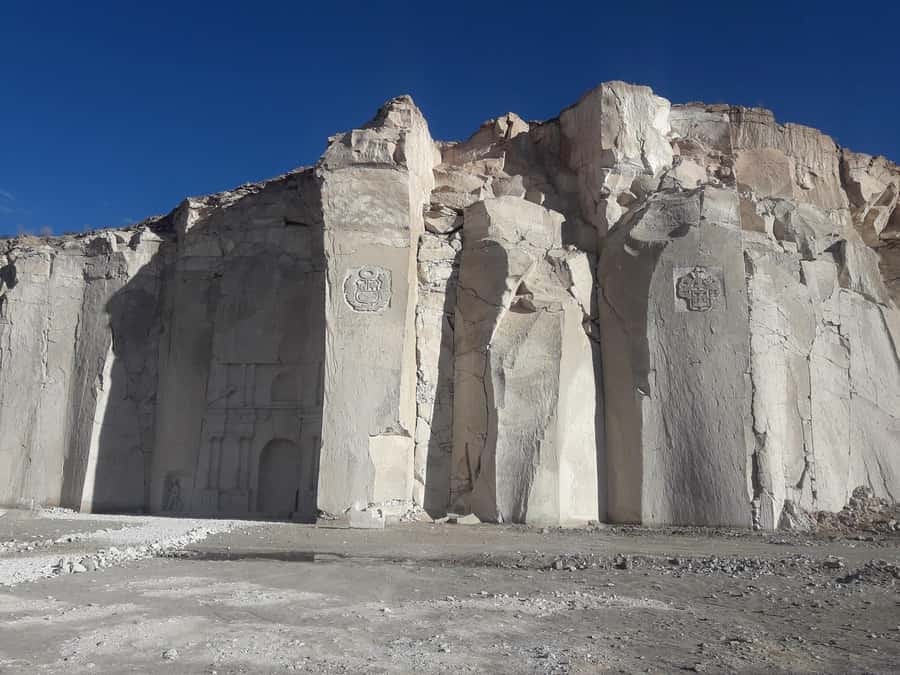
- Añashuayco Quarry in operation: you see working stonemasons and not just a museum set-up
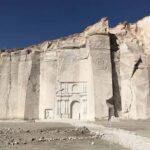
- Mega-carving of the Church of the Company of Jesus: carved by the craftsmen themselves, high visual impact
- Ignimbrite canyon walls: quarry cliffs formed by extraction for ashlar production
- Volcanoes + Chilina Valley viewpoints: short stops that make the terrain click
- Culebrillas canyon walk: a guided stroll into a small water-carved canyon
- Chivay hot springs pairing: perfect way to loosen up after the trek
Sillar Route and Añashuayco: seeing Arequipa’s stone up close
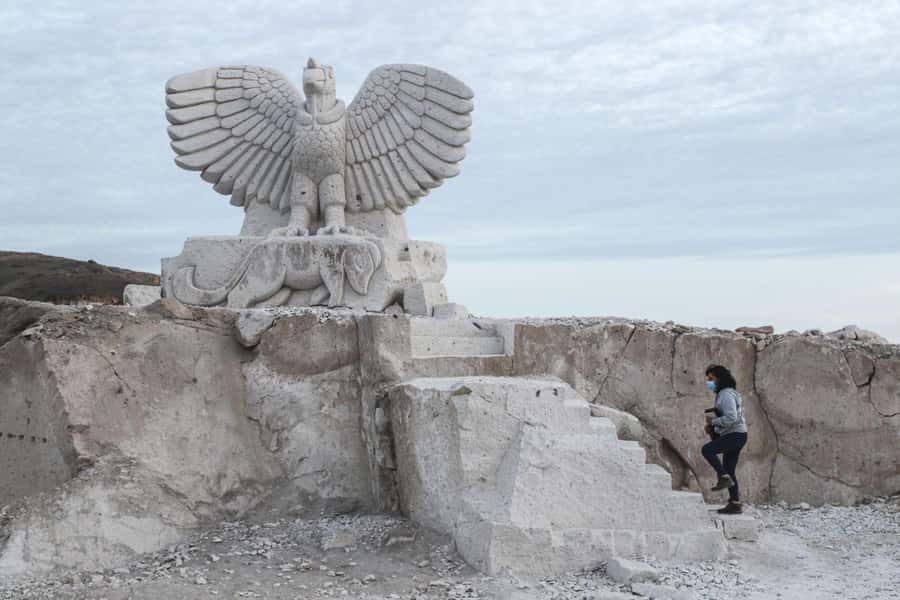
If you’ve looked at Arequipa’s white façades and wondered where that stone actually comes from, this trek answers that question fast. You’re traveling through the Sillar Route, a scenic stretch tied to the quarrying tradition and the living culture around it. The best part is that you’re not just taking photos—you’re getting the meaning behind the stone.
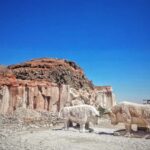
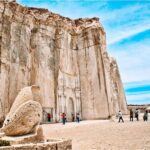
The setting is dramatic: you’ll reach Añashuayco Quarry, where the walls are shaped by extraction for ashlar (sillar) production. Those cliffs are made of ignimbrite, and they can rise several meters high—big enough that you feel small in the right way. It’s one of those places where your brain shifts from tourist mode to geology appreciation mode.
You can also read our reviews of more hiking tours in Arequipa
The viewpoint stops before you hike
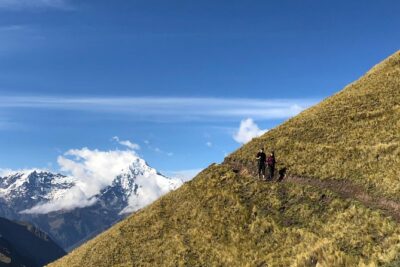
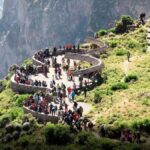
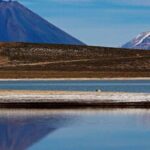
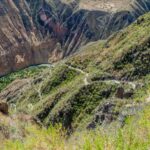
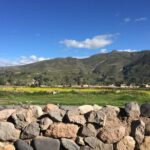
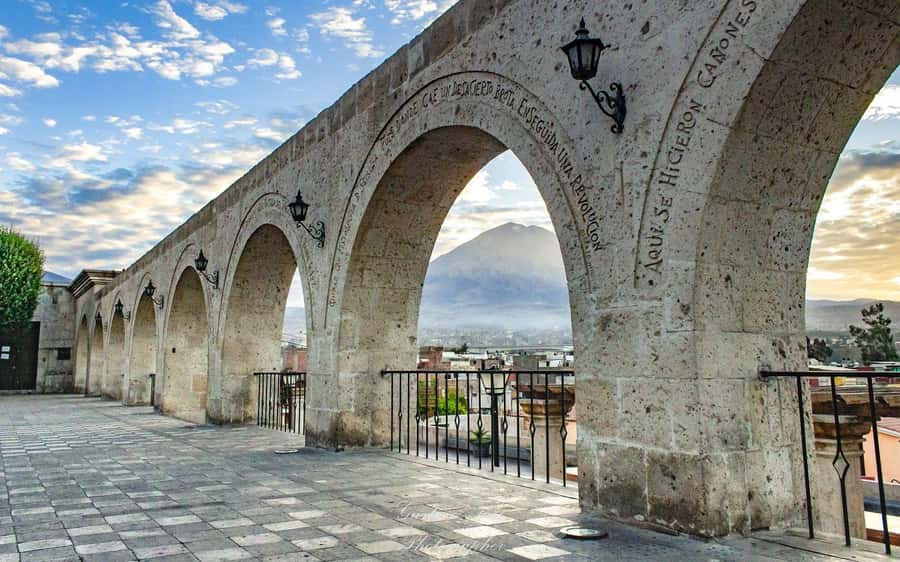
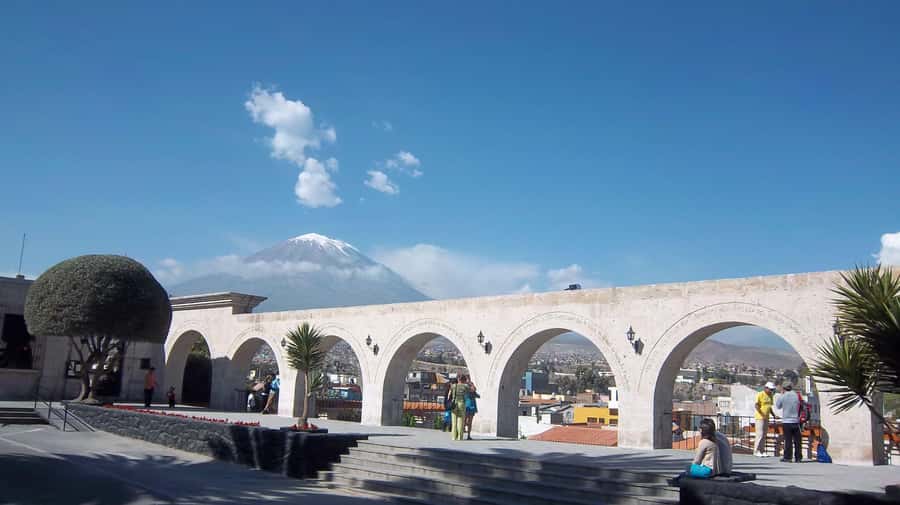
Before the main quarry time, you’ll make strategic photo breaks with real payoff. Early in the tour, you cross an emblematic viewpoint area where you can see volcanoes and the Chilina Valley. Depending on the season, the tour can swap in another traditional viewpoint at the start, so your photos might look a little different from someone else’s.
These stops matter more than they sound. Arequipa’s charm is that volcanic setting, and a quick orientation stop helps you understand what you’re walking through later—why the terrain looks the way it does, and why people build and quarry here. Think of it as getting your bearings fast, so the quarry makes more sense on the ground.
The Añashuayco Quarry visit: guided, visual, and hands-on
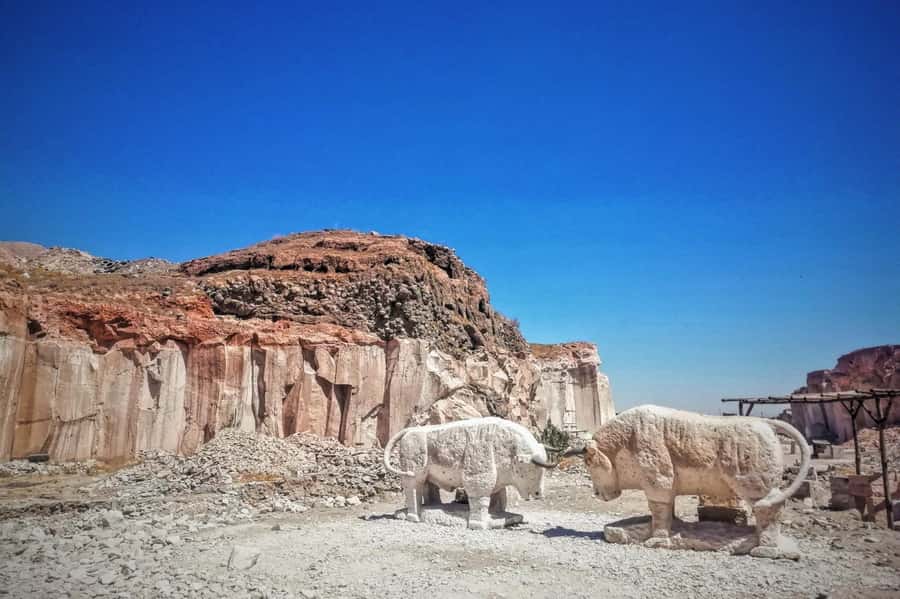
Once you get to the quarry, you’re in the heart of the day: a guided visit plus hiking time inside the quarry area. The vibe is practical and real, because the quarry is currently operating. Masons begin work very early, and that’s part of why the whole place feels like a working landscape instead of a staged attraction.
Here’s what you’ll take away:
- The history and production of ashlar/sillar—how the stone is extracted and used
- The way the quarry’s huge, carved canyon creates the space for the next architectural step
- The cultural layer: the craftsmen’s skill and their role in shaping local building styles
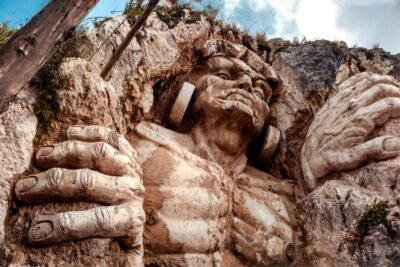
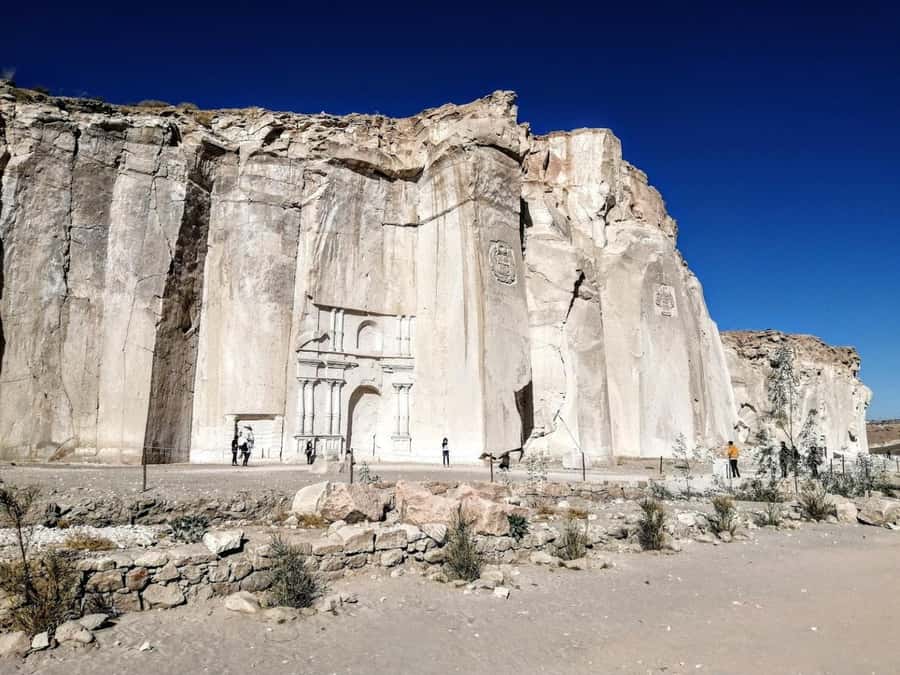
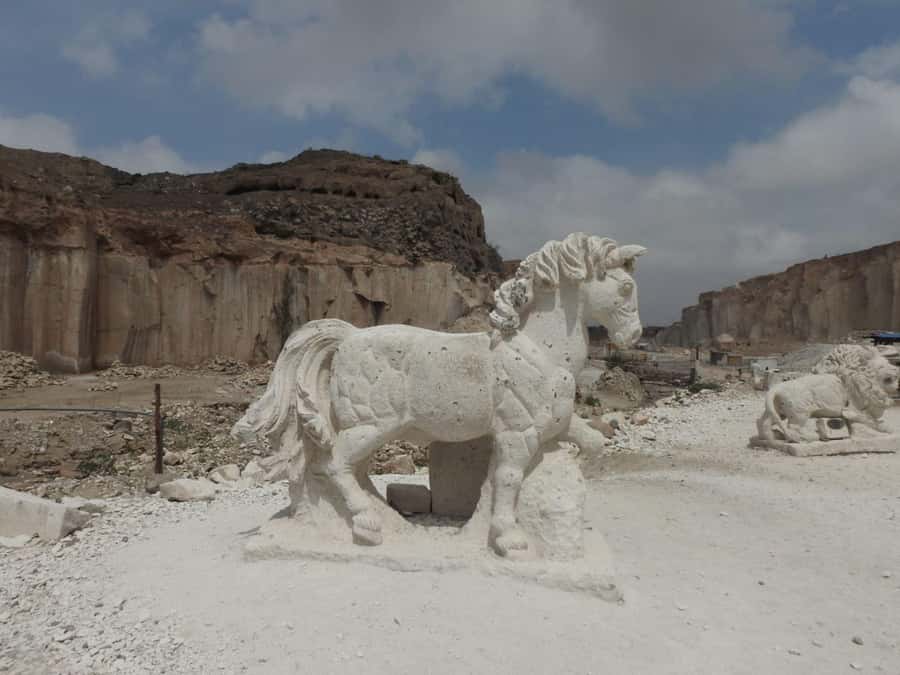
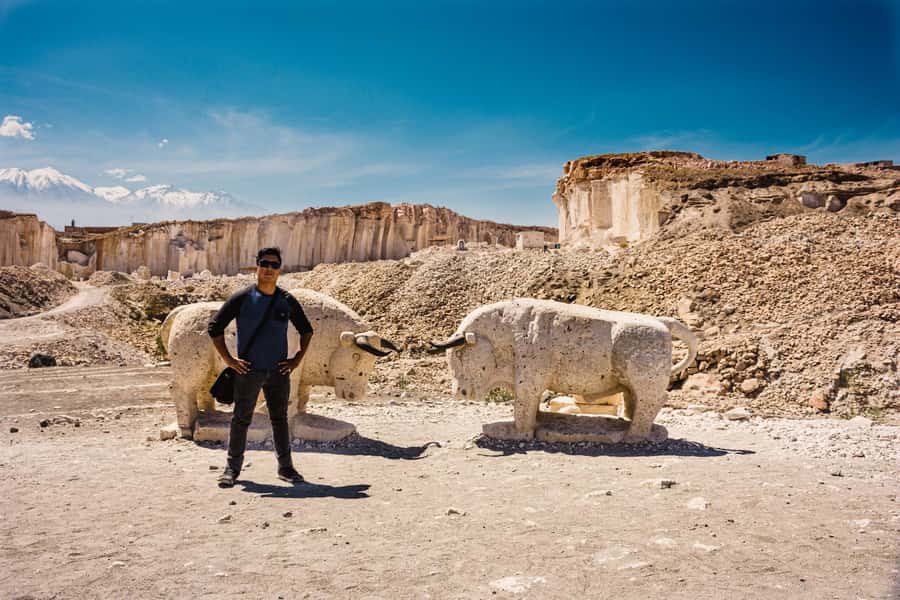
You’ll also see the highlight that lots of people talk about: a mega-carving of the Church of the Company of Jesus made by the stonemasons themselves. It’s an instantly recognizable subject, but the effect comes from scale and the fact that the carving is part of the craftsmen’s world, not just something dropped in for tourists.
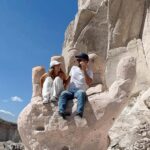
One of the most memorable parts—if you like active learning—is that the guide can arrange for you to experiment by cutting one of the stone blocks yourself. It’s not described as complicated, but it does shift the experience from watching to doing. For me, that’s the difference between seeing stone and understanding stonework.
Inside the quarry canyon: what to notice on the hike
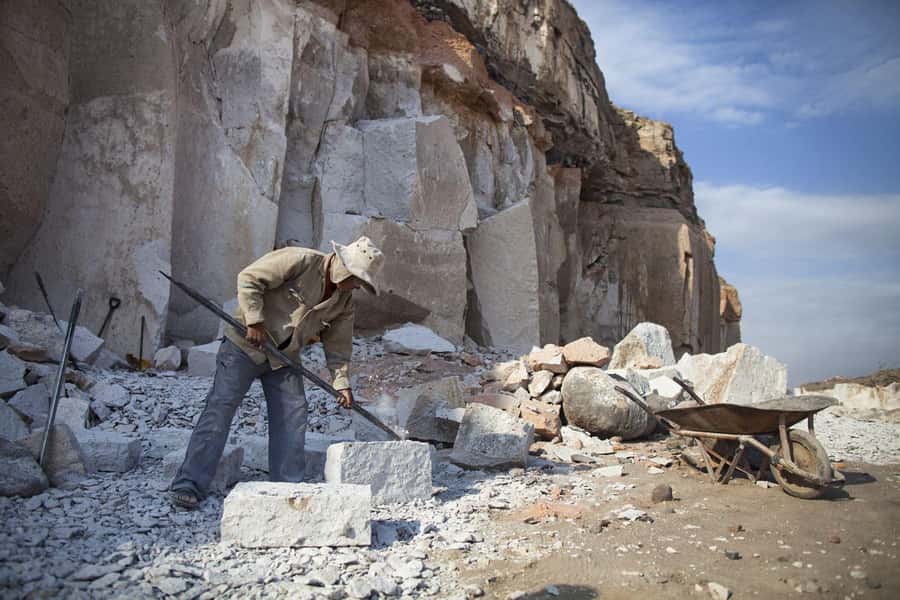
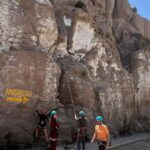
The walk inside the quarry area is where you’ll really understand how extraction reshapes the land. You’ll be looking at the immense canyon with cliffs, formed by the process of producing sillar. The walls create a natural sense of depth, and the quarry’s geometry tells you how stone removal changes the site over time.
If you’re the type who reads patterns in places, focus on:
- The thickness and texture of the cliff faces
- How quarry lines and open spaces change the shape of what’s left
- How the work area and visitor areas connect
Even if you’re not a geology nerd (no judgment), your eyes start to connect the dots between stone color, volcanic origin, and the pale buildings you’ve seen in Arequipa.
Quebrada de Culebrillas: the canyon walk that slows things down
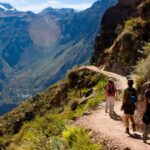
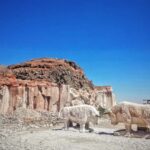
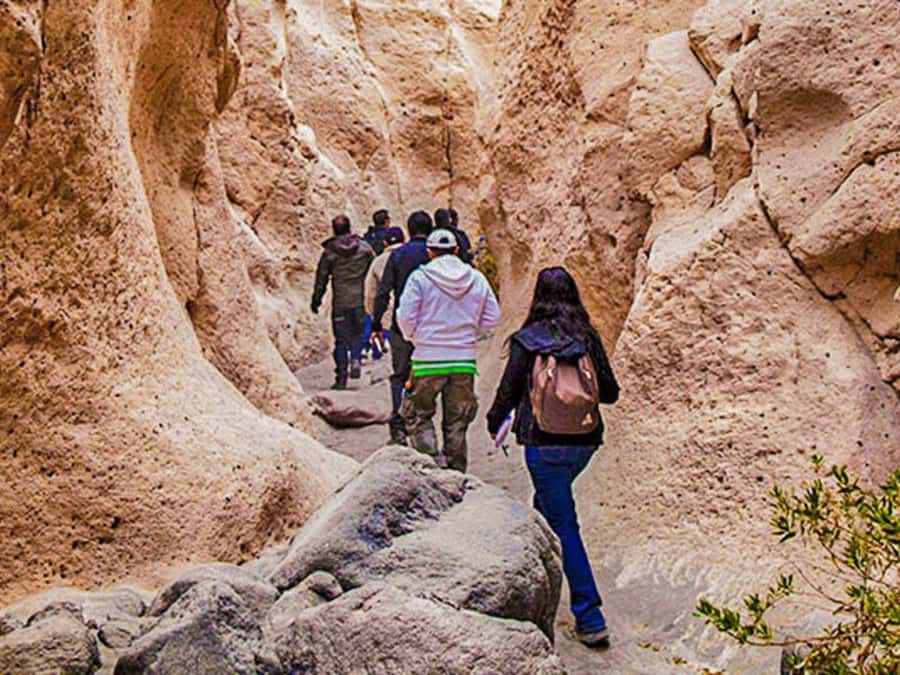
After Añashuayco, you move on to Quebrada de Culebrillas, with another round of transport and a short break time along the way. At the canyon, you’ll walk for about 20–30 minutes inside the small canyon formed by the passage of water.
This stop is a nice contrast. The quarry is all about human extraction and big vertical walls. Culebrillas feels smaller and more intimate, like the land is telling its own story with water erosion instead of tools. If you want a moment that feels calmer than the quarry, this is it.
Because the canyon is described as small, you don’t need to expect an extreme trek. You do want to bring shoes with enough grip for uneven ground, and you’ll be happier if you pace yourself instead of trying to sprint through for photos.

The pacing: how long the day really feels
The total duration is about 270 minutes (4.5 hours), which is a short, efficient day for a trek that includes viewpoints plus two walking segments. You’re also using a van between points, so the day has a rhythm: drive, pause, walk, drive, walk, wrap up.
That said, pacing can swing from great to rushed depending on the group and the guide. One review noted the sculptures were impressive but the tour moved on quickly, which is a hint for your planning: if you’re the type who likes to linger, arrive ready to absorb, not to over-analyze every minute. I’d rather you leave wanting more than leave exhausted.
Price and value: what $13 buys you (and what it doesn’t)
At around $13 per person, this tour is priced like a practical half-day outing with transport and a professional guide. That’s a good deal for what you get: quarry access experience, guided explanations, and canyon walking, all stitched together with van transfers.
Two costs to keep in mind:
- Entrance/ticket fees are not included (listed as 10 soles for places)
- You should plan on spending extra time and money only if you add the Chivay hot springs idea afterward
For value, the big question is whether you care about the sillar-making story. If that’s your thing, you’re paying for a real connection to Arequipa’s stone industry, plus viewpoints and a canyon walk. If you only want the prettiest scenery with no craft component, you might feel like you could find a cheaper photo-only alternative. But even then, the mega-carving and working quarry aspect are hard to beat at this price.
What to expect from the guide experience
The guide is a core part of the day here. One recent booking praised an enthusiastic, upbeat guide, and that energy matters because the stops are packed into a short window. Explanations about ashlar production and the use of the stone aren’t just trivia—they make the quarry walls and carved forms much more meaningful.
At the same time, not every review was glowing. One booking raised a serious concern about guide conduct. I can’t predict how your guide will be, but you should treat the tour like a guided service you should feel comfortable with in real time: if the atmosphere feels off, you can ask basic questions and make sure you understand timing and next steps.
Where the tour starts and finishes
You meet at the main office at the corner of C. Álvarez Thomas 115 (coordinates provided for the area). The tour ends in Av. La Marina, Arequipa. This matters if you’re planning dinner or another activity the same day—give yourself a little buffer, especially since traffic can affect the schedule.
Pair it with Chivay hot springs after your trek
The highlight list strongly suggests pairing the trek with a relaxing soak in the hot springs of Chivay afterward. Even if you don’t do it immediately, the concept makes sense: you’ve got walking segments and quarry time, and a hot-springs finish is a classic recovery move.
I’d treat it as an add-on plan rather than something guaranteed by the tour itself, unless your confirmation message says otherwise. Either way, it’s a solid way to turn a half-day trek into a full Arequipa-region experience.
Should you book this trek?
Book it if you want:
- A hands-on, craft-connected Sillar Route experience
- The standout photo moment of the Church of the Company of Jesus mega-carving
- A balanced mix of viewpoints, quarry walking, and the Culebrillas canyon
Skip it or think twice if:
- You hate any schedule pressure. The day is efficient, and at least one review felt the tour moved on too quickly
- You’re highly sensitive to transportation delays. One booking specifically mentioned traffic making the drive to the quarry longer than expected
- You’re only here for pure scenery and would rather do a slower, less structured outing
If your goal is to understand why Arequipa looks the way it looks—stone to building, quarry to architecture—this trek is a strong value.
FAQ
How long is the trek on the Sillar Route and Culebrillas?
The total duration is 270 minutes (about 4.5 hours).
What does the tour cost, and are entrance tickets included?
The tour price is $13 per person. Tickets/entrance to the places are not included and are listed as 10 soles.
Where do I meet for the tour?
You meet at C. Álvarez Thomas 115, at the main office where your name is checked on the list.
What’s included in the price?
The tour includes touristic transport and a professional guide.
Will I be able to understand the guide if I only speak English or Spanish?
Yes. The guide works in English and Spanish.
Is there walking on this tour?
Yes. You’ll have hiking time at Añashuayco Quarry (about 1 hour) and a canyon walk at Quebrada de Culebrillas (about 20–30 minutes), plus short breaks and photo stops. Comfortable shoes help.