REVIEW · PUNO
Puno: History and Culture Walking Tour
Book on GetYourGuide →Operated by Lago del Cielo Sociedad Anonima Cerrada · Bookable on GetYourGuide
Two hours in Puno shows the city’s soul. This compact walk stitches together Lake Titicaca views and key cultural stops, with a bilingual guide keeping everything clear as you move from plaza to museum.
I especially like the start at Huajsapata Lookout, because it gives you the big-picture view of the city against Lake Titicaca. I also like the mix of architecture and artifacts: the Cathedral of Puno shows the mestizo feel of local history, and the Carlos Dreyer Museum focuses on pre-Columbian objects.
One thing to consider: the Museum Dreyer entrance fee isn’t included (it’s 20 soles per person), so your total cost will be a bit higher if you plan to go in.
In This Review
- Key highlights to look for
- From Plaza de Armas to Huajsapata Lookout: the view that frames it all
- Huajsapata’s lesson: why first views matter in Puno
- The Cathedral of Puno: Baroque Spanish meets Andean identity
- Carlos Dreyer Museum: pre-Columbian artifacts you can actually recognize
- How the bilingual guide changes the whole experience
- Price and value: what $20 buys you (and what it doesn’t)
- Pacing and logistics for a smooth 2-hour walk
- Who should book this Puno history and culture walking tour?
- Should you book it?
- FAQ
- How long is the Puno History and Culture Walking Tour?
- How much does the tour cost?
- Where do I meet the tour?
- What’s included in the price?
- Is the Museum Dreyer entrance fee included?
- What languages are available?
- How big is the group?
- What do I need to bring?
- Is it okay to bring luggage?
- Is it suitable for young children?
Key highlights to look for
- Huajsapata Lookout for panoramic city-and-lake views
- Manco Capac monument for a quick historical anchor
- Cathedral of Puno where Baroque Spanish meets Andean design
- Carlos Dreyer Museum with pre-Columbian jewelry, ceramics, and textiles
- Small group size (up to 10) for easier questions and pacing
- Bilingual guide (Spanish/English) for a smoother, less guessy experience
From Plaza de Armas to Huajsapata Lookout: the view that frames it all
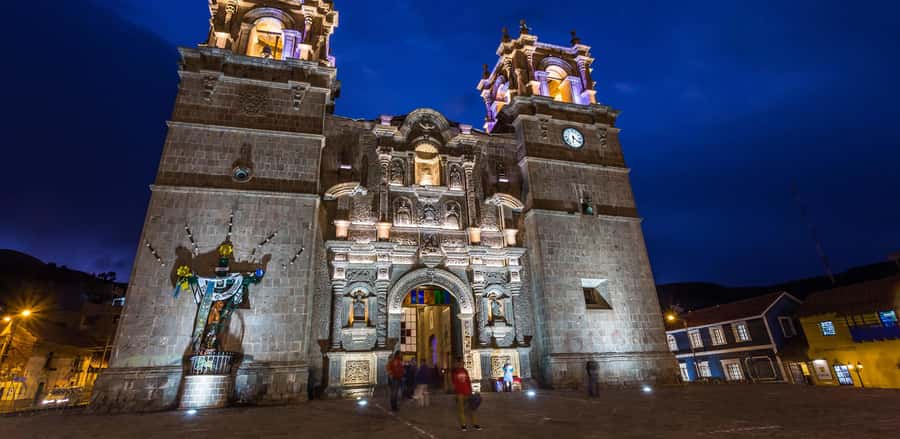
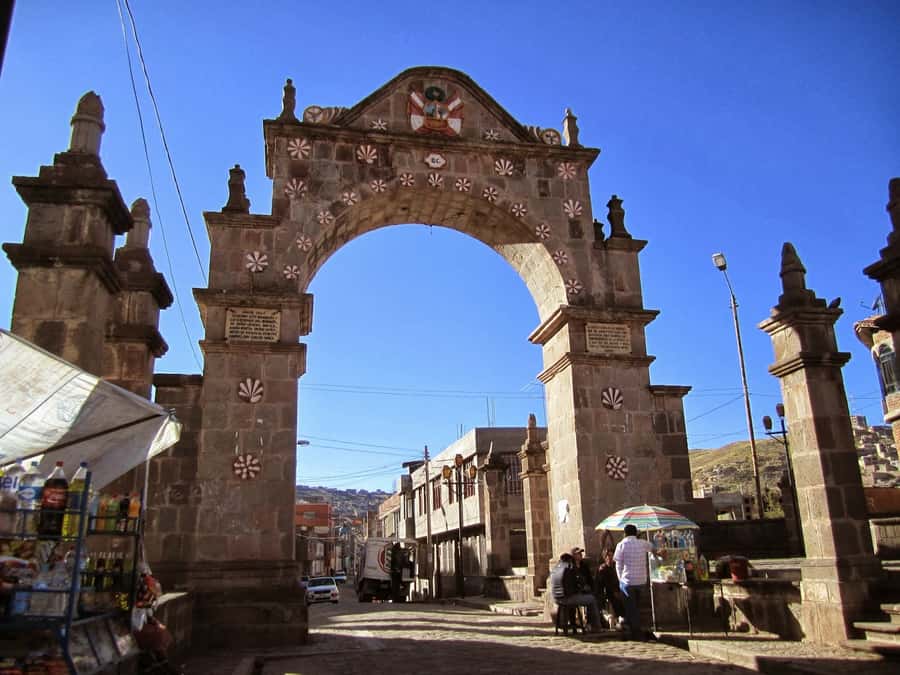
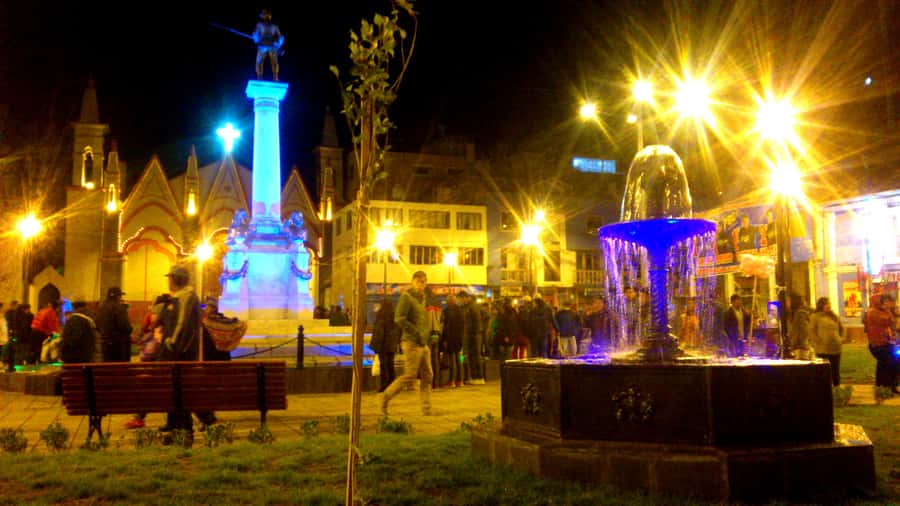
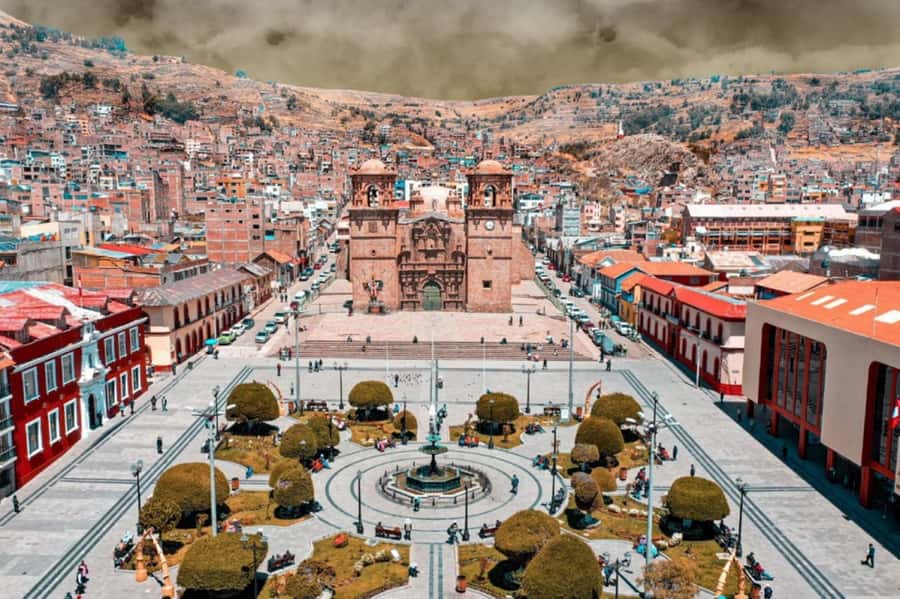
The tour begins where most people find Puno’s pulse: Plaza de Armas of Puno. Meeting here makes sense because you can orient fast—this is the kind of location that helps the rest of the walk feel like a guided route instead of a wandering circuit.
First up is Huajsapata Lookout. This stop is all about orientation. You get panoramic views of Puno and Lake Titicaca, which helps you understand why the city matters beyond its streets. Once you’ve seen the city laid out against the lake, the later stops feel more connected—like you’re moving through one big story, not hopping between disconnected sights.
While you’re at the lookout, you’ll also see a monument dedicated to Manco Capac, the founder of the Incan Empire. It’s not a long detour, but it adds a historical “bookmark” right in the middle of the scenic part of the tour. If you like getting context early, this is the right move.
You can also read our reviews of more tours and experiences in Puno.

Huajsapata’s lesson: why first views matter in Puno
A good walking tour doesn’t just show you where to look. It teaches you what to notice. Starting with Huajsapata does that by giving you a clear visual reference point before you head into buildings and museum rooms.
In practical terms, this is helpful if you’re only in Puno for a short time. When you later see the Cathedral or the museum’s collections, you’ll likely understand the relevance faster because you already grasp the city’s shape and its relationship to Lake Titicaca.
And because the guide is there, you can ask questions instead of guessing at symbolism or local meaning. One guide named Samuel has strong marks for answering questions and covering the important sights, which is exactly what you want when you’re trying to connect dots in a short window.
The Cathedral of Puno: Baroque Spanish meets Andean identity
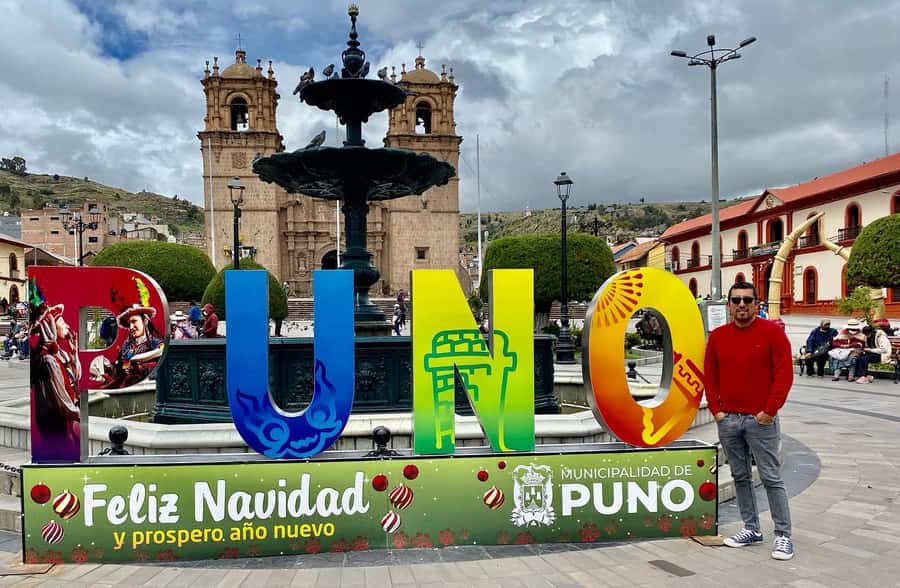
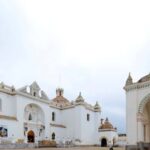
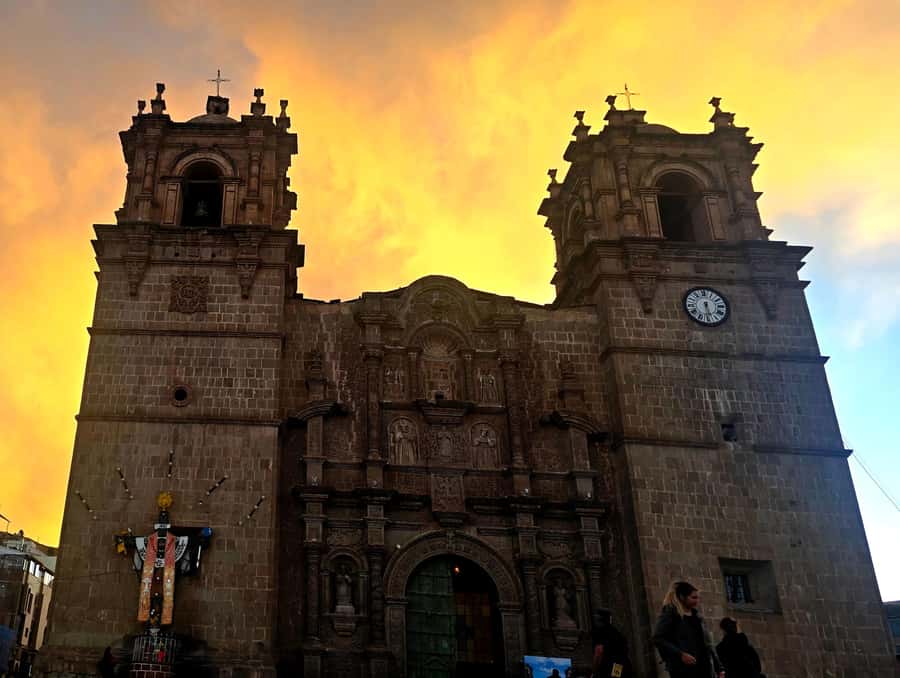
After the lookout, the walk moves to one of Puno’s signature buildings: the 18th-century Cathedral of Puno. This stop is one of those “look closely” experiences, because the Cathedral isn’t just a big old church. It’s a visible mix of influences.
The Cathedral’s style blends Baroque Spanish architecture with indigenous Andean elements. That combination is the key point. It reflects the region’s mestizo character—the way different cultures overlap in real, physical places, not just in textbooks. If you enjoy architecture that shows history in details, this is a strong stop for a short tour.
What you’re really doing here is learning to read the building. A bilingual guide helps you move past vague impressions and toward specific observations. You’ll be able to name what you’re seeing and why it matters, instead of just taking photos and hoping someone explains it later.
Carlos Dreyer Museum: pre-Columbian artifacts you can actually recognize
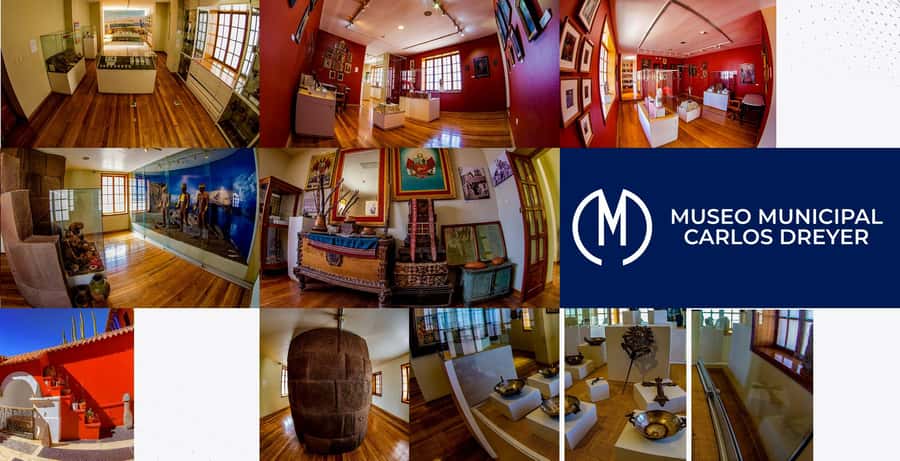
The last major stop is the Carlos Dreyer Museum. This is where the tour turns from “city and architecture” into “objects and craft.” The museum visit focuses on Puno’s early cultural roots through an impressive collection of pre-Columbian jewelry, ceramics, and textiles.
This is valuable for two reasons. First, it gives you something concrete to look at after seeing buildings. Second, textiles and jewelry often communicate design choices—patterns, materials, and techniques—that you can keep connecting back to what you see in daily life around the city.
There’s also a practical note: Museum Dreyer entrance fees are not included, and the cost is listed as 20 soles per person. So if you want the full experience—including that museum time—plan for that extra payment.
How the bilingual guide changes the whole experience
This tour is built around a guide who speaks Spanish and English, and the group stays small, limited to 10 participants. That matters more than it sounds. In two hours, you want someone who can keep momentum without rushing, and who can answer the questions that naturally pop up when you’re looking at different cultural layers.
The most consistent praise tied to the guide is coverage plus Q&A. People describe a guide who goes through the important sights and has answers when questions come up. That’s a real quality marker for a walking tour, because your understanding depends on what gets explained on the move.
One extra detail worth noting: if you’re the type who likes to be able to ask, this setup makes it easier. Small groups often mean you’re not shouting over a crowd, and you can actually hear the explanations you’re paying for.

Price and value: what $20 buys you (and what it doesn’t)
The tour price is $20 per person for a 2-hour guided walking experience. Included is a Spanish and English-speaking guide. The museum entrance fee (Museum Dreyer) is 20 soles per person and is not included.
So is it good value? For many people, yes—especially if you’re short on time and want a guided route that hits multiple major stops without you planning every step. The guide component is doing real work: helping you connect Huajsapata’s panoramic context, the Cathedral’s architectural blend, and the museum’s object-focused perspective.
The only real “gotcha” is the museum fee. But once you account for it, you’re basically paying for a guided walk plus museum access. If you’re not interested in museum time, you’ll want to reconsider whether this specific tour format fits your priorities.
Pacing and logistics for a smooth 2-hour walk
This activity is designed to run for about 2 hours, and it ends back at the starting point. That’s helpful because you don’t have to figure out your next step right after the tour—your trip stays simple.
It’s also a walking tour with a rule on belongings: no luggage or large bags. That’s the kind of detail that can trip people up, especially if you’re moving between hotels and tours. Pack light enough for a short city walk, and you’ll avoid stress.
Plan to bring a passport or ID card, since it’s listed as required. Small things like that save time at check-in.
Finally, it’s not listed as suitable for young kids: children under 5 years are not suitable. If you’re traveling as a family, this is worth checking early so you’re not stuck making alternate plans.
Who should book this Puno history and culture walking tour?
This tour fits best if you want a guided route that combines major sights in a short amount of time. I’d point you toward it if you like:
- City views plus cultural context in one outing
- Architecture that has clear cultural blending (like the Cathedral’s Spanish and Andean mix)
- A museum stop with tangible artifacts (jewelry, ceramics, textiles)
It may not be ideal if you’re hoping for a longer, slower experience with lots of free wandering. The format is tight: start at Plaza de Armas, go through the key stops, and finish back at the meeting point within two hours.
Should you book it?
If you’re in Puno for limited time and you want someone to connect the dots between Huajsapata’s viewpoints, the Cathedral of Puno, and Carlos Dreyer Museum artifacts, I think it’s a smart booking. The small group size and bilingual guide are the biggest reasons, since your questions and your understanding both matter in a two-hour window.
Just be sure you’re comfortable paying the Museum Dreyer entrance fee on top of the $20 tour price. If you budget that, you’ll likely feel you got exactly what the tour promises: a focused history and culture walk through Puno’s most meaningful sights.
FAQ
How long is the Puno History and Culture Walking Tour?
It lasts 2 hours.
How much does the tour cost?
The price is $20 per person.
Where do I meet the tour?
Meet at Plaza de Armas of Puno (also listed as Plaza Mayor de Puno).
What’s included in the price?
The tour includes a Spanish and English-speaking guide.
Is the Museum Dreyer entrance fee included?
No. Museum Dreyer entrance fees are not included and are 20 soles per person.
What languages are available?
The guide speaks Spanish and English.
How big is the group?
It’s a small group limited to 10 participants.
What do I need to bring?
Bring a passport or ID card.
Is it okay to bring luggage?
No. Luggage or large bags are not allowed.
Is it suitable for young children?
It’s not suitable for children under 5 years.