REVIEW · CUSCO
Maras Moray Sacred Valley Tour from Cusco
Book on GetYourGuide →Operated by Peru Andes Top · Bookable on GetYourGuide
A morning drive out of Cusco turns into a real sense of place fast. You’ll see Moray’s Inca ruins and learn how the terraces were used, then head to Maras Salineras to watch salt-making happen in working pools beneath dramatic mountain backdrops. I especially like how the timing packs a lot in without feeling like a sprint, and I also like the guide’s clear, practical explanations. One possible drawback: if you prefer only stone ruins and salt, you may find that any short craft/teaching stop takes up time you’d rather spend looking longer.
This is a 5-hour tour with pickup from hotels in Cusco’s historic center, guided in English or Spanish by a professional team (Peru Andes Top). The value is strong for the price because you get transportation plus a guide for the day’s main “wow” locations, and the Salineras salt area has the kind of visuals that don’t need a fancy script. Still, plan for extra costs for entrance/tourist tickets and bring the right gear—this area can feel chilly and change fast with weather.
In This Review
- Key things I’d focus on
- Getting to the Sacred Valley: the easy Cusco start
- Moray: Inca terraces you can actually make sense of
- Maras Salineras: watching salt extraction shaped by nature
- How the 5-hour format holds together
- Price and tickets: what the $17 gets you
- What to bring (and why it matters for Moray and Salineras)
- Who should book this Moras-and-Salt day
- Should you book the Maras Moray Sacred Valley Tour from Cusco?
- FAQ
- How long is the Maras Moray Sacred Valley Tour from Cusco?
- What’s included in the price?
- Do I need tickets for Moray and the Salineras salt mine?
- What languages are the guides?
- What should I bring for the day?
- Where does the pickup happen in Cusco?
Key things I’d focus on
- Moray first: you’ll get context from the guide before you move on to the salt terraces
- Salineras salt extraction: you’ll see how evaporation pulls salt from a salty underground stream
- Guided explanation: English-speaking guidance makes the Incas feel understandable, not mysterious
- Tight but not frantic: a 5-hour format suits people who want highlights without a full day out
- Bring weather gear: warm layers and a waterproof layer matter more than you think
Getting to the Sacred Valley: the easy Cusco start
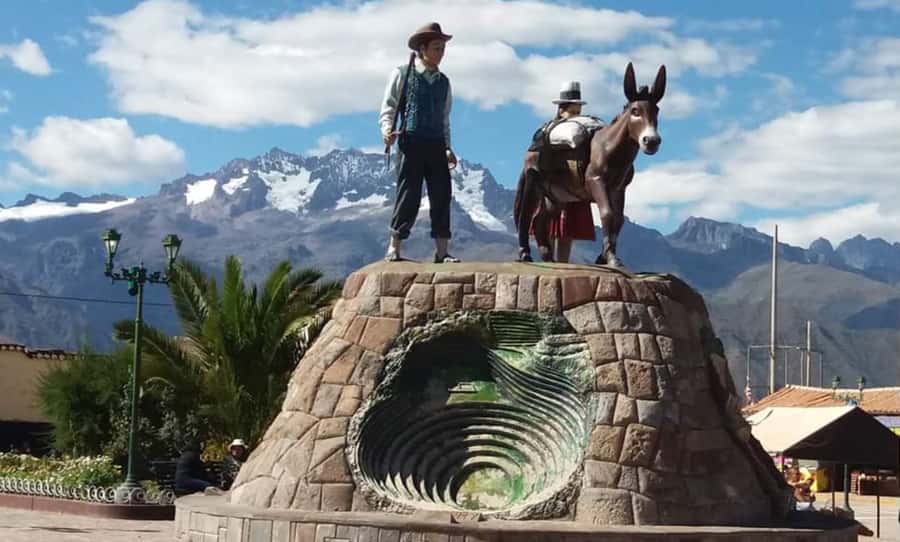
The day starts with pickup right from the hotel zone you’re most likely to be staying in—Cusco’s historic center. Staff will meet you holding a sign with your name, which saves time when you’re still half-awake (and helps if your Spanish is still warming up).
Once you’re loaded into the vehicle, the trip to the Sacred Valley area becomes part of the experience. Even before you arrive, the terrain starts giving you clues about why these sites worked the way they did—steep valleys, high viewpoints, and a climate that’s different from central Cusco. This matters because Moray and Maras aren’t just “places to take photos.” They’re both about how people used the land.
If you’re prone to getting cold easily, dress for it. The tour recommends long pants and warm clothing, plus a waterproof jacket or raincoat, and that advice is worth listening to. Sun is strong in Peru, but weather can still swing.
You can also read our reviews of more tours and experiences in Cusco.


Moray: Inca terraces you can actually make sense of
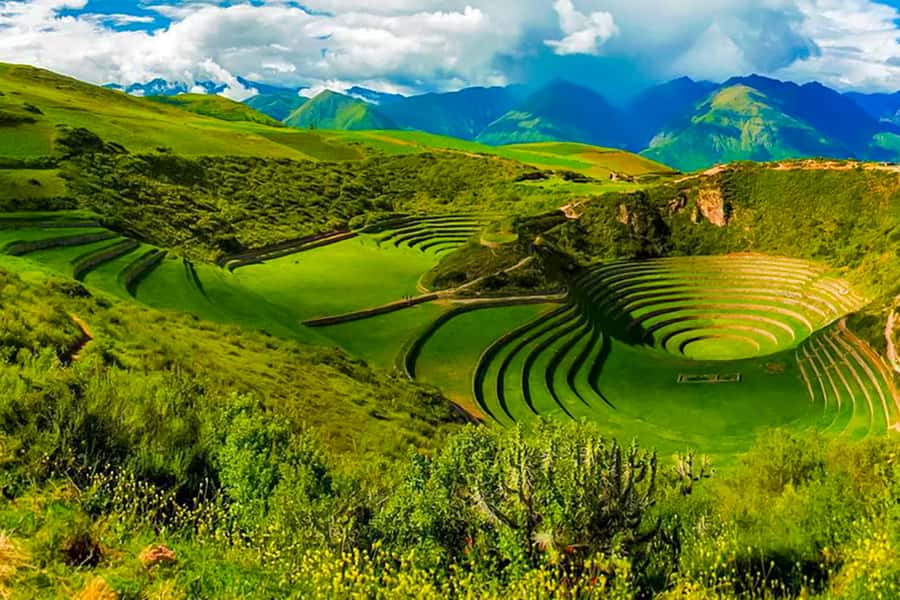
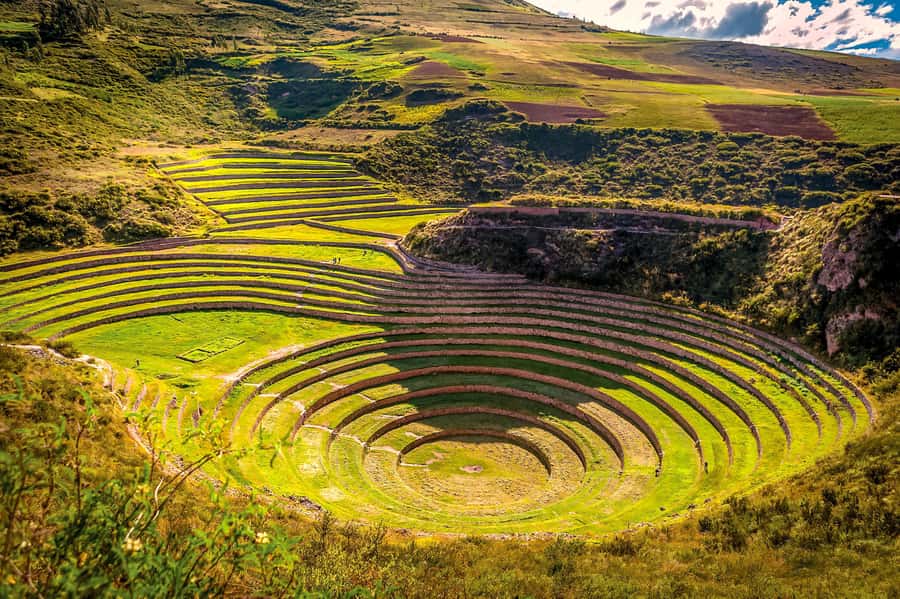
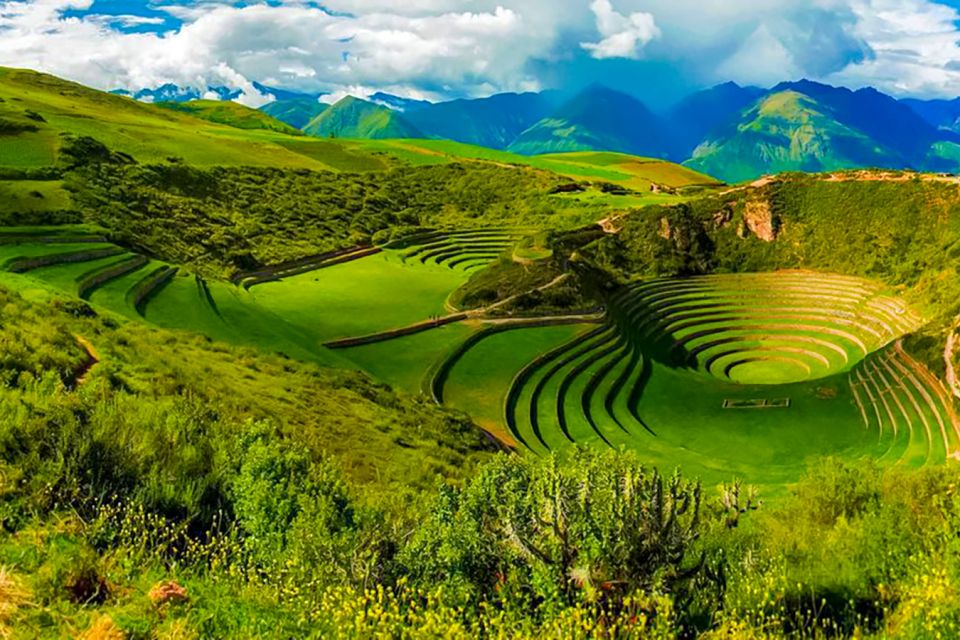
Moray is an archaeological park built around stepped, terraced shapes that immediately look intentional—like someone designed them with an outcome in mind. What you’ll like here is that the guide doesn’t just point at stone. They explain how the Incas worked this type of site, so you’re not left guessing why a bowl-like arrangement of terraces matters.
The experience is short enough that it stays energetic, but guided enough that it doesn’t feel like a drive-by stop. You’ll learn how Inca planning used structured spaces and how these terraces fit into the broader Sacred Valley story. In plain terms: Moray helps you understand that Inca engineering wasn’t only about temples. It was also about practical systems that supported food and life.
A practical consideration: wear solid shoes and keep your eyes on your footing. Moray is an outdoor site, and you’ll want to move comfortably between viewpoints and terrace areas without rushing your steps. If you want photos, take a moment to pause—conditions can change, and you’ll likely get better light just by timing your shots a bit.
Maras Salineras: watching salt extraction shaped by nature
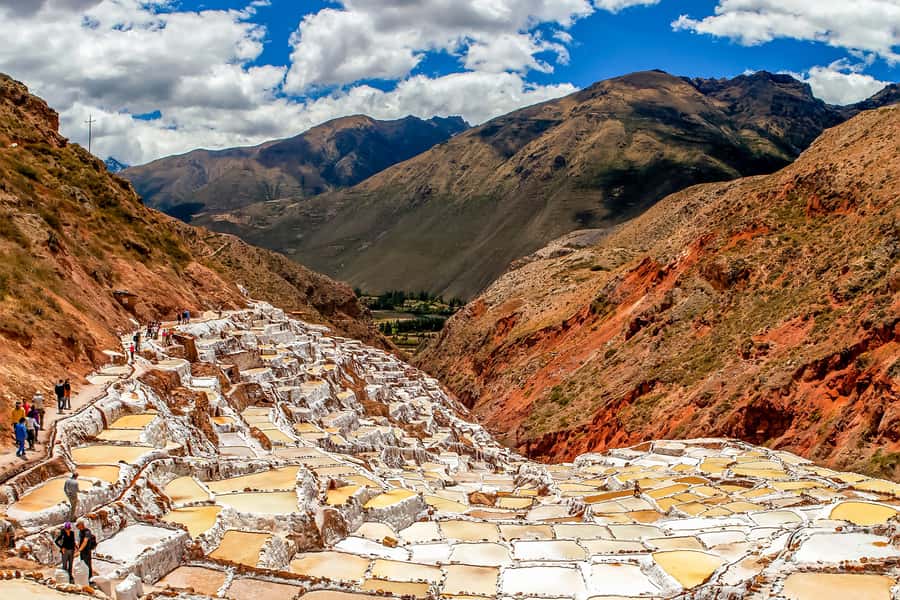
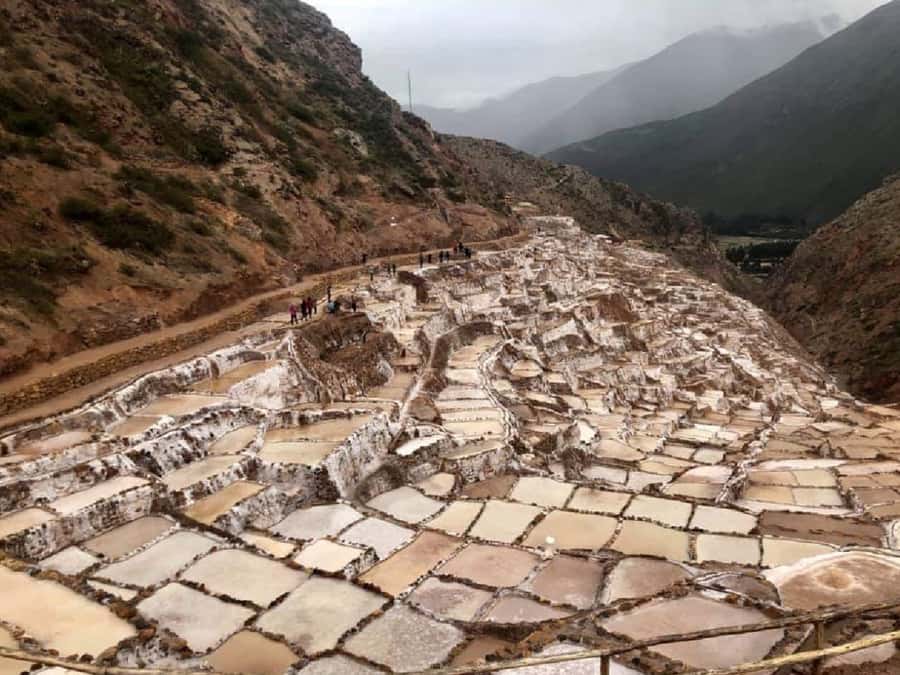
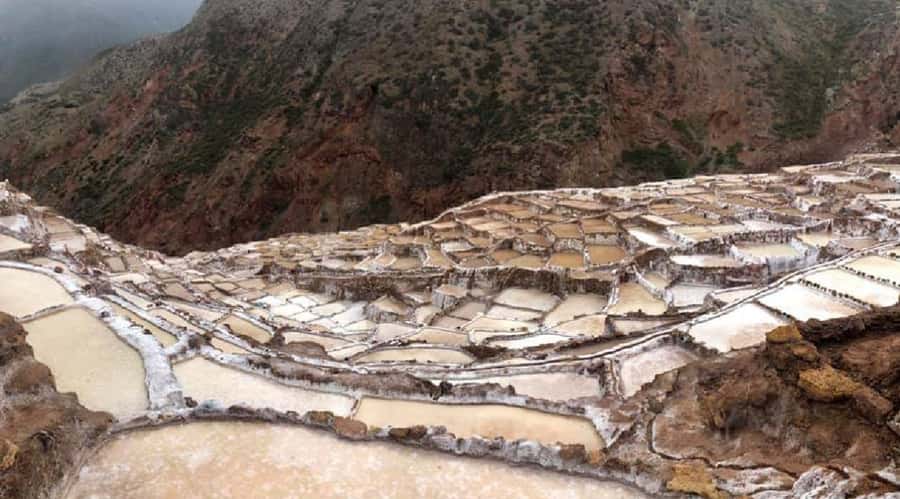
Then comes Maras Salineras, the salt terraces area that looks almost unreal the first time you see it. The core idea is simple: you’re looking at a collection of watered terraces where water—coming from a salty underground stream—flows into the pools. Over time, evaporation concentrates the salt, and you end up with salt embankments and reflective pools framed by the mountains.
This stop is where the tour often feels most alive, even though you’re standing still. You’re watching a natural process paired with human know-how. The terraces form a grid of color and texture that changes with light, and the scale is impressive without needing any imagination.
From a “how do I get the best experience?” angle, I’d plan to:
- Take a few minutes to walk to a better viewing angle before you spend a long time filming
- Bring your camera and sunscreen because the area can be bright and reflective
- Keep some patience for small crowds in narrow spots, because everyone wants the same views
The salt pools against the mountain backdrop are the kind of visual that stays interesting even after the first photo. If you’re the type who likes to understand how something works, the evaporation explanation is the difference between snapping pictures and actually feeling the mechanics of the place.
How the 5-hour format holds together
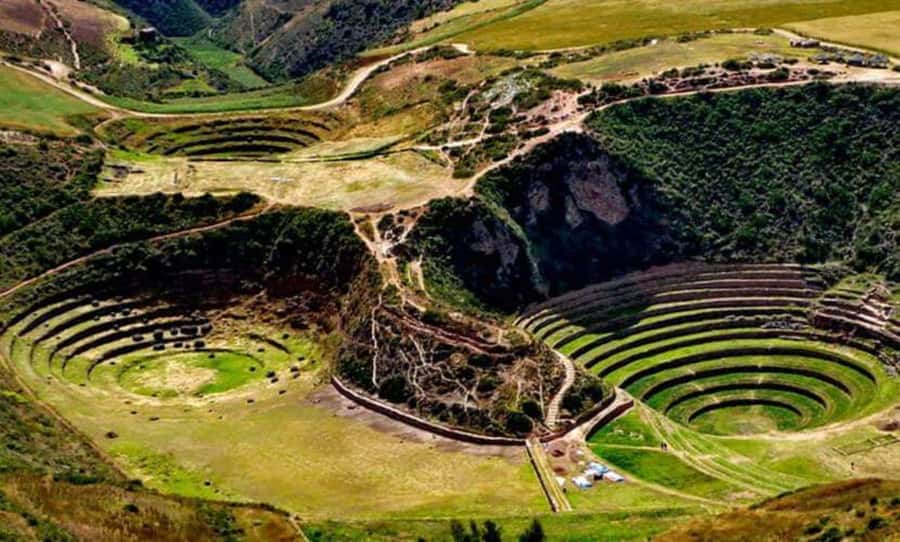
A lot of short tours fail at one thing: they stack stops without connecting them. This one works better because Moray and Maras share a theme even though they look very different. Moray shows Inca use of built terraces and purposeful planning. Maras shows nature doing its part—evaporation—while people harness the salty water and repeat the process.
That pairing is why the day doesn’t feel random. In a few hours you can go from stone terraces to salt production and still feel like you’re moving through one story: how humans managed challenging environments in the Andes.
Time-wise, you’re getting a meaningful taste of the Sacred Valley without spending an entire day away from Cusco. That makes it a great option when:
- You want highlights but don’t want an all-day grind
- Your schedule is tight (or you’re adjusting to altitude)
- You prefer guided context over reading alone
Price and tickets: what the $17 gets you
At $17 per person, this tour is positioned as a budget-friendly way to cover major Sacred Valley highlights with transportation and a professional guide. For many people, the “value” isn’t just the ticket price—it’s that you don’t have to coordinate transport, navigate connections, or figure out explanations on-site.
Still, you should budget for tickets that are not included:
- A tourist ticket (about $22 USD) is not included
- An entrance ticket to Salineras can be purchased on site for 10 PEN
- Lunch is not included
That means the real total depends on whether you already have the tourist ticket covered. If you don’t, plan to add that cost before you go. If you do have it, the remaining add-on at Salineras is relatively small and straightforward since it’s sold on site.
Also, the tour includes pickup and drop-off and transportation, which can be the hidden cost in Peru if you try to DIY this route. When you weigh time saved and guide time spent explaining the sites, $17 becomes easier to justify.



What to bring (and why it matters for Moray and Salineras)
The tour recommends long pants, warm clothing, sunscreen (30 SPF or greater), a sun hat, water, a camera, and a waterproof jacket or raincoat. I’d treat that list as a mini survival manual for this kind of day.
Here’s why each item helps:
- Long pants help with outdoor walking and uneven ground
- Warm layers matter because you’ll be outdoors for portions of the day and temperatures can drop
- Waterproof gear is about uncertainty—quick rain or mist is possible in mountain regions
- Sunscreen and a hat are essential because the sun can be strong, and salt/pool areas can be extra reflective
- Water prevents the “everything feels harder than it should” problem when you’re outside moving around
If you’re planning phone photos, bring a charging plan too. Cold can reduce battery life, and you’ll likely be snapping more than you expect.
Who should book this Moras-and-Salt day
This is a smart fit if you want high-impact highlights in a short window. I’d especially recommend it for:
- First-time visitors who want the Sacred Valley’s famous sites without committing to a full-day tour
- People who like guided context—someone explaining how the Incas worked at Moray is a major part of the payoff
- Travelers on a schedule who still want active scenery and a working salt process
It may not be ideal if you’re extremely slow-moving or want a long, unhurried pace for one site. With only 5 hours, you’ll be moving through the day, and you’ll have to choose what you prioritize for photos versus explanation.
One more note: some versions of this kind of tour may include a short stop related to local crafts or weaving. If that doesn’t interest you, keep your priorities clear and focus your time on Moray and the Salineras viewpoints.
Should you book the Maras Moray Sacred Valley Tour from Cusco?
If you’re trying to decide whether this is your “right kind of tour,” I’d book it if you want a guided morning/early day that combines Inca engineering at Moray with the working salt terraces at Maras Salineras. The guide-led explanation is a big part of the value, and the 5-hour format is ideal when you want to see more without turning your day into a long, exhausting expedition.
I wouldn’t book it as your only Sacred Valley experience if you want deep time at each site or you’re chasing the most extreme off-the-beaten-path details. But for most first visits, this is a practical, well-paced way to understand the theme of the region—people shaping life with both stone and nature.
FAQ
How long is the Maras Moray Sacred Valley Tour from Cusco?
It lasts 5 hours.
What’s included in the price?
The tour includes pickup and drop-off, transportation, and a professional guide.
Do I need tickets for Moray and the Salineras salt mine?
A tourist ticket (approximately $22 USD) is not included, and the entrance ticket to the Salineras Salt Mine is not included either. You can purchase the Salineras entrance ticket on site for 10 PEN.
What languages are the guides?
Live tour guidance is available in Spanish and English.
What should I bring for the day?
Bring long pants, warm clothing, a waterproof jacket or raincoat, sunscreen (30 SPF or greater), a sun hat, water, and a camera.
Where does the pickup happen in Cusco?
Pickup is available from hotels and accommodations within the historical center of Cusco, and staff will hold a sign with your name.