REVIEW · PUNO
From Puno: Uros floating islands half Day tour
Book on GetYourGuide →Operated by ADVENTURES BY BEETLE · Bookable on GetYourGuide
Totora floating islands sound like a story. Then you’re there, on Lake Titicaca, and it gets real fast. I love how this three-hour trip takes you from Puno into the daily world of the Uros, built on reeds that actually keep their islands afloat. The two things I like most are the chance to learn the Totora building method up close and the easy rhythm of the visit with a comfortable boat ride from Puno. One thing to keep in mind: the hotel pickup/return can feel a little chaotic, and you should expect to bring cash in case there are on-island purchase stops or add-ons.
You can choose either a 9:00 am or 12:00 pm pickup (for hotels in the historic center), and you’ll travel about 10 km to the Uros bay, roughly a 20-minute motorboat ride. The tour includes a Spanish/English live guide, and the pace is short enough that you won’t feel dragged, even if you’re coming off high-altitude fatigue. Still, it’s not suitable for wheelchair users, and it’s listed as not for people over 95 years—so check that before you commit.
In This Review
- Key Points Worth Planning For
- Getting to the Uros From Puno: Motorboat Time and Timing
- Totora Floating Islands: What Makes Them Work
- A Real-Life Visit on the Islands: Learning Without Losing Perspective
- The 3-Hour Rhythm: Why Half-Day Feels Just Right
- Price and Value: What $10 Really Buys You
- What to Bring (and What Not to Do) on Lake Titicaca
- Who This Tour Suits Best
- Should You Book This Uros Floating Islands Half-Day Tour?
- FAQ
- What is the duration of the Uros floating islands tour from Puno?
- When is hotel pickup available?
- How do you get from Puno to the Uros islands?
- What’s included in the price?
- Is the handmade boat ride included?
- What should I bring with me?
- Is the tour wheelchair accessible?
Key Points Worth Planning For
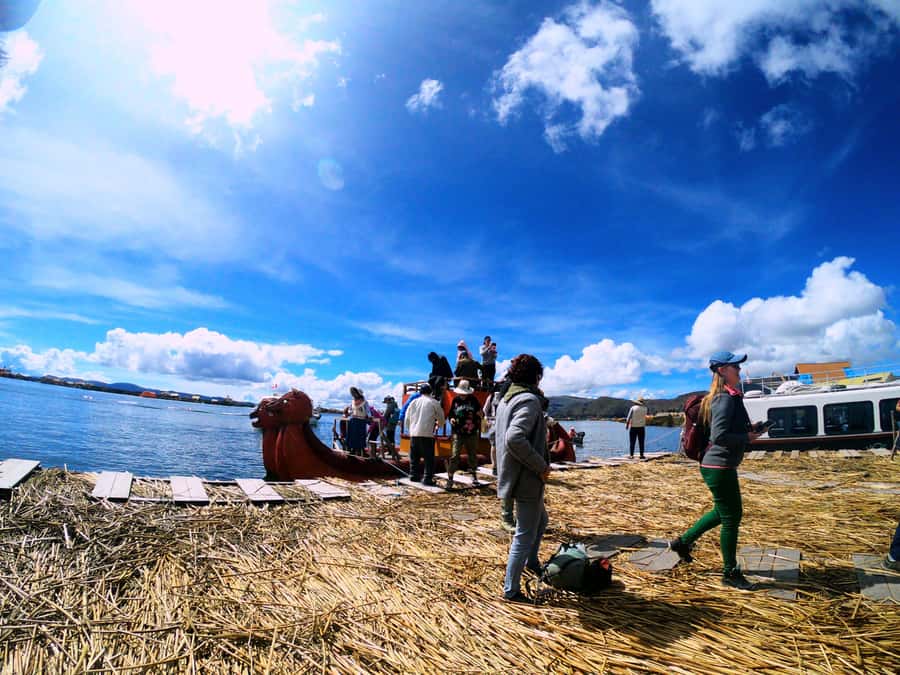
- Totora engineering you can see and touch: islands, houses, and rafts built from the same reed system that also feeds and fuels.
- A quick, comfortable ride from Puno: about 20 minutes by motorboat to reach the Uros bay area.
- Bilingual guide with practical context: Spanish/English explanations help the visit make sense instead of feeling like a photo stop.
- Three hours is the right length for most people: long enough to learn, short enough to avoid overstaying.
- Cash matters: plan on having money for optional purchases or experiences.
- It’s a short “window” into daily life: you may see both genuine daily rhythm and a tourism-focused performance side.
Getting to the Uros From Puno: Motorboat Time and Timing
This tour starts in Puno with hotel pickup at 9:00 am or 12:00 pm. The pickup is designed for hotels inside the historic center, and if your hotel is farther out, you’ll need to coordinate a meeting point. That detail matters because it can affect the whole experience—good tours run on smooth handoffs, and this one depends on getting you to the port on time.
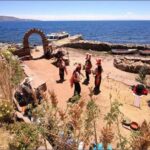
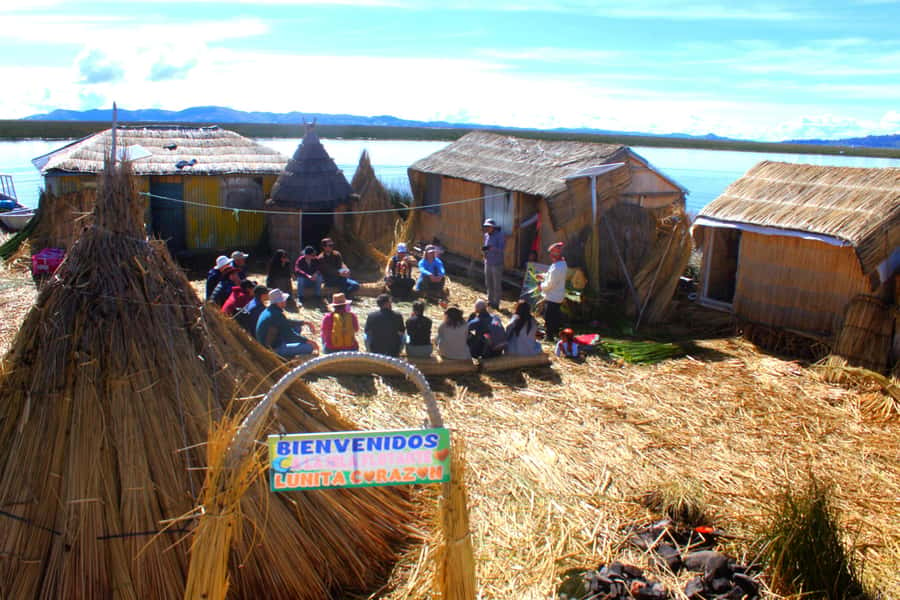
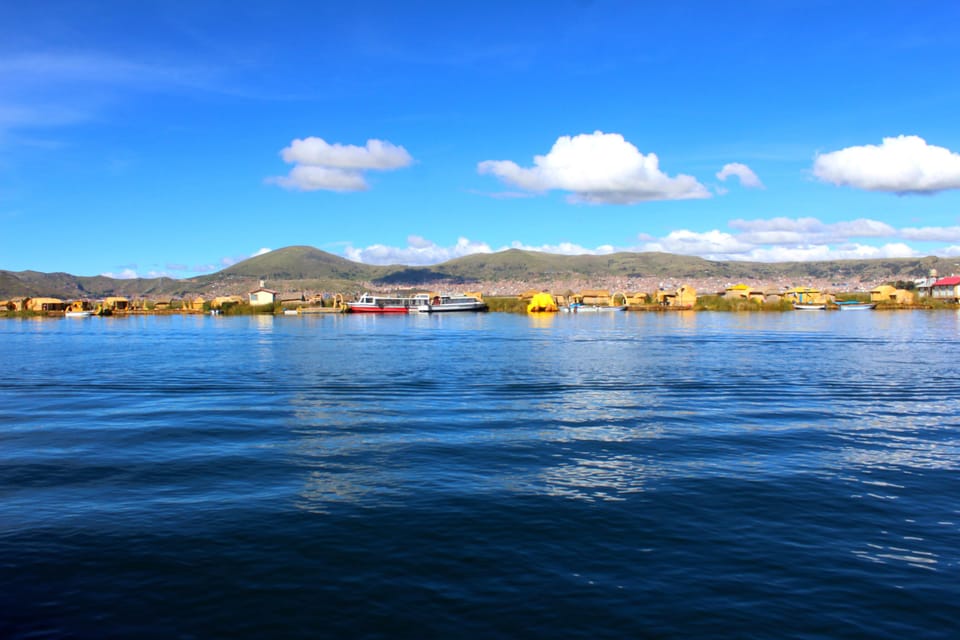
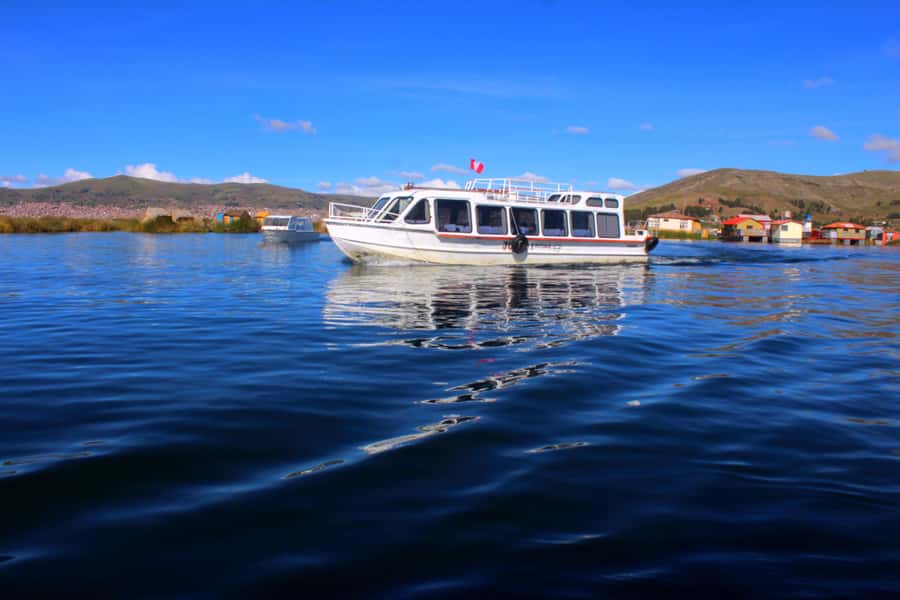
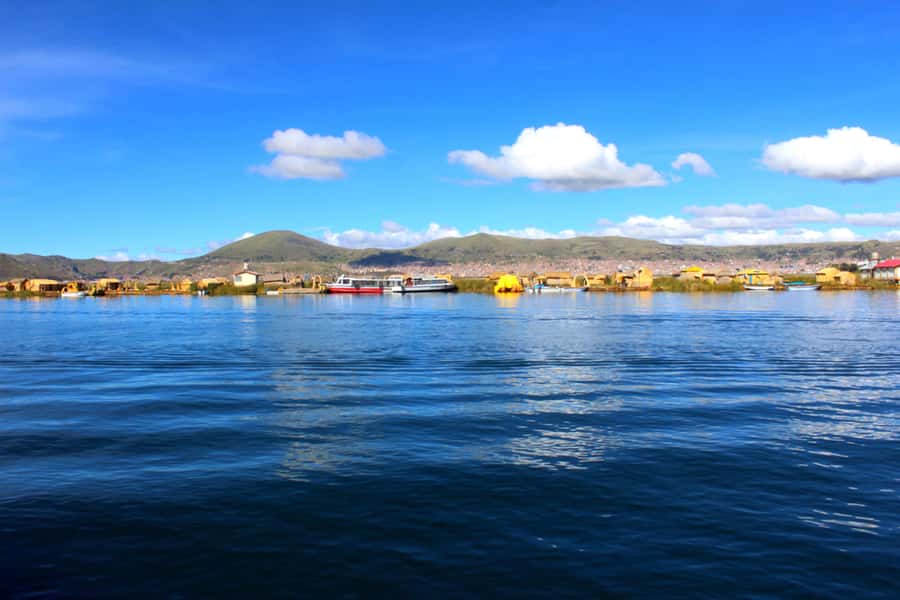
From Puno, you head to the bay area where the Uros floating islands are located. It’s about 10 km from the port of Puno, and the boat ride is around 20 minutes. The tour uses a motorboat, which is great when you’re on a schedule and the lake conditions change your mood. You get movement, views, and that Lake Titicaca sense of scale without committing to a long, exhausting water trip.
Once you’re out on the water, you’re looking at a different kind of geography. Lake Titicaca isn’t just scenic here—it’s part of the construction system. The floating islands aren’t floating because of magic; they float because of how the Totora material behaves in water over time. That means the boat ride is not just transit. It sets up the main idea of the visit.
The overall duration is about 3 hours, including time on the islands and the return transfer to your hotel. That short timeframe is one of the reasons this tour works. You get the main experience without turning your day into a half-day project.
You can also read our reviews of more tours and experiences in Puno.



Totora Floating Islands: What Makes Them Work
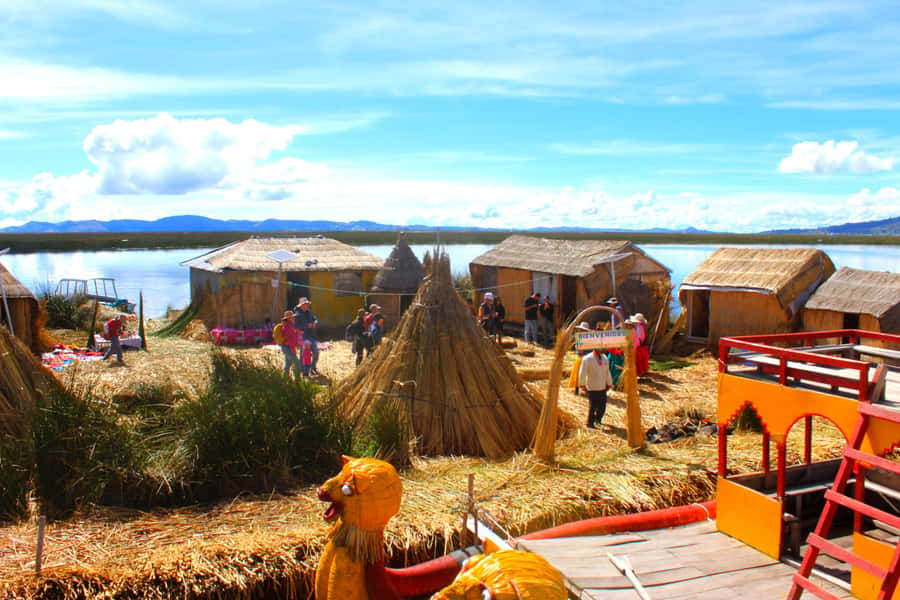
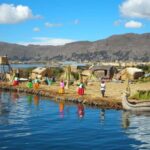
The Uros are often described as ancient, and the key practical detail is their relationship with the Totora reed. This group historically relied on fishing and bird hunting, and they depended almost completely on what grew in the lake. Totora wasn’t just a building material. It was also used as food and fuel.
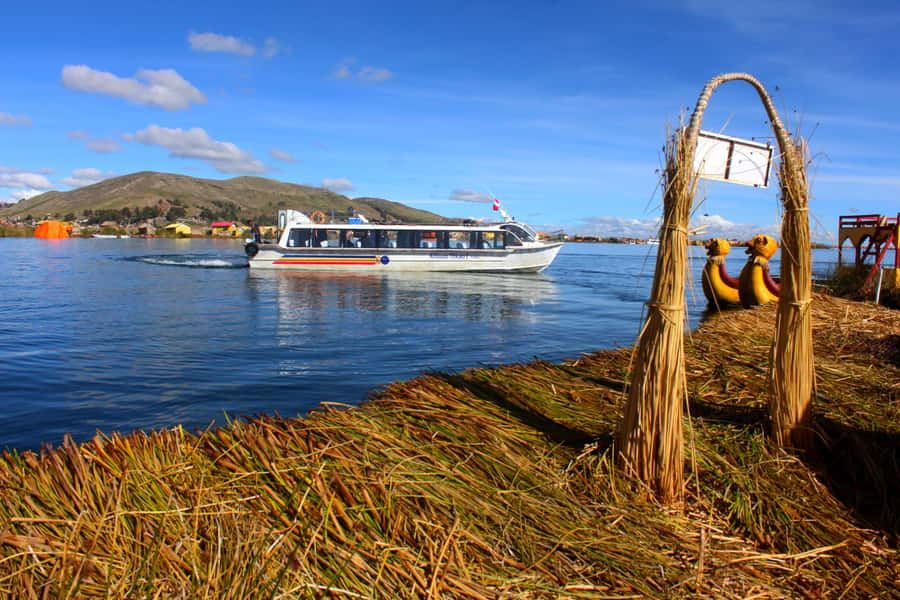
Here’s what you’ll learn (and what makes the visit genuinely interesting): the islands are constructed using large blocks of Totora roots. Those blocks can float because of the porosity of the material and gases produced during decomposition. In plain terms, the reeds act like a natural flotation system. No heavy engineering, no concrete. Just smart use of what the lake already provides.
On top of those root blocks, the inhabitants place a layer of reeds. This top layer needs maintenance. It must be replaced about every 20 days, and the islands are anchored with sticks. That detail is easy to miss if you treat the islands like a quick photo stop. But once you understand the upkeep rhythm, the floating island becomes more like a living construction than a fixed attraction.
This is also where your guide helps the most. A good explanation turns a visual into understanding: you start noticing construction differences, you understand why maintenance matters, and you realize the islands are not permanent in the way stone structures are. If you ask simple questions about how they keep things going, you’ll usually get far more out of your visit than just watching boats drift and posing for pictures.
I also like that the tour helps you connect the biology to the culture. You’re not only seeing a spectacle; you’re learning the logic behind it.
A Real-Life Visit on the Islands: Learning Without Losing Perspective
The heart of this tour is meeting the Uros people and learning how they live. The experience is described as an opportunity to get to know their ancient society, with a Spanish/English guide explaining daily life and the island-building process.
One of the best parts is the chance at conversation and explanation. In particular, the experience can include a more personal, human side—some descriptions highlight the convivencia and the way life and building are explained through direct interaction. That matters because the Uros aren’t just a viewpoint. They’re a community with routines and priorities shaped by their environment.
That said, I’m glad the tour has a short, guided structure. It helps prevent the visit from turning into pure consumption. But you should also be prepared for a reality check: when a place becomes a regular tourist stop, the atmosphere can feel staged at times. Some people feel sympathy when they sense the visit is functioning like a show. Others focus more on the education and the clarity of the explanation. You’ll have your own read in the moment, and it helps to keep your expectations flexible.
What’s consistently valuable is the guide’s role. When your guide gives context about the lake, the area, and the people, the experience becomes about meaning—not just watching crafts and listening to a script. Even with a shorter tour length, a good guide can help you connect what you see with how it works.
If you want the most out of this kind of visit, keep your questions grounded. Ask about the reed layers. Ask how often they need replacing. Ask what the lake provides day to day. You’ll get more useful answers than if you only ask for photo poses.
The 3-Hour Rhythm: Why Half-Day Feels Just Right
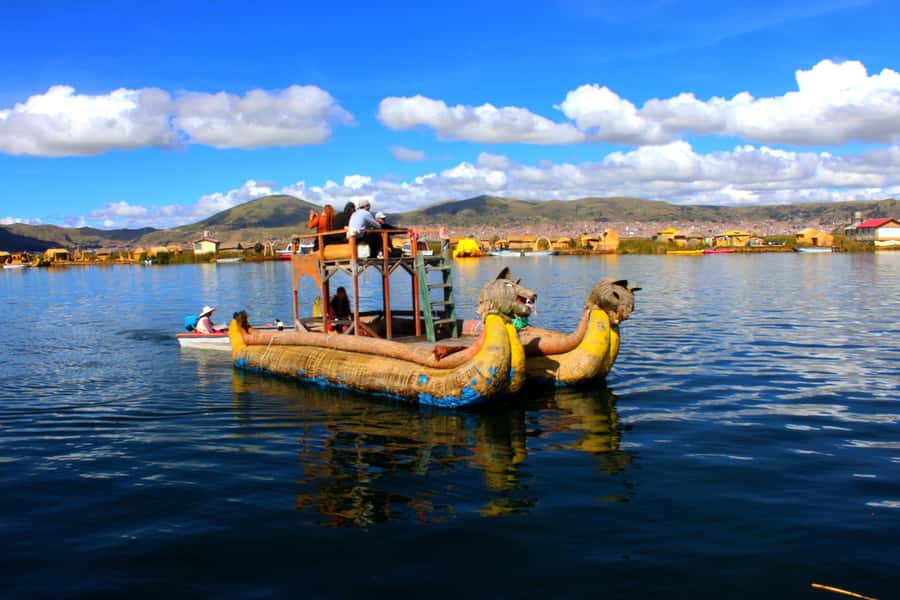
Three hours is a sweet spot for this outing. It’s long enough to get the core experience—boat ride, island visit, and explanation—without dragging you through a full day that can get rough at altitude. In the real world, most people just want the important parts done well, and this tour aims for that.
You’ll likely feel the structure in the pacing:
- You’re picked up from your hotel and transferred to the port.
- You take the motorboat to the Uros area.
- You spend time on the islands with the guide and the community interaction.
- You return the same way, back to the hotel.
For many visitors, that’s ideal. The visit stays focused: you learn the Totora concept, you see the construction, you get a chance to talk, and you move on while you still have energy. A longer tour could be tempting if you want deeper immersion. But at 3 hours, the tour avoids the fatigue that can turn learning into survival.
The possible drawback is also tied to the time. If you’re the type who wants a deep dive into history, culture, or daily routines, you might leave wanting more time on the islands. The good news is that you can decide what you want from a first visit: if you want the essentials and a sense of how it works, three hours delivers.
If you’re sensitive to rushed experiences, treat this as a starting point, not a complete immersion. You’ll get a strong overview and enough context to decide what you’d like next in the region.
Price and Value: What $10 Really Buys You
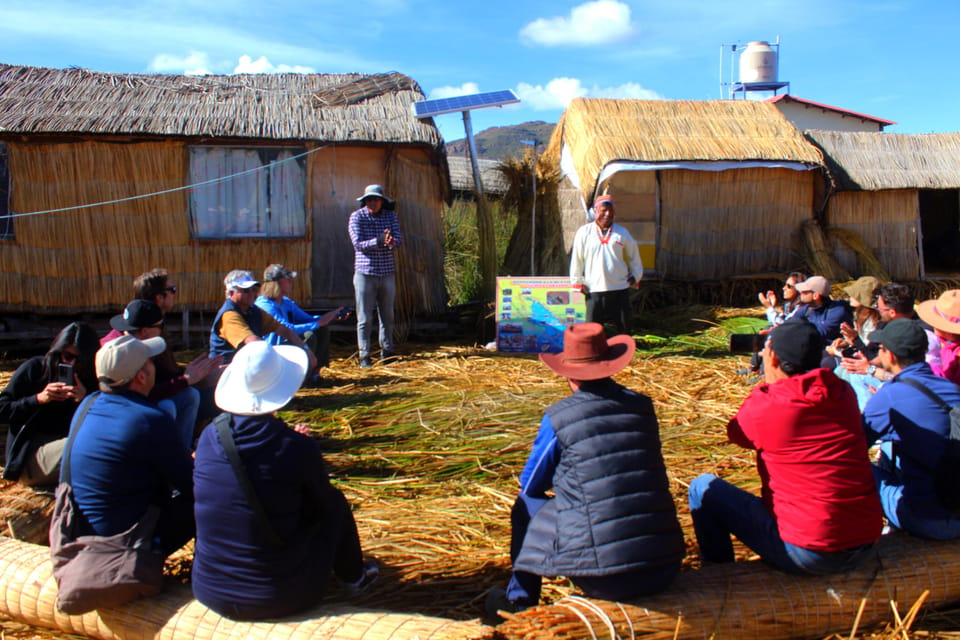
At about $10 per person, this is one of those deals that looks almost too simple. The value comes from what’s included rather than the sticker price.
Included in the tour:
- Tickets to the Uros Islands
- Spanish/English guide
- Transfer hotel → port → hotel
- Motor boat
When those basics are bundled, your cost stays predictable. You’re not scrambling for separate boat tickets and separate guide time. You’re paying for a complete, guided half-day.
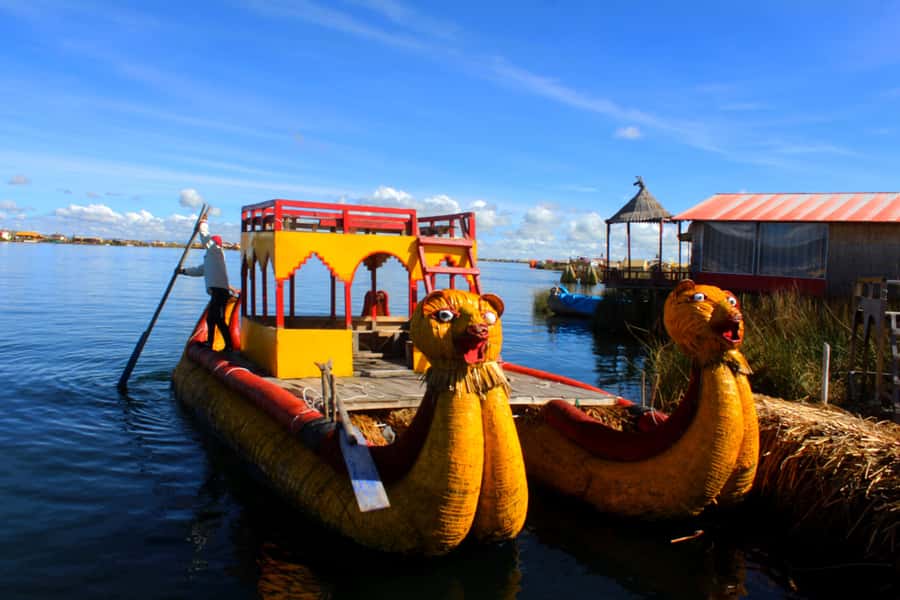
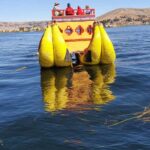
Now for the real-world considerations. The tour info notes an optional ride on a handmade boat. Optional usually sounds optional. In practice, some people report that the alternative isn’t truly optional and that they end up getting dropped off at another island for that part. So if you want control, ask what will happen during your specific departure.
Also, bring cash. Some experiences include encouragement to purchase things on the islands, and one review explicitly called out that cash can be necessary because you may be required to buy something. That doesn’t mean it will happen to everyone, but it does mean you should be ready. If you dislike pressure to spend, you can still handle it by setting a budget before you arrive.
Bottom line: for the included guide time, boat ride, and transfers, this is strong value. Just go in knowing you may face an on-island purchasing moment and that extras can blur the idea of optional.



What to Bring (and What Not to Do) on Lake Titicaca
Plan for a short boat-and-walk kind of experience. The essentials listed for you are:
- Comfortable shoes (you’ll be moving on uneven, natural surfaces)
- Biodegradable sunscreen (good for sun exposure)
- Cash (useful for purchases or small add-ons)
There are also clear behavior rules. Alcohol and drugs aren’t allowed, and fireworks aren’t allowed either. It’s a community visit, and these rules help keep things respectful and safe.
Comfort-wise, I’d add one practical tip: dress for cool-to-mild conditions. Lake Titicaca can feel colder than you expect around water and wind, especially in the morning or midday shoulder hours. The tour itself doesn’t list clothing needs, so you’ll want to use your common sense here based on the season you’re traveling.
Finally, match the experience to your body. The tour is not suitable for wheelchair users, and it’s listed as not for people over 95 years. If you have mobility limitations, don’t assume you can “make it work.” Ask for specific details in advance and check whether you can handle the island surfaces and transfers comfortably.
Who This Tour Suits Best
This is a great choice if you want:
- A focused, short introduction to the Uros floating islands
- A guided explanation in English or Spanish
- A boat visit that doesn’t eat your whole day
It’s also a good fit for first-timers in Puno who want a cultural, environment-based experience rather than only churches and viewpoints.
If you’re traveling with limited time, the 3-hour format helps. If you want a totally relaxed, long, wandering style experience, you might find the structure a little tight. And if you strongly dislike any shopping pressure, go in with a plan for your budget and what you’re comfortable spending.
Should You Book This Uros Floating Islands Half-Day Tour?
I’d book it if you want a practical taste of Uros life with a clear explanation of how the islands are built and maintained. The value is real when you consider the included tickets, bilingual guide, and round-trip transfers, plus the motorboat ride from Puno.
Don’t book it on autopilot if you know you’re sensitive to rushed schedules, if you’re worried about on-island extras, or if you need accessibility support you can’t get from the tour’s listed limitations.
If you do book, do two things that make the experience better:
1) Bring cash and keep it to a budget you’re comfortable with.
2) Ask about Totora construction and the reed replacement schedule. That’s where the visit turns from scenery into understanding.
FAQ
What is the duration of the Uros floating islands tour from Puno?
The tour lasts about 3 hours, including the boat ride and the island visit.
When is hotel pickup available?
Pickup is offered at 9:00 am and 12:00 pm from hotels located in the historic center.
How do you get from Puno to the Uros islands?
You travel to the Uros bay area by motorboat. It is about 10 km from the port of Puno, roughly a 20-minute ride.
What’s included in the price?
The tour includes tickets to the Uros islands, a Spanish/English guide, hotel-to-port-to-hotel transfers (for hotels in the historic center), and a motorboat.
Is the handmade boat ride included?
A ride on a handmade boat is listed as optional, so it may be an add-on depending on the tour setup.
What should I bring with me?
Bring comfortable shoes, biodegradable sunscreen, and cash.
Is the tour wheelchair accessible?
No. It is not suitable for wheelchair users, and it is also listed as not suitable for people over 95 years.