REVIEW · CUSCO
From Cusco: South Valley Villages and Archaeology Tour
Book on GetYourGuide →Operated by Peru & U · Bookable on GetYourGuide
Gardens and paintings in one half day. This South Valley tour from Cusco strings together big ideas you can actually see: Inca water control at Tipón, then stunning religious art at Andahuaylillas, all with an English-speaking guide. I like that the pace feels calm and the explanations stay practical, so you’re not just walking around guessing what you’re looking at. You’ll also get a hands-on feel for daily life through a traditional food stop in Saylla.
One thing to plan around: lunch isn’t included, and any meal you add on depends on what’s available that day. If you’re picky about food timing, build a little flexibility into your schedule.
In This Review
- Key highlights you’ll feel right away
- Half-day South Valley from Cusco: what this 5-hour mix is good for
- Hotel pickup to Valle Sur: easy start, real countryside feel
- Tipón: Inca terraces, aqueduct irrigation, and the Pachatusan connection
- Pikillacta: Huari adobe ruins from 700 to 900 AD
- Andahuaylillas’ Sistine Chapel of Peru: religious art you can actually enjoy
- Saylla on the way back: pork chicharrones or roasted guinea pig
- Price and logistics: is $29 good value for this itinerary?
- Who should book this South Valley tour?
- Should you book it? My take
- FAQ
- How long is the Cusco South Valley villages and archaeology tour?
- What is included in the $29 per person price?
- Are lunch and entrance fees included?
- Which archaeological and cultural sites do you visit?
- Do you get hotel pickup in Cusco?
- What languages is the guide?
- Is it possible to bring a pet?
- What is the cancellation policy?
Key highlights you’ll feel right away
- Tipón’s Inca farming setup: terraces irrigated by an aqueduct on the Pachatusan mountain
- A guided look at major structures: baths and a temple complex that help connect the dots on Inca life
- Huari presence at Pikillacta: an adobe complex from roughly 700 to 900 AD
- Andahuaylillas’ Sistine Chapel of Peru: elaborate paintings, including work attributed to Escuela Cuzqueña
- Saylla food stop: pork chicharrones or roasted guinea pig, if you want to try local staples
- Door-to-door convenience: hotel pickup and drop-off plus shared transportation
Half-day South Valley from Cusco: what this 5-hour mix is good for
This is a smart choice if you want more than one site in the Cusco area without committing to a full day. In just 5 hours, you move from Inca engineering to pre-Inca architecture to religious art, with enough time to actually understand the contrast.
The tour hits three different time periods and two different kinds of “why it mattered.” Tipón is about controlling land and water. Pikillacta is about building power and community in adobe. And Andahuaylillas is about spiritual and artistic expression. When you stitch those together with a guide who can explain in Spanish and English, the sites stop feeling like isolated stops and start feeling like a single story.
The price is also the kind that feels reasonable in Cusco, especially because you get hotel pickup/drop-off and a bilingual guide included. Entrance fees and lunch are separate, so you’ll want to budget a bit extra, but the core plan is already covered.
You can also read our reviews of more tours and experiences in Cusco.

Hotel pickup to Valle Sur: easy start, real countryside feel
You’ll start with pickup from your hotel in Cusco and head out to the Valle Sur. The benefit of this setup is simple: you don’t waste your morning figuring out transport, and you can use the drive time to get oriented with your guide.
Because it’s shared transportation, the schedule stays tight and efficient. That matters in Cusco, where daylight and energy can run out fast at altitude. You’ll have enough time at each main site to look closely, but you won’t get stuck for hours in one place.
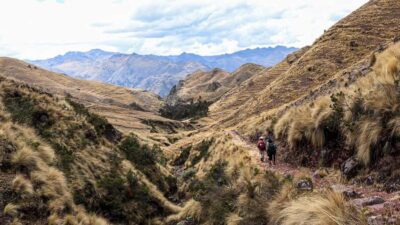
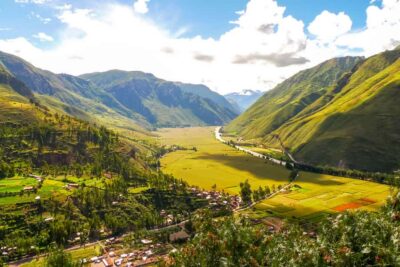
You’ll also notice how the route changes your perspective. Even though you’re still close to Cusco, you’re moving into the valley landscape where agriculture and old settlements make more sense. The guide’s explanations land better when you can picture the terraces, the water channeling, and the kind of land people worked every day.
Tipón: Inca terraces, aqueduct irrigation, and the Pachatusan connection
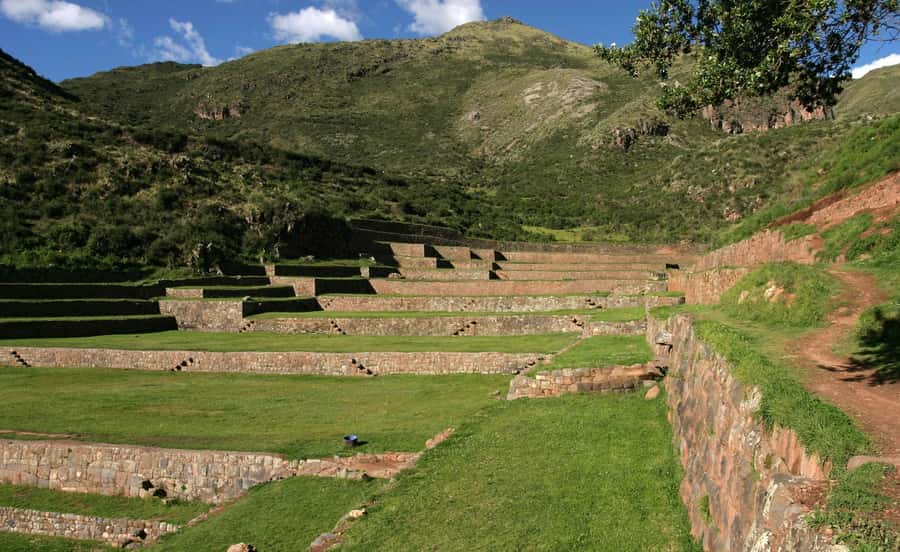
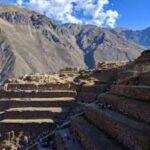
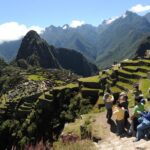
Tipón is the headline for a reason. This archaeological site is thought to have been a royal garden commissioned by the Inca god Viracocha, and the whole layout helps you understand why Inca projects often mixed engineering with symbolism.
What you’ll focus on here is agriculture. You’ll learn about the terraces created by the Incas and how they were irrigated by an aqueduct on the sacred Pachatusan mountain. Even if you’ve seen Inca ruins before, it’s worth paying attention to the water story. Terraces aren’t just pretty steps; they’re part of a working system designed to make hillsides usable.
Here’s what to watch while you’re there:
- Look for how the terraces shape the slope. The geometry is the point.
- Pay attention to the aqueduct idea—water movement is the engine behind the gardens.
- Notice the way the site includes more than farms. You’ll also see structures like baths and a temple complex.
Those additional elements matter. Inca life wasn’t only fields and labor. Tipón helps you connect the dots between practical farming, ceremonial spaces, and everyday built features. It’s a good stop for photos too, but try to spend your time looking first. The guide’s explanations give you a checklist for what you’re really seeing.
Pikillacta: Huari adobe ruins from 700 to 900 AD
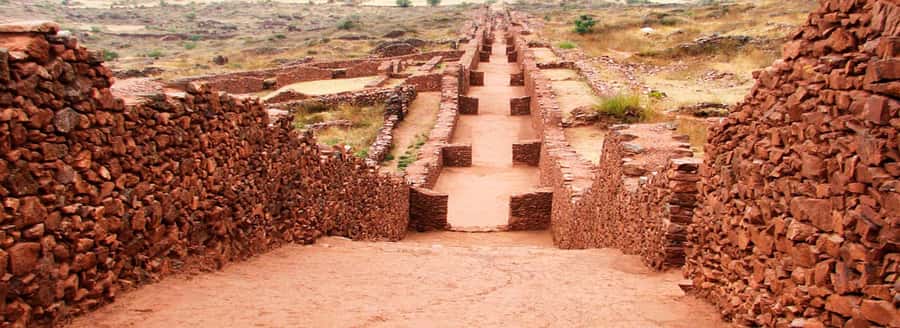
After Tipón, you’ll move to Pikillacta, a pre-Inca site built by the Huari people around 700 to 900 AD. The shift is part of the value of this tour. You’re not just returning to “Inca again.” You’re stepping into a different culture and construction style.
Pikillacta is known for its adobe complex. You’ll be able to walk through the feeling of an older settlement made from different materials than what you may expect in later Inca stonework. This is where your guide’s framing helps most. Without explanations, you can easily read adobe ruins as vague shapes. With them, you start to understand how the site functioned as a built environment, not just weathered walls.
If you like archaeology that shows the hands-on reality of everyday life—housing, community layout, and how people worked with the materials they had—Pikillacta is a strong second act. It also gives you a timeline jolt: you’re seeing how the region’s power and building traditions evolved over centuries.
Andahuaylillas’ Sistine Chapel of Peru: religious art you can actually enjoy
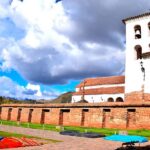
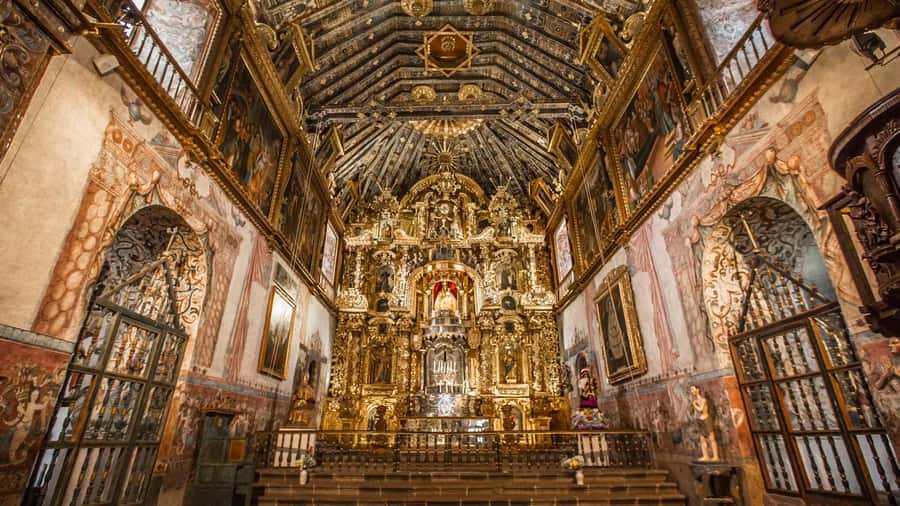
Then comes the stop many people look forward to: Andahuaylillas. The highlight here is the Sistine Chapel of Peru, famous for elaborate artwork, including paintings from Escuela Cuzqueña.
This is a different kind of experience than Tipón and Pikillacta. Instead of terraces and walls, you’re looking at art as communication. The point isn’t only visual beauty. It’s how religious themes were presented in a style connected to the Cusco region.
What I like about this part of the day is that it balances the earlier “outdoor archaeology” feeling. You get a chance to slow down and focus. When your guide points out specific elements—especially the connection to Escuela Cuzqueña—you don’t just see painted surfaces. You start to see why the site became known far beyond its location.
If art is one of your travel interests, this is one of the best reasons to choose a guided tour rather than trying to stitch stops together on your own. You’re paying for guidance that turns a chapel visit into a meaningful stop, not a quick photo and exit.


Saylla on the way back: pork chicharrones or roasted guinea pig
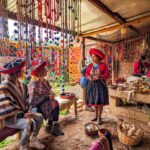
On the return to Cusco, you’ll pass through Saylla, where you can enjoy local food like pork chicharrones or roasted guinea pig. This is the part of the tour that feels most “Cusco practical”: you get a chance to eat what locals eat, in the middle of your travel day.
Important reality check: lunch isn’t included, and food here is an optional add-on. If you want to try the chicharrones or cuy, do it because you want to, not because you feel pressured by the schedule. If you’re not sure, pick something simple and share. That way you keep your day comfortable and your stomach happy.
Also, think about timing. A half-day tour still packs a lot. If you eat too heavy late, the end of the day can feel slower on the walk back in Cusco. I’d rather you plan for a satisfying snack or meal that won’t knock you out.
Price and logistics: is $29 good value for this itinerary?
For $29 per person and 5 hours, this tour looks like strong value if you care about structure. Your included perks cover the stuff that usually costs time and energy in Cusco:
- Hotel pickup and drop-off
- Shared transportation
- A bilingual English and Spanish-speaking guide
- Entry to the main schedule of stops (entrance fees are still not included)
You’ll still want to account for:
- Entrance fees (not included)
- Lunch (not included)
That’s the main catch. You’re paying for the guided experience and transport, not for meals or site admission. If you already have a plan for food and you’re ready to pay entrance fees directly, the overall cost stays reasonable.
Where this tour shines is how it saves you from the “half-planning headache.” Instead of juggling independent transport between Tipón, Pikillacta, and Andahuaylillas, you get one route and one guide keeping time and explanations aligned.
Who should book this South Valley tour?
This works especially well if you:
- Want a half-day plan that still feels varied
- Like guided context (agriculture, archaeology, and art in one trip)
- Prefer a calm, structured pace over rushing between stops
- Are curious about both Inca and earlier cultures in the Cusco region
If you only care about one type of attraction—just Inca ruins, for example—then you might feel the schedule is too mixed. But if you enjoy contrast, the lineup is exactly the point.
One more practical note: pets aren’t allowed, so plan accordingly if you’re traveling with animals.
Should you book it? My take
Book this tour if you want a efficient way to understand the South Valley without building your own route from scratch. The combination of Tipón’s irrigated terraces, the Huari-built Pikillacta adobe complex, and the Andahuaylillas chapel art is a good mix of engineering, culture, and visual storytelling.
Skip it if your priority is staying flexible with meals and entrance fees, or if you dislike short-scheduled itineraries. Since lunch and entrance fees aren’t included and the tour is only 5 hours, you’ll want to show up with a clear expectation that this is a focused, structured day—not a slow wander.
FAQ
How long is the Cusco South Valley villages and archaeology tour?
It lasts 5 hours.
What is included in the $29 per person price?
Hotel pickup and drop-off, shared transportation, and a bilingual English and Spanish-speaking guide are included.
Are lunch and entrance fees included?
No. Lunch and entrance fees are not included.
Which archaeological and cultural sites do you visit?
You visit Tipón, Pikillacta, and the Sistine Chapel of Peru in Andahuaylillas, with a return route via Saylla for local food.
Do you get hotel pickup in Cusco?
Yes, pickup and drop-off from your hotel in Cusco are included.
What languages is the guide?
The guide provides live interpretation in Spanish and English.
Is it possible to bring a pet?
No, pets are not allowed.
What is the cancellation policy?
The activity is non-refundable.