REVIEW · CUSCO
Cusco: Maras and Moray Tour ending in Ollantaytambo
Book on GetYourGuide →Operated by PVTravel · Bookable on GetYourGuide
Waking up early for the Sacred Valley pays off fast. You get two big Inca highlights packed into one morning: the circular terraces of Moray and the 3,000+ salt pools at Maras, plus an ending in Ollantaytambo for more ruins before your train. My favorite part is how the day moves from agriculture to salt, then finishes with a dramatic Inca site view you can’t rush away.
There’s a lot on the clock (you’ll be on the move from about 6:30am to around 3pm). One potential drawback: the salt mine visit and the required touristic ticket are not included in the base price, and the day can feel quick if you’re hoping for long picture stops.
In This Review
- Key highlights at a glance
- The 6:30am start: why the timing matters
- Moray: the Inca terraces in natural sinkholes
- What to watch for at Moray
- Maras village and the salt ponds: Inca-era production you can see
- Tickets and budget reality at Maras
- Lunch in Urubamba: a break that keeps the day smooth
- The drive to Ollantaytambo: where the afternoon starts to feel scenic
- Ollantaytambo ruins and the Wiracocha rock formations
- Timing tip for your train
- Price and value: what $49 really covers
- Small group dynamics: good control, but watch the pace
- Who should book this tour, and who should skip it
- Practical prep checklist (so the day feels easy)
- Should you book Cusco: Maras and Moray Tour ending in Ollantaytambo?
- FAQ
- What is the duration of the tour?
- When do you pick me up in Cusco?
- Where does the tour end in Ollantaytambo?
- What time should my train depart from Ollantaytambo?
- Is lunch included?
- Are entry tickets and the salt mine entrance fee included?
- How big is the group and what languages are offered?
- Is the tour suitable for wheelchair users?
Key highlights at a glance
- Moray’s circular terraces in sinkholes, overlooking the Urubamba Valley, with an unclear original purpose beyond farming
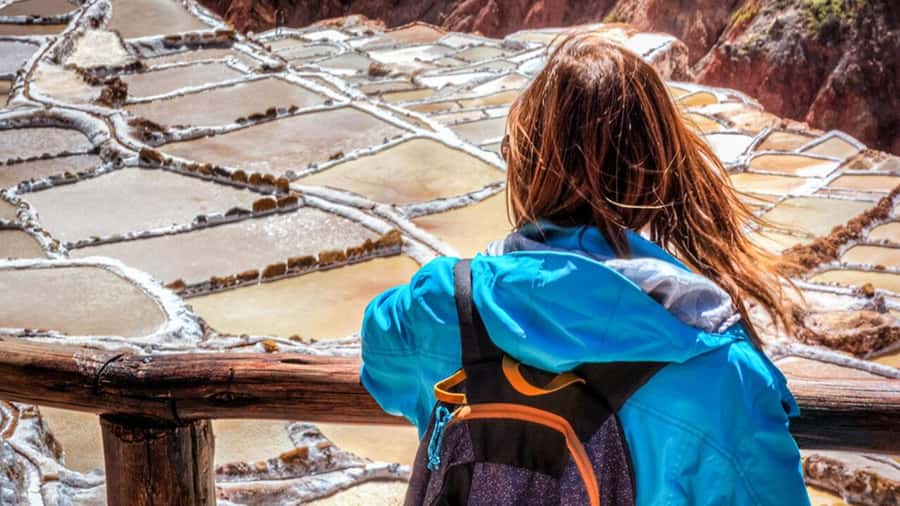
- Maras salt pools: up-slope evaporation ponds used since Inca times and still exploited today
- Urubamba buffet lunch to reset before the drive toward Ollantaytambo
- Ollantaytambo ruins with rock formations tied to the Inca god Wiracocha
- Small group size (max 15) with a bilingual guide in English and Spanish
- Drop-off at Plaza de Armas in Ollantaytambo, timed for trains after 3pm
The 6:30am start: why the timing matters
You’re picked up from your Cusco hotel around 6:30am. That early launch is not random. It’s the only way to cover Moray, Maras, lunch in Urubamba, and then Ollantaytambo ruins and still end around 3pm.
For planning, this is the key detail: your train needs to be after 3pm, because the tour ends with drop-off in Ollantaytambo’s main square. If you book an earlier departure, you’ll end up stressed and late, which defeats the point of a guided day.
Another small practical note: you’re in a group (limited to 15 people) and the schedule includes multiple drive segments. If you hate moving on quickly, you’ll need to be organized with photos and timing. If you’re okay with a “hit the highlights” pace, this tour fits well.
You can also read our reviews of more tours and experiences in Cusco.



Moray: the Inca terraces in natural sinkholes
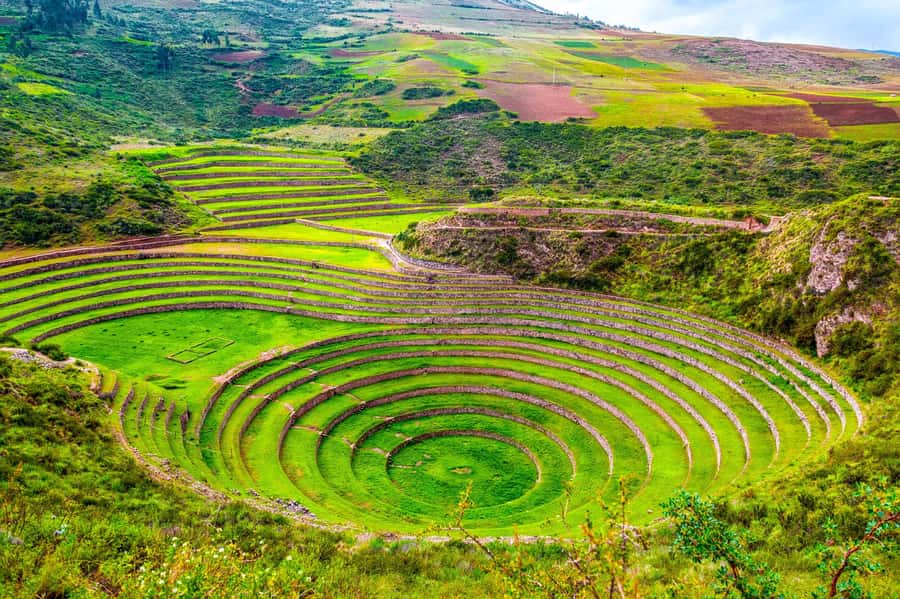
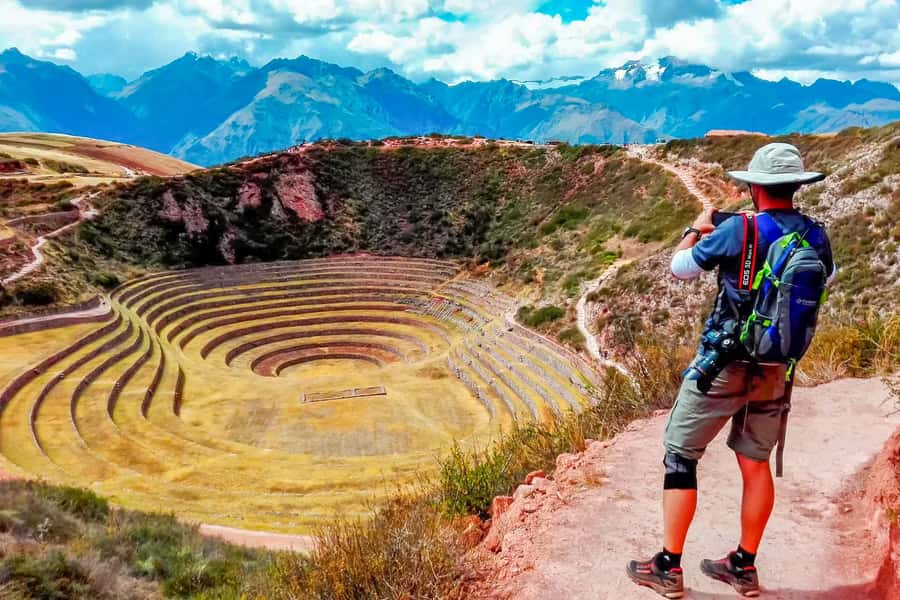
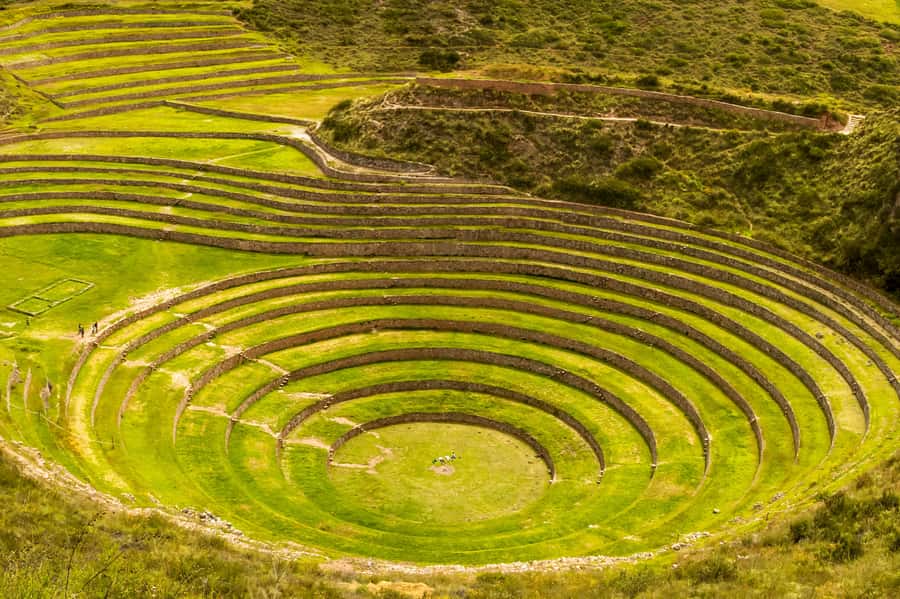
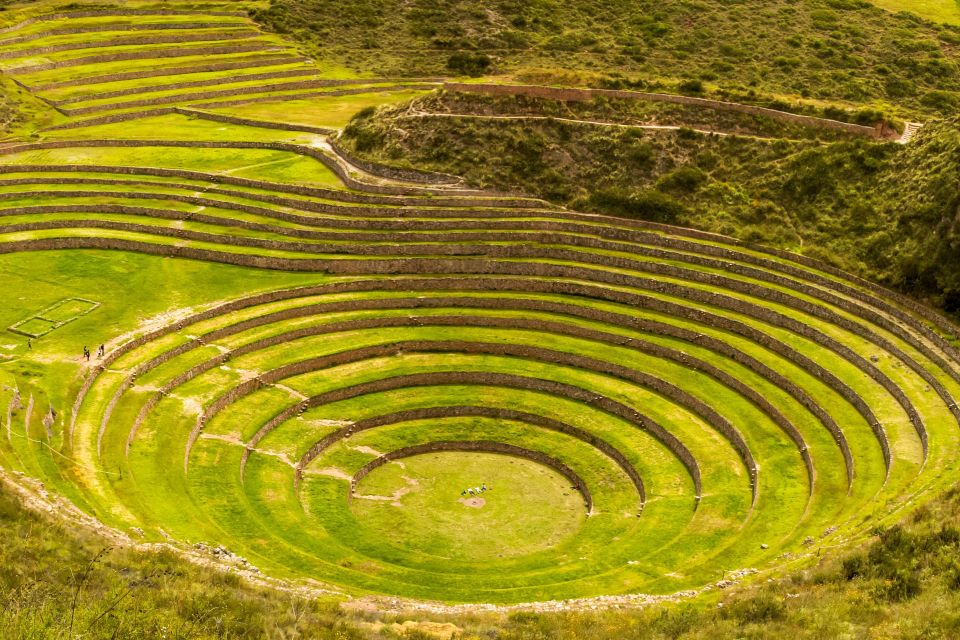
Moray sits about 50 km northwest of Cusco. The standout is the setting: circular agricultural terraces built inside natural sinkholes on a limestone plateau, looking out over the Urubamba Valley.
What I like here is the feeling of stepping into a place designed for controlled growing. The terraces are laid out in rings, and you can see how the site uses the terrain, not just flat ground. You’re not just looking at ruins. You’re looking at a practical farming idea made visible in stonework.
The other reason Moray sticks in your mind: the full meaning is not fully settled. There’s a suggestion it may have had cosmological meaning, but beyond agriculture, the function remains unclear. That uncertainty is part of the value. It turns the visit into a thinking experience instead of a simple photo stop.
What to watch for at Moray
- Wear comfortable shoes. You’ll be on foot around terraces and viewpoints.
- Bring sunscreen. Morning sun in the highlands can be sharp even when you think you’re prepared.
- Keep an eye on timing. The day is designed to move from Moray to Maras without a long pause.
Maras village and the salt ponds: Inca-era production you can see
After Moray, you head to Maras, described as a Colonial village in the Sacred Valley. The star attraction is just a short distance away: the salt evaporation ponds are up-slope, less than 1 kilometer west of the town.
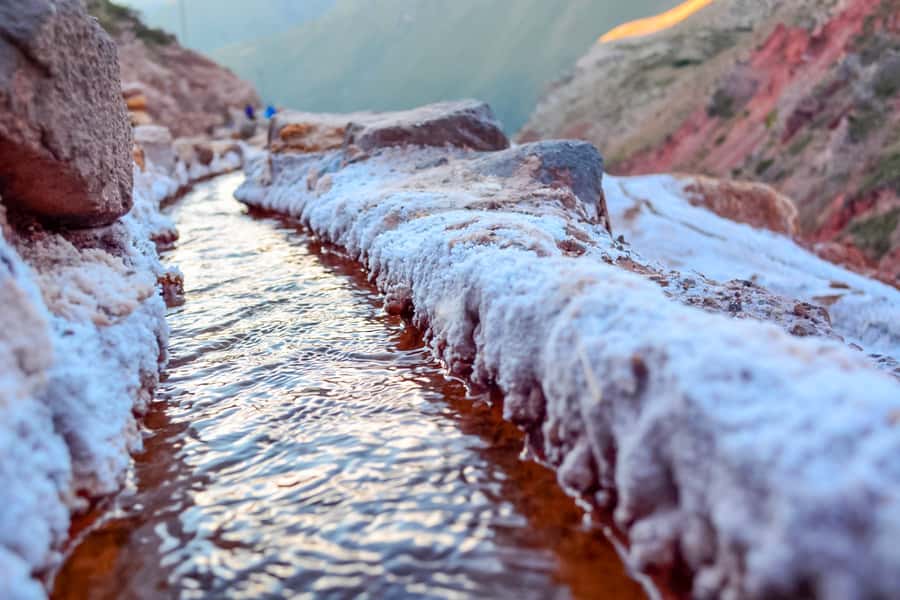
Here’s what makes Maras special: this is not a recreated “salt museum.” It’s a working system with history. The ponds have been in use since Inca times, then continued through Colonial exploitation, and they’re still used today.
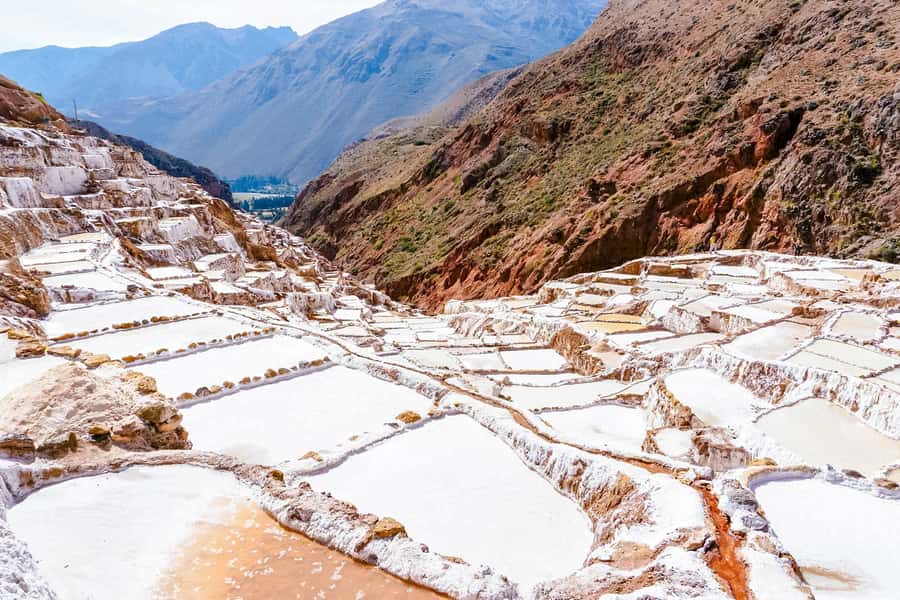
You’ll see more than 3,000 salt pools. That number matters because it changes the look of the site. It’s not one big attraction—it’s a whole grid of shallow basins that create patterns of color and texture as water evaporates. Even if you’re not into salt as a topic, the visual rhythm is the point.
Also, this stop is a nice contrast to Moray. Moray is about shaped ground for agriculture. Maras is about shaped ground for processing a resource. Same Sacred Valley energy, different outcome.
Tickets and budget reality at Maras
Important money detail: the entrance to the salt mines is not included. Plus there’s a separate touristic ticket (S/70.00 per person) not included either.
One of the most practical ways to avoid surprise costs is simple: treat the tour price as the cost of transport, guide, and lunch—and then budget extra for the salt mine entrance and the required ticket.


Lunch in Urubamba: a break that keeps the day smooth
You’ll have a buffet lunch in Urubamba in the middle of the day. This matters more than you might think on a packed tour.
A midday meal gives you a real break before the drive down toward Ollantaytambo. It also helps keep your energy steady for the afternoon ruins visit, especially if you’ve been walking more than you planned.
Just don’t count on meals outside lunch being included. The tour lists lunch as included, while other meals are not included.
The drive to Ollantaytambo: where the afternoon starts to feel scenic
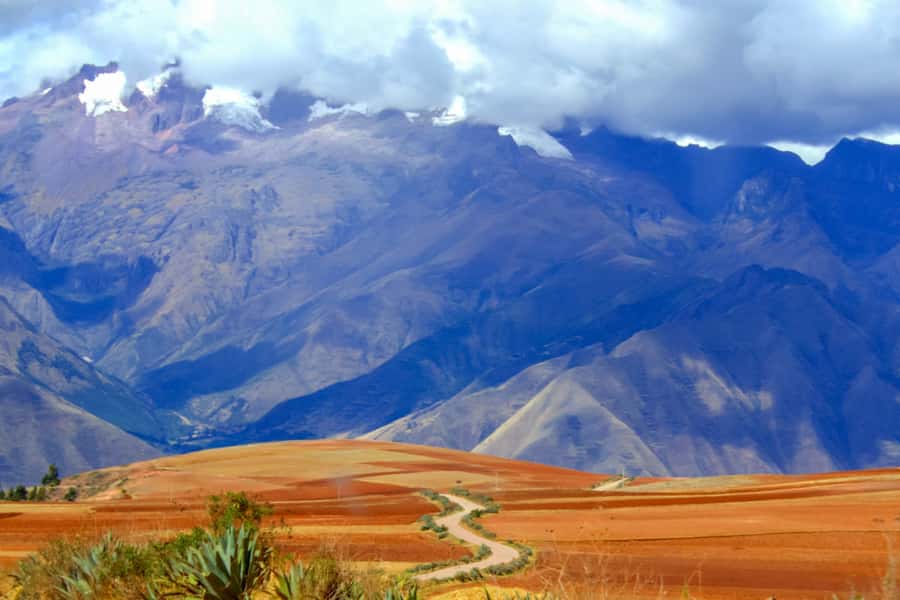
Once you finish Maras, you’ll drive along the Urubamba River toward Ollantaytambo. The drive is part of the experience because you’re shifting zones: from the salt production area and its high, open views to a town known for Inca stonework.
This is also where you should manage your expectations. The itinerary is built to keep moving. If you want long stops for scenery, this tour is not designed for that kind of wandering.
Instead, it’s designed for getting you to Ollantaytambo on time, so the ruins visit happens normally and you still make your train.
Ollantaytambo ruins and the Wiracocha rock formations
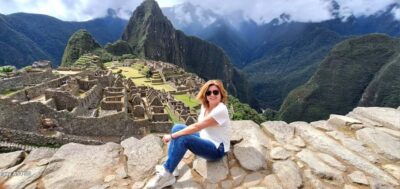
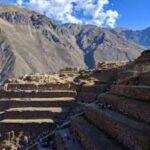
Your tour ends in Ollantaytambo with a visit to the ruins. This is described as an important area of Incan construction, built during the Inca’s heydays.
The standout detail here is the symbolism you can notice: rock formations representing the Inca god, Wiracocha. That’s not just a trivia point. It’s exactly the sort of clue that helps you look at ruins differently. You’re not only seeing walls and terraces. You’re looking for meaning in how the place is shaped.
Ollantaytambo is also a useful ending point because it’s practical for the next step of your trip. The tour includes drop-off at the main square (Plaza de Armas). That’s a convenient location to regroup, find food if needed, and head to your train.
Timing tip for your train
If your train is scheduled after the tour ends, you’ll be in a much better position. The tour explicitly requires your train to be after 3pm so the visits occur normally.
If you’re trying to squeeze a train earlier than that, you’re taking a risk that costs more time than you saved.
Price and value: what $49 really covers
At $49 per person for a 6-hour day, this tour is mostly about delivering organization. You’re paying for:
- pickup from your Cusco accommodation
- transport through the Sacred Valley
- a bilingual guide (English and Spanish)
- buffet lunch in Urubamba
- drop-off at Plaza de Armas in Ollantaytambo
What’s not included is where your budget needs a little extra care:
- Touristic ticket: S/70.00 per person
- Entrance to the salt mines
- other meals
So the value depends on your total day math. If you want Moray + Maras + Ollantaytambo in one organized package, $49 can be a smart deal because you’re not hiring multiple separate transfers or stitching stops together yourself.
If you’re hoping the “cheap” price means everything is rolled into one, you’ll be disappointed. The salt mine entrance and the ticket add cost, and the schedule is structured around those paid entries.
Small group dynamics: good control, but watch the pace
This is a small group tour with a maximum of 15 participants. That’s usually a sweet spot: big enough to feel social, small enough that you’re less likely to get lost inside a crowd.
Still, a small group can move quickly. One of the recurring practical issues with tours like this is pace: if the guide is trying to keep the day on time, you might not get long photo breaks at each stop.
If you care a lot about photos, here’s how to handle it:
- Decide in advance what you want most at each site: Moray terraces, then the scale of the salt pools, then the Wiracocha rock formations.
- Take wide shots early, then close-ups when you’re sure you’ve captured the overall view.
- Keep your phone charged. Power outlets are not part of the itinerary.
Who should book this tour, and who should skip it
This is a strong choice if you want a high-impact Sacred Valley day without overthinking logistics. It also works well if you’re continuing your trip by train from Ollantaytambo, because the timing and drop-off are built for that connection.
You might skip it if:
- you want a slow, flexible sightseeing pace
- you dislike paying extra on arrival for site entrances and required tickets
- you need wheelchair access, since the tour is listed as not suitable for wheelchair users
- you don’t want to travel light, because luggage or large bags are not allowed and pets are not allowed
Practical prep checklist (so the day feels easy)
You’ll be happiest if you come ready for basic touring:
- Comfortable shoes (you’ll be on foot at terraces and ponds)
- Sunscreen (Moray and Maras can be bright)
- Keep luggage minimal. No large bags are allowed.
- At booking time, plan to provide passport name, number, expiry, and country for all participants.
And one more thing: if you’re budget-minded, set aside the extra costs in your head before you arrive. The tour price is just the base. The touristic ticket and salt mine entrance come on top.
Should you book Cusco: Maras and Moray Tour ending in Ollantaytambo?
If your priority is hitting three Sacred Valley power stops in one organized day, I think this tour makes sense. Moray gives you that distinctive ring-terrace experience in sinkholes. Maras delivers the scale of 3,000+ salt pools with a long-running history you can still see at work. Then Ollantaytambo finishes the story with Incan stonework tied to Wiracocha and an easy drop-off in Plaza de Armas.
I’d book it when:
- you want a small-group guided day
- you have an Ollantaytambo train scheduled after 3pm
- you’re okay with the day running on a plan and not lingering for hours at one stop
I’d hesitate if:
- you’re tight on budget and don’t want extra paid entrances
- you need lots of time for photos and slow walking
- you need wheelchair accessibility
FAQ
What is the duration of the tour?
The tour lasts 6 hours.
When do you pick me up in Cusco?
Pickup is around 6:30am from your accommodation in Cusco.
Where does the tour end in Ollantaytambo?
You’ll be dropped off at the main square (Plaza de Armas) in Ollantaytambo.
What time should my train depart from Ollantaytambo?
Your train must be after 3pm, since the tour ends around that time.
Is lunch included?
Yes. A buffet lunch in Urubamba is included.
Are entry tickets and the salt mine entrance fee included?
No. The touristic ticket (S/70.00 per person) is not included, and entrance to the salt mines is also not included.
How big is the group and what languages are offered?
The group is limited to 15 participants, and the guide is bilingual in English and Spanish.
Is the tour suitable for wheelchair users?
No. The tour is not suitable for wheelchair users.
If you tell me your travel dates and whether you’re taking a train after this day, I can help you sanity-check the timing and the extra budget for the salt mine entrance.