REVIEW · CUSCO
Moray and Salinera de Maras Half Day
Book on Viator →Operated by Tour Machu picchu best · Bookable on Viator
Moray and Maras feel unreal, fast. I love Moray’s Inca terraces explained in a way you can actually picture, and I love how Maras salt pans show salt-making as a working process, not a museum. The main catch is cost: entrance tickets are extra (PEN70 for Via Moray and PEN20 for the salt mines).
You get two very different areas in one morning, instead of committing to a whole Valley day. The guide experience can be lively and personal—people have highlighted guides like Washington and Mario for storytelling and clear explanations—and you also stop in Chinchero for textiles (with a chance of extra shop stops that match the theme).
In This Review
- Key points to know before you go
- Moray + Maras Salt Mines in One Half Day: The Big Idea
- Via a Moray: Understanding the Inca Agricultural Experiments
- Maras Salt Mines: Walking the Salt Steps and Seeing Production
- Chinchero Textiles and the Textile Manufacturing Stop
- Transportation, Comfort, and the 8:30am Start
- Price Breakdown: What You’re Really Paying (and Why It Can Still Be Worth It)
- Guide Style, Timing, and the “Small Detours” Question
- Who This Tour Suits Best
- Should You Book This Moray and Maras Half Day Tour?
- FAQ
- How much does the Moray and Salinera de Maras half-day tour cost?
- What entrance fees should I budget for?
- How long is the tour and what time does it start?
- Is transportation included?
- Is lunch included?
- What is the cancellation policy?
Key points to know before you go
- Two sites, one morning: Moray terraces plus Maras salt mines, with time to breathe between them.
- Inca agriculture made visual at Moray: You’ll learn why these terraces were built the way they were.
- Salt production you can walk through: Maras is all about evaporation and small basins.
- Chinchero textiles add culture, not just photos: You’ll see textile manufacturing and a textile stop.
- Plan for entrance fees: PEN70 + PEN20 are separate from the tour price.
Moray + Maras Salt Mines in One Half Day: The Big Idea
This is the kind of tour that works when you want variety without a long haul. In a single run, you’ll see an Inca agricultural experiment and a modern-looking salt operation, plus a cultural stop in Chinchero. The pacing is half-day practical: you start early, ride between places, and spend your energy where it matters—at the sites.
I also like that the tour bundles round-trip transportation and a professional guide into the base price. That means you don’t have to figure out transfers on your own, and you get context while you’re there (not after the fact, when your photos won’t explain themselves).
The one thing I’d keep in your travel math is that the headline price doesn’t include the actual site entry. Once you add tickets for Via Moray and the Maras Salt Mine, the day becomes closer to a full “activity” budget than a budget half-day. Still, for what you’re getting, it can be a smart deal—especially if you’d otherwise pay guides and transport separately.
You can also read our reviews of more tours and experiences in Cusco.



Via a Moray: Understanding the Inca Agricultural Experiments
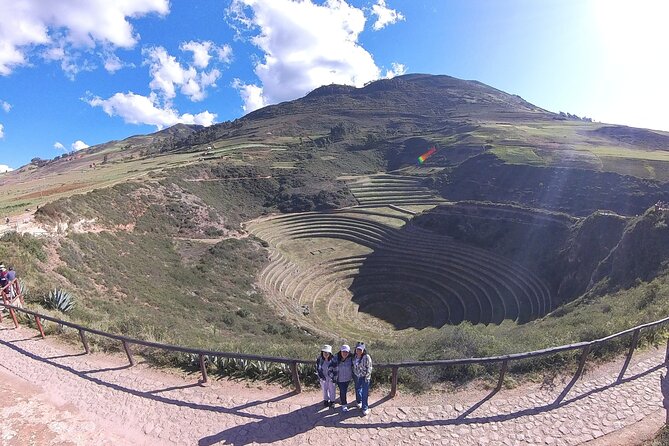
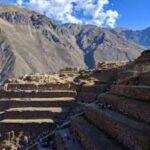
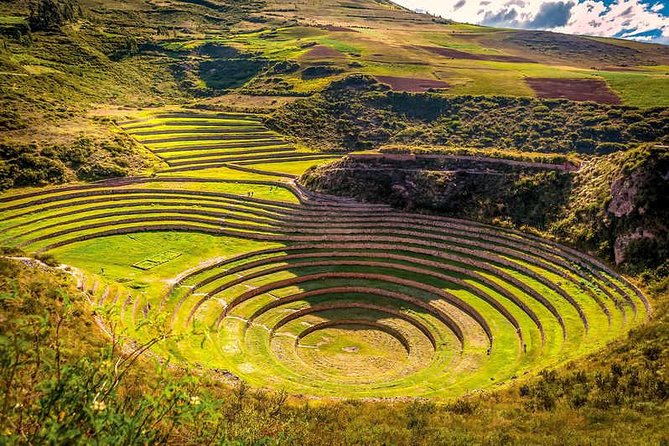
Moray is the first stop and it’s the one that makes people pause. You’re going to the archaeological center of Moray, where the terraces are the star. Even if you’re not a hardcore history person, the terraces are easy to appreciate because they’re physical. You can stand there and look down into the steps and imagine how people used the space.
Here’s what makes Moray click: it wasn’t random stonework. The tour is set up to explain how the Incas used Moray and what the terraces were for. You get the purpose behind the design, so it’s not just looking at ruins—you’re learning how agriculture could be controlled using temperature and conditions across different levels.
What to expect on the ground
- You’ll have time to explore the archaeological center area with your guide interpreting what you’re seeing.
- The terrace setting encourages slow looking—bring patience for photos and questions.
- The visit depends on the entry ticket (PEN70 per person), so factor that in early.
Small practical note
If you’re the type who likes quiet and self-guided time, pay attention to how your guide paces the explanation. In past experiences with this style of tour, guide communication can vary—some are super engaging, while others may talk at length. If you prefer more “walk and look” time, it helps to ask short questions when you want the story, then let the site do its work.
Maras Salt Mines: Walking the Salt Steps and Seeing Production
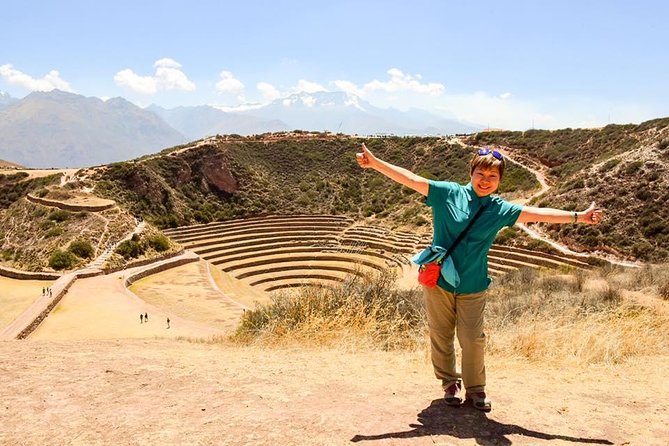
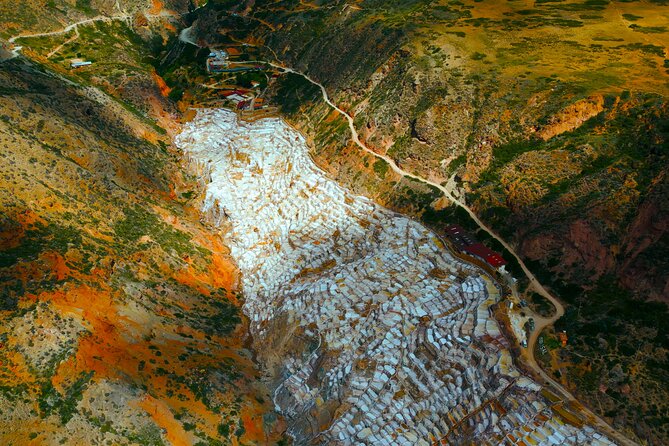
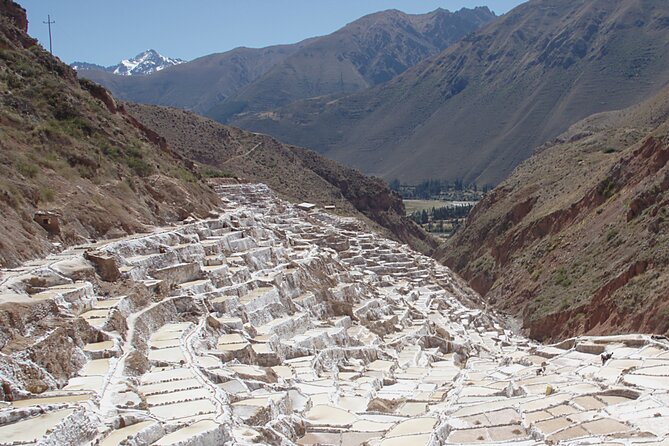
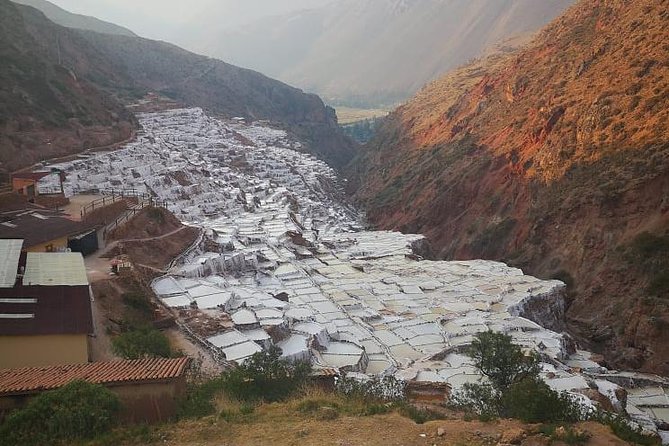
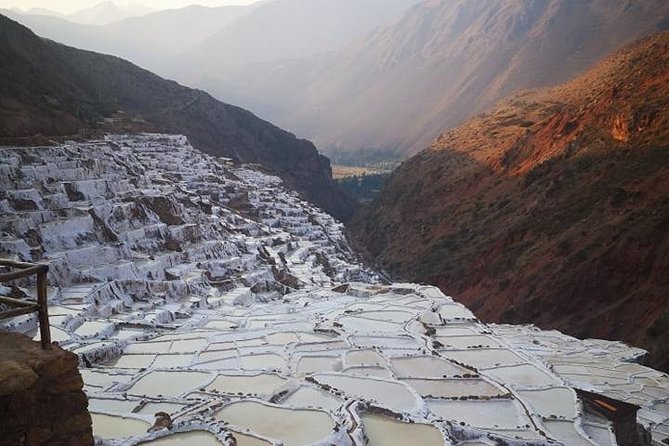
Then you roll from agriculture to salt, and the mood changes fast. Maras Salt Mines are visually striking: lots of small salt pans on a hillside. This is the part that often turns into a photo addiction because the pattern is so clear. But the real value is that the tour helps you understand the process—how salt production works in a place like this.
Maras is unique because it feels both ancient and active. The basins give it a craft-village feel, and the salt-making connection makes it more than scenic sightseeing. You’re not just admiring an old site; you’re watching an operation that has a method behind it.
What matters for your comfort
- The salt areas can feel exposed to sun and heat, depending on the day.
- Entry is separate: Maras Salt Mine ticket is PEN20 per person.
- Wear practical footwear. You’ll be walking through uneven areas and switching viewpoints often.
A buying heads-up (optional, but useful)
The tour experience often includes time at textile-related stops, and there’s also the possibility of a shop stop tied to Maras salt products—people have mentioned finding items like salt and even chocolate linked to the flats. If you want souvenirs, this can be a bonus moment. If you don’t, just treat it as optional browsing and stick to your plan for the main sites.
Chinchero Textiles and the Textile Manufacturing Stop
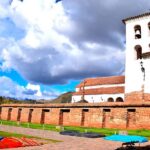
Chinchero is the third piece of the puzzle, and it’s there for a reason. After Moray and Maras, you get context for people, tradition, and craft. The stop is described as a textile shop and a textile manufacturing visit, so you’re not only buying something—you’re trying to understand how it’s made.
This is often a good mental reset after two science-and-production stops. You’ll likely see how fibers become textiles and how craft tradition is presented to visitors. Even if you don’t buy, the explanations can make your later shopping in Peru make more sense: what’s hand-made, what’s marketed, and what you’re actually paying for.
Watch for the shape of the stop
Some tours include more than one shop stop in the general theme area. In this specific tour flow, there’s mention of a textile shop visit, plus a textile-related store and even additional shopping moments (like salt-themed products). If you want to keep it lean, you can set expectations with your guide early: stick to the itinerary stops and skip extra time.
Transportation, Comfort, and the 8:30am Start
The meeting start time is 8:30 am, and you’re on the road for the full half-day block (about 6 hours). That timeline matters because it shapes your energy. You’ll likely be walking and standing during the site visits, then riding between them. The good news is the ride is part of the package—round trip transportation is included.
Now, comfort: one recurring note is that some buses can be hot, with limited airflow and windows that don’t open much. There’s no mention of air conditioning in the tour details, so I’d plan like it might be warm. If you run hot, bring a light layer and a small fan-style option (even a hand fan can be surprisingly useful). Also, pack water.
How to make the morning easier
- Bring snacks. The tour itself doesn’t include lunch, and it can be a long gap if you’re used to eating midday.
- Carry cash for entrance tickets: PEN70 and PEN20 are payable separately, so be ready.
- If you get motion sick, sit where you feel steadier; the ride lengths aren’t listed, but the route is part of the day.




Price Breakdown: What You’re Really Paying (and Why It Can Still Be Worth It)
On paper, the tour looks like a bargain: $14 per person. That base rate covers round-trip transportation and a professional guide. For many people in Cusco, that’s already a fair price for getting out of the city and having a structured morning.
But the true cost includes entrances:
- Via Moray entrance: PEN70 per person
- Maras Salt Mine entrance: PEN20 per person
So the two site tickets together are PEN90 on top of the tour price.
I’d think of it like this: the $14 gets you the logistics and the guide. The entrance fees buy the actual access to the sites. If you were to do Moray and Maras on your own, you’d still be paying for transport and figuring out guidance. So even with the added ticket cost, this can be a strong value—especially if you want both sites without juggling logistics across multiple days.
Where the math can change
- If you hate paying extra on arrival, this might feel annoying.
- If you do like having a guide explain what you see, the entrance fees become easier to justify, because you’ll get more from the time at each site.
Guide Style, Timing, and the “Small Detours” Question
A tour like this lives and dies by the guide’s pacing. In the experiences shared, you’ll see a split: some guides are funny and engaging, while others may talk more than necessary. If your ideal trip is quick, quiet, and mostly observational, you should be ready to politely steer conversations back toward the site when you want the facts and less talk when you don’t.
There are also notes about shopping and timing at the end of the tour. Sometimes the flow includes a final stop to eat or shop, and sometimes that can cause confusion if you were expecting a straight return. The practical fix is simple: at the start of the tour, ask your guide how you’ll get back to Cusco and whether any extra stops are planned. That one question prevents most frustration.
And one more practical tip: this tour can be popular (it’s booked well in advance), so confirmations matter. Always check pickup details before you leave your hotel. If you’re traveling with tight plans, keep a way to contact the operator in your phone.
Who This Tour Suits Best
This is a great fit if:
- You want Moray and Maras without a full-day commitment.
- You like having a guide explain how the sites worked (Moray especially).
- You want a culture bonus in Chinchero textiles, not just two photo stops.
You might want to skip or choose a different format if:
- You strongly dislike paying separate entrance fees.
- You’re sensitive to bus heat and limited airflow, especially on a sunny morning.
- You prefer very quiet guiding and self-paced exploration.
If you’re a first-time Cusco visitor, this combo is also a smart “taste test” of what makes the region special: engineered terraces, production landscapes, and craft tradition—compressed into a manageable block.
Should You Book This Moray and Maras Half Day Tour?
I’d book it if you want a balanced morning with real variety: Inca terraces at Moray, salt production at Maras, and Chinchero textiles to round it out. The price is attractive once you remember the extra entrances are PEN70 + PEN20, and the transportation + guide package is what makes the schedule work.
Just go in with a few smart expectations: bring snacks since lunch isn’t included, plan for site-entry cash, and be ready for a potentially warm ride. If those points don’t bother you, this is the kind of tour that turns a half day in Cusco into a memory you can actually explain to friends later.
FAQ
How much does the Moray and Salinera de Maras half-day tour cost?
The tour price is listed as $14.00 per person, but entrance tickets are not included for the sites.
What entrance fees should I budget for?
Entrance fees are extra: PEN20.00 per person for the Maras Salt Mine and PEN70.00 per person for Via Moray.
How long is the tour and what time does it start?
It runs for about 6 hours and starts at 8:30 am.
Is transportation included?
Yes. Round trip transportation is included.
Is lunch included?
No lunch is included.
What is the cancellation policy?
You can cancel for a full refund if you cancel up to 24 hours in advance of the start time.