REVIEW · AGUAS CALIENTES
Machu Picchu: Chinchero, Maras, Moray & Machu Picchu 2 days
Book on GetYourGuide →Operated by TreXperience · Bookable on GetYourGuide
Two days, real Inca context. This circuit is interesting because it strings together real sites across the Upper Urubamba Valley, then lands you at early Machu Picchu before crowds thicken. I love how the route includes the market and agriculture experiments (Chinchero and Moray) instead of only ruins, and I love the pacing that keeps stops moving but not frantic. One possible drawback: it’s a packed schedule with long travel legs, so plan on getting your feet tired (the Andes will do that anyway).
What you’re buying is convenience plus guidance. You get door-to-door pickup in Cusco at 8:00 AM, transport all day, tickets handled, and an overnight in Aguas Calientes at a 3-star hotel so you can show up ready the next morning. And with a small group limited to 16, you’re more likely to get your guide’s attention when questions pop up.
There are also a few rules to know upfront. Temperature checks happen at boarding and hotel check-in, and masks are mandatory in public places during the program. If you have mobility limits, this one is not suitable, and if you’re over 95, it’s not a fit for the same reasons.
In This Review
- Key points you’ll care about
- Two days that stitch together the Upper Urubamba Valley
- Chinchero market and the mix of Inca and colonial space
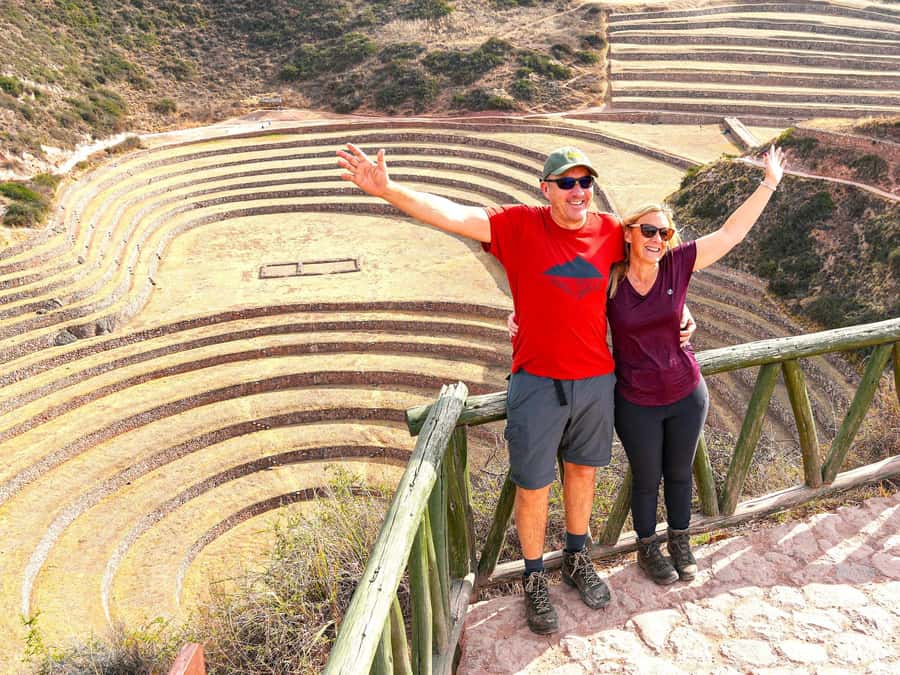
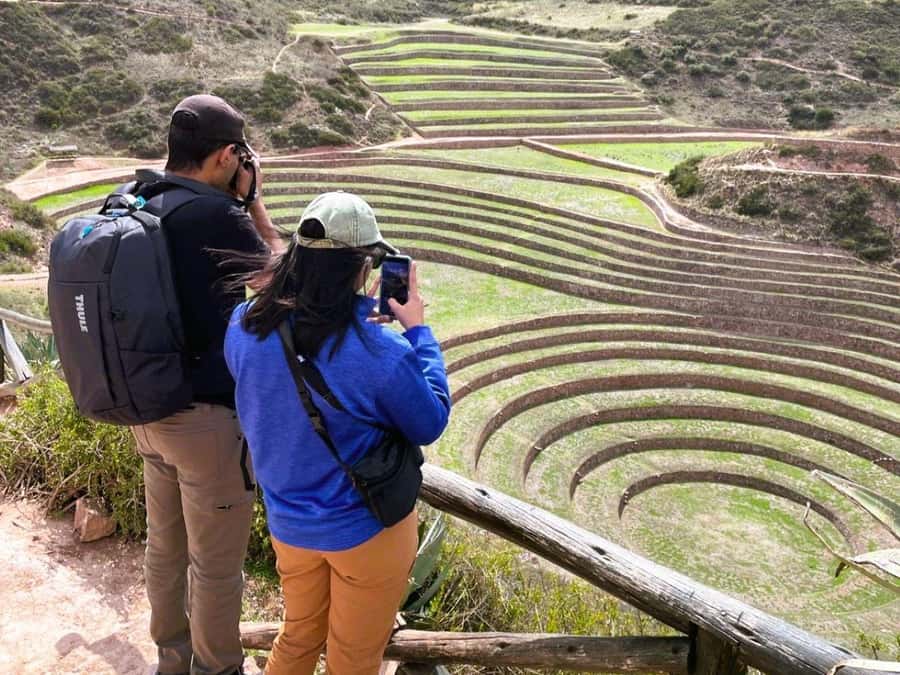
- Moray’s circular terraces: ancient experimentation, not just pretty shapes
- Maras salt mines: where tradition is still very active
- Ollantaytambo ruins and the fortress-town feel
- The Aguas Calientes night: why sleeping here matters
- Machu Picchu: first buses, 3 hours guided, then your own pace
- Logistics and timing: how to survive the pace (and enjoy it)
- Price and value: what $680 really buys you
- Who this tour suits (and who should skip it)
- Should you book this Machu Picchu circuit?
- FAQ
- What time is pickup in Cusco?
- How many days is the tour?
- Is Machu Picchu entry and a guide included?
- How long is the guided tour at Machu Picchu?
- Are Huayna Picchu or Montaña hikes included?
- What meals are included?
- What train is used for the journey?
- Do I need a passport?
- Are drones allowed?
- What are the main rules for health checks and public areas?
- Is cancellation free?
Key points you’ll care about
- Early entry to Machu Picchu via first buses, which helps you beat the heaviest crowds.
- One guide through four standout stops (Chinchero, Moray, Maras, Ollantaytambo) plus a guided core tour at Machu Picchu.
- Moray + Maras connection: see experimental terraces, then watch traditional salt extraction that still runs on the same idea.
- Logistics are handled: round-trip Expedition train, round-trip buses to Machu Picchu, and lodging in Aguas Calientes.
- Small group (max 16) can mean a calmer experience than big-bus touring, especially inside crowded areas.
Two days that stitch together the Upper Urubamba Valley
This tour works because it teaches Machu Picchu in context. Instead of arriving cold at the Lost City, you first see how people lived and worked around Cusco: weaving and community markets in Chinchero, agricultural technology at Moray, water-and-salt economics in Maras, and defensive, city-scale stonework at Ollantaytambo.
For you, that matters because Machu Picchu is easier to read when your brain has seen the patterns first. You’ll notice where the stones and terraces fit into a larger system. And once you’re at the citadel, your guided tour isn’t just facts—it becomes a map.
This is also the practical value play. A lot of Cusco-to-Machu Picchu days fall apart when trains, buses, and ticket timing collide. Here, transportation is built in end-to-end, so you spend less time guessing and more time actually looking.
You can also read our reviews of more tours and experiences in Aguas Calientes
Chinchero market and the mix of Inca and colonial space
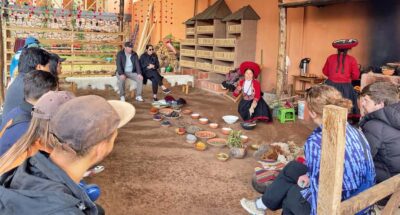
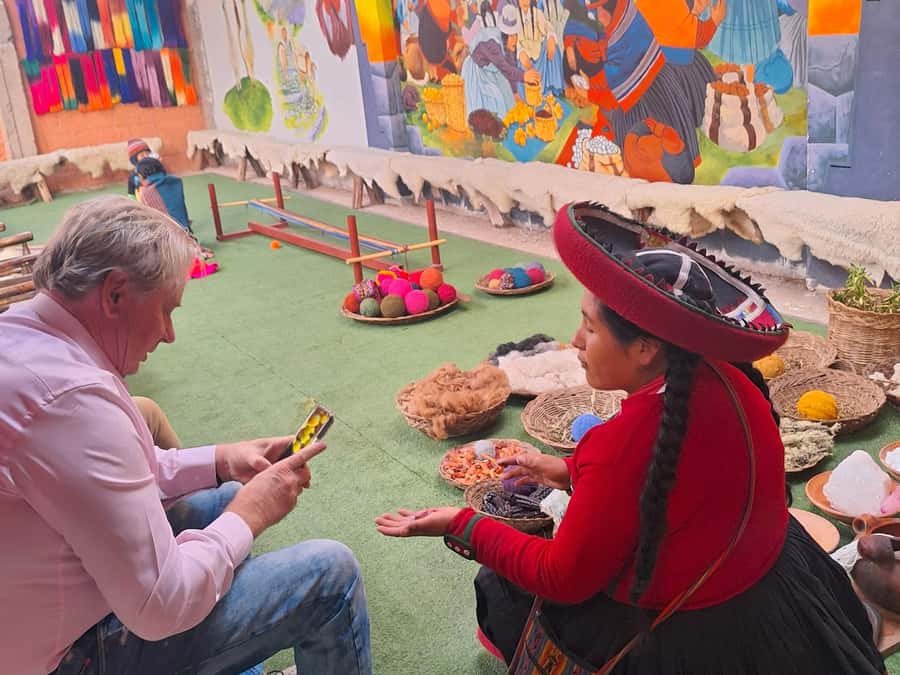
Chinchero hits you with two kinds of architecture and two kinds of culture in one stop. The schedule includes the archaeological site plus the colonial church, and then you get time at the handicraft market.
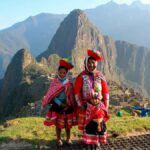
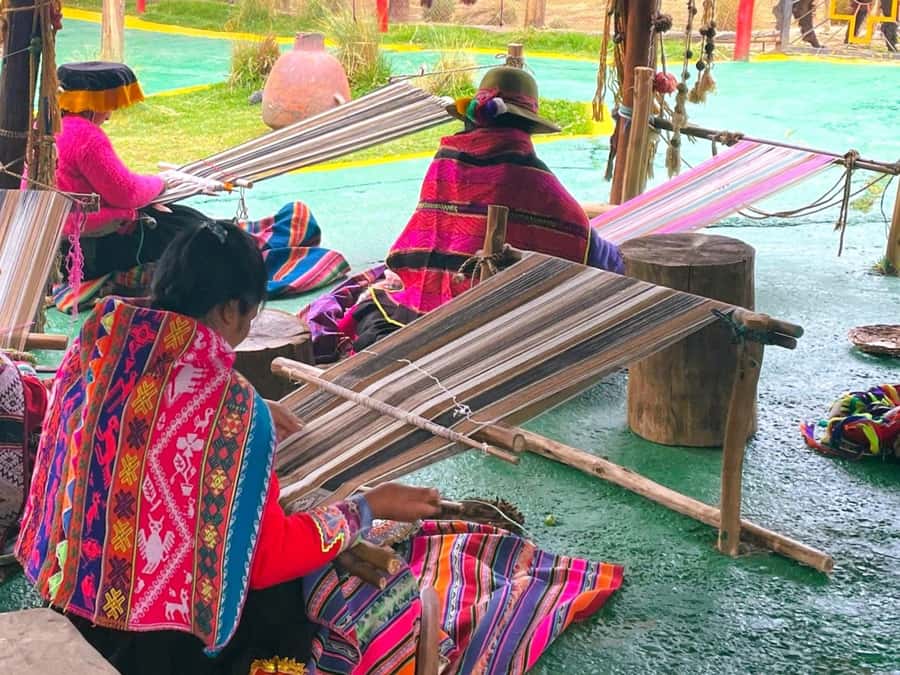
I like this because it’s not only ruins-on-a-map. Markets in the Andes aren’t just shopping. They’re where local tradition shows up in daily life—what people wear, what they sell, and how they move through their community. Even if you’re not buying anything, you’re watching culture in action.
Possible drawback: market time can feel tight if you stop to buy several things. If you want to shop, go in with a plan—pick one or two items you truly want, rather than trying to browse everything. Otherwise, you’ll end up rushing through the best parts.
Moray’s circular terraces: ancient experimentation, not just pretty shapes
Moray is famous for a reason: those circular terraces look engineered for observation. The tour gives you a focused look at the site for about an hour of driving time built in, so you can actually take it in without the usual “two-minute photo and go.”
What I find useful here is how Moray reframes what you think terraces are for. These aren’t just scenic steps on a hillside. They’re arranged in a way that suggests controlled growing conditions—so when you later see the way Machu Picchu is laid out, you’ll be thinking about function and climate, not only stonework.
It’s also a good reset in the day. After Chinchero’s market energy, Moray is calmer—more quiet observation, more time for your guide to explain how the terraces connect to agriculture.
Maras salt mines: where tradition is still very active
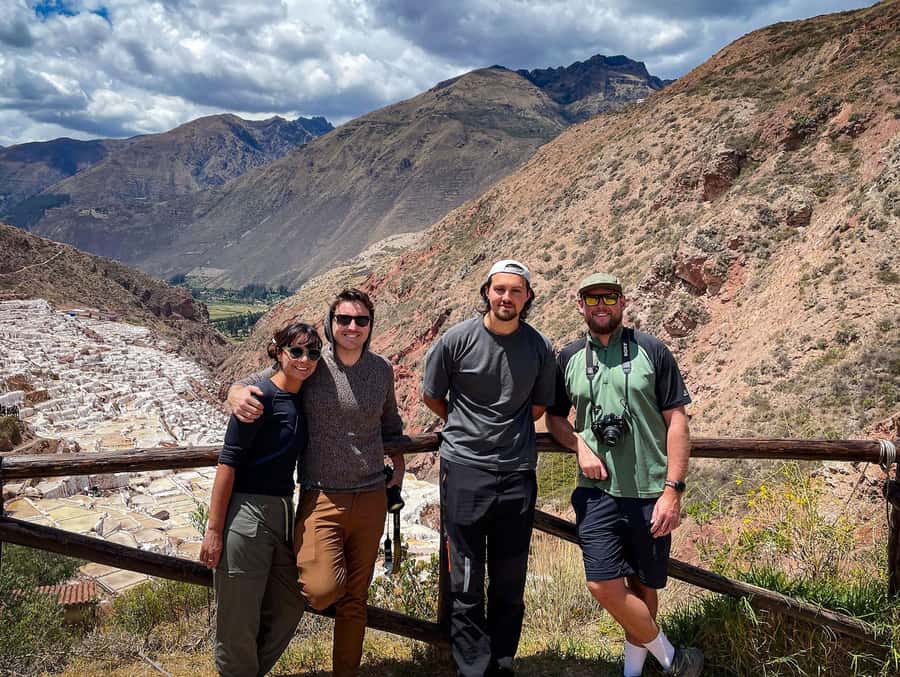
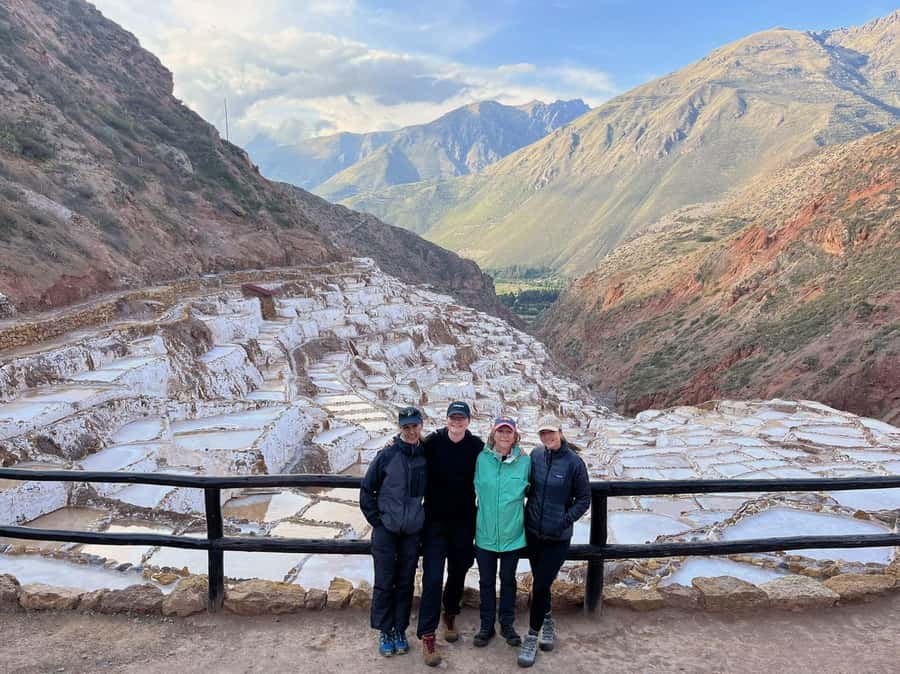
Next comes Salineras de Maras. The program is built around the idea that locals have been extracting salt since Incan times, and standing at the salt terraces is one of those moments where the past feels work-related instead of museum-like.
If you’ve ever wondered how geography turns into economy, this stop helps. Salt isn’t a background detail here. It’s a resource shaped by water flow, and those hundreds of small pools make the process visible.
One practical tip: bring a lens that lets you zoom in. From certain angles, the pattern is the story—those repeating pools—and a close view makes the whole scene make more sense than a wide shot alone.
Ollantaytambo ruins and the fortress-town feel
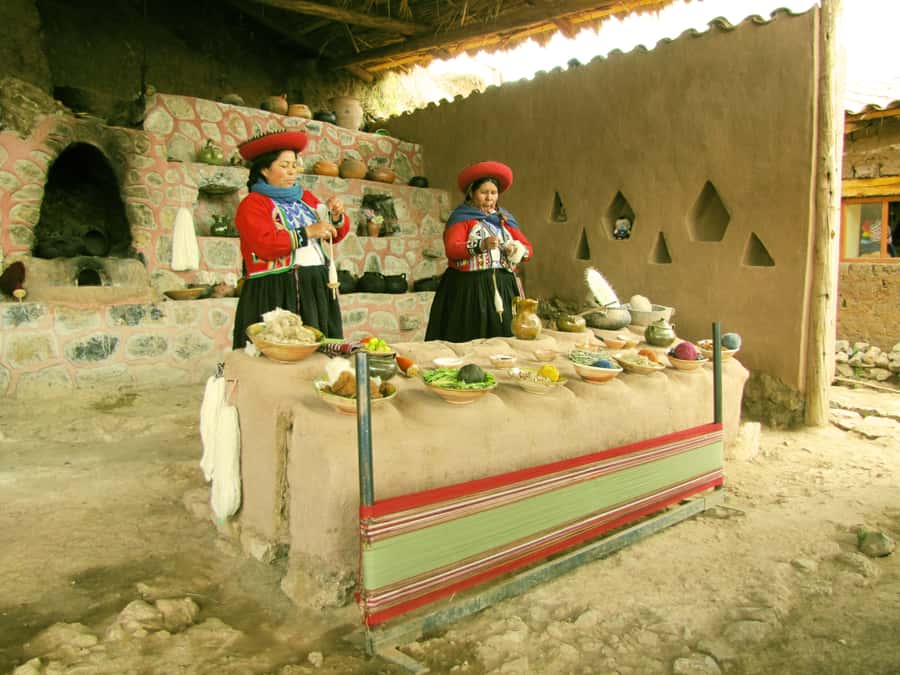
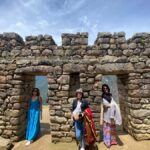
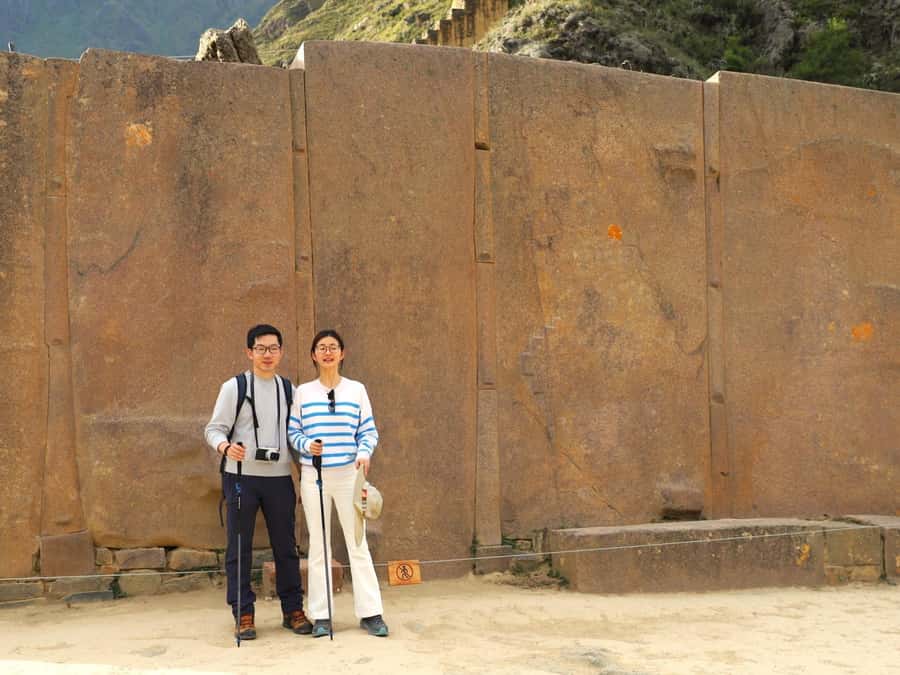
Ollantaytambo comes next, and it’s a strong finish to Day 1 because it’s both a town and a ruin. The tour includes the Ollantaytambo ruins—described in the itinerary as a massive Inca fortress with large stone terraces on a hillside—and then you get time to explore the town area.
This place is a great bridge to Machu Picchu because the stonework feels more immediate. You’re looking at a defensive, organized settlement style, not just ceremonial structures. For many people, this is where the trip’s tone shifts from “places we visit” to “a system we understand.”
Dinner is included at a local restaurant in Ollantaytambo, which is smart for one reason: it reduces decision fatigue before the train. After a long day of moving, being able to eat without hunting for something last-minute can save your energy for Machu Picchu morning.

The Aguas Calientes night: why sleeping here matters
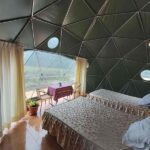
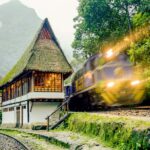
After Ollantaytambo, you take the Expedition train to Aguas Calientes and spend the night in a 3-star hotel. This matters more than it sounds. Machu Picchu is timed. If you try to commute the morning of, you gamble with buses and lines and daylight.
By staying overnight, you’re built into the correct rhythm: early wake-up, breakfast, then first buses up to the citadel. That early timing is what helps you “beat the crowds,” which is one of the tour’s biggest selling points for a reason.
This night is also your buffer. You’re not spending it in transit. You can rest, take care of anything you forgot (like a missing layer), and set yourself up for the guided tour the next day.
Machu Picchu: first buses, 3 hours guided, then your own pace
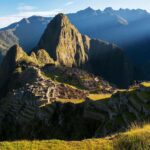
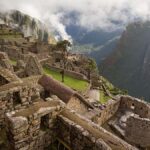
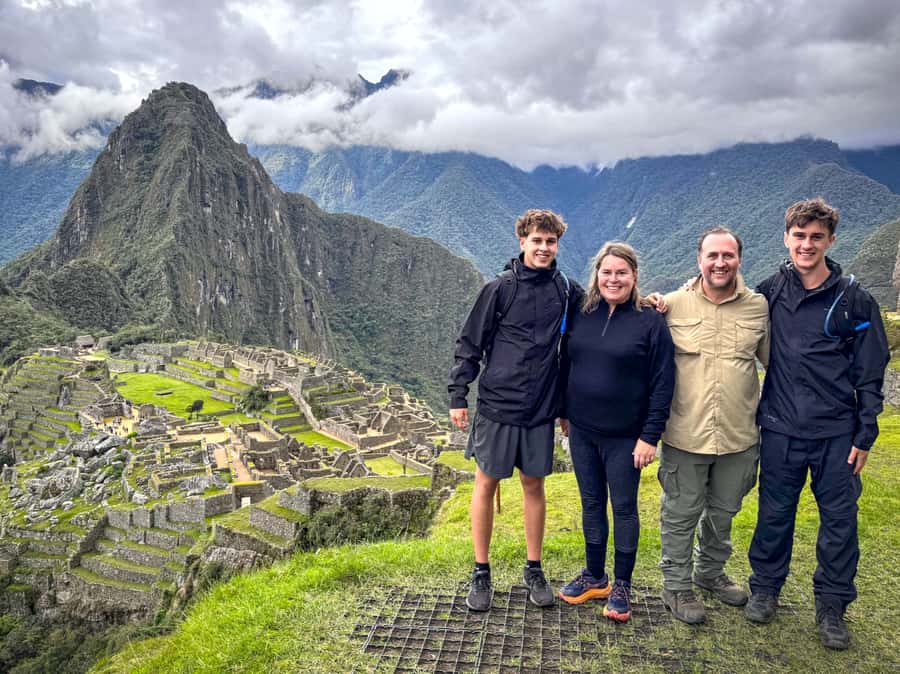
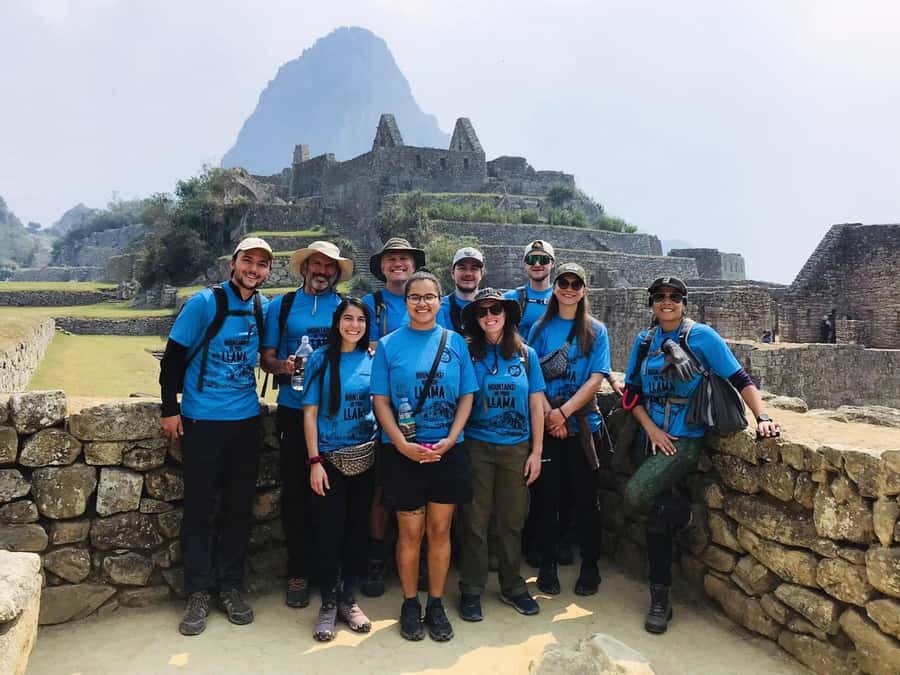
Day 2 starts early with breakfast at the hotel, then first buses to Machu Picchu. When you arrive, you get a guided tour through the most important places in the citadel—temples, palaces, and plazas—lasting about 3 hours.
I like this structure. The guided portion gives you the big “reading of the site.” Once you understand the main axes and key structures, the free time turns from wandering to purposeful exploring. It becomes easier to decide where to look for views, where to slow down for architecture, and where to connect the dots your guide explained earlier.
After the 3-hour tour, you get free time to explore the citadel on your own. This is your chance to do the stuff people remember later: linger at viewpoints, take photos where the angles feel right, and revisit areas you found most meaningful.
Then it’s back down to Aguas Calientes for lunch, and finally the Expedition train back to Cusco. Your arrival back at your hotel is around 7:30 PM, which gives you a clear expectation for when you’ll be truly done.
Logistics and timing: how to survive the pace (and enjoy it)
This is a two-day push, and that’s part of the bargain. You’re not just visiting one site. You’re moving through several key stops in the Urubamba Valley, plus one full Machu Picchu morning.
Here are the operational points that help you plan:
- Pickup in Cusco at 8:00 AM and you’ll spend much of Day 1 in transit between stops.
- Round-trip bus service to Machu Picchu is included, and you go up by first buses.
- Expedition train is included both ways, with the overall plan designed around the Machu Picchu schedule.
- Small group (max 16) keeps the day from feeling like a moving crowd of strangers.
I’ll be honest about the one thing that can feel annoying: even with train included, you may still experience a mode change around Ollantaytambo on the way back depending on how your exact schedule is arranged. If you’re the type who hates transfers, keep this in mind when judging the value.
Also note the on-the-ground rules: passport is required, drones aren’t allowed, and alcohol and drugs aren’t allowed. Temp checks happen when boarding and checking into hotels, and masks are mandatory in public places.
Price and value: what $680 really buys you
At $680 per person, this isn’t a bargain-basement trip. You’re paying for time-saving plus ticket-and-transport handling.
Here’s where that cost becomes easier to justify:
- You’re not doing logistics yourself: pickup, door-to-door service from Cusco, and transportation across multiple sites are included.
- Tickets are handled: Chinchero, Moray, Salineras, Ollantaytambo, and Machu Picchu entrances are covered.
- You get lodging: one night in Aguas Calientes at a 3-star hotel.
- You get the hard-to-solve travel parts: round-trip Expedition train and round-trip buses to Machu Picchu.
- Meals are included where it matters: Day 1 includes buffet lunch in Urubamba and dinner in Ollantaytambo (so you’re fed without searching mid-journey).
If you tried to stitch this together on your own, you’d likely spend time managing ticket windows and transport timing, and that’s the stuff that causes stress in Peru. Here, the plan is built around Machu Picchu’s early-bus reality.
The main reason someone might feel the price is high is when the day feels too transfer-heavy on the return. If you’re fine with switching segments as the schedule demands, the value reads better.
Who this tour suits (and who should skip it)
This tour is a good fit if you want an efficient Machu Picchu plan that also teaches you how the surrounding sites connect. If you like clear structure—guided orientation first, then your own wandering—this matches your style.
It’s also a good fit for people who prefer a smaller group. With a maximum of 16, you’re less likely to get steamrolled by a huge bus crowd, and it’s easier to keep your energy between stops.
It’s not suitable for:
- People with mobility impairments
- People over 95 years
If you fall outside those limits, you should still be ready for altitude and a busy schedule—Cusco isn’t gentle, and neither is Day 1. Pack smart and keep expectations realistic.
Should you book this Machu Picchu circuit?
If your goal is Machu Picchu with context, this is a smart choice. The combination of Chinchero, Moray, Maras, Ollantaytambo, and then a guided Machu Picchu morning gives you more than a single-site visit—you get a fuller picture of how the region worked.
I’d book it if you value early buses and you want the logistics handled. I’d pause if you strongly dislike transfers or you hate early mornings. This itinerary is designed to move, and it does that well.
If you want a one-quick-yes checklist: small group size, guided core touring, lodging included, and tickets handled—those are the big wins.
FAQ
What time is pickup in Cusco?
Pickup in Cusco is at 8:00 AM, and you should wait in the hotel lobby about 10 minutes before the scheduled time.
How many days is the tour?
The tour is 2 days and 1 night.
Is Machu Picchu entry and a guide included?
Yes. You have Machu Picchu admission included and a guided tour through the most important places, followed by free time to explore.
How long is the guided tour at Machu Picchu?
The guided tour at Machu Picchu lasts about 3 hours.
Are Huayna Picchu or Montaña hikes included?
No. Huayna Picchu and Montaña are not included and would be an extra.
What meals are included?
Day 1 includes a buffet lunch in Urubamba and dinner in Ollantaytambo. Other meals are not listed as included in the provided information.
What train is used for the journey?
The itinerary includes round-trip on the Expedition train.
Do I need a passport?
Yes, you need to bring a passport.
Are drones allowed?
No, drones are not allowed.
What are the main rules for health checks and public areas?
Temperature checks are conducted when boarding the van, train, and when checking into hotels, and wearing a mask in public places is mandatory.
Is cancellation free?
No. The activity is non-refundable.