REVIEW · CUSCO
Excursion Cusco – Puno – Titicaca Observatory Train
Book on GetYourGuide →Operated by America Explorer Peru · Bookable on GetYourGuide
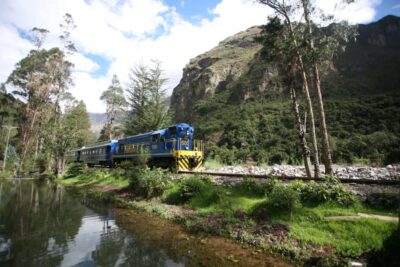
A train at 4,300 meters feels unreal. This Cusco-to-Puno ride turns a long transfer into a full-on Andes day, with an observatory car you can step into for fresh air and changing views. You also get real comfort baked into the schedule: meals, tea, and an on-board program that keeps the hours moving.
What I like most is the open-air balcony setup. It makes it easy to see the Andes as you climb and cross the high route, without having to fight for window seats. The second big win is how well-fed you are for a 10-hour day: you get a hot welcome drink, a three-course gourmet lunch, plus afternoon tea, along with live music and a cultural show.
One consideration: this is an early start and a high-altitude day. Pickup is at 6:30 am, and you’ll reach Abra La Raya at about 4,300 meters, so plan for a slower pace and keep hydrated.
In This Review
- Key highlights at a glance
- Why the Cusco–Puno Titicaca train feels different from a normal transfer
- Morning departure: 6:30 hotel pickup, welcome drink, and station timing
- The open-air observatory car: getting real views on the Andes route
- Meals on rails: gourmet lunch, afternoon tea, and where the comfort really shows
- Pisco sour demo and live entertainment: a cultural break that doesn’t feel staged
- Abra La Raya (~4,300 m): the highest-point stop and how to handle altitude
- Train logistics that actually matter: luggage, car types, and comfort rules
- Price and value: is $445 per person worth it?
- Who this train day trip suits best
- Should you book the Excursion Cusco–Puno–Titicaca Observatory Train?
- FAQ
- How long is the Cusco–Puno–Titicaca observatory train excursion?
- Does it run from Cusco to Puno or from Puno to Cusco?
- What time is pickup from my hotel?
- What is included in the ticket?
- Is an open-air observatory car included?
- What happens at Abra La Raya?
- What language will the host or greeter use?
- Is the experience wheelchair accessible?
- What documents do I need to bring?
- Are children and infants discounted?
Key highlights at a glance
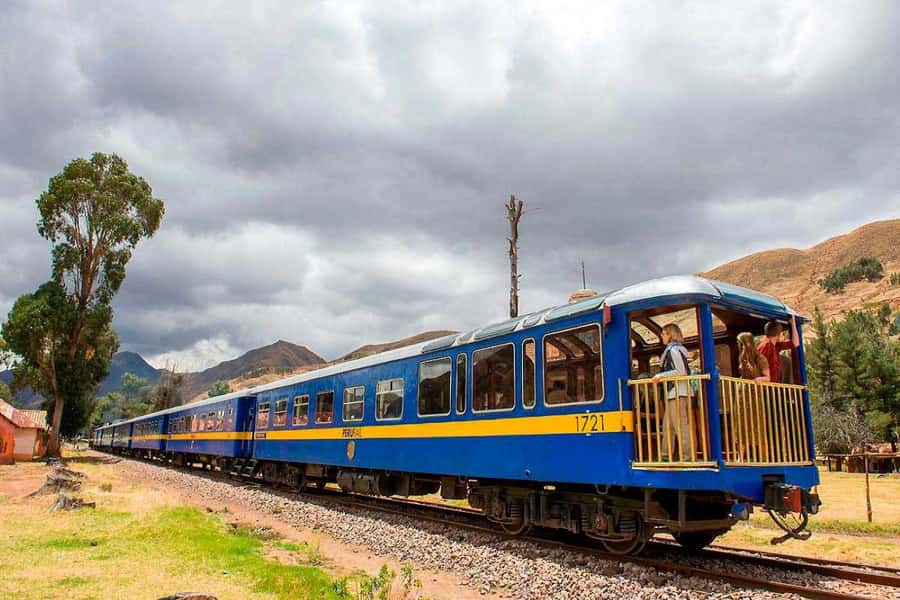
- Open-air observatory car with an open-air balcony to watch the route go by
- 3-course gourmet lunch + afternoon tea built into the train schedule
- Abra La Raya stop (~4,300 m) at the highest point along the way
- On-board cultural show and live music to break up the travel hours
- Pisco sour demonstration and bar-car beverage service
- Hotel pickup in Cusco or Puno and free movement on the train
Why the Cusco–Puno Titicaca train feels different from a normal transfer
A train can be just a ride. This one is more like a moving lounge with a view, where the day is designed around the journey itself. The heart of it is that observatory car concept: you’re not stuck watching through glass all day. When the train hits the high route, you can step out to the open-air balcony for a clearer sense of altitude, sky, and distance.
I also like that the experience is structured, not chaotic. You’re traveling between Cusco and Puno—two bases many people connect on the way to Lake Titicaca—but instead of rushing from one bus to another, you get a full day with meal breaks and entertainment. It’s a good match if you want the trip to feel special without adding extra stops beyond one key high point.
Still, think of this as a day program first. If your goal is to maximize time on Lake Titicaca itself, this train is the connector. It delivers comfort and views, and then it hands you off to Puno (or Cusco) ready to continue.
You can also read our reviews of more tours and experiences in Cusco.

Morning departure: 6:30 hotel pickup, welcome drink, and station timing
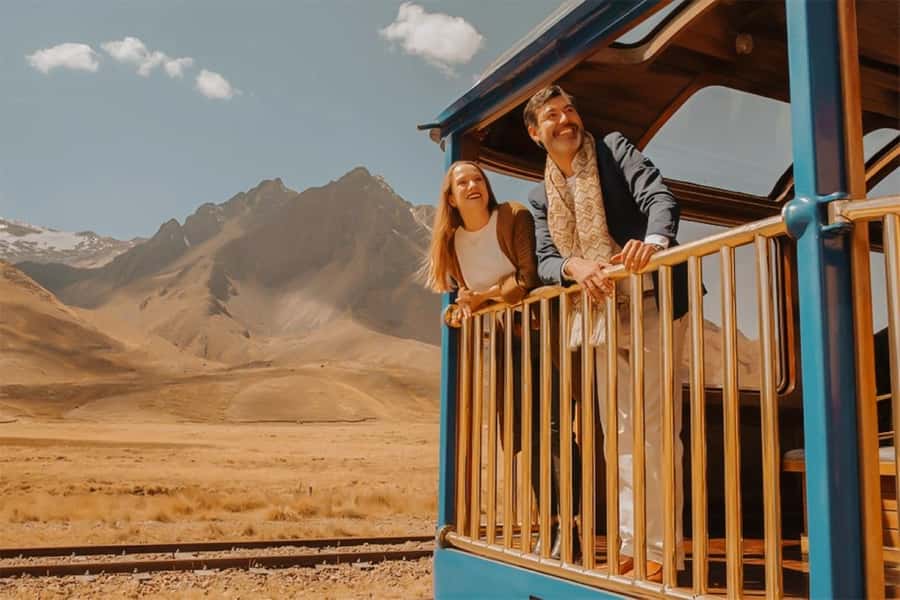
Your day starts with pickup from your hotel in Cusco or Puno around 6:30 am, then transfer to the train station. This matters because it shapes the whole rhythm. You’ll be up early, but it also means you’re not scrambling at the last minute after a night in town.
Once you board, you’re greeted with a hot welcome drink. That small detail helps a lot in the Andes, where mornings can feel sharp. Then you settle in with free movement on the train, so you can float between the restaurant car, bar car, and observatory area without feeling trapped in one spot.
One practical note: the tour is scheduled for about 10 hours total. That means the timing is tight, and you should plan to be at the station about 30 minutes before departure. If you’re the type who runs late, this is the day to switch into early mode.
The open-air observatory car: getting real views on the Andes route
The main reason I’d pick this train over a more basic option is simple: the observatory car. It’s built around an open-air balcony overlooking the scenery. That’s a big deal on this route, because you’re crossing high ground and wide valleys where details matter—snowy peaks far off, ridgelines, cloud layers, and the way the terrain changes as you climb.
In practical terms, it gives you two kinds of sightlines:
- A more comfortable inside view when you want warmth.
- A sharper, outdoor view when the light is good and you want to feel the altitude.
If you’re into photos, this is where you’ll spend time. Bring a camera and be ready for quick changes. On a high route, light can shift fast, and clouds can move in and out like a curtain.
Also: the train’s design supports moving around. So if you miss a view at one moment, you can reposition. It’s not like everyone crowds one side and stays there for hours.
Meals on rails: gourmet lunch, afternoon tea, and where the comfort really shows
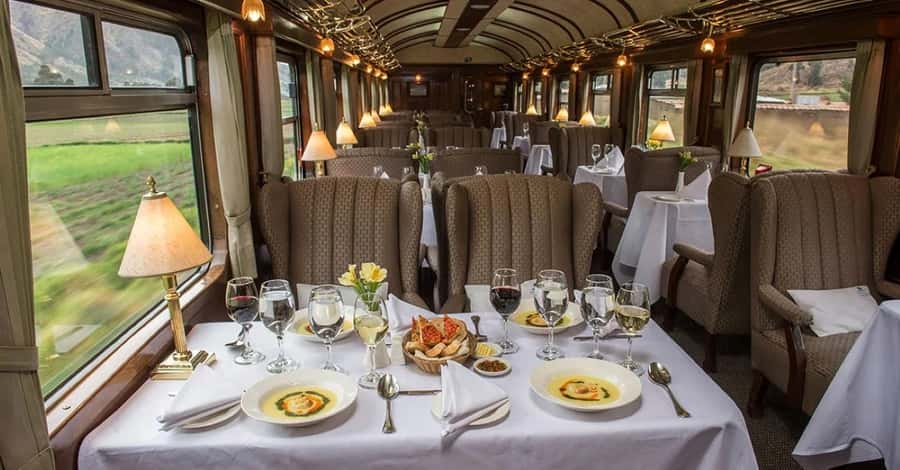
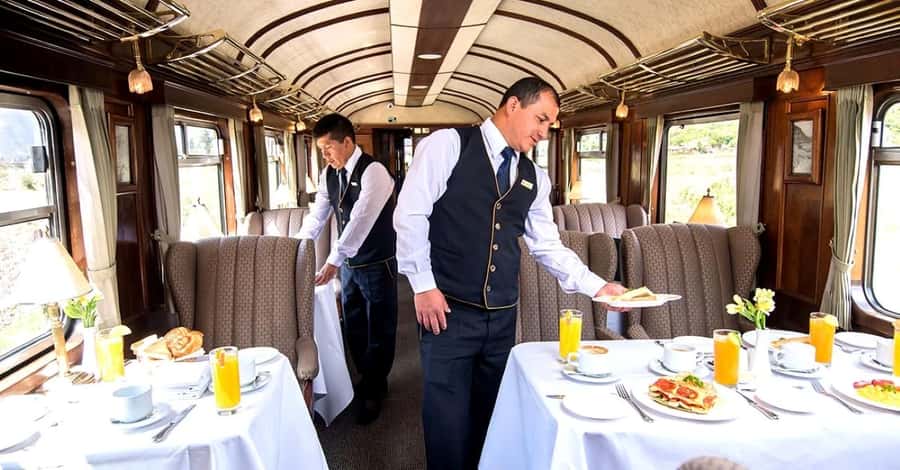
Food is not an afterthought on this train. You get an on-board three-course gourmet lunch, plus afternoon tea, and everything is served during the ride so you don’t have to hunt for meals at awkward times. For a 10-hour day, that’s one of the best value points you’re paying for.
The restaurant car is described as having a refined atmosphere, which translates to: you can actually sit, eat, and reset your energy instead of just grabbing something quick and moving on. The inclusion of afternoon tea is also smart. It helps you bridge the middle and later part of the trip when you’d normally feel the travel fatigue.
There’s also a cultural side to the meal experience. A show and live music are part of the program, and the pacing keeps it from feeling like you’re stuck waiting for something to happen.
If you’re picky about timing, this schedule is for you. When meals and tea are planned, you don’t waste your day worrying about when you’ll eat.
Pisco sour demo and live entertainment: a cultural break that doesn’t feel staged
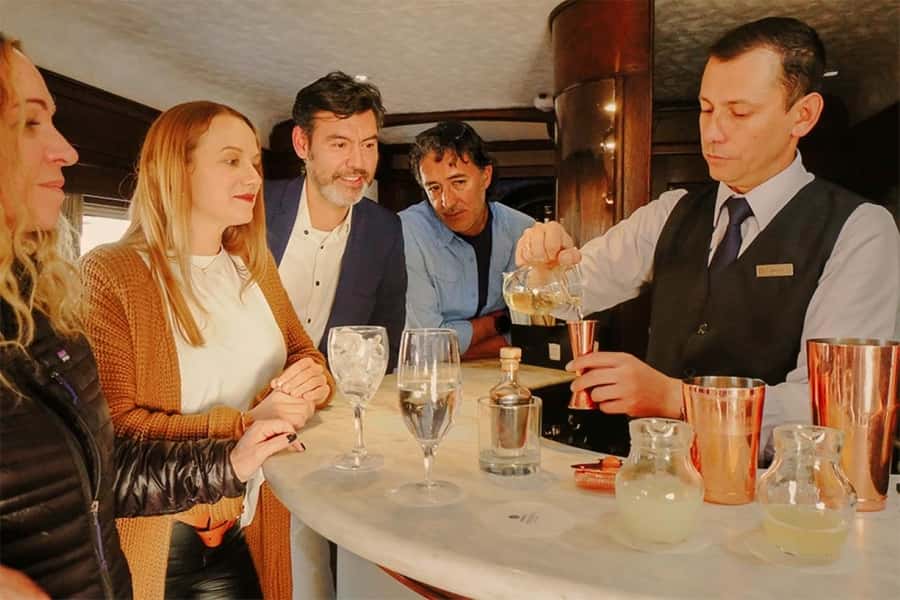
This is one of those “small inclusions” that can make a big difference during a long travel day. You get a cultural show and live music, plus a pisco sour demonstration onboard. Even if you’re not a big cocktail person, a demonstration is a fun way to connect with Peruvian culture in a short window without turning the day into a separate tour.
From what you can expect on board, the entertainment is designed to keep the trip active and engaging, not just background noise. The best part is that it gives you a reason to stay comfortable inside while other parts of the day are built around the outside view.
There’s also a bar car for beverage service. Just note the general rules list alcohol as not allowed—so follow crew guidance on what’s permitted and where. In the experience as described, the pisco sour moment is part of the program, so it’s handled as an official included activity.


Abra La Raya (~4,300 m): the highest-point stop and how to handle altitude
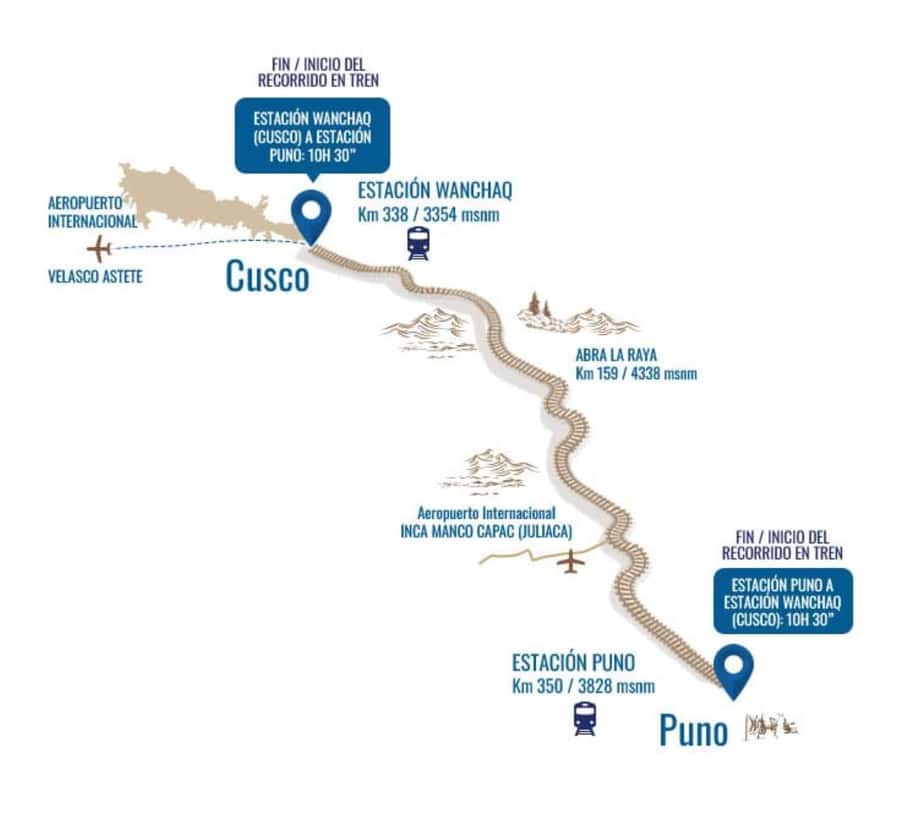
The one “big moment” on the itinerary is the stop at Abra La Raya village, at roughly 4,300 meters—the highest point of the route. This is where the Andes feel real.
Why this stop matters:
You get a clear reference point for the scale of the elevation change between Cusco and Puno. It’s not just a dramatic view from a window; it’s a chance to step into the high-altitude stop atmosphere and take in the meeting of sky and earth you hear about in Andean travel.
How to make the most of it:
- Move slowly and don’t treat it like a race to the viewpoint.
- Use the moment for photos, a short walk, and hydration.
- If you’re prone to altitude discomfort, plan to take it easy for the rest of the day.
There’s no need to overthink it. Even if you’ve visited high places before, this is still a notable altitude. Think of the stop as a breather and a photo opportunity, not an intense hike.
Train logistics that actually matter: luggage, car types, and comfort rules
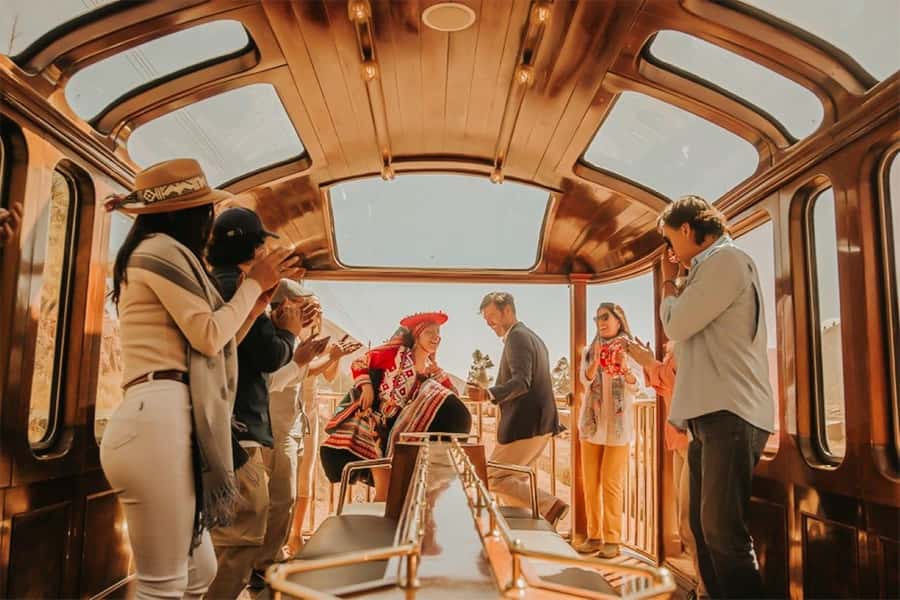
This ride is built for comfort and smooth flow.
Luggage and storage
You get storage for hold luggage up to 23 kg. The information also notes there’s no limit to the amount of luggage in the hold, which is helpful if you pack more than you usually would for a day trip. Personal items must not exceed 8 kg.
Car types
- Observatory car: open-air balcony for viewing
- Restaurant car: sit-down meals
- Bar car: beverage service area
- Free movement: you can shift between areas during the day
Rules
The tour lists restrictions like no smoking in the vehicle or indoors, no pets, and no littering. Alcohol and drugs are listed as not allowed. The vibe you want for this trip is calm and respectful of a moving, shared space—so keep voices at a conversational level.
What to bring
A passport (or ID as noted), camera, comfortable clothes, travel insurance, and cash. Bring credit cards too, just in case you want options in Cusco or Puno before or after the ride.
Price and value: is $445 per person worth it?
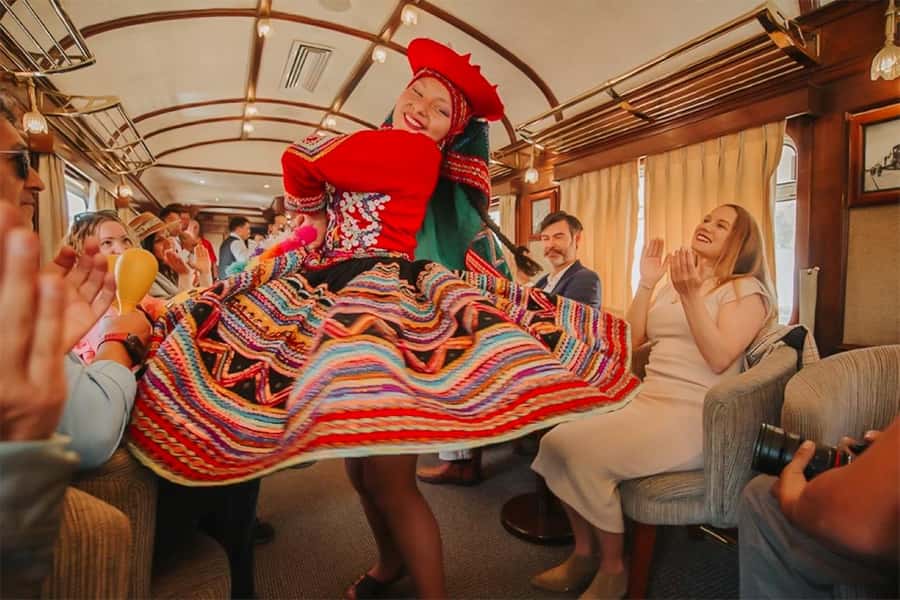
At $445 per person for about 10 hours, you’re paying for more than seat time. Here’s what makes it feel like value instead of just transportation:
- Hotel pickup from Cusco or Puno to the station.
- Train ticket for the Cusco–Puno direction (or Puno to Cusco).
- Multiple included food moments: a hot welcome drink, three-course gourmet lunch, and afternoon tea.
- On-board cultural elements: cultural show, live music, and a pisco sour demonstration.
- Observatory car access with open-air balcony viewing.
- Staff and service structure, with English or Spanish hosting.
If you were to recreate this on your own—pay for private transport to a station, buy meals during the day, and add separate paid experiences—you’d likely spend similar money, and you’d still lose the convenience of a pre-timed schedule.
So the real question is personal: do you want your Cusco–Puno travel day to feel like a highlight? If yes, the price starts to make sense.
Who this train day trip suits best
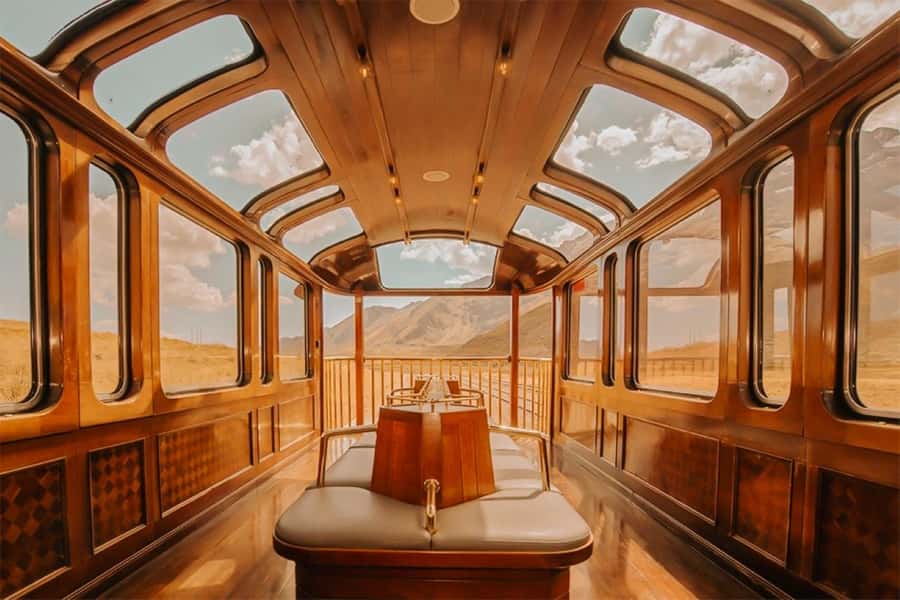
This experience fits best if you:
- Want comfort during a high-altitude travel day between Cusco and Puno.
- Prefer a structured program over self-guided transport.
- Care about views and want real access through an open-air observatory balcony.
- Appreciate good onboard meals instead of quick snacks.
It’s also a nice choice if you’re traveling in a short window and don’t want to spend your limited time on logistical headaches. You’ll still need time on the ground in Cusco, Puno, or for Lake Titicaca plans, but this train makes the connection day feel purposeful.
Should you book the Excursion Cusco–Puno–Titicaca Observatory Train?
Book it if you want a travel day that’s more than transit. The strongest reasons are the observatory car, the included gourmet lunch and afternoon tea, and the fact that the itinerary builds in a meaningful high point at Abra La Raya (~4,300 m).
Skip it (or think twice) if you dislike early mornings, have significant altitude concerns, or want a more flexible day with lots of time to explore on your own. This is a scheduled experience with built-in pacing.
For most people connecting Cusco and Puno, though, I’d call it a smart upgrade: comfortable, scenic, and intentionally designed so you arrive feeling like you did something—rather than just endured the route.
FAQ
How long is the Cusco–Puno–Titicaca observatory train excursion?
It lasts about 10 hours.
Does it run from Cusco to Puno or from Puno to Cusco?
Yes. You can take the train Cusco to Puno or the reverse direction.
What time is pickup from my hotel?
Pickup is at 6:30 am from your hotel in Cusco or Puno.
What is included in the ticket?
The package includes the train ticket (Cusco–Puno or vice versa), hotel pickup, a hot welcome drink, use of the observatory car, restaurant car meals (including a 3-course gourmet lunch), bar car beverage service, cultural show and live music, a pisco sour demonstration, a stop at Abra La Raya village, and afternoon tea. It also includes free movement on the train and luggage storage (up to 23 kg in the hold).
Is an open-air observatory car included?
Yes. The observatory car includes an open-air balcony overlooking the landscape.
What happens at Abra La Raya?
You make a tourist stop at Abra La Raya village, at the highest point of the route, around 4,300 meters.
What language will the host or greeter use?
The host or greeter is available in English and Spanish.
Is the experience wheelchair accessible?
Yes, it is listed as wheelchair accessible.
What documents do I need to bring?
You should bring your passport. The tour also notes passport or ID card, including for children.
Are children and infants discounted?
Children 3–11 years old receive a 25% discount. Infants under 3 years old do not pay for the ticket, but they occupy the parents’ seat unless they want their own seat (25% discount applies for a seat).